

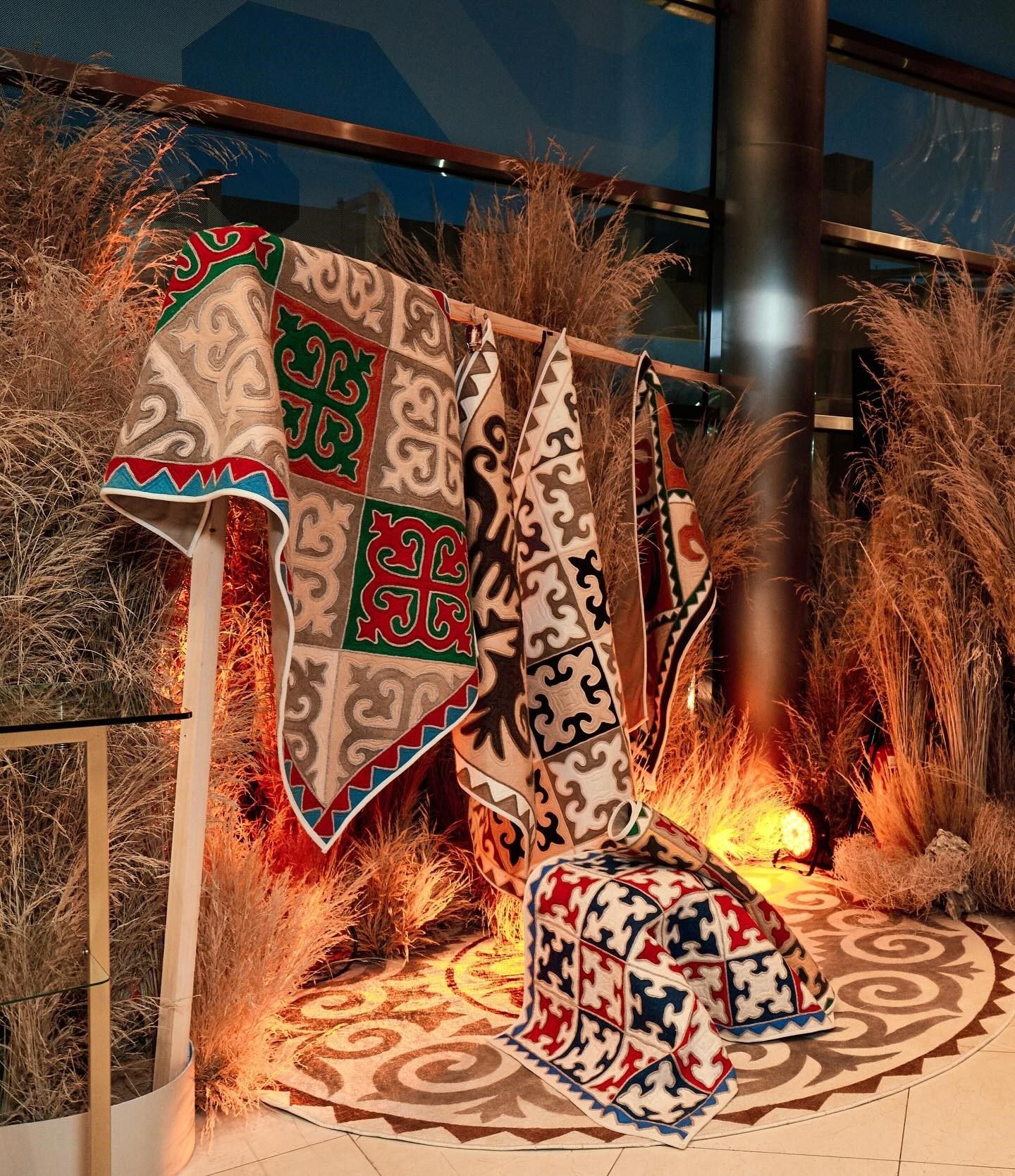
Threads of Heritage — The Enduring Legacy of Kazakhstan’s Syrmak Felt Carpets
For centuries, the vast steppes of Kazakhstan have nurtured a rich nomadic culture shaped by movement, resilience, and a deep connection to nature. Among the many artistic traditions that emerged from this way of life, few are as visually striking and culturally significant as the syrmak—a handcrafted felt carpet made from sheep’s wool. More than a decorative household item, the syrmak embodies the history, values, and artistic identity of the Kazakh people. Every stitch, motif, and color reflects generations of knowledge passed from mothers to daughters, preserving stories of family, community, and life on the steppe. The origins of the syrmak can be traced back to ancient Turkic nomadic societies, where felt played an essential role in everyday life. Nomads relied heavily on sheep for food, clothing, and shelter materials. Wool, abundant and durable, became the foundation of a sophisticated felt-making tradition that evolved over centuries. The word “syrmak” itself is believed to derive from an old Turkic term associated with sewing or stitching, highlighting the distinctive craftsmanship that sets these carpets apart from other felt products.
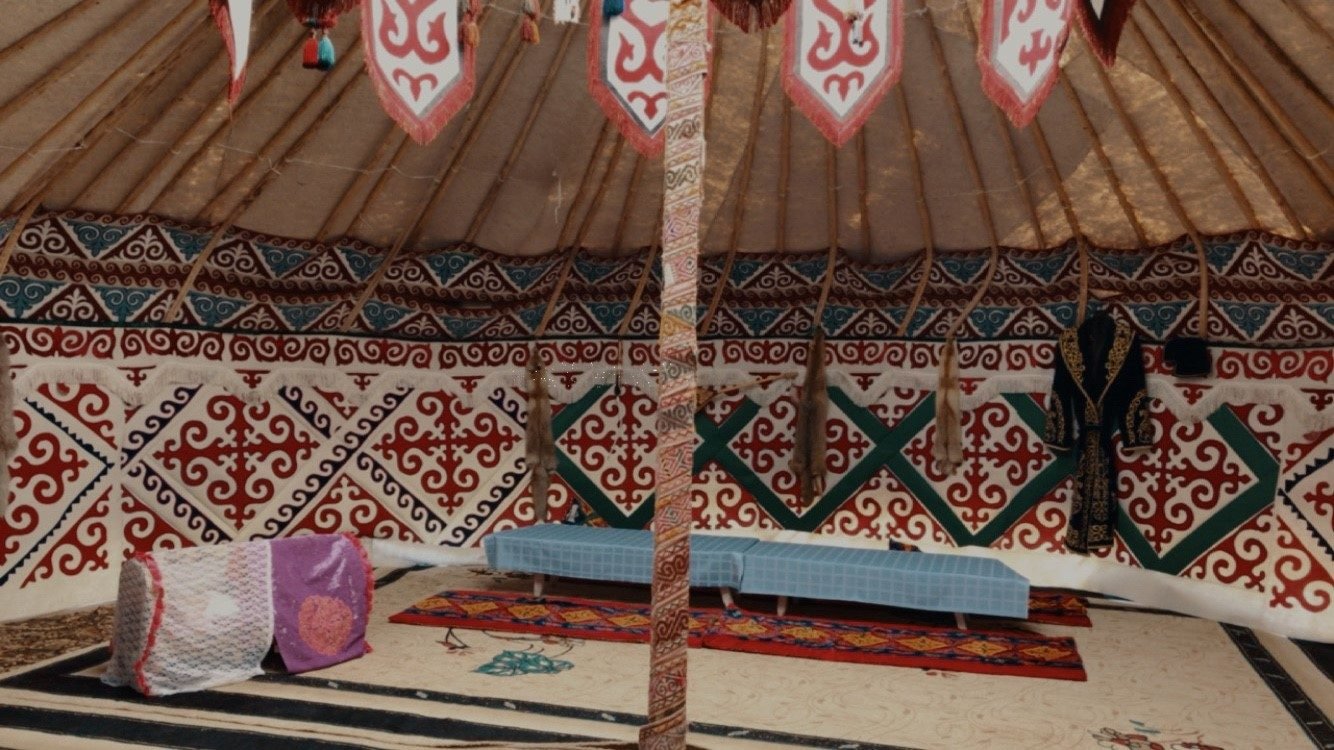
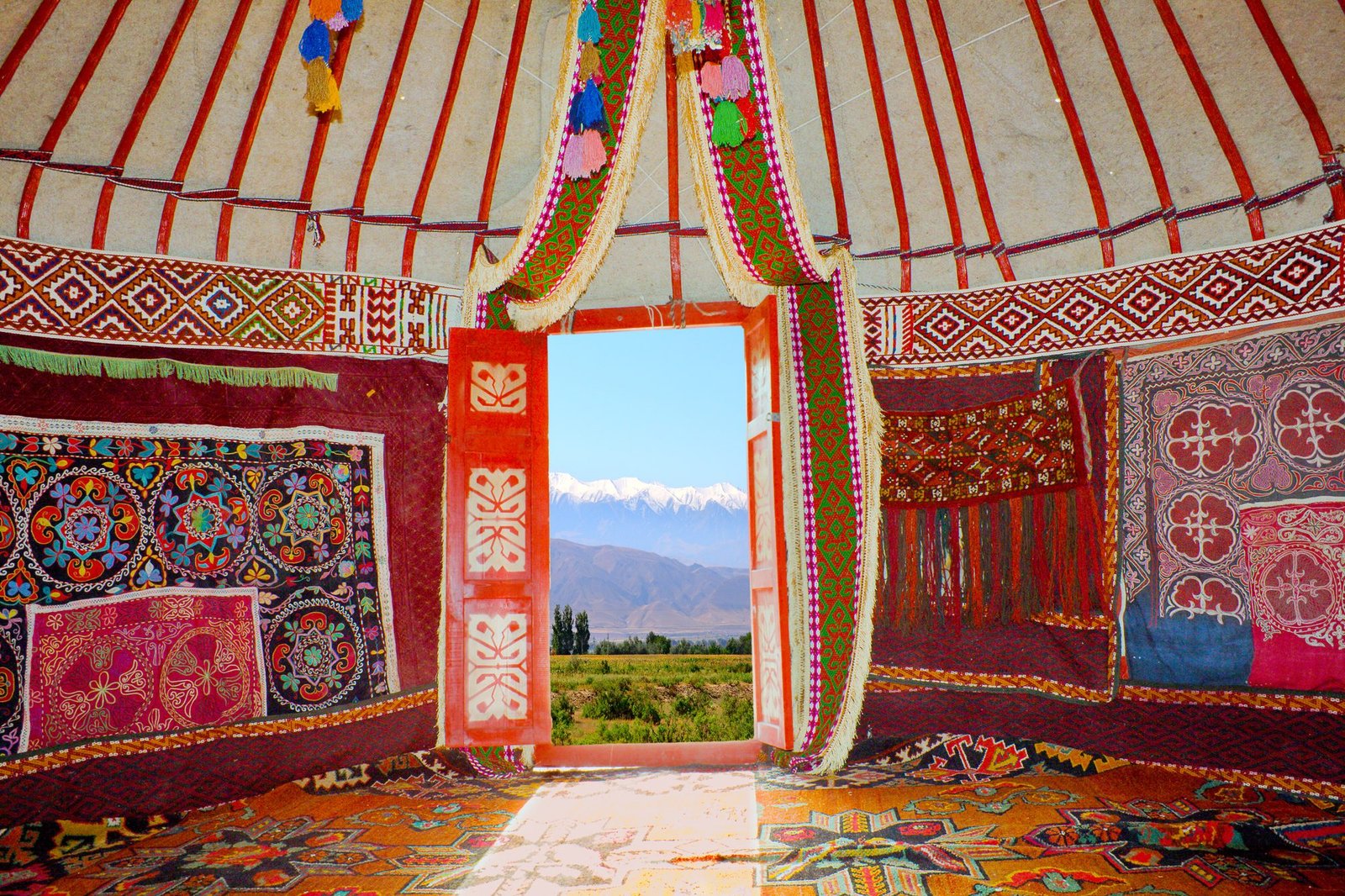
Life in the Kazakh steppe demanded practical solutions to harsh environmental conditions. Winters could be bitterly cold, while summers brought intense heat. The yurt, the traditional portable dwelling of nomadic families, required materials that provided insulation and comfort. Felt carpets fulfilled these needs perfectly. Thick woolen syrmaks covered floors and walls, helping regulate temperature throughout the year. They softened living spaces, protected inhabitants from the cold ground, and added beauty to otherwise functional interiors. Yet the syrmak’s value extended far beyond practicality. In traditional Kazakh society, the quality and beauty of household textiles often reflected the skill, diligence, and artistic taste of the women who created them. A finely crafted syrmak demonstrated not only technical expertise but also cultural knowledge. Many carpets became treasured family possessions, handed down through generations as valuable heirlooms carrying memories and ancestral traditions.
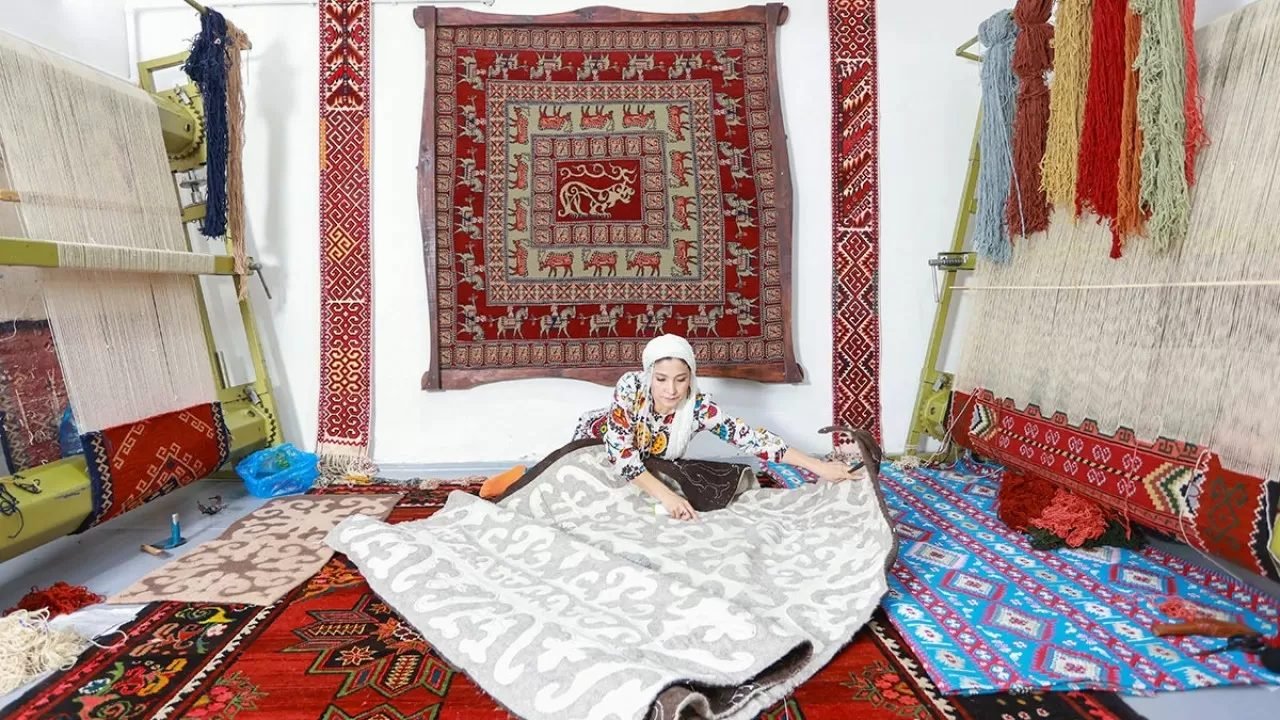
Creating a syrmak is a labor intensive process requiring patience, precision, and collaboration. The journey begins with sheep’s wool, which must first be carefully prepared. After shearing, the wool undergoes thorough cleaning to remove dirt and impurities. Once washed and dried, it is beaten and loosened using traditional wooden tools. This preparation ensures that the fibers become soft, uniform, and suitable for felting. The cleaned wool is then spread evenly across reed mats. Water and pressure are applied repeatedly to bind the fibers together. The felting process requires extensive rolling, pressing, and compressing. Traditionally, several people worked together, taking turns rolling the wool to ensure consistent density throughout the material. This communal effort reflects the cooperative nature of nomadic life, where neighbors and relatives often assisted one another with large tasks.
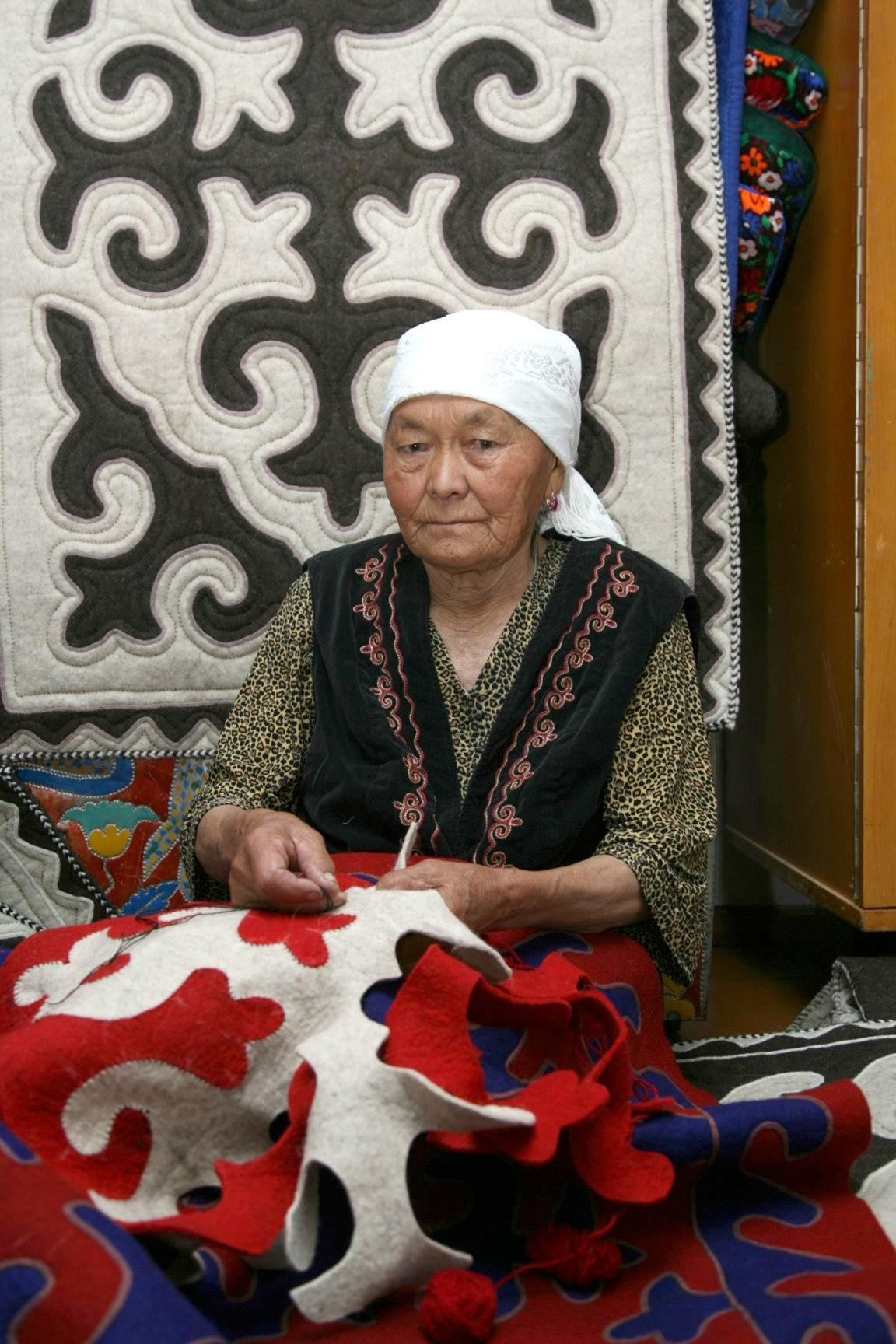

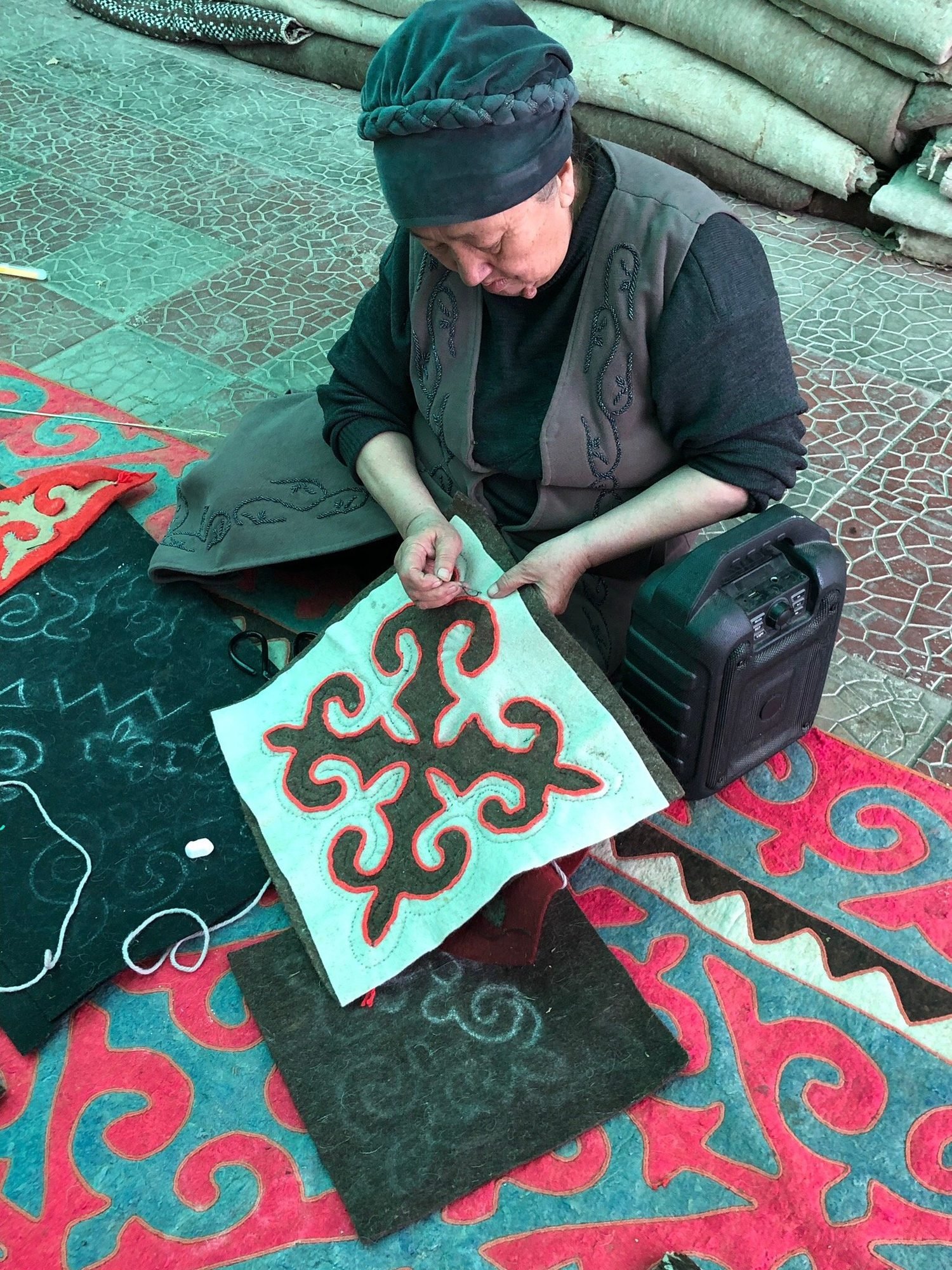
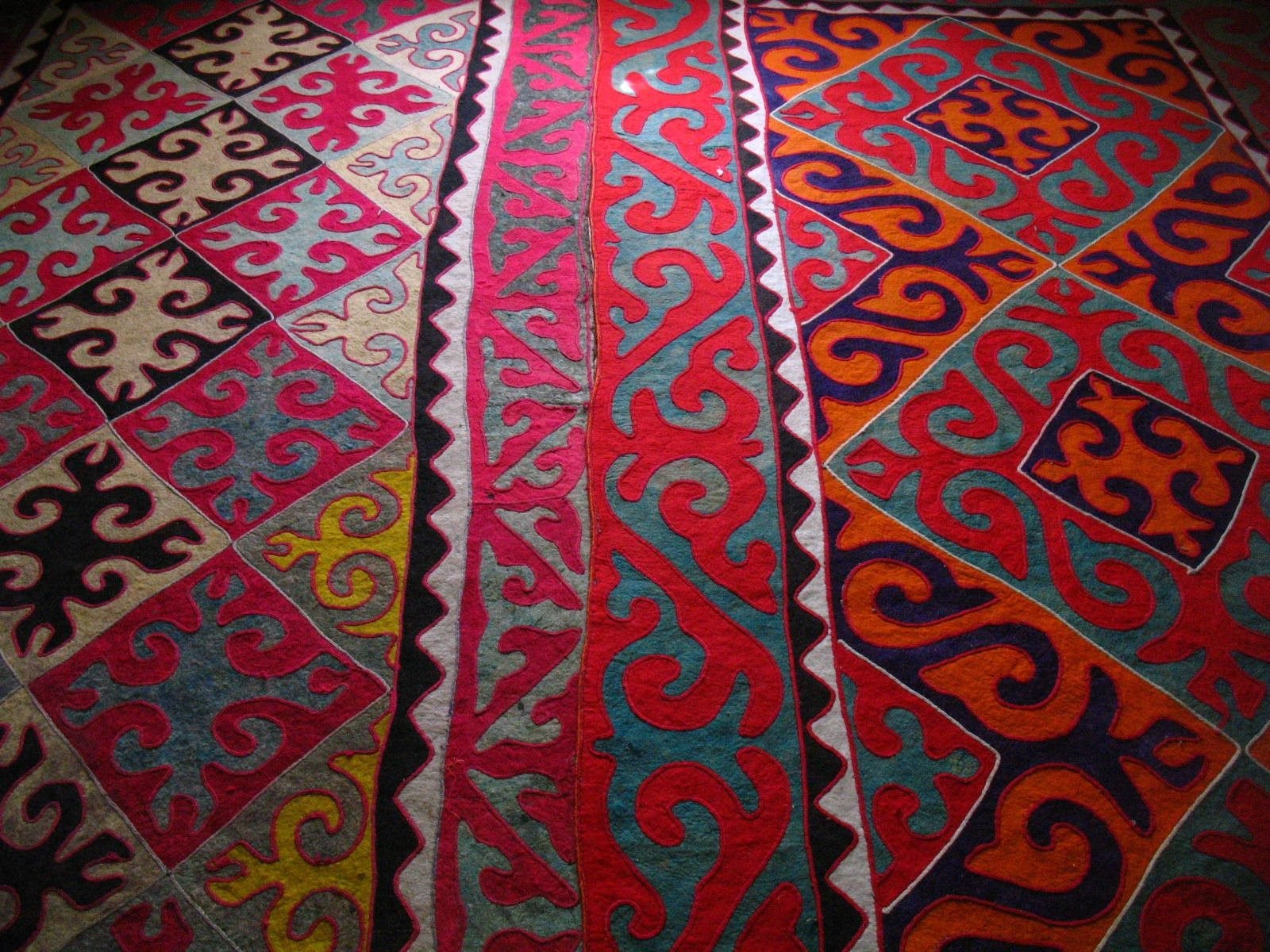
Once the felt sheets have reached the desired thickness and strength, they are dyed in various colors. Historically, artisans used natural dyes derived from plants, roots, and minerals found across the steppe. Today, both natural and modern dyes may be employed, but the goal remains the same: to create vivid contrasts that highlight the carpet’s intricate patterns. What distinguishes a syrmak from other Kazakh felt carpets is its unique mosaic-like construction technique. Unlike simpler felt rugs created by embedding colored fibers into a single sheet, a syrmak is made from two separate pieces of prepared felt, usually in contrasting colors. The two layers are placed together, and an ornamental design is carefully drawn onto the surface.

Using sharp cutting tools, artisans cut through both layers simultaneously, following the pattern’s contours with remarkable accuracy. The resulting pieces are then exchanged between the two felt sheets. A shape removed from one color is inserted into the corresponding space in the other, creating two mirrored compositions. These contrasting elements are meticulously stitched into place, producing a striking visual effect. This technique creates an elegant balance between positive and negative space. The ornament appears seamlessly integrated into the background rather than sitting on top of it. The surface remains flat and durable, making the carpet resistant to wear while preserving the clarity of its designs.
The precision required for this process explains why syrmak production is often regarded as one of the most sophisticated forms of traditional felt craftsmanship. The artistic power of the syrmak lies not only in its technical mastery but also in the symbolism embedded within its motifs. Traditional Kazakh ornamentation serves as a visual language through which artisans express ideas, beliefs, and cultural values. Every pattern carries meaning, transforming the carpet into a narrative woven from symbols rather than words. One of the most common and recognizable motifs is the ram’s horn, known as koshkhar muyiz. This design symbolizes strength, prosperity, abundance, and vitality. Because livestock formed the foundation of nomadic wealth, the ram’s horn became a powerful emblem of well-being and success. Variations of this motif appear throughout Kazakh decorative arts, from textiles to jewelry and architecture.

Geometric shapes are equally significant. Diamonds, squares, circles, and spirals often represent harmony, continuity, protection, and the interconnectedness of life. Repeating patterns emphasize balance and order, reflecting the nomadic worldview in which humans, animals, and nature exist within a larger cosmic rhythm. Floral and plant-inspired designs can symbolize growth, renewal, and fertility, while flowing curves may evoke rivers, winds, or movement across the steppe. Together, these elements create compositions that are both aesthetically pleasing and culturally meaningful. For skilled artisans, arranging these motifs requires careful thought, ensuring that the carpet communicates a harmonious message through its visual structure. Traditional Kazakh society recognized different types of syrmaks designed for specific purposes. Some carpets served practical functions during seasonal migrations. Larger and more durable examples were used to cover pack animals, particularly camels carrying household belongings across long distances. These protective coverings helped safeguard both cargo and animals from weather conditions.
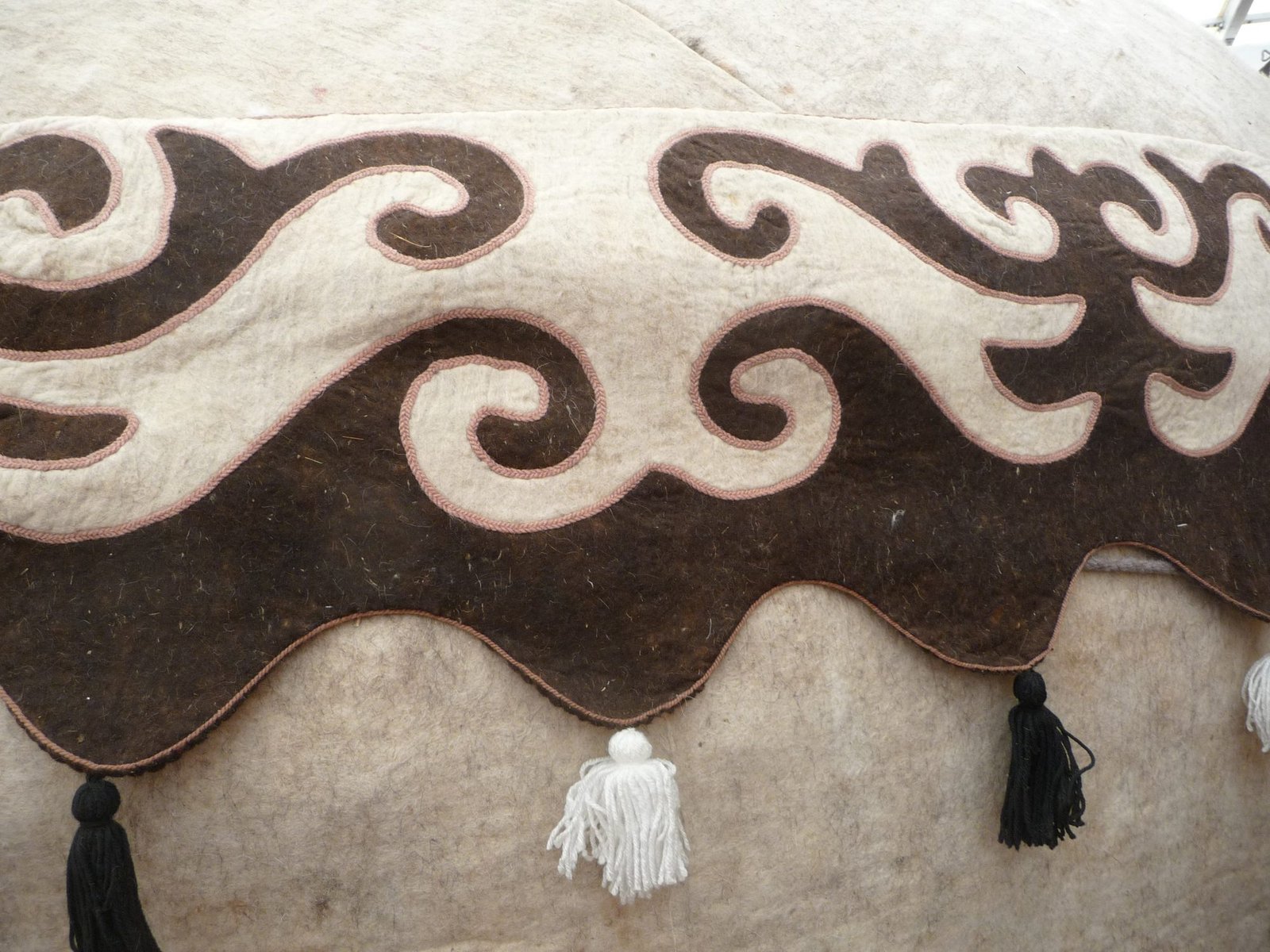
Other syrmaks occupied prominent positions within the yurt. Ceremonial carpets were often placed in the most honored areas of the dwelling, where guests would be received. These prestigious pieces displayed the family’s status and artistic refinement. Their size, complexity, and quality distinguished them from more utilitarian examples used for everyday purposes. Special syrmaks were also created for important life events such as weddings and celebrations. A bride’s dowry frequently included beautifully crafted textiles that demonstrated her family’s craftsmanship and cultural heritage. In this way, felt carpets became deeply intertwined with personal milestones and social traditions. The making of a syrmak was rarely a solitary endeavor. Historically, women gathered in groups to prepare wool, felt fabric, and sew intricate patterns together. These gatherings served both practical and social functions. While working, participants shared stories, songs, advice, and laughter. Knowledge was transmitted naturally from older generations to younger ones through observation and participation.

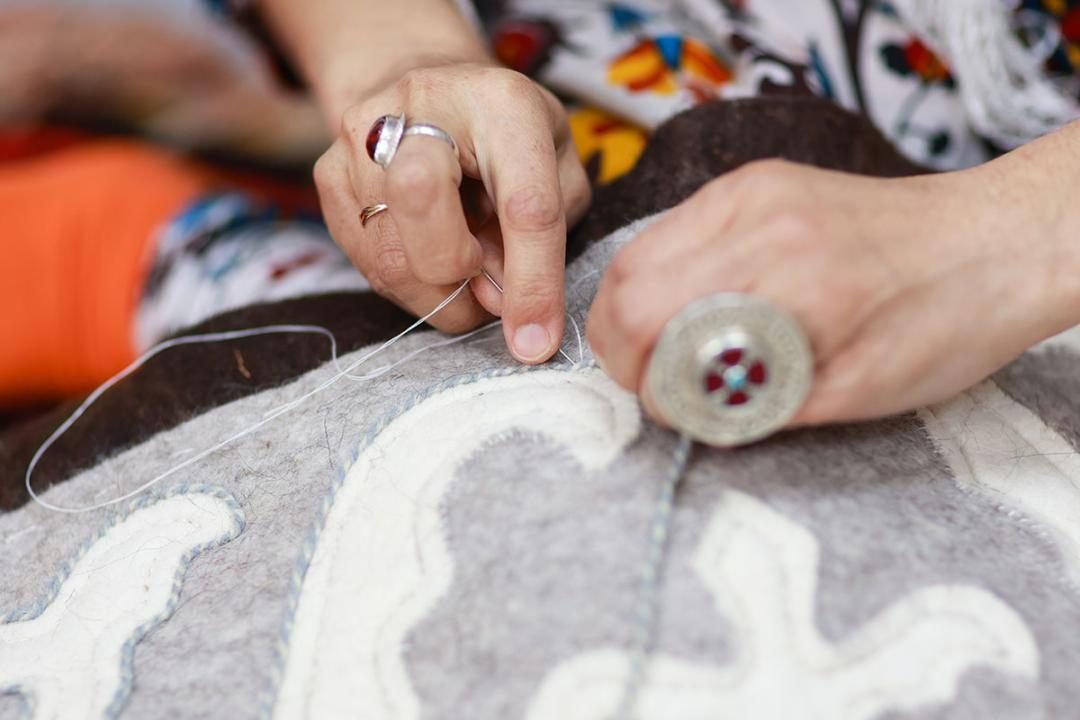
Such collaborative craftsmanship strengthened community bonds and reinforced cultural continuity. The process itself became an expression of collective identity. Every completed carpet carried traces of these shared experiences, embodying not only artistic skill but also the spirit of cooperation that characterized nomadic life. As Kazakhstan modernized during the twentieth century, many traditional crafts faced challenges. Industrial manufacturing and changing lifestyles reduced the everyday necessity of handmade felt products. Urbanization further distanced younger generations from rural traditions. Yet despite these pressures, the syrmak survived. Museums, cultural organizations, artisans, and educators have played an essential role in preserving this heritage. By documenting traditional techniques, organizing exhibitions, and teaching younger generations, they have ensured that the art of syrmak-making continues to thrive.


Today, the carpet is recognized not merely as a household item but as an important symbol of national identity and cultural pride. Contemporary artisans have also found ways to adapt syrmak traditions to modern tastes. While maintaining classical techniques and motifs, many creators experiment with new color palettes, compositions, and applications. Syrmak-inspired designs now appear in contemporary interior décor, fashion, and public art projects, demonstrating the versatility of this ancient craft. One remarkable example of cultural revival can be seen in the creation of large-scale syrmak projects associated with Nauryz, the traditional spring festival celebrated throughout Central Asia. Artisans have undertaken ambitious collaborative works designed to showcase both technical mastery and cultural symbolism.mong these projects is the creation of an exceptionally long syrmak intended to commemorate Nauryz and highlight Kazakhstan’s artistic heritage.
The design incorporates themes inspired by the four seasons, reflecting humanity’s enduring connection with nature. Distinct color schemes represent winter, spring, summer, and autumn, while traditional ornaments enrich each section with layers of symbolic meaning. The project brings together artisans, educators, and community members who contribute their skills to a shared cultural achievement. Beyond its impressive scale, the initiative serves an important educational purpose. It introduces younger generations to traditional techniques while demonstrating that heritage crafts remain relevant in contemporary society. Participants often describe these projects as opportunities to reconnect with ancestral traditions. Through the careful work of sewing, cutting, and assembling felt, they experience a tangible link to the generations that came before them. Such initiatives reinforce the idea that cultural heritage is not static but continuously renewed through participation and creativity.
The enduring appeal of the syrmak lies in its ability to unite practicality, artistry, and cultural memory. It reflects the ingenuity of nomadic communities who transformed simple materials into objects of lasting beauty. At the same time, it serves as a repository of symbols, stories, and values that continue to resonate in modern Kazakhstan. Today, a syrmak displayed in a museum, home, or public exhibition represents more than a handcrafted carpet. It stands as a testament to centuries of craftsmanship, communal effort, and cultural resilience. Every carefully stitched ornament echoes the voices of artisans who preserved their knowledge through generations, ensuring that the traditions of the steppe would not be forgotten.
As Kazakhstan continues to celebrate and promote its cultural heritage, the syrmak remains one of its most cherished artistic treasures. Through ongoing preservation efforts and renewed public interest, this remarkable felt carpet continues to inspire admiration both within the country and around the world. Its patterns tell stories without words, its textures evoke the landscapes of the steppe, and its craftsmanship reminds us that heritage lives on through the hands of those who choose to preserve it. In every thread and every stitch, the syrmak carries the spirit of Kazakhstan—a living symbol of history, creativity, and the enduring strength of tradition.
More to Read
All issues
Astana to Host Kyrgyz Cinema Days — A Celebration of Culture, Storytelling & Artistic Excellence
In a significant cultural initiative aimed at deepening artistic and humanitarian connections, the city of Astana is set to host the highly anticipated “Days of Kyrgyz…

Kazakhstan Culinary Story — A Journey Through Nomadic Traditions & Rich Flavours
The cuisine of Kazakhstan is a fascinating reflection of the country’s history, geography, climate, and nomadic traditions. Deeply rooted in centuries-old pastoral…
Crafting Identity: The Living Tradition of Kazakh Patchwork Quilts
From a studio overlooking the foothills of the Zailiysky Ala-Tau Range near Almaty, Kazakhstan, three women are quietly working on their next piece of a blanket made in…