

A Celebration of Heritage & Unity: Kazakh Culture Shines in Brussels
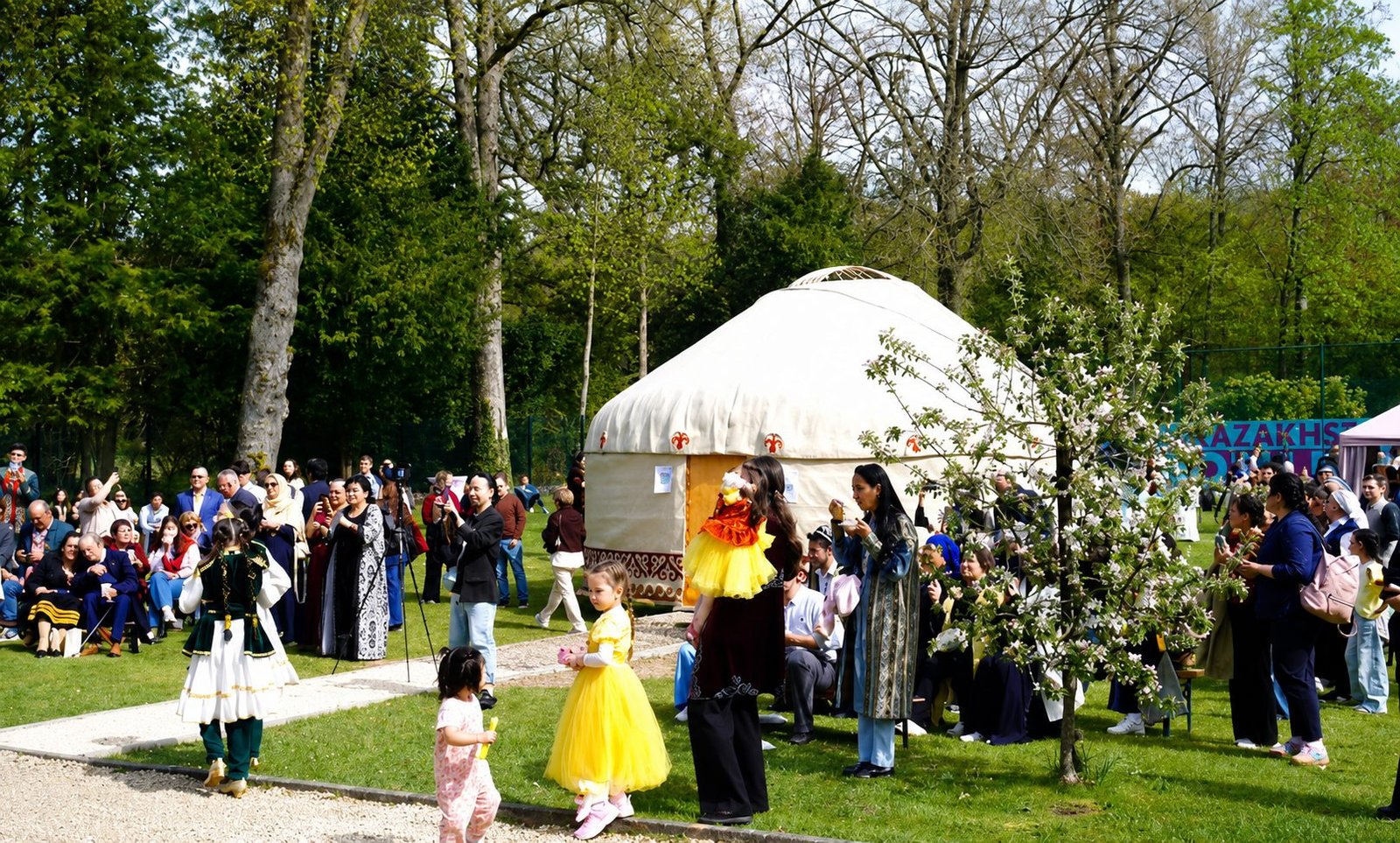
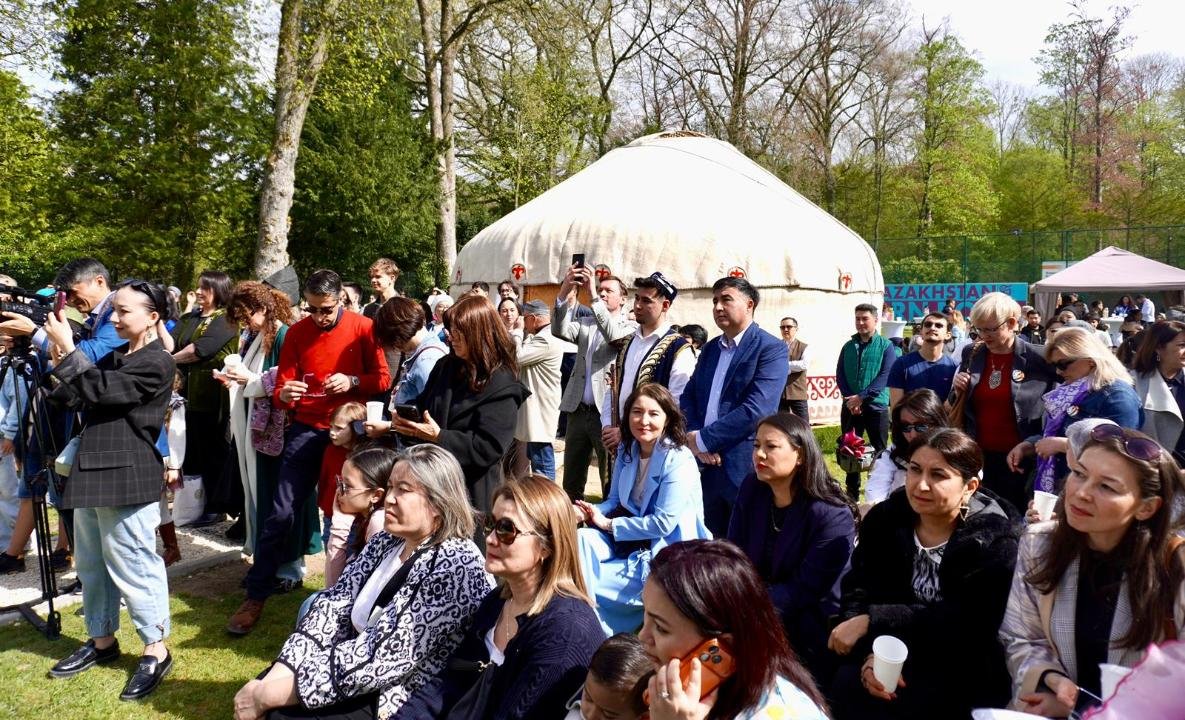
The rich cultural heritage of Kazakhstan was showcased in the heart of Europe as the Embassy of the Republic of Kazakhstan in Belgium hosted a large-scale cultural celebration that attracted more than 500 guests from diverse backgrounds. The event brought together members of the Kazakh diaspora, international students, representatives of Belgian government institutions, diplomats, officials from European organizations, and members of the business community, highlighting the growing international interest in Kazakhstan’s traditions, history, and cultural identity. The gathering marked one of the most significant cultural diplomacy initiatives organized by Kazakhstan in Belgium in recent years. Designed to strengthen people-to-people connections and promote intercultural dialogue, the event offered visitors a unique opportunity to immerse themselves in the customs, music, and traditions that have shaped Kazakh society for centuries. Opening the event, Ambassador of the Republic of Kazakhstan to Belgium Roman Vassilenko welcomed guests and emphasized the importance of cultural exchanges in building stronger international relationships. In his remarks, he noted that culture serves as a universal language capable of connecting people beyond political and geographical boundaries. He stressed that initiatives such as this help foster mutual understanding, encourage dialogue between nations, and create opportunities for long-term cooperation.


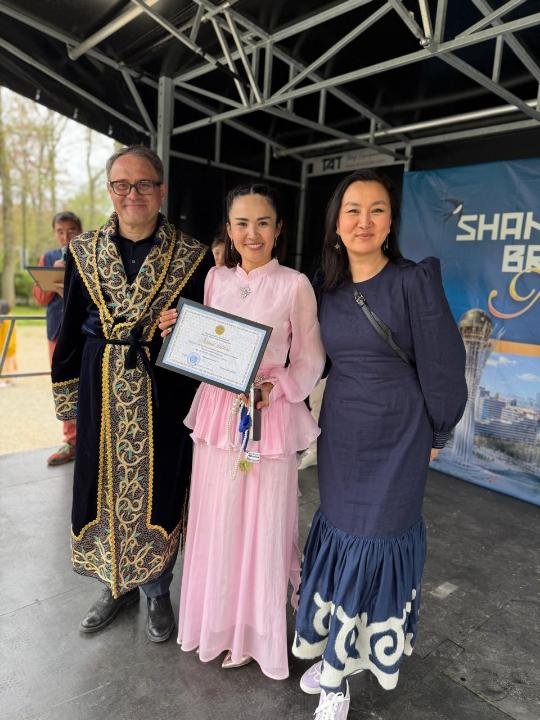
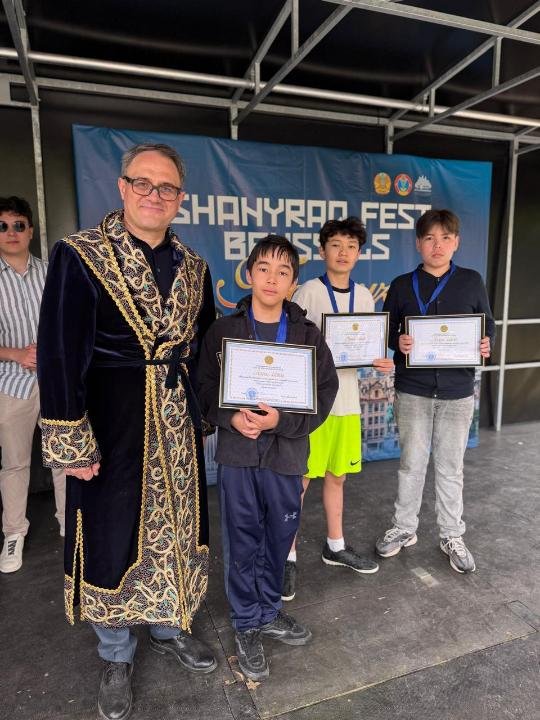
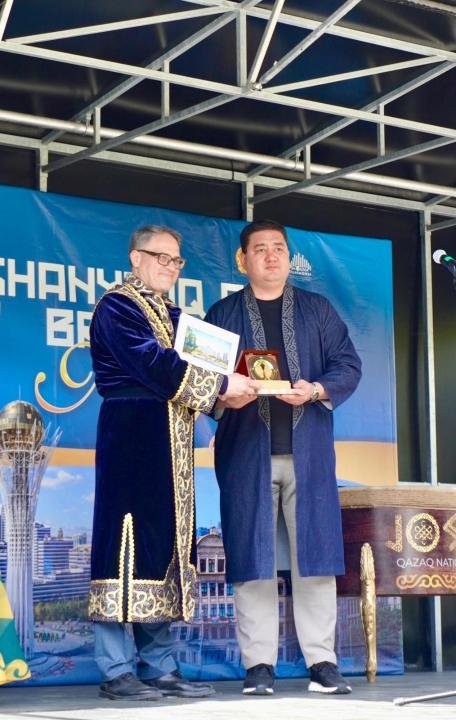
The centrepiece of the celebration was a traditional Kazakh yurt, installed on the Embassy premises with the support of the Akimat of the Karaganda Region. The yurt immediately became one of the most visited attractions of the day, drawing guests eager to learn more about the nomadic traditions that remain a vital part of Kazakhstan’s national identity. Historically, the yurt served as the primary dwelling of the nomadic peoples of the Great Steppe. Its circular structure, practical design, and symbolic significance reflect centuries of adaptation to the natural environment. Visitors were able to explore the interior of the yurt, where traditional decorations, household items, and cultural artifacts provided insight into the daily life and values of Kazakhstan’s ancestors. Now established as a permanent feature of the Embassy, the yurt will continue to serve as a cultural and educational space for visitors throughout the year.
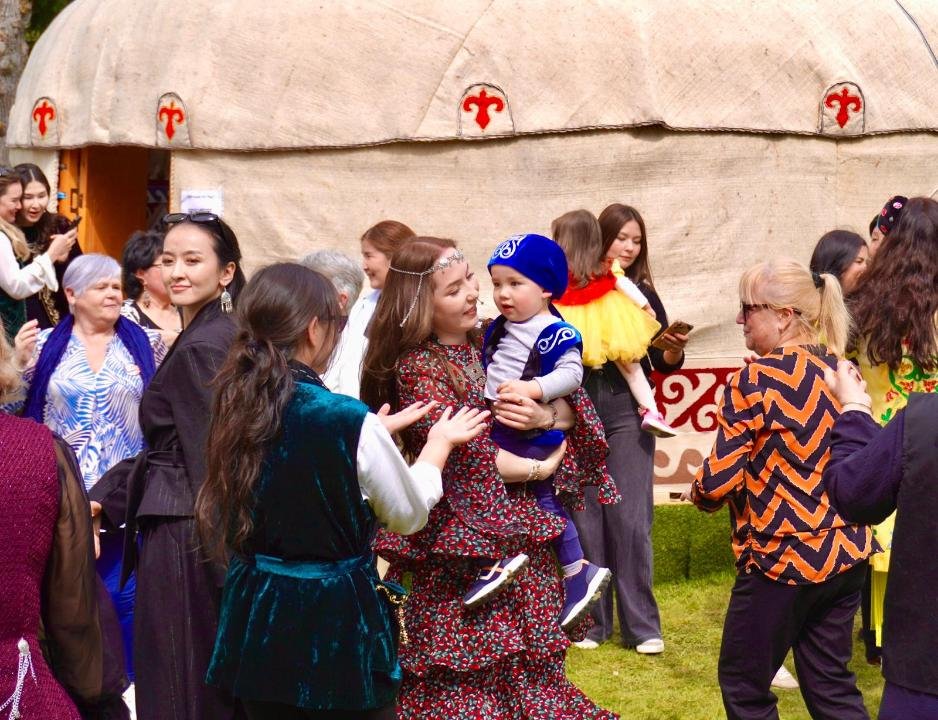
According to organizers, it symbolizes the openness, hospitality, and welcoming spirit that characterize Kazakh culture and society. The event’s cultural program offered guests an engaging and immersive experience. A major highlight was the performance of the renowned “Zhoshy” folk music ensemble, whose musicians presented a repertoire of traditional Kazakh melodies and compositions. Supported by the Akimat of Astana, the ensemble showcased the beauty and diversity of Kazakhstan’s musical heritage through performances featuring traditional instruments and folk arrangements. The sounds of the dombra and other traditional instruments captivated the audience, transporting listeners to the vast steppes of Central Asia. Through music, performers conveyed stories of history, heroism, love, and community, demonstrating how oral traditions continue to play an important role in preserving Kazakhstan’s cultural memory.
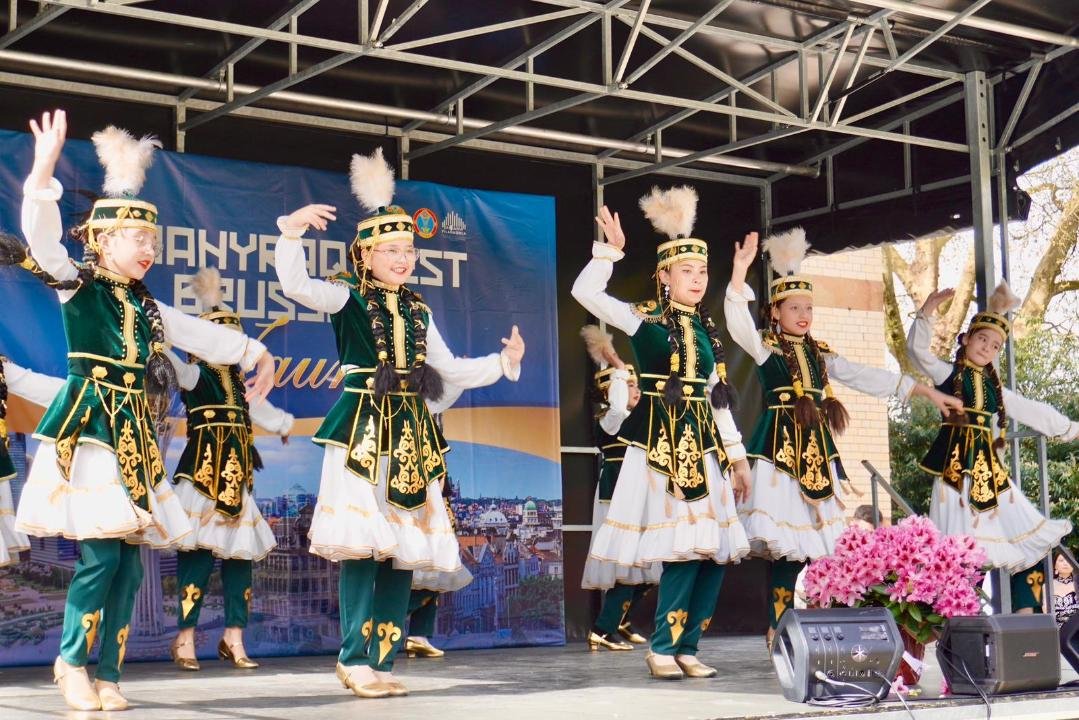
Accompanying the ensemble were distinguished Kazakh performers who presented vocal and instrumental works inspired by national traditions. Their performances illustrated the dynamic nature of Kazakh culture, where ancient customs coexist with contemporary artistic expression. Audience members responded enthusiastically, applauding the performers and expressing admiration for the richness of Kazakhstan’s artistic heritage. Beyond the stage performances, guests were invited to actively participate in various cultural activities. Traditional Kazakh games were organized throughout the event, allowing visitors to experience elements of the country’s folk customs firsthand. These games reflected values such as teamwork, resilience, agility, and friendly competition—qualities that have long been celebrated in Kazakh society. One of the most meaningful moments of the day was the presentation of betashar, one of Kazakhstan’s most recognized ceremonial traditions. Traditionally performed during wedding celebrations, betashar symbolizes the introduction of a bride into her new family and community. Through music, poetry, and ritual, the ceremony emphasizes respect for elders, family unity, and cultural continuity. For many international guests, witnessing the betashar ceremony offered a deeper understanding of the values that underpin Kazakh social life. The performance highlighted the importance of family ties and intergenerational respect, principles that continue to hold a central place in modern Kazakhstan.


The cultural festivities reached a memorable peak with a large-scale flash mob involving more than 200 participants. The coordinated performance created a vibrant and energetic atmosphere, drawing enthusiastic reactions from spectators. Participants included members of the Kazakh community, students, and supporters of Kazakh culture from various countries. The flash mob served as a powerful symbol of unity and friendship, reflecting the growing appreciation of Kazakhstan’s cultural heritage among European audiences. Organizers noted that the performance demonstrated how cultural events can bring people together regardless of nationality, language, or background. Throughout the day, visitors had opportunities to engage directly with representatives of the Kazakh community, learn about the country’s traditions, and discover more about Kazakhstan’s contemporary development.

Informal conversations and cultural exchanges helped strengthen connections between guests and provided a platform for meaningful dialogue. The overwhelmingly positive response from attendees underscored the effectiveness of cultural diplomacy in fostering mutual respect and understanding. Guests praised the authenticity of the program, the warmth of the hospitality, and the opportunity to experience a culture that remains relatively unfamiliar to many Europeans. Diplomats and international representatives attending the event emphasized that cultural initiatives such as this play an increasingly important role in strengthening international partnerships. By sharing its traditions and values with global audiences, Kazakhstan continues to build bridges of friendship and cooperation across regions and cultures. The event was organized as part of the inaugural Shanyraq Fest Brussels, a new cultural initiative aimed at creating a permanent platform for promoting Kazakh culture in the Belgian capital. Named after the shanyraq—the symbolic central element of the yurt and a prominent symbol of family, unity, and heritage—the festival seeks to become an annual celebration showcasing Kazakhstan’s cultural achievements. Organizers expressed confidence that Shanyraq Fest Brussels will grow into one of the flagship cultural events representing Kazakhstan in Europe. By bringing together artists, cultural institutions, members of the diaspora, and international audiences, the festival is expected to contribute significantly to strengthening cultural ties between Kazakhstan, Belgium, and the wider European community.
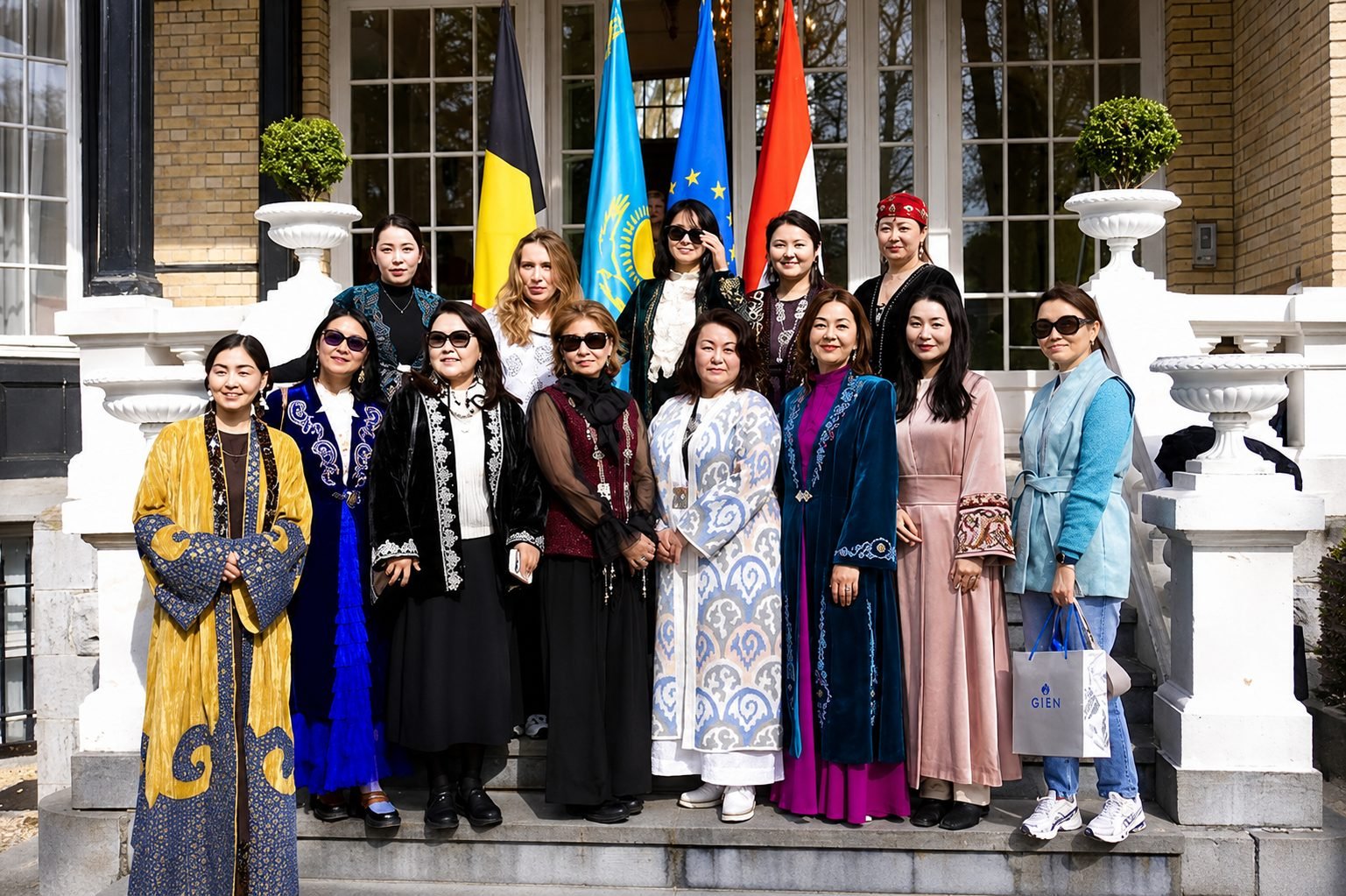
As the event concluded, participants left with a deeper appreciation for Kazakhstan’s history, traditions, and contemporary cultural landscape. The successful launch of Shanyraq Fest Brussels demonstrated the enduring appeal of Kazakh culture and its ability to connect people across borders through shared experiences of music, heritage, and human values. With its combination of traditional rituals, folk music, interactive activities, and community engagement, the festival not only celebrated Kazakhstan’s unique cultural identity but also reinforced the role of culture as a bridge between nations. The remarkable turnout and enthusiastic reception suggest that interest in Kazakhstan’s heritage continues to grow, paving the way for future cultural exchanges and stronger international friendships throughout Europe.
More to Read
All issues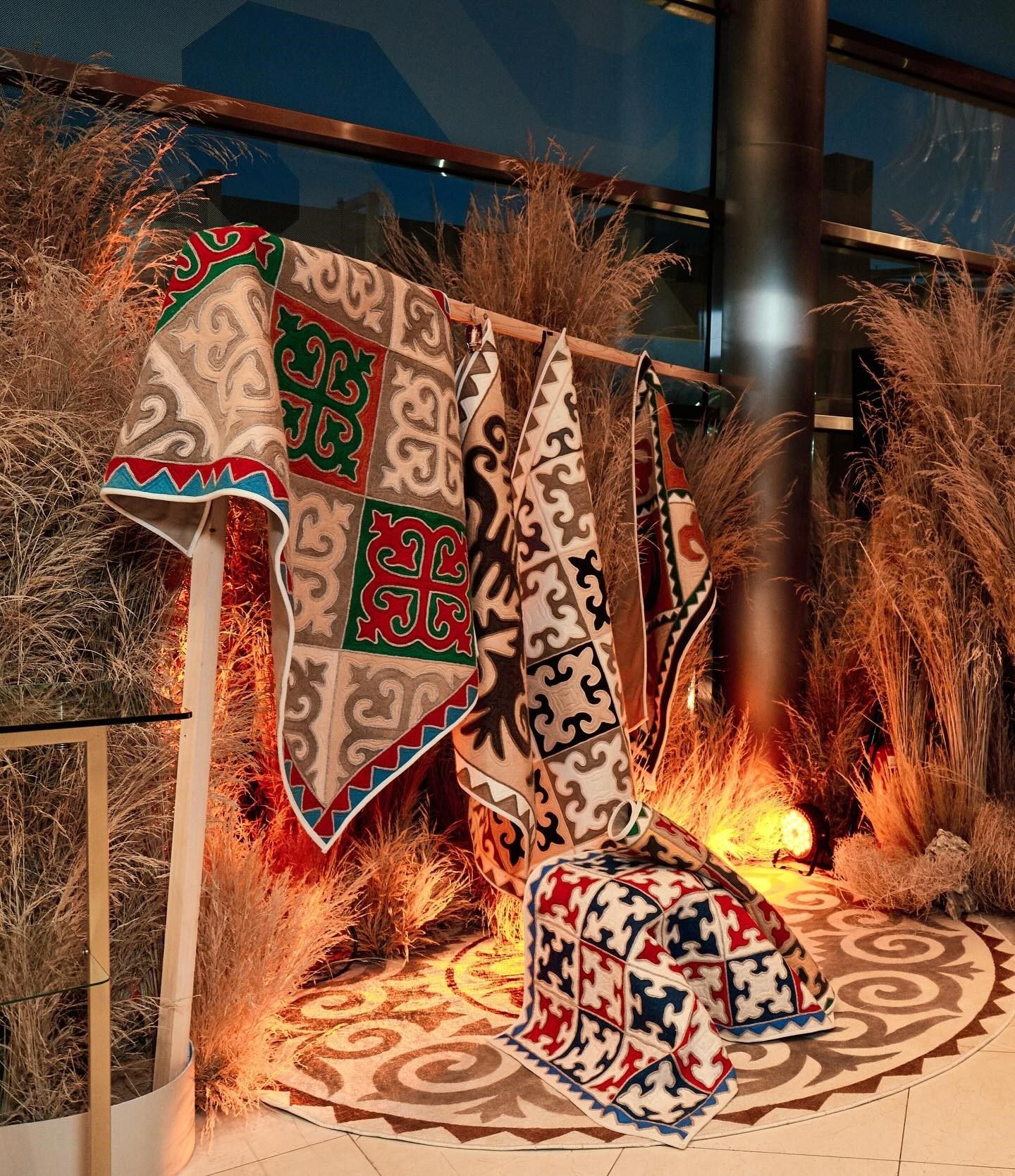
Threads of Heritage — The Enduring Legacy of Kazakhstan’s Syrmak Felt Carpets
For centuries, the vast steppes of Kazakhstan have nurtured a rich nomadic culture shaped by movement, resilience, and a deep connection to nature. Among the many…
Astana to Host Kyrgyz Cinema Days — A Celebration of Culture, Storytelling & Artistic Excellence
In a significant cultural initiative aimed at deepening artistic and humanitarian connections, the city of Astana is set to host the highly anticipated “Days of Kyrgyz…

Kazakhstan Culinary Story — A Journey Through Nomadic Traditions & Rich Flavours
The cuisine of Kazakhstan is a fascinating reflection of the country’s history, geography, climate, and nomadic traditions. Deeply rooted in centuries-old pastoral…