


Kazakhstan Culinary Story — A Journey Through Nomadic Traditions & Rich Flavours
The cuisine of Kazakhstan is a fascinating reflection of the country’s history, geography, climate, and nomadic traditions. Deeply rooted in centuries-old pastoral lifestyles, Kazakh food tells the story of a people who travelled across vast steppes, relying on livestock as their primary source of survival. To gain a deeper understanding of this unique culinary heritage, Madame Assemgul Issetova, spouse of the Ambassador of Kazakhstan to Thailand, H.E. Mr. Arman Issetov, shared valuable insights into the traditions, customs, and signature dishes that define Kazakh cuisine today. According to Madame Assemgul, traditional Kazakh cuisine is inseparable from the nomadic lifestyle that shaped the nation’s culture for generations. Historically, Kazakhs were pastoral nomads who raised horses, sheep, cattle, and camels. These animals were far more than sources of food; they provided transportation, clothing, and materials necessary for everyday life. As a result, the culinary traditions of Kazakhstan evolved around the efficient use of livestock and the need to preserve food during long journeys across the steppe. One of the greatest challenges faced by nomadic communities was ensuring that food remained edible during extended periods of travel. This necessity led to the development of various preservation methods. Meat was often salted and dried to increase its shelf life, while milk was intentionally fermented or soured to prevent spoilage.
Boiling became the most practical and widely used cooking method because it required minimal equipment and could easily be carried out in temporary camps. These techniques not only ensured survival but also became defining features of Kazakh culinary identity. The harsh climate and limited agricultural opportunities of the steppe meant that meat occupied a central place in the Kazakh diet. Mutton and beef were everyday staples, while horse meat was reserved for celebrations, festivals, and special occasions. To this day, horse meat remains one of the most prized ingredients in Kazakhstan and is featured in many traditional dishes. Together with mutton, it forms the backbone of Kazakh cuisine and reflects the historical importance of livestock in the country’s culture.
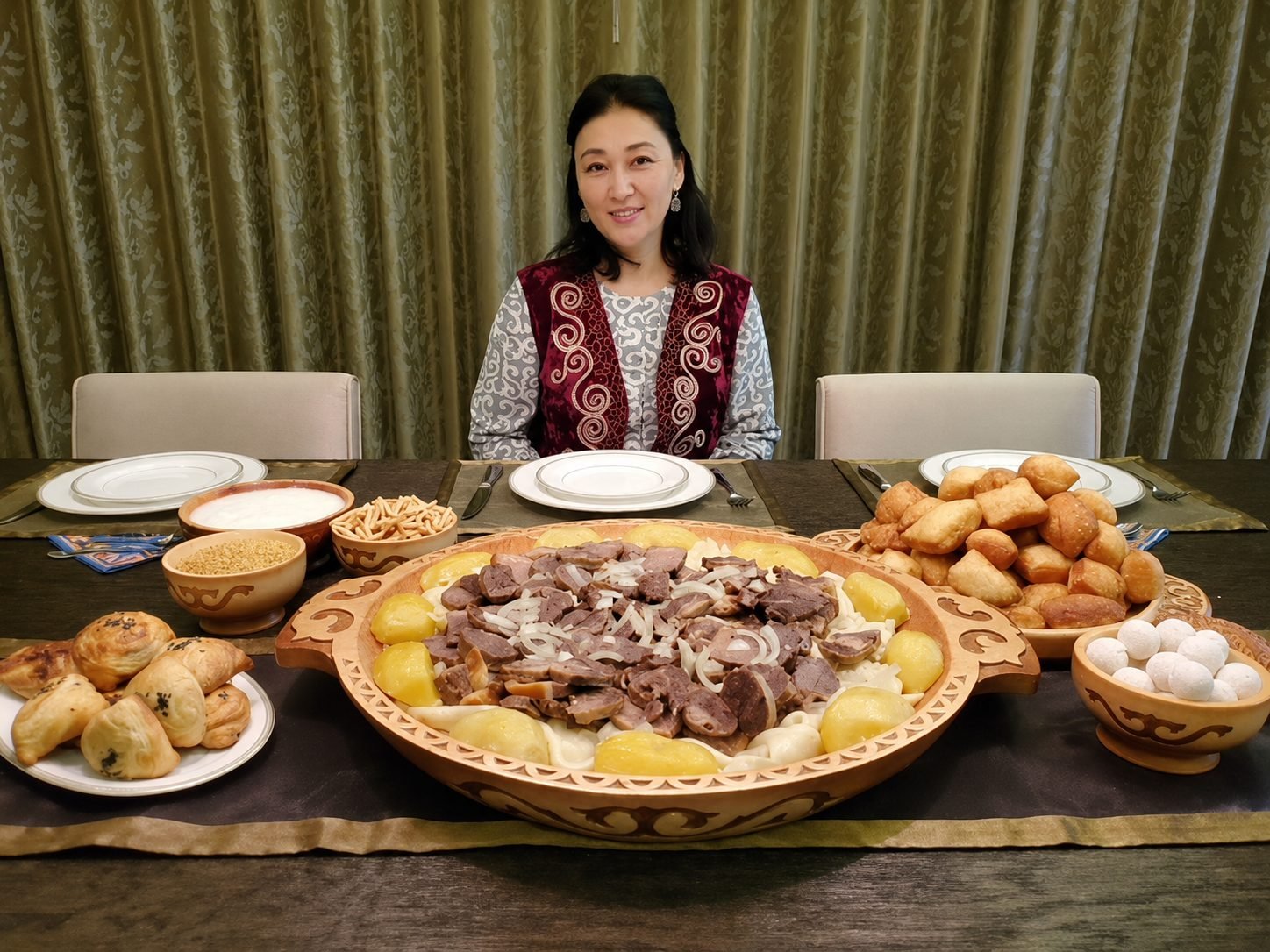
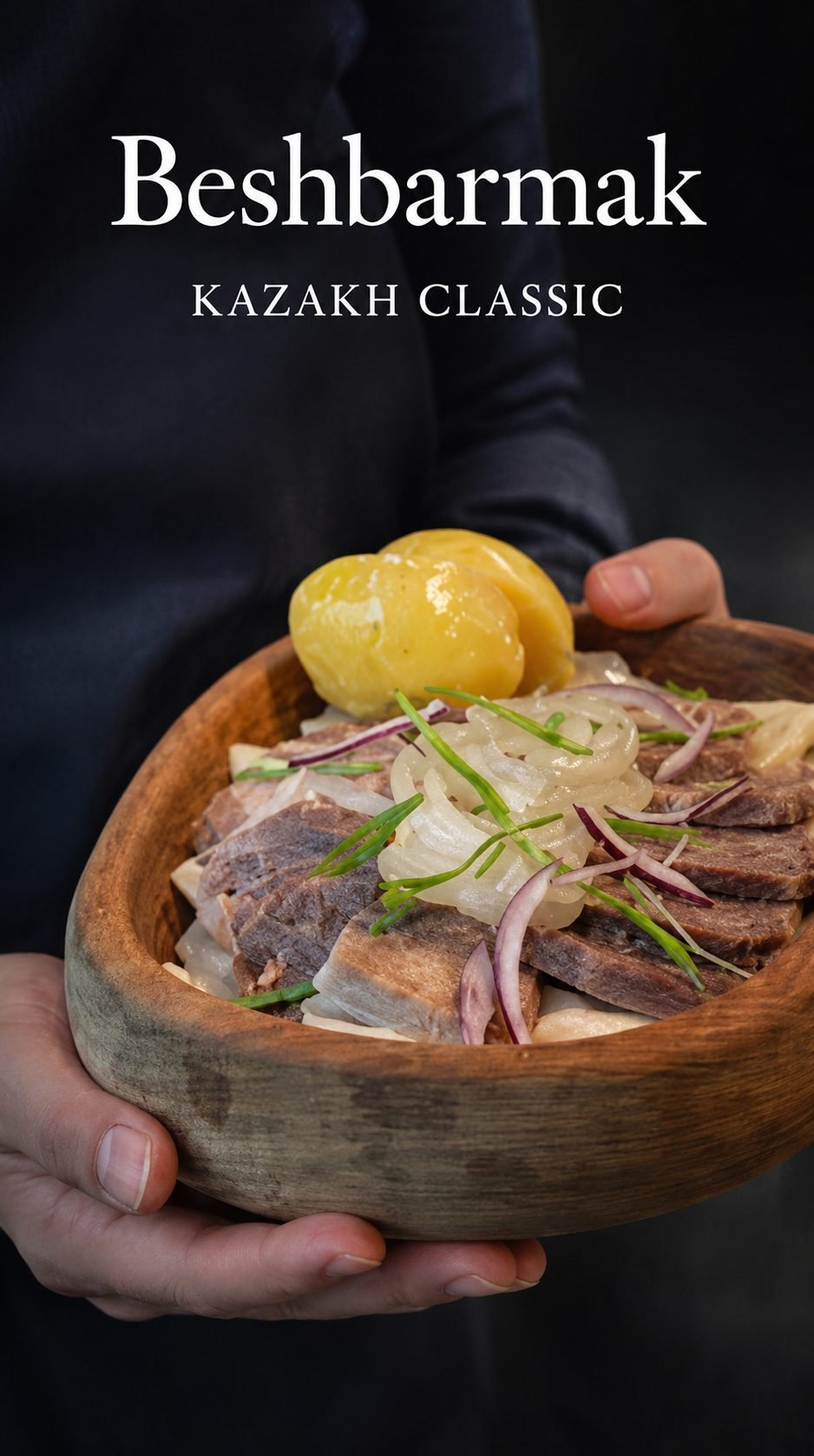
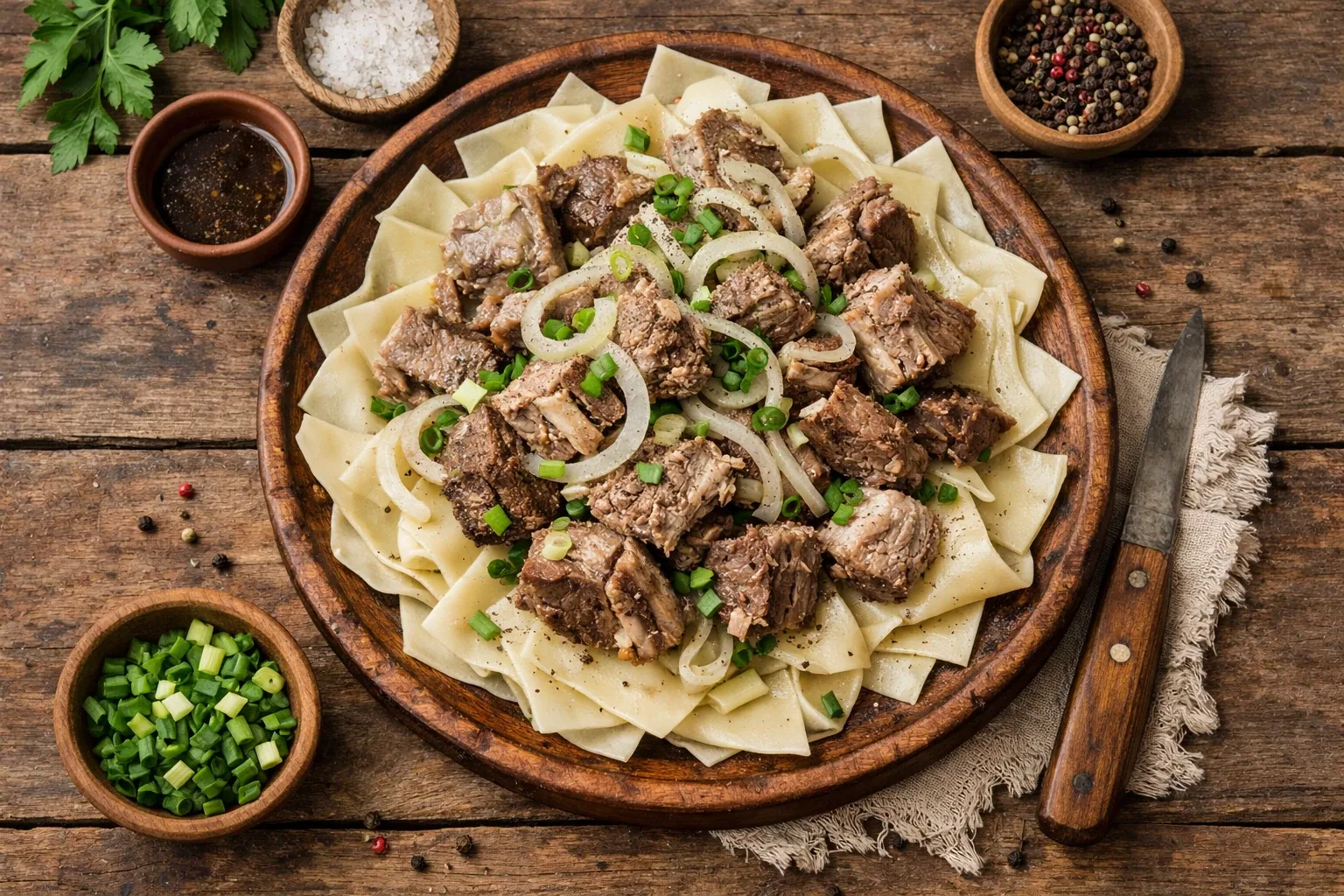
At the heart of Kazakh gastronomy lies Beshbarmak, widely regarded as the national dish of Kazakhstan. The name literally means “five fingers,” referring to the traditional way the dish was eaten by hand. Beshbarmak typically consists of boiled lamb, beef, or horse meat served over sheets of rolled dough and topped with a rich onion sauce. The dish symbolizes hospitality, family unity, and communal dining, making it a centrepiece of celebrations and family gatherings throughout the country. Kazakh cuisine has gradually gained international recognition in recent decades. Madame Assemgul proudly noted that food lovers around the world are becoming increasingly familiar with the flavours of Kazakhstan. The event showcased Kazakhstan’s agricultural products and culinary traditions to a global audience, helping introduce many visitors to the nation’s unique food culture.
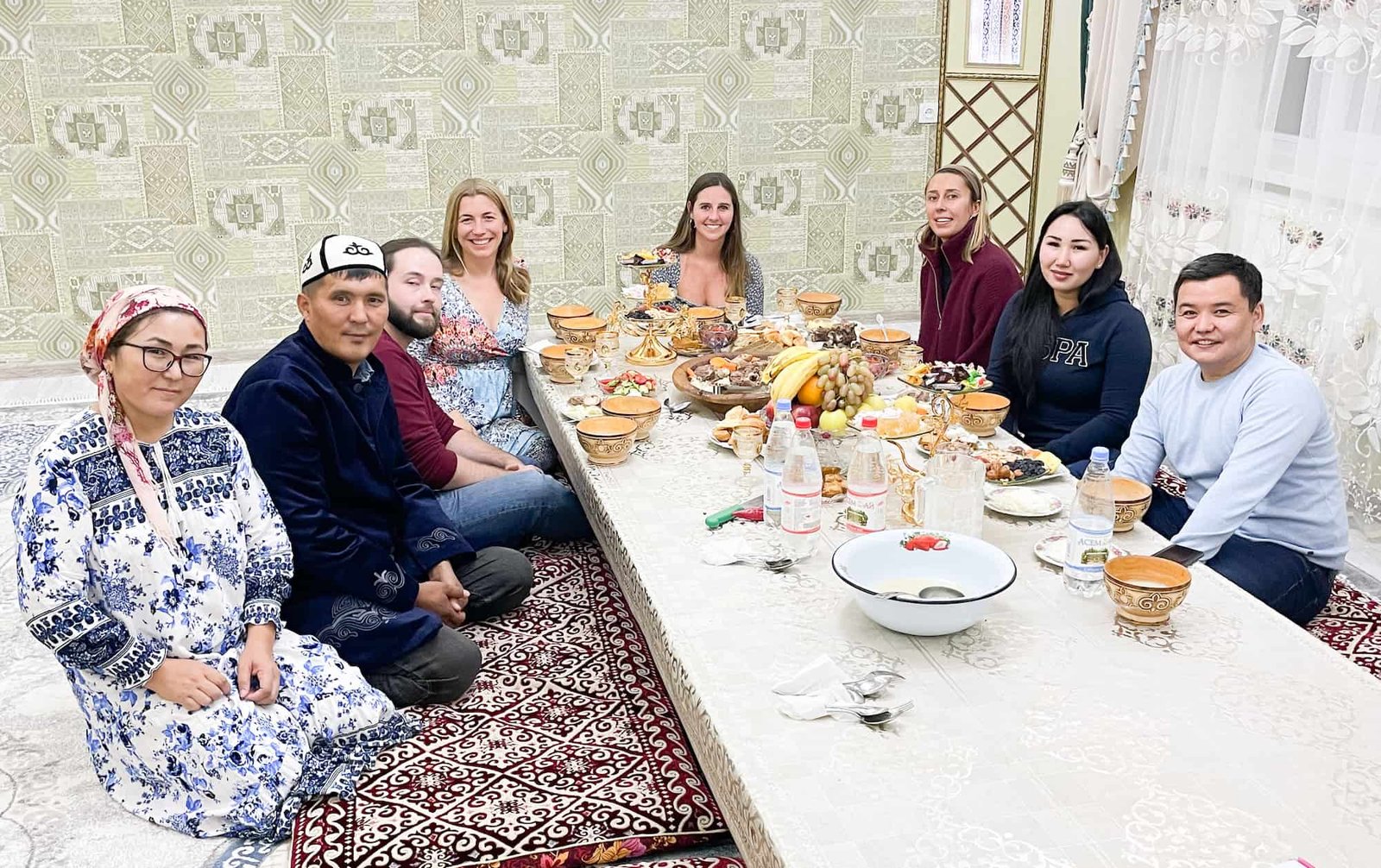
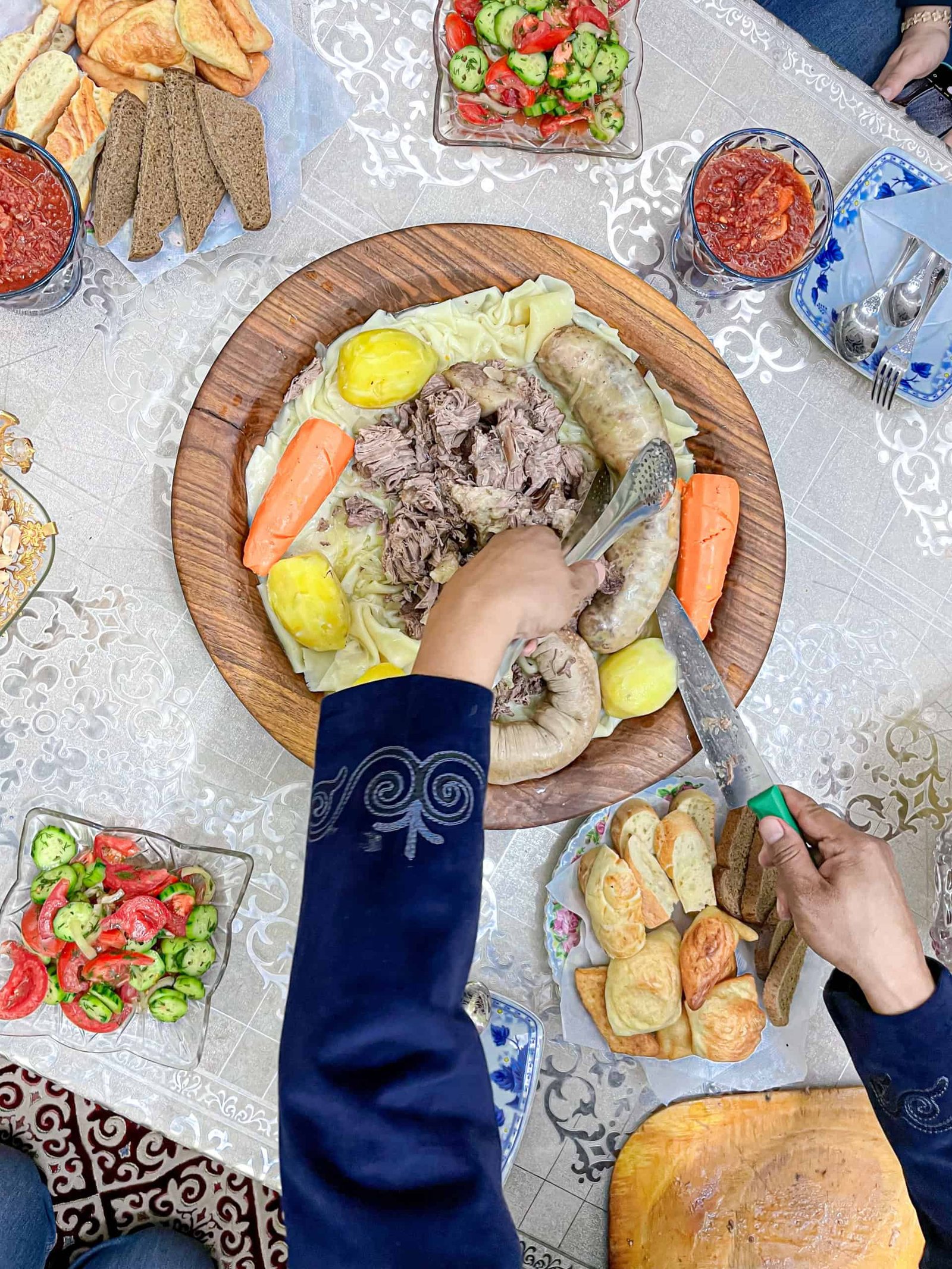
Today, Kazakh restaurants can be found in major cities such as London, Moscow, New York, Paris, and Kuala Lumpur, while establishments like Caravan Restaurant in Pattaya have also helped spread awareness of Kazakh cuisine abroad. Despite its growing popularity, Kazakh cuisine remains deeply connected to traditional values. Hospitality is one of the most important aspects of Kazakh culture, and food plays a central role in welcoming guests. Sharing meals with family, friends, and visitors is considered a sacred tradition. Guests are often treated with the finest dishes available, reflecting respect, generosity, and community spirit. Traditional Kazakh meals are generally simple yet nourishing. They rely heavily on ingredients that were historically accessible to nomadic populations, including meat, dairy products, and grains. These foods provided the energy necessary for a demanding lifestyle spent herding animals and travelling long distances. Even today, many traditional recipes remain largely unchanged, preserving the authentic flavours passed down through generations.
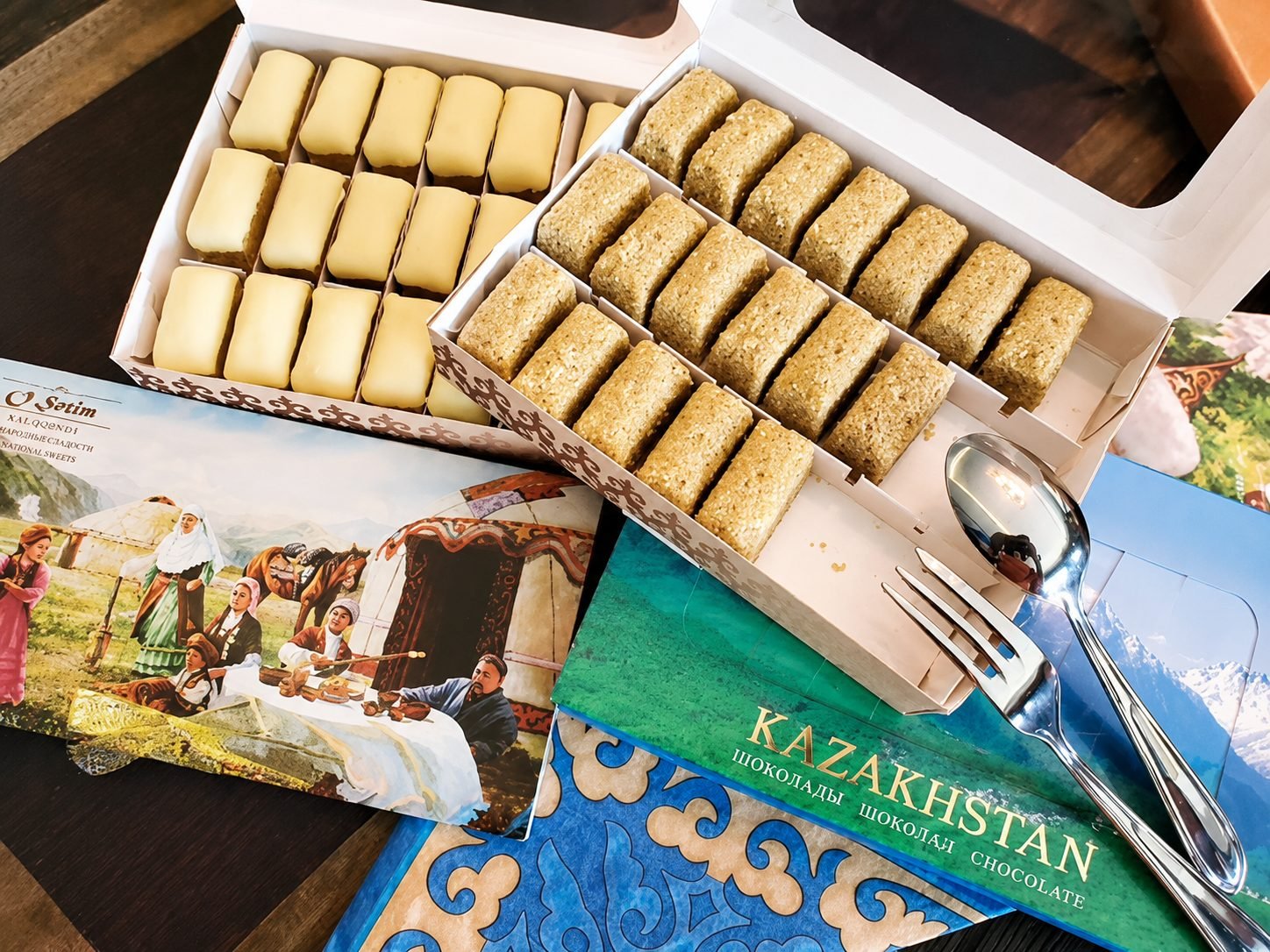
Among the most famous meat-based specialties are Kazy, Qarta, and Shuzhuk. These delicacies are sausages made from horse meat and horse fat, carefully seasoned and prepared according to traditional methods. Kazy is particularly valued and often served during celebrations and festive gatherings. Shuzhuk, another popular sausage variety, is usually dried and enjoyed as an appetizer or alongside Beshbarmak. These dishes demonstrate the Kazakh people’s skill in preserving meat while creating rich and distinctive flavours. Another beloved traditional dish is Kuyrdak, a hearty preparation made from roasted offal, including liver, lungs, and kidneys, typically from lamb. Cooked with potatoes and onions, Kuyrdak is often prepared immediately after the slaughter of an animal, ensuring maximum freshness. It remains a popular comfort food and an important part of rural culinary traditions.

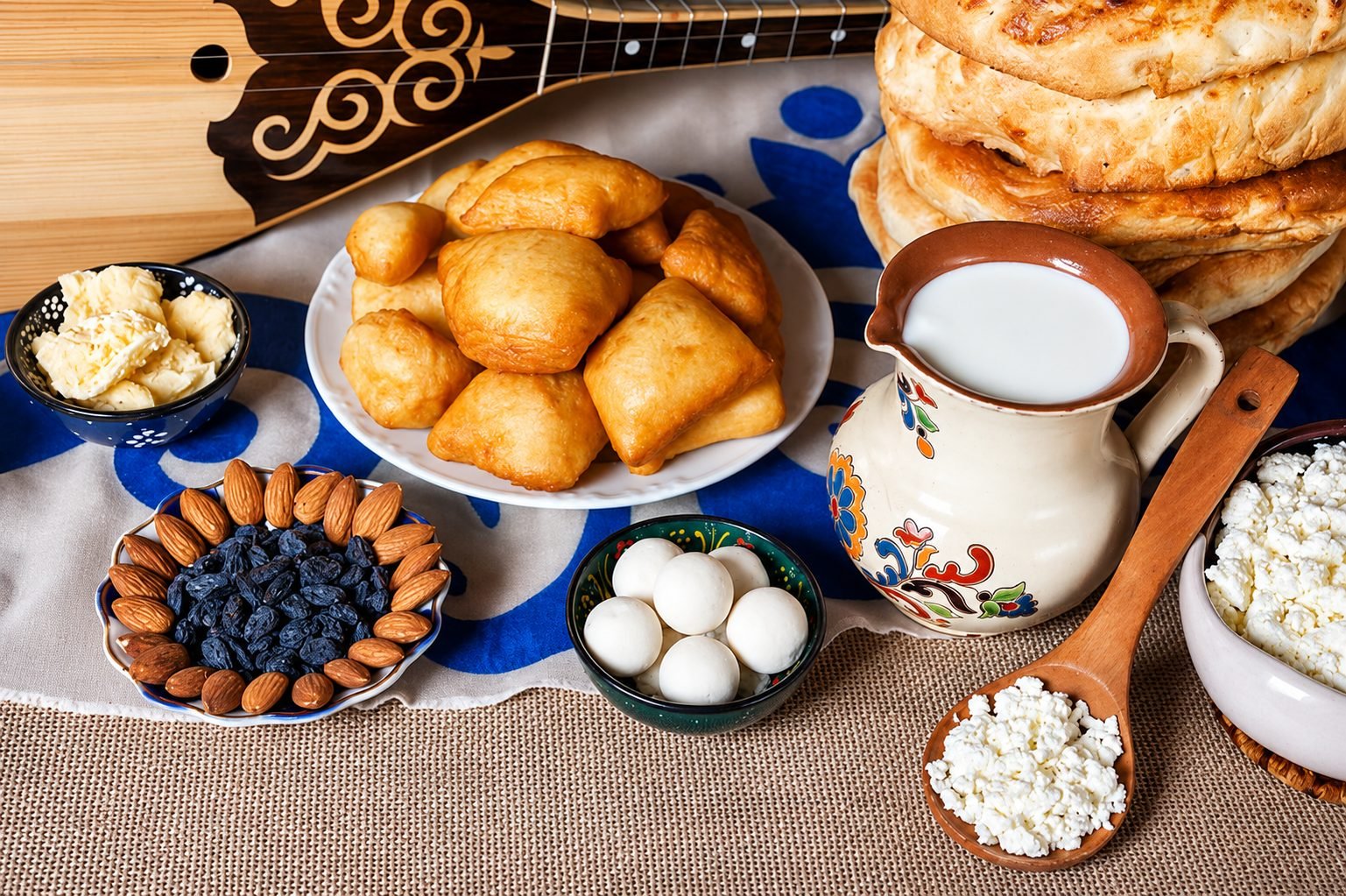
The importance of food in Kazakh culture is especially evident during celebrations. One of the most symbolic festive dishes is Nauryz Kozhe, prepared during Nauryz, the traditional spring festival that marks the beginning of the new year. Nauryz Kozhe contains seven ingredients, each representing prosperity, happiness, and abundance. The ingredients generally include smoked meat, milk, millet, wheat, corn, water, and butter. The dish symbolizes renewal and is shared among family members and neighbours during the holiday. Bread also occupies a special place in Kazakh cuisine. Baursak, one of the country’s most beloved snacks, consists of fluffy pieces of fried dough. Often compared to doughnuts, Baursak is made from flour, yeast, eggs, milk, water, sugar, salt, and oil.
The dough is shaped into small triangles or spheres before being fried until golden brown. It is commonly served with tea and enjoyed with honey, sugar, or butter. Another traditional bread known as Shelpek is a fried flatbread widely consumed throughout Kazakhstan and neighboring Central Asian countries. Dairy products have always been essential components of the Kazakh diet. The nomadic lifestyle encouraged the development of a rich variety of fermented dairy foods that could be stored and transported more easily. One of the most famous examples is Kumys, a beverage made from fermented mare’s milk. With its slightly sour taste and refreshing character, Kumys has been consumed for centuries and is often associated with numerous health benefits.
Another popular dairy drink is Shubat, produced from fermented camel’s milk. Other traditional dairy products include Kurt, small dried cheese balls known for their salty flavour and long shelf life, and Ayran, a refreshing sour milk drink. Irmishik, a sweet dish made from cottage cheese, and Zhent, a dessert combining fried millet, cottage cheese, sugar, and butter, showcase the versatility of dairy ingredients in Kazakh cooking. Among Kazakhstan’s unique sweet treats is Talqan, prepared from roasted coarse wheat mixed with butter, milk or sour cream, and sugar. Simple yet satisfying, Talqan reflects the resourcefulness of nomadic communities that relied on readily available ingredients to create nutritious foods. Another traditional beverage is Shalap, a fermented drink made using water, salt, and dairy products such as yogurt, qatiq, or kurt.

Historically prepared with regular water, modern versions often incorporate carbonated water, creating a refreshing drink well-suited to the region’s hot summers. While Kazakhstan’s cuisine remains firmly rooted in its nomadic heritage, it has also evolved over time. Due to globalization, migration, and cultural exchange, modern Kazakhstan offers a diverse culinary landscape that includes Russian, Chinese, Korean, Uzbek, and many other international cuisines. Urban populations increasingly embrace healthier eating habits and more varied diets that incorporate fruits, vegetables, and additional grains. Nevertheless, traditional dishes continue to occupy a special place in the hearts of Kazakh people. Across the country, there is growing interest in preserving culinary heritage through the documentation of traditional recipes and cooking methods.
Cultural organizations, chefs, and food enthusiasts are working together to ensure that future generations remain connected to the flavours and traditions that define Kazakhstan’s identity. In conclusion, Kazakhstan’s cuisine is much more than a collection of recipes. It is a living expression of the nation’s history, culture, and values. From the iconic Beshbarmak and rich horse-meat delicacies to fermented dairy drinks and festive breads, every dish tells a story of resilience, hospitality, and adaptation. As awareness of Kazakh cuisine continues to spread internationally, it is earning the recognition it deserves as one of the world’s most distinctive and culturally rich culinary traditions.
More to Read
All issues
Threads of Heritage — The Enduring Legacy of Kazakhstan’s Syrmak Felt Carpets
For centuries, the vast steppes of Kazakhstan have nurtured a rich nomadic culture shaped by movement, resilience, and a deep connection to nature. Among the many…

Astana to Host Kyrgyz Cinema Days — A Celebration of Culture, Storytelling & Artistic Excellence
In a significant cultural initiative aimed at deepening artistic and humanitarian connections, the city of Astana is set to host the highly anticipated “Days of Kyrgyz…

Crafting Identity: The Living Tradition of Kazakh Patchwork Quilts
From a studio overlooking the foothills of the Zailiysky Ala-Tau Range near Almaty, Kazakhstan, three women are quietly working on their next piece of a blanket made in…