

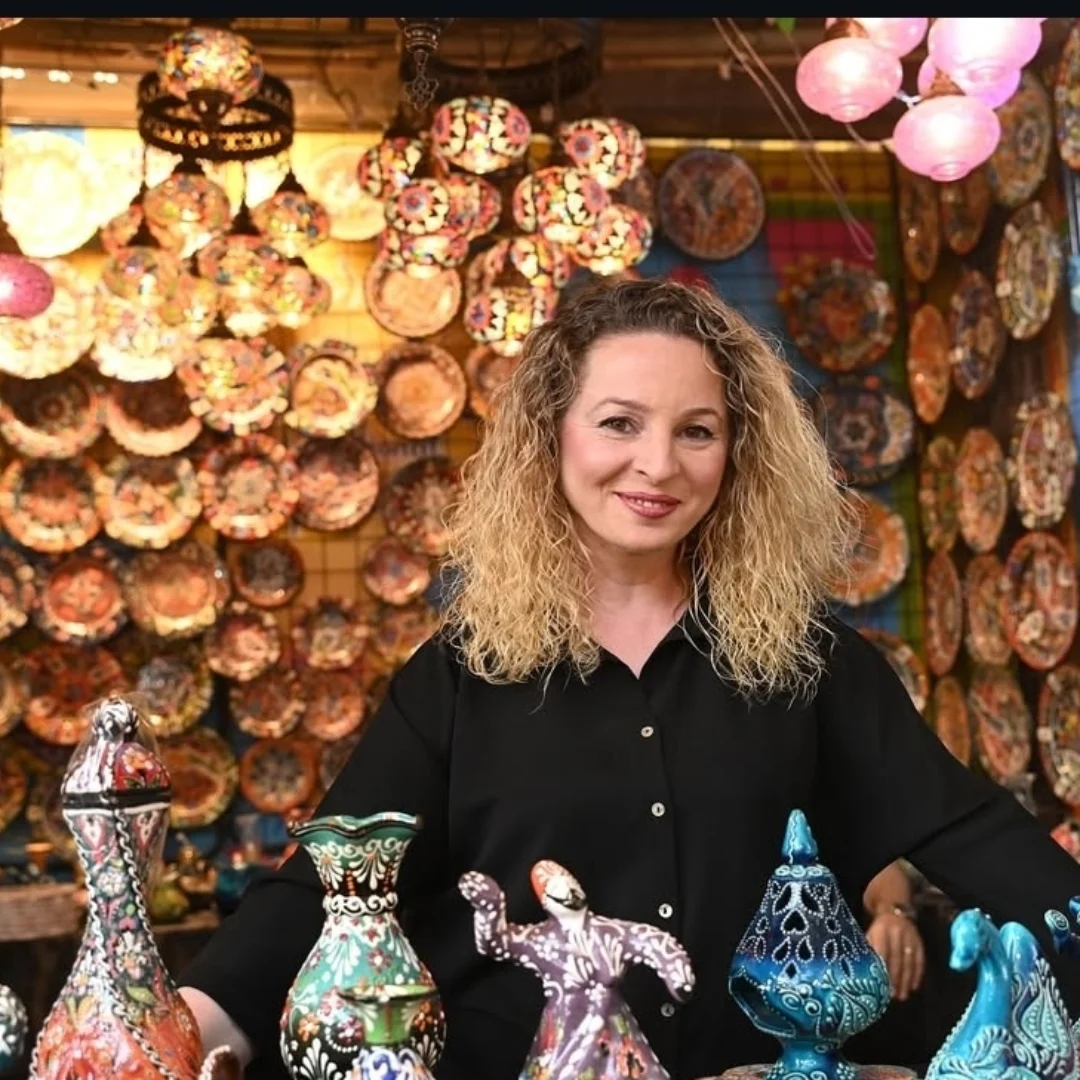
Kazakhstan Showcases Its Rich Cultural Heritage @ The 39th Surajkund International Crafts Mela
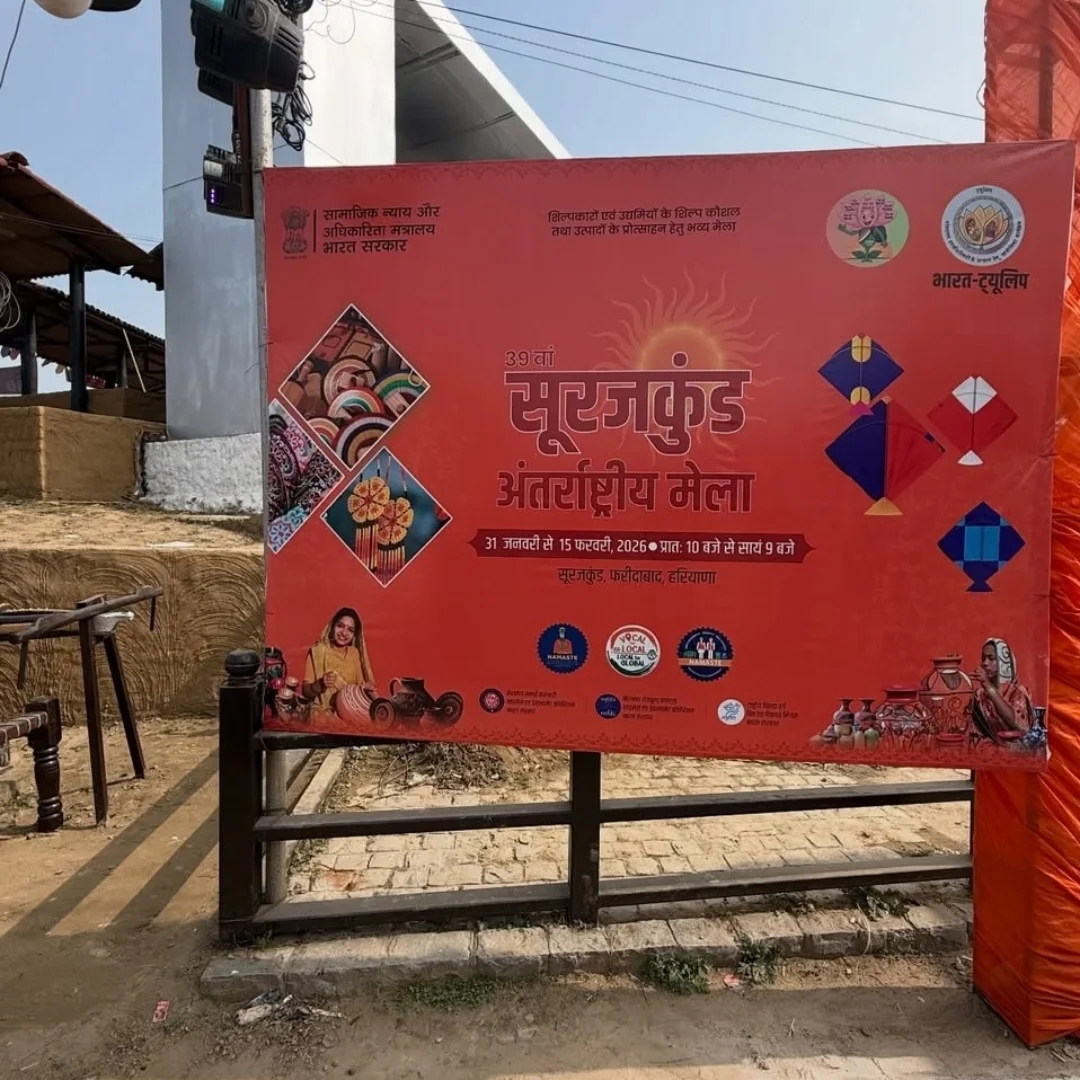
At the vibrant crossroads of tradition and global cultural exchange, the 39th Surajkund International Crafts Mela in Haryana once again proved why it remains one of the world’s most celebrated platforms for heritage arts. Among the many nations that participated this year, Kazakhstan stood out with a captivating display of its deep-rooted cultural identity, artistic excellence, and timeless craftsmanship. The Kazakh pavilion became a focal point of attraction, drawing large crowd’s eager to experience the country’s unique traditions, artistic expressions, and centuries-old skills. The Surajkund Mela, held annually near Delhi, has long been a hub where artisans, performers, and cultural ambassadors from across the globe converge to celebrate diversity through craft, music, and storytelling. In its 39th edition, Kazakhstan’s presence added a distinct Central Asian flavor, offering visitors a rare and immersive insight into a culture shaped by nomadic heritage, vast landscapes, and a rich tapestry of influences.

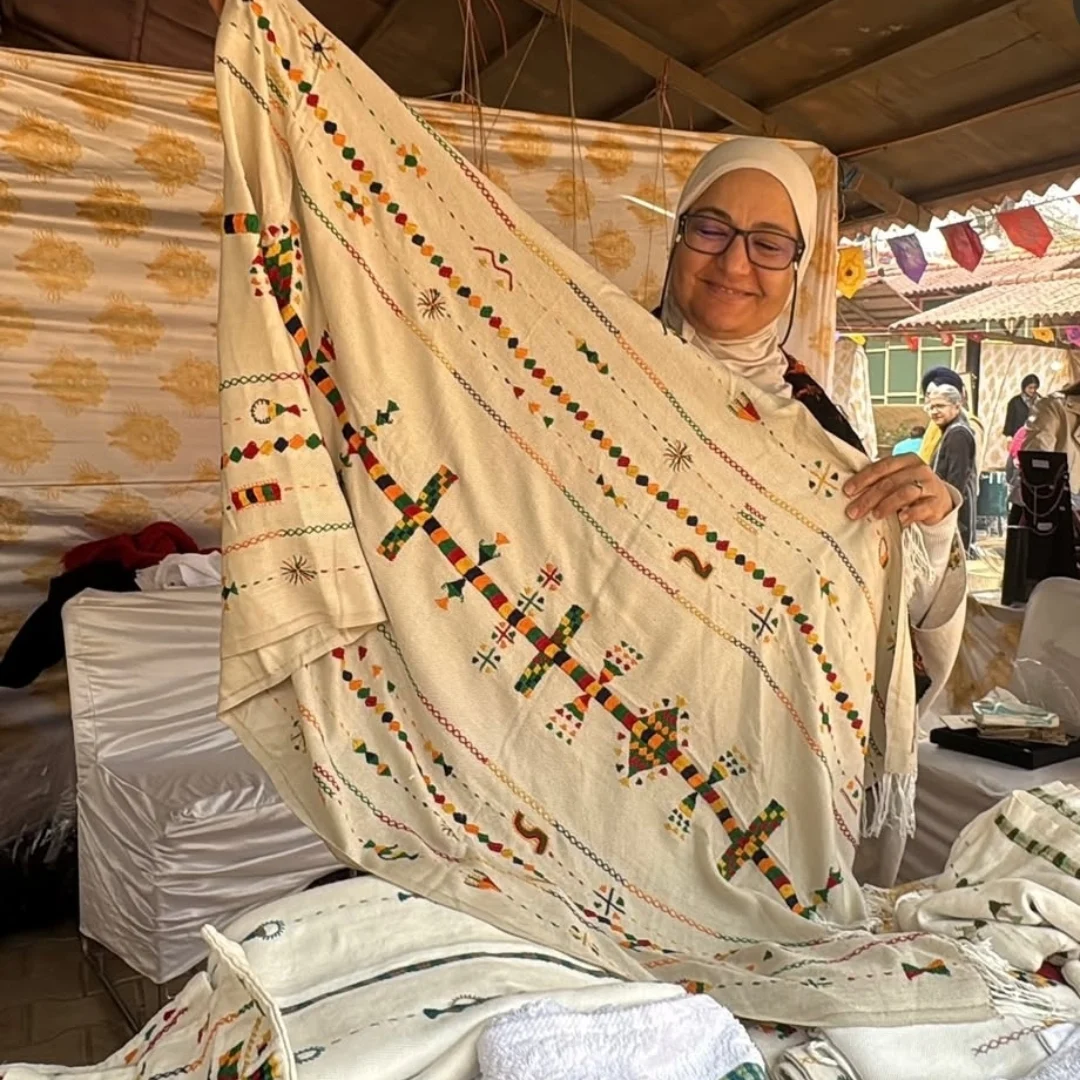
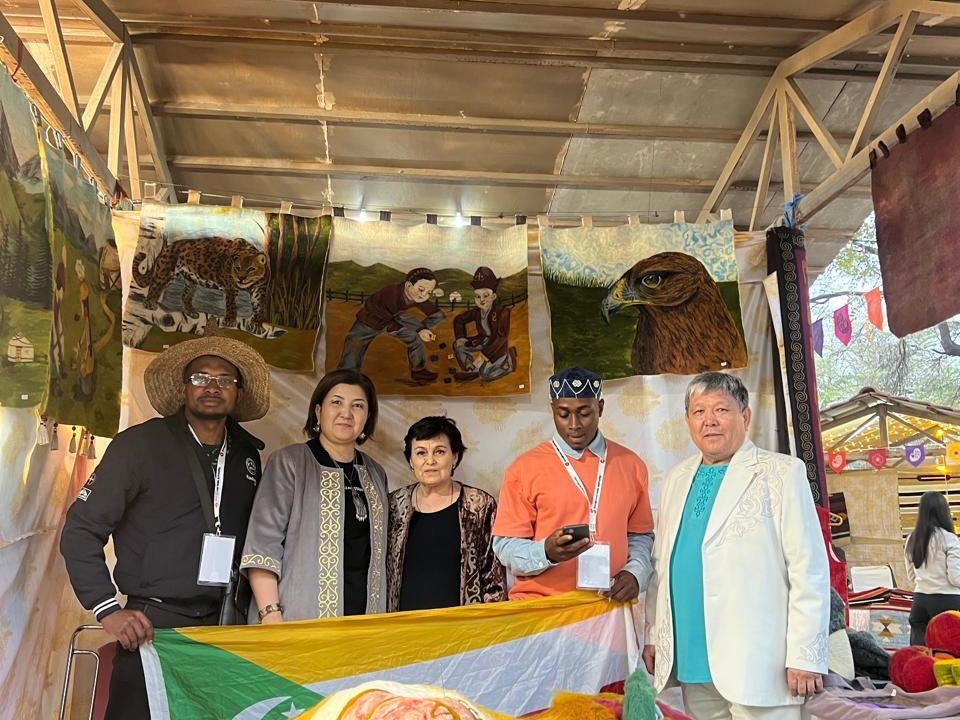
From the moment visitors approached the Kazakh pavilion, they were greeted with an atmosphere that reflected authenticity and pride. The space was thoughtfully curated to resemble elements of traditional Kazakh life, blending aesthetics with storytelling. Every artifact on display seemed to carry a narrative—of migration, survival, artistry, and identity. The intricate patterns, vibrant textiles, and finely crafted objects were not merely decorative; they were embodiments of cultural memory passed down through generations. A major highlight of Kazakhstan’s participation was the live demonstration of traditional craftsmanship. Skilled artisans, many of whom had travelled from different regions of Kazakhstan, worked meticulously in front of visitors, showcasing techniques that have been preserved for centuries. From weaving elaborate carpets to crafting ornamental items, these demonstrations offered a rare glimpse into the patience, precision, and creativity required to produce such works. One of the most admired aspects of Kazakh craftsmanship is its deep connection to nature and nomadic traditions. The designs often feature geometric patterns, symbolic motifs, and earthy tones that reflect the landscapes of the steppe. Visitors were particularly fascinated by the storytelling embedded within these patterns—each design carrying symbolic meanings related to protection, prosperity, and harmony with nature.
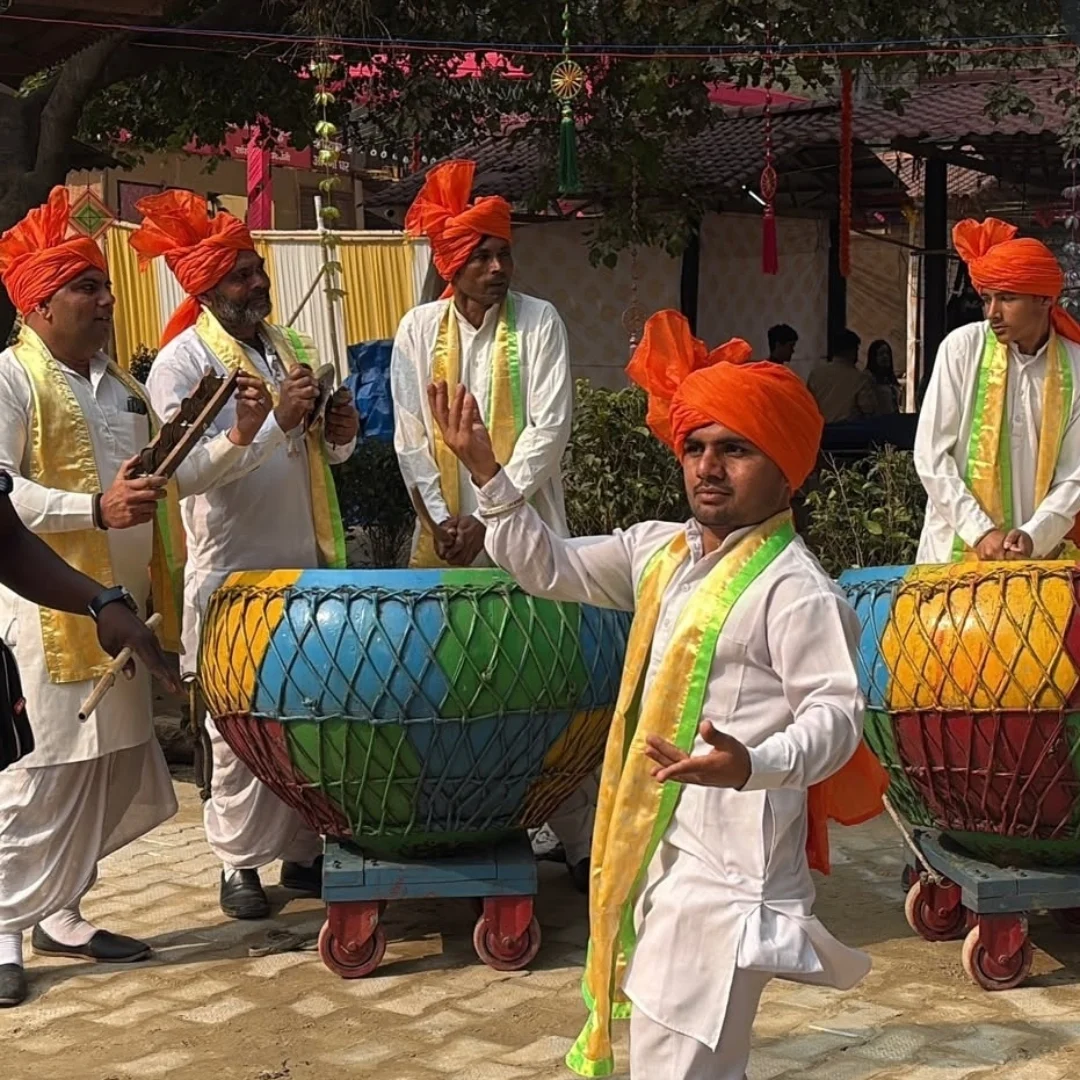
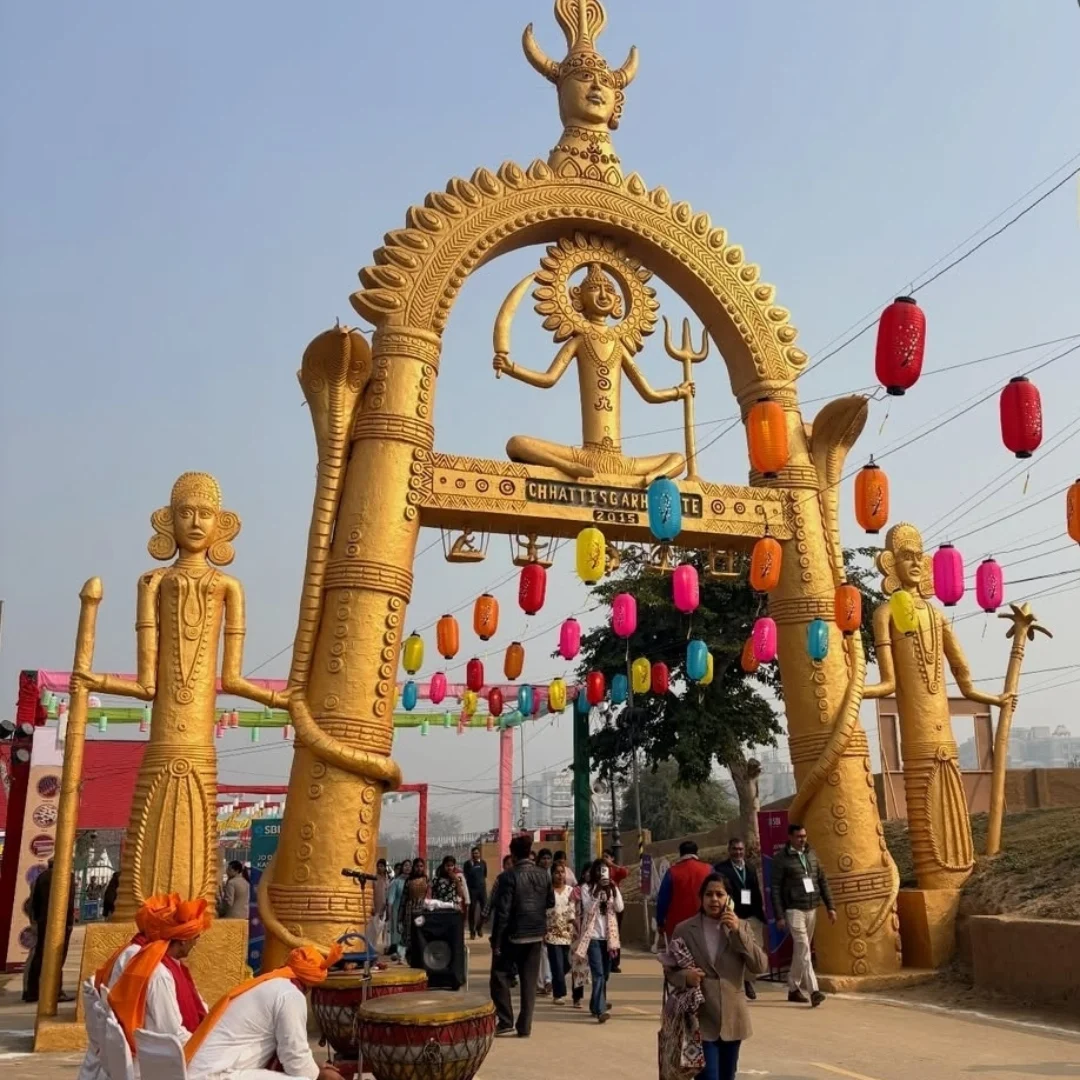
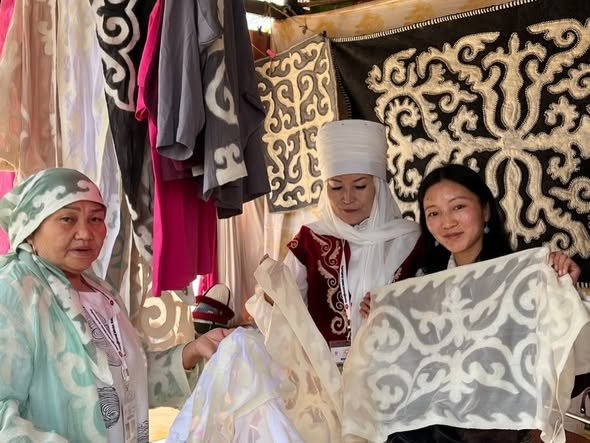
Textile art formed a central component of the exhibition. Traditional felt-making, a hallmark of Kazakh culture, drew significant attention. Felt products, including carpets, wall hangings, and garments, were displayed in a variety of styles and colours. The process of creating felt—using natural wool, water, and manual techniques—was explained to curious visitors, many of whom were surprised by the level of craftsmanship involved in what initially appears to be a simple material. Equally captivating were the traditional garments showcased at the pavilion. Richly embroidered costumes, adorned with intricate patterns and vibrant colours, highlighted Kazakhstan’s artistic sensibilities. These garments are not only visually stunning but also deeply symbolic, often worn during festivals, ceremonies, and important life events. Visitors had the opportunity to learn about the cultural significance of each element, from the choice of fabric to the motifs used in embroidery.
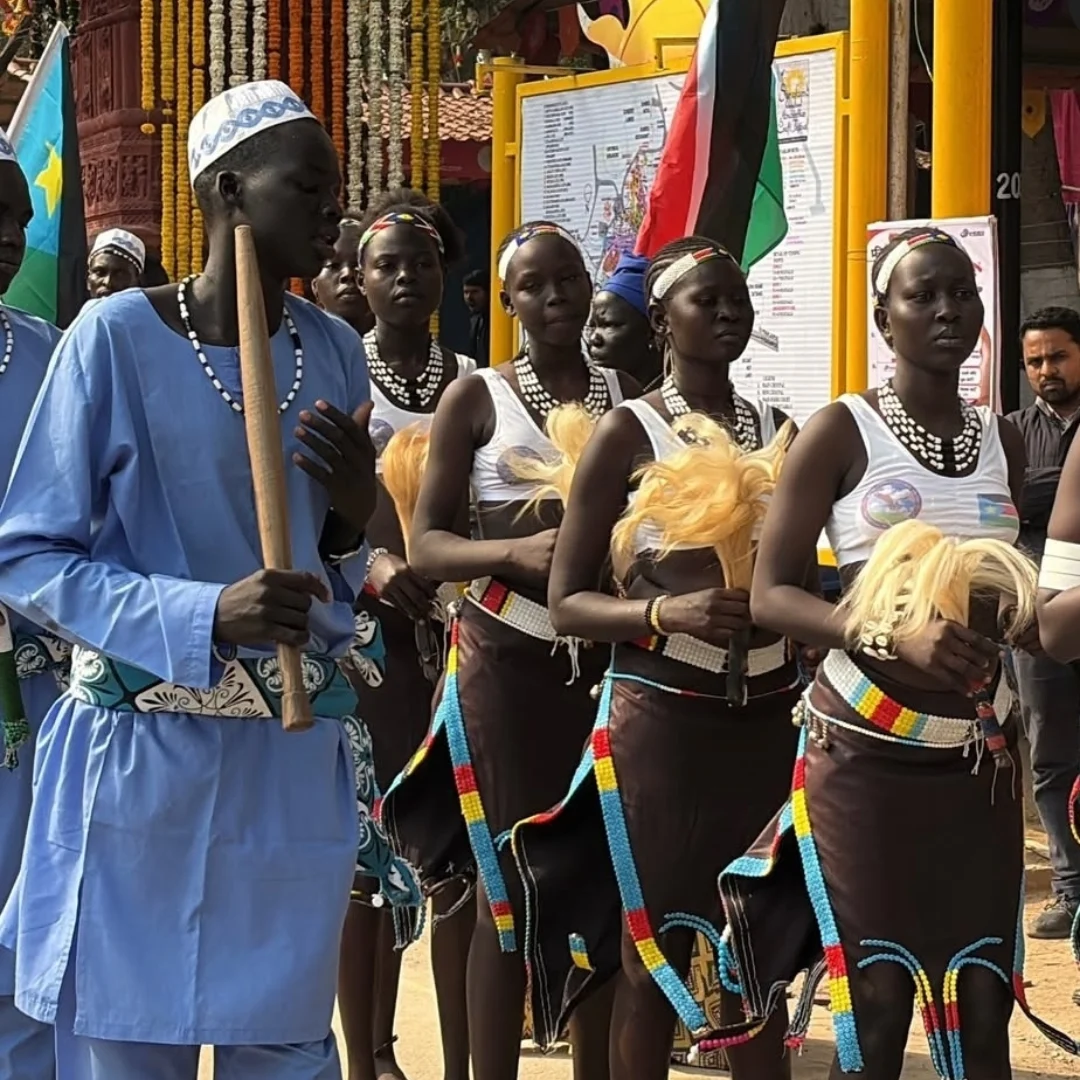
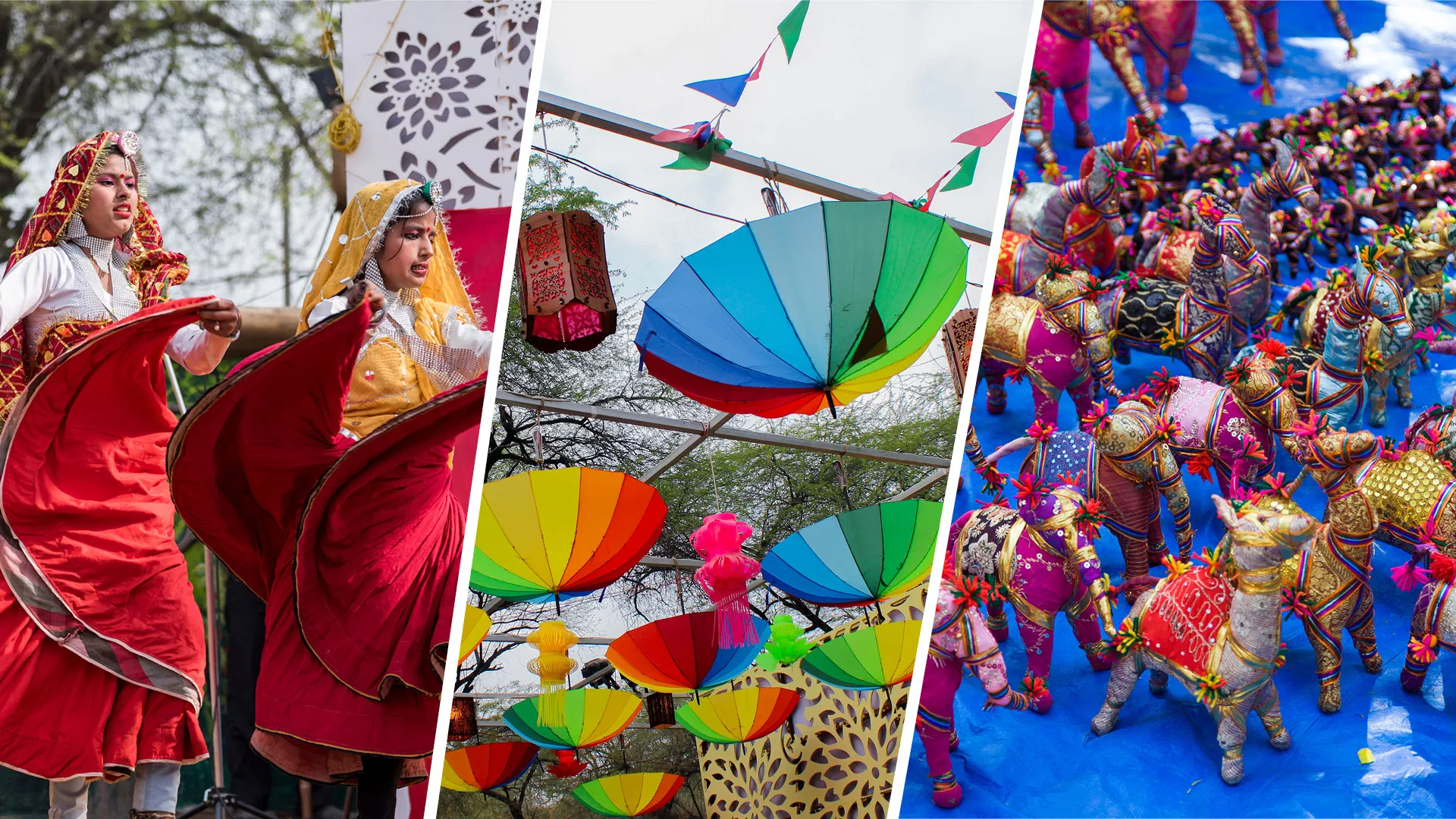
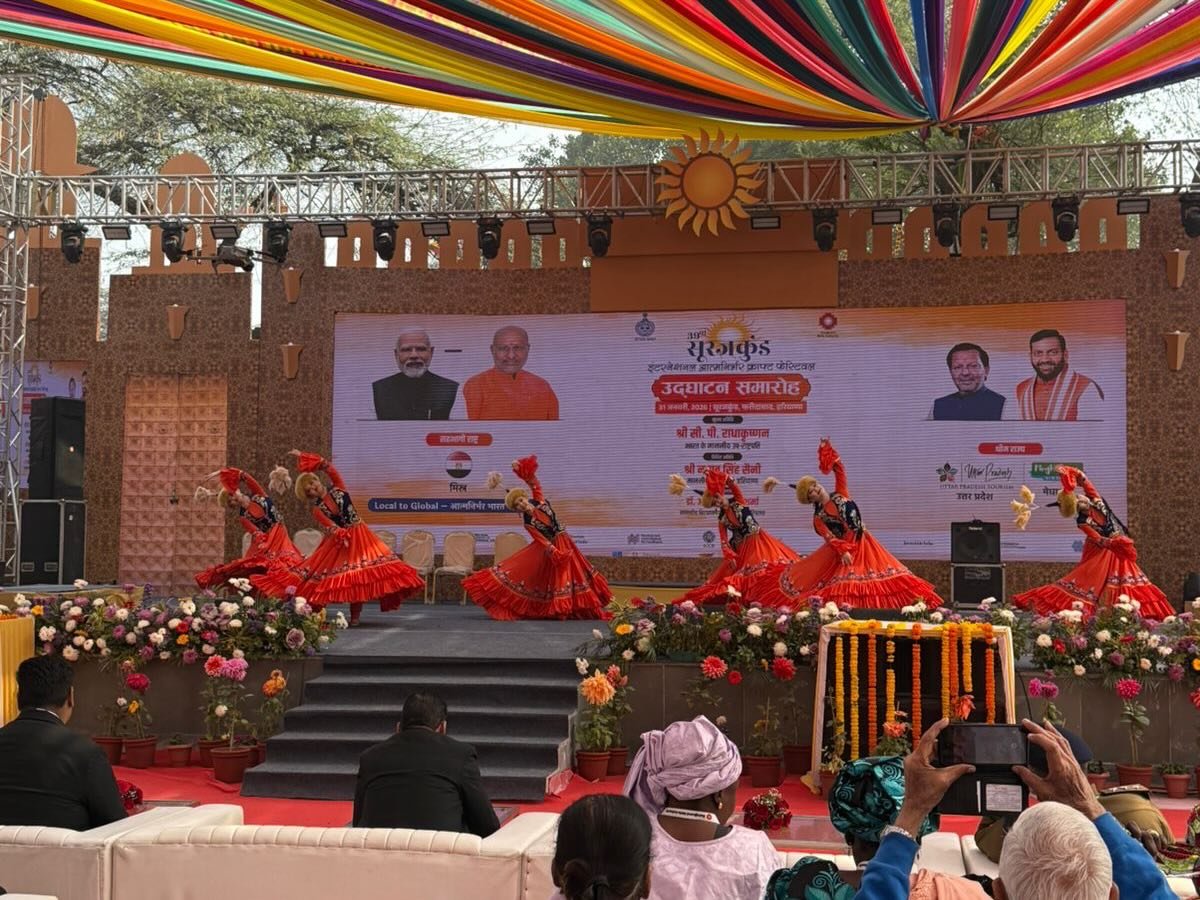
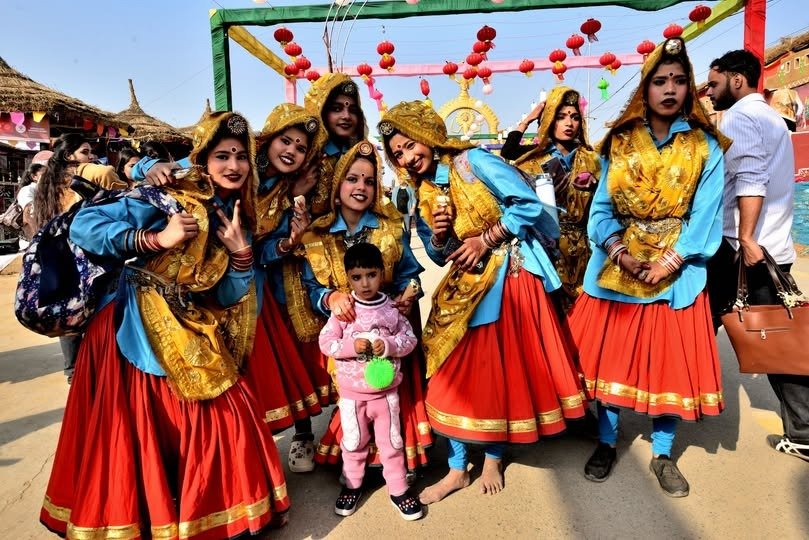
In addition to visual arts and crafts, Kazakhstan brought its cultural heritage to life through dynamic performances. Music and dance played a crucial role in engaging audiences, offering an experiential dimension to the exhibition. Traditional Kazakh music, characterized by the use of instruments such as the dombra, resonated across the mela grounds, creating an enchanting atmosphere. The performances were marked by their energy, grace, and authenticity. Dancers in traditional attire performed routines that reflected stories of nomadic life, love, celebration, and resilience. These performances were not merely entertainment; they were expressions of cultural identity, connecting the past with the present. Audiences responded with enthusiasm, often gathering in large numbers to witness these vibrant displays.
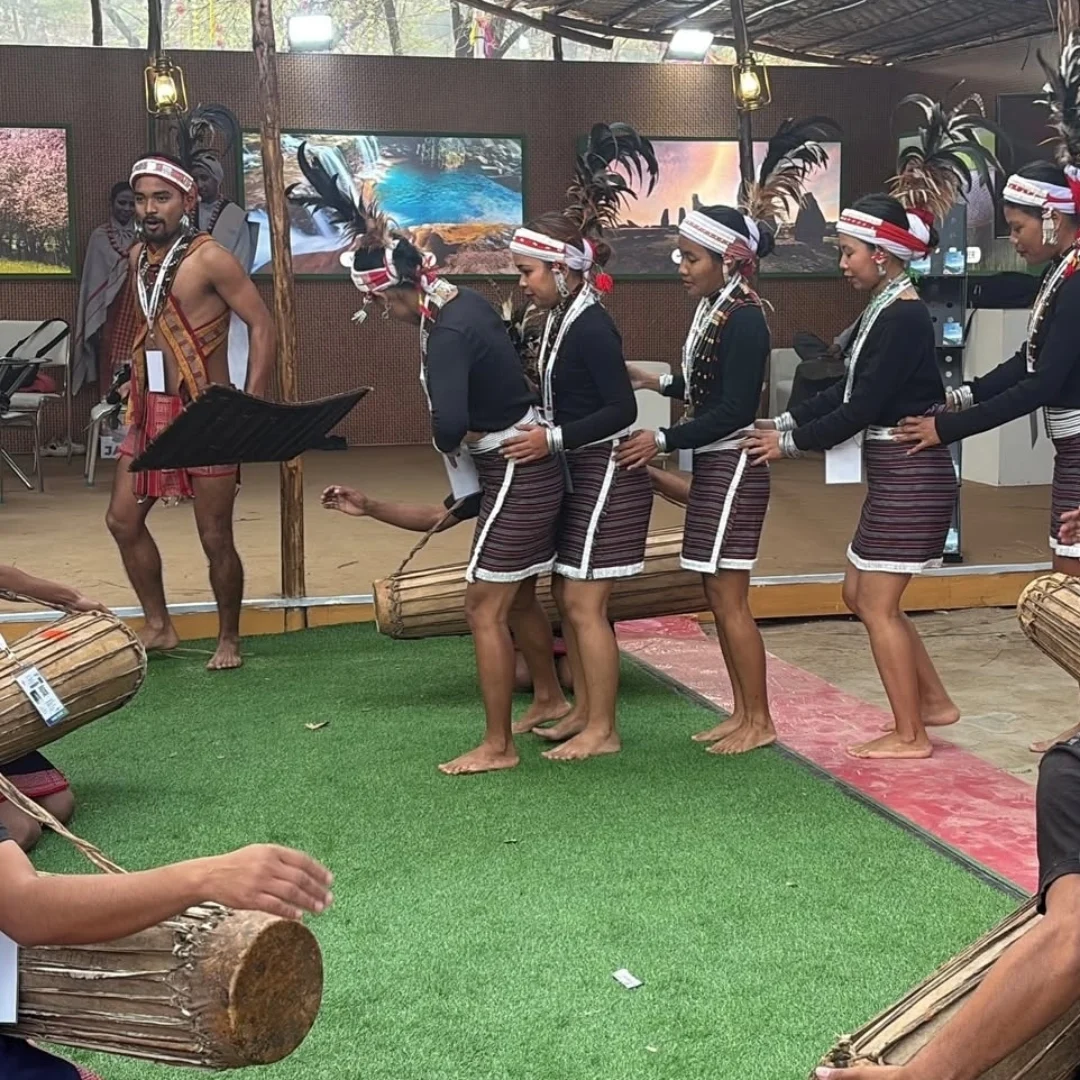

The interaction between Kazakh artists and visitors further enriched the experience. Artisans and performers were eager to share insights into their craft, traditions, and way of life. This exchange of knowledge fostered a deeper appreciation among visitors, transforming the pavilion into a space of dialogue and learning. Many attendees expressed admiration for the dedication and passion displayed by the Kazakh participants. Kazakhstan’s participation also underscored the importance of preserving traditional crafts in an increasingly modern world. In an era dominated by mass production and digital technology, the presence of handmade creations serves as a reminder of the value of authenticity, sustainability, and cultural continuity. The artisans emphasized the need to pass these skills on to younger generations, ensuring that these traditions do not fade away.

The Surajkund Mela itself has evolved into a powerful symbol of international cooperation and cultural diplomacy. By bringing together artists from diverse backgrounds, it creates opportunities for mutual understanding and respect. Kazakhstan’s presence at the mela exemplified this spirit, showcasing how cultural exchange can bridge geographical and cultural distances. For India, hosting such a diverse array of participants reinforces its commitment to celebrating global heritage while promoting its own rich traditions. The interaction between Indian and Kazakh artisans revealed interesting parallels in craftsmanship, despite the geographical distance. Both cultures share a deep respect for handmade art, storytelling through design, and the preservation of heritage.
Visitors to the Kazakh pavilion often found themselves drawn into a sensory journey—one that combined visual beauty, musical richness, and cultural depth. The intricate handicrafts, the rhythmic music, and the warm hospitality of the participants created an unforgettable experience. Many visitors left with not just souvenirs, but also a newfound appreciation for Kazakhstan’s cultural heritage. The success of Kazakhstan’s participation at the 39th Surajkund International Crafts Mela highlights the growing interest in Central Asian culture on the global stage. It also reflects the country’s commitment to promoting its heritage internationally, using platforms like Surajkund to connect with audiences from around the world.

As the mela continues to attract visitors from across India and beyond, such cultural exchanges play a crucial role in fostering global harmony. Events like these remind us that while cultures may differ in form and expression, they share a common thread of creativity, resilience, and human connection. In conclusion, Kazakhstan’s showcase at the Surajkund International Crafts Mela was more than just an exhibition—it was a celebration of identity, artistry, and cultural pride. Through its crafts, performances, and interactions, Kazakhstan offered visitors a window into its rich heritage, leaving a lasting impression on all who experienced it. The pavilion stood as a testament to the enduring power of tradition and the importance of preserving it for future generations.
As the curtains fall on another successful edition of the Surajkund Mela, the memories of Kazakhstan’s vibrant participation continue to resonate. It served as a powerful reminder that culture, in all its forms, has the ability to connect people, transcend boundaries, and enrich our collective human experience.
More to Read
All issues
Threads of Heritage — The Enduring Legacy of Kazakhstan’s Syrmak Felt Carpets
For centuries, the vast steppes of Kazakhstan have nurtured a rich nomadic culture shaped by movement, resilience, and a deep connection to nature. Among the many…

Astana to Host Kyrgyz Cinema Days — A Celebration of Culture, Storytelling & Artistic Excellence
In a significant cultural initiative aimed at deepening artistic and humanitarian connections, the city of Astana is set to host the highly anticipated “Days of Kyrgyz…

Kazakhstan Culinary Story — A Journey Through Nomadic Traditions & Rich Flavours
The cuisine of Kazakhstan is a fascinating reflection of the country’s history, geography, climate, and nomadic traditions. Deeply rooted in centuries-old pastoral…