

Yurts, Canyons & Camels: My Fascinating Kazakhstan Adventure
Some classic pastimes will never fall out of fashion: rolling dice, playing cards and — in Kazakh culture — shattering the ankle bones of sheep. Locked in fierce concentration, two boys laid down a line of the body parts in readiness for a battle of asyk atu, a game similar to marbles but with a macabre edge. Behind them, against a dusty mountain backdrop on the outskirts of Almaty, men on horseback fought over the replica of a goat carcass in a kokpar contest, the national sport, women weighed down by 20kg of chainmail fired arrows at targets, and golden eagles swooped overhead.

Demonstrated daily at the Nomad Ethno Centre, these offbeat activities celebrate a culture that characterised central Asia for 2,000 years until the early 20th-century era of Soviet suppression. But since the fall of the Soviet Union in 1991, Kazakhstan, like so many of Stalin’s former spoils, has been slowly carving out an identity by digging into its past — building yurts, drinking camel milk and eating bullet-hard cheese balls with a shelf life longer than most fossils. Fly direct from the UK in eight hours Straddling two continents, the world’s largest landlocked country is an otherworldly sprawl of wind-sculped deserts, painterly mountains and barren steppe. Eleven times the size of the UK with a population slightly bigger than the Netherlands (about 20 million), it once formed part of the Silk Road trading corridor between Europe and China.

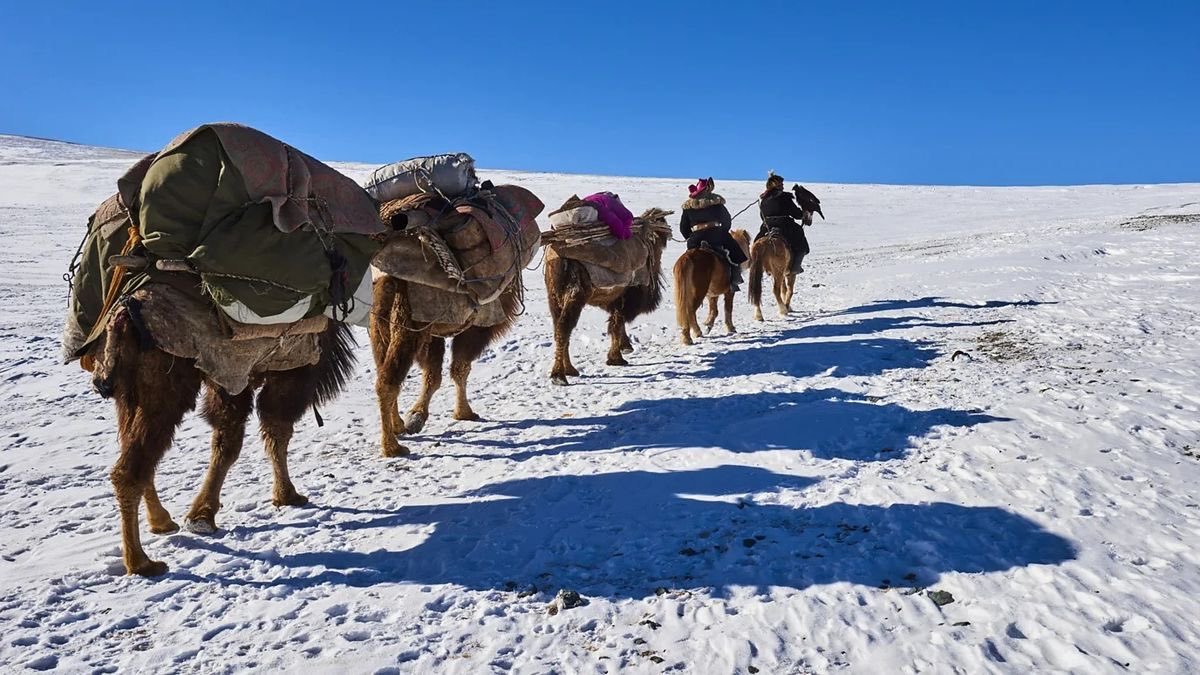
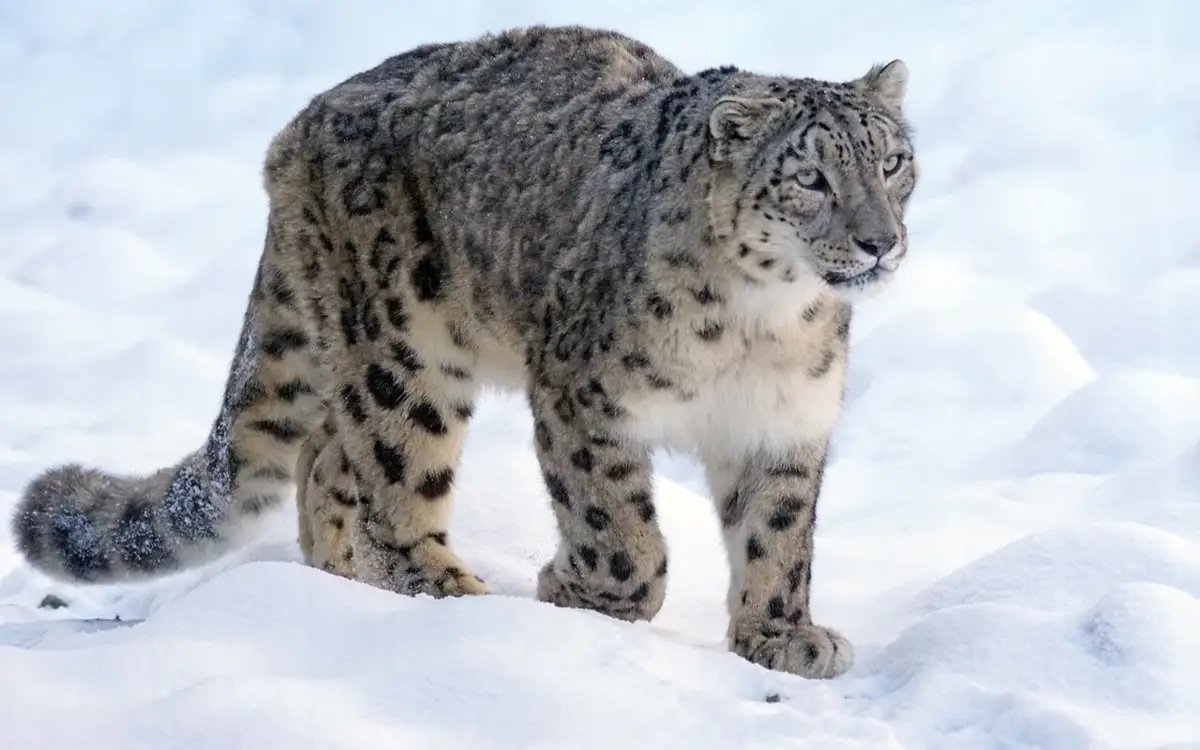
Caravans would have made the journey in a year. I had flown in on a direct eight-hour flight from London to Almaty, relaunched last year by Air Astana, to join a new culture and cuisine tour organised by Regent Holidays. In Almaty a cosmopolitan crowd fuelled by oil money have long since swapped stallions for SUVs but you can still get a mare’s milk cocktail in a speakeasy. The beauty of Kazakhstan, however, lies beyond its urban areas. Wildlife ranges from gophers and gerbils to rare snow leopards and saiga antelopes, which have odd-looking pendulous noses for filtering dust and warming the air. Equally extraordinary are the landscapes: endless plains, glacier-blue lakes and multicoloured hills rising from the floor of an ancient sea.
What you need to know How do you get there? There are direct, eight-hour flights from London to Almaty with Air Astana How much does it cost? Ten nights’ B&B on a culture and cuisine of Kazakhstan itinerary with Regent Holidays is from £3,770pp, including flights About 124 miles east of Almaty and close to the border with China, Charyn Canyon is one of 14 national parks. Joined by a driver and a guide, who accompanied us throughout the tour, my small group made the journey by road. Walking along a well-kept pathway, I passed below cayenne-coloured sandstone cliffs resembling the turrets of medieval castles. Twelve million years of geological activity had left its mark, including rock walls formed by the eruption of an underwater volcano.
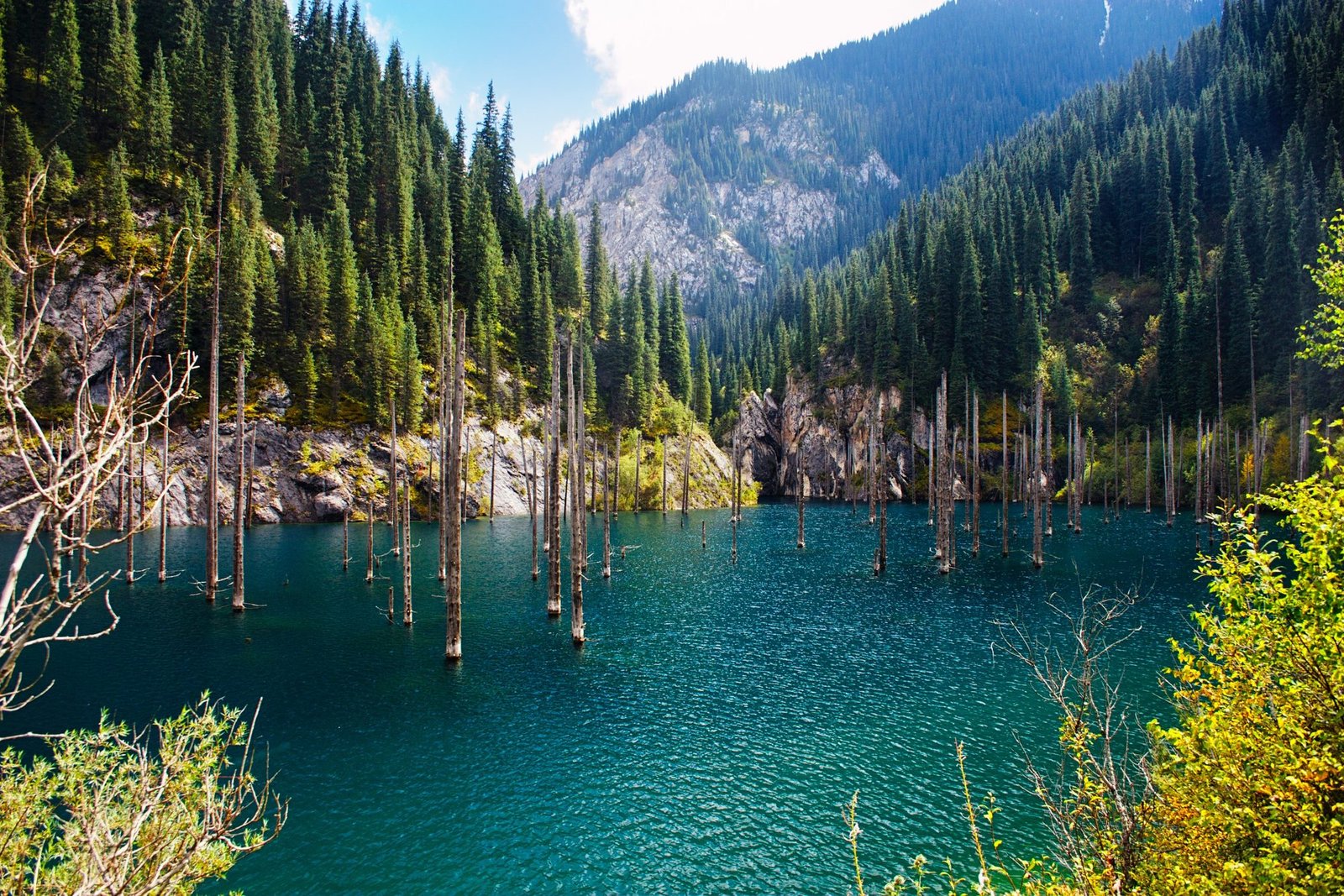
Sarah Marshall visited the sandstone cliffs of Charyn Canyon Rumblings from the earth’s core were also responsible for Lake Kaindy, reached by a bone-rattling section of boulder-strewn road. Created when an earthquake caused a landslide that dammed a gorge, the pine forest of Tien Shan stands in the turquoise water. Although impressive, the surreal scene was eclipsed by an even more surprising sight. Once used by the military, clunky Soviet-era vans rattled up and down hills, transporting tourists between viewpoints at bullet speeds. Nicknamed bukhanka (loaf) after their boxy shape, the robust, utilitarian workhorses showed no signs of getting stale.

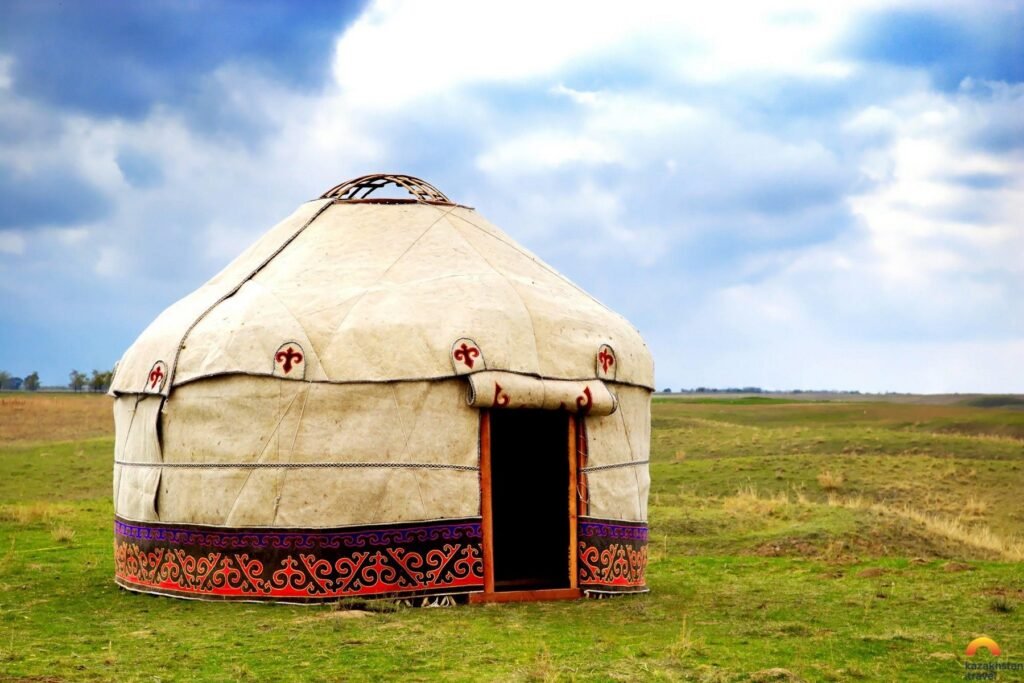
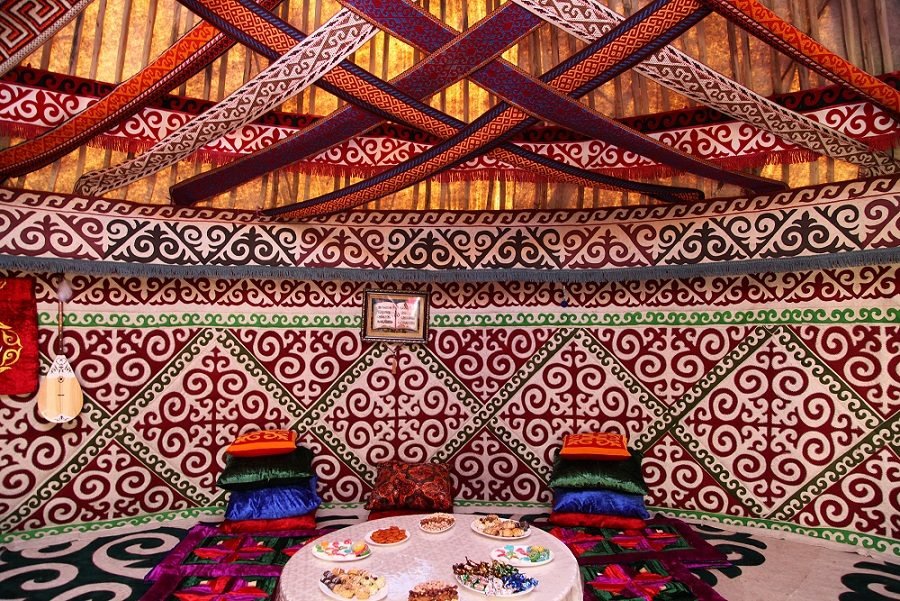
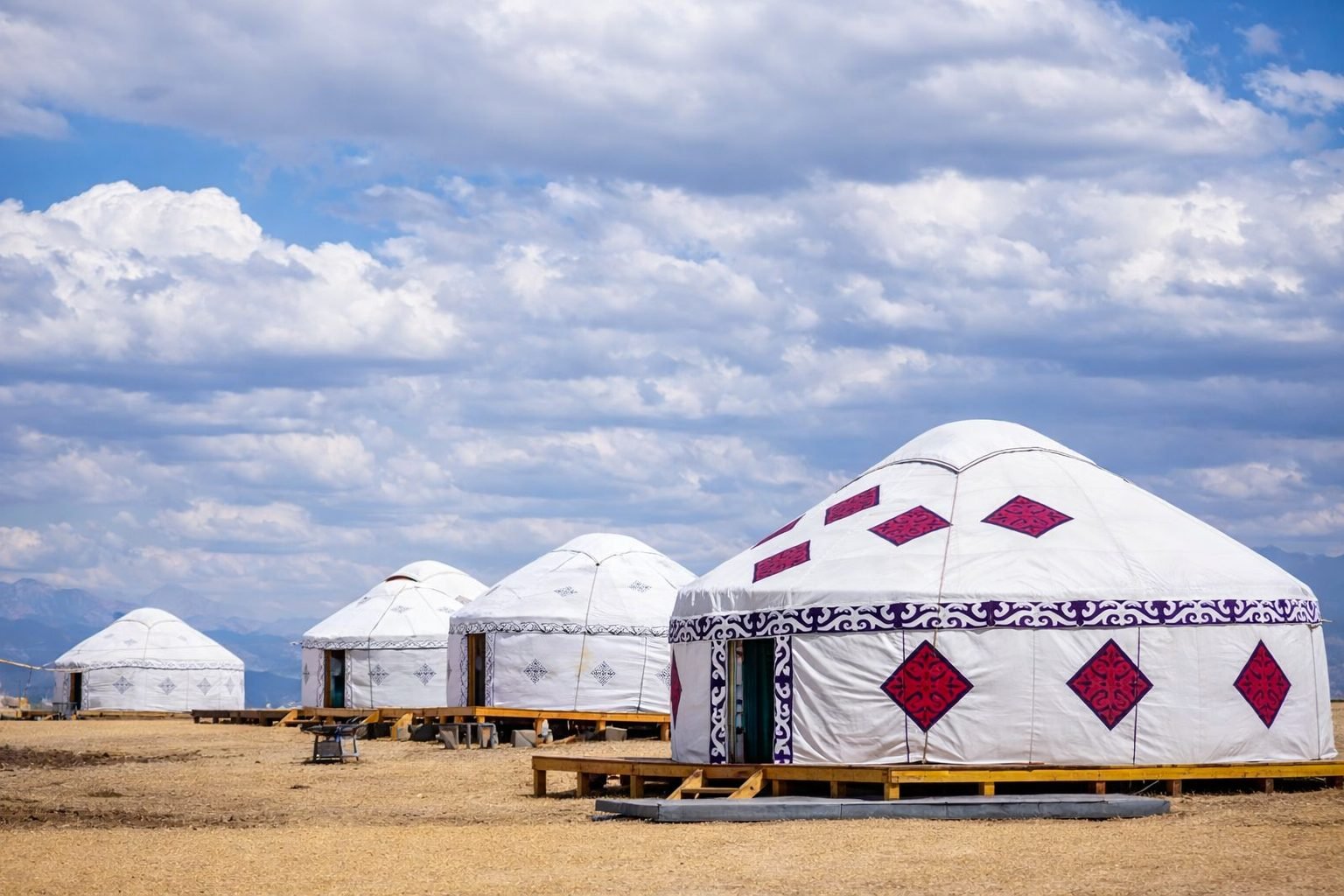
Eat in a yurt A national icon with even greater longevity than the bukhanka is the yurt. Used for centuries by nomads as a shelter, the circular felt-lined framework had been converted into a restaurant at the Alban guesthouse on the fringes of nearby Saty village. Sitting cross-legged around a table overloaded with more food than a medieval banquet, I quickly understood why Kazakhs have earned a reputation for being big feeders. Platters of horsemeat struggled for space between bowls of baursak (fried dough), plates of pumpkin-filled manzi dumplings and tiered cake trays crammed with slices of honey cake and boiled sweets. “In Kazakh culture we bring you everything at once,” said our host, Zhanar Jumatayeva, gleefully and taking pride in the fact we had nowhere to lay our knives and forks.

“In the past we would have served a boiled sheep’s head and given the eyes to those who don’t see and the ears to those who never listen,” she added. Judging by expressions around the table, there was an unspoken agreement that some traditions are best forgotten.
To the heart of the Silk Road
To better understand the country’s origins beyond stomach-churning dining delicacies, after a night staying at Kolsay Prestige hotel in Saty, I returned to Almaty and took a 1hr 40min flight to the city of Turkestan. A centre of the former Silk Road trade, it still attracts pilgrims who visit the mausoleum of the 12th-century Sufi poet Khoja Ahmed Yasawi. Ancient scaffolding poles poking from the entrance reveal the building commissioned by the military ruler Tamerlane in 1389 was never finished. Nevertheless, in 2003 it was awarded Unesco world heritage status for being a Persian masterpiece. The mausoleum of the poet
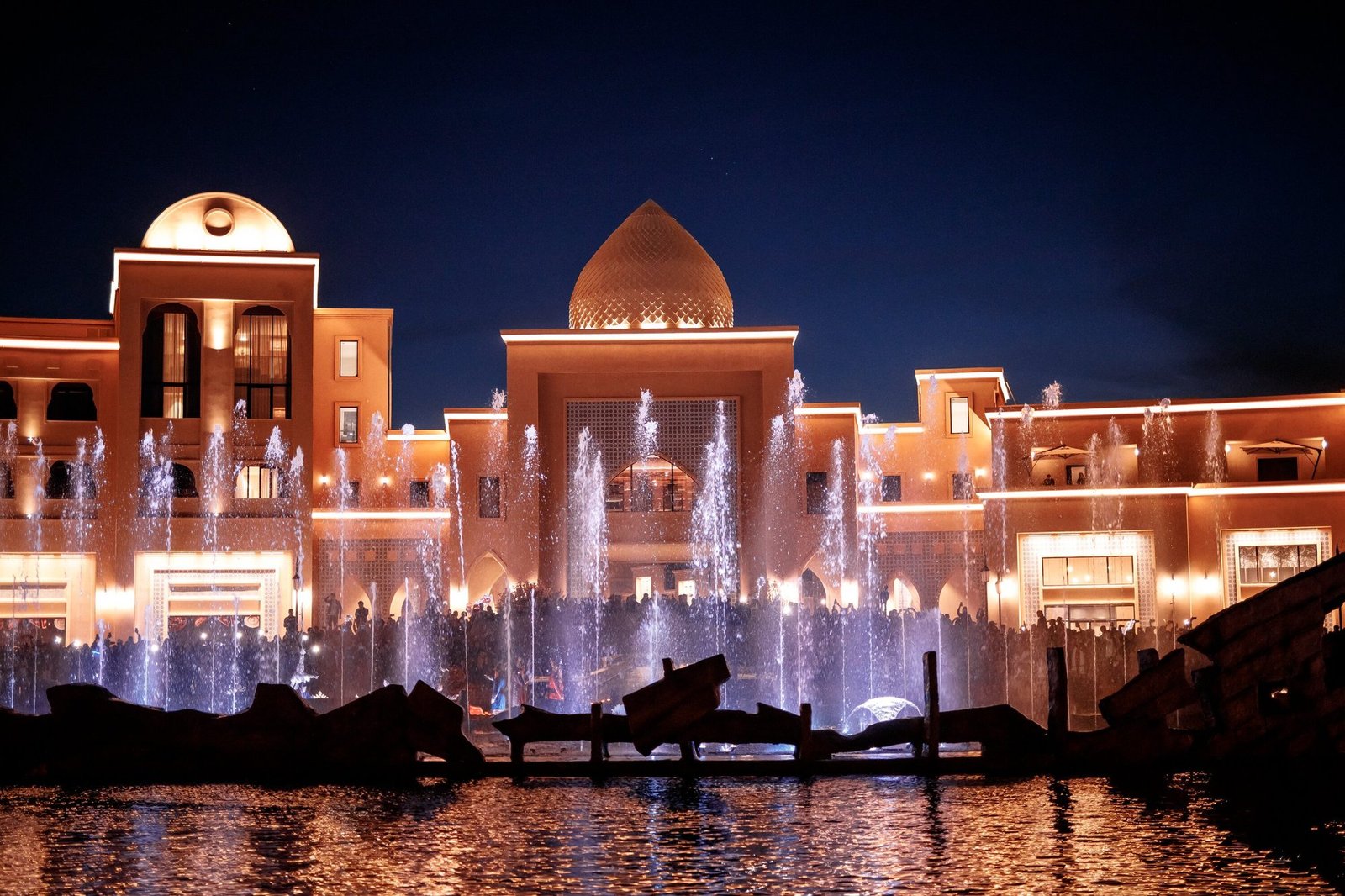
I arrived to find its glazed turquoise dome sparkling against the deep-blue sky. Women wrapped in silk headscarves tip-toed contemplatively through the complex, disappearing into an underground cell called a hilvet where Yasawi lived from the age of 63 until his death. Outside on manicured lawns schoolchildren performed a concert, plucking the strings of wooden, zither-like zhetygens. Although Turkestan champions tradition, the city has embraced modernisation. Forming part of a new entertainment centre and shopping arcade a short walk from the mausoleum, the lavish Karavansaray Hotel would be more at home in Dubai or Las Vegas. Gondolas drifted along canals stretching from a faux harbour and fountains danced to a bombastic musical fanfare. From my balcony suite that evening I watched a Kazakh fairytale play out on the water. But in keeping with many aspects of the flashy development, I couldn’t quite grasp the point.


More to Read
All issues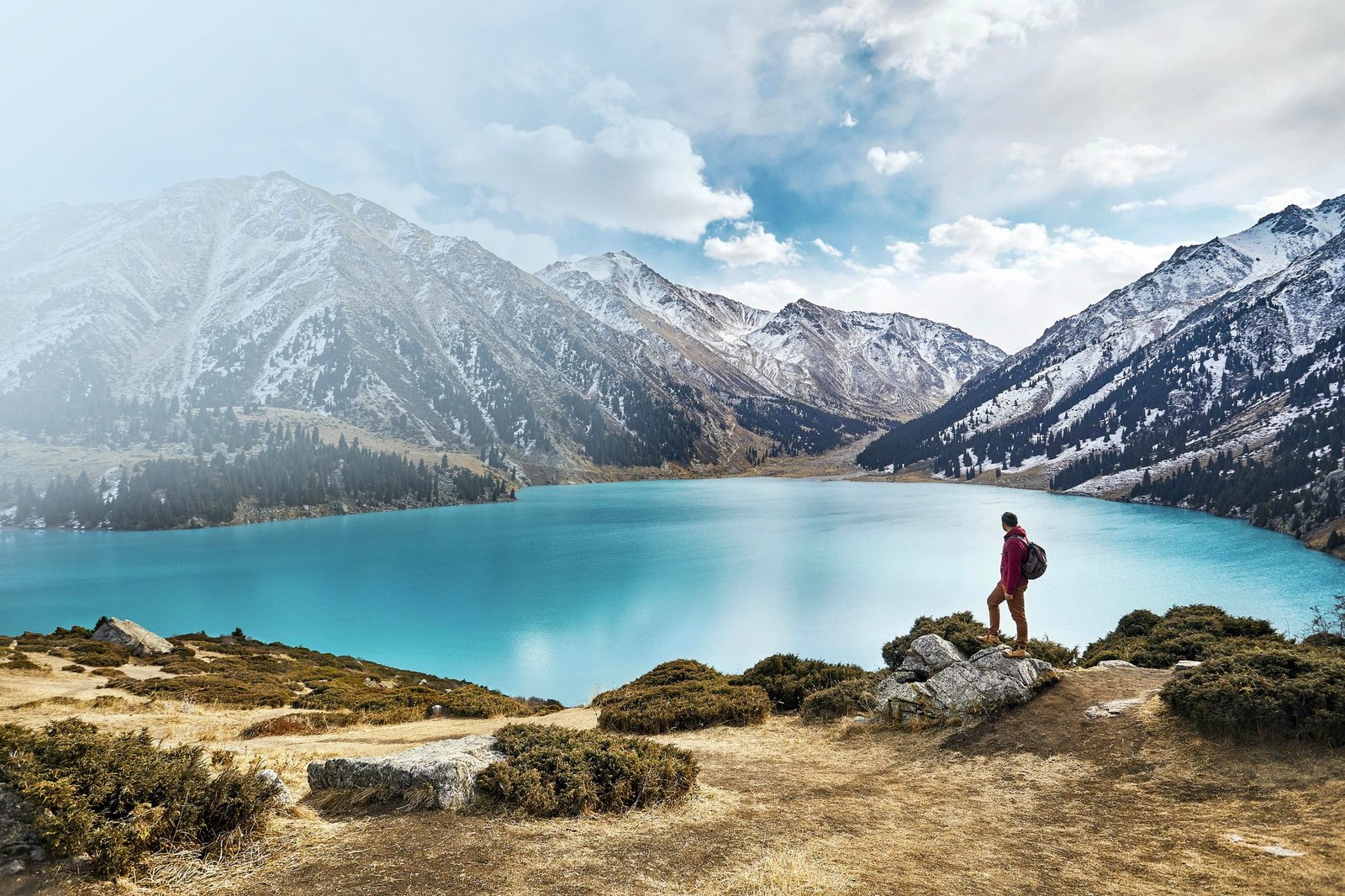
Exploring Kazakhstan’s Natural & Historical Treasures
Kazakhstan, the largest landlocked country in the world, is renowned for its vast steppes, majestic mountains, unique natural reserves, and rich cultural heritage. From…
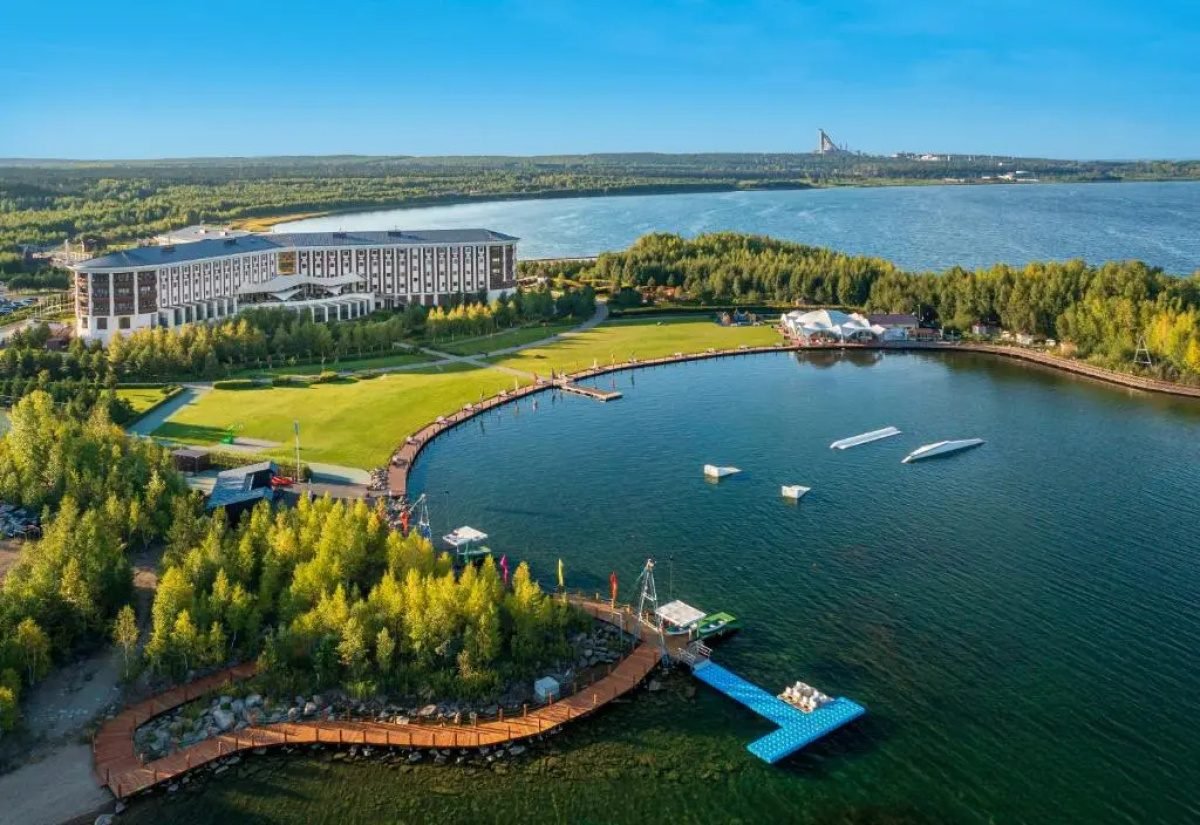
Kazakhstan Accelerates Tourism Growth With Trillion-Tenge Investments & New Destinations
Kazakhstan is moving to strengthen tourism as a larger contributor to its national economy, combining major private investment with new hotels, improved transport links,…
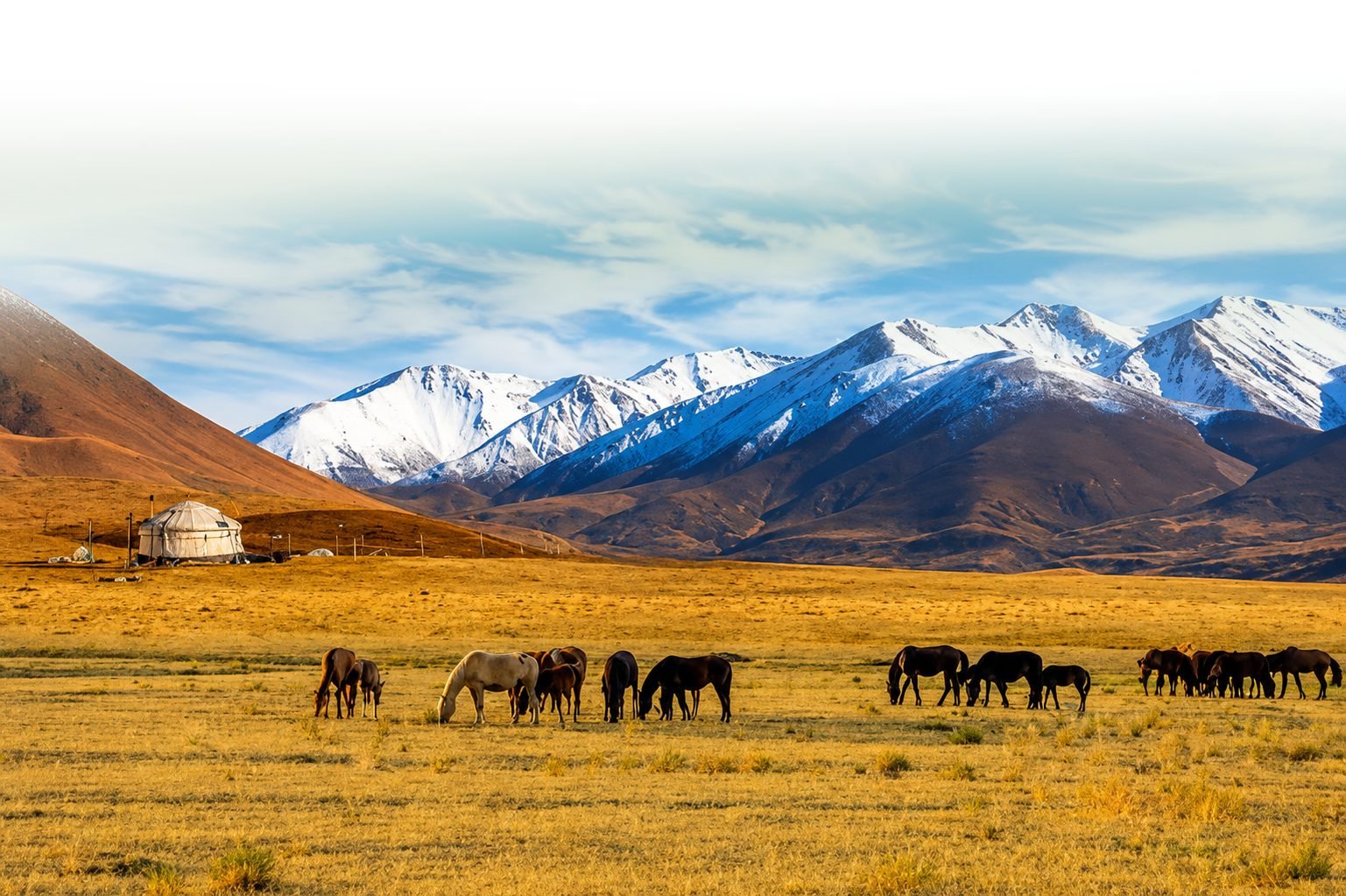
Discover Kazakhstan — A Journey Through Mountains, Lakes, Canyons & Silk Road Heritage
Kazakhstan is one of Central Asia’s most rewarding destinations for travellers seeking a combination of dramatic landscapes, vibrant cities, nomadic traditions and Silk…