

Kazakhstan Accelerates Tourism Growth With Trillion-Tenge Investments & New Destinations
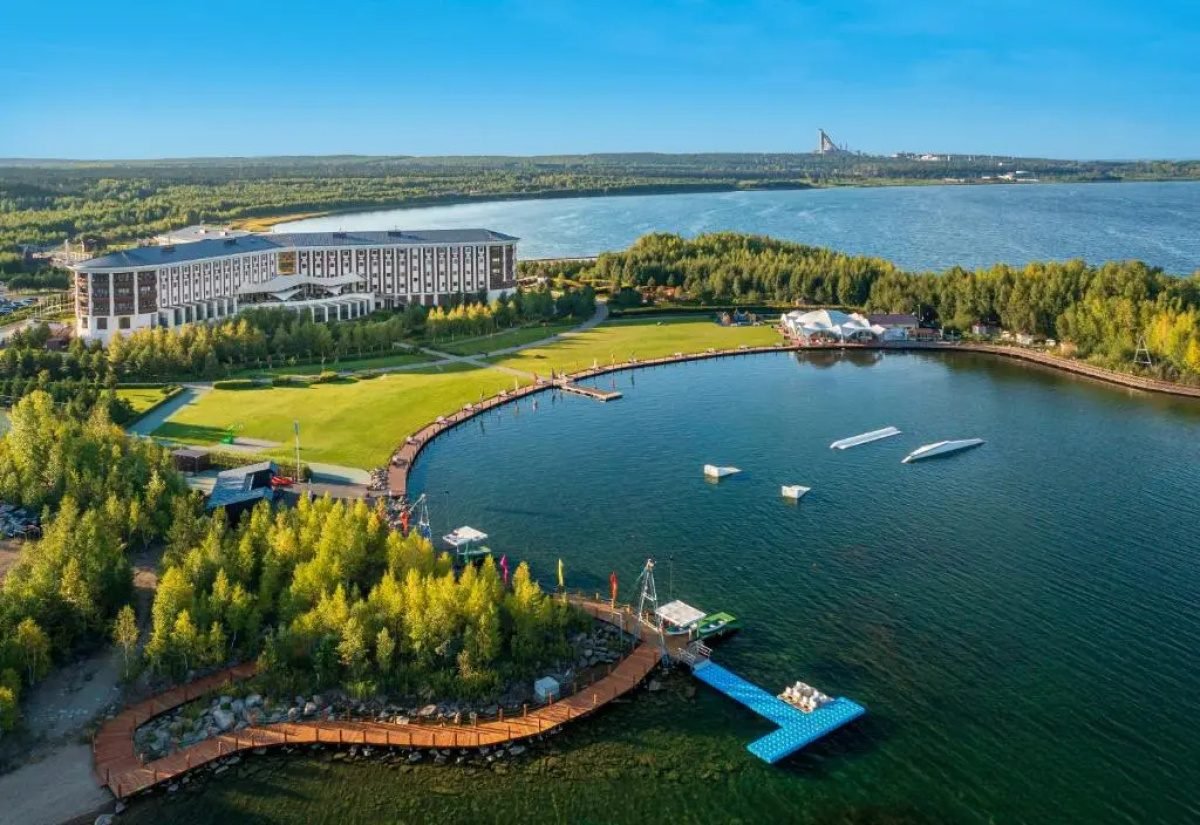
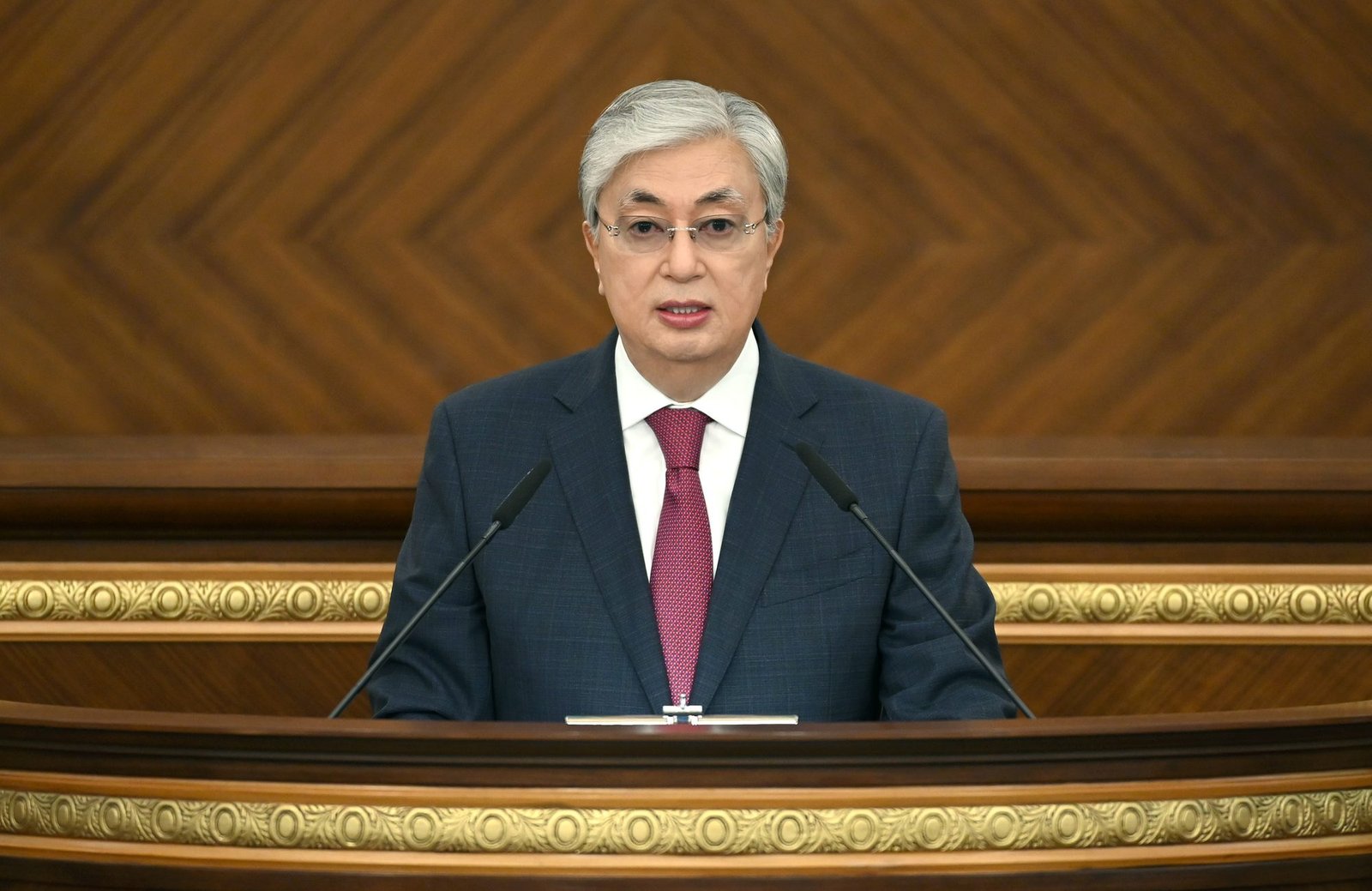
Kazakhstan is moving to strengthen tourism as a larger contributor to its national economy, combining major private investment with new hotels, improved transport links, resort development and a growing portfolio of cultural, sporting and nature-based experiences. The strategy reflects priorities outlined by President Kassym-Jomart Tokayev for unlocking the country’s tourism potential, improving competitiveness and raising service standards. Under the government’s approach, regional administrations are expected to concentrate on infrastructure and destination development, while central authorities focus on international promotion, attracting overseas visitors and improving the regulatory environment. Tourism’s overall contribution to the economy has reached around 5 trillion tenge, while employment connected with the sector has surpassed 600,000 people, according to the Government of Kazakhstan.
Investment Pipeline Reshapes the Tourism Landscape Investment has become one of the strongest indicators of Kazakhstan’s tourism expansion. Capital investment rose from 787.3 billion tenge to 947.5 billion tenge before climbing to approximately 1.25 trillion tenge. Combined investment over a two-year period exceeded 2.2 trillion tenge, representing growth of nearly 60 per cent. The development pipeline now includes 328 tourism projects valued at approximately 1.3 trillion tenge. Their phased implementation is expected to generate around 10,000 permanent jobs and introduce 25 international-standard hotel complexes. The portfolio includes projects associated with international hospitality names such as Hilton and Mandarin Oriental, together with the expansion of the Oi-Qaragai all-season mountain resort. Plans are also being considered for another 24 high-standard hotels across 11 regions through investment incentives and preferential financing mechanisms.
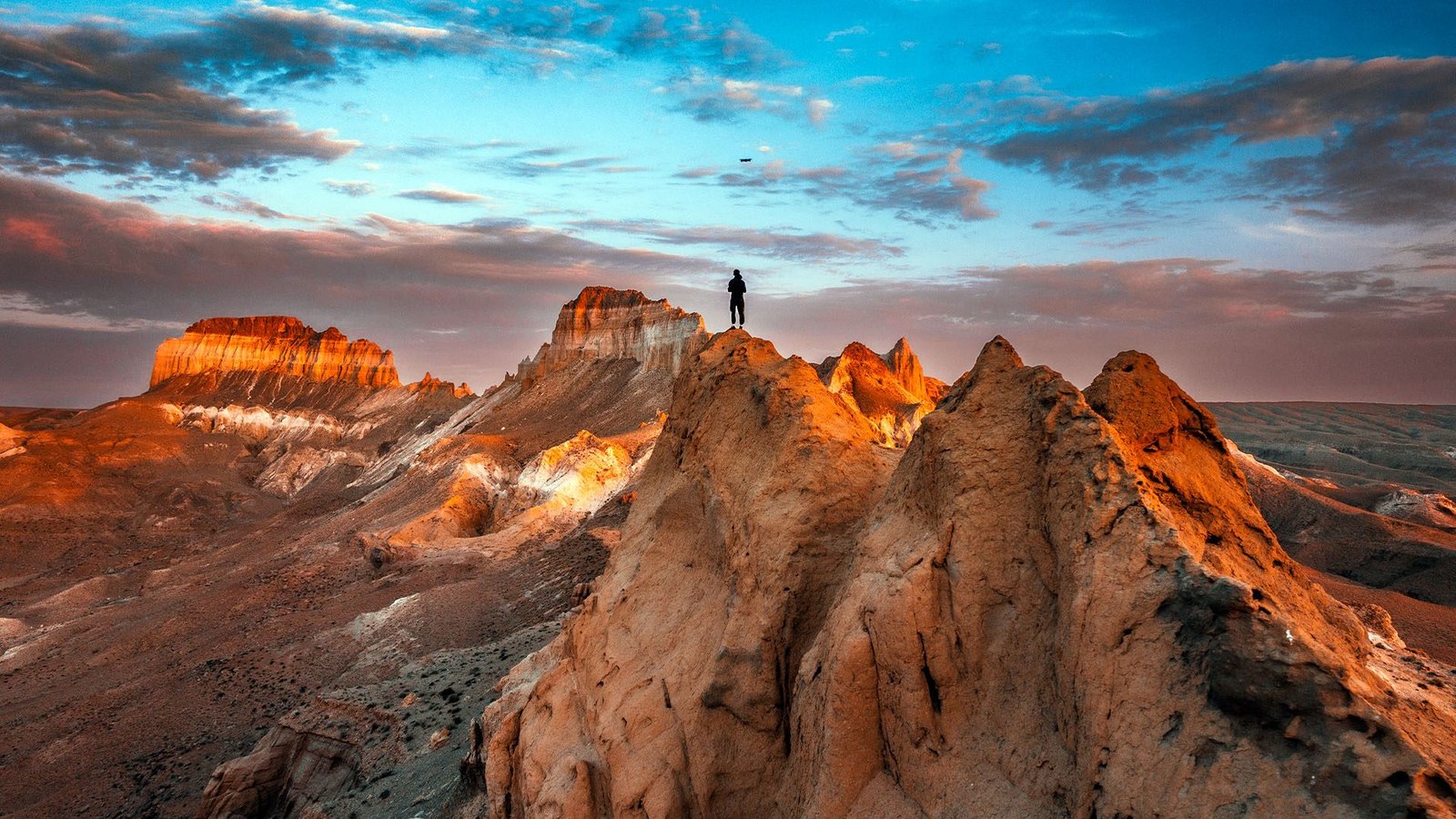

Kazakhstan’s accommodation sector is expanding alongside these investments. The number of accommodation properties has grown from fewer than 4,000 to more than 4,500, while the value of services provided by hotels, holiday bases and other accommodation establishments has risen substantially. Official figures put accommodation-sector revenue at 350.6 billion tenge, illustrating the growing commercial scale of domestic tourism and hospitality.
International Tourism Gains Momentum
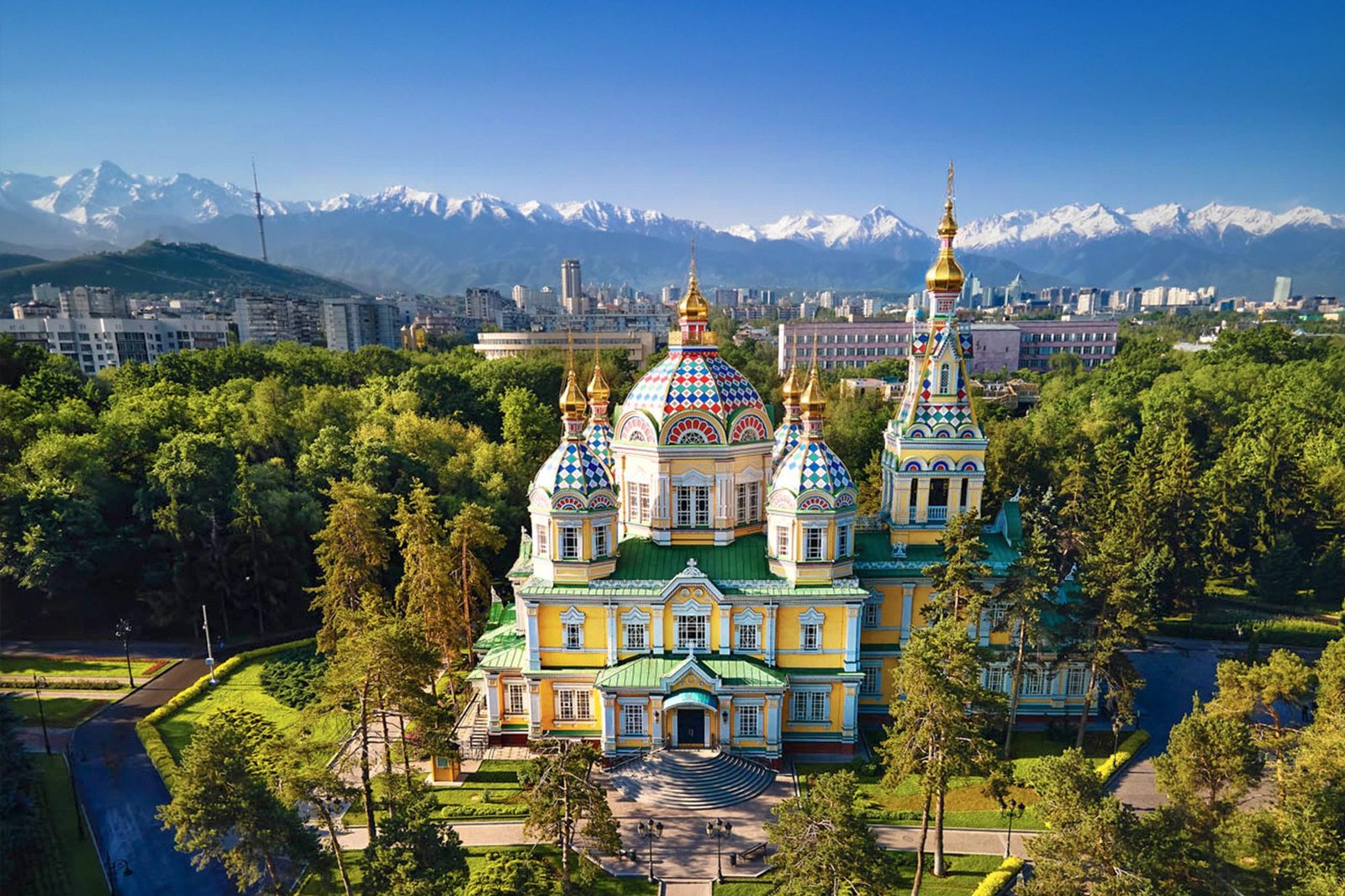

Kazakhstan’s expanding international connectivity and simplified travel arrangements are helping broaden its appeal to overseas visitors. The country recorded 15.7 million foreign arrivals, of whom 11.1 million were classified as tourists. Spending by international visitors inside Kazakhstan reached approximately $2.9 billion. The number of foreign guests using accommodation establishments has also increased, reaching about 1.4 million. Neighbouring countries continue to represent an important source of visitors, while improved accessibility is creating opportunities to diversify Kazakhstan’s tourism markets. China has emerged as an increasingly significant market following simplified travel arrangements. At the same time, Uzbekistan, Kyrgyzstan and Russia remain major contributors to cross-border visitor flows.
Events Create a New Tourism Economy
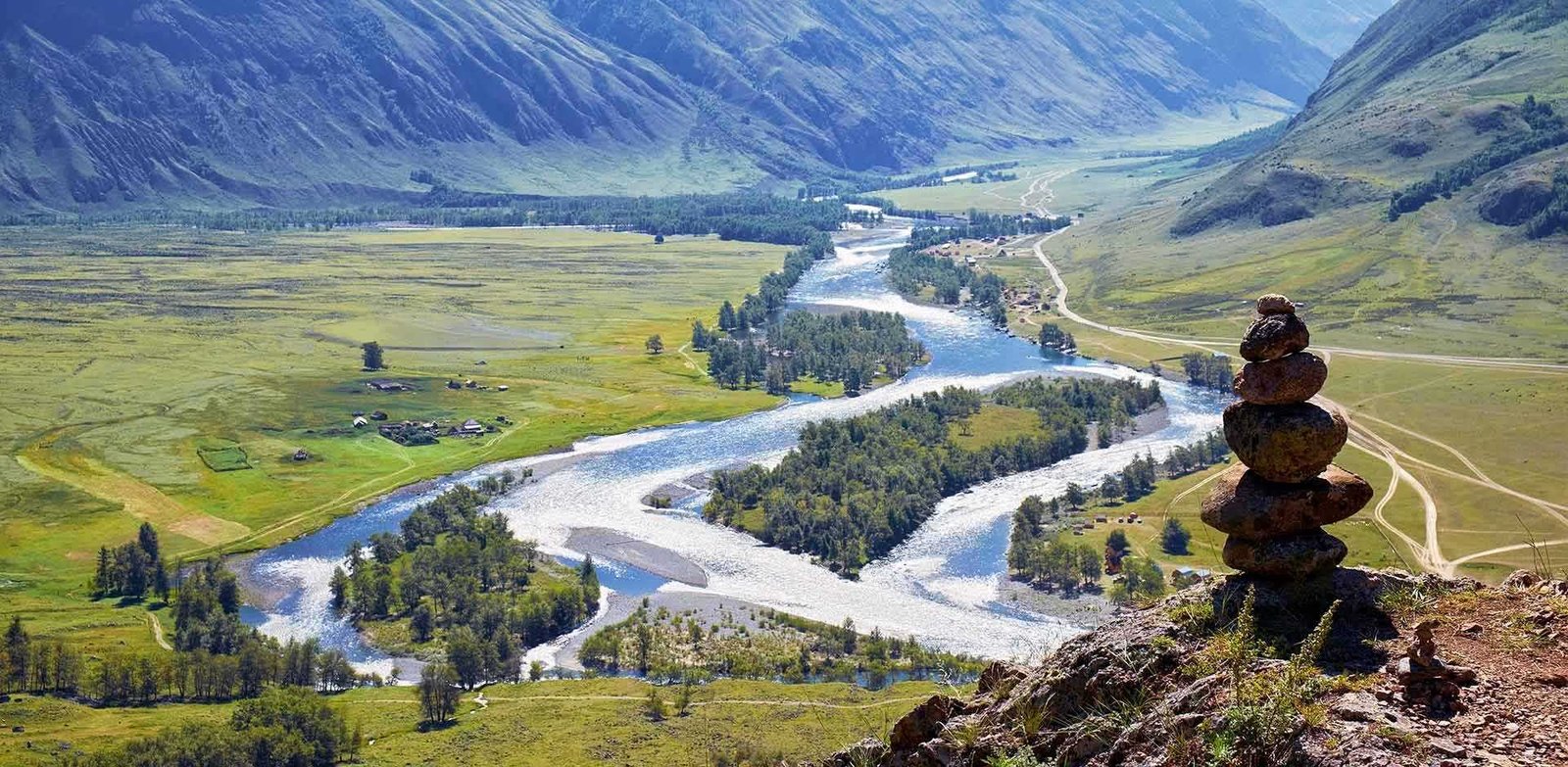
Kazakhstan is also increasingly using entertainment, cultural programmes and international sporting events as tourism drivers. Large-scale concerts and festivals have demonstrated their ability to attract visitors who spend on accommodation, restaurants, transport, shopping and entertainment. International performances in Almaty and Astana have helped position the two cities as emerging event-tourism destinations. The government has consequently developed a national event calendar featuring 55 major activities, creating a more coordinated framework for promoting sporting competitions, concerts, festivals and cultural programmes to domestic and international audiences.
Domestic Travellers Discover More of Kazakhstan
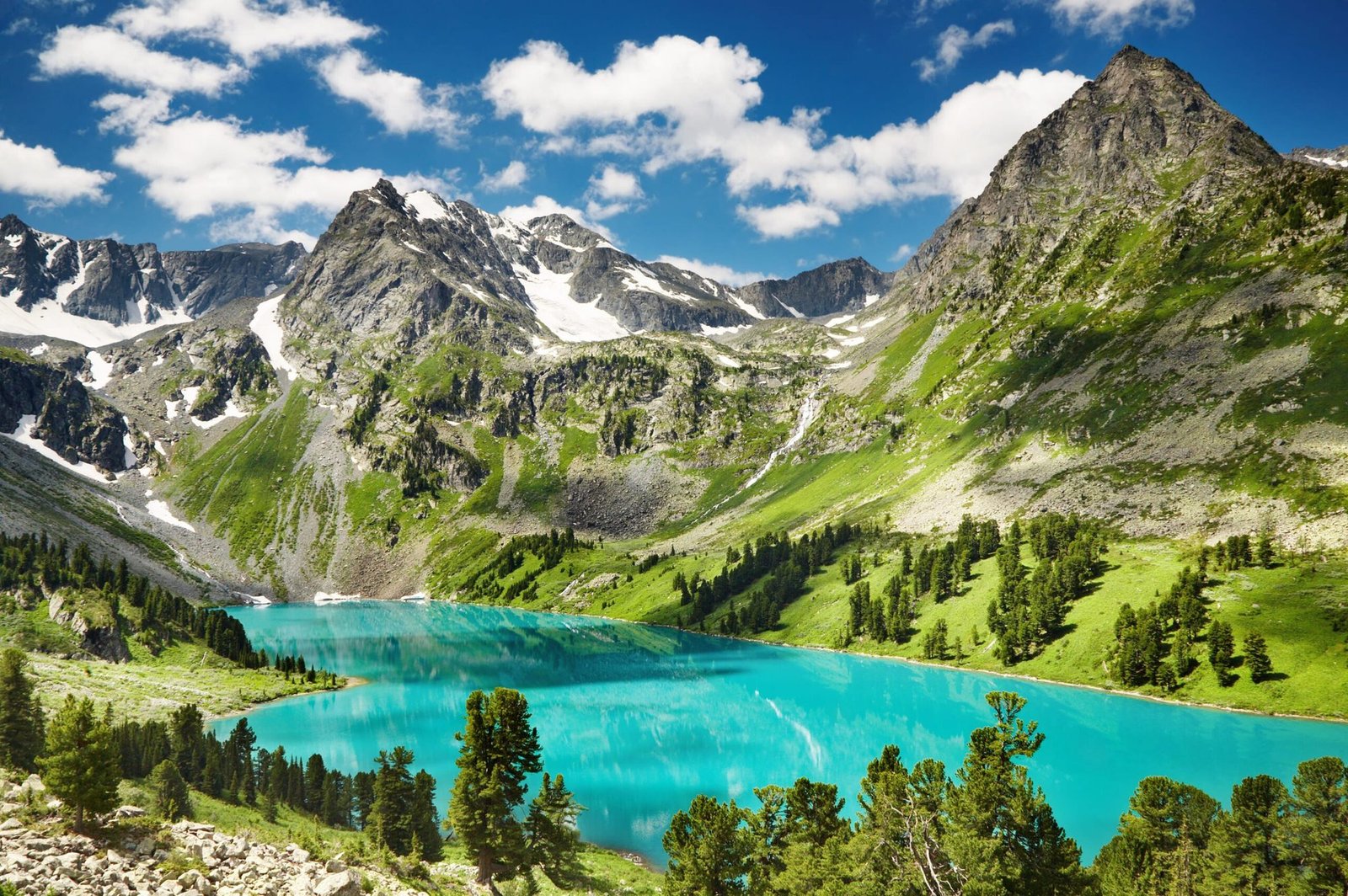
Growth is not limited to international arrivals. Domestic tourism has expanded from approximately 7.1 million travellers to around 8.7 million, reflecting stronger interest among Kazakhstanis in exploring destinations within their own country. The Almaty mountain cluster is one of the country’s strongest leisure destinations, complemented by the Shchuchinsk-Borovoye resort area, Mangystau, Turkestan and the Altai region. These destinations showcase the diversity Kazakhstan is seeking to promote — from skiing and mountain recreation to Caspian coastal experiences, heritage tourism, wellness retreats and nature-based holidays.
Airports, Railways & Roads Improve Access

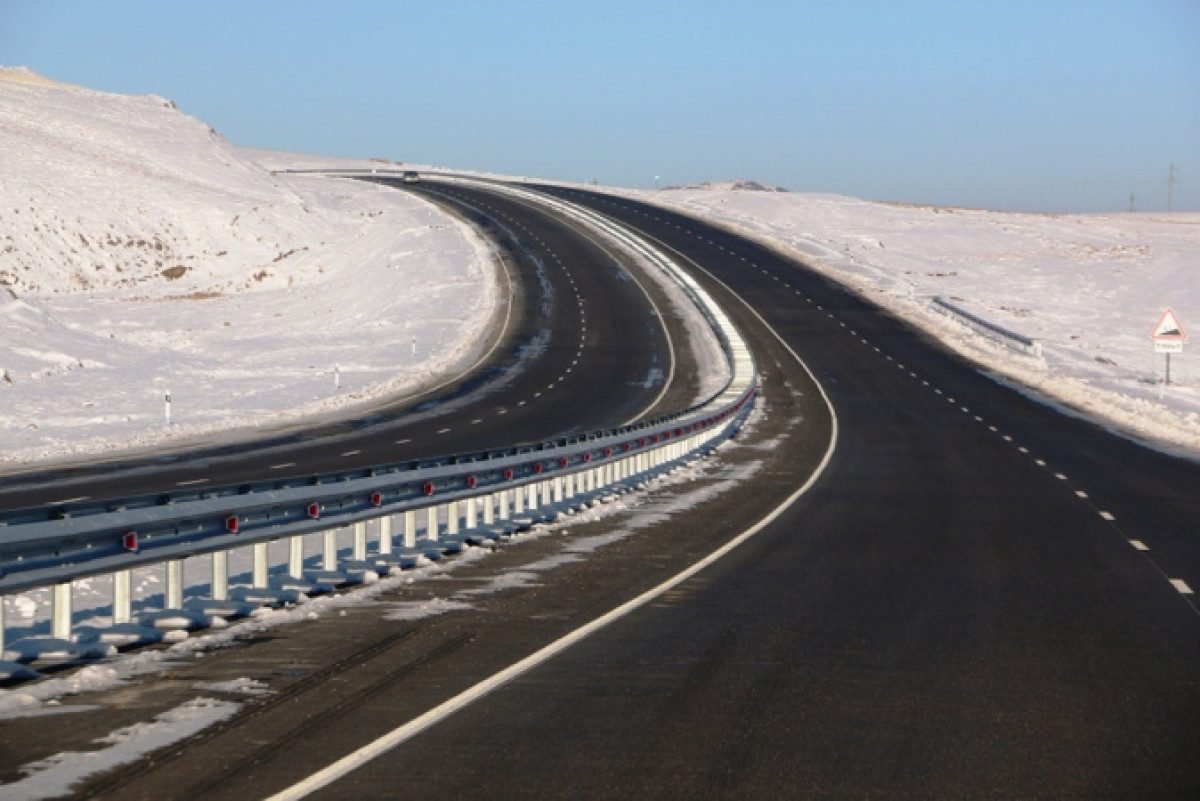
Transport accessibility is becoming central to Kazakhstan’s tourism strategy. Infrastructure programmes are improving connections to destinations that were traditionally difficult to reach. Road improvements are being carried out around important recreational areas including Rakhmanov Springs, Kenderli, Bayanaul, Zerenda and Kolsai. Government plans cover thousands of kilometres of public roads, while earlier tourism-related infrastructure projects have channelled significant investment into resort development. Aviation infrastructure is expanding as well. Tourist-oriented regional airports are being developed in Katon-Karagai, Zaysan and Kenderli, while other regional aviation facilities are being restored or modernised. Rail connectivity is another important part of the strategy, particularly for destinations experiencing heavy seasonal demand. Additional train services are helping improve access to Lake Alakol and other popular leisure areas.

Almaty Mountain Cluster Takes Centre Stage
Among Kazakhstan’s most ambitious destination projects is the integrated development of the Almaty mountain cluster. Plans envisage connecting and expanding mountain recreation infrastructure through approximately 30 cable cars and 161 kilometres of trails. The longer-term objective is to build the cluster’s capacity to accommodate as many as five million visitors annually. If successfully integrated with accommodation, dining, transport and year-round recreation, the cluster could strengthen Kazakhstan’s position in the international mountain and adventure tourism market.

Ecotourism Opens Another Growth Frontier
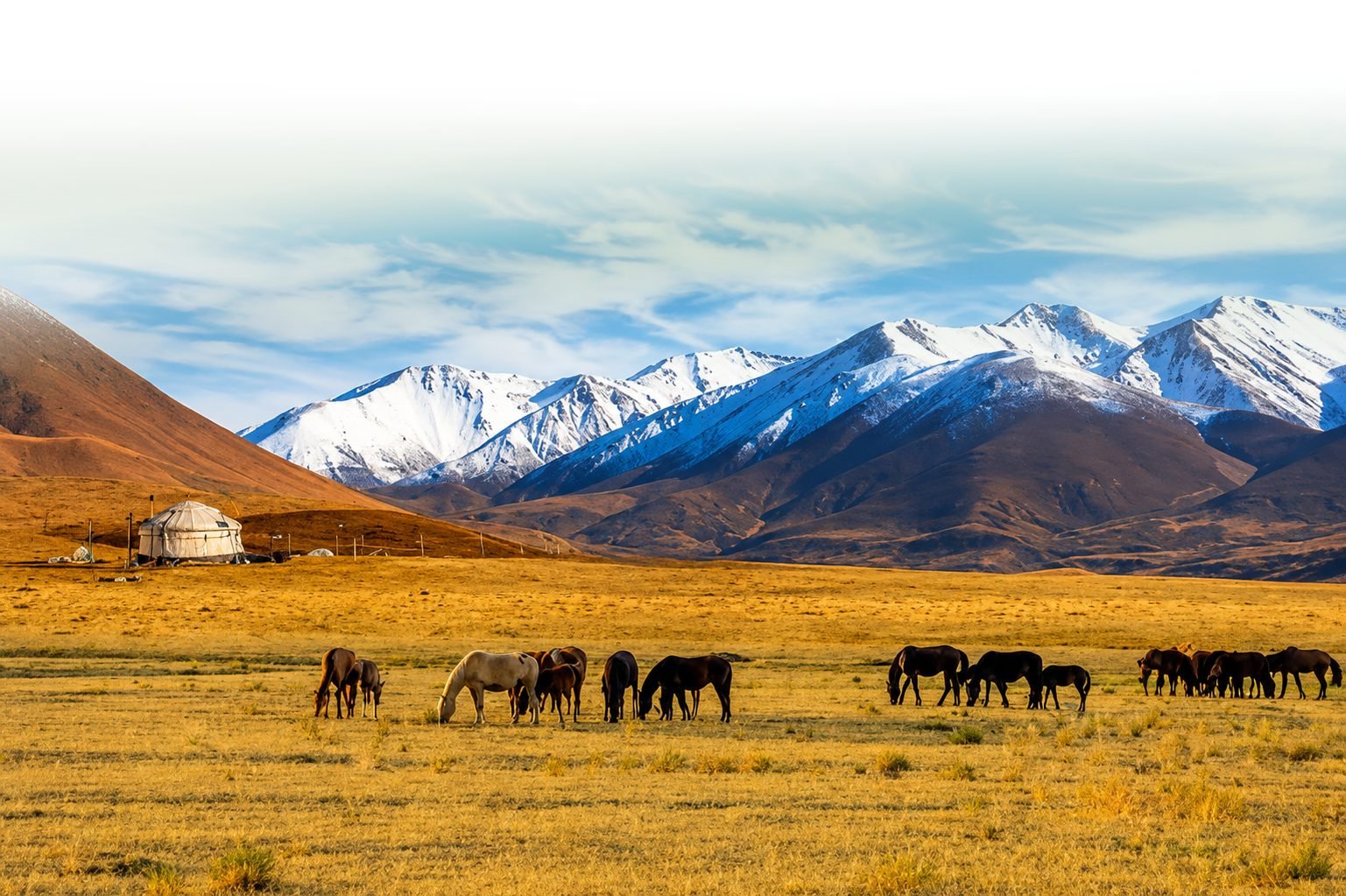
Kazakhstan’s vast landscapes are also supporting a shift towards ecotourism, equestrian tourism, road trips, agritourism and cultural experiences. Visitor numbers at state national nature parks have climbed from around 2.4 million to 3.7 million, while 179 tourism routes and 42 ecological trails are operating across protected areas. The government has introduced free access to national parks for children under 18, helping encourage family-oriented nature tourism. Meanwhile, visitor centres are receiving clearer legal recognition, professional requirements for guides and tourism instructors are being formalised, and a specialised “green corridor” is being introduced to facilitate tourist-bus movement at borders and along designated routes.
Building a More Competitive Tourism Industry

Financial incentives are reinforcing infrastructure development. Support mechanisms include subsidies for tour operators bringing international tourists into Kazakhstan, assistance with vehicle purchases, subsidised air travel for children through the Kids Go Free programme and compensation connected with roadside facilities, sanitary infrastructure and ski-resort equipment. Together, these initiatives indicate that Kazakhstan’s tourism ambitions extend beyond increasing visitor numbers. The broader objective is to create an integrated tourism economy linking investment, hospitality, aviation, railways, highways, major events and protected landscapes. With more than 2.2 trillion tenge in recent investment, hundreds of projects under development and new international-standard hospitality infrastructure in the pipeline, Kazakhstan is building the foundations for a tourism sector designed to play a significantly larger role in the country’s economic diversification.
More to Read
All issues
Exploring Kazakhstan’s Natural & Historical Treasures
Kazakhstan, the largest landlocked country in the world, is renowned for its vast steppes, majestic mountains, unique natural reserves, and rich cultural heritage. From…
Discover Kazakhstan — A Journey Through Mountains, Lakes, Canyons & Silk Road Heritage
Kazakhstan is one of Central Asia’s most rewarding destinations for travellers seeking a combination of dramatic landscapes, vibrant cities, nomadic traditions and Silk…

Bayanaul National Park — Kazakhstan’s First National Park & a Natural Wonderland
Nestled in the heart of northeastern Kazakhstan, Bayanaul National Park stands as one of the country’s most treasured natural destinations. Located in the Pavlodar…