

Monuments of Ancient Taraz — A Journey Through Time Along the Silk Road
The city of Taraz stands as one of the oldest and most historically significant urban centres in Central Asia. With a history spanning over two millennia, Taraz has witnessed the rise and fall of empires, the flourishing of trade, and the blending of cultures along the legendary Silk Road. Today, the “Monuments of Ancient Taraz” Museum-Reserve serves as a gateway into this rich past, preserving the remnants of a once-thriving civilization and offering visitors a chance to step back in time. The Silk Road Legacy Taraz’s historical prominence is deeply rooted in its strategic location along the Great Silk Road, the vast network of trade routes that connected East and West. Merchants, travellers, and scholars from China, Persia, Arabia, and the Mediterranean passed through Taraz, turning it into a vibrant hub of commerce and cultural exchange. The city was not only a marketplace but also a melting pot of ideas, traditions, and innovations. Historical accounts from Arab, Greek, and Persian writers highlight the grandeur of Taraz, describing it as a prosperous and influential city. Its markets bustled with activity, its architecture reflected sophistication, and its society thrived on diversity. For centuries, Taraz stood as a testament to the interconnectedness of civilizations.

Decline and Rediscovery
Despite its long-standing prosperity, Taraz faced a devastating decline in the 13th century. Waves of invasions and conflicts, culminating in the siege by Genghis Khan’s forces in 1220, led to the destruction of the city. Once a flourishing center of trade and culture, Taraz was reduced to ruins and gradually faded into obscurity. For centuries, the memory of ancient Taraz lingered in historical texts and local legends. The city underwent several transformations and was known by different names—Aulie-Ata, Mirzoyan, and Dzambul—before eventually reclaiming its original name. However, the exact location of the ancient city remained a mystery for a long time. The rediscovery of Taraz began in the 20th century. In the 1960s, during construction work at the central market, workers stumbled upon ancient structures. Initially overlooked, these remains were later identified as the Eastern Bathhouse of ancient Taraz. This discovery marked a turning point, providing concrete evidence that the lost city lay beneath the modern urban landscape.
Establishment of the Museum-Reserve
Recognizing the historical importance of Taraz, the state established the Museum-Reserve “Monuments of Ancient Taraz” on December 25, 1979. The primary goal of this institution was to preserve and study the archaeological and cultural heritage of the region. However, it was not until 2011 that large-scale excavations began in earnest. The decision to demolish the central market paved the way for extensive archaeological research. This bold move allowed scientists to uncover layers of history that had remained hidden for centuries. One of the most remarkable discoveries was the Eastern Bathhouse, which revealed an advanced underground heating system similar to Roman and Eastern bathhouses. Archaeologists also found evidence of an ancient aqueduct system, showcasing the engineering prowess of the city’s inhabitants.
The Archaeological Park: Ancient Taraz Reborn
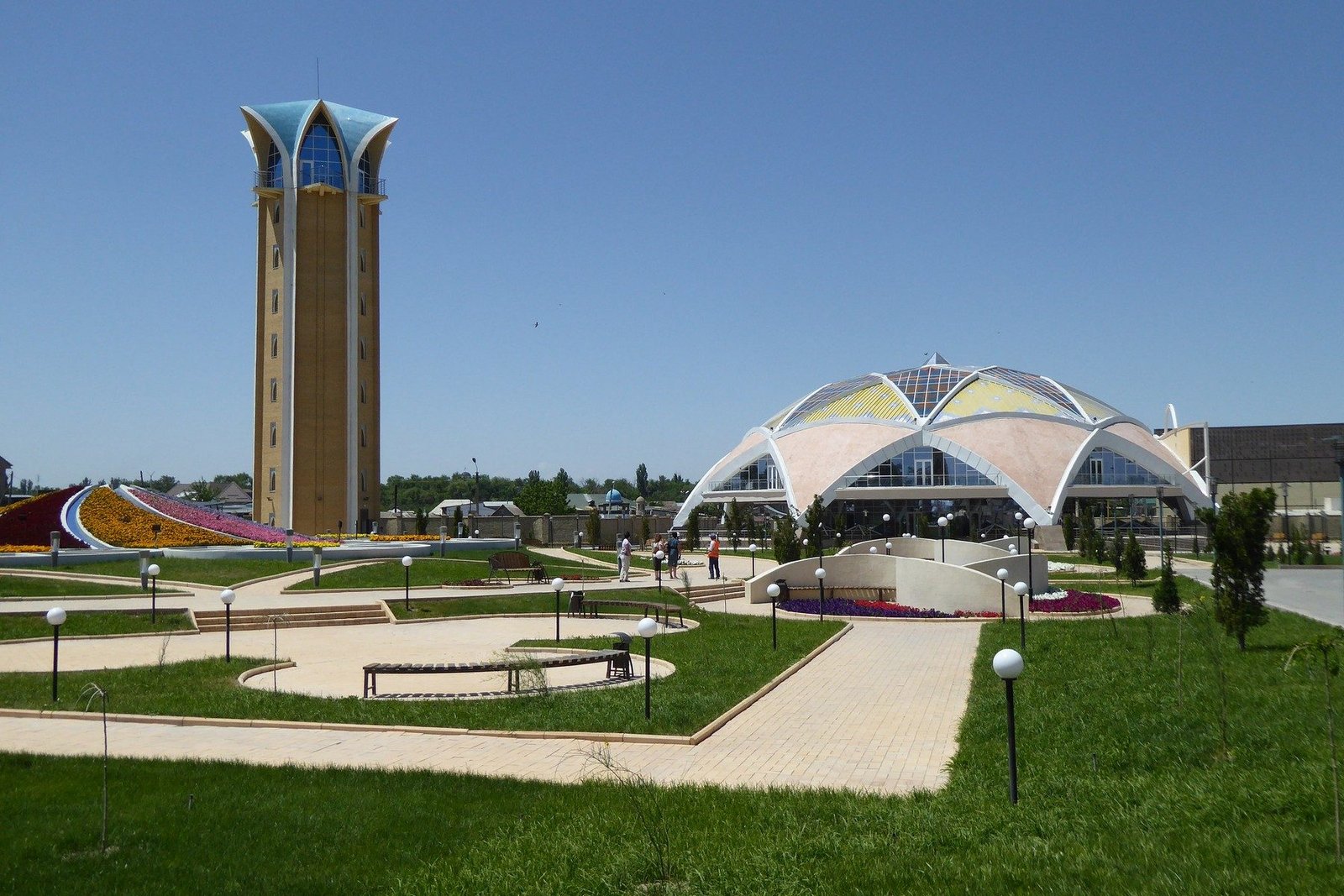
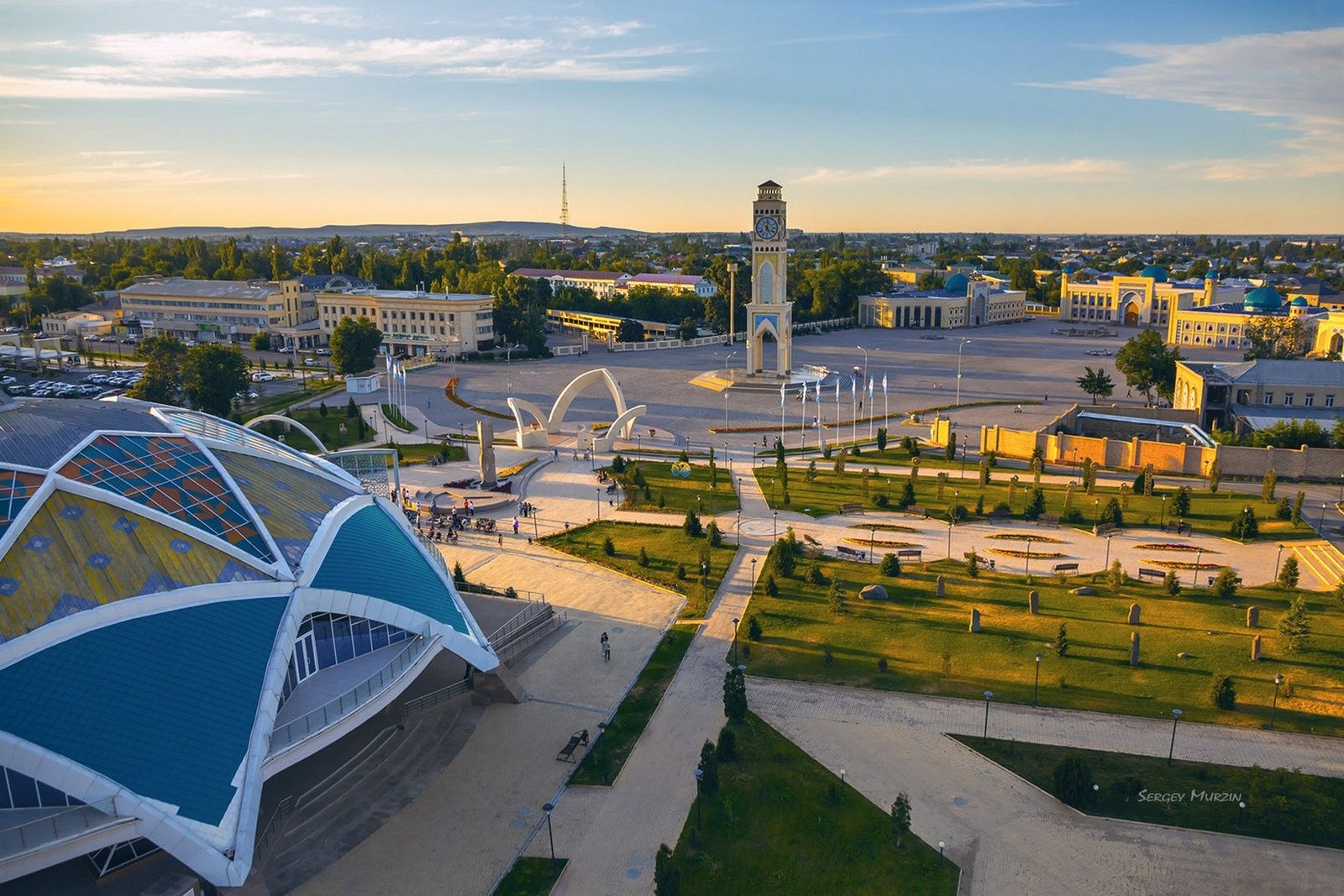
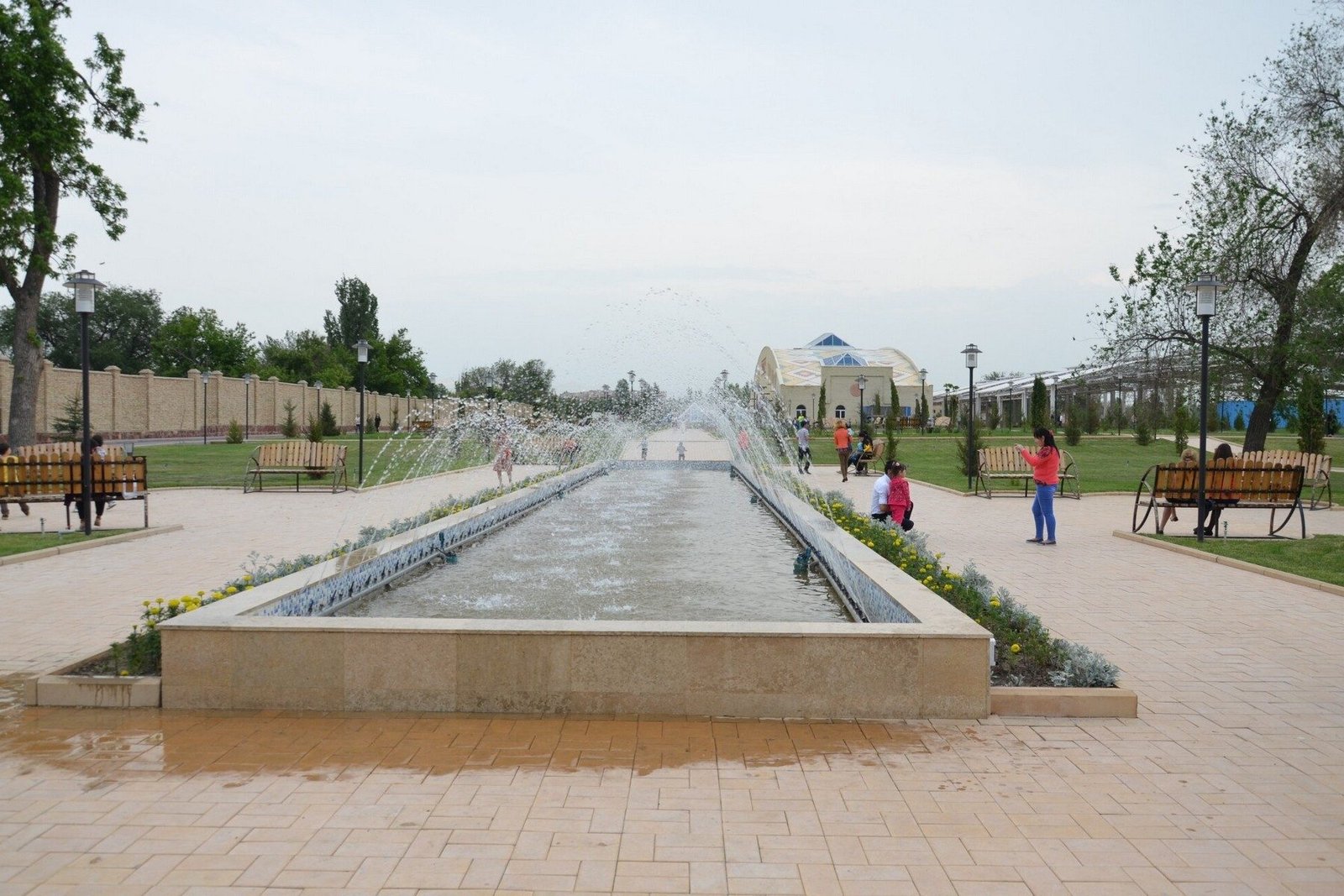
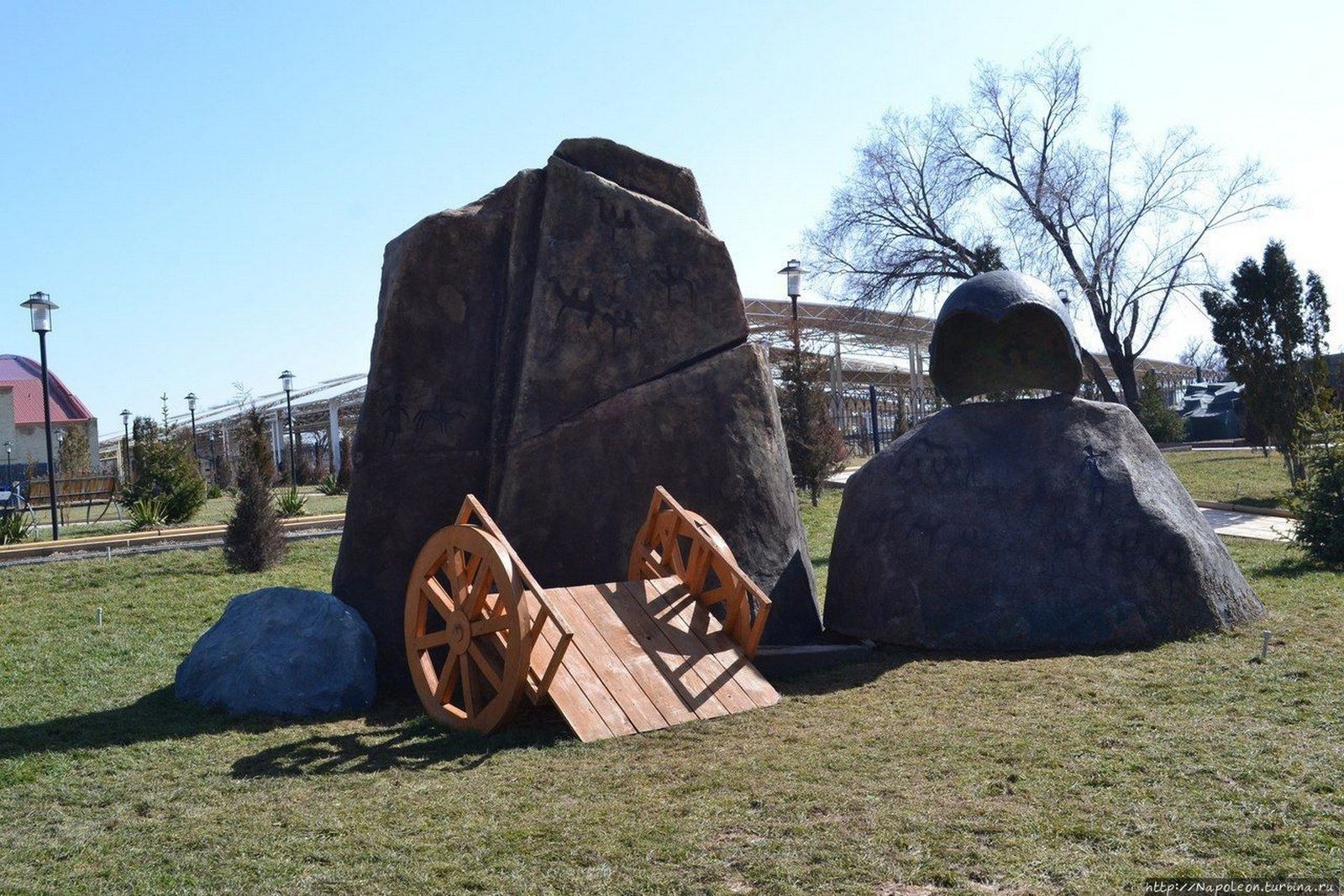
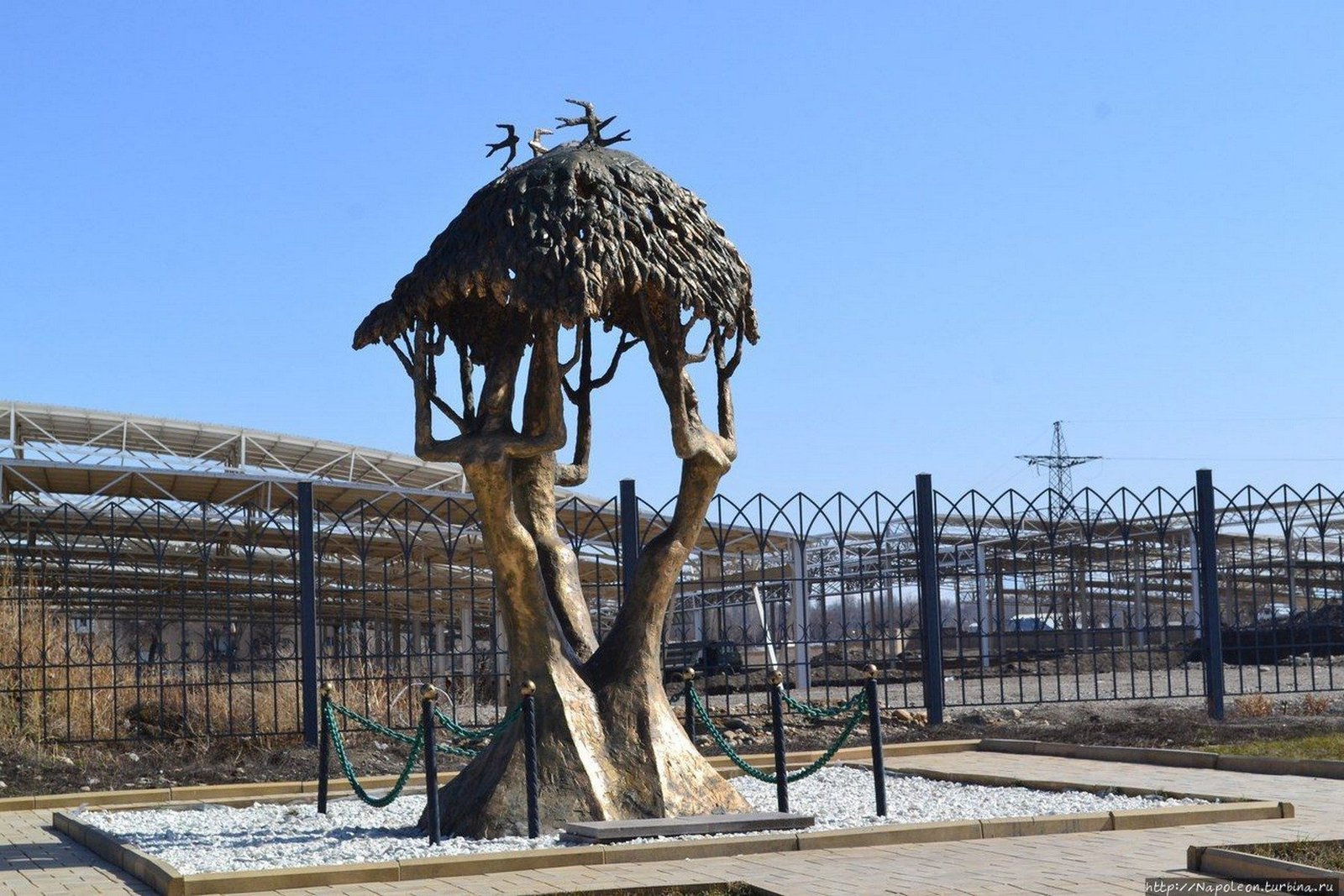
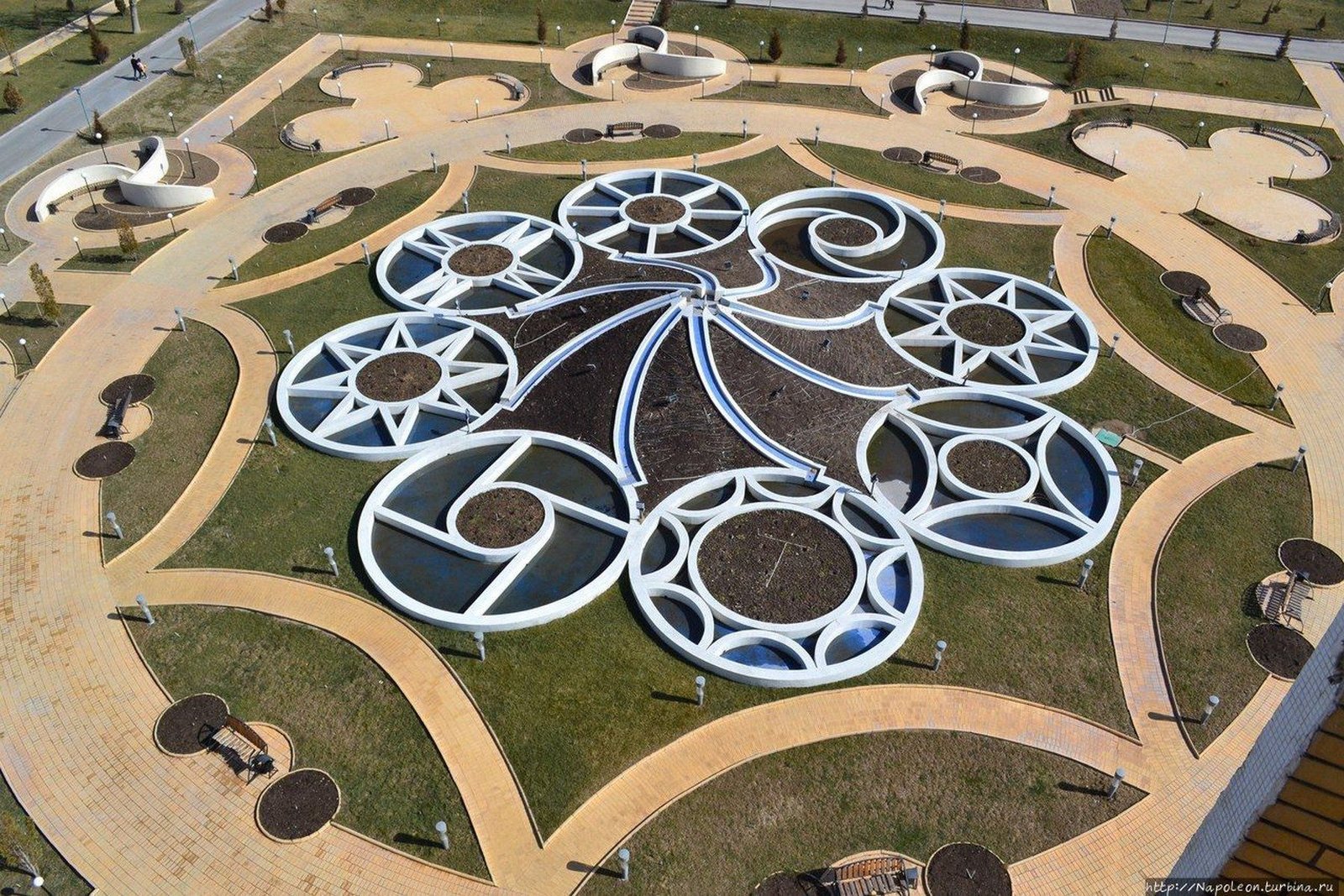
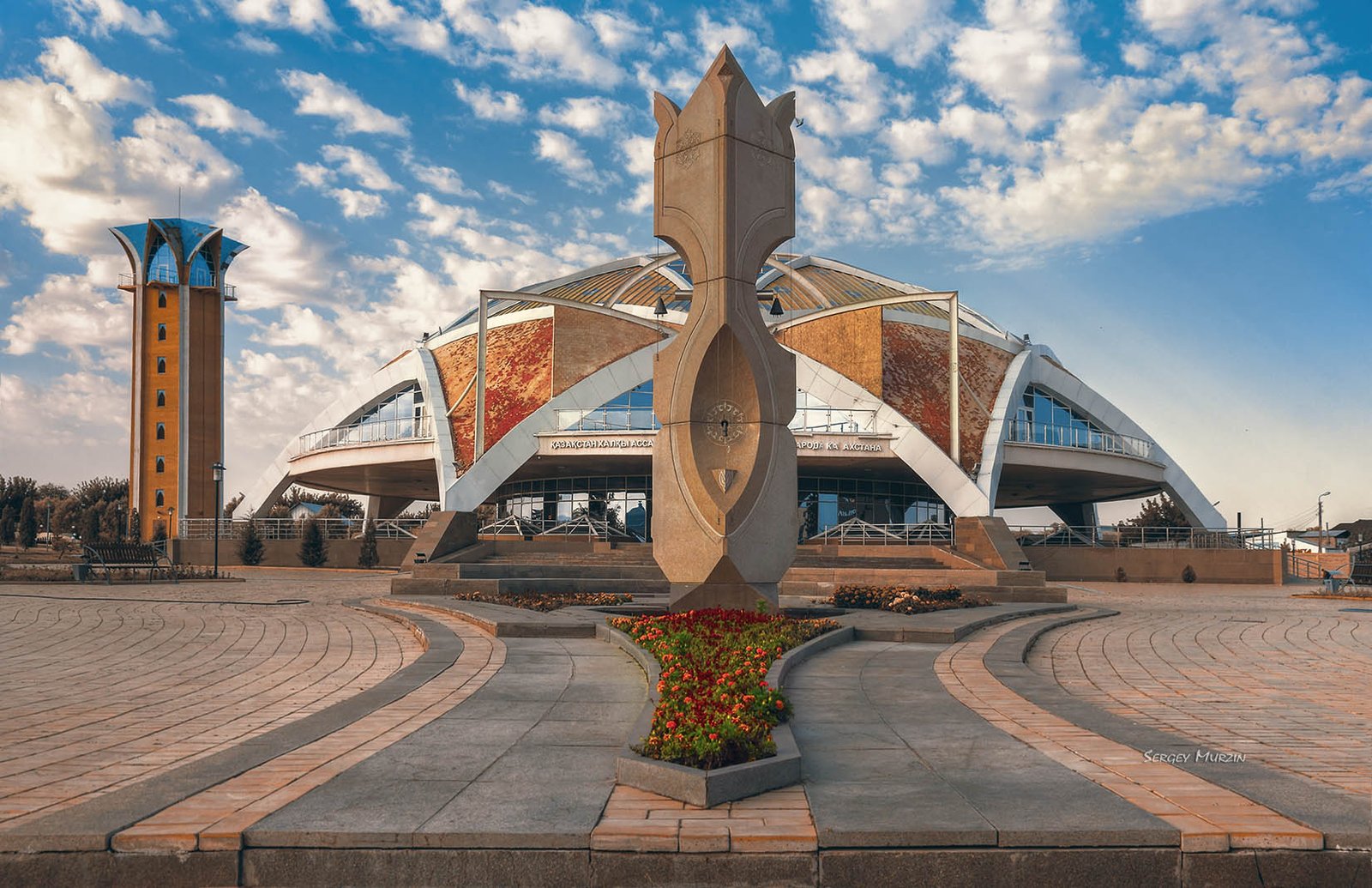
In 2015, the archaeological park “Ancient Taraz” was officially opened to the public, coinciding with the 550th anniversary of the Kazakh Khanate. Spanning over 20 hectares, the park stands on the very site where the ancient city once thrived. The reconstructed fortress walls outline the shahristan, the central part of the city, while the citadel represents its political and administrative heart. Although parts of the citadel were lost during modern construction, the remaining sections provide valuable insights into the city’s layout and governance. Visitors to the park can explore a variety of attractions, including an observation tower, ethnography museum, cultural centre, and landscaped gardens. Wooden walkways allow guests to safely traverse the excavation areas, offering a unique perspective on the layers of history beneath their feet.
A Treasure Trove of Artifacts
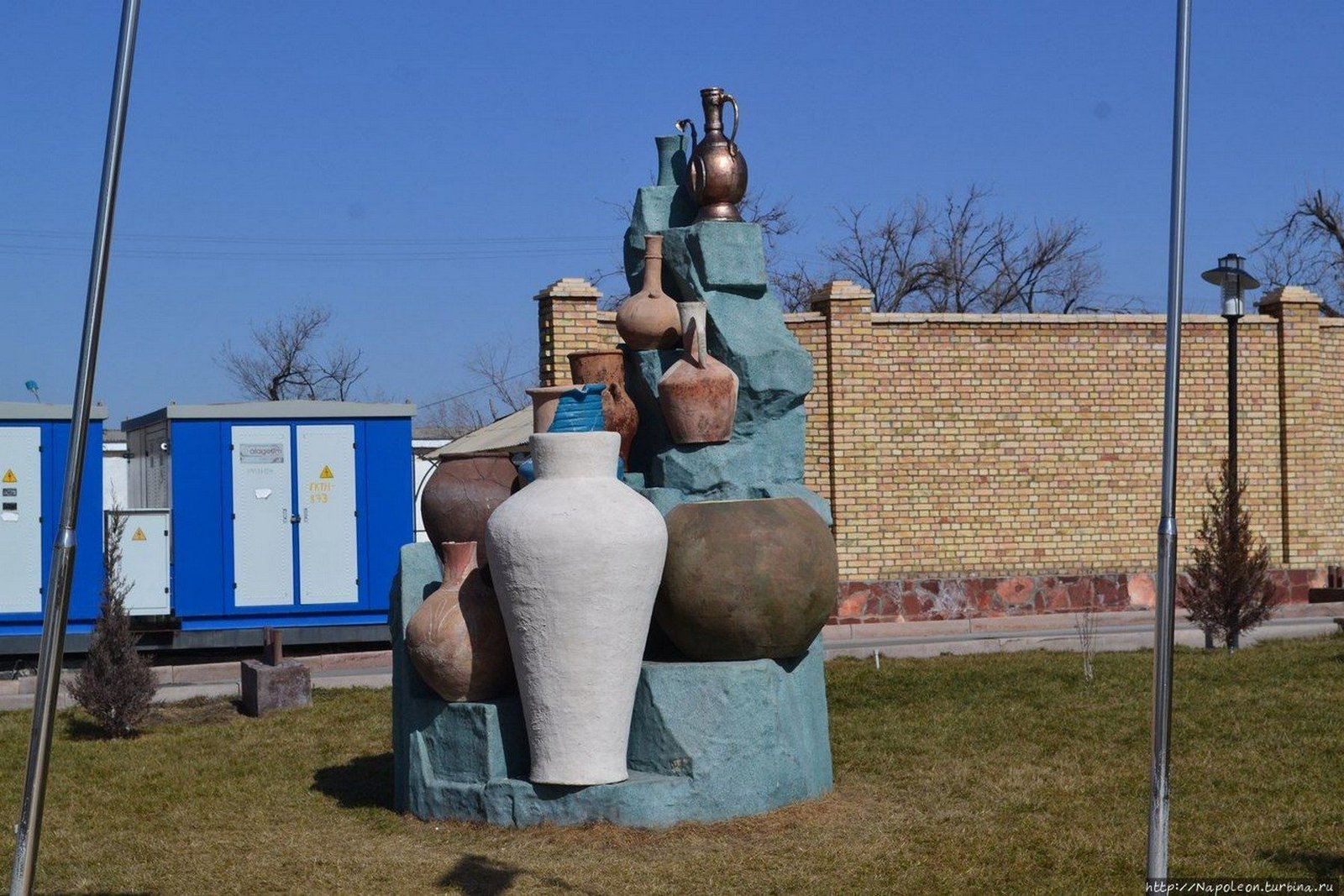
At the centre of the archaeological park lies the “Ancient Taraz” Museum, a three-level facility with extensive exhibition space. The museum houses a vast collection of artifacts uncovered during excavations, ranging from everyday objects to precious treasures. Ceramics, metalwork, glass items, and bone artifacts provide a glimpse into the daily lives of ancient residents. Among the most remarkable discoveries is a collection of 97 gold and silver items found in a single jar, believed to have belonged to a jeweler. This treasure highlights the craftsmanship and economic activity that once defined the city. Through carefully curated exhibits and dioramas, visitors can learn about traditional crafts, trade practices, and the infrastructure that supported urban life, including water supply and irrigation systems.
Preservation and Restoration Efforts
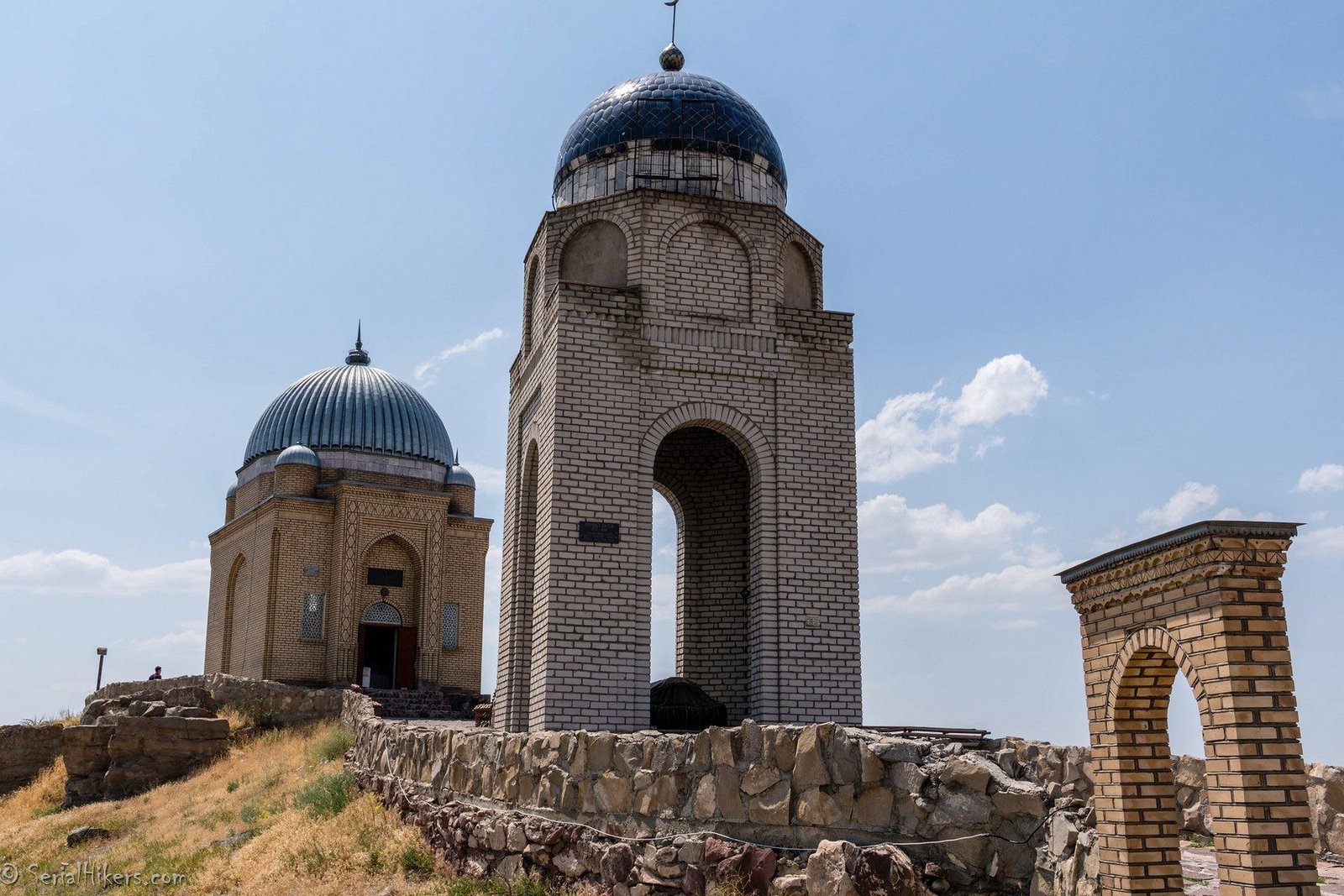
The mission of the museum-reserve extends beyond excavation and exhibition. It plays a crucial role in preserving and restoring historical monuments across the region. Among the most notable restoration projects are the mausoleums of Aisha-Bibi and Babaji-Khatun, which stand as masterpieces of medieval architecture. Efforts are also underway to restore structures from the Aulie-Ata period, including bathhouses and mosques that reflect the city’s later history. The monumental Akyrtas palace complex and several medieval settlements continue to be subjects of ongoing research and excavation. These restoration projects not only safeguard cultural heritage but also enhance the region’s appeal as a tourist destination.
A Living Museum of History
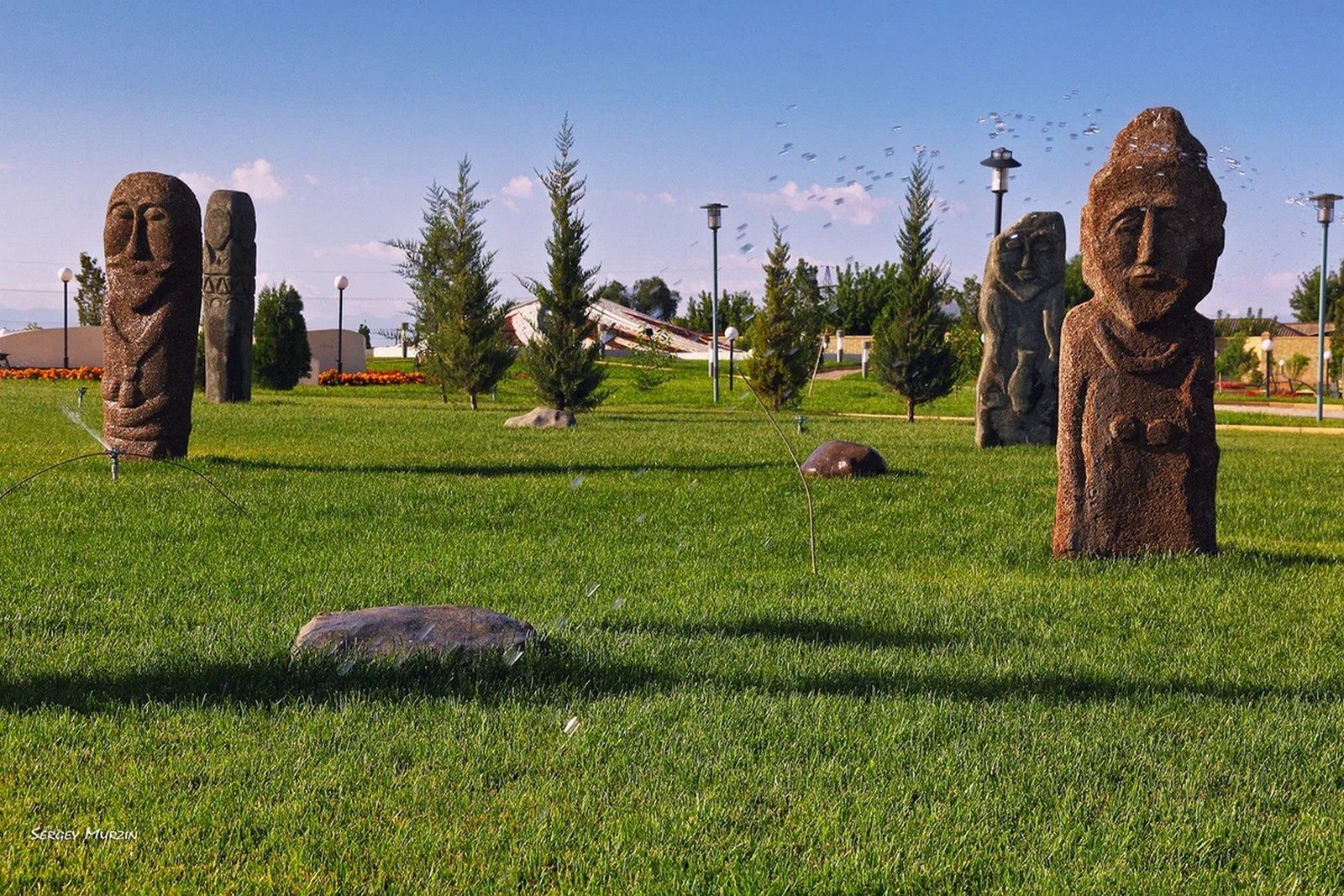
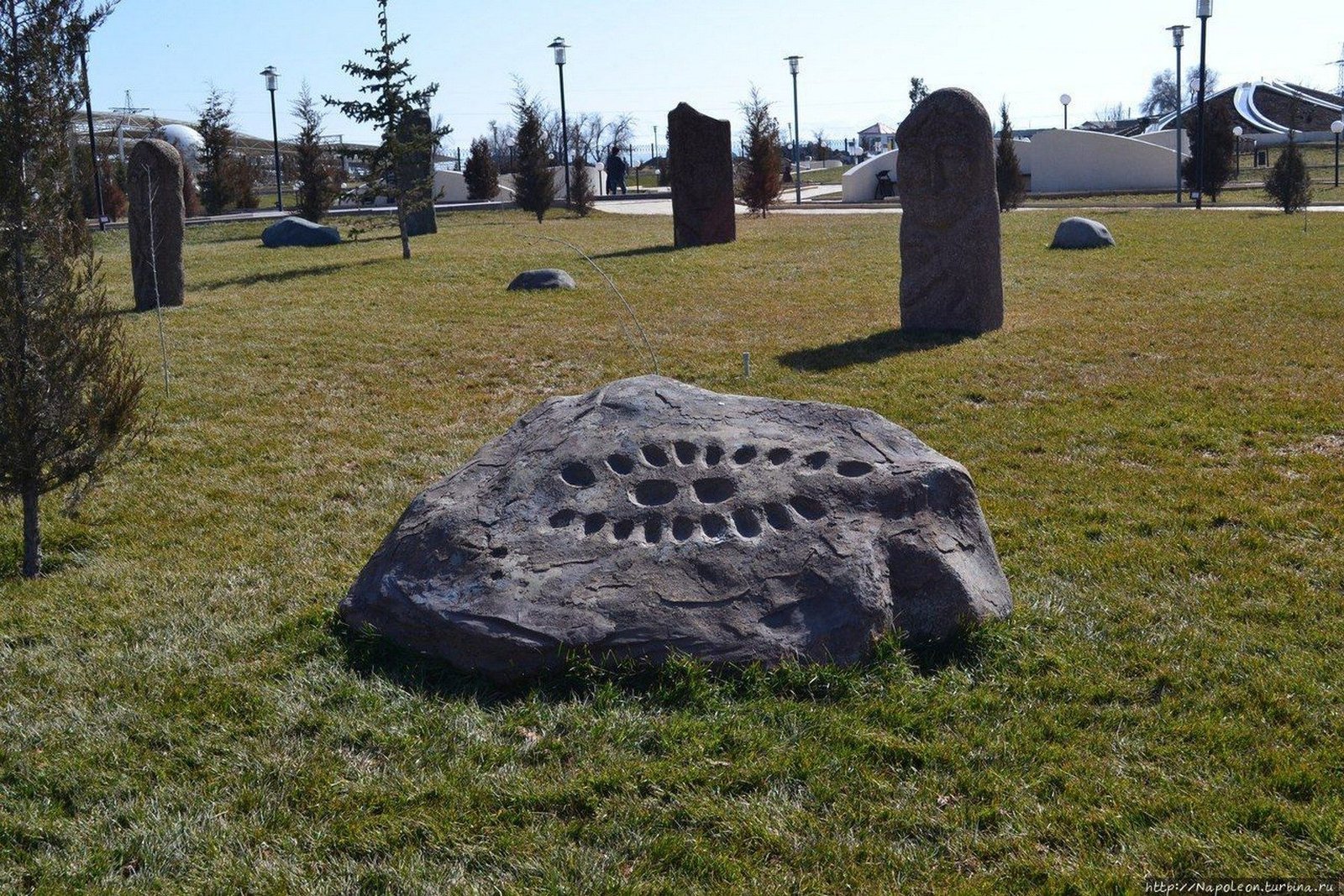
Today, the “Monuments of Ancient Taraz” Museum-Reserve manages over 100 historical and cultural sites, spanning a timeline from ancient Scythian burial mounds to more recent architectural landmarks. This extensive collection reflects the diverse and layered history of the region. The archaeological park serves as a living museum, where visitors can witness history being uncovered in real time. The visible remains of residential quarters, public buildings, and fortifications illustrate how successive generations built upon the same land, creating a continuous narrative of human habitation.

Cultural and Educational Significance
Beyond its role as a tourist attraction, the museum-reserve is an important center for scientific research and education. Scholars and archaeologists continue to study the site, publishing findings that contribute to our understanding of Central Asian history. Educational programs, guided tours, and cultural events help bring history to life for visitors of all ages. By combining research with public engagement, the museum-reserve ensures that the legacy of Taraz remains relevant and accessible. The “Monuments of Ancient Taraz” Museum-Reserve is more than a collection of ruins and artifacts—it is a testament to the resilience of history and the enduring significance of cultural heritage. From its origins as a bustling Silk Road city to its rediscovery beneath modern streets, Taraz embodies the dynamic interplay between past and present.
As visitors walk through the archaeological park, explore the museum, and admire restored monuments, they are not merely observing history—they are experiencing it. Taraz stands today as a symbol of continuity, reminding us that even after centuries of obscurity, the stories of the past can be brought back to life.
More to Read
All issues
Exploring Kazakhstan’s Natural & Historical Treasures
Kazakhstan, the largest landlocked country in the world, is renowned for its vast steppes, majestic mountains, unique natural reserves, and rich cultural heritage. From…
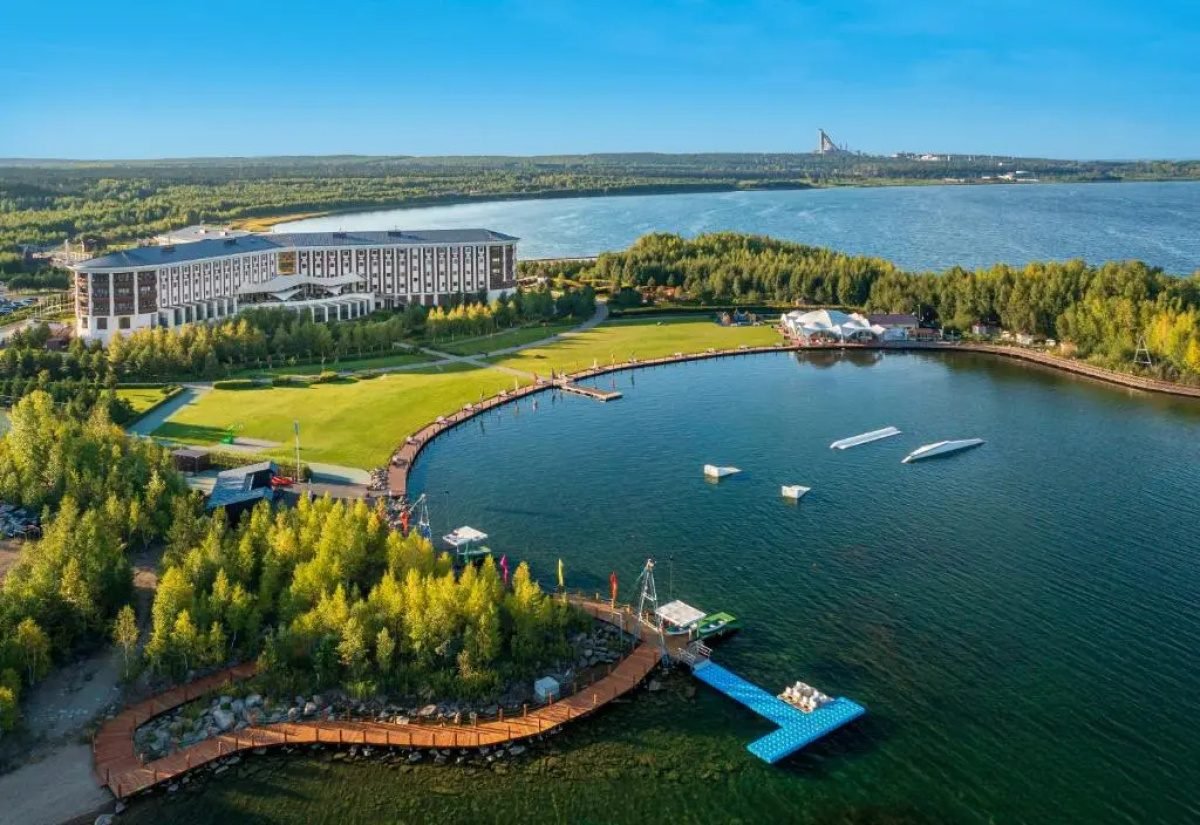
Kazakhstan Accelerates Tourism Growth With Trillion-Tenge Investments & New Destinations
Kazakhstan is moving to strengthen tourism as a larger contributor to its national economy, combining major private investment with new hotels, improved transport links,…
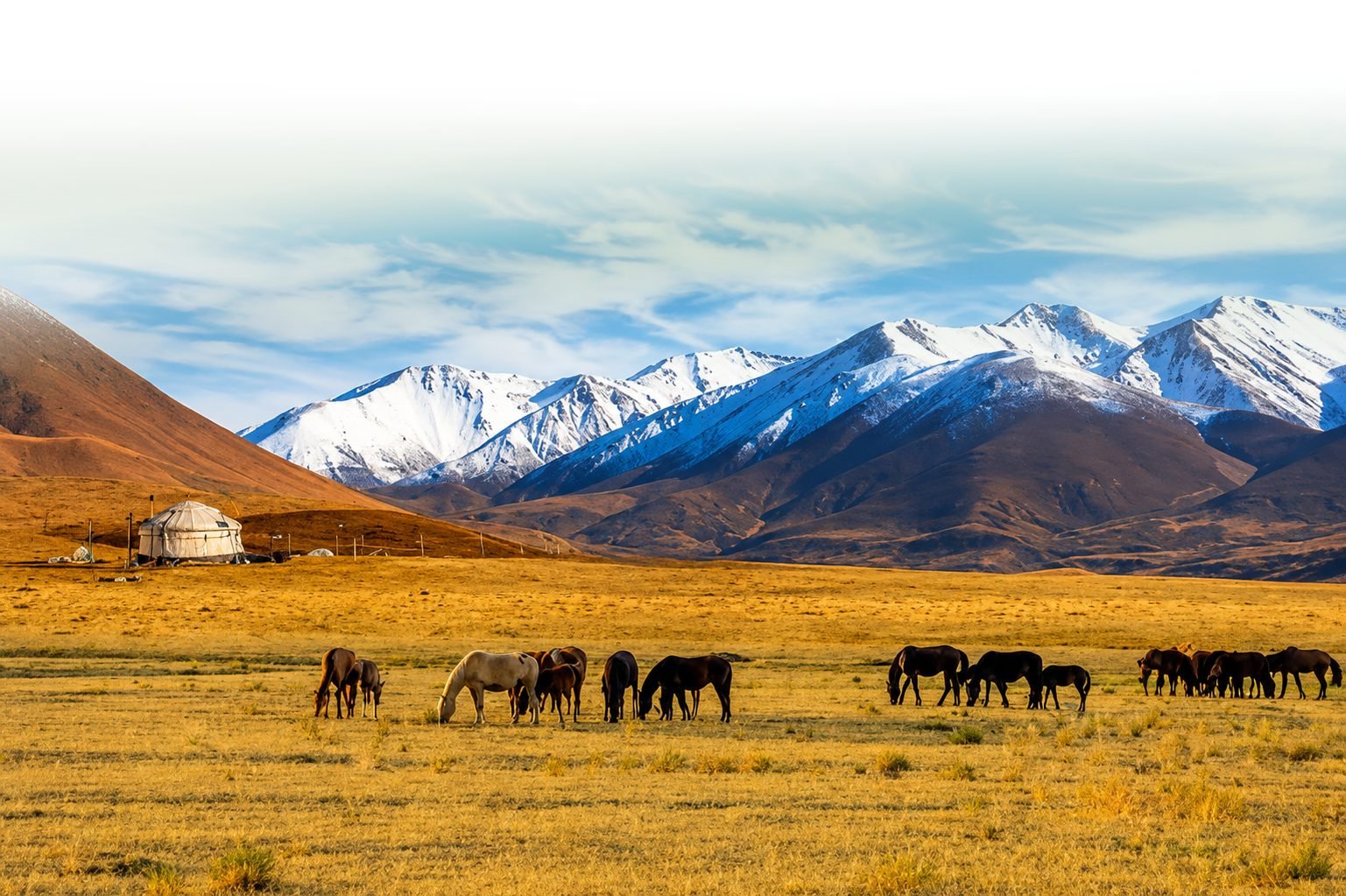
Discover Kazakhstan — A Journey Through Mountains, Lakes, Canyons & Silk Road Heritage
Kazakhstan is one of Central Asia’s most rewarding destinations for travellers seeking a combination of dramatic landscapes, vibrant cities, nomadic traditions and Silk…