

Exploring Kazakhstan’s Natural & Historical Treasures
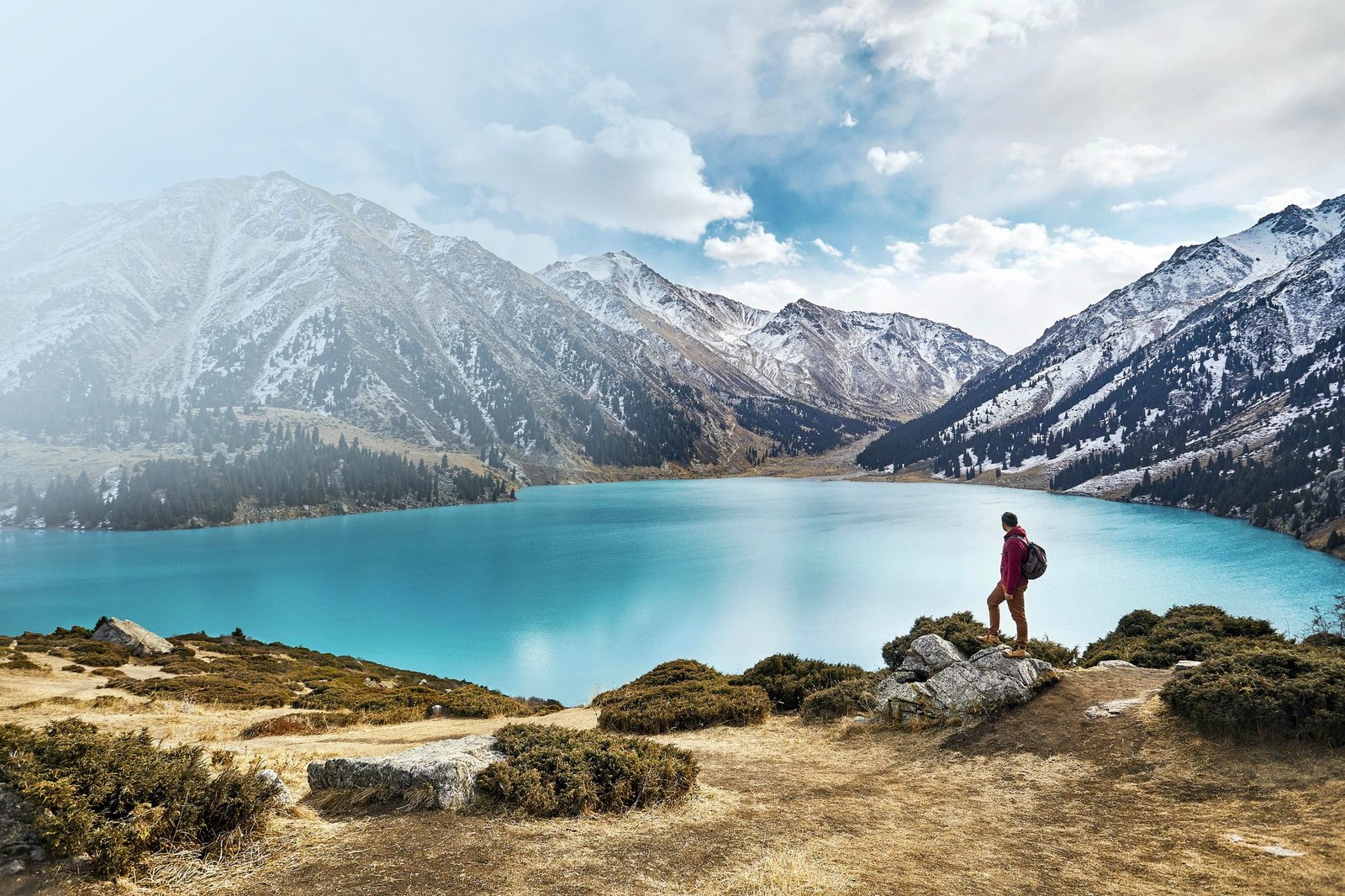
Kazakhstan, the largest landlocked country in the world, is renowned for its vast steppes, majestic mountains, unique natural reserves, and rich cultural heritage. From breathtaking alpine landscapes to ancient archaeological sites, the country offers travelers an unforgettable journey through nature and history. Among its most remarkable destinations are Korgalzhyn Nature Reserve, Turgen Gorge, Mount Belukha, Tuyuk Su Meteorological Station, and Otyrar-Tobe.
Korgalzhyn Nature Reserve
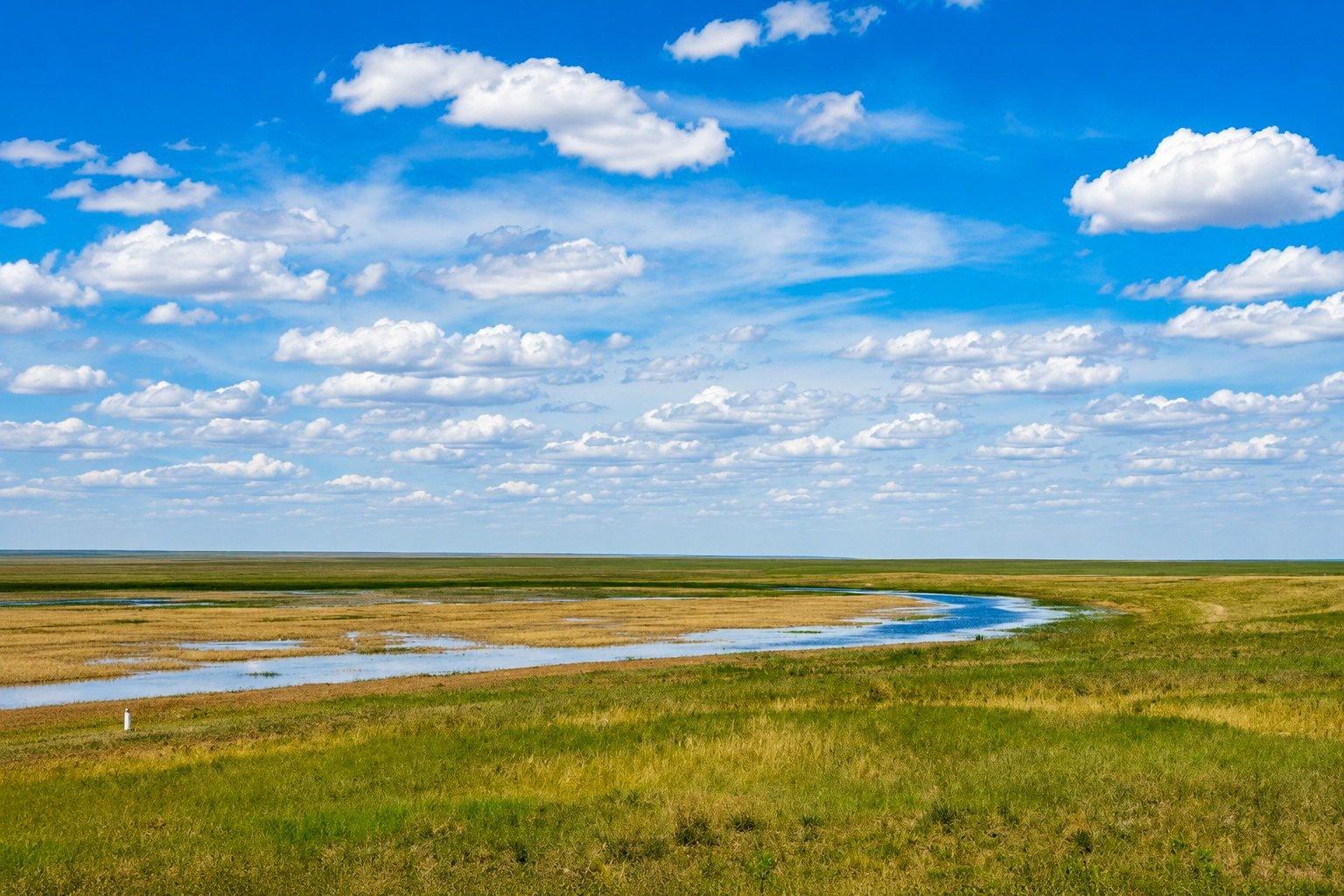
Korgalzhyn Nature Reserve is one of Kazakhstan’s most remarkable natural treasures and a globally significant conservation area. Located approximately 130 kilometers southwest of the capital city, Astana, the reserve covers vast expanses of wetlands, lakes, marshes, and steppe landscapes. Established in 1968, Korgalzhyn was created to protect the unique ecosystems of the Tengiz-Korgalzhyn lake system, which serves as a critical habitat for a wide variety of plant and animal species. Today, it stands as one of Central Asia’s most important protected areas and a symbol of Kazakhstan’s commitment to environmental conservation. The reserve is best known for its extraordinary birdlife. It is home to more than 300 species of birds, making it a paradise for ornithologists, birdwatchers, and nature enthusiasts. Among its most famous residents are the pink flamingos, which have become the reserve’s iconic symbol. Korgalzhyn hosts one of the northernmost breeding colonies of greater flamingos in the world. During the breeding season, thousands of these elegant birds gather around the shallow saline waters of Lake Tengiz, creating a spectacular sight against the backdrop of the Kazakh steppe. The presence of flamingos in such a northern location makes the reserve unique among the world’s wetland ecosystems.
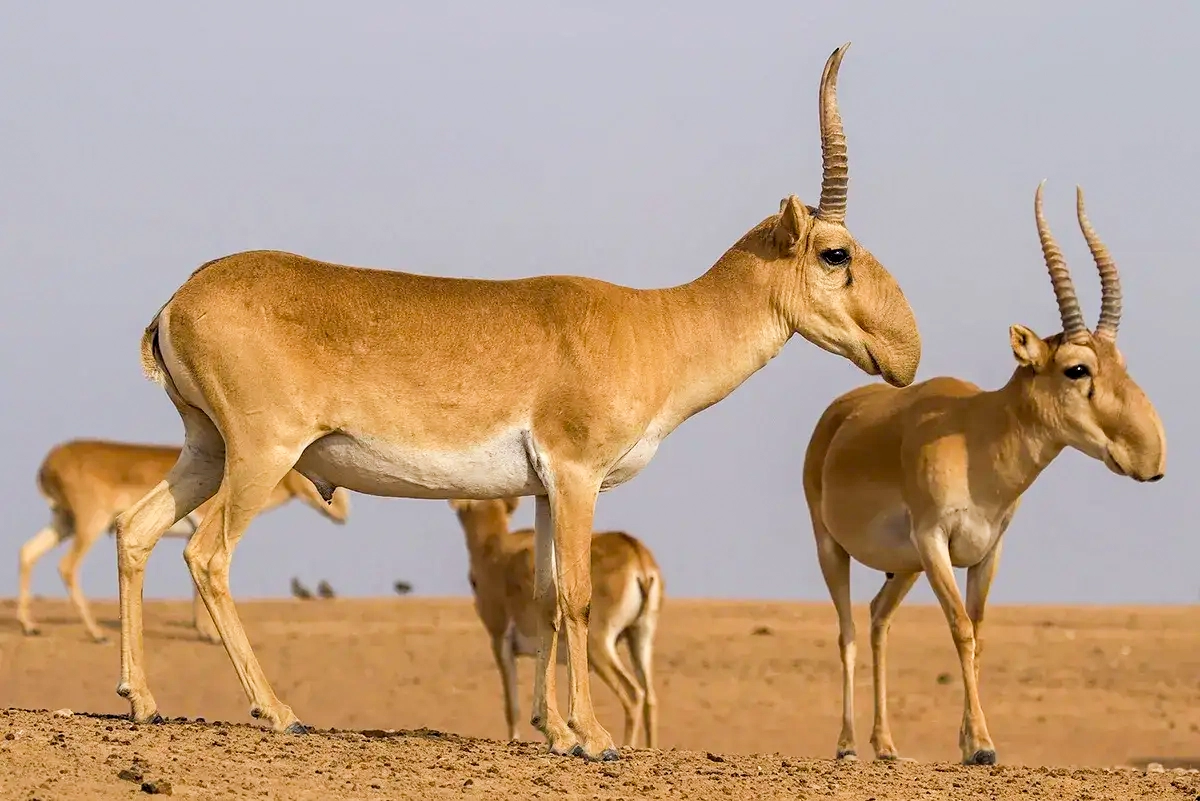
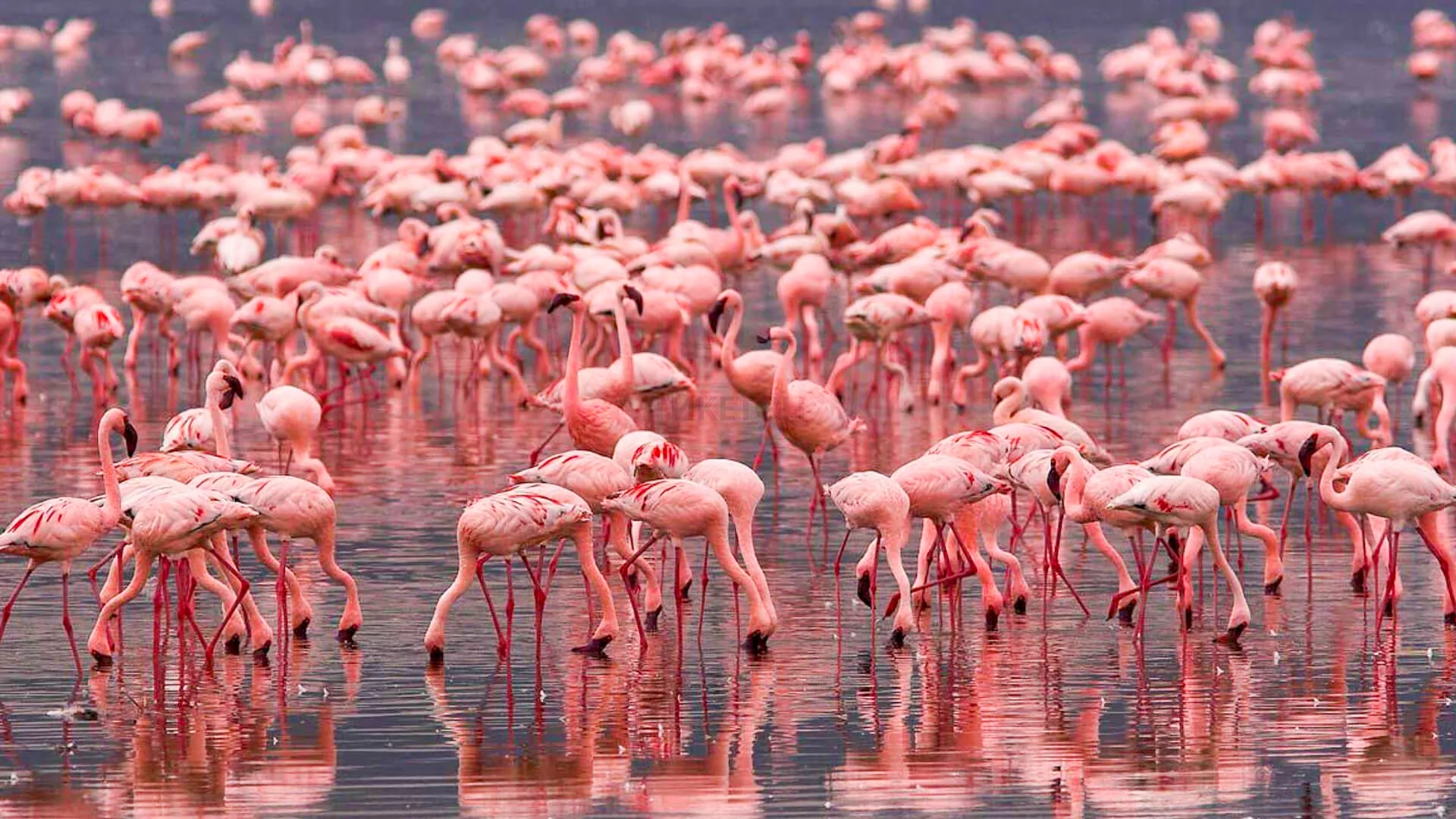
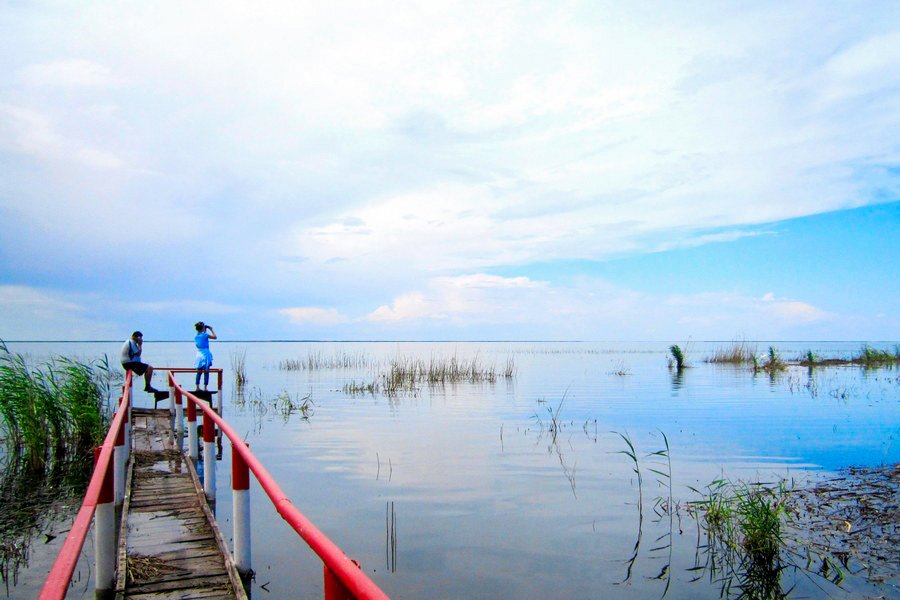
In addition to flamingos, the reserve provides shelter to many rare and endangered bird species, including Dalmatian pelicans, white-headed ducks, whooper swans, and imperial eagles. Because of its strategic location along major migratory routes, millions of birds pass through the reserve each year during seasonal migrations. The wetlands serve as a vital resting and feeding ground for these migratory species, highlighting the reserve’s international ecological importance. The landscape of Korgalzhyn Nature Reserve is equally impressive. The area is characterized by an extensive network of freshwater and saline lakes surrounded by vast grasslands and marshes. Lake Tengiz, one of the largest lakes in the region, plays a central role in maintaining the ecological balance of the reserve. The combination of water bodies and open steppe creates a diverse environment that supports a wide range of wildlife. Mammals such as wolves, foxes, corsac foxes, and saiga antelopes can occasionally be spotted in the surrounding grasslands, while the wetlands support numerous fish, amphibians, and invertebrates. Beyond its ecological value, Korgalzhyn offers visitors a unique opportunity to experience the beauty of Kazakhstan’s natural landscapes. Observation towers, guided tours, and designated viewing areas allow tourists to observe wildlife without disturbing the fragile environment. Photography enthusiasts are particularly drawn to the reserve because of its stunning scenery and abundant wildlife. The changing seasons bring different experiences, from vibrant spring migrations to the colorful autumn gatherings of birds. The global significance of Korgalzhyn Nature Reserve was recognized in 2008 when it became part of the UNESCO World Heritage Site “Saryarka – Steppe and Lakes of Northern Kazakhstan.” This designation acknowledges the reserve’s outstanding biodiversity and its crucial role in preserving migratory bird populations. Today, Korgalzhyn remains a shining example of successful conservation, attracting researchers, ecotourists, and wildlife lovers from around the world while safeguarding one of Kazakhstan’s most valuable natural ecosystems for future generations.
Turgen Gorge
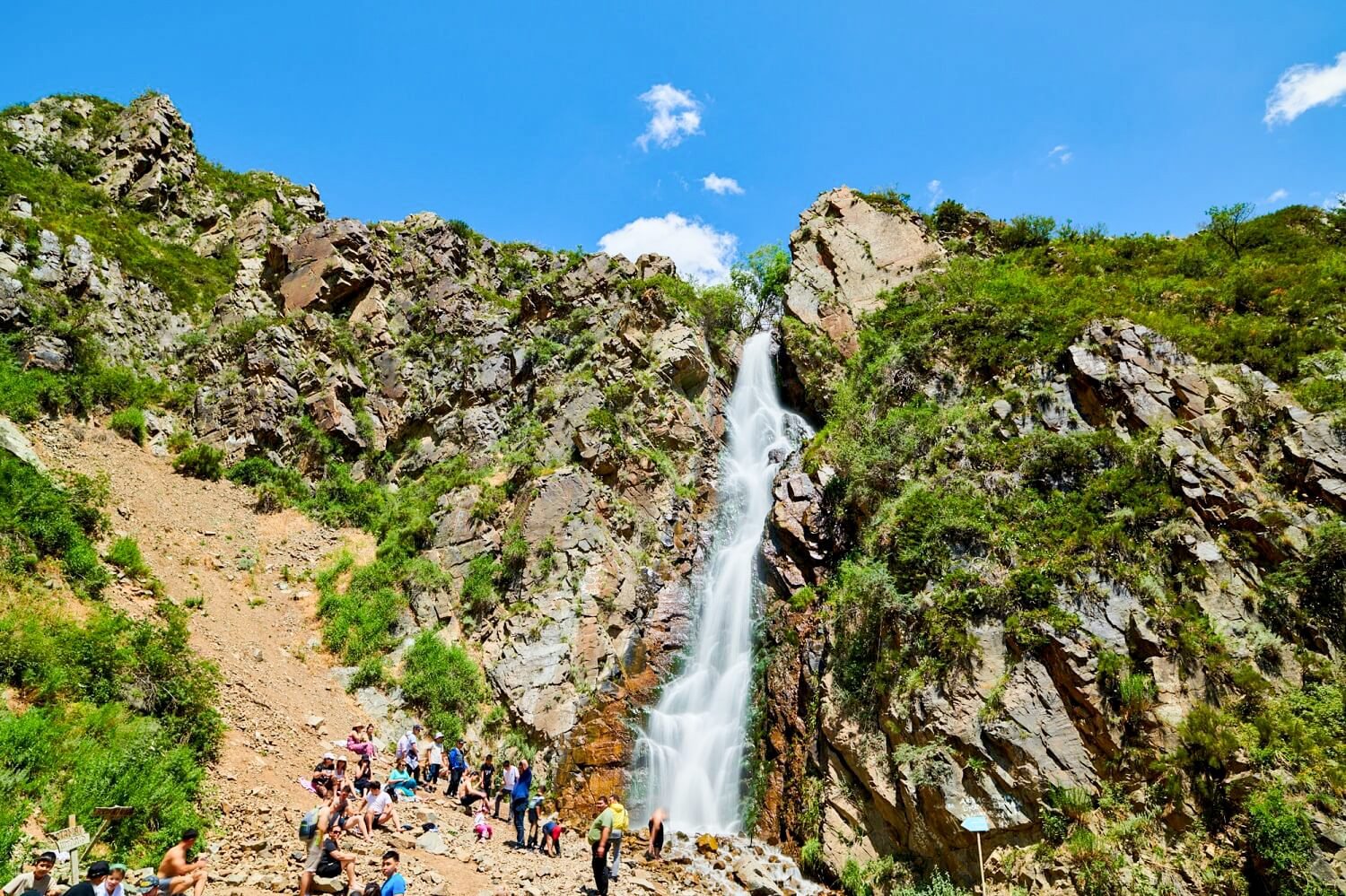
Turgen Gorge is one of Kazakhstan’s most beautiful and diverse natural attractions, offering visitors a perfect blend of stunning landscapes, rich biodiversity, and cultural heritage. Situated within the northern slopes of the Tien Shan Mountains, approximately 90 kilometers east of Almaty, the gorge is part of the Ile-Alatau National Park and is renowned for its breathtaking scenery. With its dense forests, rushing rivers, alpine meadows, waterfalls, and mountain peaks, Turgen Gorge has become a favorite destination for nature lovers, hikers, photographers, and adventure seekers from around the world. The gorge stretches for more than 40 kilometers and encompasses a wide range of natural environments. As visitors enter the valley, they are greeted by lush forests of spruce, pine, birch, and aspen trees that create a refreshing atmosphere throughout the year. The Turgen River flows through the heart of the gorge, fed by mountain streams and melting glaciers from the surrounding peaks. Its crystal-clear waters add to the area’s beauty and provide an important source of life for the local ecosystem. One of the most popular attractions within the gorge is the famous Bear Waterfall, also known as Medvezhy Waterfall. This spectacular waterfall plunges from a height of approximately 30 meters into a rocky basin below, creating a dramatic and picturesque scene. A well-maintained hiking trail leads visitors through forests and along mountain paths to reach the waterfall. The sound of rushing water, combined with the fresh mountain air and stunning views, makes the journey an unforgettable experience.
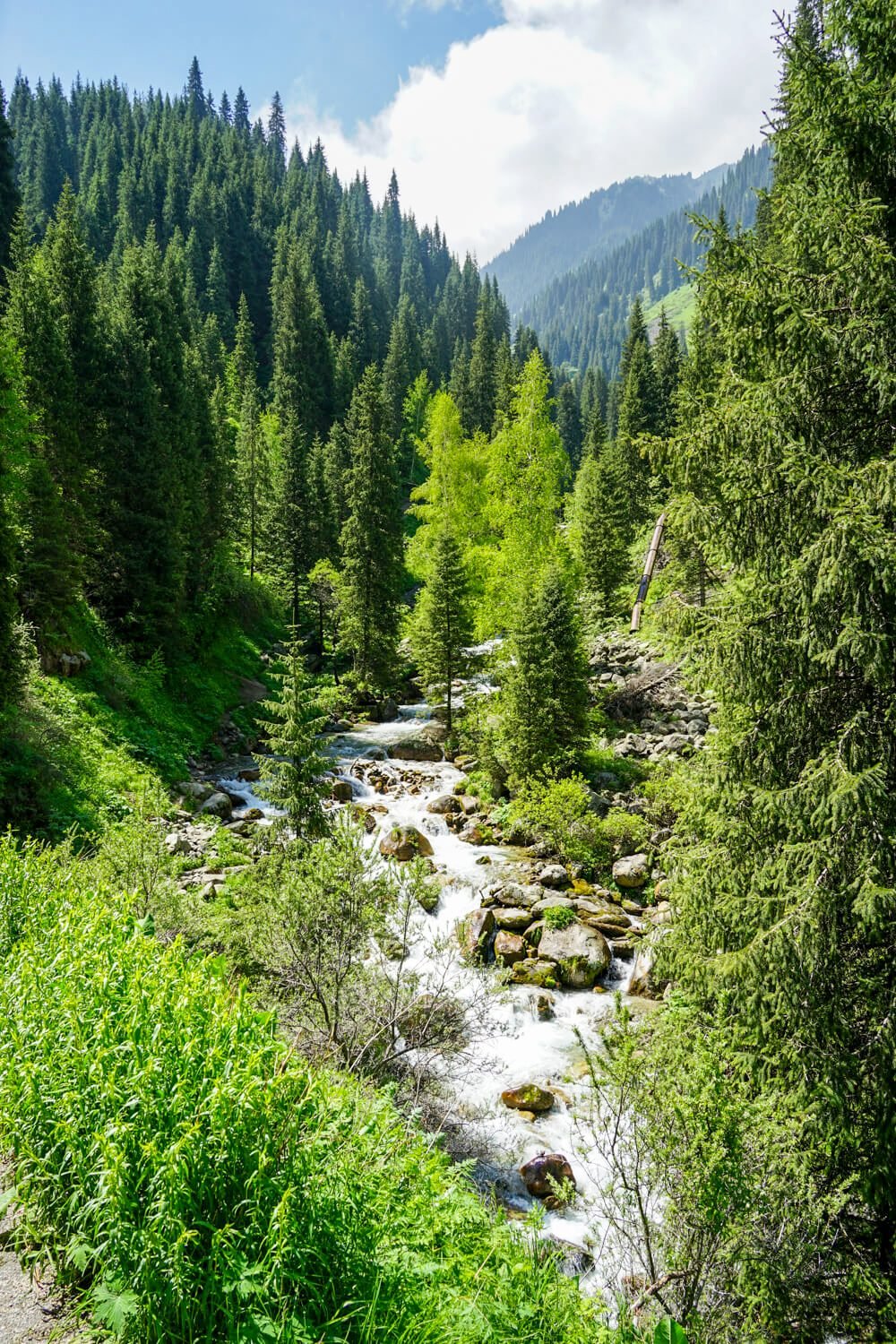
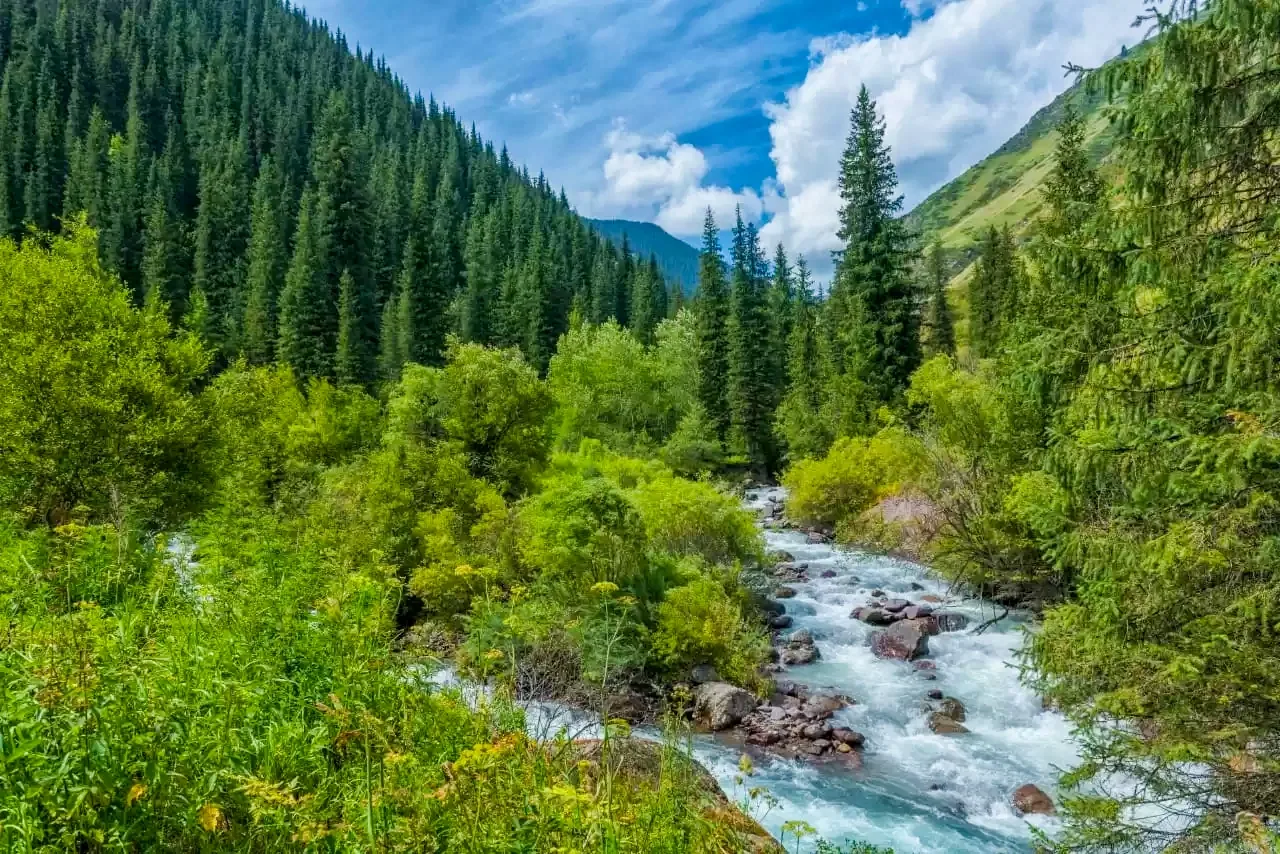
The waterfall is especially impressive during spring and early summer when snowmelt increases the volume of water. Turgen Gorge is also known for its beautiful alpine meadows and high-altitude landscapes. During the warmer months, the meadows are covered with colorful wildflowers, creating vibrant natural displays against the backdrop of snow-capped mountain peaks. These scenic environments attract hikers, campers, and horseback riders who come to explore the area’s extensive network of trails. The changing seasons provide different experiences, from lush green valleys in summer to golden forests in autumn and snow-covered landscapes in winter. The gorge is rich in biodiversity and serves as an important habitat for numerous plant and animal species. Visitors may encounter marmots, mountain goats, foxes, and various species of birds. The diverse vegetation and relatively untouched ecosystems make the area valuable for scientific research and environmental conservation. Nature enthusiasts often visit the gorge to observe wildlife and appreciate the unique ecological balance of the region.
Beyond its natural beauty, Turgen Gorge possesses significant historical and archaeological importance. The area contains ancient burial mounds, known as kurgans, which date back thousands of years to the era of nomadic civilizations that once inhabited Central Asia. Archaeological discoveries in the region have revealed traces of early settlements and evidence of the cultural traditions of ancient peoples. These historical landmarks provide valuable insights into Kazakhstan’s rich past and add a cultural dimension to the visitor experience. Turgen Gorge also offers opportunities for eco-tourism and outdoor recreation. Visitors can enjoy hiking, mountain biking, photography, birdwatching, and camping while experiencing the tranquility of the natural environment. The proximity of the gorge to Almaty makes it an easily accessible destination for day trips as well as longer excursions. Its combination of scenic beauty, recreational activities, and historical significance makes it one of the most attractive destinations in southeastern Kazakhstan. Today, Turgen Gorge stands as a symbol of Kazakhstan’s diverse natural heritage. Whether visitors come to admire the waterfalls, explore mountain trails, discover ancient archaeological sites, or simply relax in the peaceful surroundings, the gorge provides an unforgettable experience. As one of the jewels of the Tien Shan Mountains, Turgen Gorge continues to inspire travelers with its remarkable landscapes and enduring connection between nature and history.
Mount Belukha
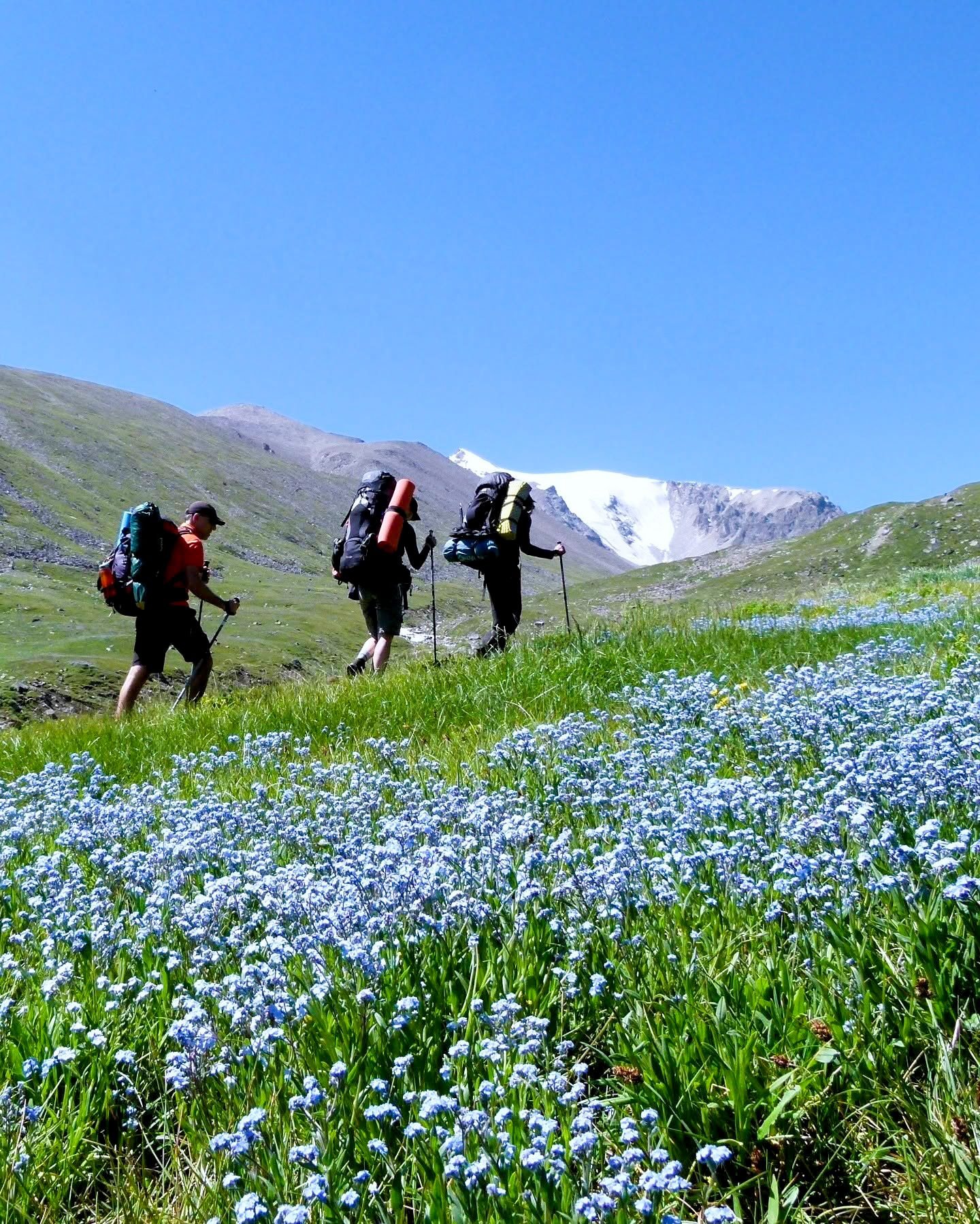
Mount Belukha is one of the most spectacular natural landmarks in Central Asia and the highest peak of the Altai Mountain range. Rising to an elevation of 4,506 meters above sea level, the mountain stands as a symbol of natural grandeur and wilderness. Located near the borders of Kazakhstan, Russia, China, and Mongolia, Belukha occupies a unique geographical position at the heart of the Altai region, an area renowned for its dramatic landscapes, rich biodiversity, and cultural significance. Its towering snow-covered summits, vast glaciers, and pristine surroundings have made it a destination of great importance for adventurers, scientists, and spiritual seekers alike. The name “Belukha” is derived from the Russian word bely, meaning “white,” a reference to the mountain’s permanently snow-capped peaks. The mountain consists of two major summits, the Eastern Belukha Peak and the Western Belukha Peak, both covered in thick ice and snow throughout the year. These gleaming peaks dominate the surrounding landscape and can be seen from great distances, creating a breathtaking panorama that has inspired travelers for centuries.
Mount Belukha is the source of several important rivers and is surrounded by some of the largest glaciers in the Altai Mountains. More than 150 glaciers are found in the region, covering vast areas and feeding rivers that sustain ecosystems far beyond the mountain range. The glaciers contribute significantly to the area’s ecological balance and serve as valuable subjects for climate and environmental research. The mountain’s rugged terrain, deep valleys, and icy slopes create a challenging yet rewarding environment for mountaineers and explorers. Adventure tourism is one of the primary reasons visitors are drawn to Mount Belukha. Experienced climbers from around the world travel to the region to attempt the ascent of its formidable peaks. The climb requires advanced mountaineering skills due to the presence of steep slopes, crevasses, unpredictable weather conditions, and glacier crossings. For those who do not wish to undertake the summit climb, the surrounding area offers numerous trekking routes that allow visitors to experience the beauty of the mountain without the technical challenges of mountaineering. Hiking trails pass through alpine meadows, river valleys, and forests, providing stunning views of the snow-covered peaks and glaciers.
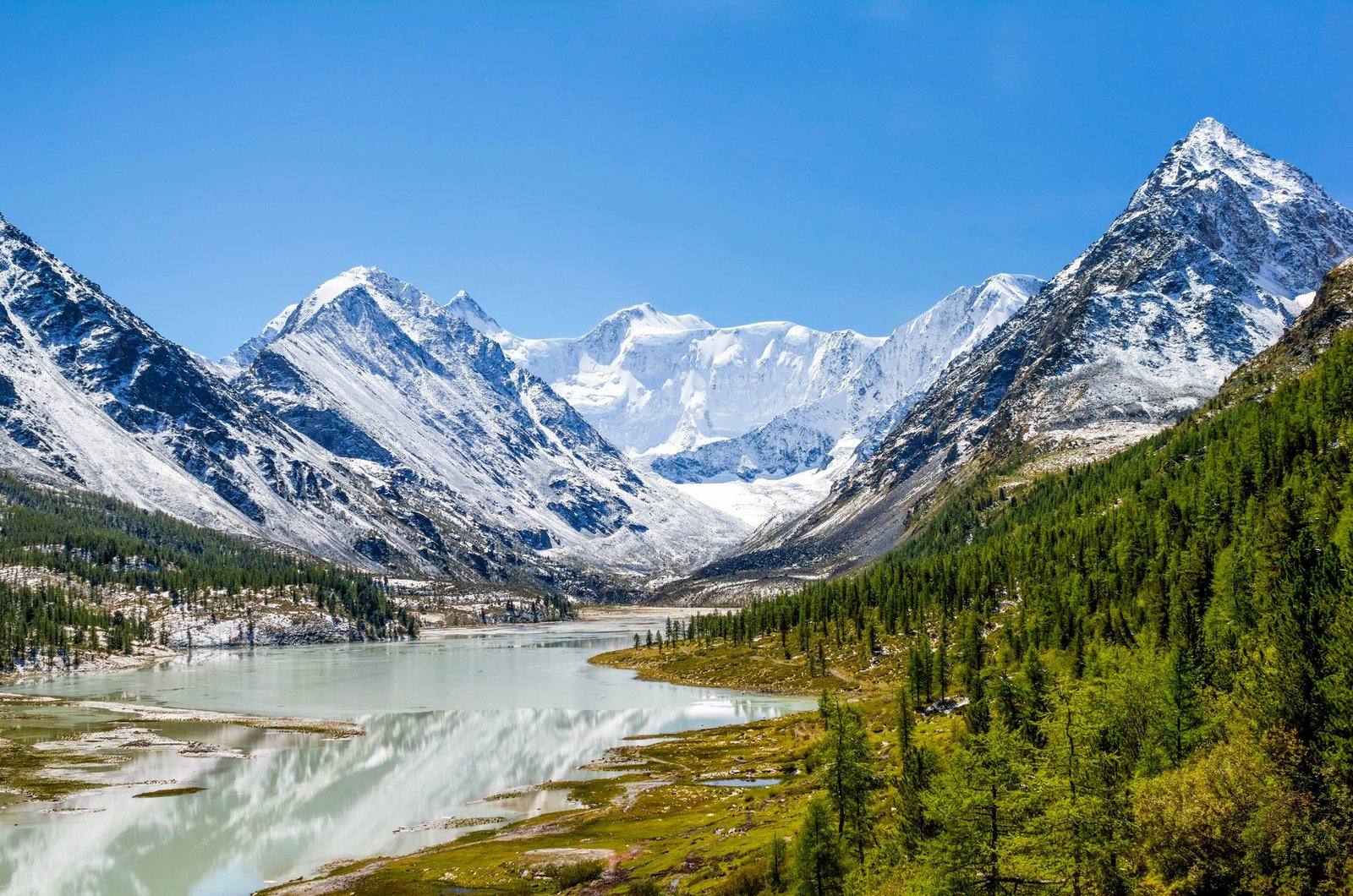
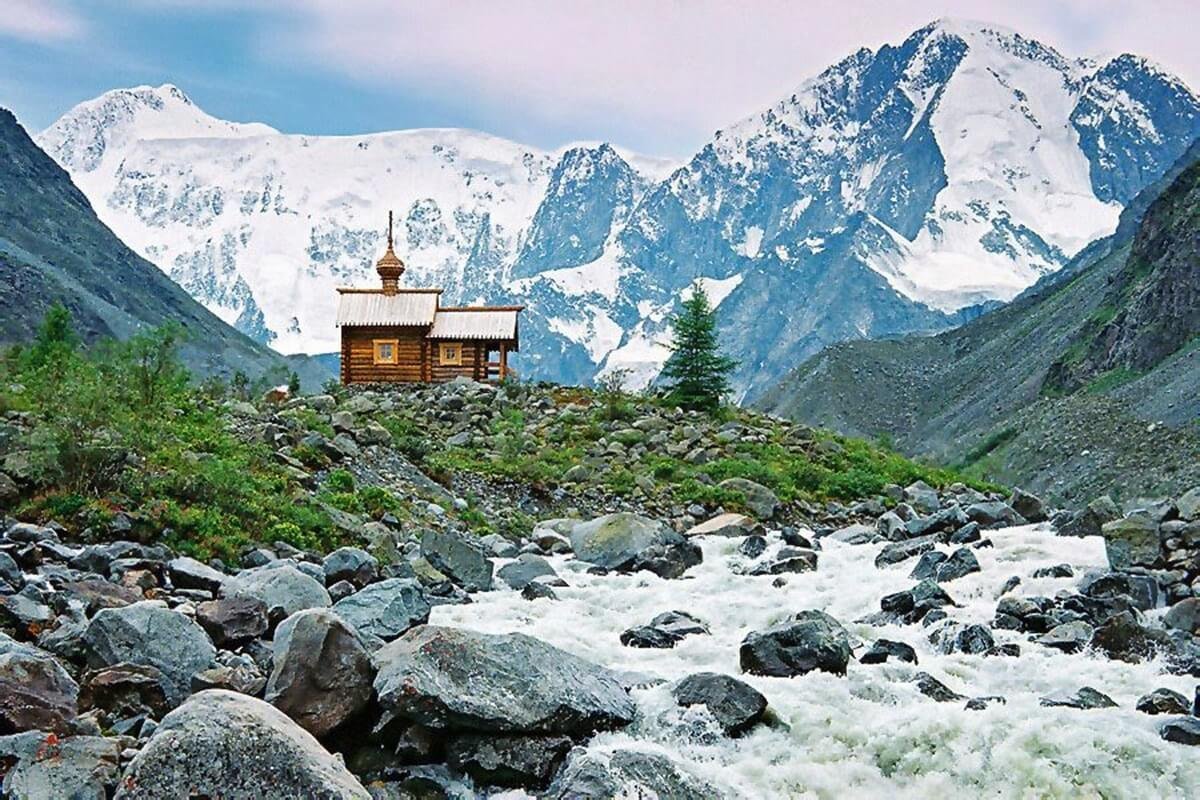
The landscapes surrounding Mount Belukha are among the most pristine in Kazakhstan and the Altai region. Dense coniferous forests blanket the lower slopes, while colorful alpine meadows flourish during the summer months. Crystal-clear lakes, fed by glacial meltwater, reflect the towering mountains and create picture-perfect scenery. The region is home to a rich variety of wildlife, including Siberian ibex, maral deer, lynx, wolves, golden eagles, and numerous other bird species. This remarkable biodiversity makes the area an important conservation zone and a paradise for nature enthusiasts and photographers. Beyond its physical beauty, Mount Belukha holds deep cultural and spiritual significance. For centuries, indigenous peoples of the Altai region have regarded the mountain as sacred. Local legends describe it as a place of power and mystery, often associated with spiritual enlightenment and harmony with nature. Many believe that the mountain possesses special energy, attracting pilgrims and spiritual travelers seeking peace, reflection, and connection with the natural world. Some traditions even link Belukha to the mythical kingdom of Shambhala, a legendary land of wisdom and spiritual perfection.
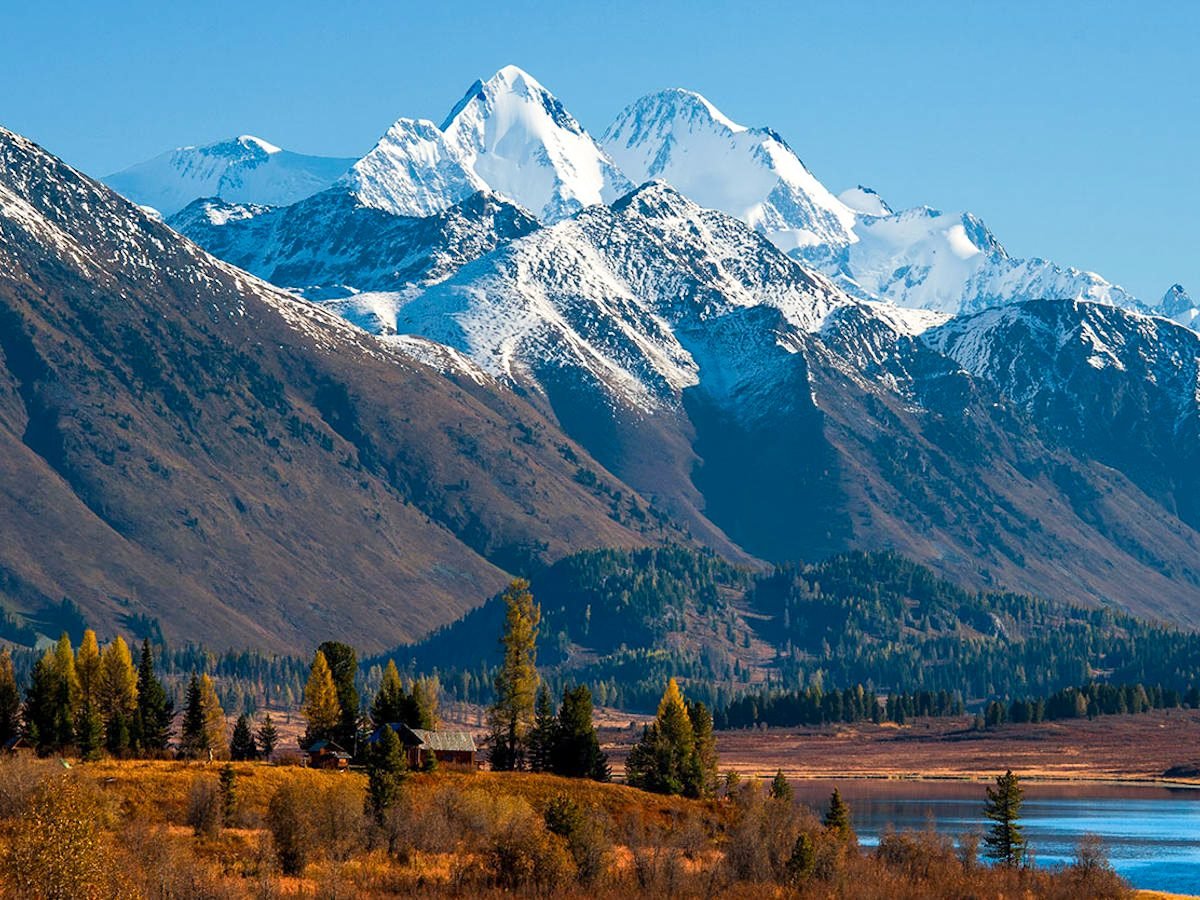
The mountain is also part of the larger Altai ecosystem, which has been recognized internationally for its environmental importance. The surrounding landscapes contain some of the most untouched wilderness areas in Eurasia, preserving ecosystems that have remained largely unchanged for centuries. Scientists and conservationists study the region to better understand mountain ecology, climate patterns, and biodiversity conservation. Today, Mount Belukha remains one of Kazakhstan’s most treasured natural attractions. Whether viewed as a mountaineering challenge, a wildlife sanctuary, a geological wonder, or a sacred destination, the mountain offers an unforgettable experience. Its towering white peaks, pristine glaciers, and serene landscapes embody the raw beauty of the Altai Mountains and continue to inspire all who visit. As one of the most iconic landmarks in Central Asia, Mount Belukha stands as a testament to the power and majesty of nature, attracting travelers from around the world to explore its extraordinary environment.
Tuyuk Su Meteorological Station
Tuyuk Su Meteorological Station is one of Kazakhstan’s most significant scientific research facilities, located in the heart of the majestic Ile-Alatau National Park near Almaty. Nestled high in the northern Tien Shan Mountains, the station plays a crucial role in monitoring weather conditions, glacier dynamics, and environmental changes in one of Central Asia’s most important mountain ecosystems. Surrounded by breathtaking landscapes of snow-covered peaks, glaciers, alpine meadows, and crystal-clear streams, the station serves not only as a center for scientific research but also as an attraction for visitors interested in nature, geography, and climate science. The station is situated in the Tuyuk Su Valley, a picturesque mountain region known for its dramatic scenery and unique natural features. Established to study meteorological and glaciological processes, the facility has provided valuable data for decades. Researchers working at the station continuously record temperature, precipitation, wind patterns, atmospheric conditions, and glacier movements. These observations contribute to a better understanding of climate systems in Central Asia and help scientists assess the impacts of global climate change on mountain environments. One of the station’s most important areas of study is the nearby Tuyuk Su Glacier, one of the best-monitored glaciers in Kazakhstan. The glacier serves as a natural laboratory where scientists examine the effects of rising temperatures and changing weather patterns on ice masses. By measuring glacier retreat, ice thickness, and meltwater flow, researchers can track long-term environmental changes and predict future impacts on regional water resources. Since glaciers act as natural reservoirs that supply freshwater to rivers and communities, understanding their behavior is essential for sustainable water management throughout the region. The scientific importance of Tuyuk Su Meteorological Station extends beyond climate monitoring. The data collected at the facility supports research in hydrology, geology, ecology, and environmental management. Universities, research institutions, and international organizations frequently collaborate with the station to conduct studies that contribute to global knowledge about mountain ecosystems and climate processes. As environmental concerns continue to grow worldwide, the station’s research has become increasingly valuable in helping policymakers and scientists develop strategies to address climate-related challenges.
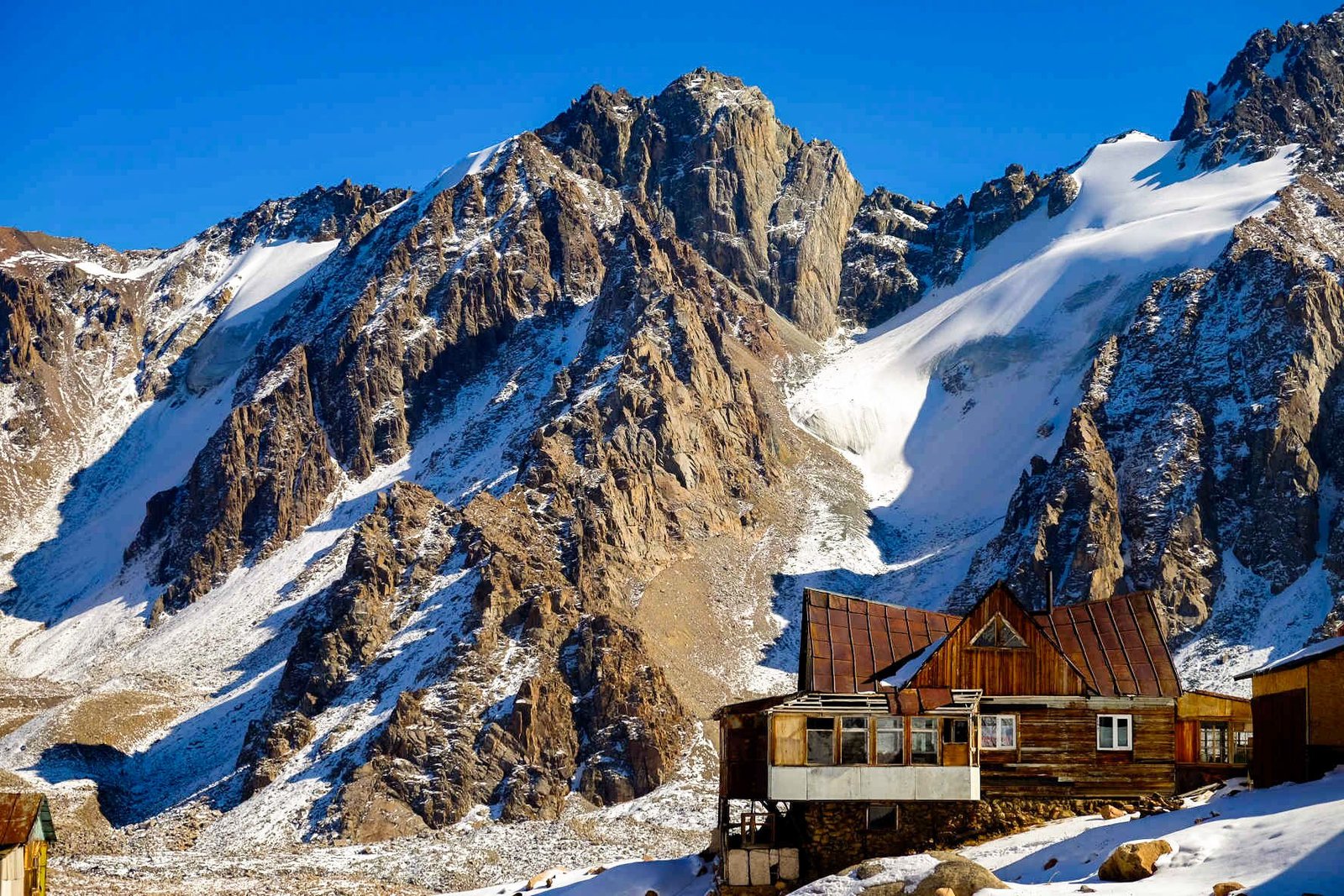
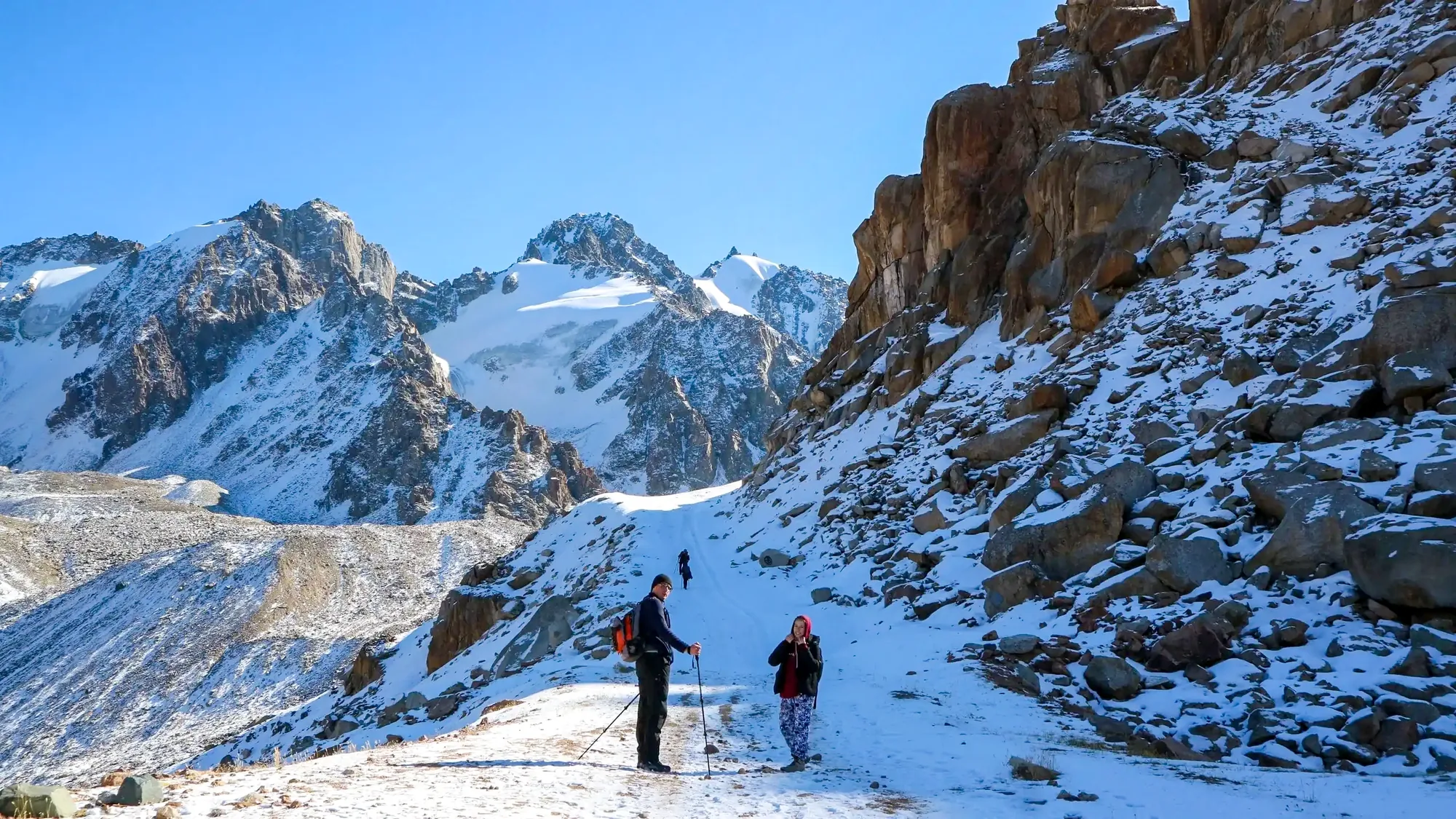
In addition to its scientific significance, the area surrounding the station is renowned for its extraordinary natural beauty. The journey to the station takes visitors through scenic mountain landscapes characterized by dense forests, alpine vegetation, and rugged terrain. Towering peaks rise above the valley, creating a dramatic backdrop that attracts outdoor enthusiasts throughout the year. The combination of untouched wilderness and scientific exploration makes the destination unique among Kazakhstan’s tourist attractions. Hikers and trekkers are particularly drawn to the Tuyuk Su region because of its well-established trails and stunning views. Many routes lead visitors past glacial streams, rocky slopes, and panoramic viewpoints overlooking the surrounding mountains. During the summer months, alpine meadows burst into color with wildflowers, while winter transforms the landscape into a snowy wonderland. Photographers often visit the area to capture the striking contrast between the white glaciers and the dark rocky peaks that dominate the horizon.
The station also serves an educational purpose by helping visitors understand the relationship between climate, glaciers, and natural ecosystems. Guided tours and educational programs provide insight into how scientists monitor environmental changes and why mountain regions are particularly vulnerable to global warming. For students, researchers, and curious travelers, the station offers a rare opportunity to observe scientific work being conducted in a real-world setting while surrounded by spectacular natural scenery. Wildlife is another important feature of the region. The surrounding national park supports a variety of plant and animal species adapted to mountain environments. Visitors may encounter birds of prey soaring above the valleys, as well as mammals such as marmots, mountain goats, and other native species. The diverse habitats found around the station contribute to the ecological richness of the Ile-Alatau National Park and reinforce the importance of conservation efforts in the area.
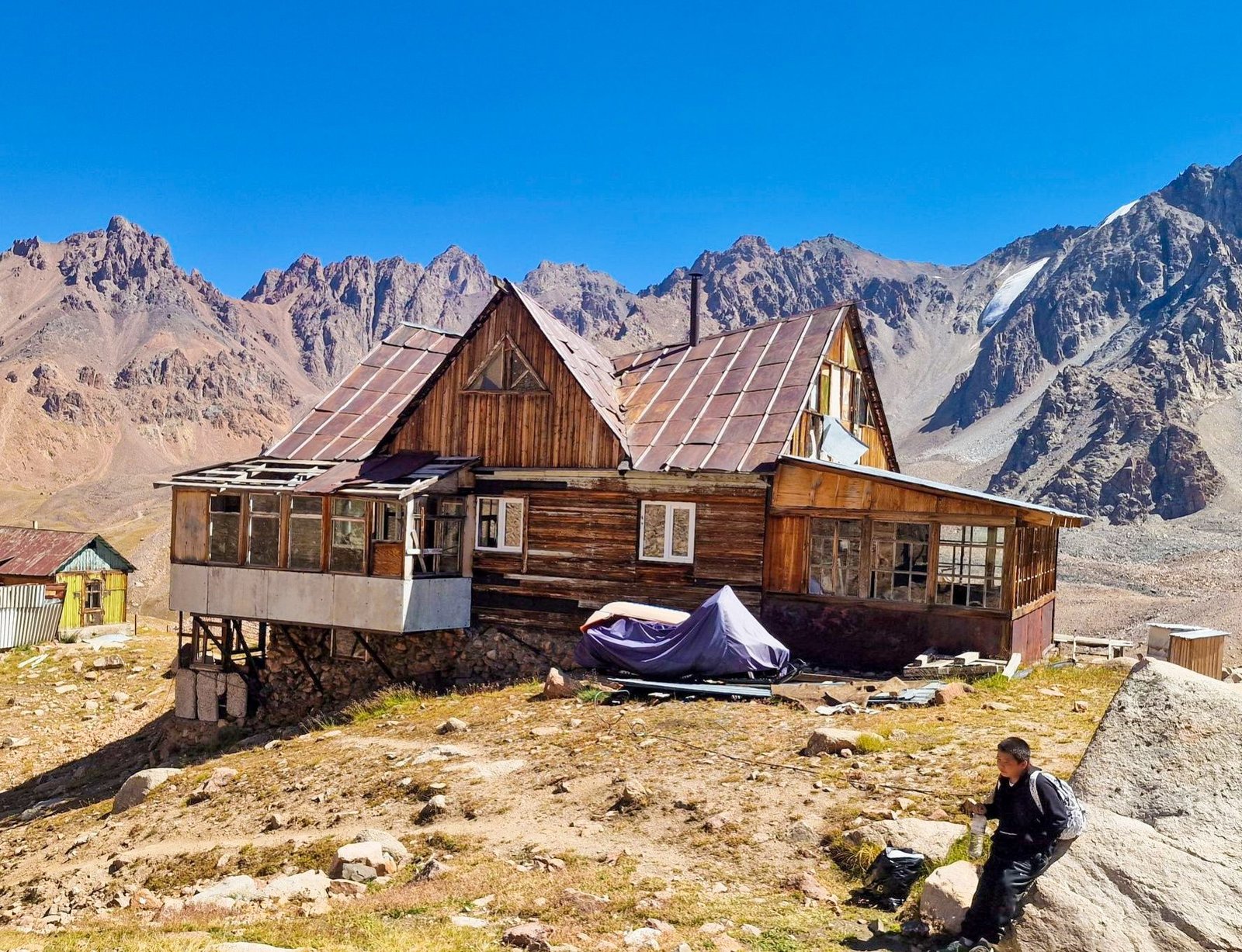
Today, Tuyuk Su Meteorological Station stands as a symbol of the connection between science and nature. Its ongoing research helps scientists understand the changing climate and its effects on mountain ecosystems, while its stunning location attracts visitors seeking adventure, knowledge, and inspiration. Combining scientific significance, educational opportunities, and breathtaking landscapes, the station remains one of Kazakhstan’s most fascinating destinations. As both a research center and a gateway to the natural wonders of the Tien Shan Mountains, Tuyuk Su Meteorological Station continues to play a vital role in advancing environmental understanding and promoting appreciation for Kazakhstan’s remarkable mountain heritage.
Otyrar-Tobe
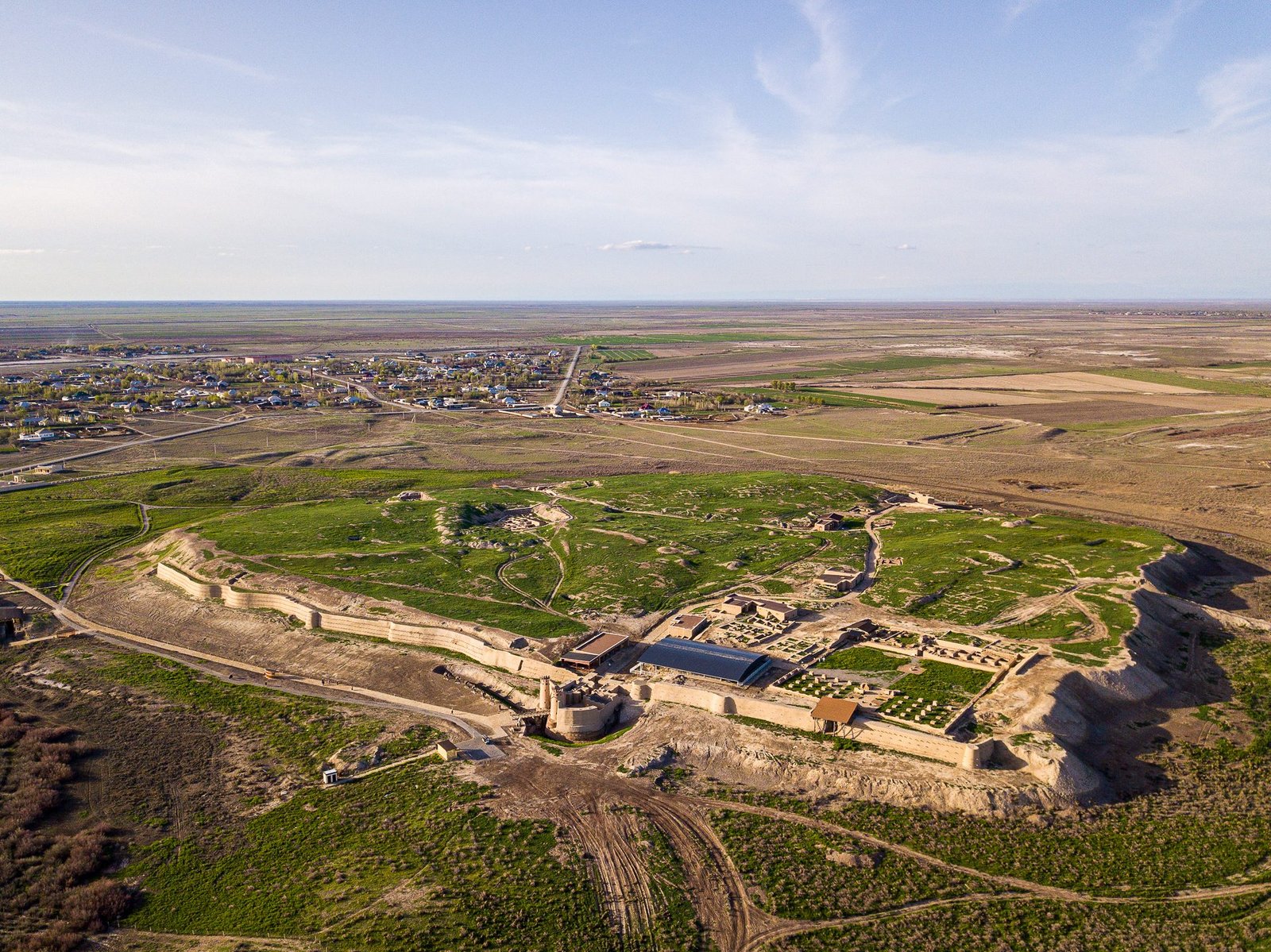
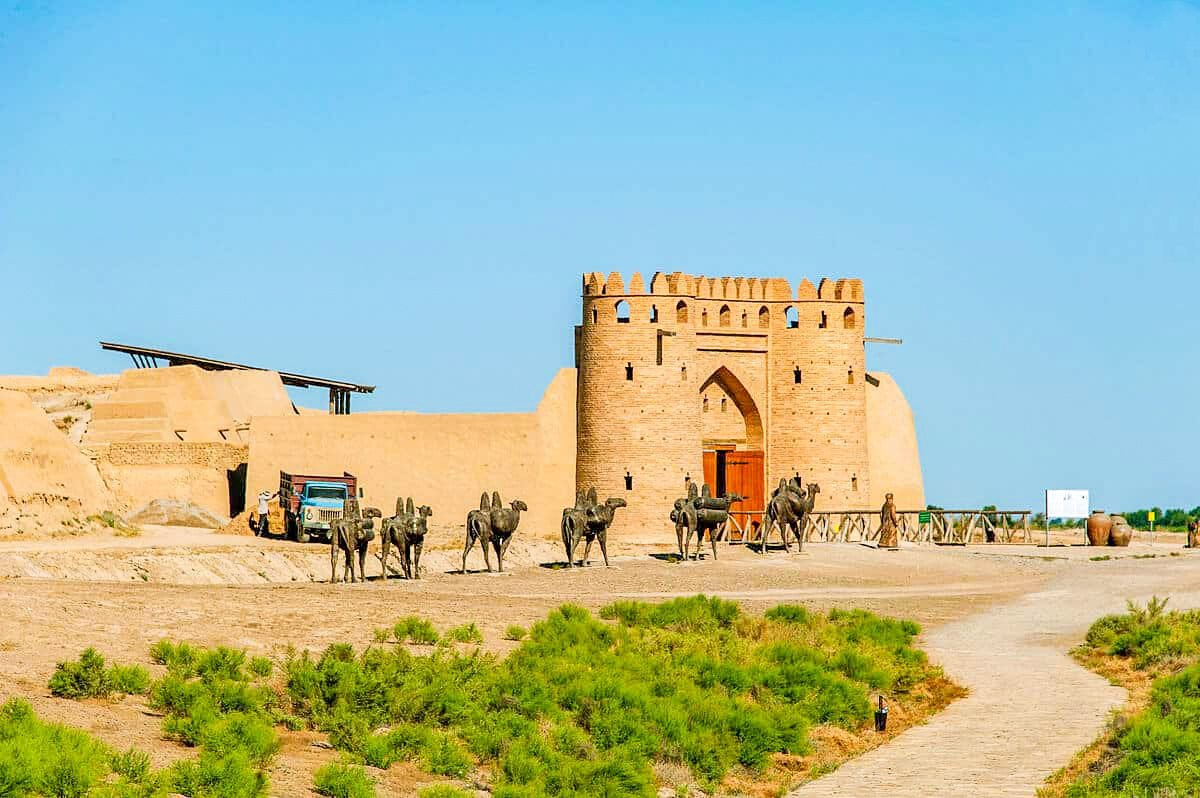
Otyrar-Tobe is one of Kazakhstan’s most important archaeological and historical landmarks, preserving the remains of the ancient city of Otyrar, a once-thriving center of trade, culture, and scholarship in Central Asia. Located near the confluence of the Arys and Syr Darya rivers in southern Kazakhstan, the site stands as a remarkable testament to the region’s rich history and its significant role in connecting civilizations across Eurasia. For centuries, Otyrar served as a major hub along the Silk Road, facilitating the exchange of goods, ideas, technologies, and cultures between East and West. Today, the archaeological ruins of Otyrar-Tobe provide valuable insights into the development of medieval urban life and the cultural heritage of Kazakhstan.
The history of Otyrar dates back more than two thousand years. Due to its strategic location at the crossroads of important trade routes, the city became a prosperous commercial center that attracted merchants, travelers, scholars, and craftsmen from various parts of Asia and the Middle East. Caravans carrying silk, spices, precious metals, textiles, and other valuable commodities regularly passed through Otyrar, making it one of the most influential cities in the region. Its economic prosperity enabled the development of sophisticated urban infrastructure, educational institutions, and cultural traditions that flourished for centuries. One of the most notable aspects of Otyrar’s history is its association with the Silk Road, the vast network of trade routes that connected China with Europe and the Middle East. As a key stop along these routes, Otyrar played an essential role in promoting cultural interaction and intellectual exchange. The city became a meeting place for people of different ethnicities, languages, and religions, contributing to its reputation as a center of learning and innovation. The influence of various civilizations can still be seen in the archaeological remains that have been uncovered at the site.
Otyrar is perhaps most famous as the birthplace of Abu Nasr Al-Farabi, one of the greatest philosophers and scholars of the Islamic Golden Age. Born in the region during the 9th century, Al-Farabi made significant contributions to philosophy, logic, mathematics, music, and political science. Often referred to as the “Second Teacher” after Aristotle, his works influenced generations of thinkers throughout the Islamic world and beyond. The association with Al-Farabi adds immense cultural and intellectual significance to Otyrar-Tobe and highlights the city’s historical role as a center of education and scholarship. The city’s history also includes periods of conflict and destruction. One of the most dramatic events occurred in 1219 when the Mongol Empire, led by Genghis Khan, launched an invasion of Central Asia. Otyrar became the site of a famous siege after local authorities executed Mongol envoys, an act that provoked a large-scale military response. Following months of resistance, the city was captured and largely destroyed. Although Otyrar was later rebuilt and regained some of its importance, it never fully recovered its former prominence. Over time, changing trade routes and environmental factors contributed to the city’s gradual decline and eventual abandonment.
Today, visitors to Otyrar-Tobe can explore the extensive archaeological remains that reveal the layout and structure of the ancient city. Excavations have uncovered sections of defensive walls, gates, residential buildings, workshops, bathhouses, streets, and public structures. These discoveries provide historians and archaeologists with valuable information about urban planning, architecture, daily life, and economic activities in medieval Central Asia. The remains of the city’s fortifications demonstrate the importance of defense and security in protecting a major commercial center during a period of frequent political and military challenges. The archaeological site also offers insight into the advanced engineering and construction techniques used by the city’s inhabitants. Researchers have found evidence of sophisticated irrigation systems, water management infrastructure, and well-organized residential districts. Such findings illustrate the high level of development achieved by Otyrar and its ability to sustain a large and prosperous population in a challenging environment.
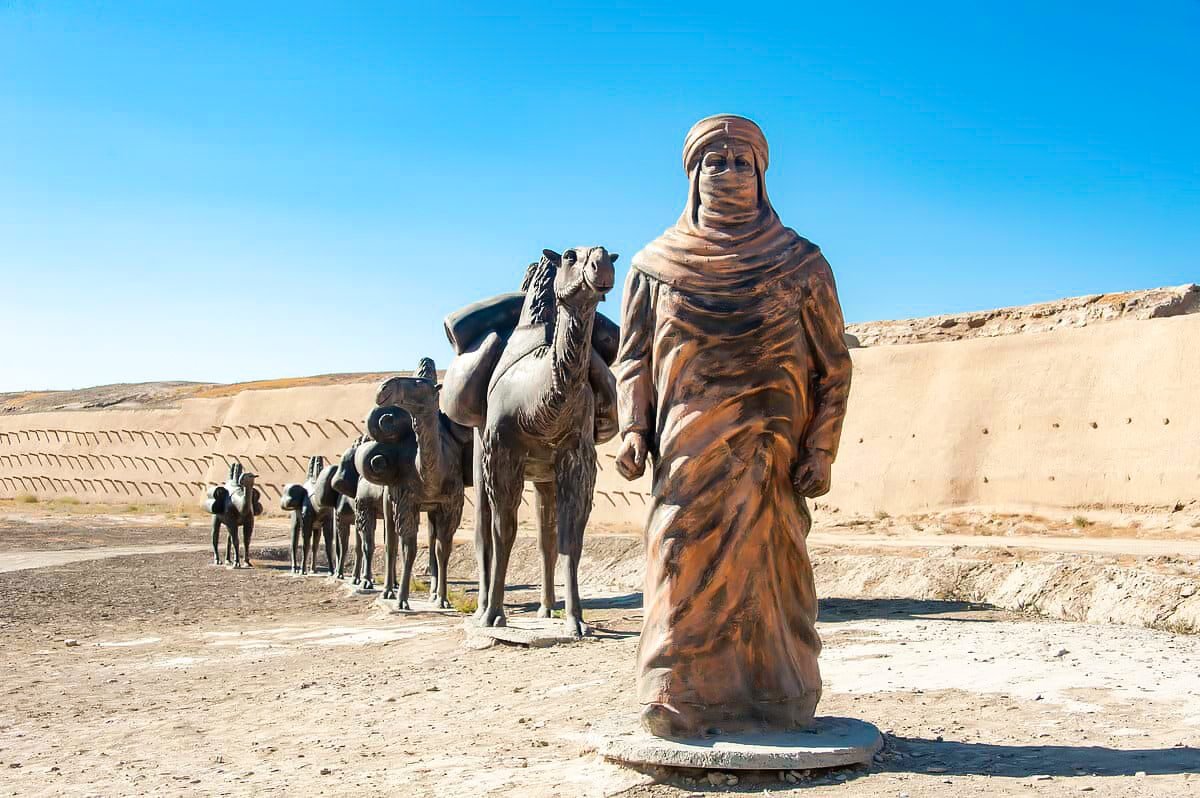
In recent decades, significant efforts have been made to preserve and study Otyrar-Tobe. Archaeological research continues to uncover new information about the city’s past, while conservation projects aim to protect the site for future generations. Museums and educational programs help visitors understand the historical importance of Otyrar and its contribution to the cultural heritage of Kazakhstan and Central Asia. Today, Otyrar-Tobe stands as a powerful symbol of Kazakhstan’s rich historical legacy. It represents the achievements of ancient civilizations, the importance of the Silk Road in shaping global history, and the enduring influence of great scholars such as Al-Farabi. For historians, archaeologists, students, and tourists, the site offers a fascinating journey into the past and an opportunity to explore one of Central Asia’s most significant cultural treasures. As a window into centuries of trade, learning, and cultural exchange, Otyrar-Tobe continues to inspire appreciation for the remarkable history of Kazakhstan and its role in the development of human civilization.
More to Read
All issues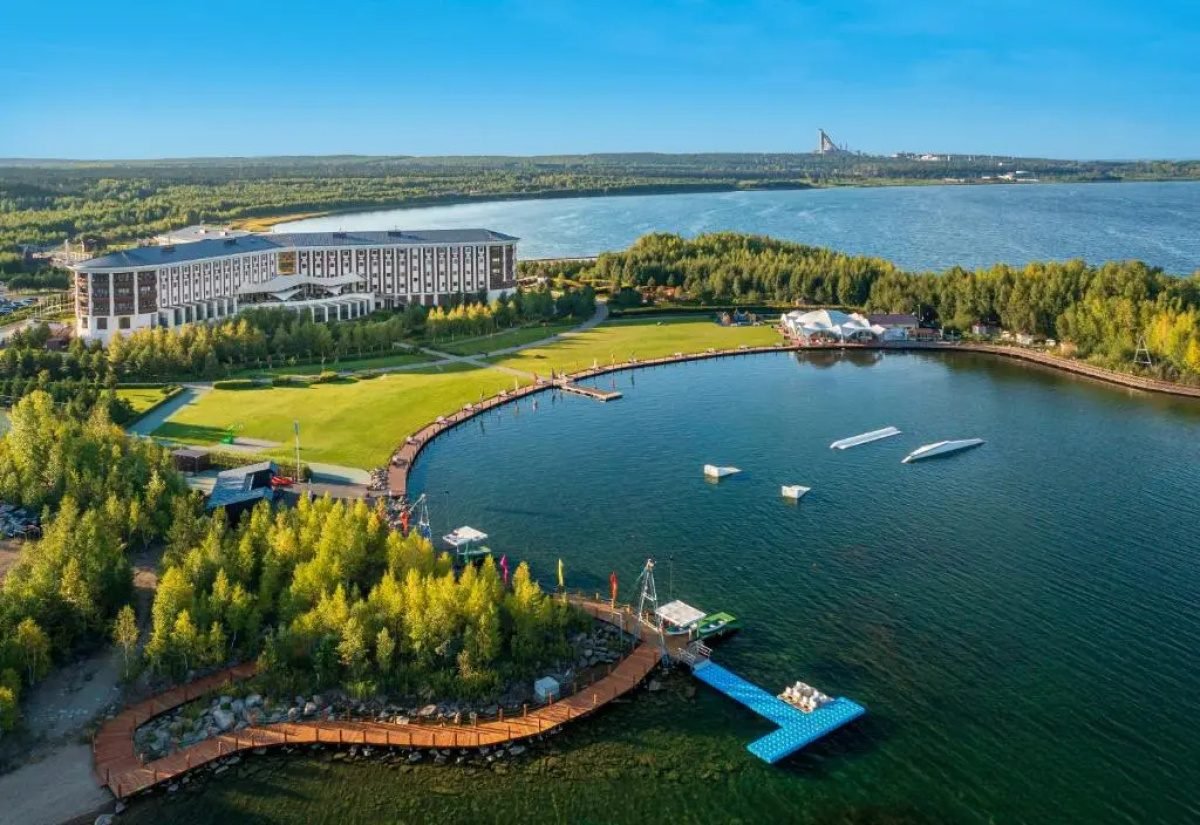
Kazakhstan Accelerates Tourism Growth With Trillion-Tenge Investments & New Destinations
Kazakhstan is moving to strengthen tourism as a larger contributor to its national economy, combining major private investment with new hotels, improved transport links,…
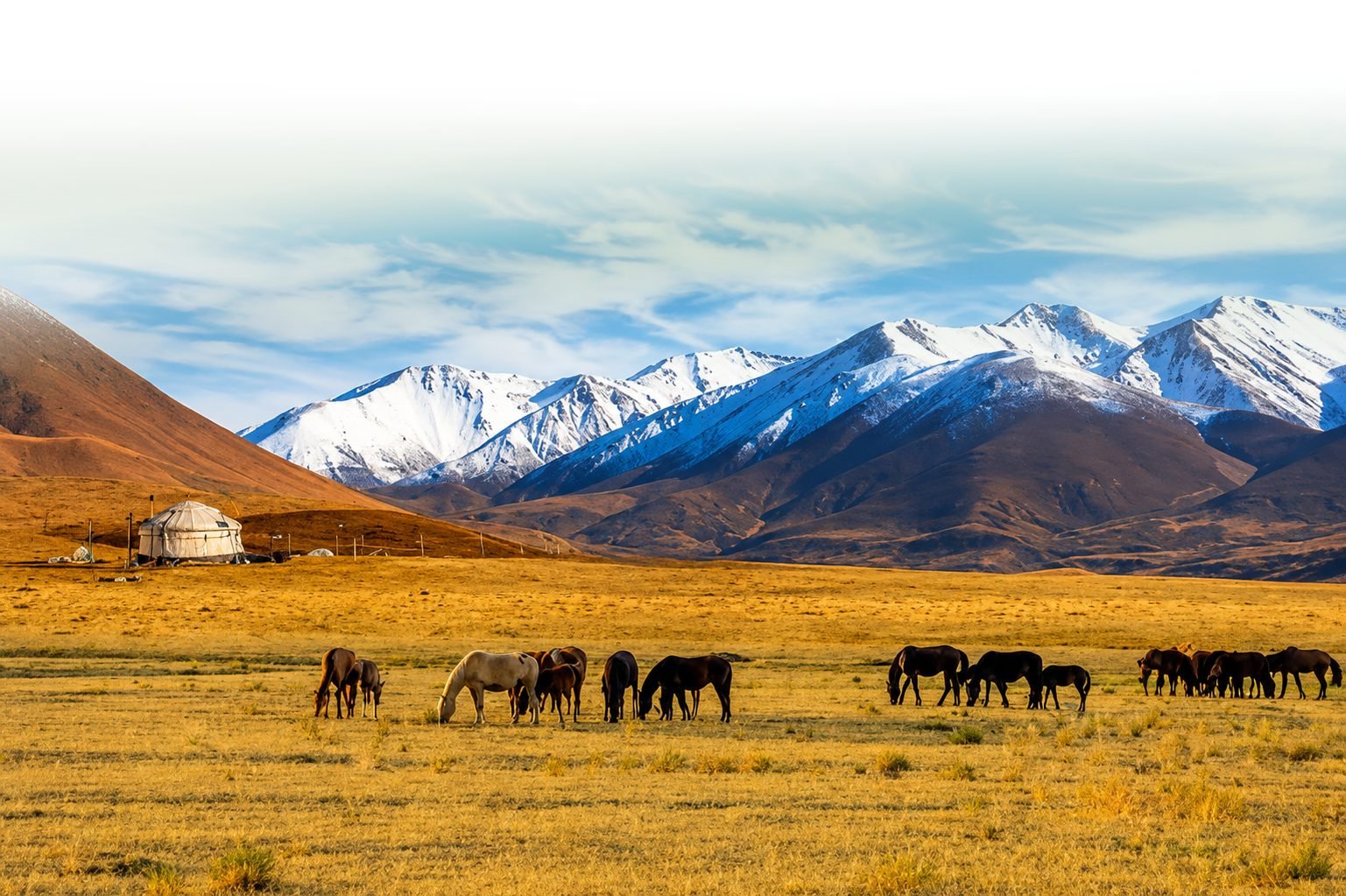
Discover Kazakhstan — A Journey Through Mountains, Lakes, Canyons & Silk Road Heritage
Kazakhstan is one of Central Asia’s most rewarding destinations for travellers seeking a combination of dramatic landscapes, vibrant cities, nomadic traditions and Silk…

Bayanaul National Park — Kazakhstan’s First National Park & a Natural Wonderland
Nestled in the heart of northeastern Kazakhstan, Bayanaul National Park stands as one of the country’s most treasured natural destinations. Located in the Pavlodar…