

Sacred Depths of Mangystau: Kazakhstan’s Underground Mosques Move Closer to UNESCO World Heritage Status
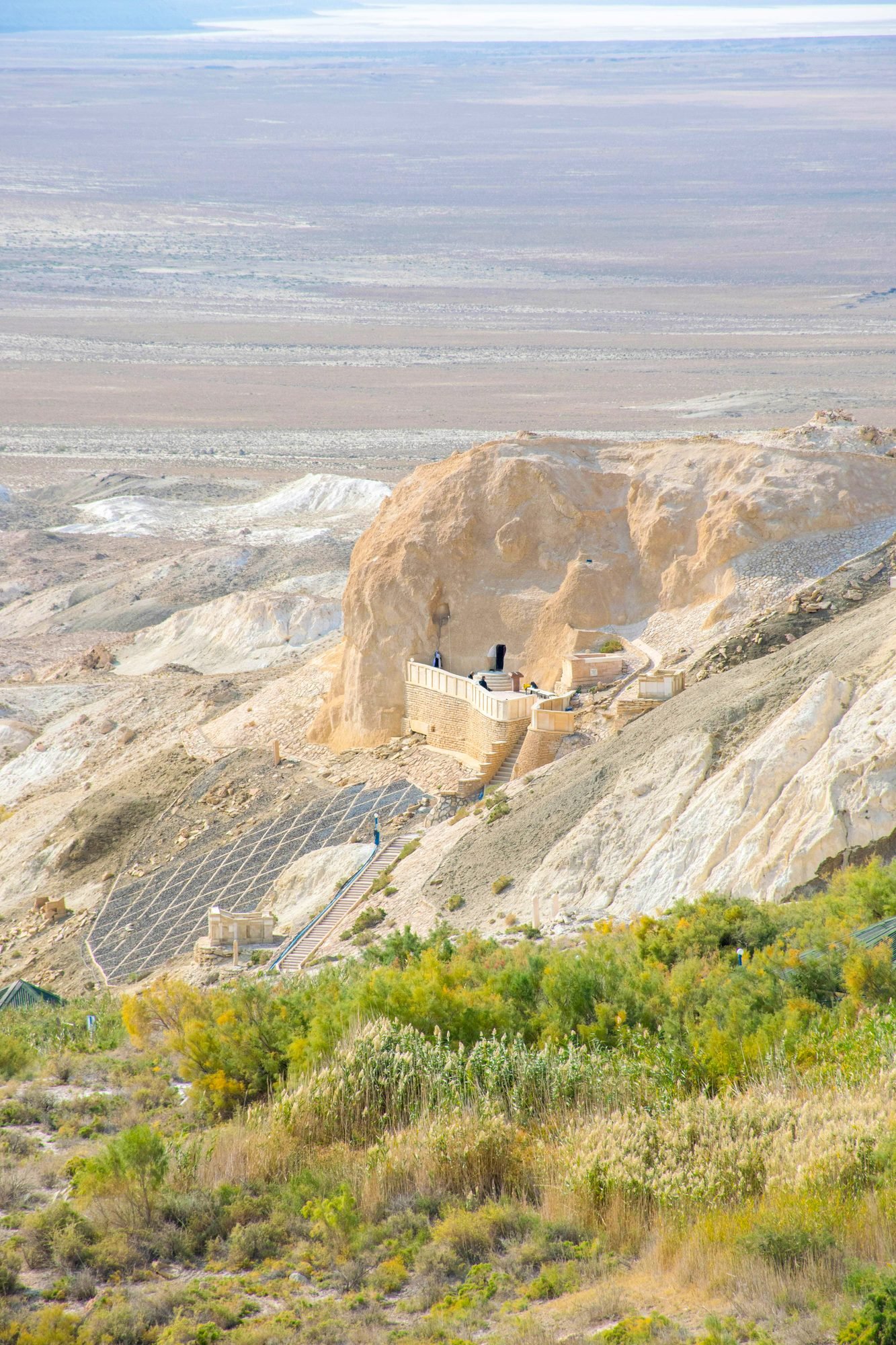
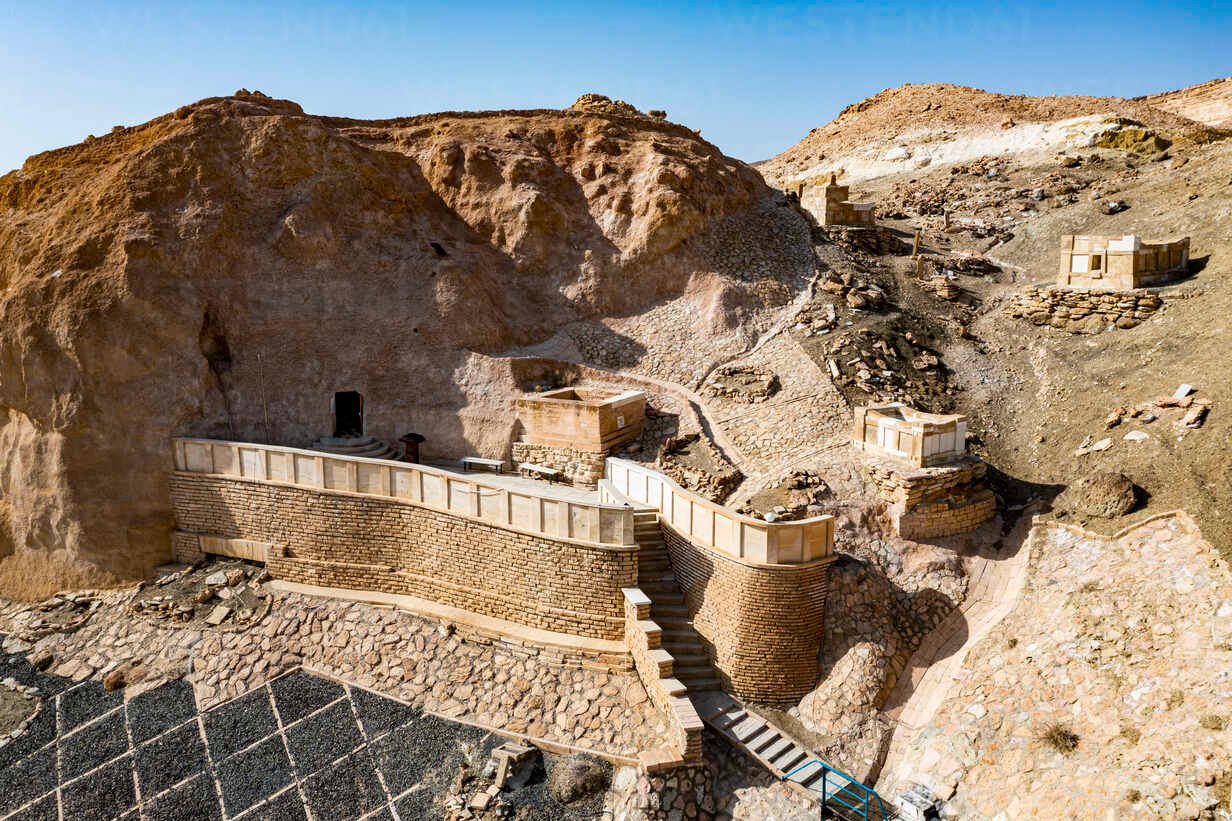
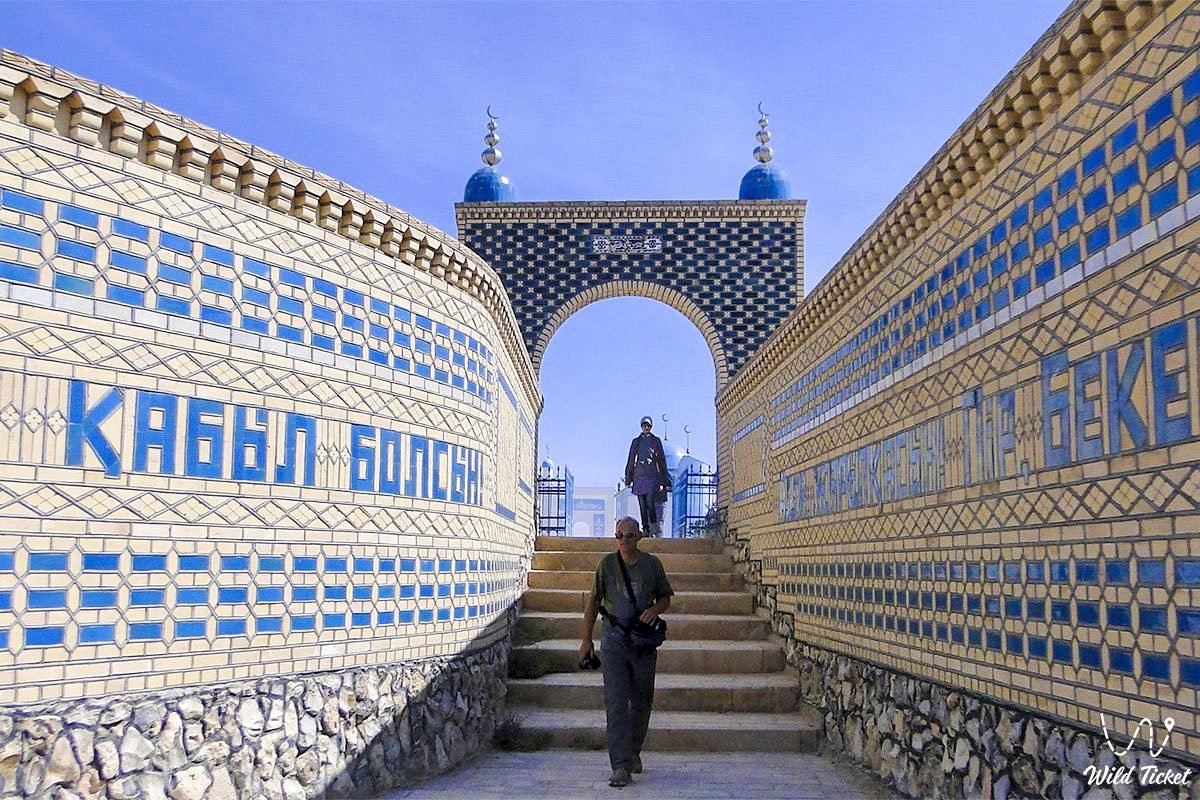
In the vast, windswept landscapes of western Kazakhstan, a remarkable group of ancient underground mosques in the Mangystau Region is drawing global attention. Five of these sacred sites—Karaman Ata, Shakpak Ata, Sultan Epe, Beket Ata, and Shopan Ata—have recently been added to UNESCO’s Tentative List of World Heritage Sites. This marks an important step toward international recognition of their cultural, spiritual, and historical significance. Carved into rock formations and integrated within expansive necropolis complexes, these underground mosques have served as places of worship, pilgrimage, and burial for centuries. They reflect a unique blend of spiritual devotion and architectural ingenuity, shaped by the region’s harsh climate and nomadic traditions. Pilgrims continue to visit these sacred spaces, preserving a living tradition that connects the past with the present.
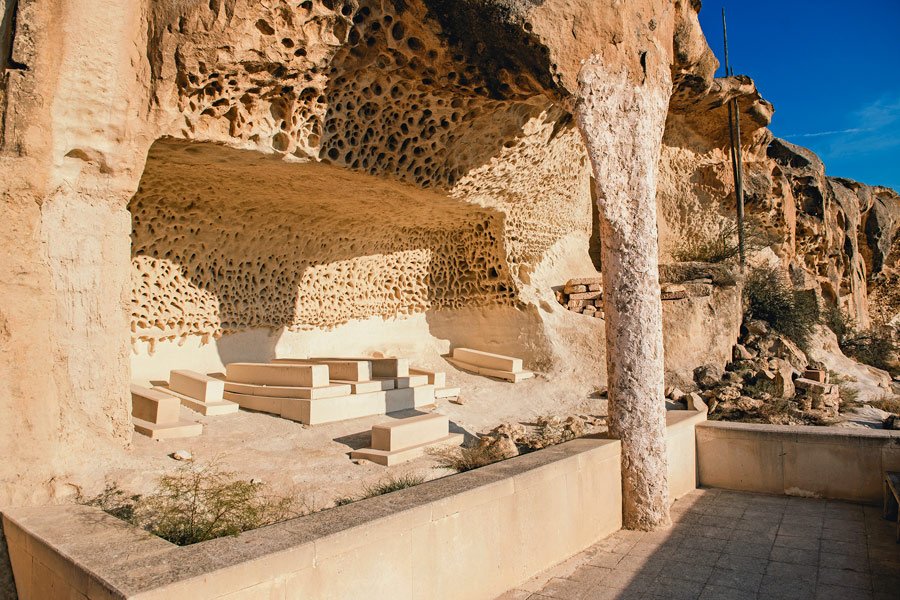
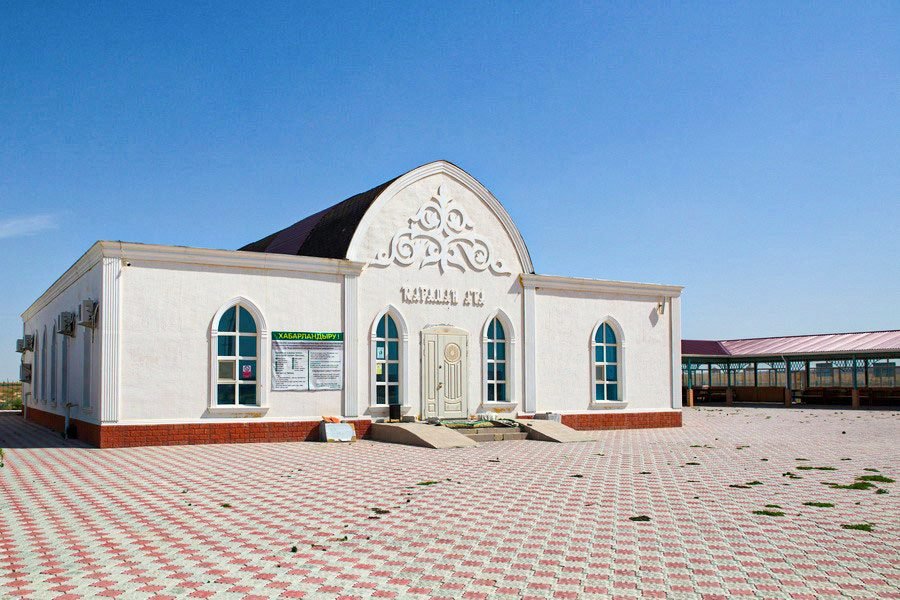
According to Kamar Bimagambetova of the Mangystau State Historical and Cultural Reserve, the inclusion follows a recent field assessment by a UNESCO representative. The mosques’ nomination highlights their role not only as religious landmarks but also as symbols of cultural identity in Central Asia. The final decision on their World Heritage status is expected in 2027, potentially placing Mangystau on the global cultural map. Karaman Ata — A Sacred Landscape of Legends Located about 35 kilometers southwest of Shetpe village in Kazakhstan’s Mangystau Region, the Karaman Ata necropolis stands as one of the oldest and most expansive burial complexes in the area. The site is a striking testament to centuries of spiritual and cultural continuity, featuring a rich collection of medieval gravestones, traditional saganatams (stone burial structures), and mausoleums constructed between the late 19th and early 20th centuries. The landscape itself, dotted with these monuments, reflects a deep-rooted reverence for ancestry and faith. For generations, Karaman Ata has been regarded as a sacred space imbued with spiritual authority. It is traditionally believed to be a place where people came to swear oaths, resolve disputes, and seek moral clarity or divine guidance. Oral traditions further elevate its significance, linking Karaman Ata to revered figures such as Shopan Ata, with legends portraying him as either a close relative or descendant.
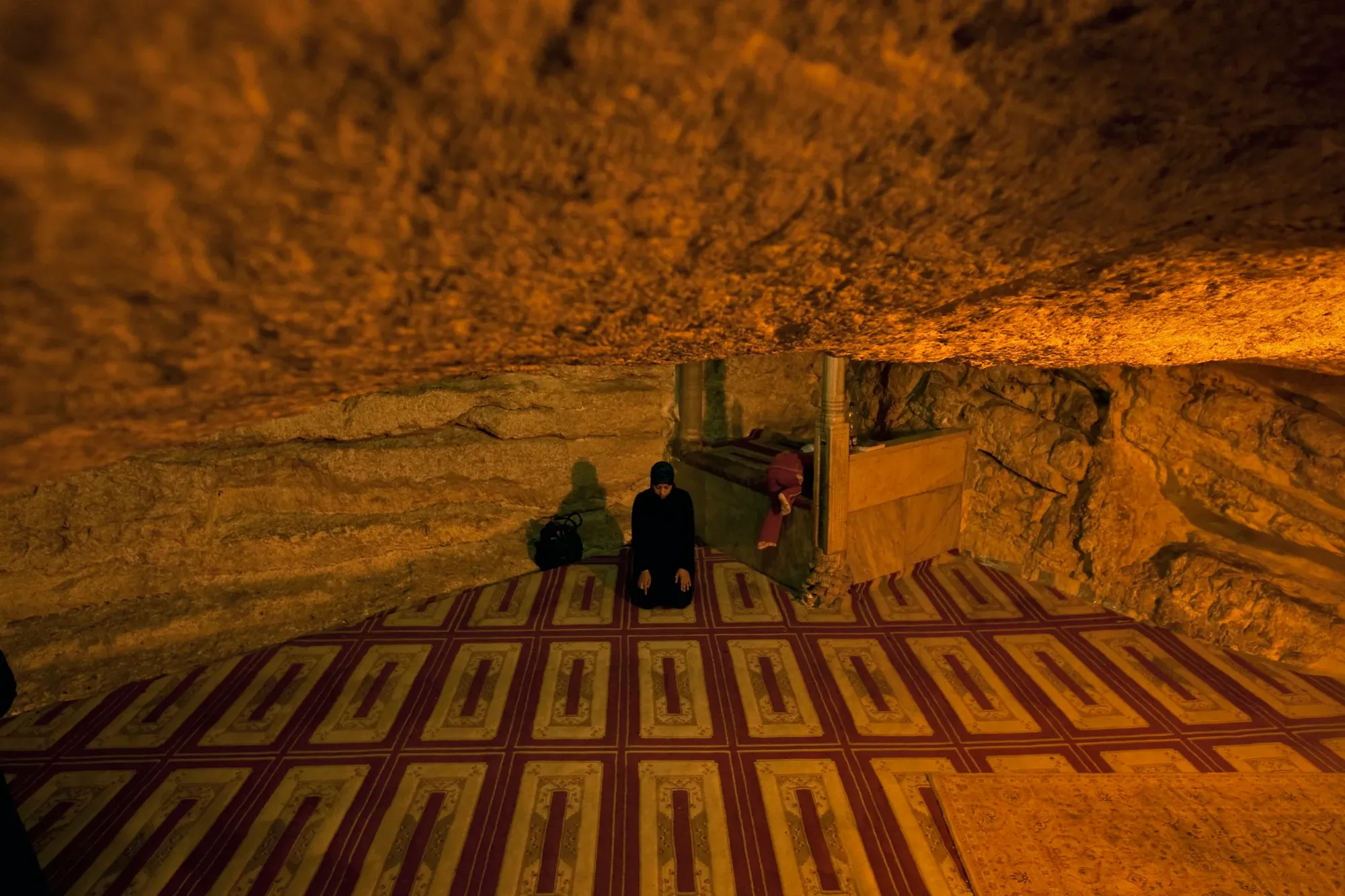
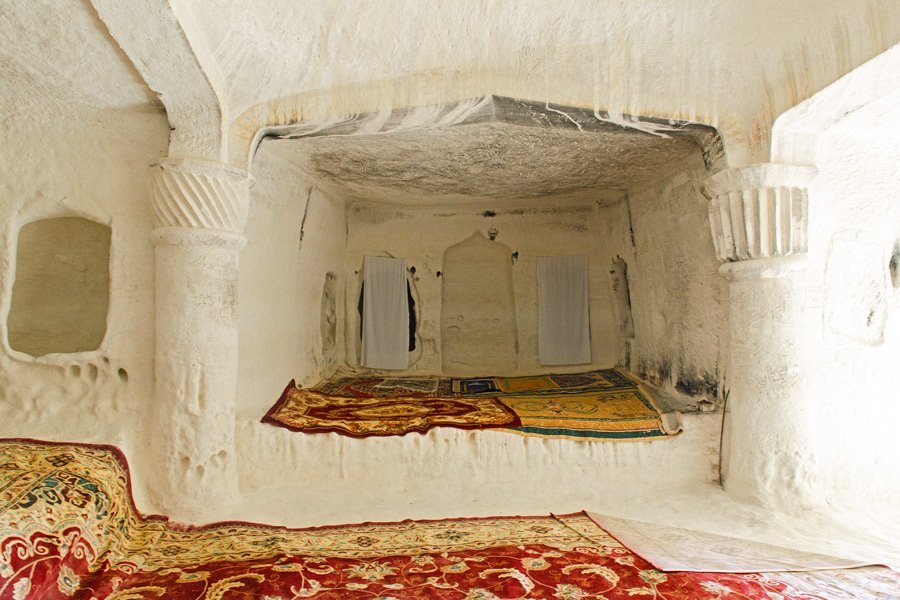
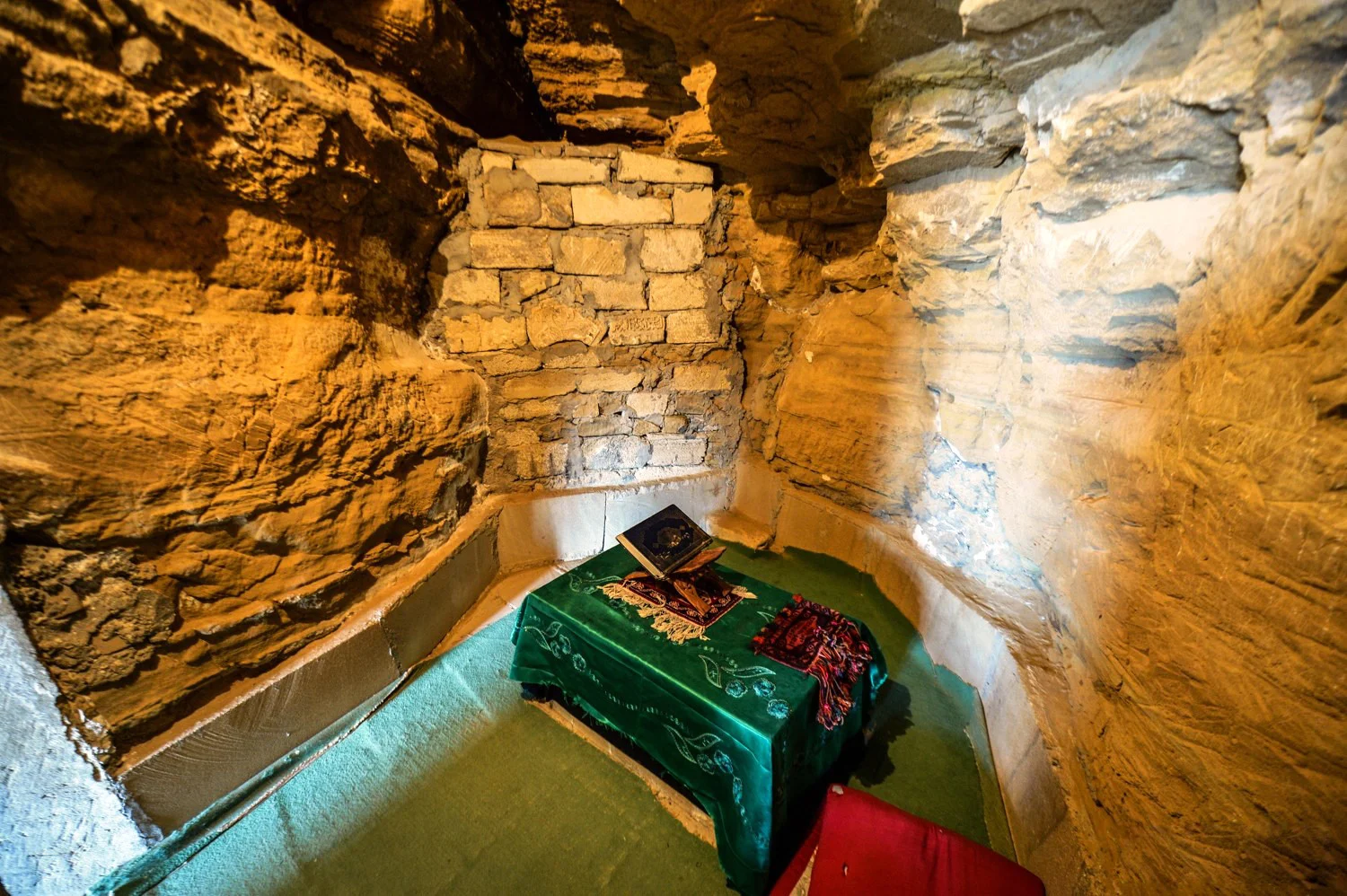
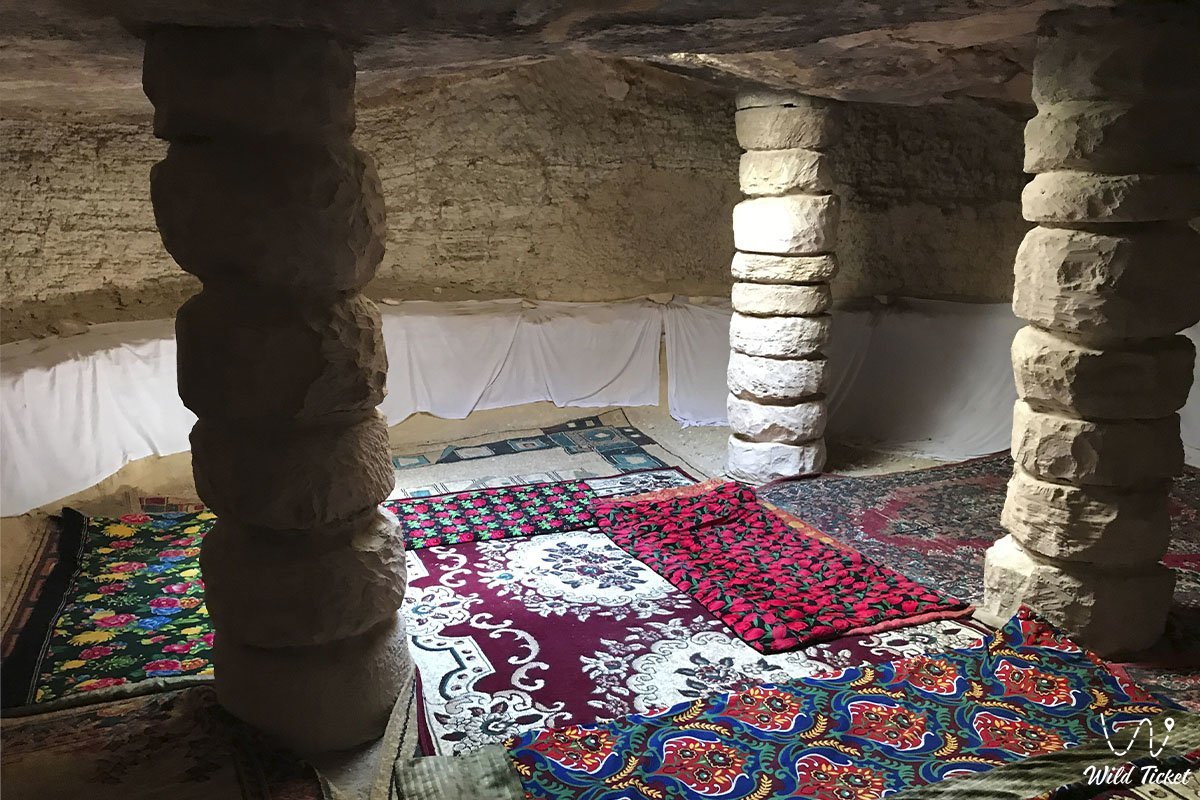
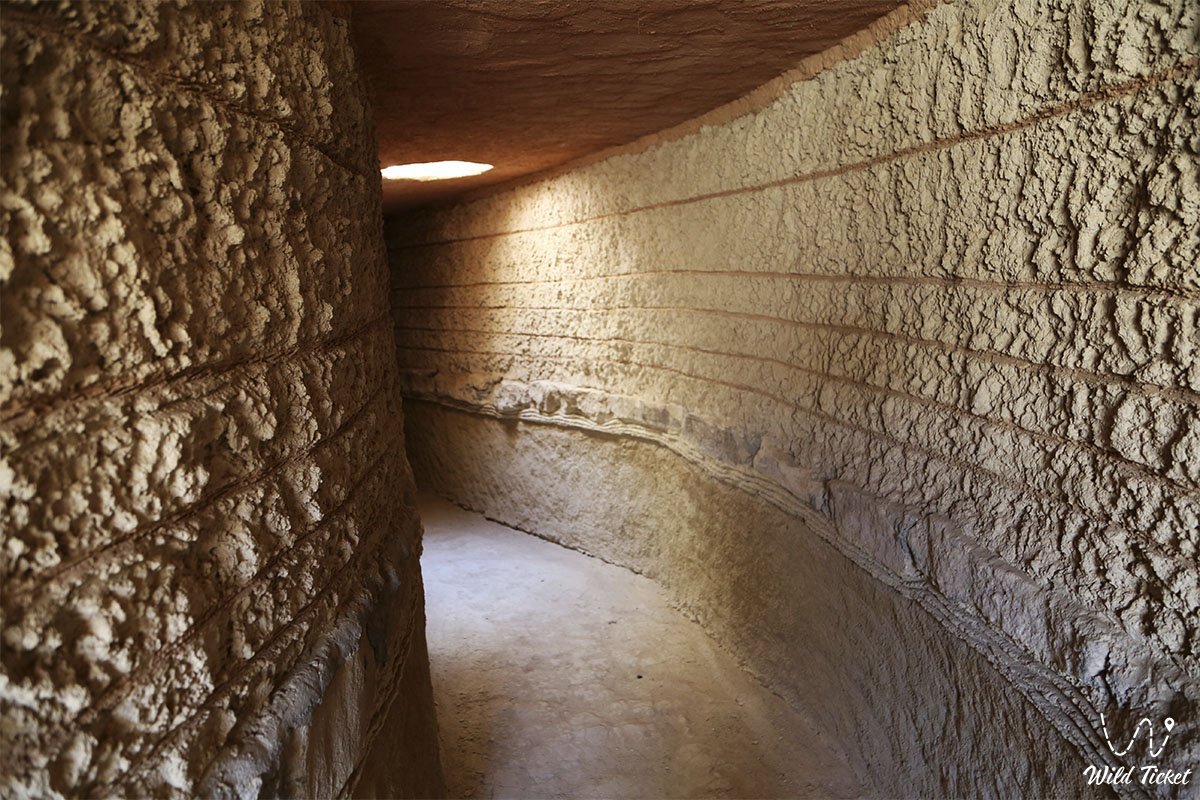
The underground mosque, carved into the slope of a low hill, is believed to have originated from a natural cave later adapted for religious use. Its interior consists of three chambers—an entrance area, a prayer hall, and a circular burial room thought to contain the saint’s remains. Subtle openings in the rock allow soft natural light to illuminate the space, enhancing its serene and contemplative atmosphere.
Sultan Epe — A Pilgrimage Site by the Sea
Situated near the northern coast of the Mangystau Peninsula, approximately 30 kilometers from Taushyk village, the Sultan Epe complex is a place where nature and spirituality converge in a striking coastal landscape. Stretching toward the Caspian Sea, the area is known not only for its scenic beauty but also for its freshwater springs, which have long attracted travelers and pilgrims alike. The site has been under protection since the late Soviet period, reinforcing its importance as both a cultural monument and a living spiritual destination. At the heart of the complex lies a six-meter-deep well carved directly into the rocky cliff. Its water is widely regarded as чист and safe for drinking, and many visitors consider it to possess healing properties.
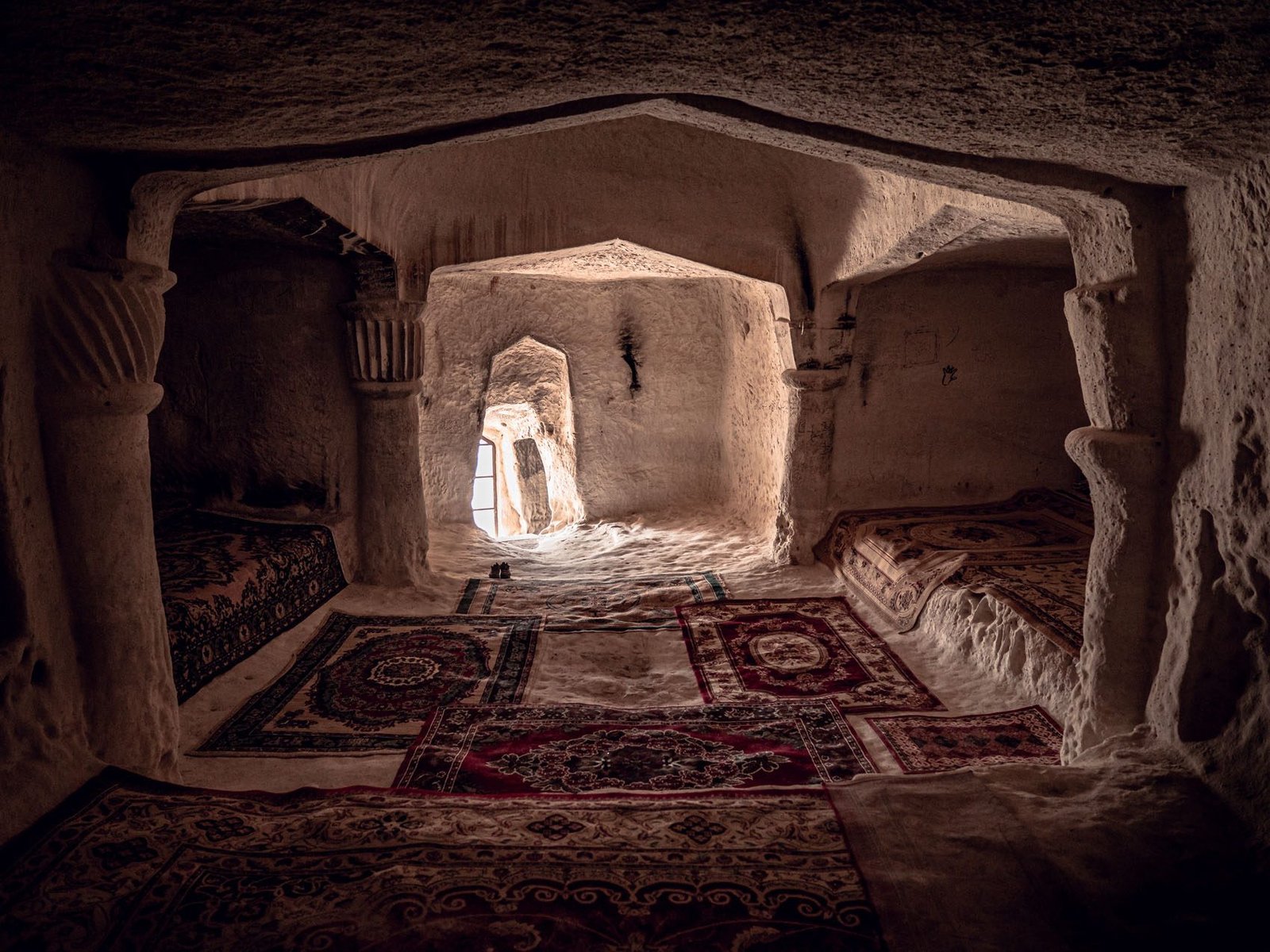
Over time, this feature has become an integral part of the pilgrimage experience, symbolizing purification and renewal. The underground mosque itself is carved into the rock and comprises nine interconnected chambers. Pilgrims descend via a rugged stone staircase into a spacious domed hall, which serves as the central gathering area. From here, smaller chambers extend outward, each designed for specific purposes such as prayer, reflection, or rest. The architectural layout reflects a careful balance between practicality and spirituality, creating an environment that encourages quiet contemplation and communal devotion.
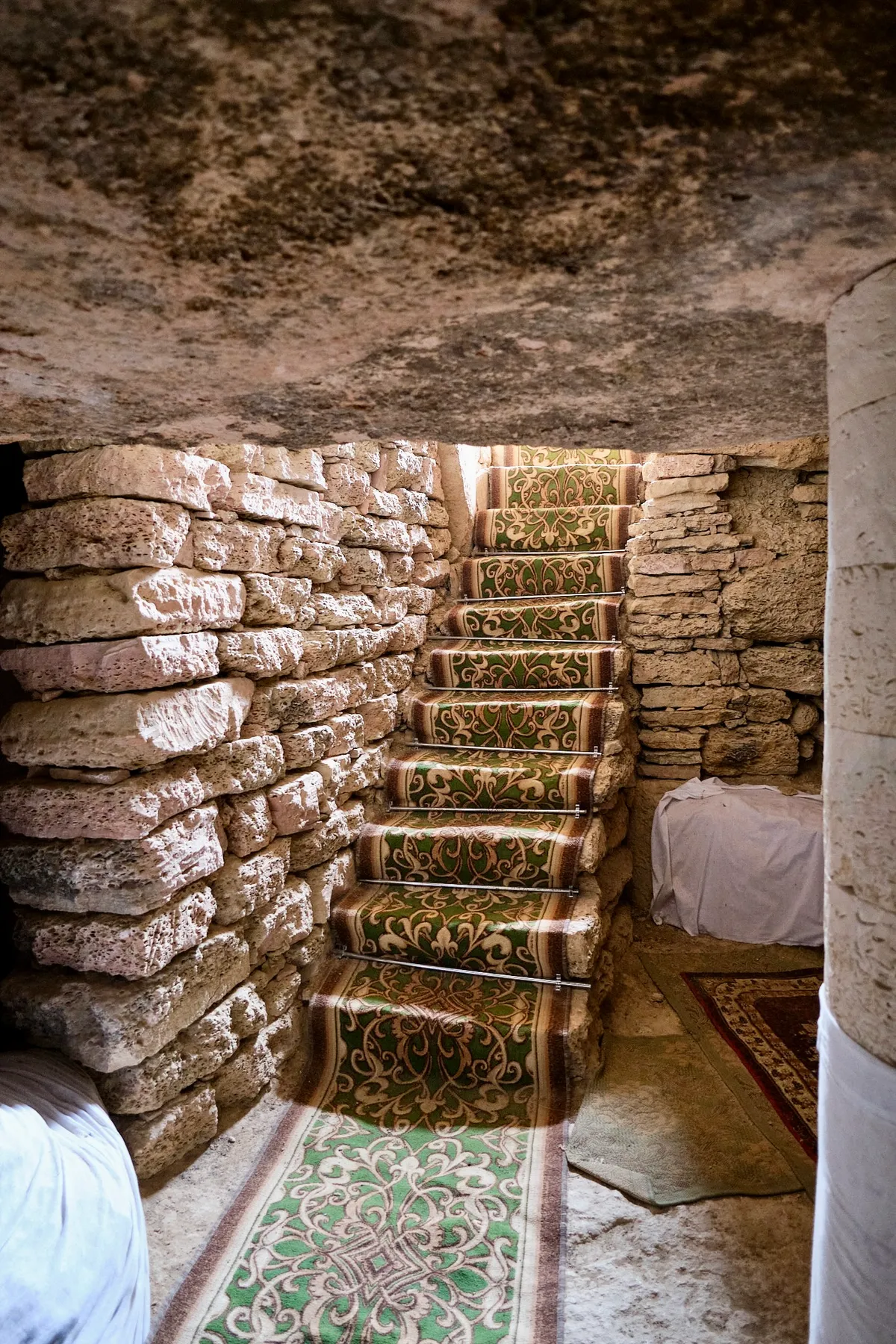
Shakpak Ata — A Masterpiece of Stone Art
Dating from the 14th to 19th centuries, the Shakpak Ata mosque is one of the most visually striking and artistically rich underground religious sites in Kazakhstan’s Mangystau Region. Located in the Tupkaragan district, it is widely recognized for its intricate carvings and inscriptions, setting it apart as a rare example of refined stone artistry in the broader Aral-Caspian region. Every surface of the mosque appears to tell a story, with walls adorned by carefully etched symbols, ornamental patterns, and possibly sacred motifs that reflect the spiritual and cultural expressions of the time. Archaeological studies indicate that burial activity around the mosque began as early as the 14th century, gradually expanding into a vast necropolis. This long continuity highlights the site’s enduring role as a center of faith and remembrance.
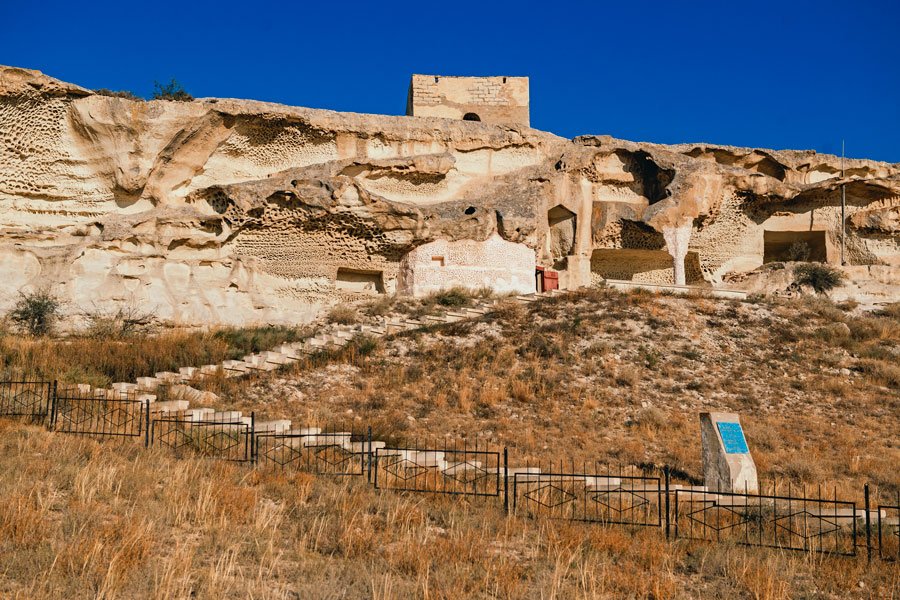
The surrounding graves reveal a layered historical narrative, linking both Turkmen and Kazakh communities and illustrating the region’s complex cultural interactions over centuries. Although little is known about the exact life of Shakpak Ata, oral traditions portray him as a revered figure—a scholar, teacher, and warrior who defended his people against external threats. This blend of intellectual and heroic qualities has contributed to his lasting legacy. Today, the mosque stands not only as a place of worship but also as a testament to the artistic, spiritual, and historical depth of the region.
Shopan Ata — A Spiritual Stop on Ancient Routes
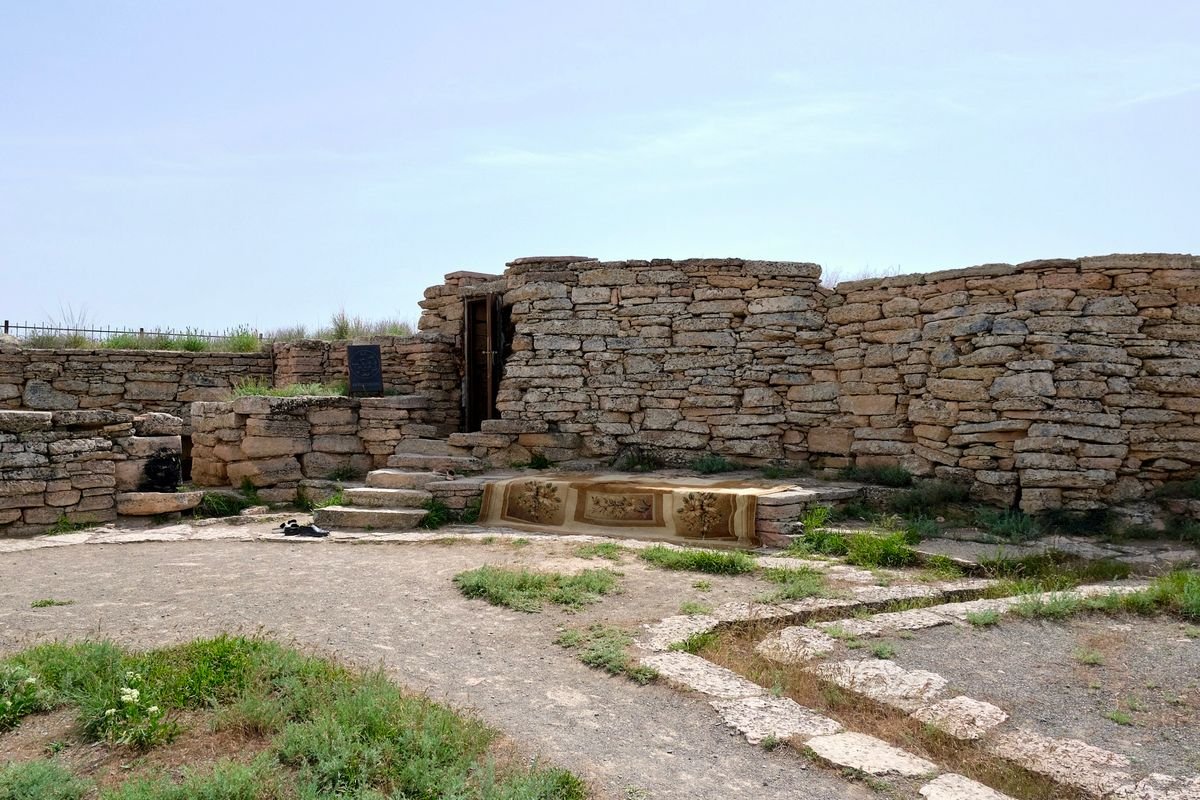
The Shopan Ata complex is located along an ancient caravan route that once connected Mangystau with the historic region of Khorezm, making it not only a place of worship but also a significant waypoint for travelers and traders. Situated near Senek village, the site forms an expansive necropolis with more than 1,600 monuments, including traditional stone grave markers such as sandyk tas, koy tas, and kulpytas, along with enclosed burial spaces that reflect centuries of ritual practice and craftsmanship. At the heart of the complex lies the underground mosque, a thoughtfully designed structure consisting of 12 interconnected rooms. Each chamber served a specific purpose—some were used for prayer and religious ceremonies, others for teaching and spiritual instruction, while a few supported everyday needs of those who lived or stayed there.
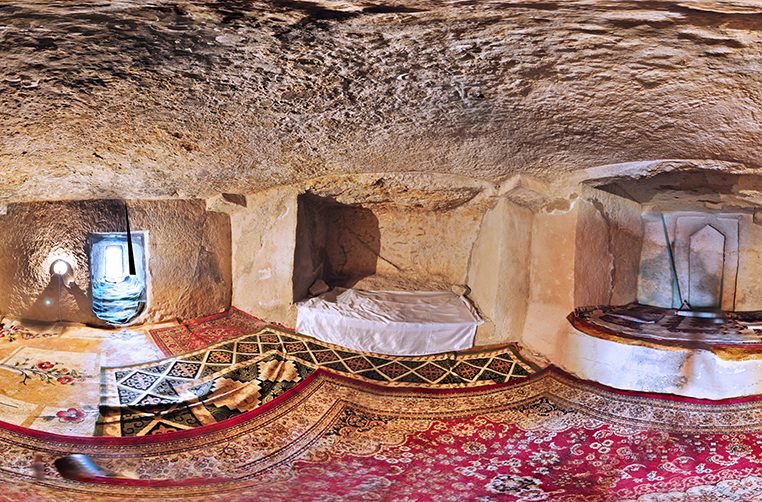
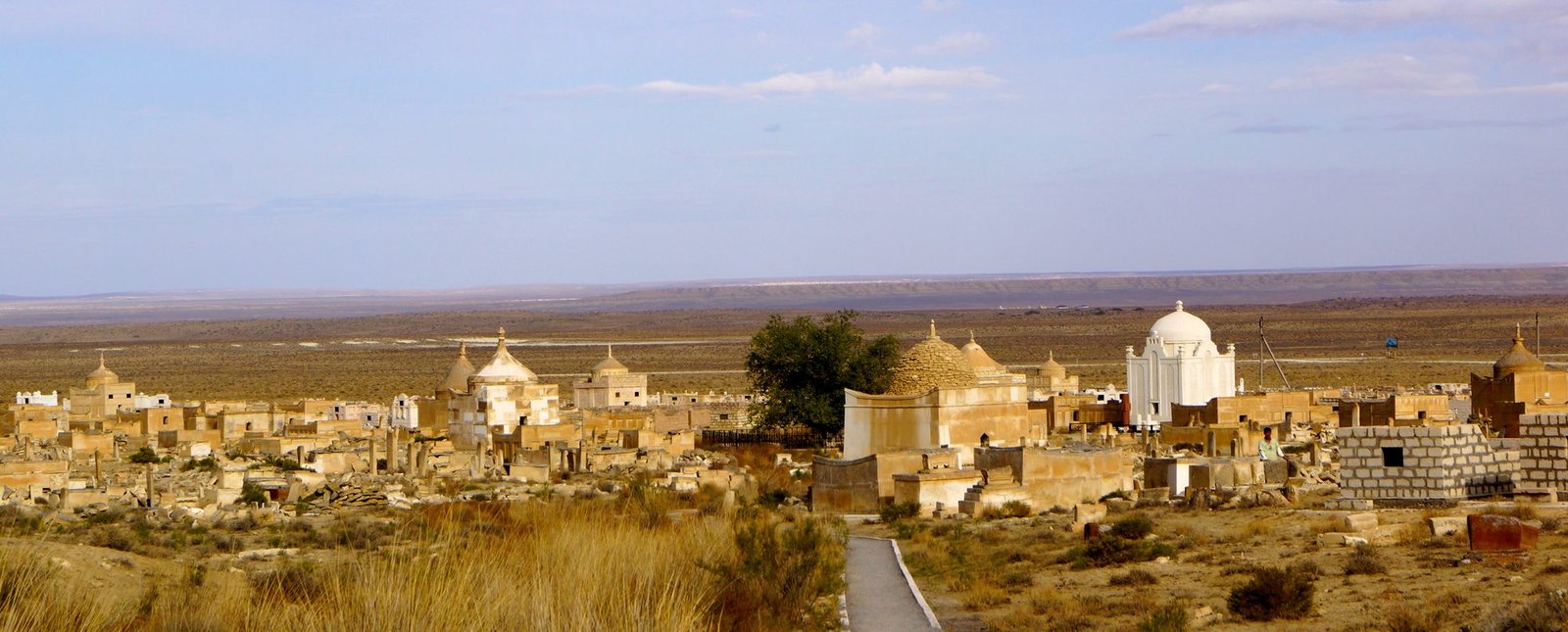
This multifunctional layout highlights the mosque’s role as both a spiritual and community center. The site also accommodates pilgrims, offering resting areas, a well for water, and even a second underground mosque constructed later with a separate entrance. Shopan Ata is traditionally believed to have been a disciple of Khoja Ahmed Yasawi, the influential Sufi thinker whose teachings shaped Islam across Central Asia. In local belief, Shopan Ata is revered for harmonizing earlier Tengri traditions with Islamic practices, creating a spiritual legacy that continues to inspire devotion today.
Beket Ata — Scholar, Builder, and Spiritual Leader
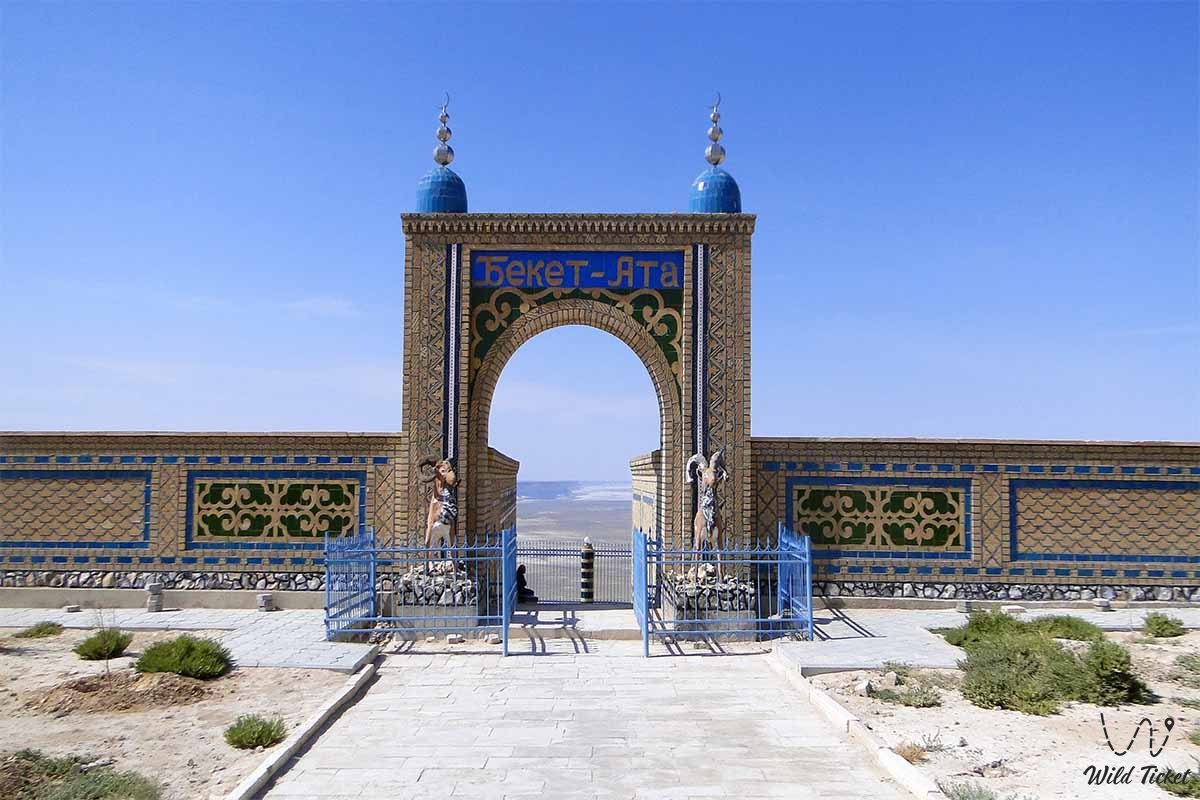
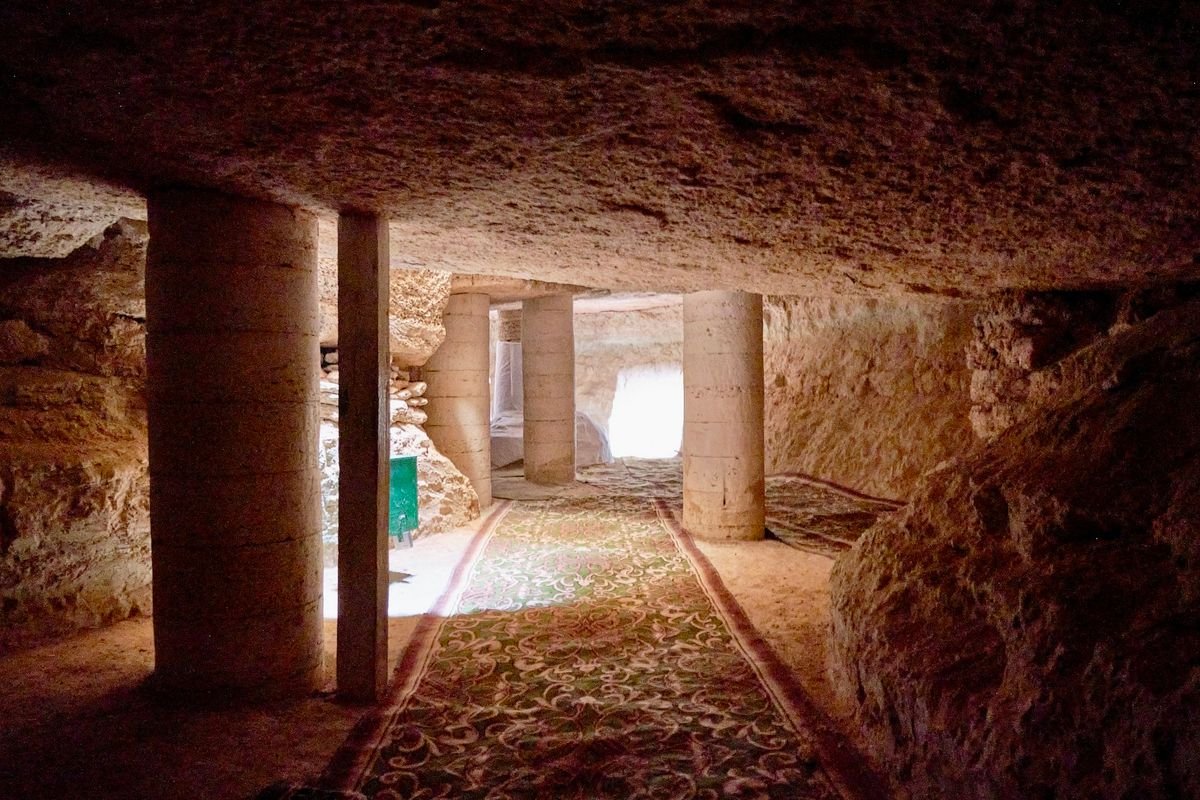
Carved into the chalk cliffs of the Oglandy gorge in Mangystau, the Beket Ata underground mosque is one of the most revered spiritual sites in western Kazakhstan. Dating back to the 18th and 19th centuries, the mosque is a remarkable example of how architecture can harmonize with nature. Hewn directly into the rock, the structure consists of four rounded chambers, each thoughtfully designed to serve both religious and communal purposes. The main chamber is the spiritual heart of the complex, featuring a sacred wooden pillar that holds deep symbolic significance. A mihrab carved into the wall indicates the direction of prayer, while a carefully positioned opening in the dome allows natural light to filter in, softly illuminating the interior and creating a serene, contemplative atmosphere.
One of the inner chambers houses the burial site of Beket Ata himself, making the mosque not only a place of worship but also a site of pilgrimage and reverence. Beket Ata, formally known as Beket Myrzagululy, is remembered as a distinguished religious teacher, skilled architect, and courageous warrior. He founded religious schools and designed underground mosques that functioned as centers for education, spiritual practice, and community gatherings. According to oral traditions, he also possessed healing abilities, and to this day, pilgrims visit the site seeking both spiritual guidance and relief from physical and emotional ailments.
A Living Heritage Awaiting Global Recognition
Together, these five underground mosques form a unique cultural and spiritual landscape unlike any other in Central Asia. Carved into rock and shaped by centuries of devotion, they stand as enduring symbols of faith, resilience, and architectural ingenuity. As they move closer to UNESCO World Heritage status, these sacred sites are gaining the international attention they deserve—offering the world a glimpse into Kazakhstan’s rich and layered past.
More to Read
All issues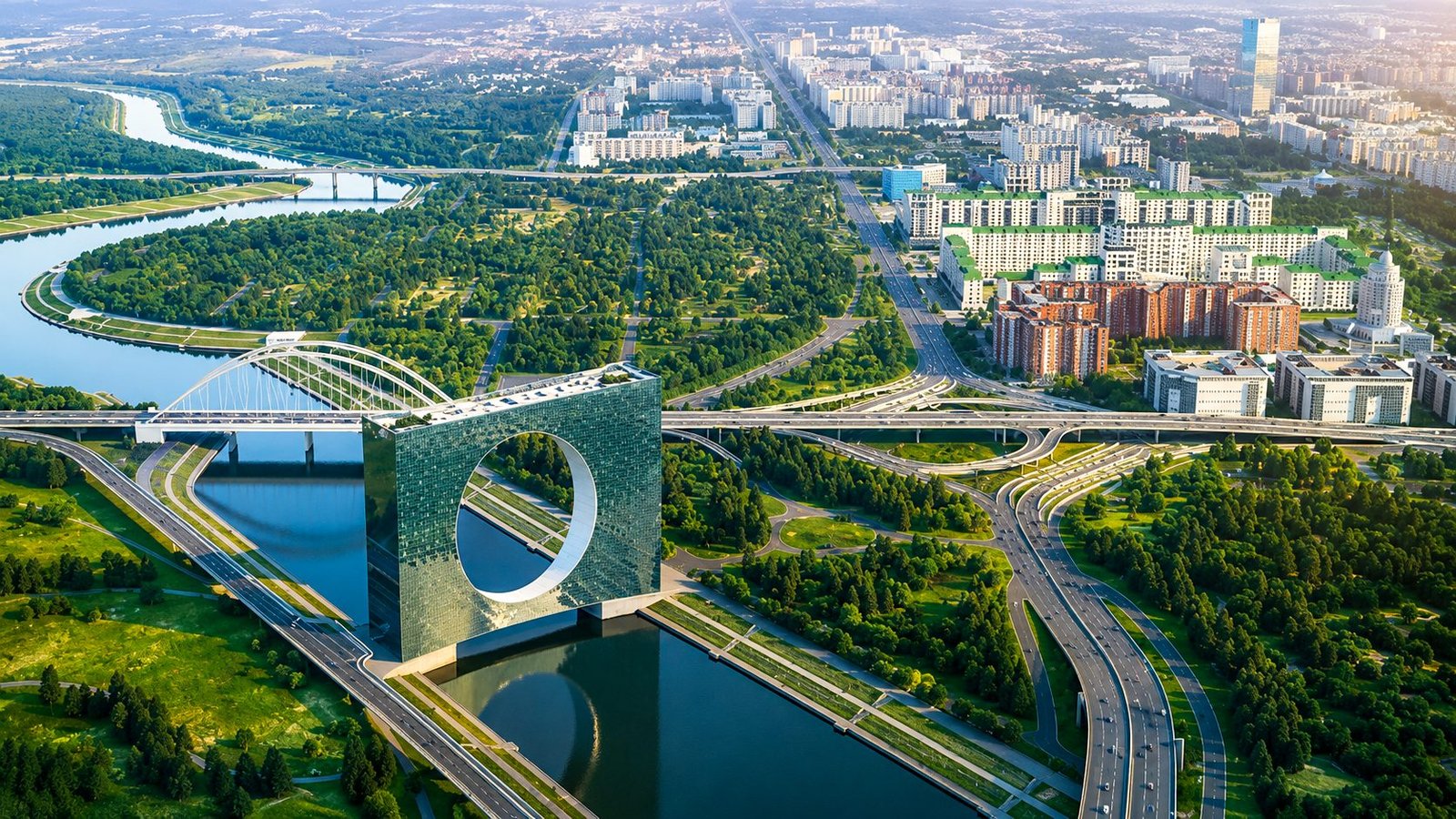
Tower of the Sun
A Futuristic Vision Rising Across Astana’s Ishim River
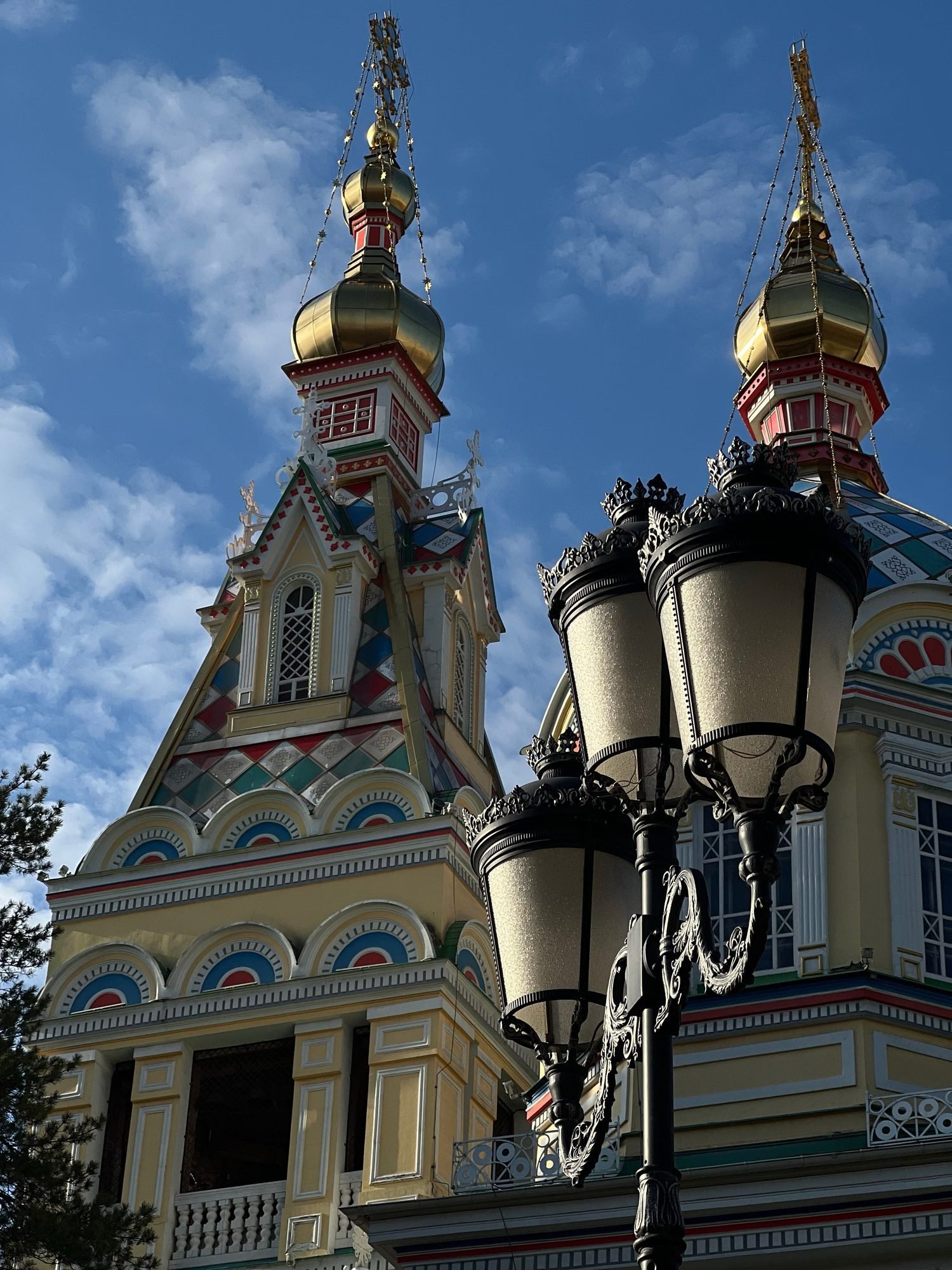
Ascension Cathedral — Almaty’s Timber Masterpiece — Where Orthodox Heritage, Timberwork & Seismic Ingenuity Meet
In the heart of Almaty, surrounded by the greenery of Panfilov Park, Ascension Cathedral rises with a distinctive combination of colourful domes, intricate detailing and…
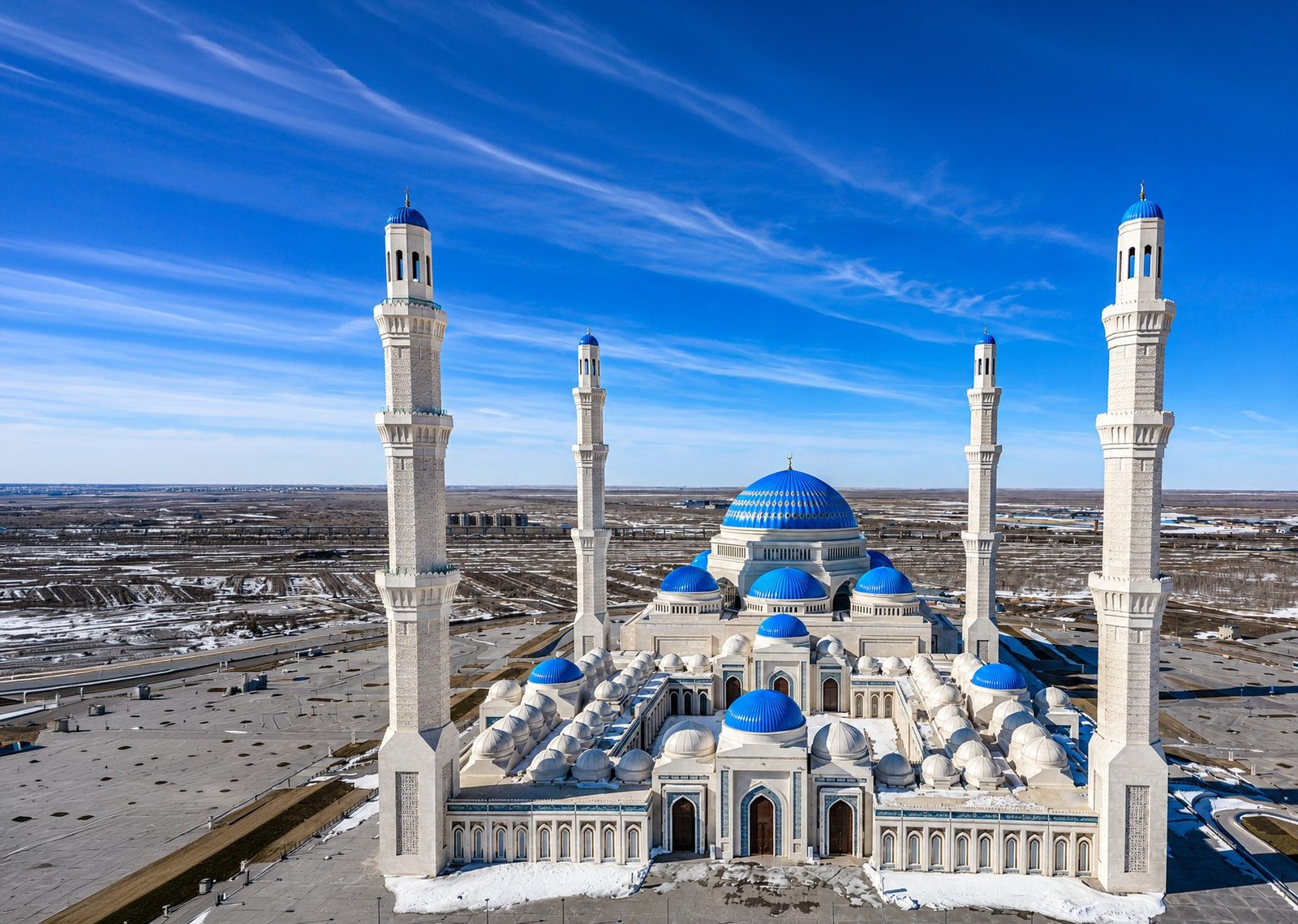
Hazret Sultan Mosque — A Monument of Faith & Kazakh Heritage in Astana
Rising prominently on the right bank of the Yesil River, the Hazret Sultan Mosque is among the most recognisable religious and architectural landmarks of Astana,…