

Triumphal Arch Mangilik El: A Landmark Reflecting Kazakhstan’s National Vision
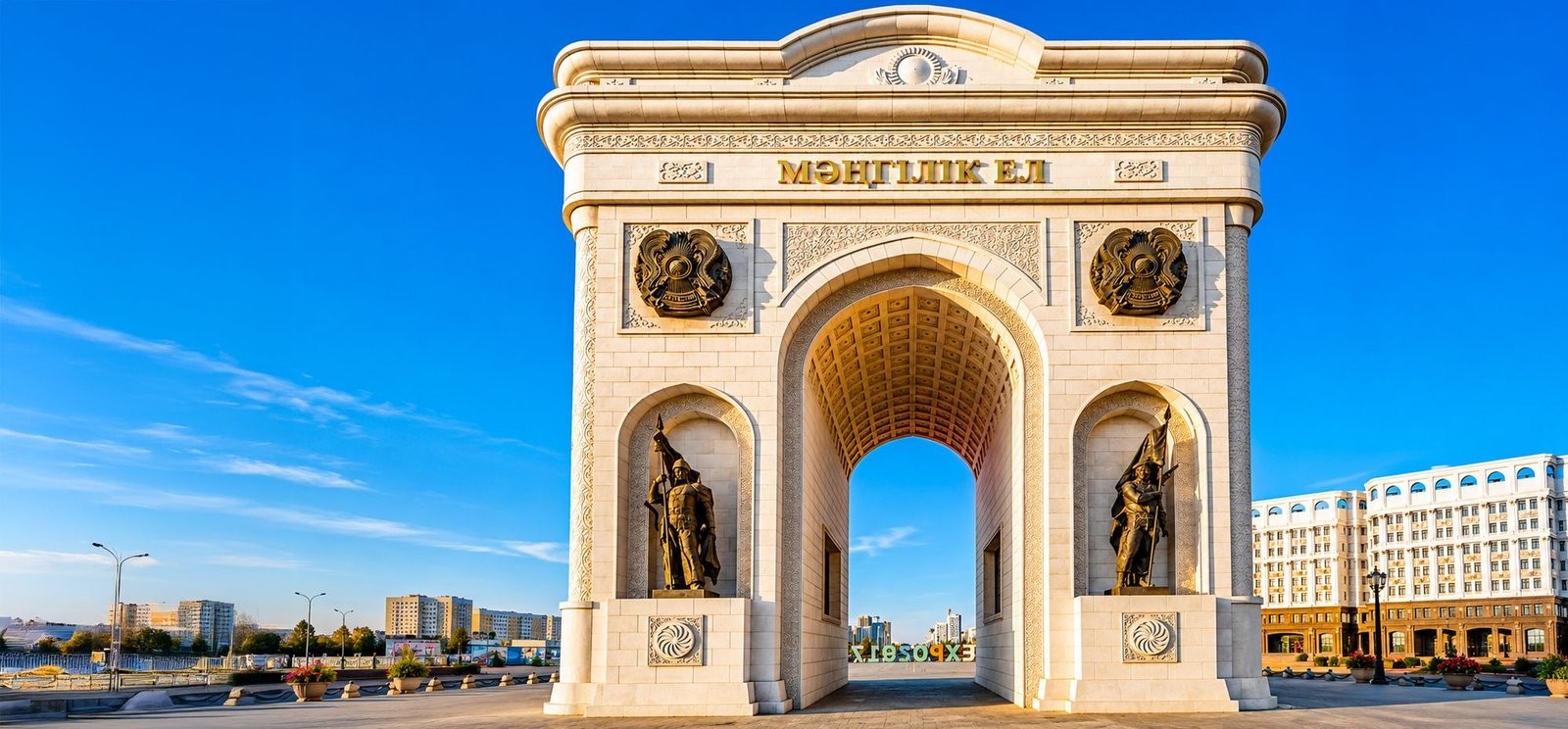
Standing proudly in the heart of Astana, the Triumphal Arch Mangilik El is one of Kazakhstan’s most recognizable national monuments. More than an architectural landmark, it serves as a powerful symbol of the country’s independence, cultural heritage, and aspirations for the future. Officially inaugurated on December 16, 2011, to commemorate the 20th anniversary of Kazakhstan’s independence, the arch reflects the nation’s journey from a newly sovereign state to a confident and modern nation. Inspired by the concept of “Mangilik El,” meaning “Eternal Nation,” the monument embodies Kazakhstan’s vision of enduring statehood, unity, and prosperity. Today, it stands as both a tourist attraction and a symbol of national pride, welcoming visitors and reminding citizens of the values upon which modern Kazakhstan is built.
Historical Background The idea for the Triumphal Arch Mangilik El was initiated by Kazakhstan’s first President, Nursultan Nazarbayev, as part of broader efforts to strengthen national identity and commemorate the country’s achievements since independence. The monument was unveiled during celebrations marking two decades of sovereignty following Kazakhstan’s independence from the Soviet Union in 1991. Its inauguration represented not only a celebration of past accomplishments but also a declaration of confidence in the nation’s future. Situated along one of Astana’s major avenues, the arch has become an important landmark within the rapidly developing capital city.
Architectural Design & Construction
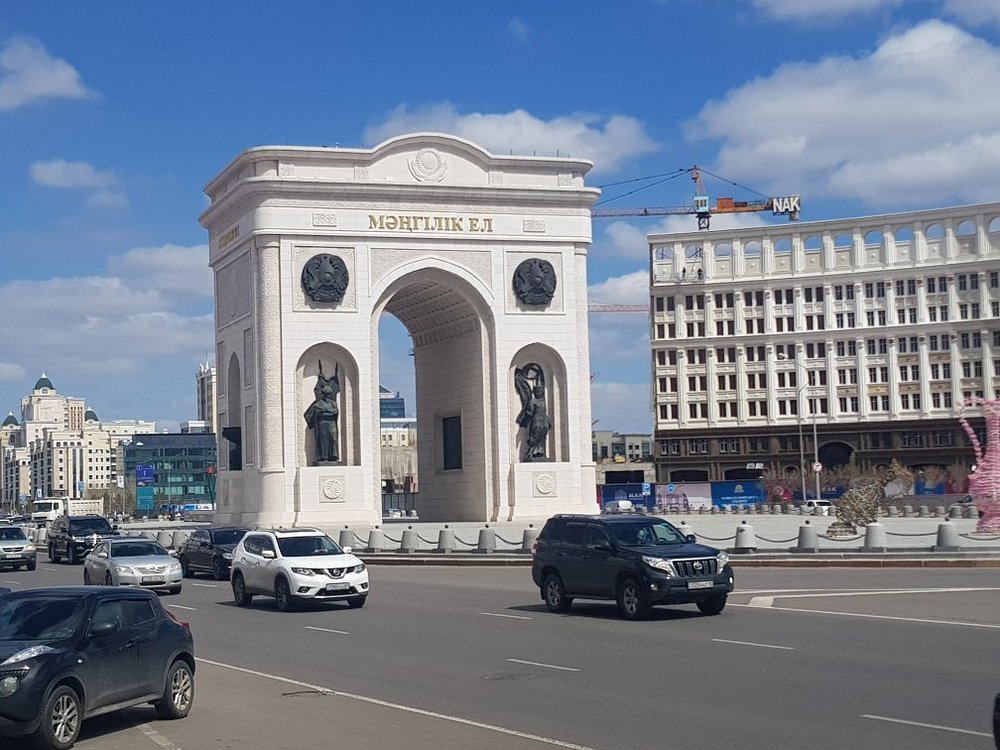
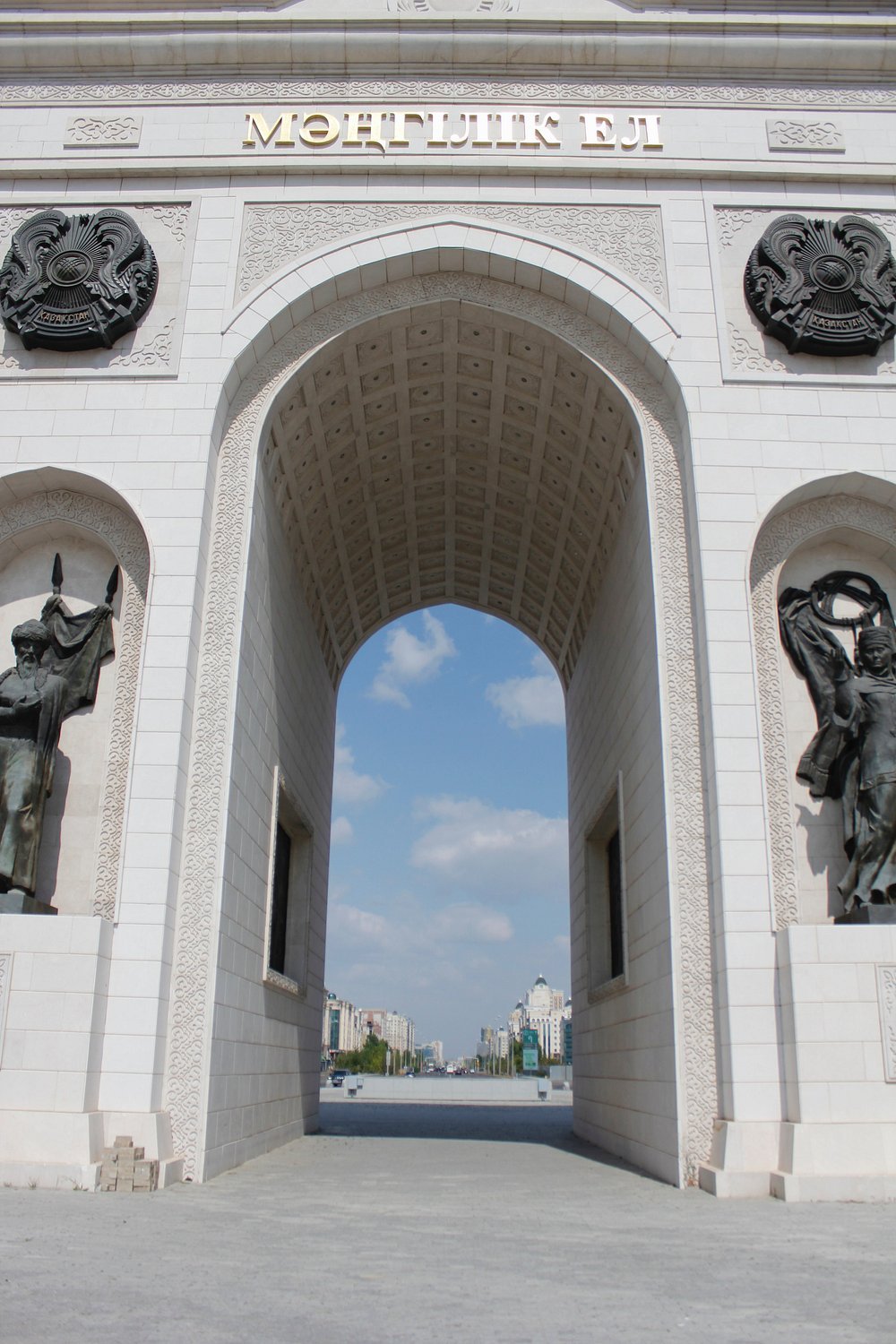
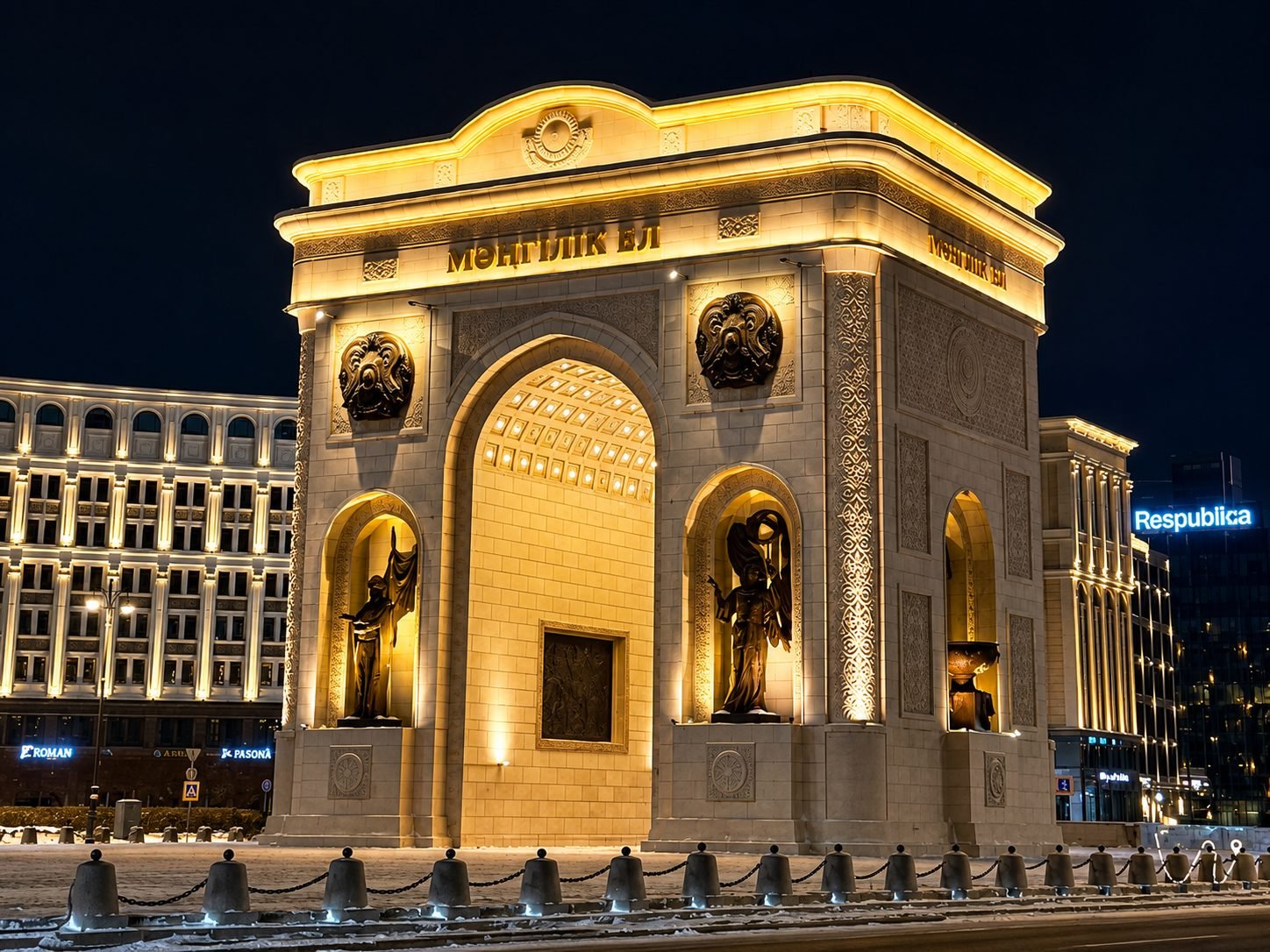
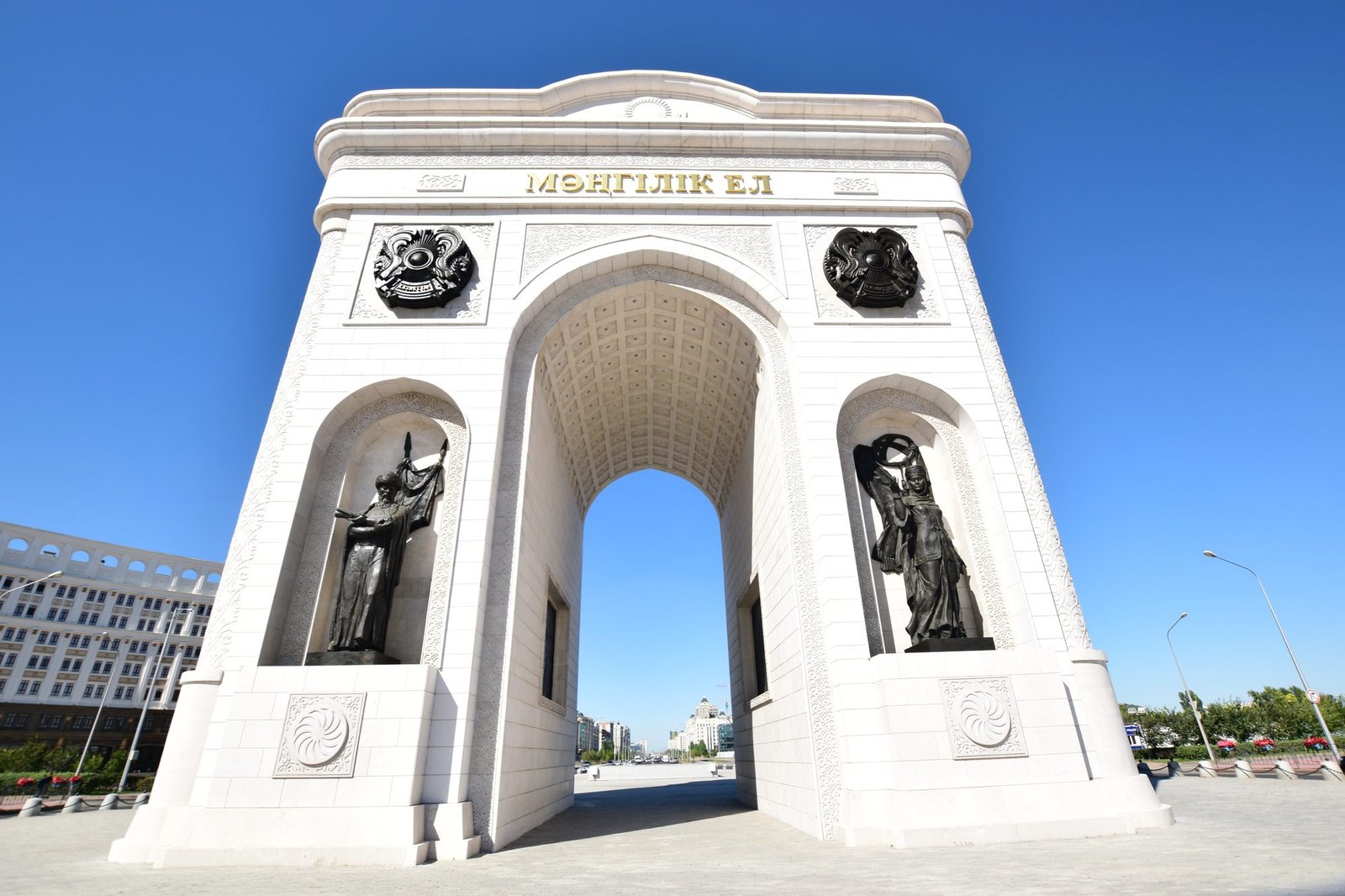
The Triumphal Arch Mangilik El was designed by renowned sculptor Sagyndyk Dzhambulatov in collaboration with architect Kanat Kurganov. Their vision combined traditional Kazakh symbolism with modern architectural aesthetics. The structure rises exactly 20 meters above ground level, intentionally reflecting the 20 years of Kazakhstan’s independence at the time of its inauguration. Constructed using high-quality granite and marble, the monument exudes durability, elegance, and grandeur. Its clean lines and balanced proportions create a contemporary interpretation of the classical triumphal arch, a form historically used around the world to commemorate significant national achievements and victories. Symbolism Behind the Name “Mangilik El” The phrase “Mangilik El” translates to “Eternal Nation” and represents one of Kazakhstan’s most significant national concepts.
The idea promotes the continuity of Kazakh statehood, preservation of cultural heritage, national unity, and long-term development. It emphasizes the values that connect Kazakhstan’s past, present, and future generations. By naming the monument Mangilik El, Kazakhstan sought to create a physical representation of these ideals and establish a lasting symbol of national resilience and independence.
The Four Guardians of the Arch
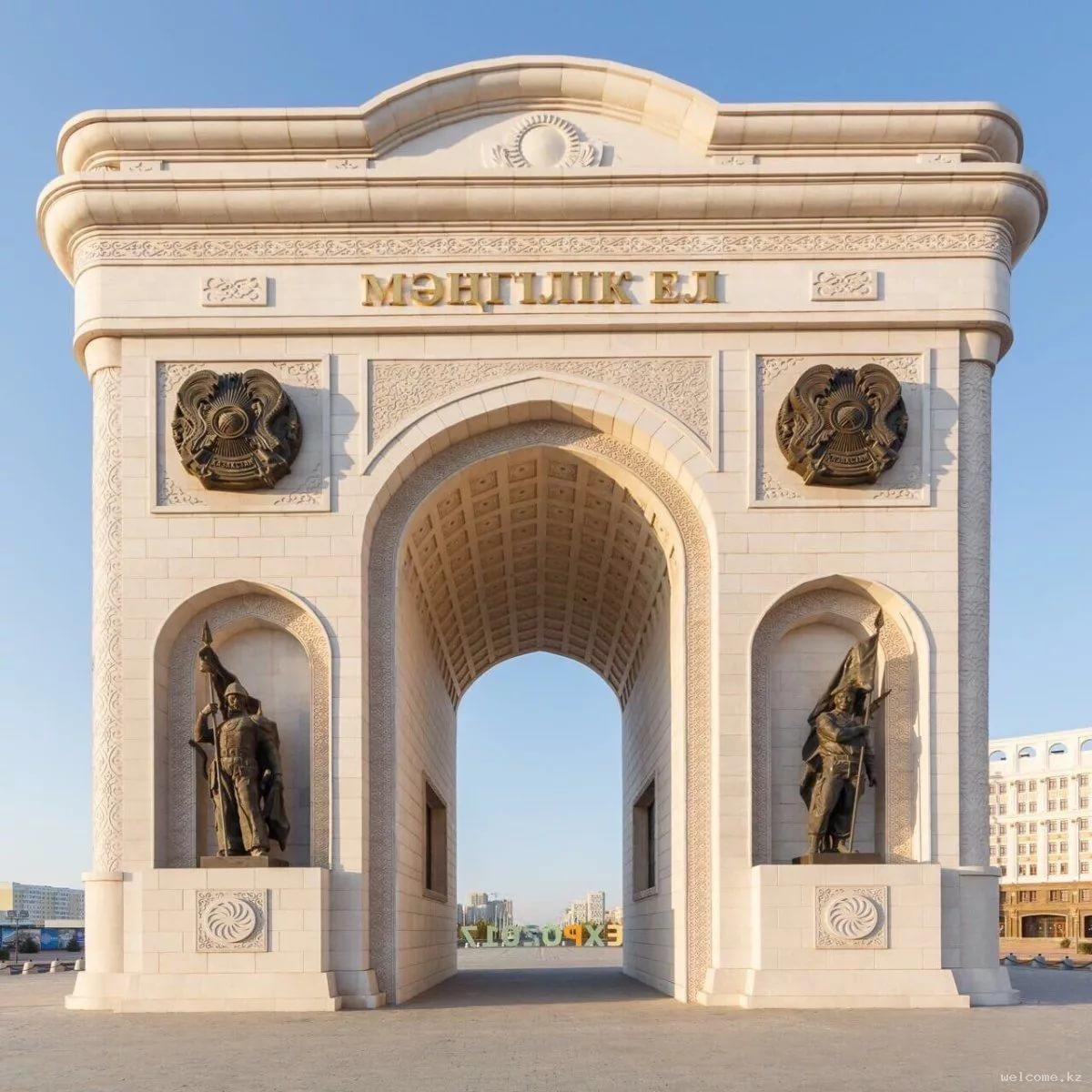
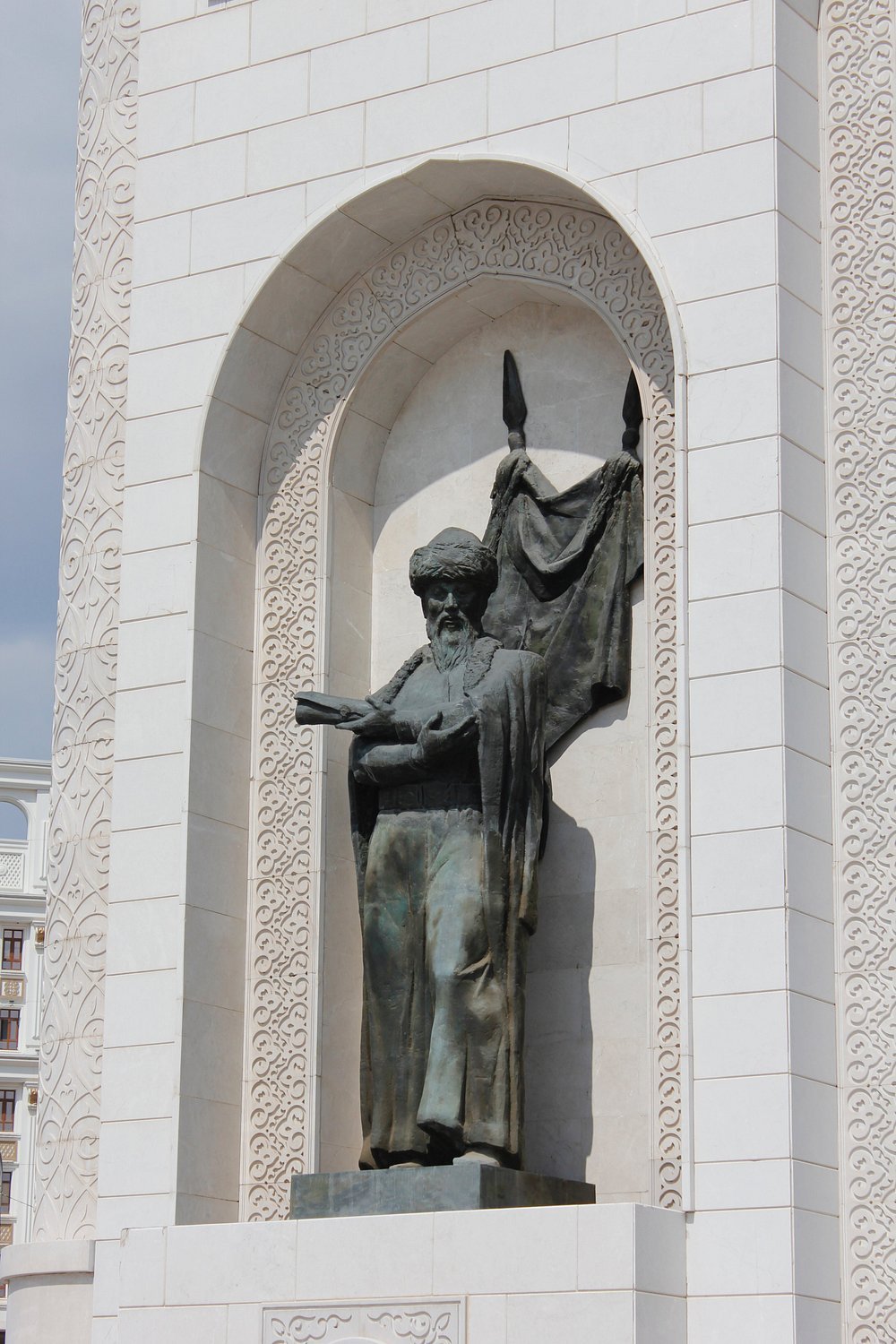
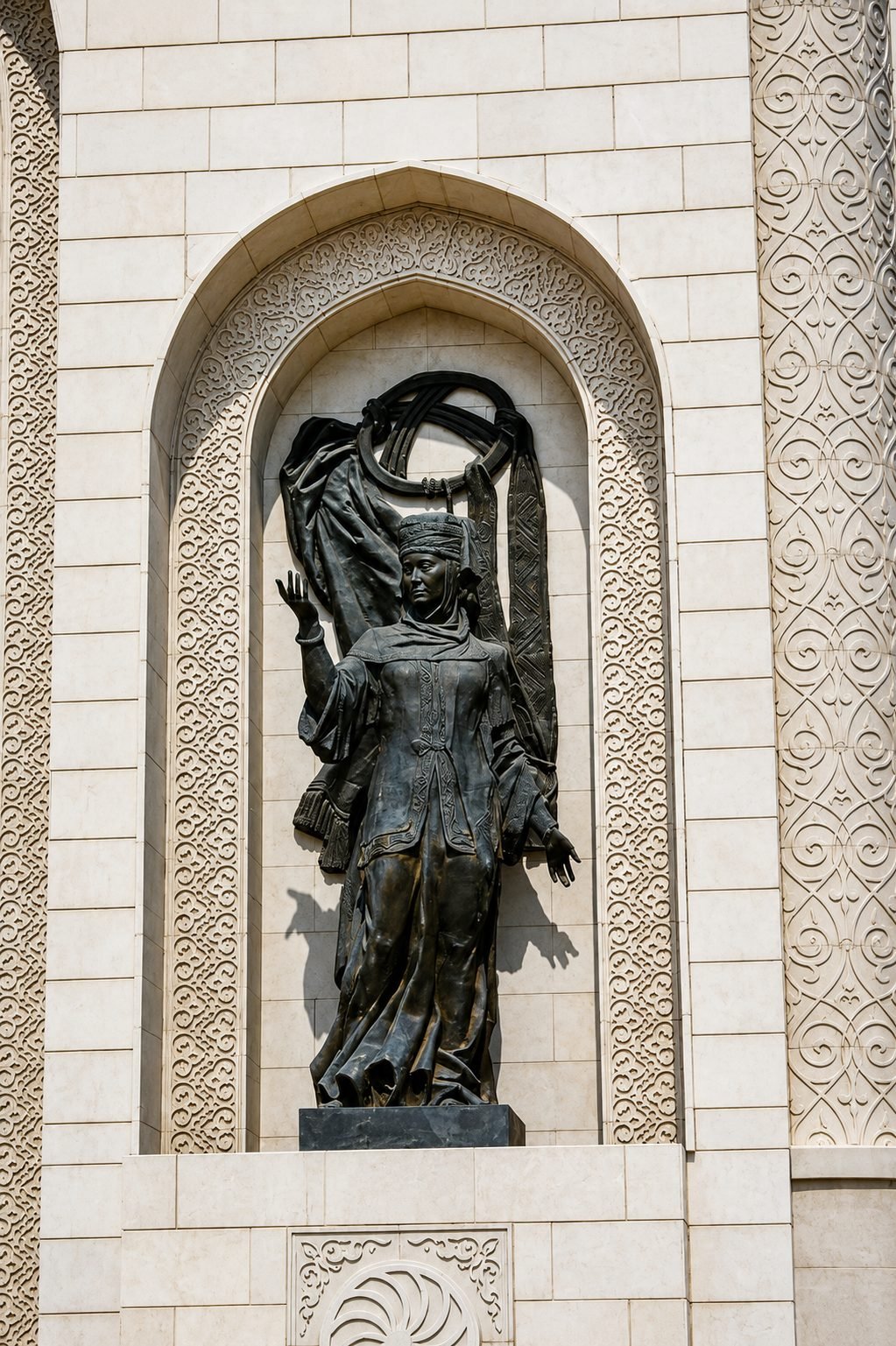
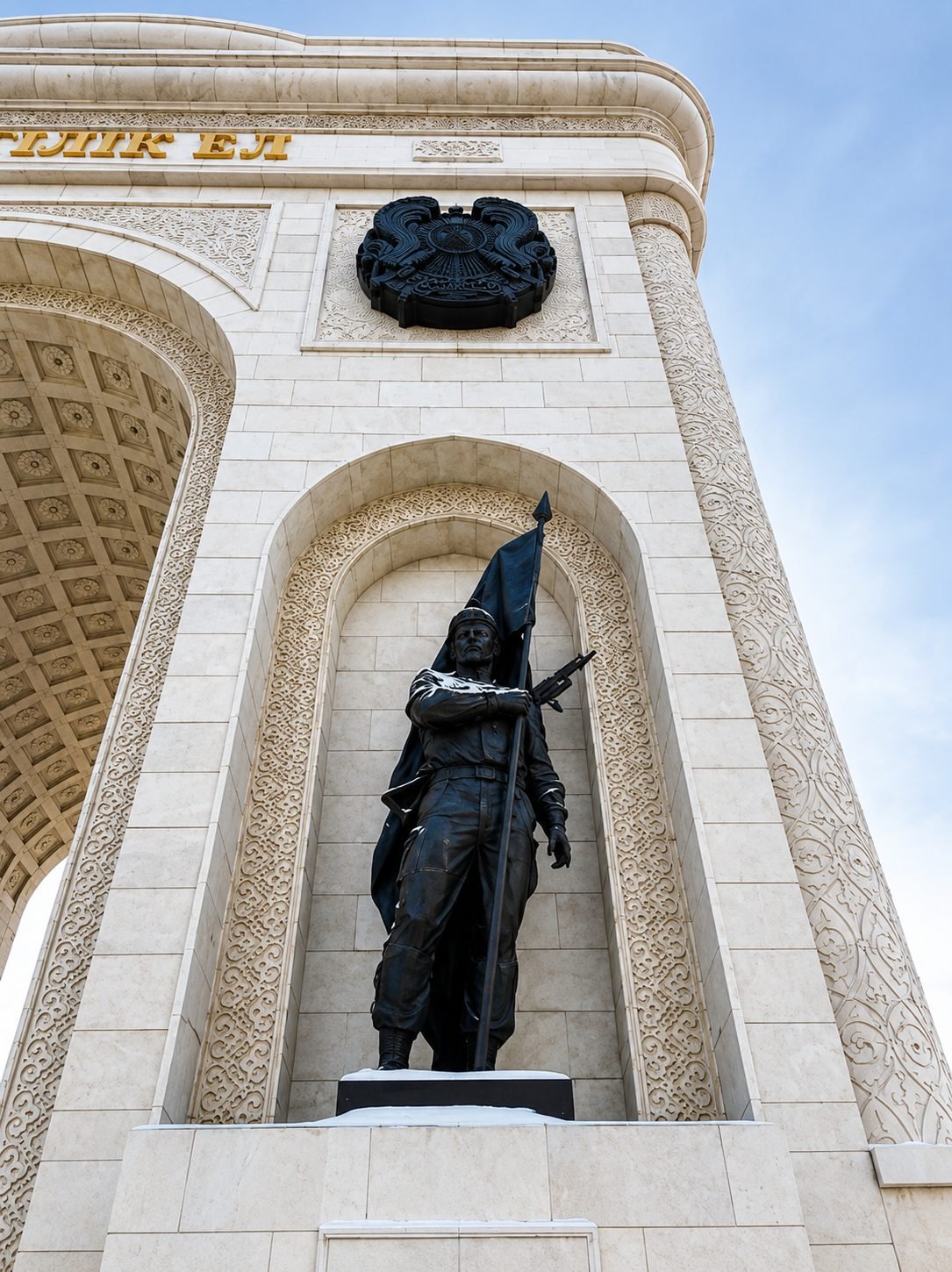
One of the monument’s most distinctive features is the collection of four symbolic sculptures positioned around its base.
The Elder
Representing wisdom and experience, the Elder symbolizes the guidance of previous generations and the importance of preserving traditional values.
The Mother-Woman
The female figure embodies kindness, compassion, family values, and the nurturing role of women within Kazakh society. She represents the continuity of life and cultural traditions.
The Batyr (Kazakh Warrior)
The traditional warrior reflects the courage and determination of Kazakhstan’s historical defenders. It honors the nation’s nomadic heritage and centuries-long struggle to protect its lands.
The Modern Soldier
Standing alongside the historical warrior, the modern soldier symbolizes Kazakhstan’s contemporary armed forces and their role in safeguarding national sovereignty and security. Together, these four figures create a powerful narrative connecting the nation’s past, present, and future.
National Symbols Incorporated into the Monument
The Triumphal Arch integrates several key symbols of Kazakhstan’s statehood. At the top of the structure, visitors can observe representations of the national flag and state emblem, emphasizing the monument’s role as a celebration of independence and sovereignty. The exterior surfaces feature traditional Kazakh ornamental motifs that showcase the country’s rich artistic and cultural heritage. These decorative elements connect the monument to centuries of nomadic traditions and craftsmanship.
The Meaning of Tay-Kazan & Qalkan
Additional symbolic features enrich the monument’s cultural significance.
Tay-Kazan
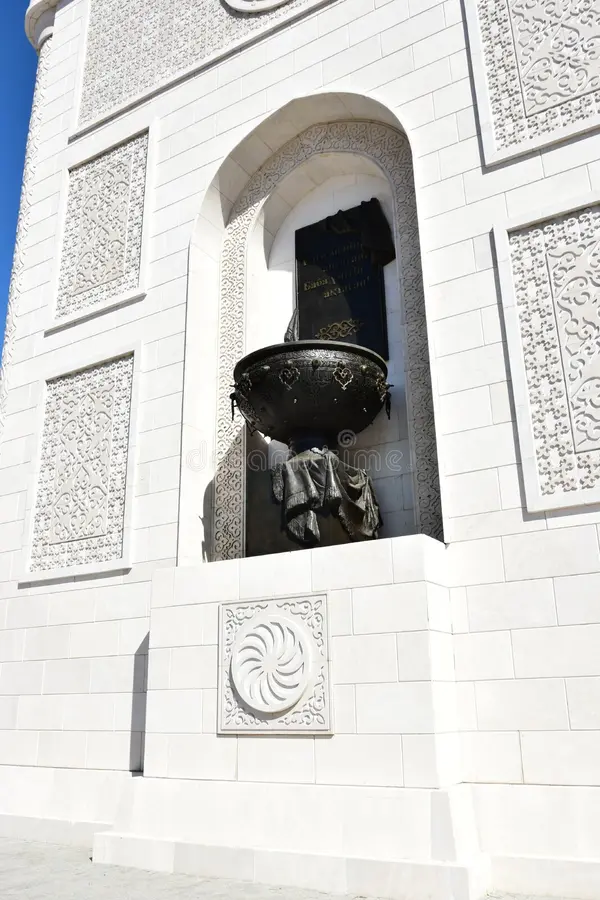
Large ceremonial cauldrons known as Tay-Kazan are placed on both sides of the arch. In Kazakh culture, the cauldron symbolizes hospitality, abundance, unity, and communal harmony.
Qalkan
Positioned at the apex of the monument is the Qalkan, a traditional Kazakh shield. This historic weapon symbolizes protection, strength, resilience, and readiness to defend the nation. These elements reinforce themes of peace, prosperity, and security.
Exploring the Interior
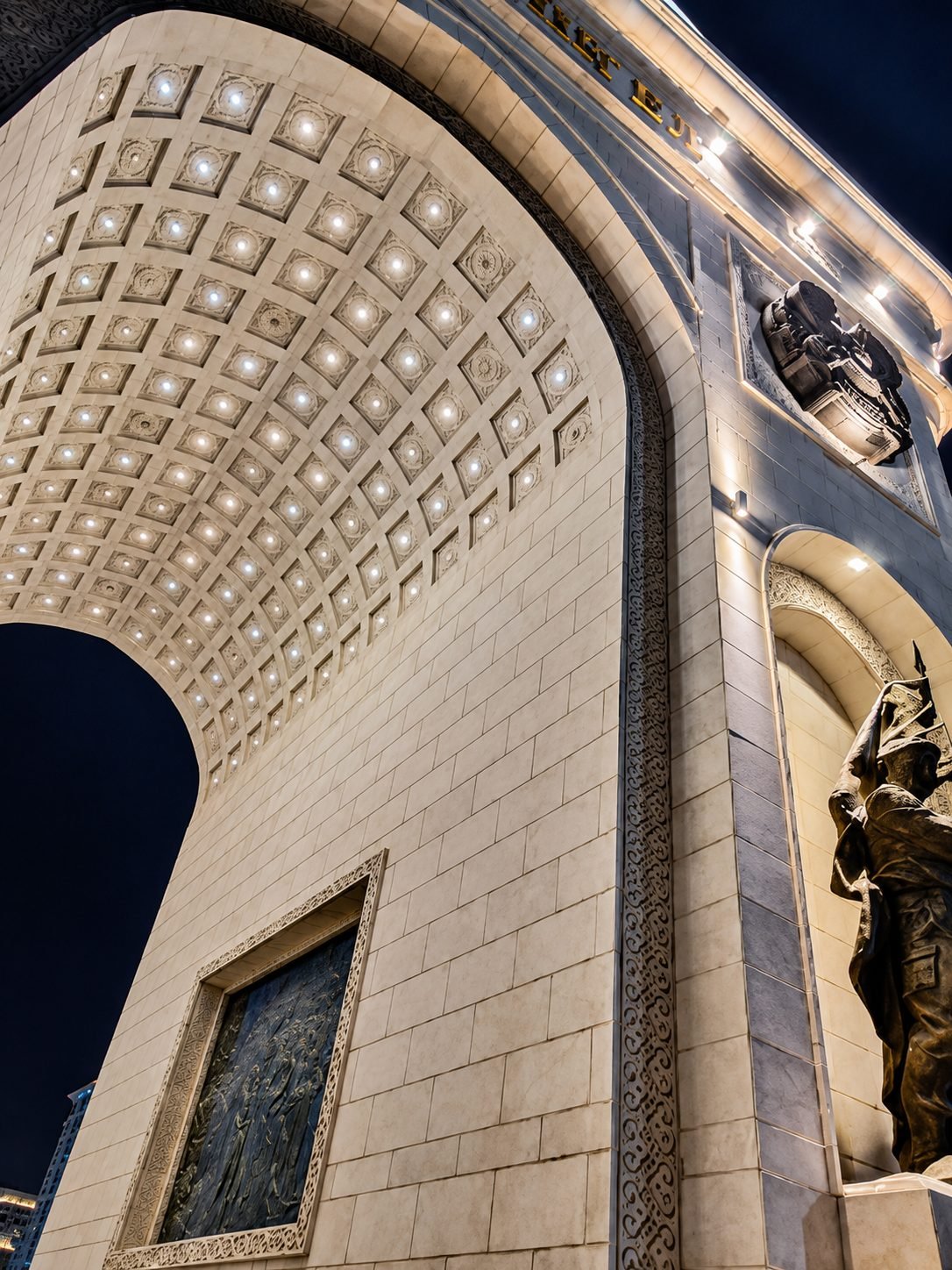
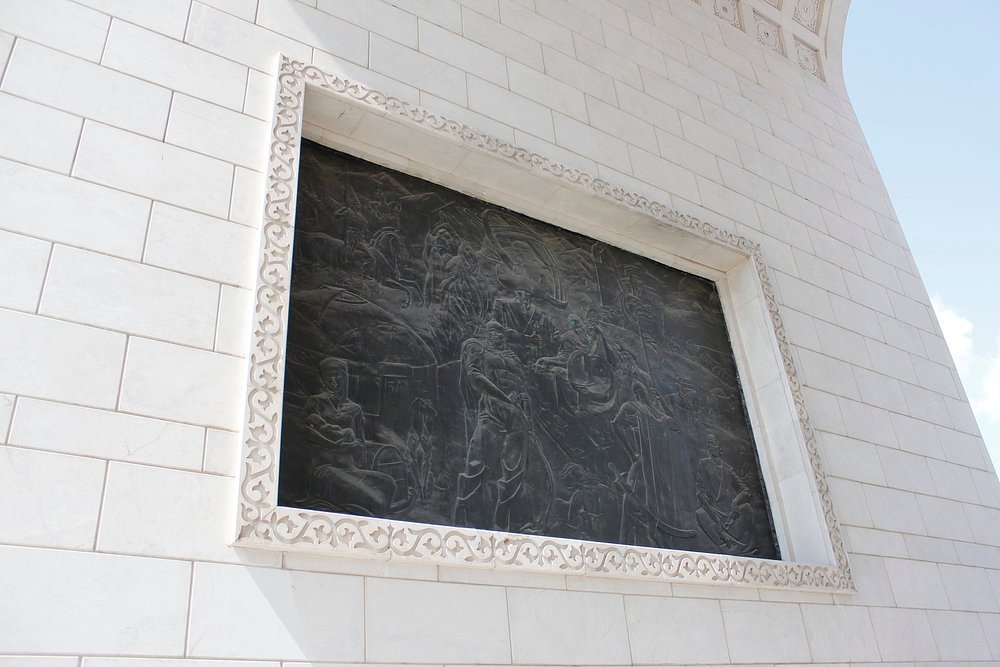
While many visitors admire the arch from the outside, its interior contains equally meaningful features. The walls are adorned with relief panels and historical inscriptions that highlight key moments in Kazakhstan’s development. These artistic displays provide insight into the nation’s political, cultural, and historical evolution. One of the most notable interior elements is the bas-relief depicting the Declaration of State Sovereignty of the Kazakh SSR. This historic document represented a crucial milestone on Kazakhstan’s path toward full independence. Together, these exhibits transform the monument into an educational space that celebrates the country’s modern history.
Observation Deck & Visitor Experience
A unique aspect of the Triumphal Arch Mangilik El is its observation platform. Visitors can ascend via a spiral staircase to reach the viewing deck located approximately 21.5 meters above ground. From this elevated position, guests enjoy panoramic views of Astana’s modern skyline, including government buildings, residential developments, and major urban landmarks. The observation area also includes a small multimedia exhibition space where visitors can learn more about the monument’s symbolism and Kazakhstan’s national development. For many tourists, the observation deck provides one of the best vantage points from which to appreciate the architectural transformation of the capital city.
Accessibility & Public Facilities
The monument has been designed to accommodate public access while ensuring visitor safety. Given its location near major roadways, an underground pedestrian crossing was constructed to provide secure access to the site. This infrastructure allows visitors to reach the monument without disrupting traffic flow. Since opening to the public in 2017, the arch has become a popular destination for residents, students, tourists, and official delegations.
A Cultural & Educational Landmark
Beyond its architectural significance, the Triumphal Arch serves as a center for cultural education and national reflection. School groups frequently visit the site to learn about Kazakhstan’s independence and national symbols. The monument is also featured in tourism campaigns, cultural events, and official ceremonies celebrating important national holidays. Its educational role helps strengthen public understanding of Kazakhstan’s history and values.
Role in Astana’s Urban Landscape
Astana is known for its futuristic architecture and ambitious urban planning. Within this modern cityscape, the Triumphal Arch Mangilik El occupies a special position. While many structures in the capital symbolize economic growth and innovation, the arch emphasizes historical continuity and national identity. It serves as a visual gateway connecting Kazakhstan’s rich heritage with its aspirations for the future. The monument complements other iconic landmarks in the capital and contributes to Astana’s reputation as one of Central Asia’s most architecturally distinctive cities.
Tourism Significance
For international visitors, the Triumphal Arch offers a concise introduction to Kazakhstan’s national story. Its blend of symbolism, architecture, history, and panoramic views makes it a valuable destination for cultural tourism. Visitors gain insight into the values that shape modern Kazakhstan while enjoying one of Astana’s most photographed landmarks. As tourism continues to grow, the monument remains an important attraction for travelers seeking to understand the country’s identity and development. The Triumphal Arch Mangilik El stands as one of Kazakhstan’s most meaningful national monuments. Through its architecture, symbolism, historical references, and public accessibility, it encapsulates the essence of Kazakhstan’s independence and nation-building journey.
More than a commemorative structure, it represents the enduring vision of an “Eternal Nation”—a country rooted in its traditions, proud of its achievements, and confident in its future. As Astana continues to evolve, the arch remains a timeless reminder of Kazakhstan’s unity, resilience, and aspirations for generations to come.
More to Read
All issues
Tower of the Sun
A Futuristic Vision Rising Across Astana’s Ishim River
Ascension Cathedral — Almaty’s Timber Masterpiece — Where Orthodox Heritage, Timberwork & Seismic Ingenuity Meet
In the heart of Almaty, surrounded by the greenery of Panfilov Park, Ascension Cathedral rises with a distinctive combination of colourful domes, intricate detailing and…
Hazret Sultan Mosque — A Monument of Faith & Kazakh Heritage in Astana
Rising prominently on the right bank of the Yesil River, the Hazret Sultan Mosque is among the most recognisable religious and architectural landmarks of Astana,…