

Reviving History: Kazakhstan’s 2026 Plan to Restore 39 Iconic Heritage Sites
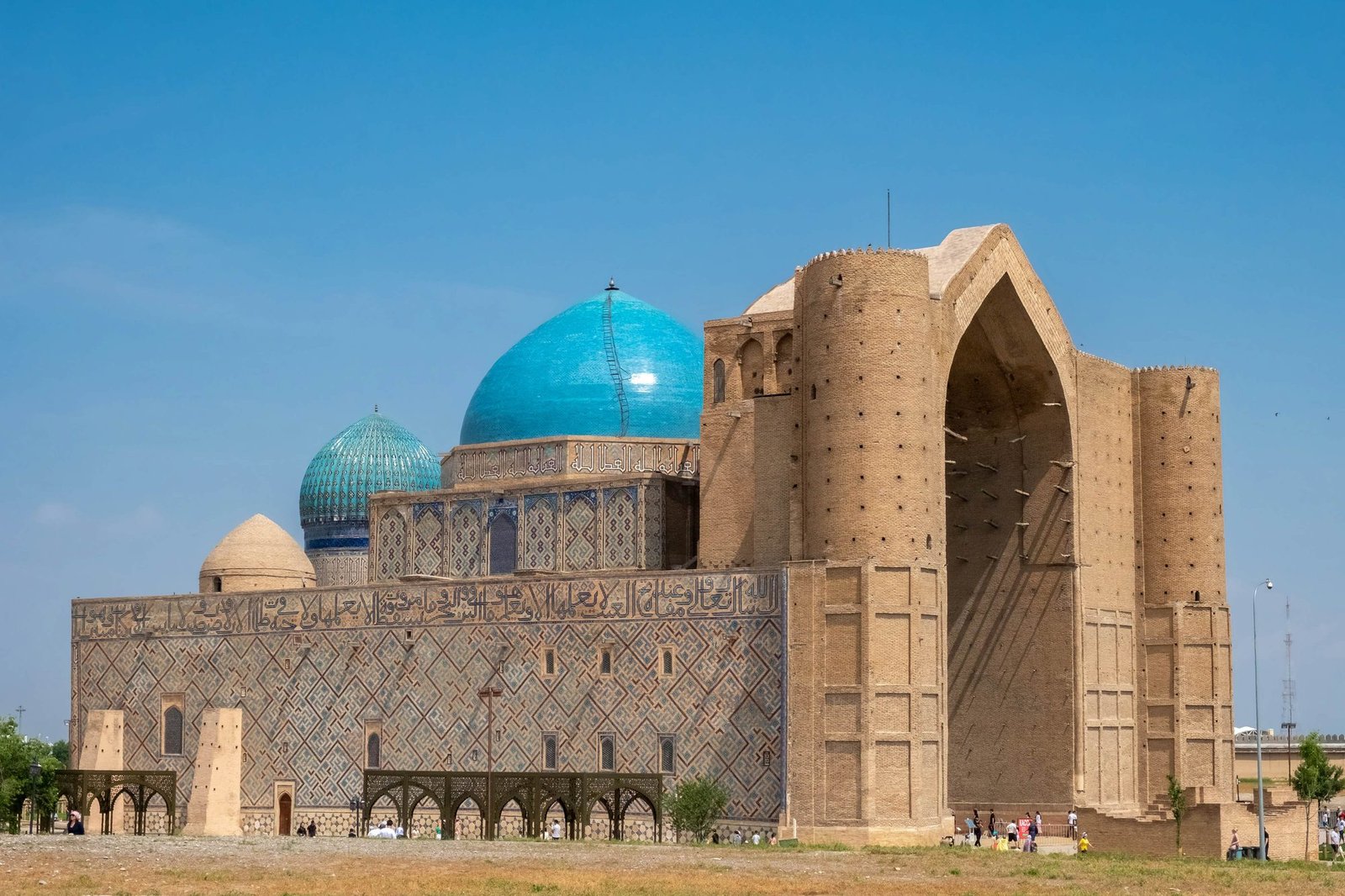
Kazakhstan will undertake one of its most comprehensive cultural restoration initiatives to date, launching scientific conservation and design-led restoration works on 39 historical and cultural monuments across the country. Approved by the Ministry of Culture and Information’s Committee for Culture, the program goes beyond preservation alone. It represents a deliberate act of designing continuity — where architecture, archaeology, landscape, and identity converge. Spanning centuries and styles, the selected sites include medieval mausoleums, Silk Road cities, ancient settlements, early Iron Age burial mounds, and urban architectural landmarks from the late 19th and early 20th centuries. Together, they form a spatial narrative of Kazakhstan’s past, carefully reinterpreted through contemporary conservation methodologies and heritage design principles.
Restoration as Design Practice
In the modern context, restoration is no longer understood as simple repair. It is a multidisciplinary design process that integrates architectural history, structural engineering, material science, landscape planning, and cultural storytelling. Kazakhstan’s 2026 program reflects this shift, emphasizing scientific restoration — a design approach rooted in research, authenticity, and respect for original form. Each site requires a tailored strategy: stabilizing ancient mud-brick structures, conserving stone mausoleums, reinforcing timber and masonry urban buildings, or decontextualizing archaeological landscapes within modern environments. The goal is not to freeze monuments in time, but to allow them to function as living cultural spaces.
Sacred Geometry and Spiritual Architecture
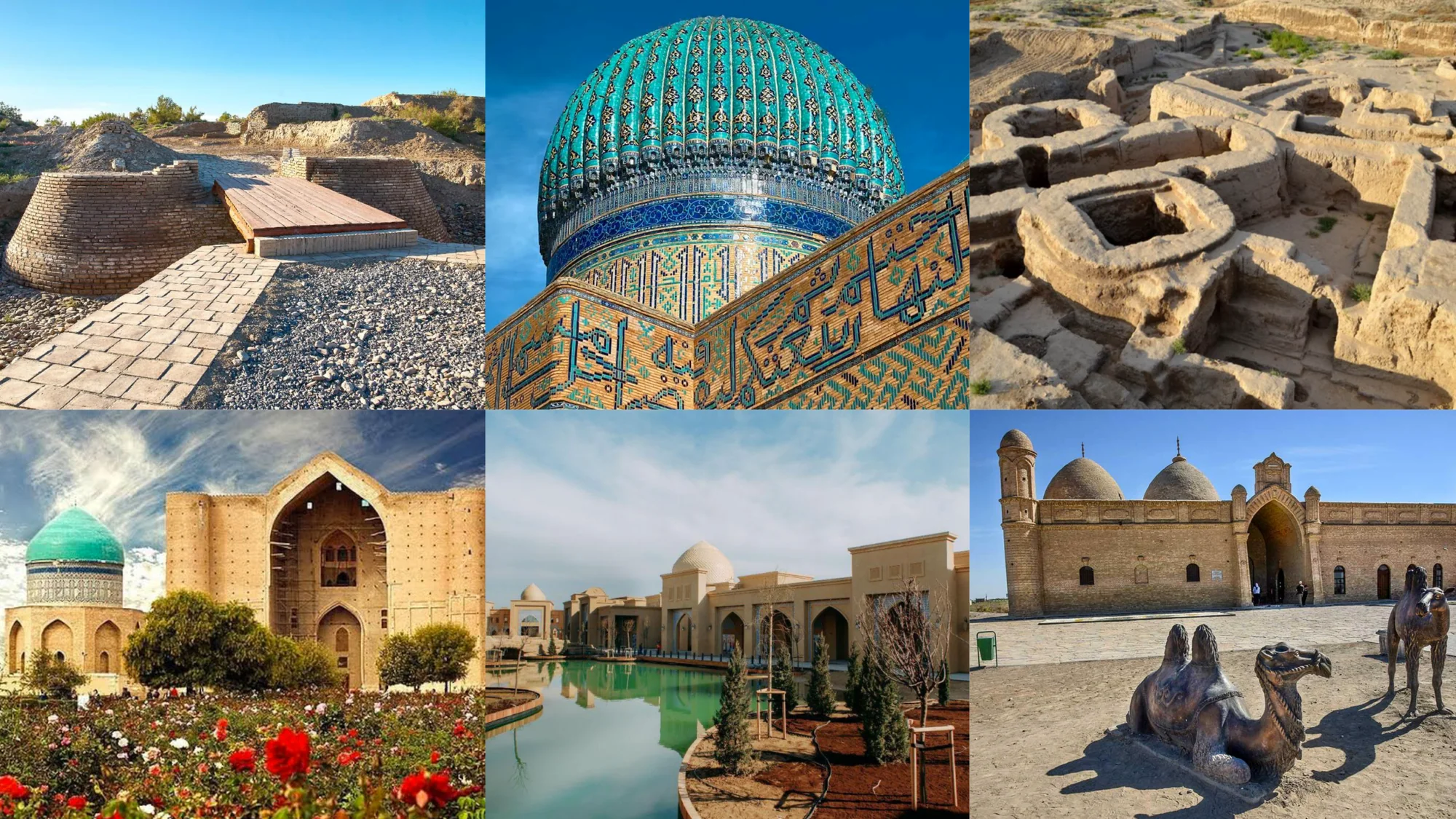
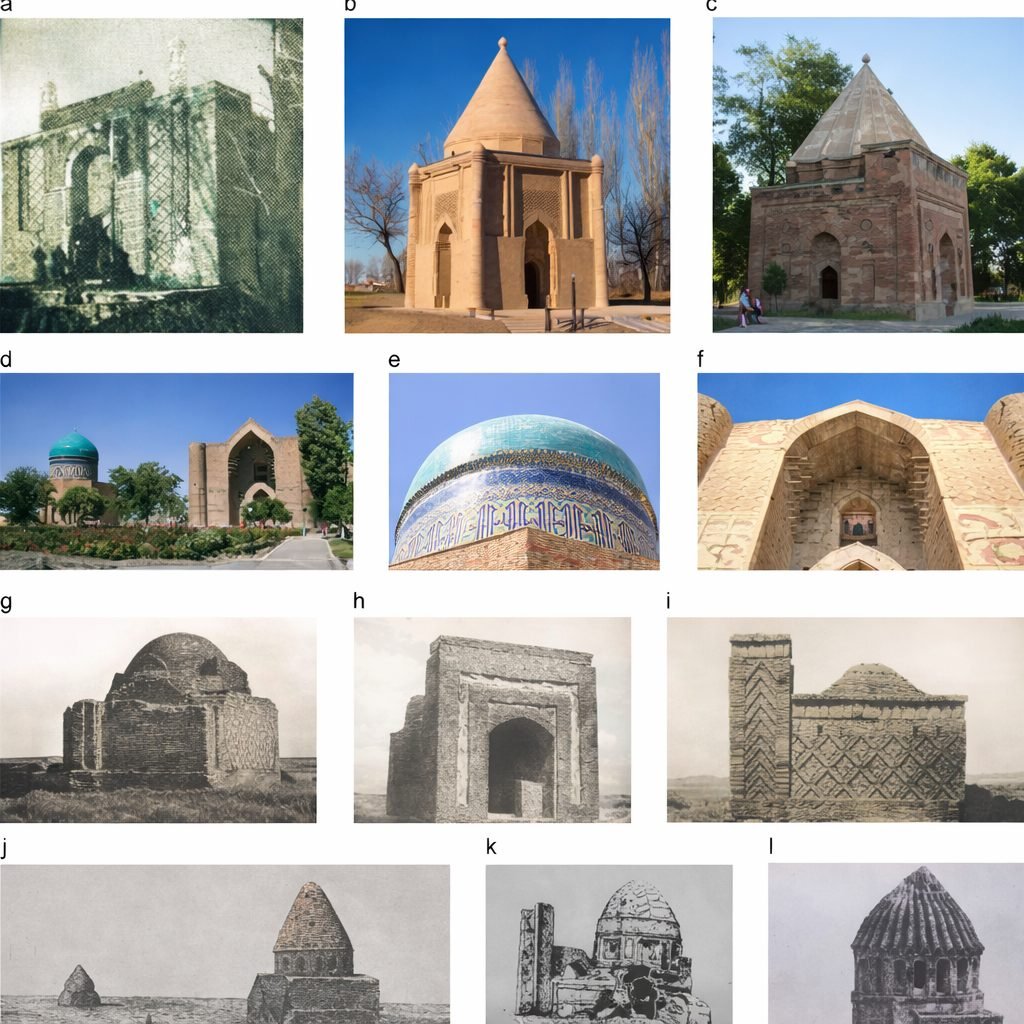
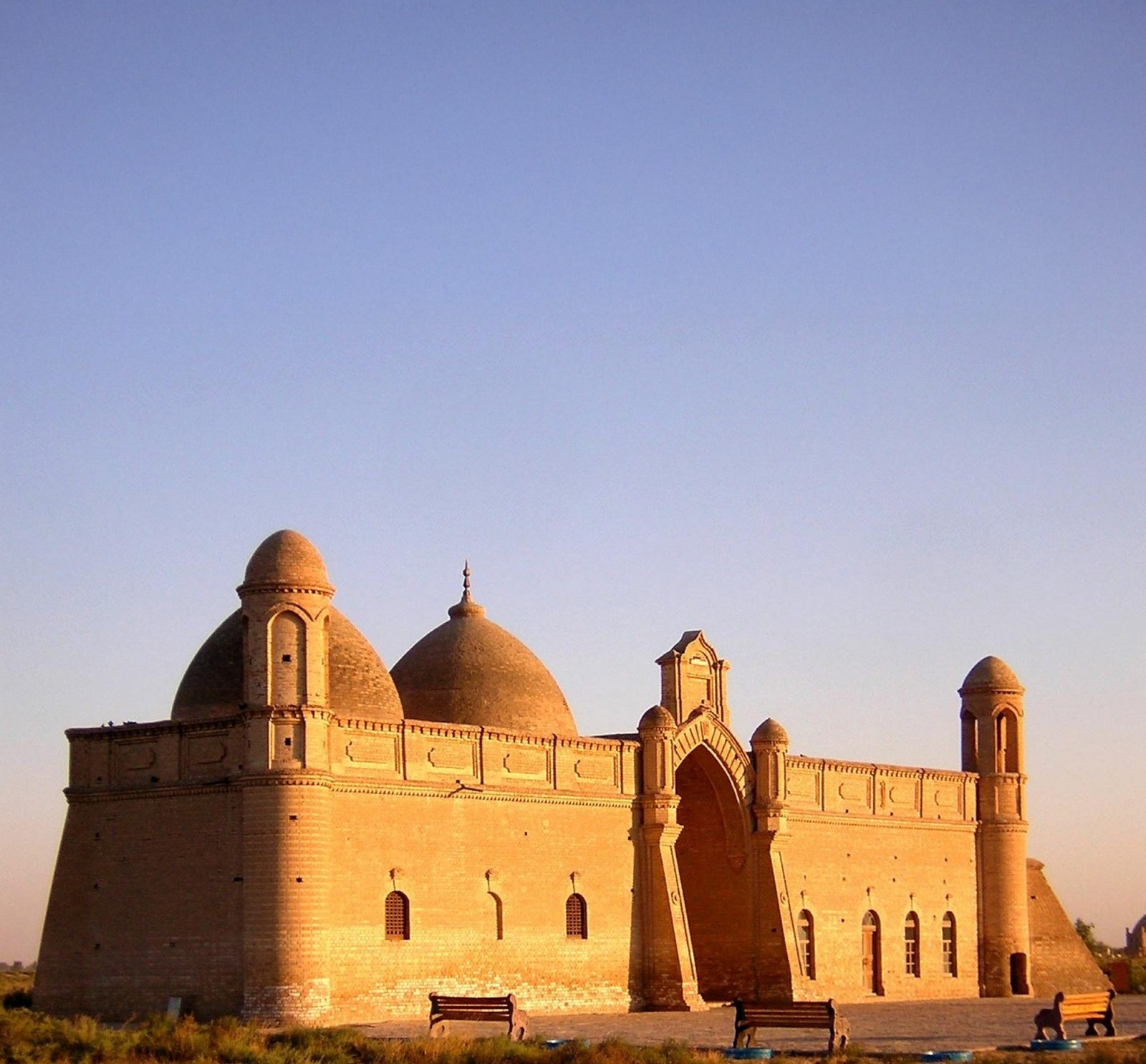
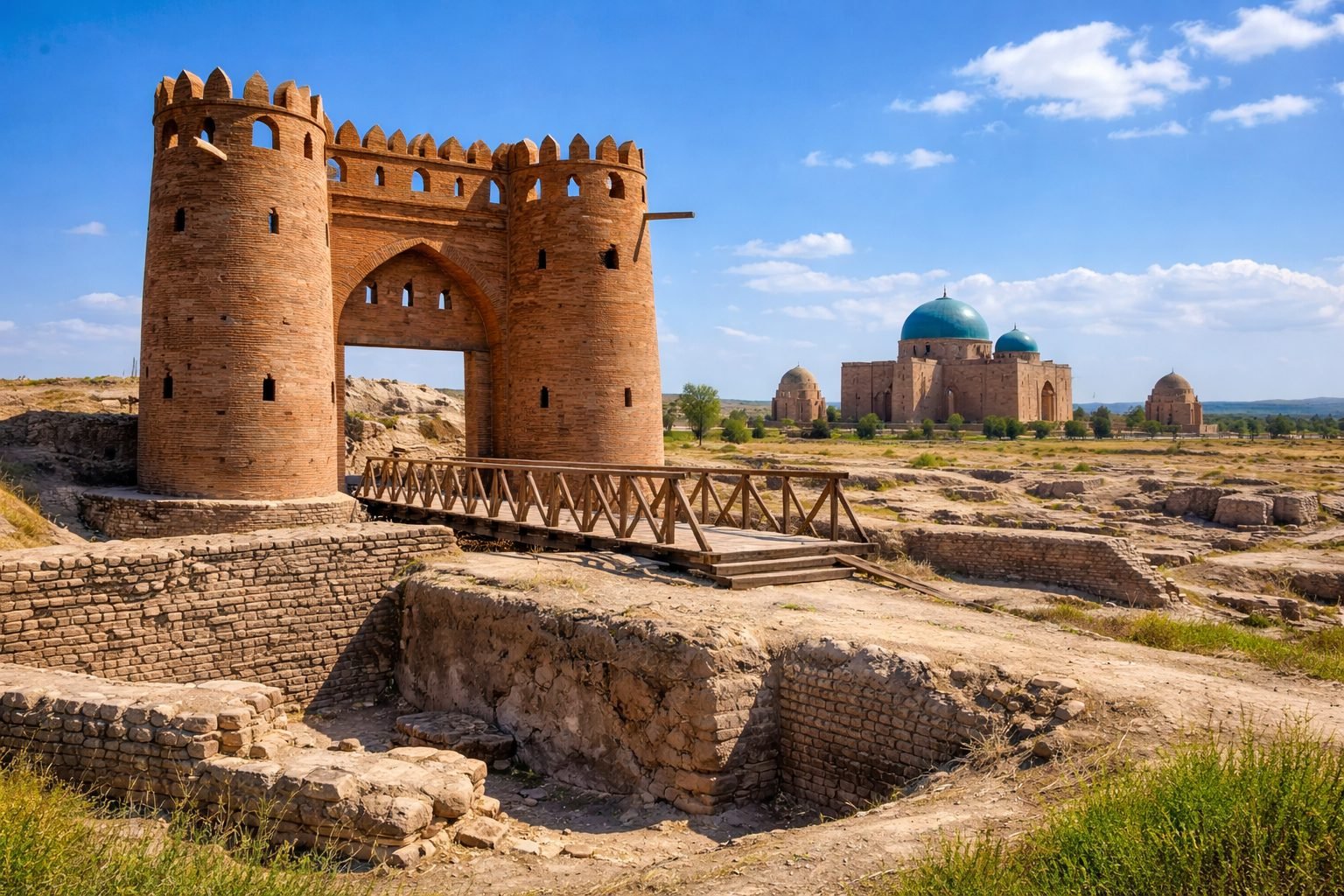
Among the most significant projects are the restorations in the Turkistan Region, long considered the spiritual heart of Kazakhstan. The Mausoleum of Khoja Ahmed Yasawi, a UNESCO World Heritage Site, remains one of Central Asia’s most profound architectural achievements. Designed around principles of symmetry, scale, and spiritual geometry, the structure embodies the synthesis of faith and form. Nearby, the Arystan Bab Mausoleum, as well as the Uzyn Ata and Alkozha Ata mausoleums, will undergo restoration that respects their symbolic spatial hierarchy — from entrance portals to domed chambers. These sites are not only religious landmarks but also masterclasses in proportion, ornamentation, and vernacular construction techniques that continue to inspire contemporary Central Asian design.
Cities of the Silk Road: Designing Urban Memory
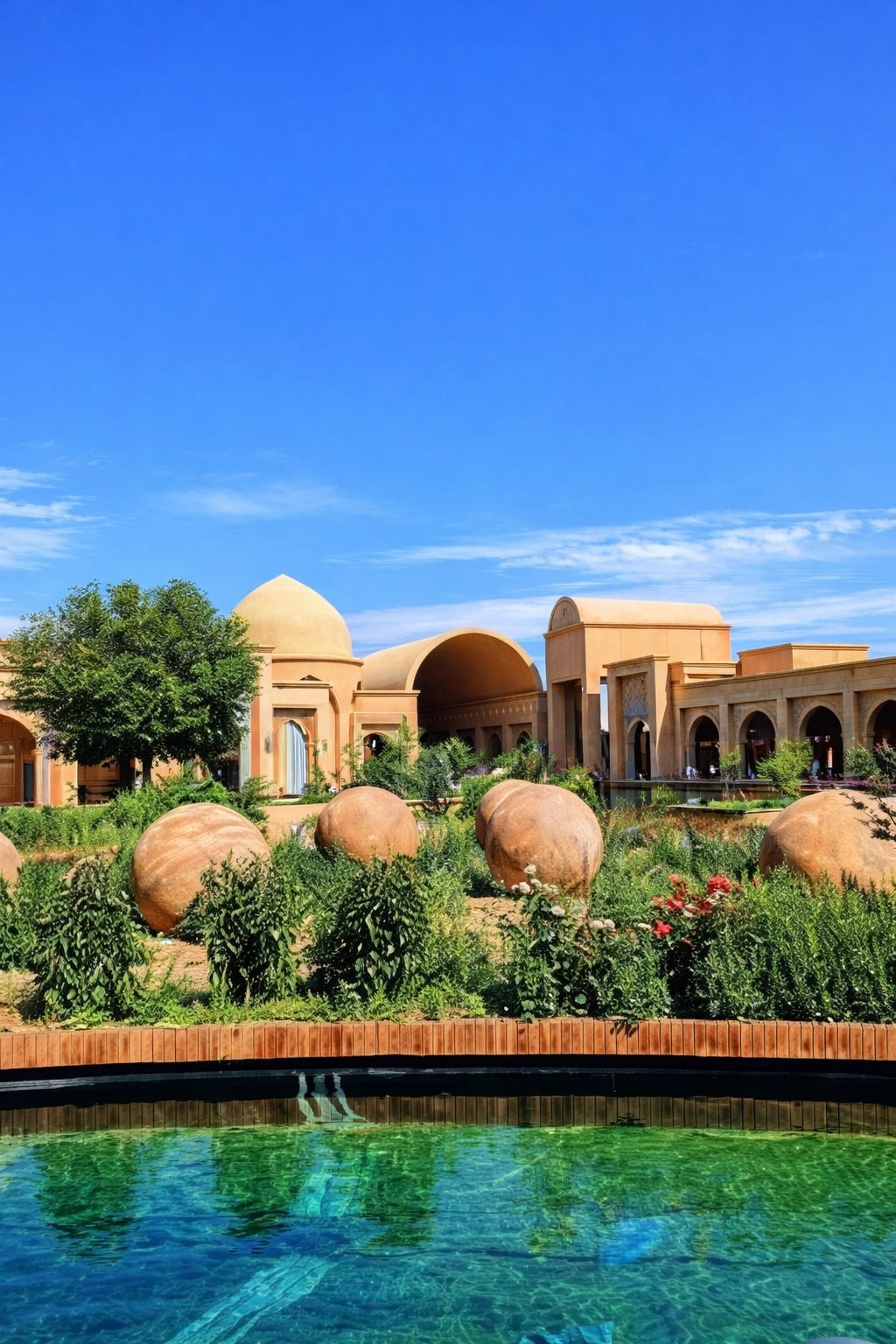
The inclusion of the Otyrar settlement and the ancient city of Turkistan highlights Kazakhstan’s commitment to preserving urban archaeology as a design landscape. Once major Silk Road hubs, these cities were shaped by trade, climate adaptation, and social organization. Restoration here involves mapping street grids, residential zones, defensive walls, and public spaces — reconstructing not buildings alone, but urban experience. Design decisions must balance visibility for visitors with protection of fragile remains, often using minimalist pathways, interpretive structures, and subtle landscape interventions that frame history without overpowering it.
Earth, Steppe, and Nomadic Design
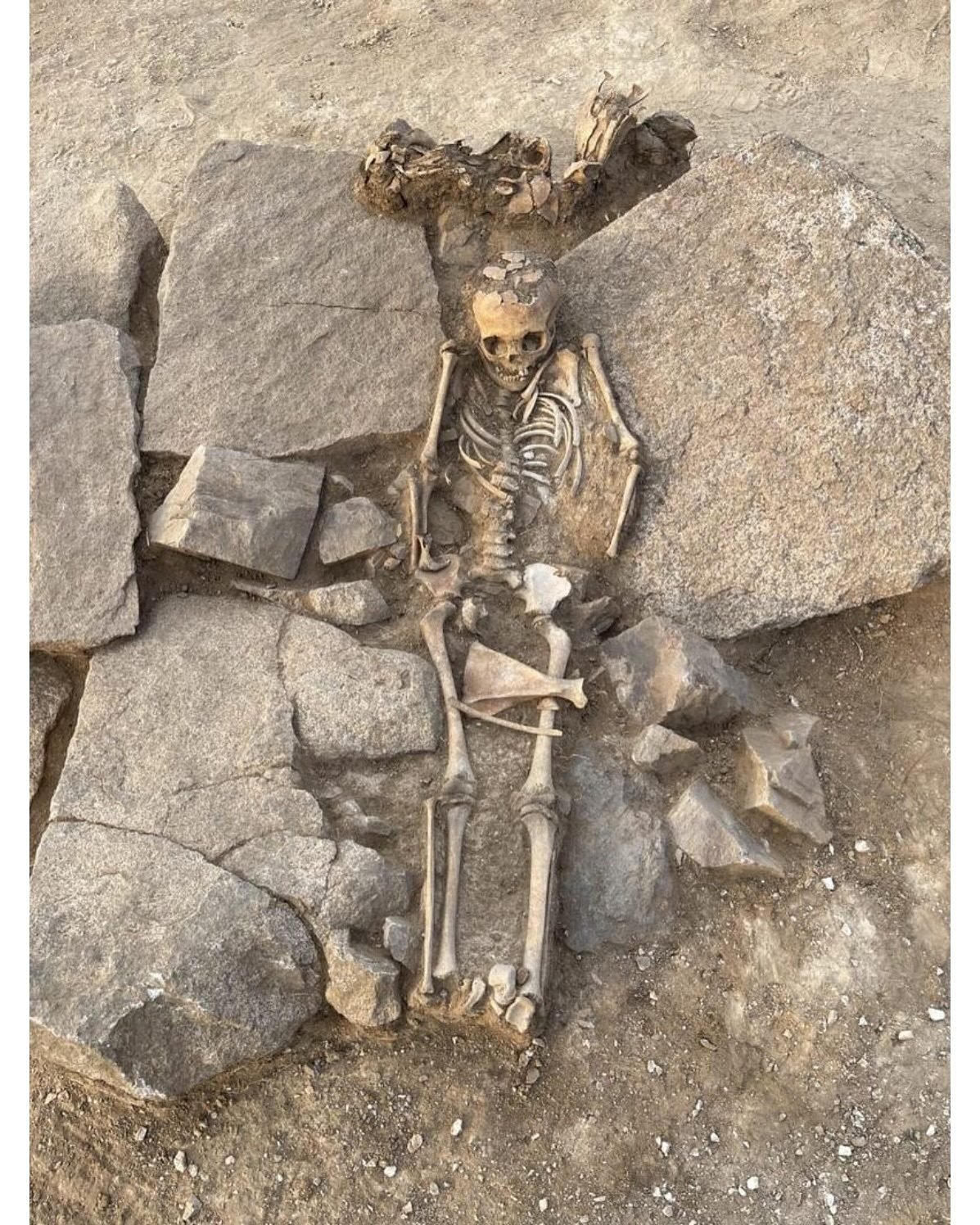
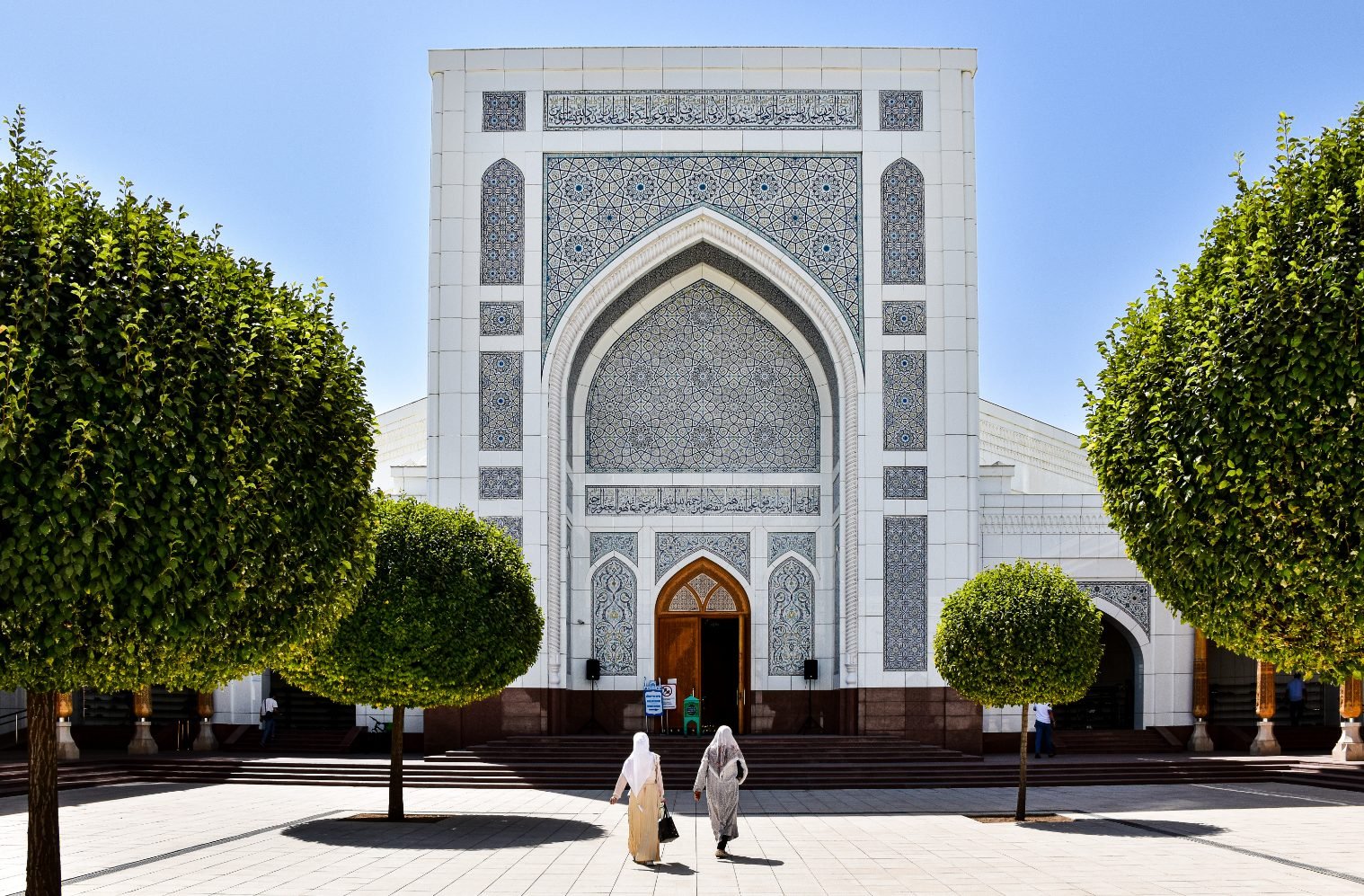
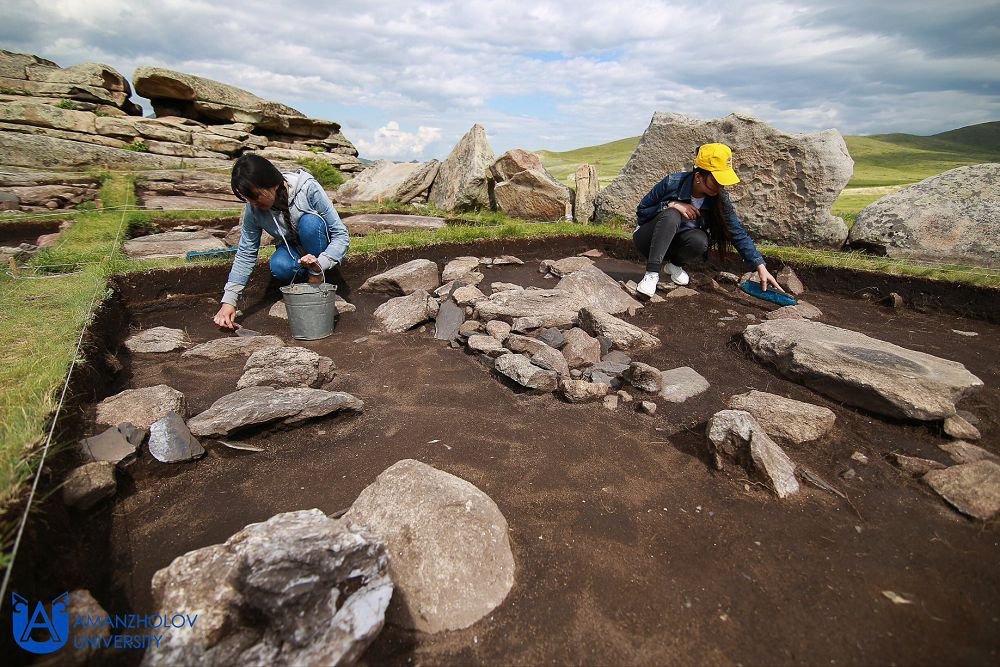
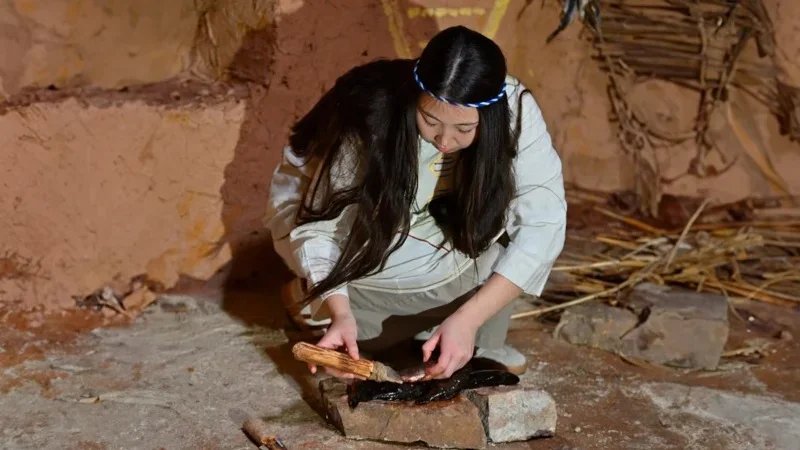
In regions such as Kyzylorda, Ulytau, and Zhambyl, restoration efforts focus on sites that embody Kazakhstan’s deep relationship with the steppe. The Syganak settlement (10th–18th centuries) and the Taraz settlement reflect architecture shaped by climate, trade routes, and nomadic–urban interaction. Meanwhile, the Berel burial mounds in East Kazakhstan present a different design challenge. Dating back to the early Iron Age, these sites exist within a vast natural landscape. Restoration here prioritizes environmental integration — preserving both the archaeological structures and the visual integrity of the surrounding terrain. The Botai settlement in North Kazakhstan, globally recognized as the birthplace of horse domestication, exemplifies how design and archaeology intersect. Protective structures, visitor pathways, and interpretive design elements must communicate global significance while maintaining the site’s raw, original character.
Urban Heritage and Early Modern Design
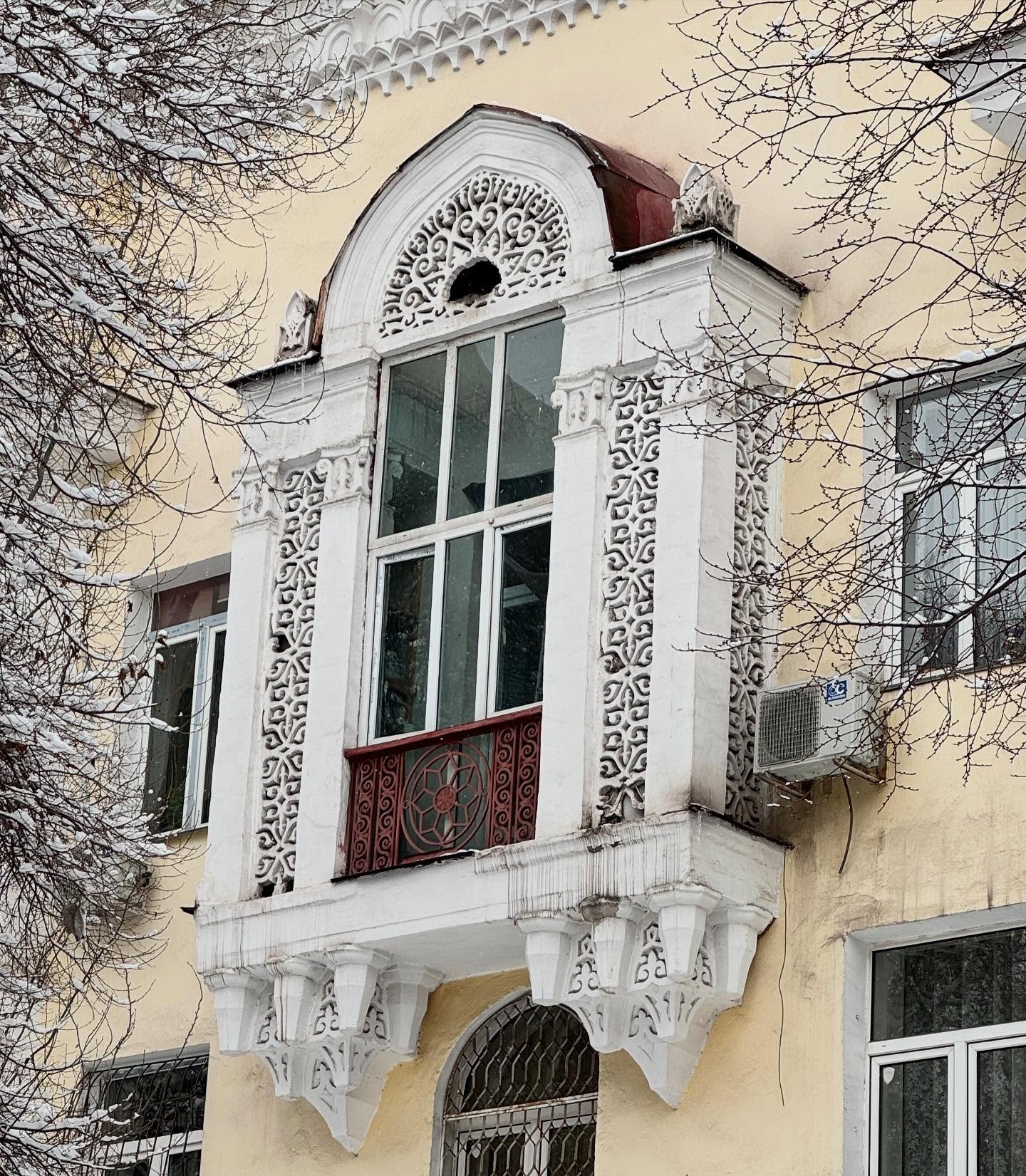
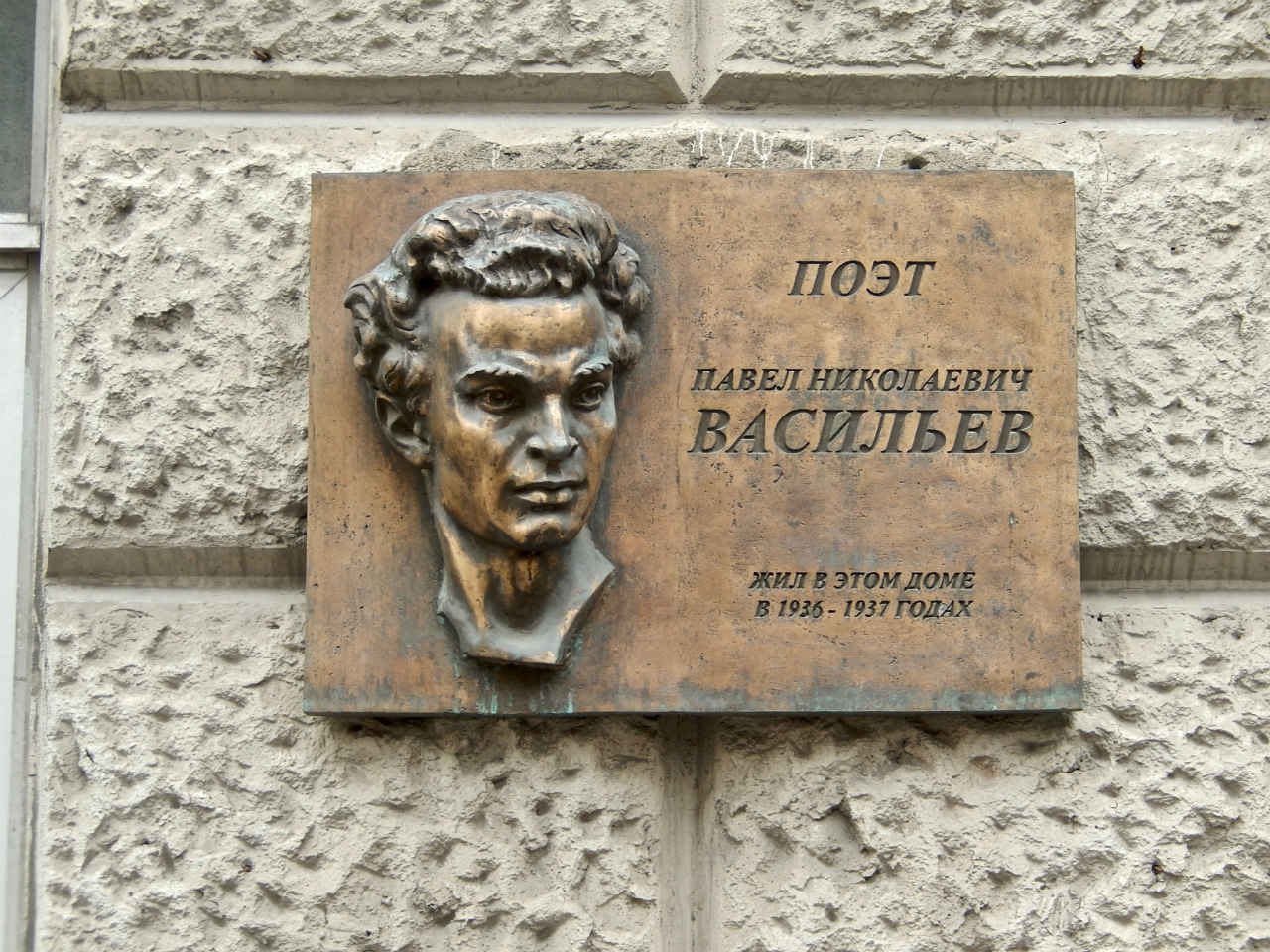
A striking aspect of the 2026 program is its attention to urban architectural heritage, particularly in Pavlodar and Almaty. These cities house buildings that represent Kazakhstan’s transition into modernity at the turn of the 20th century. In Pavlodar, restoration will cover early post and telegraph offices, trading rows, financial institutions like the former Russian-Asian Foreign Trade Bank, and civic buildings such as the House of Railway Workers. These structures feature eclectic design languages — combining Russian imperial styles with local materials and craftsmanship. Equally important are the homes of cultural figures such as poet Pavel Vasilyev and photographer Dmitry Bagaev, where interior restoration becomes an act of curating creative memory — preserving spatial atmospheres that once shaped artistic lives.
Almaty: Preserving Architectural Identity
In Almaty, restoration efforts focus on buildings that define the city’s historical silhouette. The Shakhvorostov merchant house, designed in 1890 and now housing the United States Consulate, stands as an example of late imperial residential architecture — characterized by ornate façades, balanced proportions, and craftsmanship-driven detail. The former Ministry of Finance building, now used by the city’s Finance Department, represents institutional architecture from the early modern era. Restoring such buildings involves careful façade conservation, structural reinforcement, and adaptive reuse — ensuring historical integrity while meeting contemporary functional needs.
Designing for the Future
Beyond preservation, Kazakhstan’s restoration initiative is also a forward-looking design strategy. Restored sites support cultural tourism, education, and community engagement, transforming heritage into an active economic and social asset. Design plays a central role in how these sites are experienced — through signage systems, visitor centres, lighting concepts, and landscape integration. When executed thoughtfully, these elements enhance understanding without distracting from authenticity. Moreover, the program strengthens Kazakhstan’s position within global heritage discourse, aligning with international conservation standards while asserting a distinct Central Asian design identity rooted in history, material honesty, and spatial meaning.
Architecture as Cultural Continuity
Kazakhstan’s 2026 restoration program demonstrates that heritage is not static. It is designed, interpreted, and continuously reshaped. By investing in scientific restoration across 39 diverse sites, the country is not only protecting monuments but also designing a cultural continuum — where ancient settlements, sacred architecture, and urban landmarks coexist within a shared national narrative. In doing so, Kazakhstan affirms that good design is not only about the future. It is equally about how we choose to remember, restore, and reimagine the spaces that define who we are.
More to Read
All issues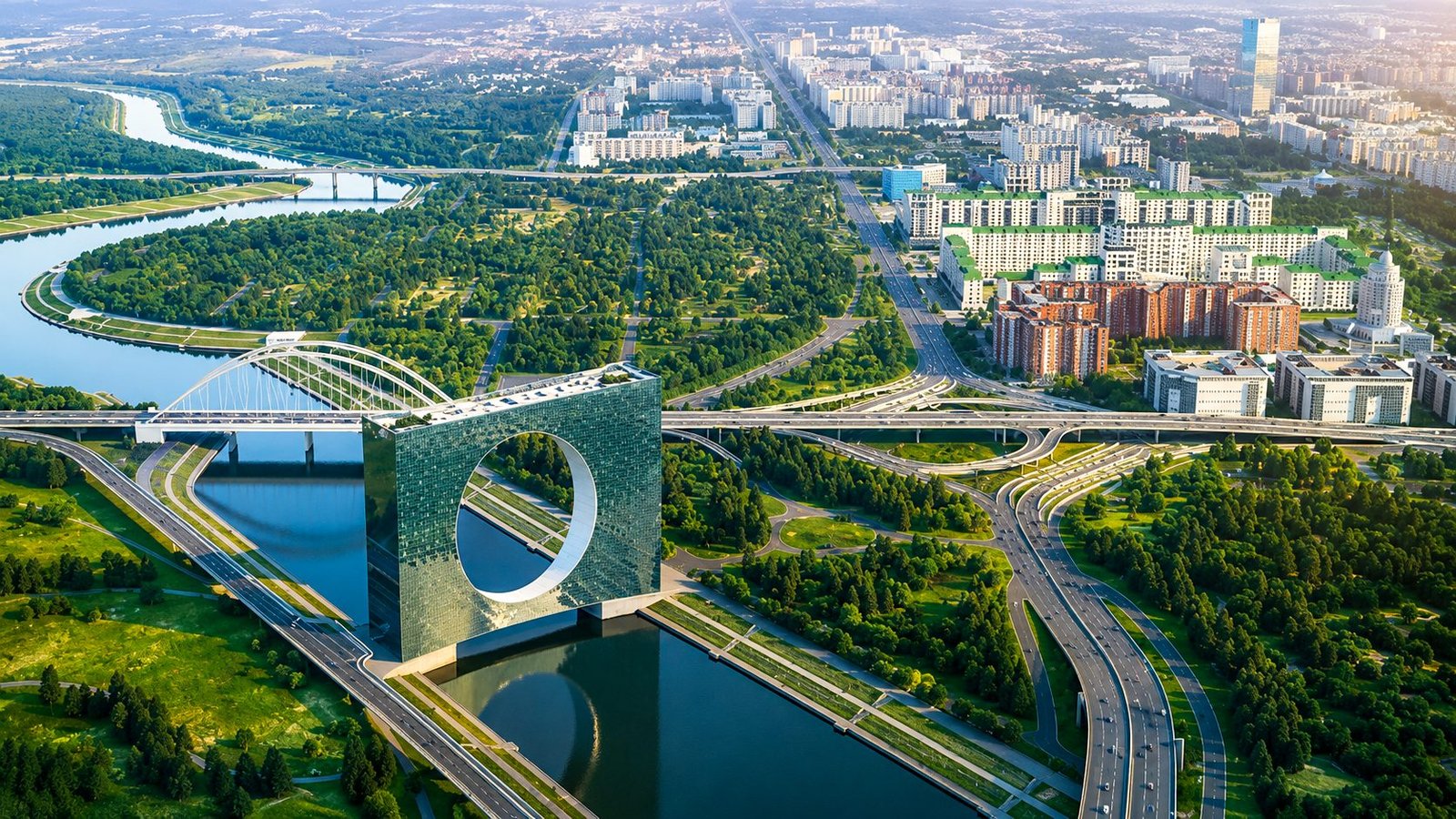
Tower of the Sun
A Futuristic Vision Rising Across Astana’s Ishim River
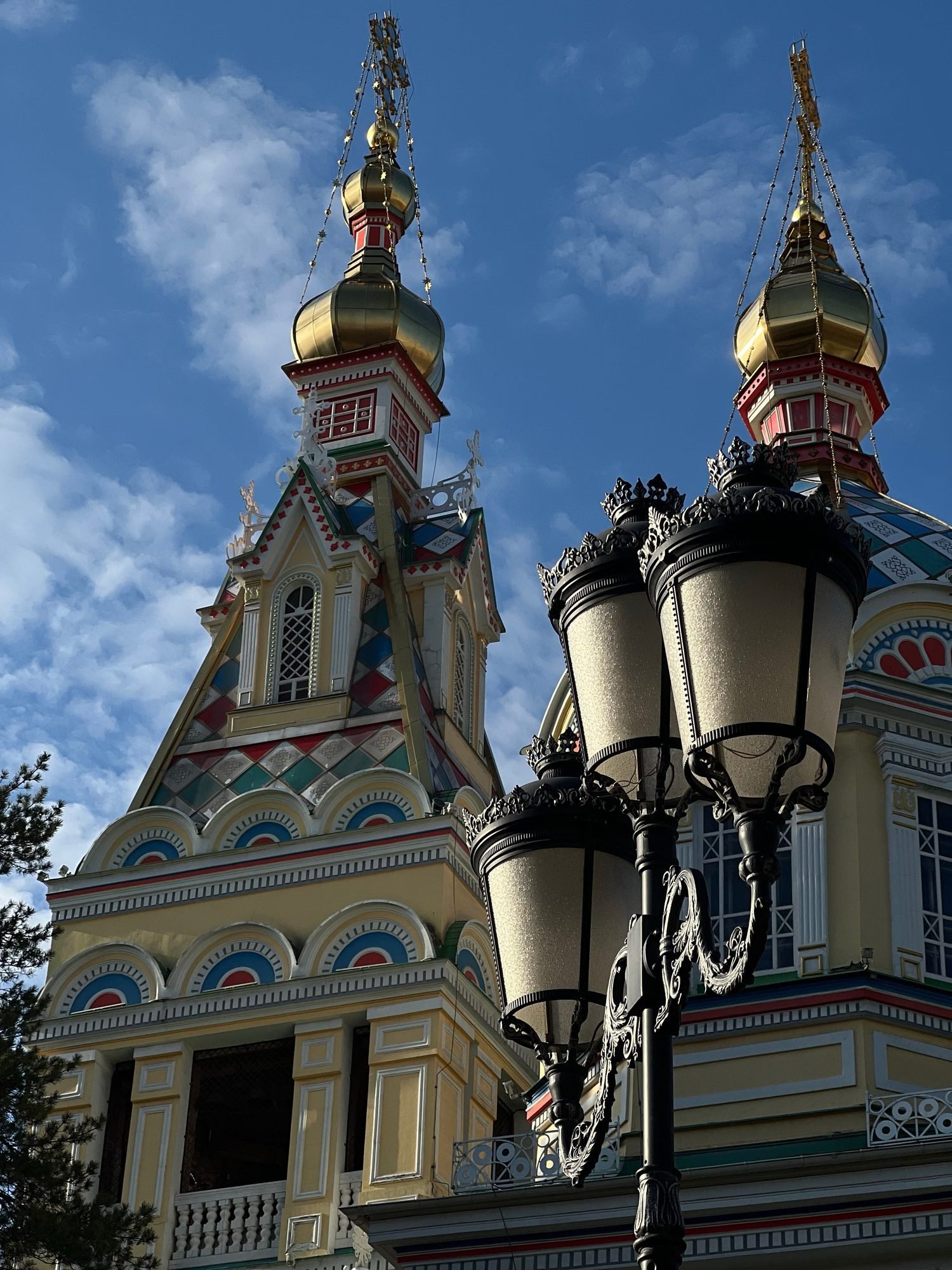
Ascension Cathedral — Almaty’s Timber Masterpiece — Where Orthodox Heritage, Timberwork & Seismic Ingenuity Meet
In the heart of Almaty, surrounded by the greenery of Panfilov Park, Ascension Cathedral rises with a distinctive combination of colourful domes, intricate detailing and…
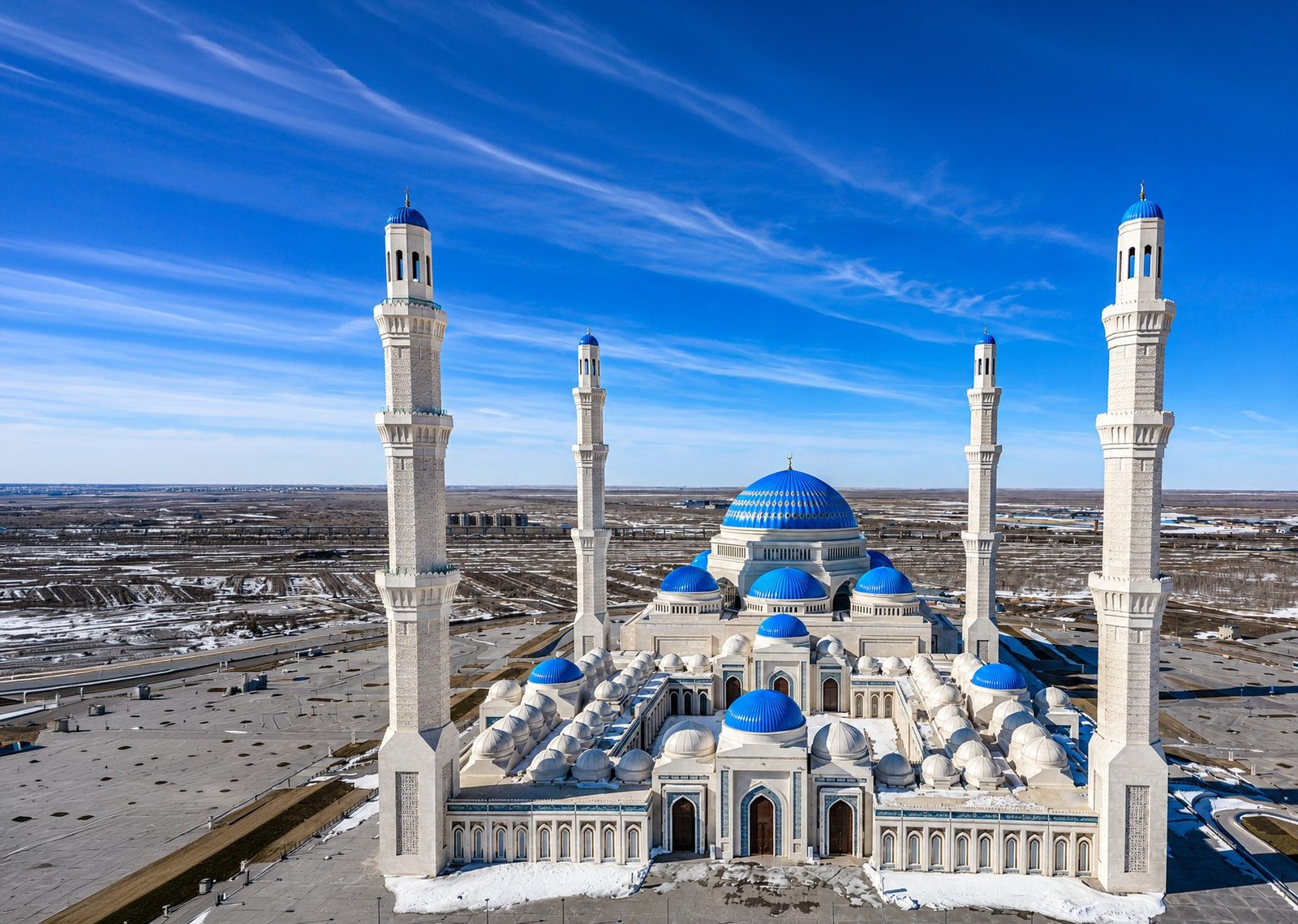
Hazret Sultan Mosque — A Monument of Faith & Kazakh Heritage in Astana
Rising prominently on the right bank of the Yesil River, the Hazret Sultan Mosque is among the most recognisable religious and architectural landmarks of Astana,…