

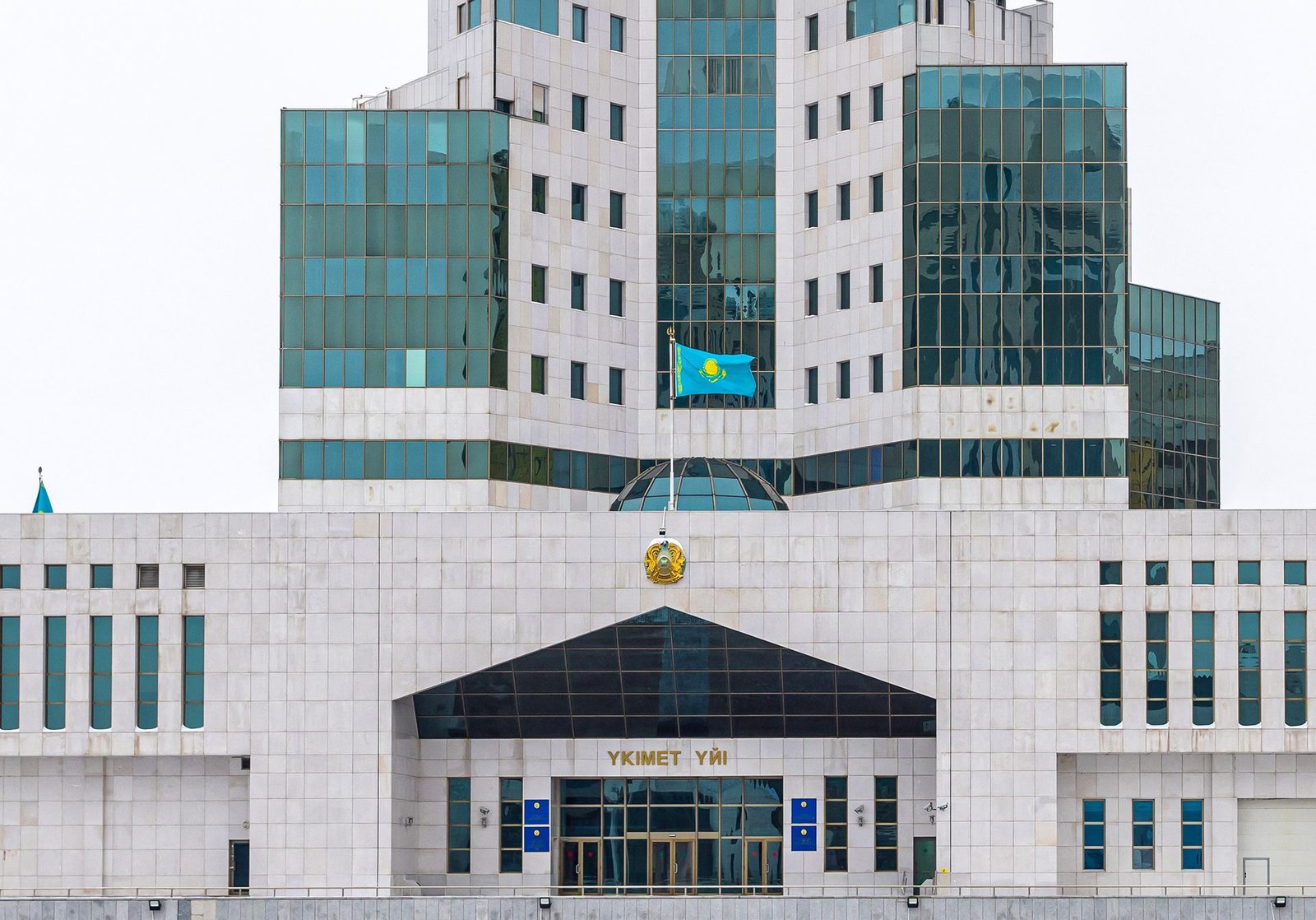
Kazakhstan’s Transport Transformation: Building a Strategic Eurasian Logistics Hub
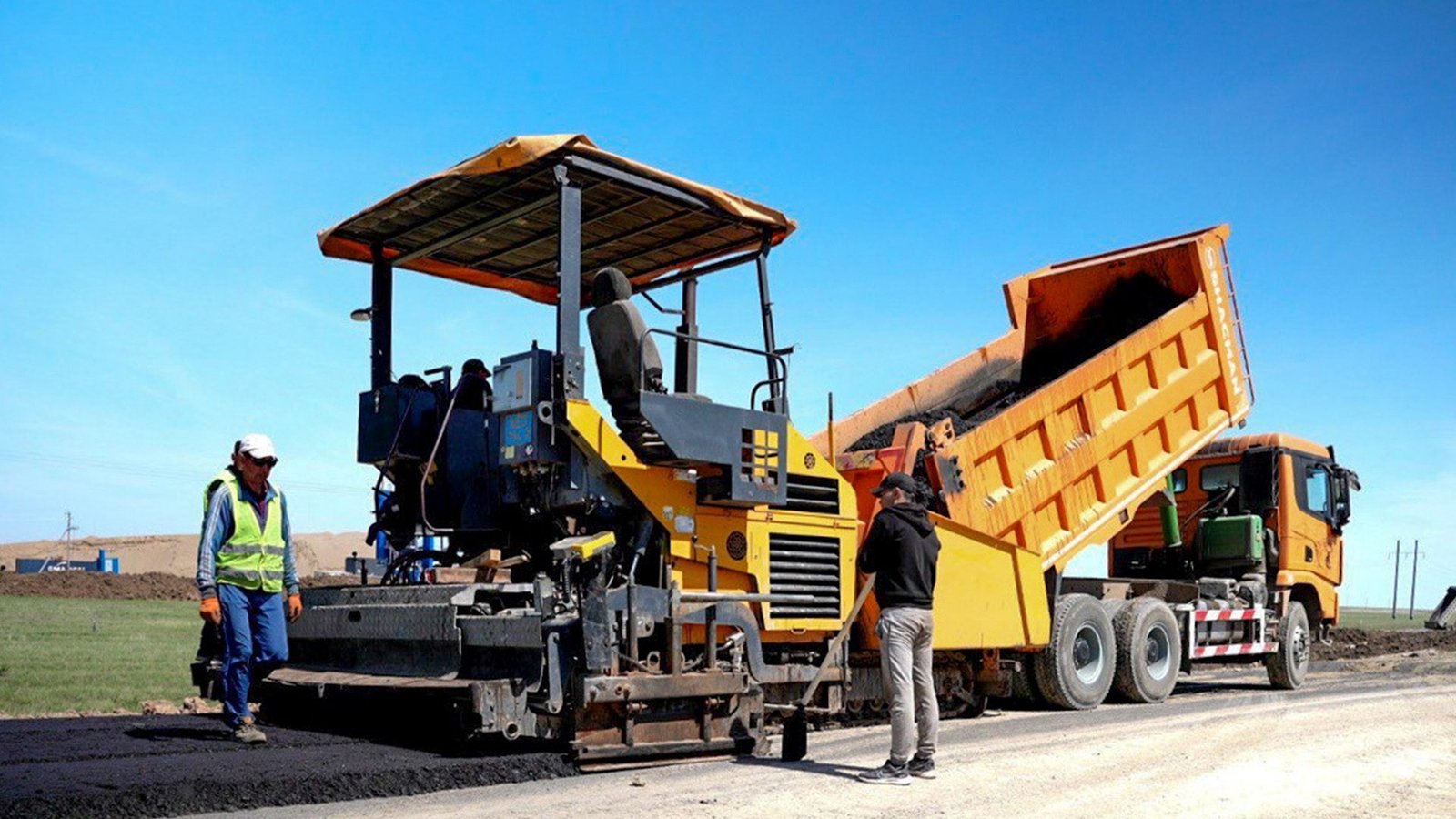
Kazakhstan has continued to strengthen its position as a critical transit and logistics hub between Europe and Asia through the systematic development of its transport sector. Guided by the strategic vision and directives of President Kassym-Jomart Tokayev, the country has made significant strides in modernizing infrastructure, enhancing connectivity, and integrating advanced technologies into its transport systems. These efforts, particularly evident in 2025, reflect Kazakhstan’s long-term ambition to solidify its role as a central land bridge across Eurasia. At the heart of Kazakhstan’s transport strategy is its geographic advantage. Positioned between major global markets, the country serves as a vital link along key international corridors such as East–West, North–South, and the Trans-Caspian International Transport Route. By investing heavily in infrastructure and logistics, Kazakhstan is not only improving domestic mobility but also increasing its attractiveness as a transit route for international trade. This comprehensive approach has yielded tangible results, with transit traffic reaching 36.9 million tonnes by the end of 2025—an increase of 6.6% compared to the previous year. A major pillar of this transformation has been the large-scale development of road infrastructure. In 2025 alone, construction and repair work covered an impressive 13,000 kilometres of roads.



As a result, 94% of national roads now meet standard technical conditions, marking a significant milestone in improving connectivity and safety across the country. Furthermore, Kazakhstan has prioritized the modernization of border checkpoints, with plans to upgrade 37 facilities by 2027. These improvements are expected to streamline cross-border trade and reduce transit times. Digitalization has also become a key driver in the evolution of the road sector. The introduction of the e-Joldar system, which includes digital road passports, enables centralized monitoring of road conditions, traffic flow, and operational efficiency. Advanced technologies such as artificial intelligence are being used for road diagnostics, ensuring timely maintenance and improved safety standards. Additionally, the installation of automated weighing stations—71 of which are already operational—helps preserve road quality by preventing overloading and enforcing compliance.
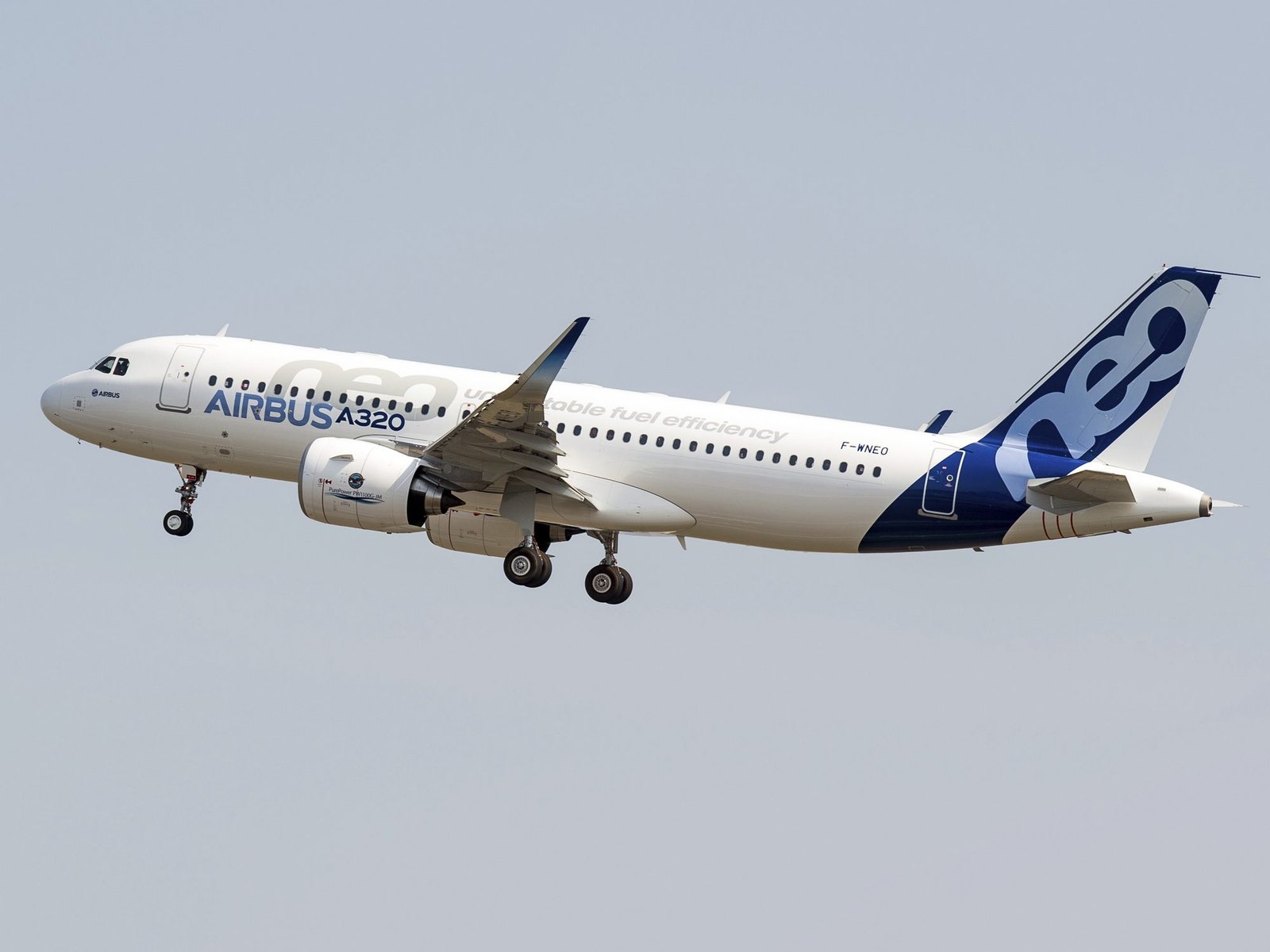
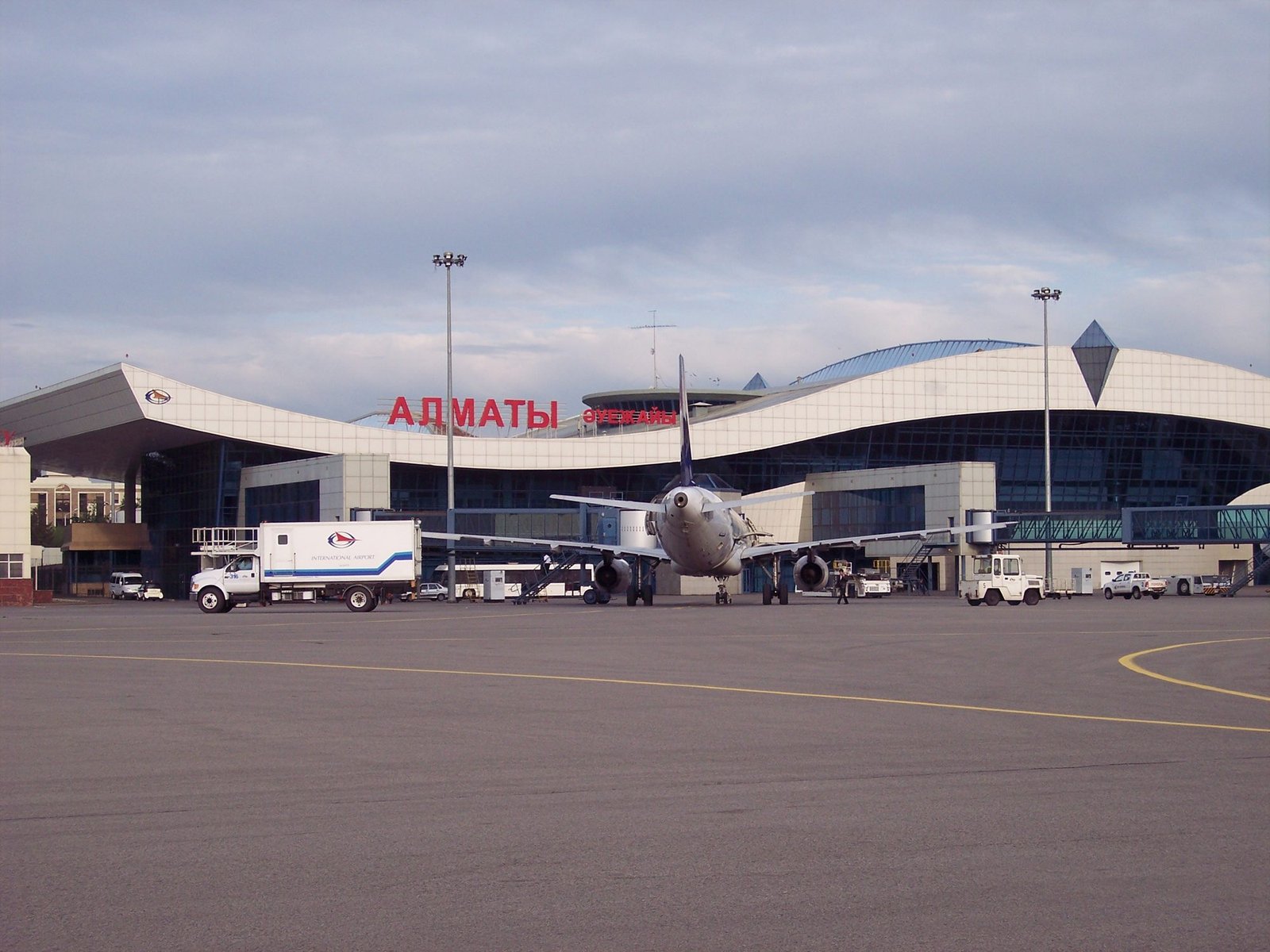
The aviation sector has similarly experienced dynamic growth, driven by fleet expansion, increased connectivity, and substantial investments. By the end of 2025, Kazakhstan’s aircraft fleet had grown to 109 units, including modern Airbus A320 and Boeing 737 MAX 8 aircraft. The country has successfully expanded its international route network, now connecting to 30 countries through 135 routes with a weekly frequency of 626 flights. These routes span regions including Europe, the Middle East, Asia, and Southeast Asia, reflecting Kazakhstan’s growing integration into global aviation networks. Infrastructure development within aviation has also gained momentum. Projects such as the restoration of Arkalyk Airport and the development master plan for Almaty Airport demonstrate a commitment to enhancing passenger and cargo capacity. Significant investments have been announced, including a $362 million program by TAV Airport Holding and a 250 billion tenge agreement for a new airport in the Khorgos – Eastern Gate Special Economic Zone. These initiatives are expected to boost regional connectivity and support economic growth.

An important milestone in aviation development is the adoption of the Concept for Civil Unmanned looking strategy positions Kazakhstan at the forefront of emerging technologies in aviation, including drone applications for logistics, surveillance, and infrastructure monitoring. The country’s adherence to international standards is also noteworthy, with a 95.7% compliance rate achieved in the ICAO audit, underscoring its commitment to safety and operational excellence. Rail transport continues to serve as the backbone of Kazakhstan’s freight movement. In 2025, rail freight volumes reached 320 million tonnes, representing a 5.5% increase from the previous year. Ongoing infrastructure projects aim to further enhance capacity and efficiency. The launch of the second line of the Dostyk–Moiynty railway, spanning 836 kilometres, and the construction of the new Kyzylzhar–Moiynty line highlight the scale of these efforts. Plans to repair 11,000 kilometres of railway tracks by 2029 are already underway, with over 4,400 kilometres completed to date. The modernization of railway infrastructure extends beyond tracks to include stations and rolling stock. Contracts have been signed for the supply of 775 locomotives and 2,700 fitting platforms, while 124 railway stations are undergoing upgrades. These improvements are expected to enhance operational efficiency, reduce delays, and accommodate growing freight volumes.

Water transport has also shown encouraging progress. In 2025, maritime cargo volumes reached 8 million tonnes, marking a 7% increase compared to 2024. Container traffic through seaports surged by 29%, with over 90,000 TEU handled. The Trans-Caspian route, in particular, recorded a remarkable 36% growth, highlighting its increasing importance as an alternative trade corridor. Key developments in this sector include the completion of a container hub at the Port of Aktau, the introduction of a new dry cargo vessel on the Kuryk–Baku route, and the acquisition of two ferries. River transport also contributed to the overall growth, with 1.5 million tonnes of cargo transported across major basins such as the Irtysh, Ural-Caspian, and Ili-Balkhash.

Kazakhstan’s road transport sector has further benefited from enhanced international cooperation and regulatory reforms. The country has established transport agreements with 42 nations, facilitating the exchange of permits and expanding the scope of cross-border operations. Notably, Kazakhstan has secured the unique ability to conduct transit transport deep into China, strengthening its strategic position in regional logistics. Digital transformation remains a central theme in transport management. The implementation of electronic permit systems with countries like China and Uzbekistan has digitized 65% of permit exchanges, improving efficiency and transparency. Integration with additional partners such as Azerbaijan, Turkey, and Kyrgyzstan is ongoing. Automated weighing systems and stricter regulations for technical inspection operators further contribute to a more accountable and efficient transport ecosystem.

In conclusion, Kazakhstan’s transport sector is undergoing a comprehensive transformation that reflects both strategic foresight and effective implementation. By investing in infrastructure, embracing digital innovation, and fostering international partnerships, the country is steadily enhancing its logistics capabilities. These efforts not only support domestic economic development but also reinforce Kazakhstan’s role as a vital connector in global trade. As these initiatives continue to unfold, Kazakhstan is well-positioned to emerge as one of the most influential transit hubs in Eurasia, shaping the future of regional and international logistics.
More to Read
All issues
Kazakhstan & Hyundai Motor Group Deepen Automotive & Industrial Partnership
Kazakhstan is looking to strengthen its position as a regional automotive and industrial manufacturing centre as President Kassym-Jomart Tokayev and Hyundai Motor Group…

Across the Caspian
Kazakhstan & Azerbaijan Prepare to Revive Passenger Ferry Links
Airbus Deepens Strategic Partnership with Kazakhstan As Aviation Defense & Space Cooperation Expands
Kazakhstan’s ambitions to establish itself as a leading aviation hub in Central Asia are receiving significant support from European aerospace giant Airbus, which…