

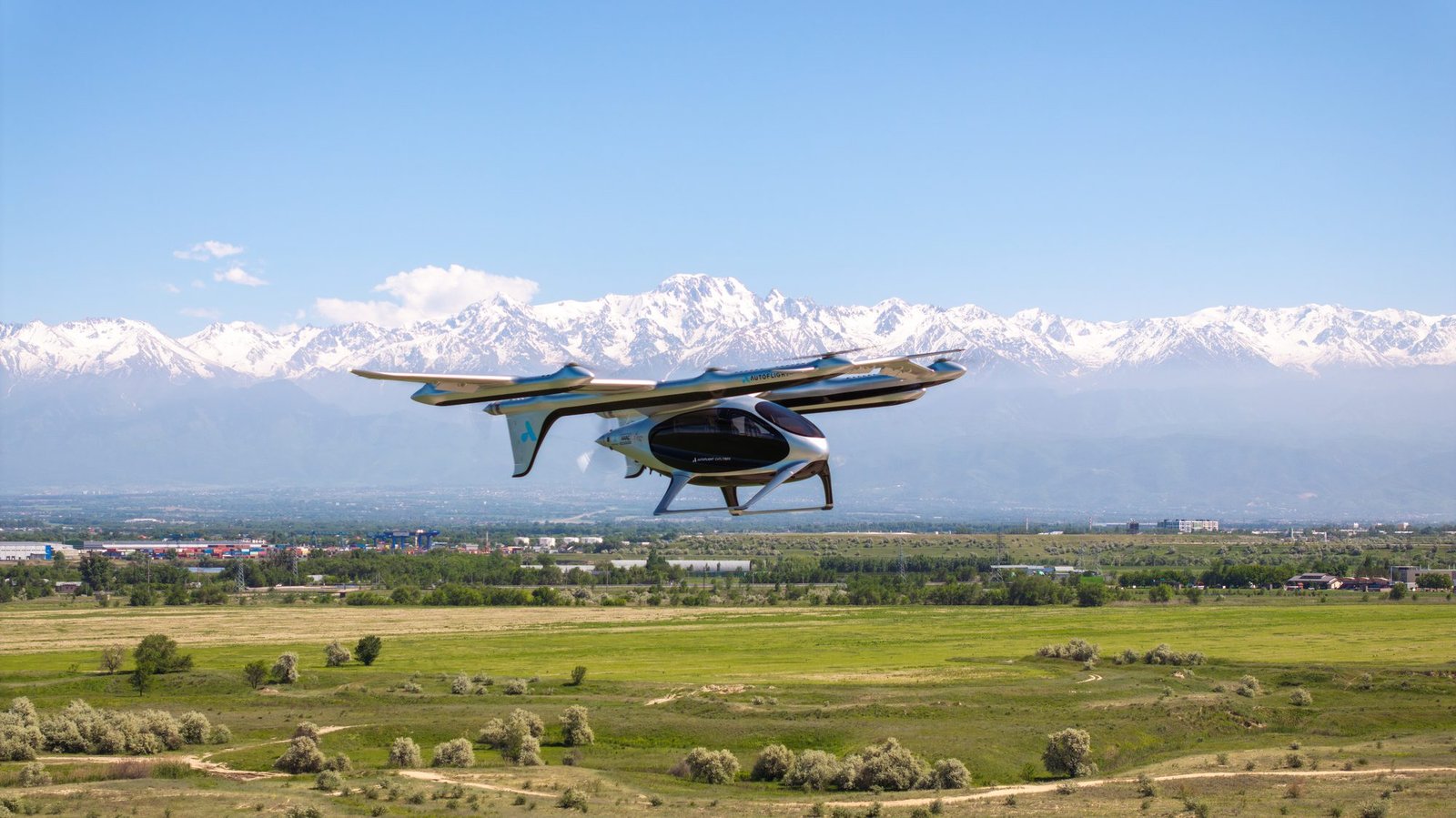
Alatau City Launches Central Asia’s First eVTOL Air Taxi Flight
Kazakhstan took a major step toward the future of transportation as Alatau City hosted the first demonstration flight of an electric vertical take-off and landing (eVTOL) aircraft in Central Asia. The historic event marked not only a technological milestone for Kazakhstan but also the practical beginning of a new industry known as Urban Air Mobility (UAM), positioning the country among the early adopters of next-generation aerial transportation. The project was spearheaded by the Kazakhstan-based private company Alatau Advanced Air Group Ltd. (AAAG) in partnership with leading organizations from China, South Korea, Italy, and the United States. Funded entirely through private investment, the initiative represents one of the most ambitious technology-driven infrastructure projects in the region. The total investment planned for the development of the Urban Air Mobility ecosystem in Alatau City is estimated at approximately $300 million.
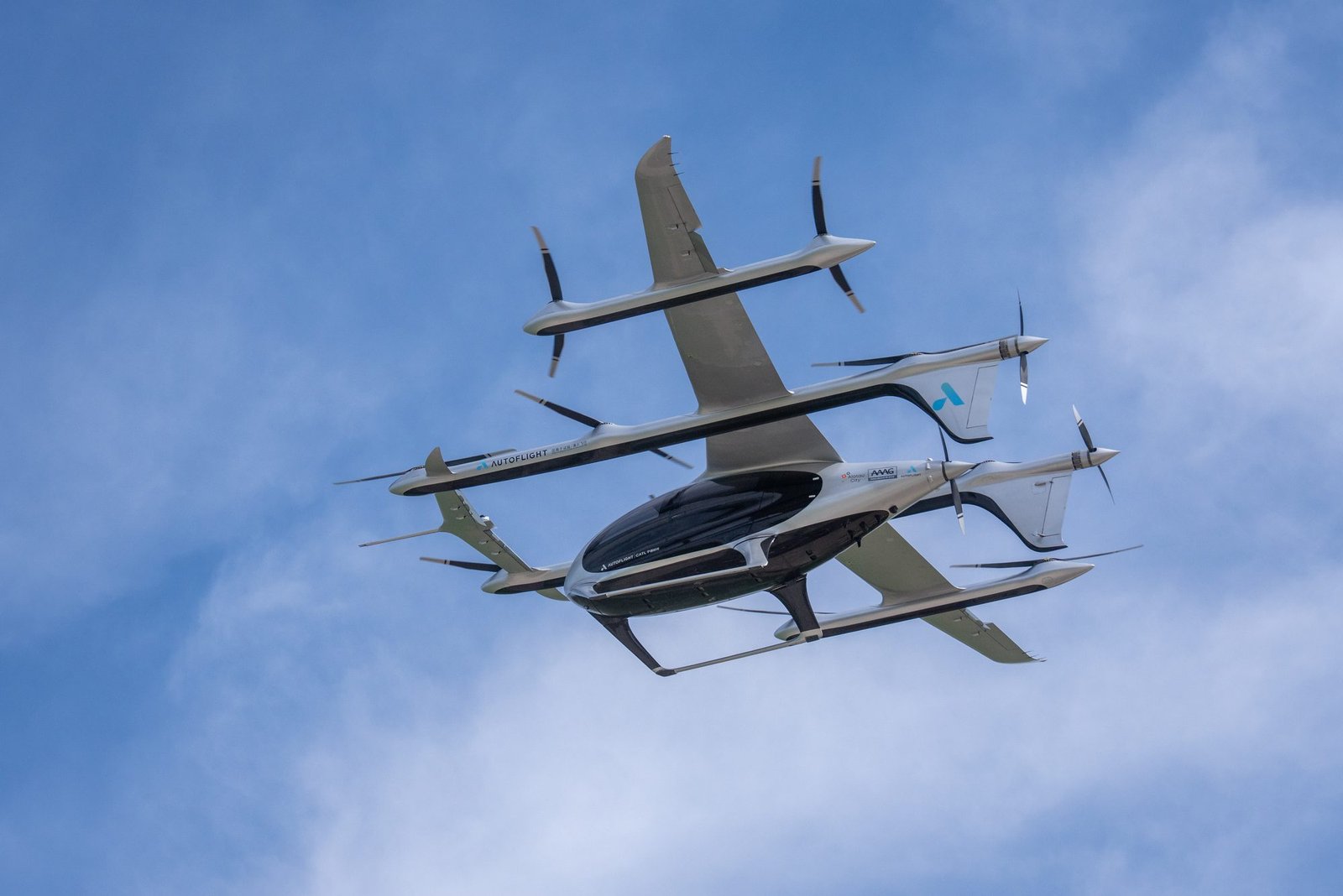
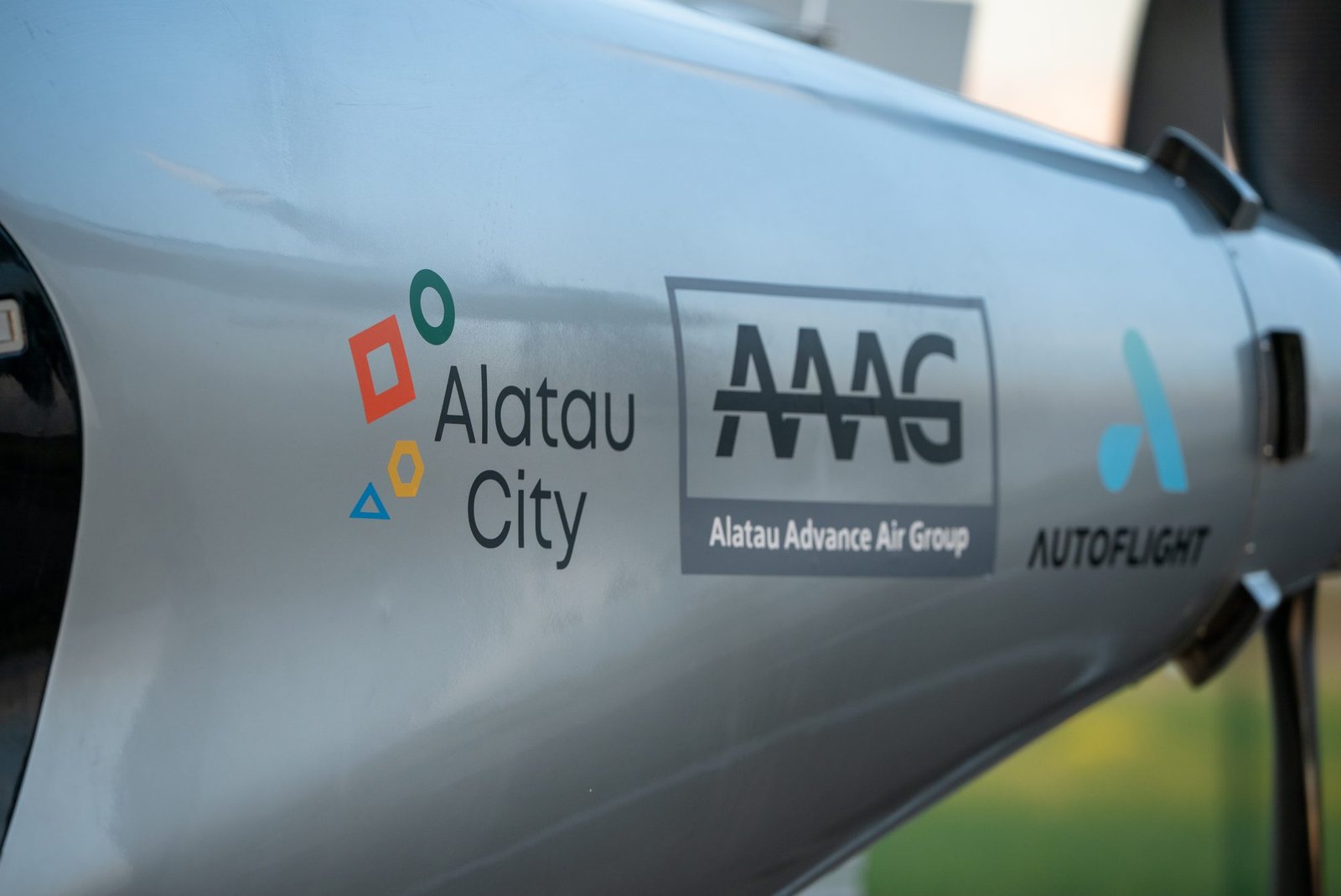
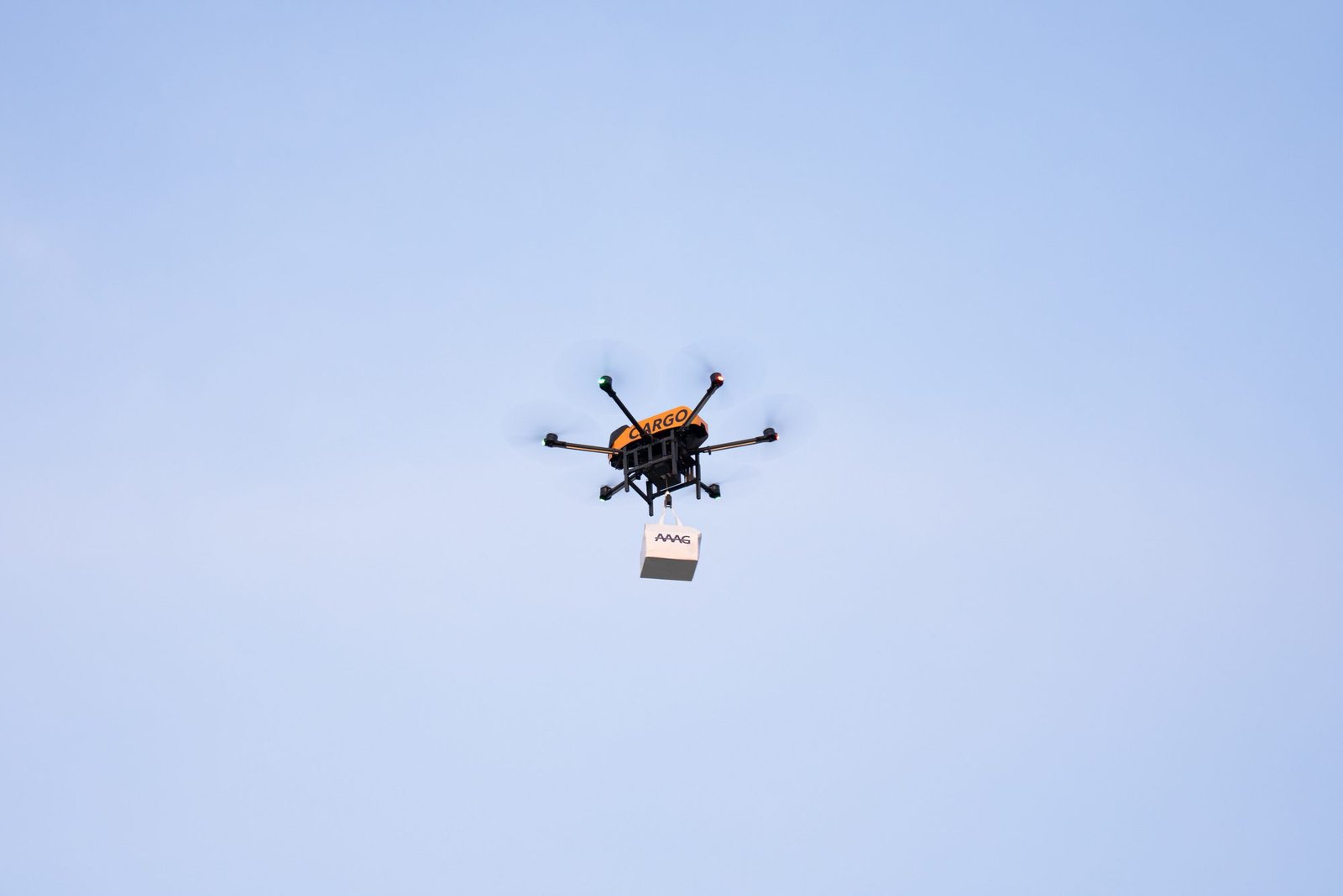
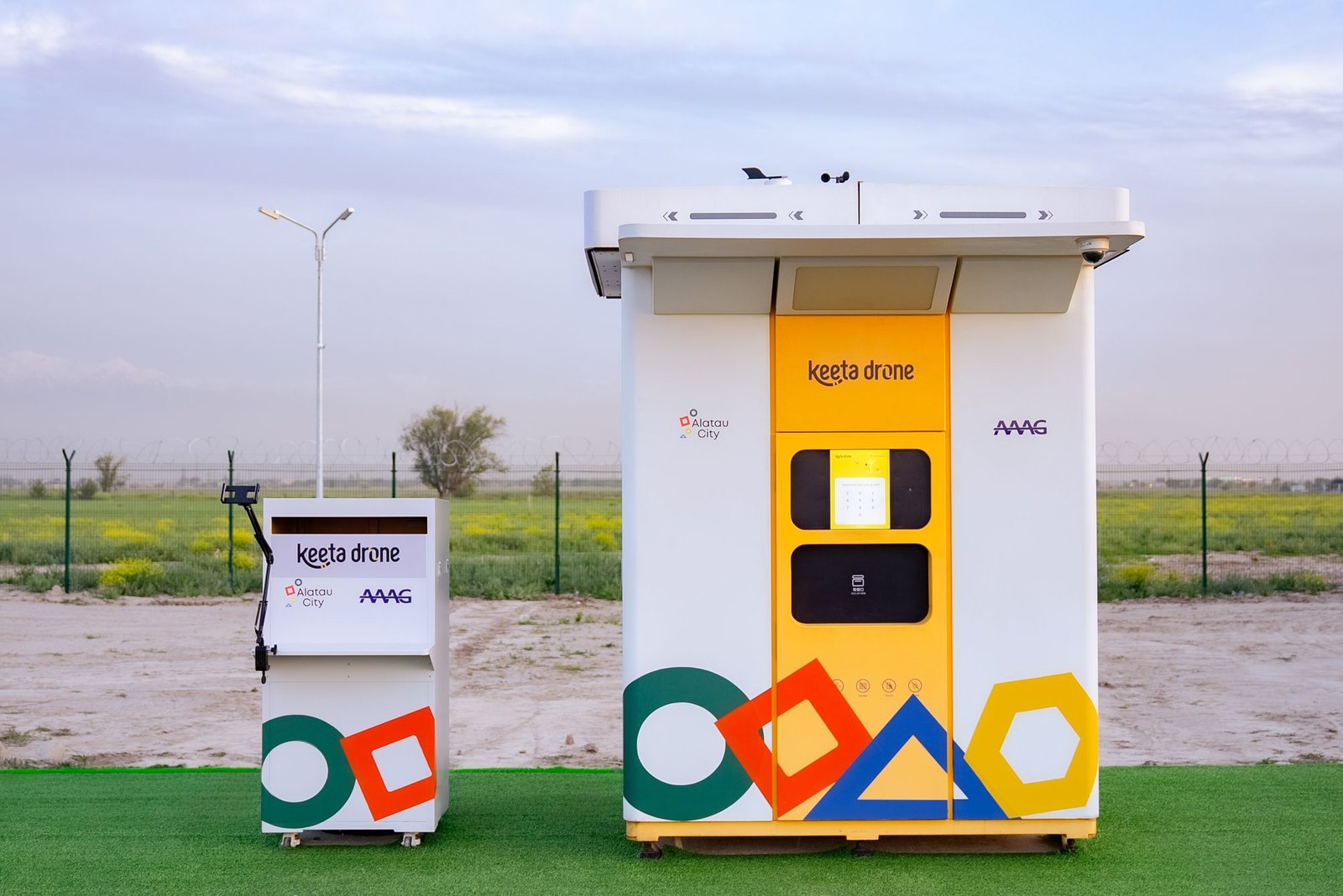
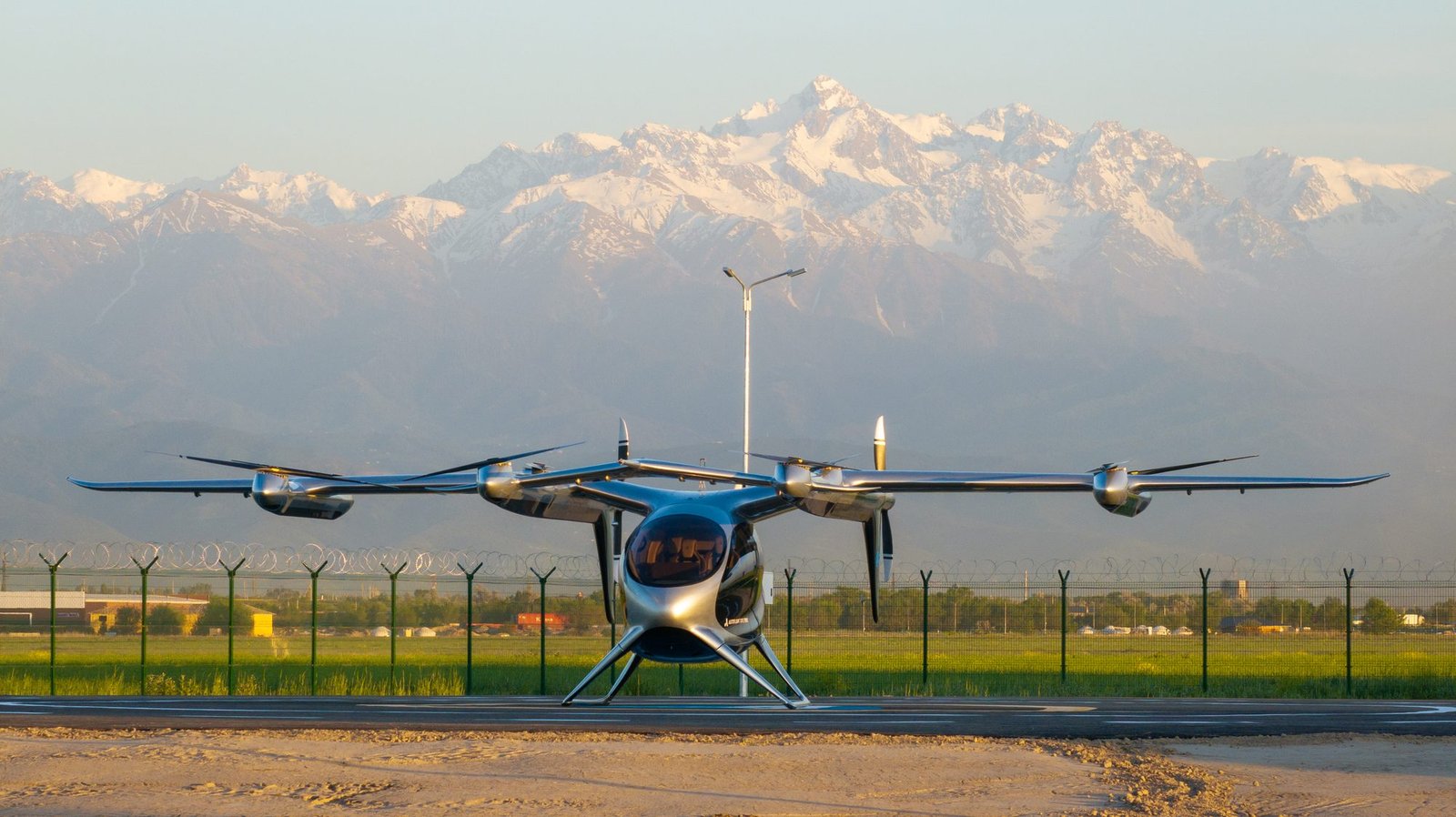
The centrepiece of the event was the demonstration flight of the AutoFlight Prosperity passenger eVTOL aircraft. Designed to accommodate one pilot and five passengers, the aircraft can travel at speeds of up to 200 kilometers per hour and cover distances of up to 200 kilometers on a single charge. Powered by 13 electric motors, the aircraft operates with minimal noise and produces zero carbon emissions, making it an environmentally friendly alternative to traditional transportation methods. For safety reasons, the inaugural flight was conducted without passengers on board. The demonstration extended beyond air taxis. Attendees also witnessed advanced drone technologies from Keeta Drone of China and A2Z Drone Delivery from the United States. Additionally, South Korea’s Korea Airports Corporation (KAC) introduced its cutting-edge Urban Air Traffic Management (UATM) platform, developed in cooperation with the Shenzhen Urban Transportation Planning Centre. Together, these technologies illustrate the broader vision of Advanced Air Mobility—a rapidly emerging sector that combines passenger air transportation, drone logistics, and intelligent airspace management systems.
Industry analysts believe the market potential is enormous. According to forecasts by Morgan Stanley, the global Urban Air Mobility industry could be worth between $1 trillion and $1.5 trillion by 2040, making it one of the most promising sectors in future transportation. The event attracted high-ranking government officials and industry leaders, including Almaty Region Akim Marat Sultangaziyev, Deputy Minister of Defense and Commander-in-Chief of the Air Defense Forces Kairat Sadykov, Vice Minister of Artificial Intelligence and Digital Development Bakhtiyar Mukhametkaliyev, CEO of the Alatau City Authority Alisher Abdykadyrov, and Alatau City Akim Arken Utenov.
Building a Vision from the Ground Up
The idea behind Kazakhstan’s Urban Air Mobility initiative began taking shape in 2024 when representatives of AAAG first encountered UAM technologies during a visit to South Korea. Inspired by the progress being made in global aviation innovation, the company returned to Kazakhstan determined to explore how similar solutions could be adapted to local conditions. According to Sergey Khegay, Founder and Head of Alatau Advanced Air Group, the journey from concept to demonstration flight required extensive planning, international cooperation, and technological research. A company was registered within the Astana International Financial Centre (AIFC), and a multidisciplinary team of aviation experts, engineers, IT specialists, and international partners was assembled.

The team conducted comprehensive studies of Urban Air Mobility ecosystems in countries including the United States, China, South Korea, Japan, the United Arab Emirates, and several European nations. Rather than importing a single technology, AAAG sought to create a complete ecosystem that would include infrastructure, workforce development, engineering expertise, and operational capabilities. “Our objective is not simply to bring aircraft into Kazakhstan,” Khegay explained. “We want to establish an entirely new industry that creates jobs, develops local expertise, and integrates advanced technologies into everyday life. Alatau City provides a unique opportunity because it is being built from the ground up, allowing Urban Air Mobility to be incorporated directly into the city’s master plan.” The company plans to spend the next two years developing the necessary infrastructure and regulatory framework, with commercial air taxi services expected to launch by 2028.

Alatau City: A Smart City for the Future
Regional authorities view the project as a significant economic and technological opportunity. Speaking at the event, Almaty Region Akim Marat Sultangaziyev highlighted the importance of private-sector investment in driving innovation and attracting global attention to Kazakhstan. The planned investment of approximately $250–300 million demonstrates strong confidence in both Alatau City and Kazakhstan’s long-term potential as a regional centre for advanced transportation technologies. According to Sultangaziyev, the project reflects Kazakhstan’s determination not only to follow global technological trends but also to actively shape them. The strategic significance of the initiative was echoed by Alisher Abdykadyrov, CEO of the Alatau City Authority. He described the demonstration flight as more than a showcase of cutting-edge technology, calling it a transition toward a new model of urban development where innovation, digitalization, and advanced mobility become fundamental drivers of economic growth.
Alatau City has been envisioned as a next-generation Smart City that integrates digital services, innovative transportation networks, and experimental regulatory frameworks. This unique approach allows emerging technologies such as air taxis to be incorporated from the earliest stages of development rather than retrofitted into existing urban infrastructure.
Revolutionizing Urban Transportation
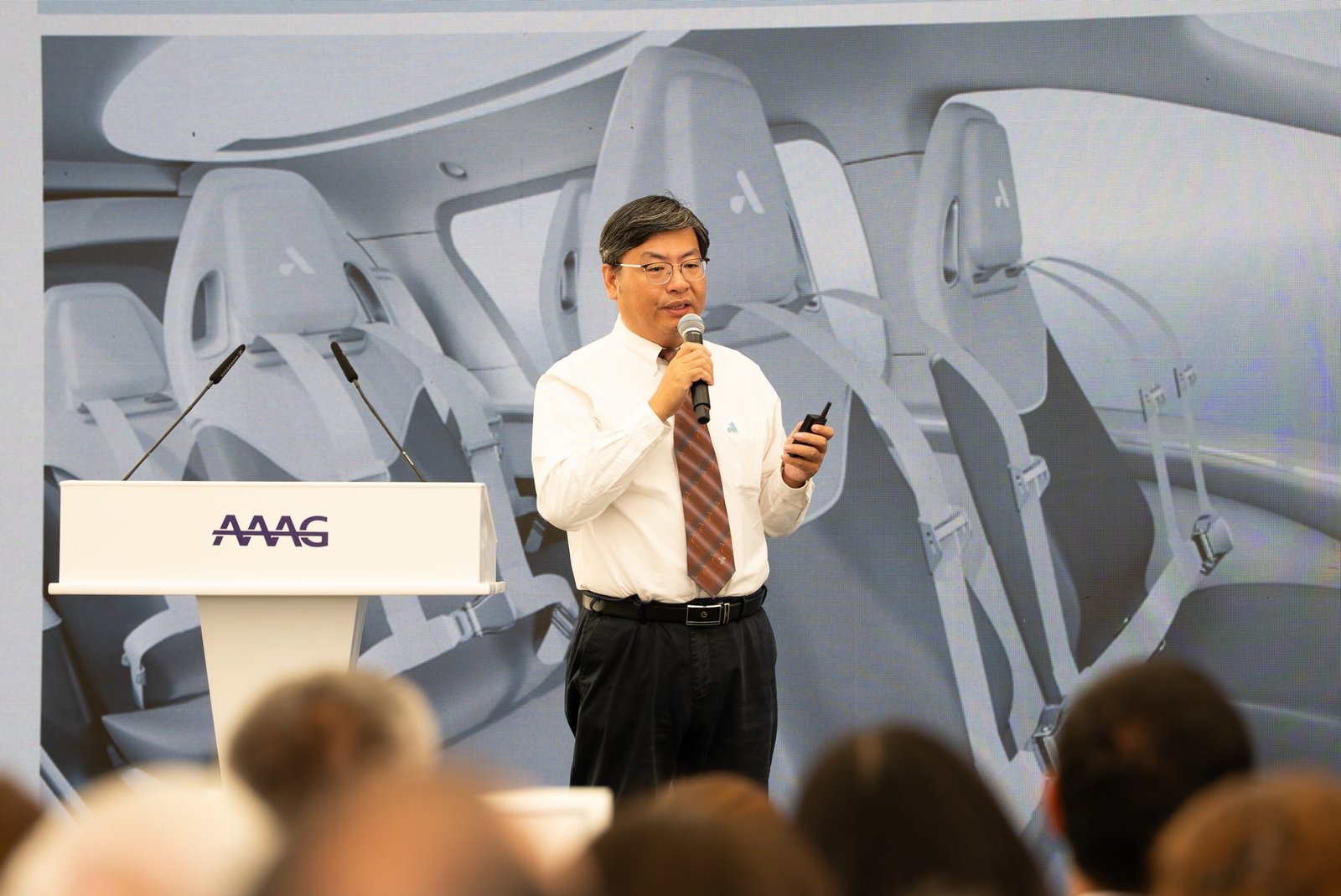
Representatives from AutoFlight believe eVTOL technology represents a transformational shift in transportation comparable to the rise of electric vehicles over the past decade. According to Kellen Xie, Senior Vice President of AutoFlight, the technology offers three major advantages. First, future versions of eVTOL aircraft will be capable of autonomous operation, with pilots potentially supervising flights remotely from the ground. Second, the aircraft’s electric propulsion system eliminates carbon emissions while simplifying maintenance and reducing operational costs. Third, eVTOL aircraft do not require conventional runways, enabling takeoff and landing from compact urban locations. AAAG has already signed a memorandum with AutoFlight for the purchase of 50 V2000/V5000 series aircraft, laying the foundation for future commercial operations. The agreement also includes cooperation in training, maintenance, infrastructure development, and knowledge transfer.

Developing the Vertiport Network
A critical component of the Urban Air Mobility ecosystem is the development of vertiports—specialized facilities where eVTOL aircraft can take off, land, recharge, and undergo maintenance. Unlike traditional airports, vertiports can be integrated into urban environments, including rooftops, transportation hubs, and commercial districts. Construction of the first vertiport in Alatau City has already begun. Italian company UrbanV is collaborating with AAAG on the design and implementation of the infrastructure. Future plans envision a regional network of vertiports connecting Alatau City, Almaty, and major tourist destinations across the Almaty Region. One proposed route could reduce travel time between Almaty International Airport and Medeu to just 10–12 minutes, dramatically improving connectivity.

Managing the Skies of Tomorrow
As air mobility expands, effective traffic management becomes increasingly important. To address this challenge, Korea Airports Corporation presented its Urban Air Traffic Management system designed specifically for future UAM operations. The platform integrates traditional aircraft, air taxis, and drones into a single management system, enabling safe and coordinated operations within shared airspace. KAC previously tested the system in South Korea in collaboration with Joby Aviation, successfully demonstrating its ability to manage multiple aerial vehicles simultaneously.
Creating the Legal Foundation
The development of Urban Air Mobility in Kazakhstan is supported by a growing regulatory framework. On May 8, 2026, President Kassym-Jomart Tokayev signed the Constitutional Law “On the Special Legal Regime of Alatau City,” establishing legal conditions for testing and implementing advanced air mobility technologies. AAAG is currently contributing to the development of approximately 40 regulatory documents designed to govern future operations. These measures will create the legal foundation necessary for commercial air taxi services, dedicated air corridors, and integrated airspace management systems. The demonstration flight on May 19 represents only the first step in a long-term vision. As more than 1,500 vertiports are expected to be built worldwide by 2029, Kazakhstan is positioning itself to become an active participant in the global Urban Air Mobility revolution. With Alatau City serving as a living laboratory for innovation, the country is taking bold steps toward a future where air taxis, smart infrastructure, and digital airspace management become part of everyday life.

More to Read
All issues
Kazakhstan & Hyundai Motor Group Deepen Automotive & Industrial Partnership
Kazakhstan is looking to strengthen its position as a regional automotive and industrial manufacturing centre as President Kassym-Jomart Tokayev and Hyundai Motor Group…

Across the Caspian
Kazakhstan & Azerbaijan Prepare to Revive Passenger Ferry Links
Airbus Deepens Strategic Partnership with Kazakhstan As Aviation Defense & Space Cooperation Expands
Kazakhstan’s ambitions to establish itself as a leading aviation hub in Central Asia are receiving significant support from European aerospace giant Airbus, which…