Li Auto’s Kazakhstan Drive Signals a New Era of Global Expansion
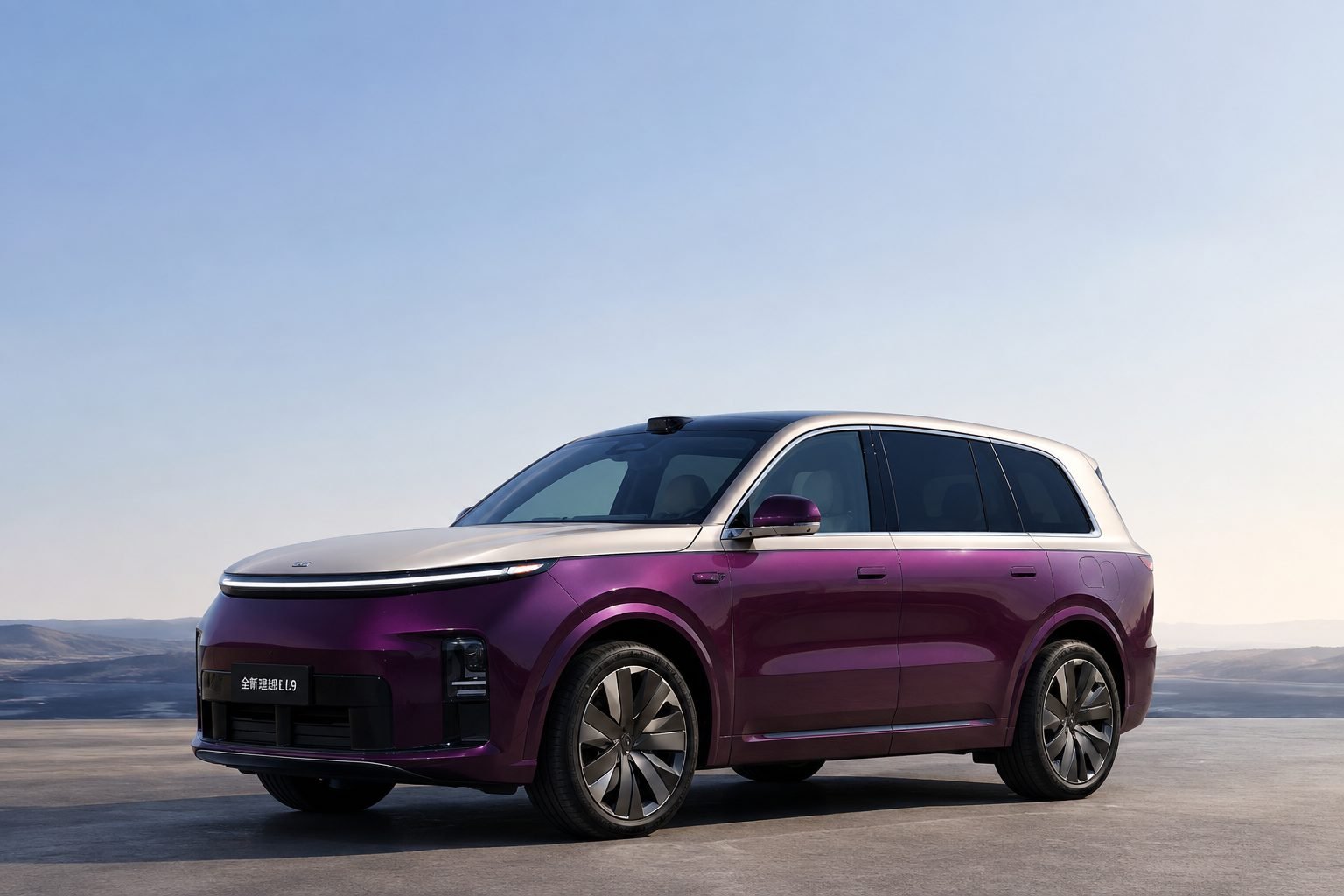
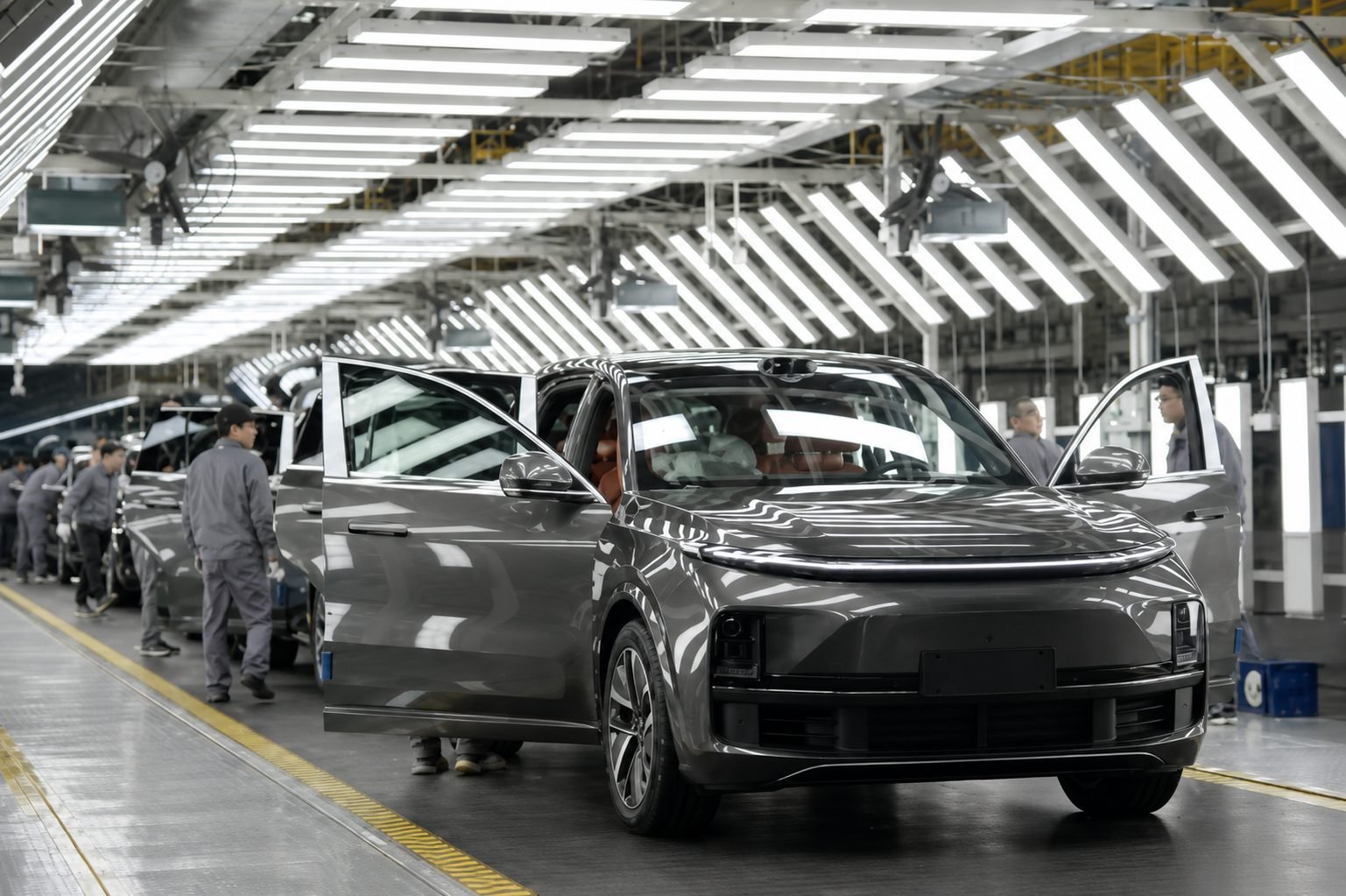
Li Auto is taking a significant step beyond its home market, choosing Kazakhstan as the first country outside China where it plans to manufacture its vehicles. The move marks a new phase in the company’s international strategy, shifting from simply exporting finished vehicles to building a localized production, sales and service ecosystem in Central Asia. The announcement came alongside the Kazakhstan launch of the updated Li L9, the company’s flagship extended-range electric SUV. Li Auto has entered into a strategic partnership with Kazakh automotive group Allur, with plans to begin local assembly at Allur’s facility in Kostanay. The agreement was signed during a Kazakhstan-China roundtable in Shanghai and was witnessed by Kazakh President Kassym-Jomart Tokayev.
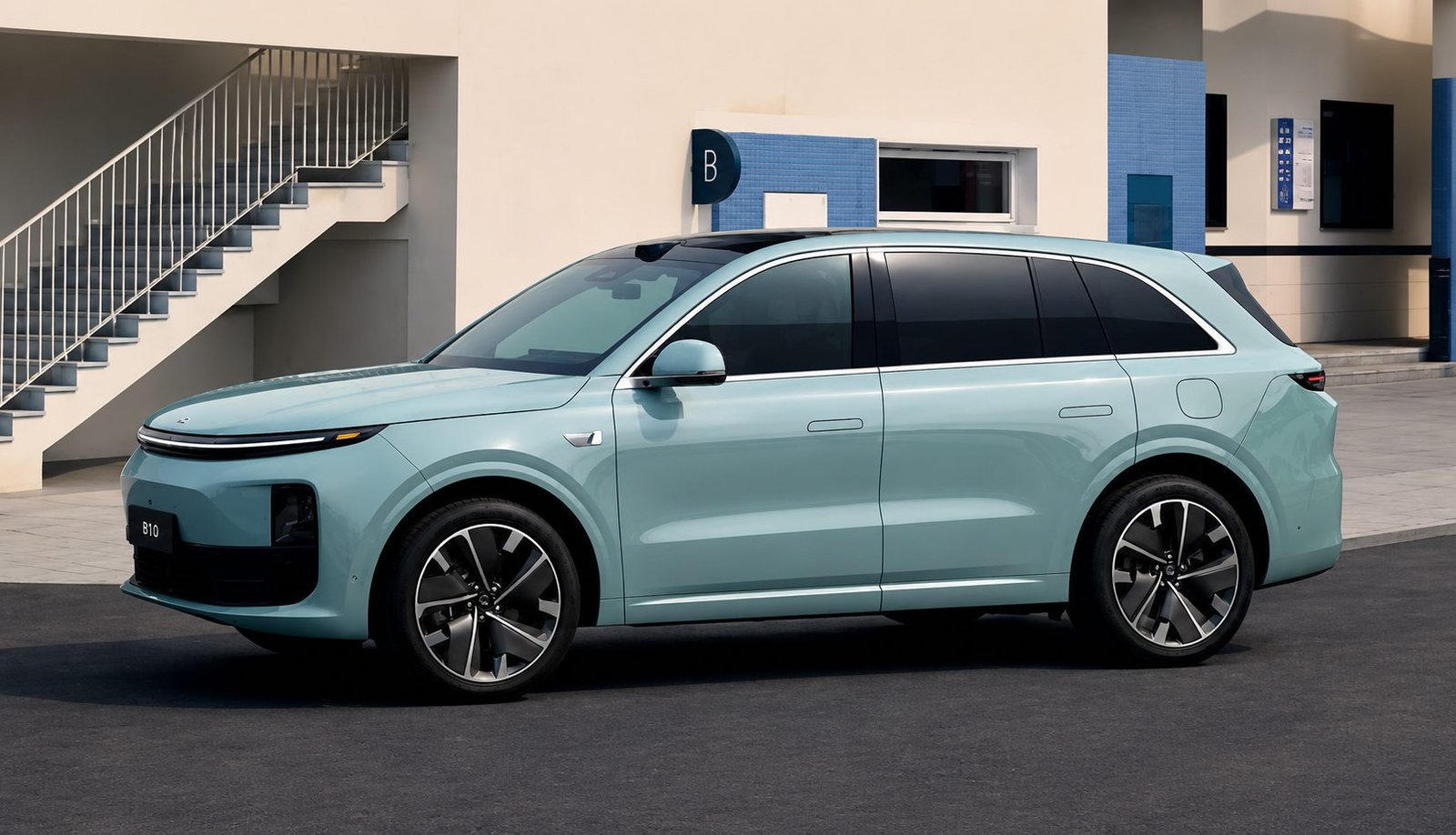


For Kazakhstan, the partnership adds another major international automotive name to its growing manufacturing ambitions. For Li Auto, it provides a strategically positioned base from which to serve Central Asia and potentially reach wider international markets. The company says localized production should shorten delivery times, reduce purchasing costs for consumers and provide additional capacity for its broader overseas expansion. The partnership is also expected to cover sales-channel development and after-sales services, making the initiative considerably broader than an assembly agreement alone.
The Li L9 Arrives in Kazakhstan
The new Li L9 officially went on sale in Kazakhstan in July 2026, giving local customers access to Li Auto’s latest flagship SUV. The Ultra version is priced at 43.99 million Kazakhstani tenge, while the higher-end Livis version is priced at 51.9 million tenge, according to the company’s announcement. The L9 is designed around Li Auto’s extended-range electric vehicle, or EREV, technology. Rather than relying exclusively on a large battery, the vehicle combines electric propulsion with an onboard range-extending system. The updated model offers a WLTC pure-electric range of approximately 350 kilometres and a combined range of up to 1,370 kilometres.
That configuration could be particularly relevant to markets where charging infrastructure is still developing across long distances. Kazakhstan’s vast geography, colder winters and significant intercity travel create different requirements from those of densely populated urban markets in China. Li Auto has therefore adapted the international version of the L9 specifically for overseas conditions. The company says adjustments have been made to charging performance and thermal-management systems to better suit Kazakhstan’s climate, road conditions and charging infrastructure. Technologically, the L9 occupies the premium end of the SUV segment. Its specification includes an 800-volt electrical architecture, active suspension, steer-by-wire and rear-wheel steering. Inside, a 29-inch panoramic display forms part of an intelligent cockpit powered by Qualcomm’s Snapdragon 8797 platform.
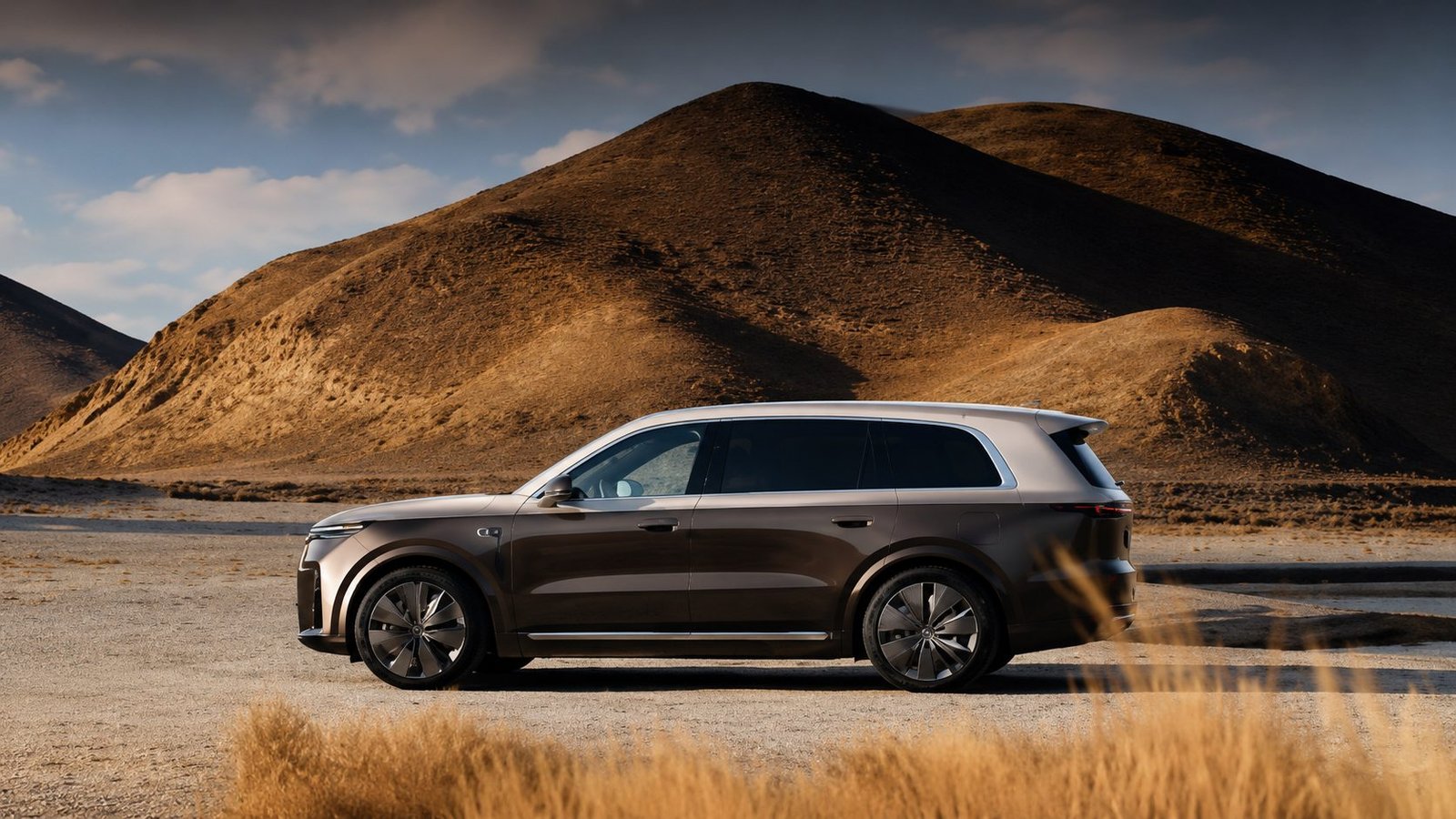
The vehicle is also being localized beyond its mechanical systems. Li Auto has worked with Yandex and Chinese mapping provider Amap to integrate navigation, traffic information and digital entertainment into the Kazakhstan-market vehicle. Services include Yandex Maps and Yandex Music, alongside Spotify and Apple CarPlay support.
Why Kazakhstan Matters
Li Auto’s choice of Kazakhstan as its first overseas production base reflects the country’s increasingly important position within Central Asia’s automotive and logistics landscape. Kostanay, where Allur operates its manufacturing facilities, provides Li Auto with an established automotive industrial environment rather than requiring the company to build an entirely new factory from the ground up. The partnership therefore offers a potentially faster route to localized manufacturing while giving Li Auto an operational foothold in the region. The significance extends beyond Kazakhstan itself. Central Asia connects China with markets across Eurasia, and Kazakhstan can serve as a regional platform for companies seeking to expand their commercial footprint westward. Li Auto has already identified Central Asia and the Middle East as important starting points for its internationalization strategy.
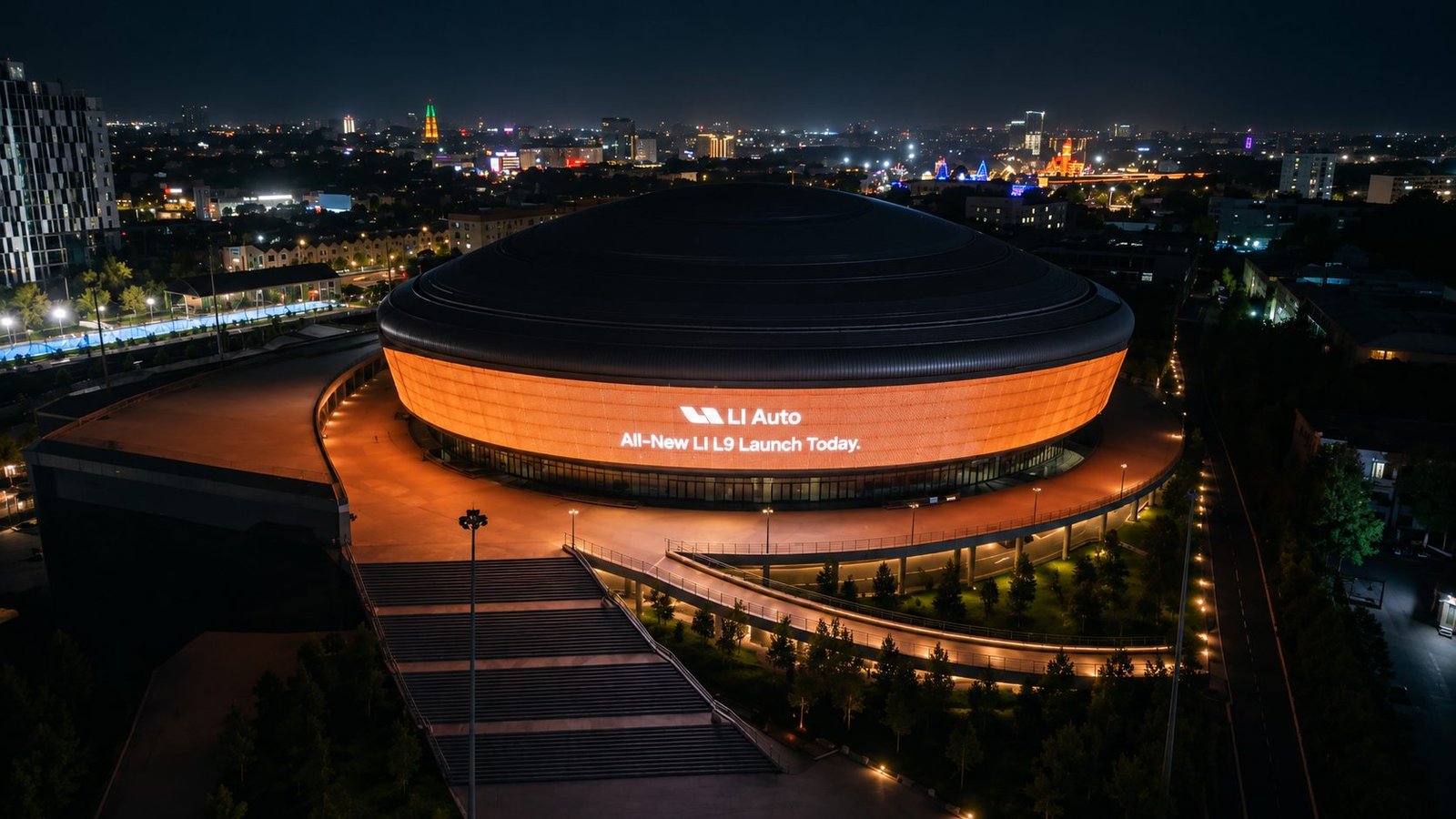
The company entered Kazakhstan and Uzbekistan with certified dealership partners at the end of 2025, followed by expansion into other markets including Azerbaijan and Egypt. Its international strategy is consequently developing around a combination of local partnerships, retail networks, localized digital services and, now, manufacturing. The Kazakhstan agreement also demonstrates how Chinese electric-vehicle manufacturers are increasingly looking beyond exports. As competition intensifies at home, localized production can provide greater control over supply chains, reduce logistical costs and potentially improve responsiveness to regional demand.
Building More Than a Factory
The Allur partnership is significant because Li Auto is not treating manufacturing as an isolated activity. The company intends to build an integrated ecosystem covering production, sales, servicing and software. Authorized dealers in Kazakhstan, including Allur and Doscar, are being developed to serve customers in major cities such as Almaty and Astana. Buyers through official channels are expected to receive manufacturer-backed warranties, certified maintenance, genuine spare parts, technical assistance and continuing over-the-air software updates. This model reflects an important change in how premium Chinese electric-vehicle brands are approaching overseas markets. Selling vehicles internationally requires more than shipping cars across borders. Customers increasingly expect the same digital connectivity, maintenance support and software experience available in the manufacturer’s home market. For Li Auto, establishing that ecosystem early could be crucial to building consumer confidence in markets where the brand is still relatively new.

A Flagship With Momentum
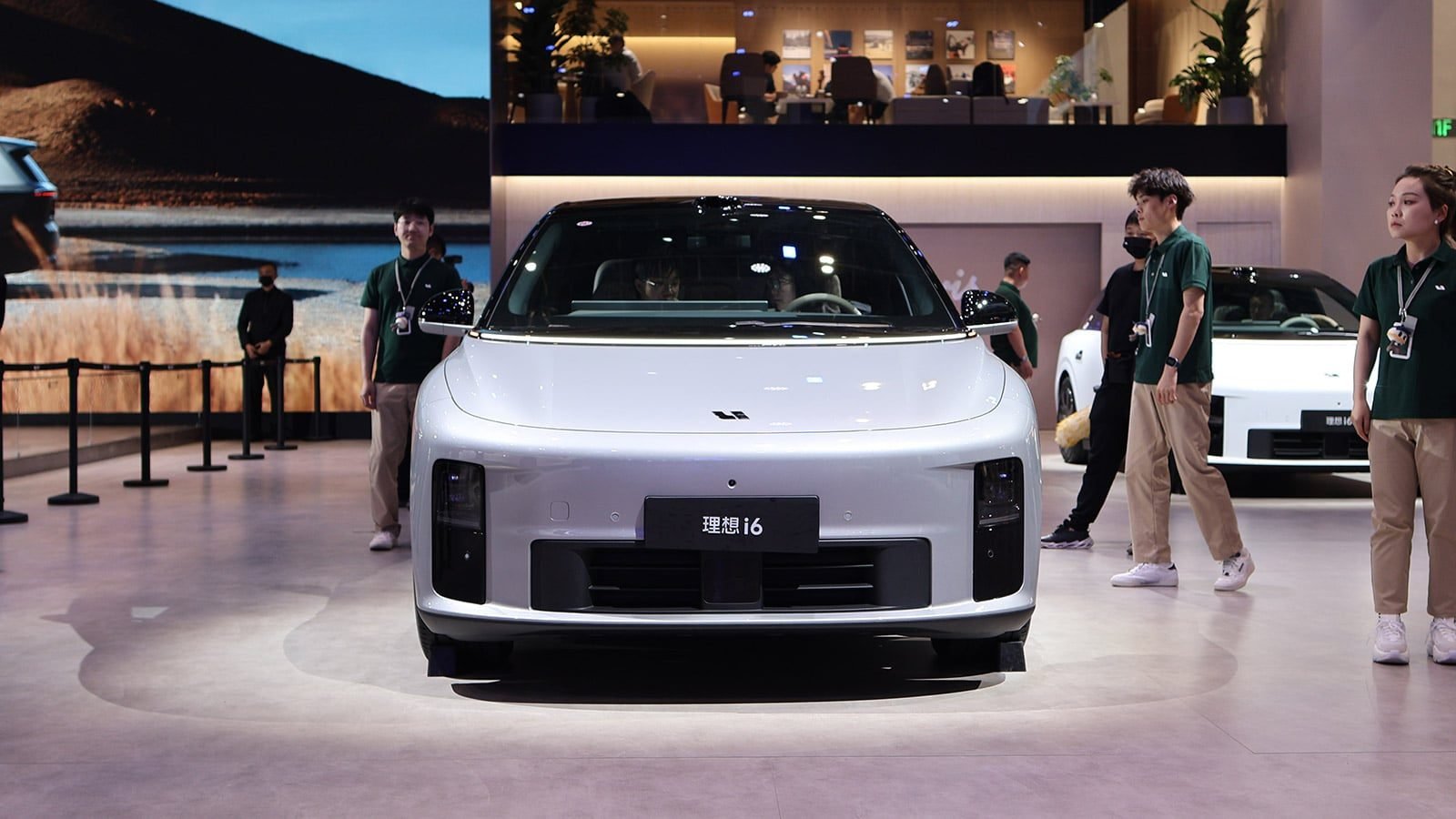
The L9 also arrives in Kazakhstan at an important moment for the model itself. Li Auto announced in July that cumulative L9 deliveries had surpassed 300,000 units. The flagship was first launched in China in 2022, making the milestone a significant achievement for a relatively young model. The company has been refreshing its L-series lineup throughout 2026. The updated L9 arrived in May, followed by the new L8 in June and the redesigned L6 in July. The product cycle is intended to strengthen Li Auto’s competitiveness as Chinese consumers gain access to an increasingly broad selection of electric and extended-range vehicles.
The L6 has been particularly important to Li Auto’s domestic business, while the L9 represents the premium flagship capable of establishing the brand’s image in new international markets. At the same time, the company is developing a separate battery-electric vehicle portfolio. Li Auto says it intends to enter the European battery-electric market during the second half of 2026, while also expanding into additional Asia-Pacific and Middle Eastern markets.
Expansion Comes With Pressure
Li Auto’s international expansion is taking place against a challenging domestic backdrop. The Chinese automotive market has become intensely competitive, with price pressure and rapid product cycles putting pressure on manufacturers’ margins. The company reported a net loss of RMB 2.3 billion in the first quarter of 2026, compared with a net profit of RMB 646.6 million a year earlier. Gross margin declined sharply to 7.9 percent from 20.5 percent in the first quarter of 2025, while vehicle margin fell to 6.1 percent. Those figures make the international expansion particularly important. Overseas growth could give Li Auto additional markets in which to scale its products, diversify revenue and establish new sources of long-term demand. Yet internationalization also requires investment. Manufacturing partnerships, dealer networks, service centres, regulatory approvals, localized software and supplychain development all carry costs. The company therefore faces the challenge of expanding quickly without allowing overseas investment to deepen financial pressure.

Central Asia as a Launchpad
The Kazakhstan initiative is ultimately about more than the Li L9. It represents Li Auto’s attempt to establish a repeatable international model. Uzbekistan provides another example. The company launched the updated L9 there in July after entering the market in 2025, and it has established retail and service partnerships in Tashkent, Samarkand and Bukhara. Li Auto says more than 5,000 families in Uzbekistan had chosen its vehicles by the time of the new L9 launch. Together, Kazakhstan and Uzbekistan provide Li Auto with a growing Central Asian foundation. Kazakhstan adds the manufacturing dimension, while Uzbekistan demonstrates the development of a retail and service network. This combination could allow the company to use Central Asia not simply as a destination market but as an important testing ground for its broader globalization strategy.
A New Chapter in Global Expansion
Li Auto’s next challenge will be turning strategic announcements into sustained commercial performance. The company needs to demonstrate that its refreshed vehicle lineup can restore momentum in China while its overseas operations move from early-stage launches to dependable sales and service businesses. The Kazakhstan production agreement gives the company an opportunity to do exactly that. Local assembly can reduce the distance between manufacturer and customer, while an established partner such as Allur provides access to local industrial and commercial expertise. For Kazakhstan, meanwhile, the arrival of Li Auto strengthens the country’s position as an emerging centre for automotive manufacturing in Central Asia. The partnership links Chinese electric-vehicle technology with Kazakhstan’s industrial infrastructure and regional ambitions.

The Li L9 may therefore be remembered as more than a new premium SUV entering another market. Its Kazakhstan debut represents a strategic turning point for Li Auto—from a Chinese electric-vehicle success story toward a company attempting to build a genuinely international automotive footprint. If the Kostanay project develops as planned, Kazakhstan could become the first major chapter in that global story, connecting Li Auto’s technology, manufacturing ambitions and Central Asian expansion into a single platform for the next stage of growth.
More to Read
All issues
Kazakhstan & Hyundai Motor Group Deepen Automotive & Industrial Partnership
Kazakhstan is looking to strengthen its position as a regional automotive and industrial manufacturing centre as President Kassym-Jomart Tokayev and Hyundai Motor Group…

Across the Caspian
Kazakhstan & Azerbaijan Prepare to Revive Passenger Ferry Links
Airbus Deepens Strategic Partnership with Kazakhstan As Aviation Defense & Space Cooperation Expands
Kazakhstan’s ambitions to establish itself as a leading aviation hub in Central Asia are receiving significant support from European aerospace giant Airbus, which…