


Across the Caspian
Kazakhstan & Azerbaijan Prepare to Revive Passenger Ferry Links
A passenger route across the Caspian Sea could soon become part of the growing network connecting Kazakhstan and Azerbaijan. In September 2026, Kazakhstan proposed restoring passenger ferry services on the Kuryk–Baku–Kuryk route, and Azerbaijan expressed support for the initiative. Kazakhstan’s Ambassador to Azerbaijan, Alim Bayel, said that the transport authorities of both countries had begun work aimed at restoring passenger services. The passenger service operated until 2020, when it was suspended during the COVID-19 pandemic. According to Ambassador Bayel, around 1,500 passengers a year used the service before its suspension. He said the renewed connection could support passenger mobility, tourism exchanges and the wider opportunities associated with the Middle Corridor. The proposal is part of a broader pattern of cooperation between the two countries, in which the Caspian Sea is increasingly being viewed not simply as a geographical divide, but as an important link between Central Asia and the South Caucasus.
From Kuryk to Alat
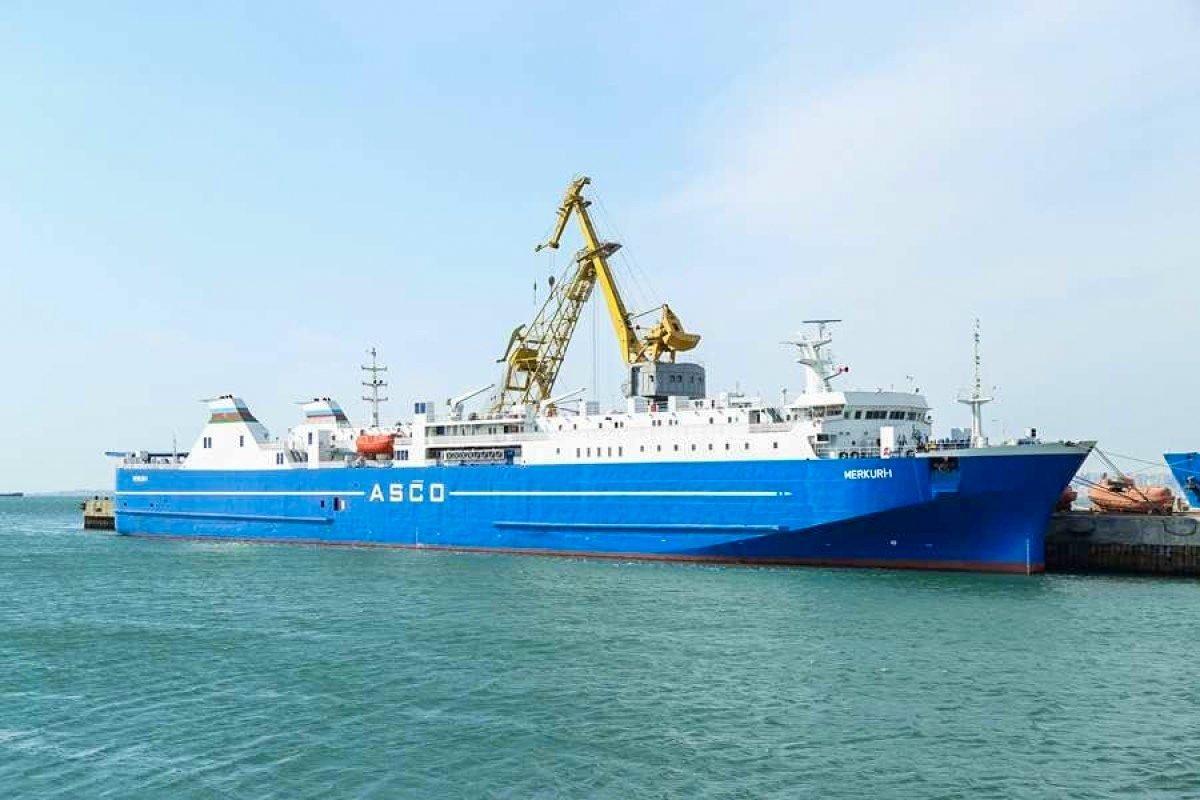
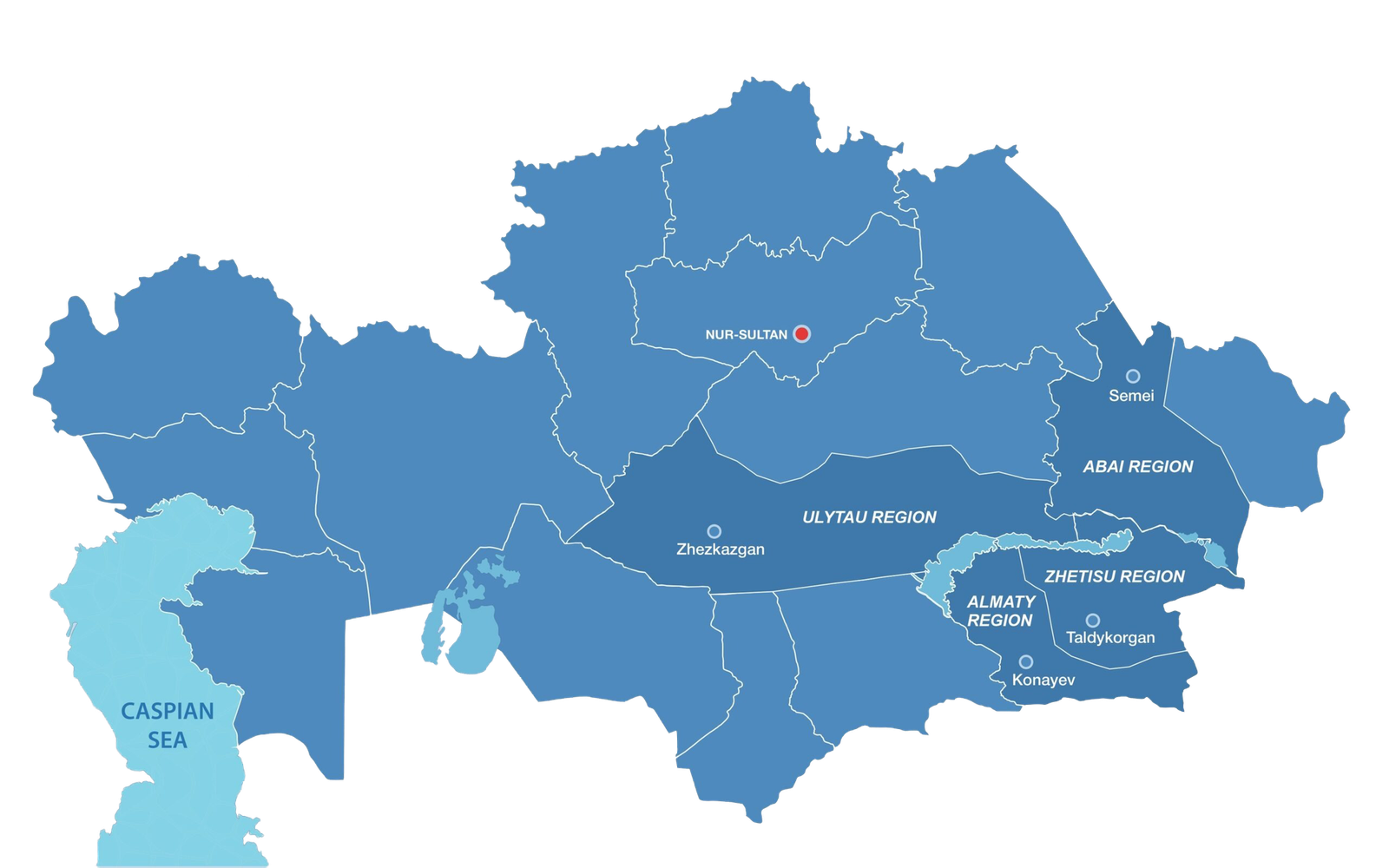
On Kazakhstan’s side, Kuryk Port lies on the eastern coast of the Caspian Sea in the Mangystau Region, south of Aktau. Its ferry complex forms an important part of Kazakhstan’s maritime transport infrastructure and is equipped to handle railway and vehicle ferries. On the Azerbaijani side is Alat Port, the modern maritime logistics hub located about 70 kilometres south of Baku. Kazakhstan’s official information describes Alat as a key link in the Middle Corridor, connecting Europe, the Caucasus, Central Asia and China. The current ferry connection between Kuryk and the Baku–Alat port area is already used for freight transportation. Port Kuryk reported in June 2026 that the ferry connection was operating normally as an important part of the Trans-Caspian International Transport Route. Under favourable weather conditions, the sea crossing takes approximately 18 hours. It is important to distinguish this existing freight operation from the proposed restoration of regular passenger services. The two are related through the same maritime infrastructure, but the September 2026 announcement concerns the renewal of passenger transportation.
A Route with a History
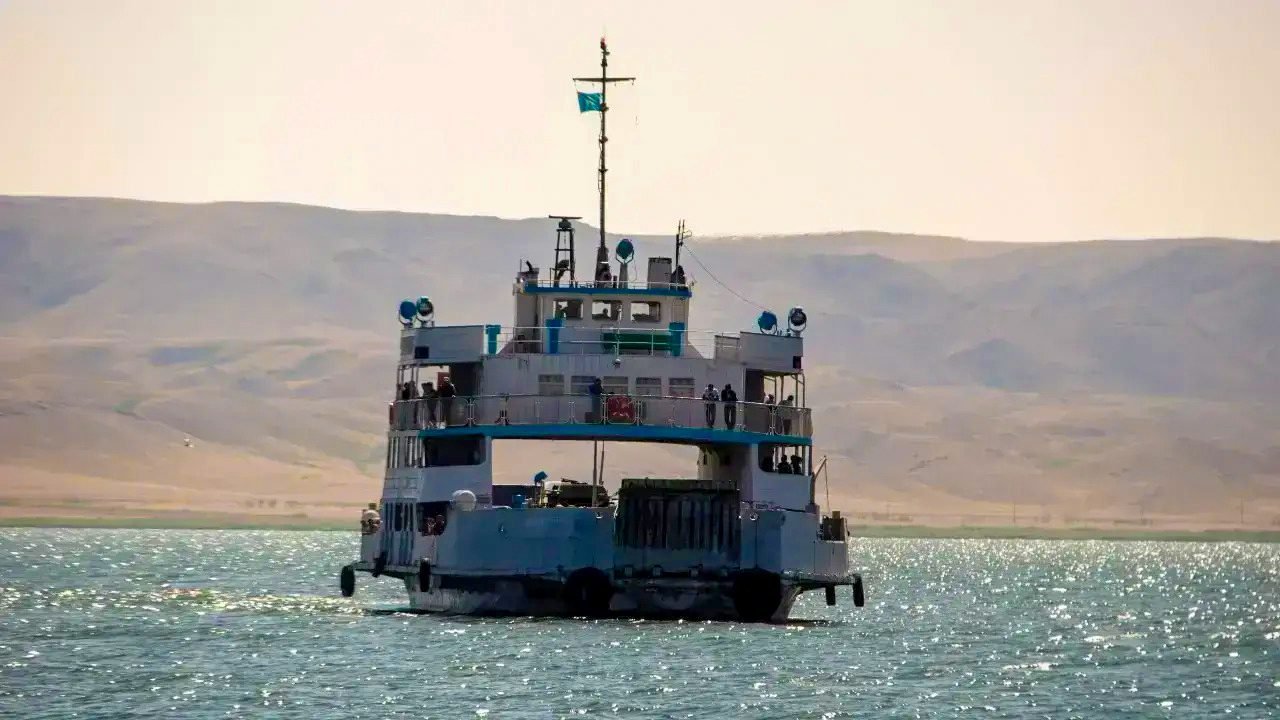
The Kuryk–Baku connection is not a new maritime idea. Passenger transportation previously operated along the route before being suspended in 2020. The service allowed travellers to cross the Caspian by ferry, offering an alternative to air travel between the two countries. Before its suspension, approximately 1,500 passengers used the connection annually, according to the Kazakh ambassador. The current proposal seeks to restore this passenger dimension while the underlying maritime connection continues to serve freight transportation. For travellers, the return of passenger services would provide another way to move between Central Asia and the South Caucasus. It would also add a distinctive maritime experience to journeys between Kazakhstan and Azerbaijan.

Strengthening People-to-People Connectivity
The significance of the proposal extends beyond transportation. According to Kazakhstan’s official announcement, the two sides see the restoration of passenger ferry services as a way to strengthen passenger links, encourage tourism exchanges and expand the opportunities associated with the Middle Corridor. Azerbaijan’s side has expressed support, while work to restore passenger transportation has already begun. The initiative also fits into a wider period of expanding transport and economic cooperation between Kazakhstan and Azerbaijan. In September 2026, the two countries discussed further cooperation involving the Port of Alat and Kazakhstan’s ports of Kuryk and Aktau, including cargo transportation, container traffic and joint infrastructure projects. These developments demonstrate how maritime connections are becoming increasingly important to the relationship between the two countries.
A Growing Network of Connections
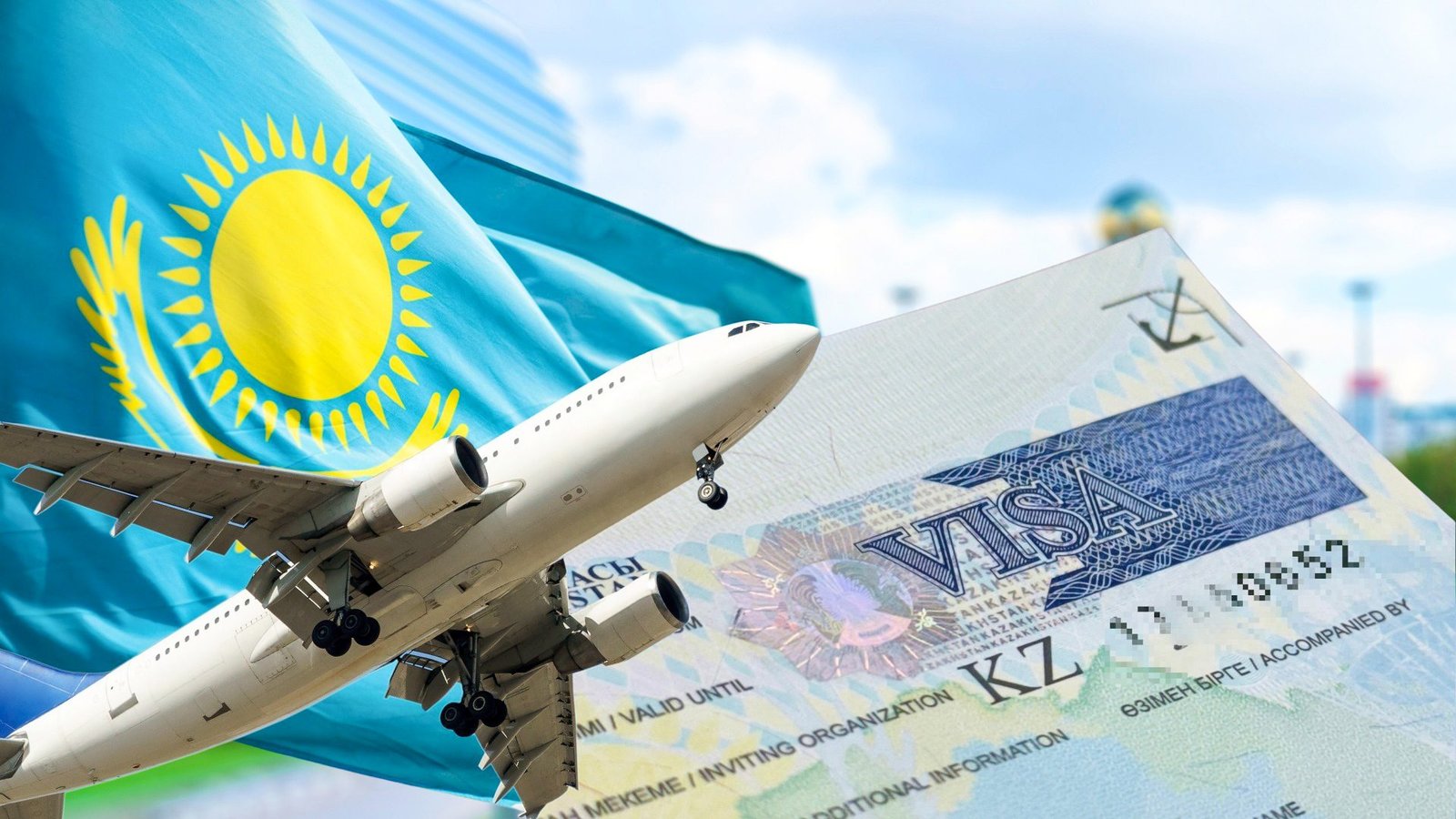
The proposed ferry service would complement an already established air connection between Kazakhstan and Azerbaijan. According to the Kazakh Embassy, 37 weekly air services connect Baku with the Kazakh cities of Astana, Almaty, Shymkent, Aktau and Atyrau. The ferry would therefore provide an additional travel option rather than replacing existing air connectivity. For tourists and other travellers, different forms of transport can serve different purposes. Air travel offers speed, while a maritime crossing provides the opportunity to experience the Caspian itself and connect directly with the region’s port infrastructure.A restored passenger service could consequently become an interesting component of broader travel itineraries linking Kazakhstan, Azerbaijan and other destinations in Central Asia and the Caucasus.
The Middle Corridor Connection
The proposed passenger link also comes against the background of the growing Trans-Caspian International Transport Route, widely known as the Middle Corridor. The route links China and Central Asia with the South Caucasus and Europe through a combination of rail, road and maritime transport. Kuryk and Alat are important points within this system, with the Caspian crossing providing the maritime connection between Kazakhstan and Azerbaijan. Kazakhstan continues to develop Kuryk as part of its wider sea–rail logistics network. In 2026, KAZAKH INVEST described a planned multifunctional port complex at Kuryk as part of the China–Caspian–Caucasus–Europe logistics chain. The Middle Corridor is primarily a freight and trade route, but improved connectivity can also have wider effects on travel and regional interaction. A restored passenger ferry would add a human element to an infrastructure network that is already connecting economies and transport systems across the Caspian.

A Journey Across the Caspian
There is also a special appeal to travelling by sea. The Caspian is the world’s largest enclosed inland body of water, separating the eastern shores of Central Asia from the South Caucasus. A passenger ferry provides a different perspective on this geography, turning the crossing itself into part of the journey. From Kuryk, travellers would cross the Caspian towards the Azerbaijani coast, arriving in the Alat area before continuing towards Baku and other destinations. The route could offer opportunities for visitors interested in experiencing the landscapes and transport networks that connect the two sides of the sea. For Kazakhstan and Azerbaijan, the route represents more than a physical crossing. It provides another channel for tourism, business travel and personal mobility between neighbouring regions.

Preparing for the Next Chapter
As of September 2026, the passenger service is in the preparation stage and no confirmed restart date has been announced. The two countries have expressed support for restoring the service, and their relevant transport authorities have begun working on the process. The development builds on an existing maritime relationship. Freight ferries already operate between the Kuryk and Baku–Alat port areas, while the proposed passenger service would restore a connection that was suspended during the pandemic. If successfully restored, the passenger ferry would provide another link between Kazakhstan and Azerbaijan at a time when their transport and logistics cooperation is expanding. The Caspian Sea has long connected the communities and economies around its shores. With Kuryk and Alat developing as important maritime gateways, the planned return of passenger services could give that connection a renewed human dimension linking travellers, destinations and cultures across the sea.


More to Read
All issues
Kazakhstan & Hyundai Motor Group Deepen Automotive & Industrial Partnership
Kazakhstan is looking to strengthen its position as a regional automotive and industrial manufacturing centre as President Kassym-Jomart Tokayev and Hyundai Motor Group…
Airbus Deepens Strategic Partnership with Kazakhstan As Aviation Defense & Space Cooperation Expands
Kazakhstan’s ambitions to establish itself as a leading aviation hub in Central Asia are receiving significant support from European aerospace giant Airbus, which…

Li Auto’s Kazakhstan Drive Signals a New Era of Global Expansion
Li Auto is taking a significant step beyond its home market, choosing Kazakhstan as the first country outside China where it plans to manufacture its vehicles. The move…