

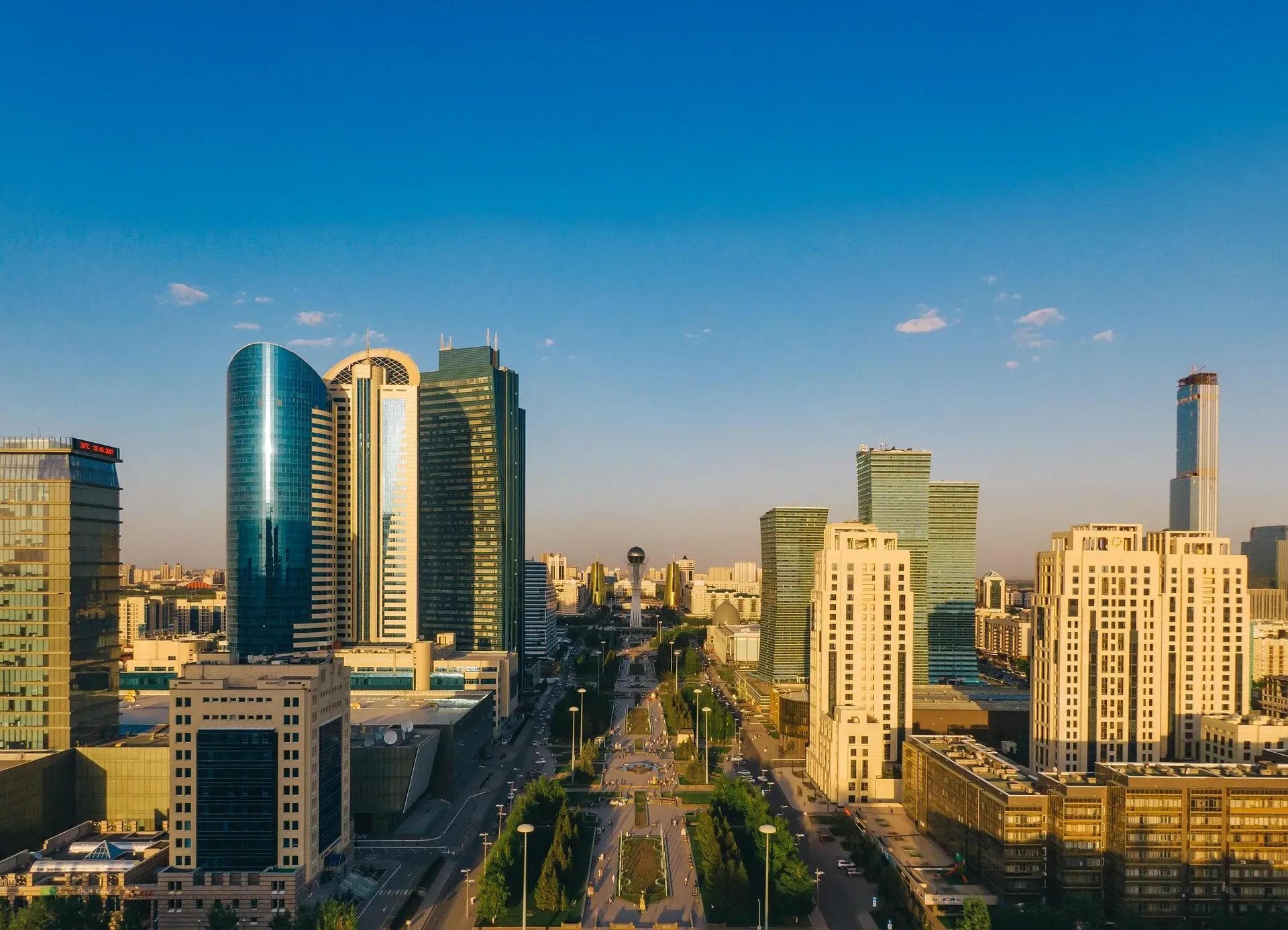
Kazakhstan’s Infrastructure Programs and Urban Development in Astana
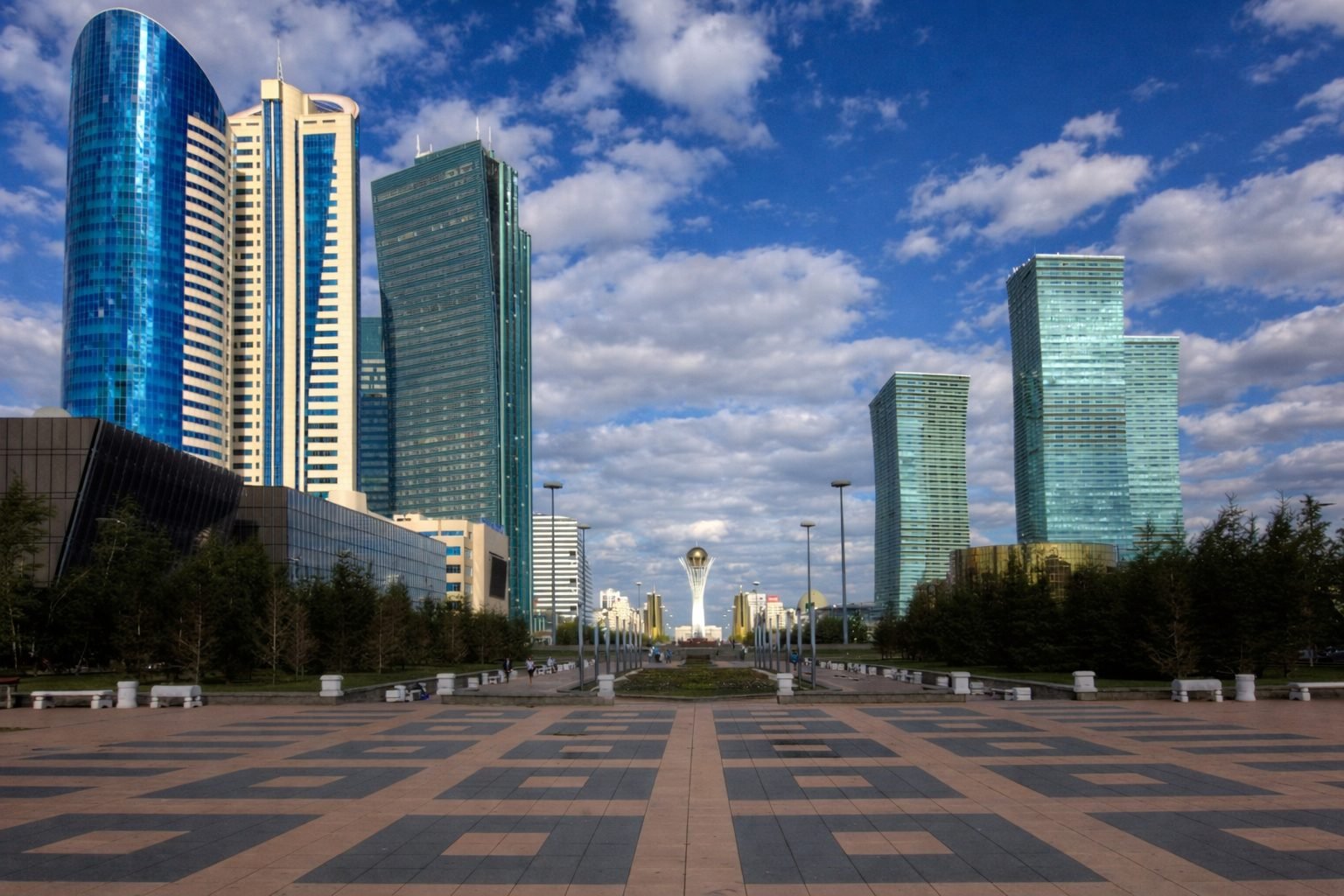
Astana’s transformation from a planned administrative center into a modern, investment-led capital has been one of the most visible examples of Kazakhstan’s post-independence urban strategy. Over the past two decades the city’s skyline, transport links and social infrastructure have expanded rapidly — a change that has brought measurable social gains but also sharpened questions about sustainability, resource use and long-term resilience. This article synthesizes the main findings from recent analyses of Astana’s infrastructure programs and offers a balanced assessment of where the city stands in October 2025. Public investment and measurable social gains The core driver of Astana’s rise has been sustained public investment. State infrastructure programs — many coordinated with international finance and aligned with large regional initiatives — injected capital into roads, rail links, energy networks and social facilities. Analysts point out that these investments helped raise average incomes in the capital, reduced extreme poverty indicators compared with national averages, and widened access to health, education and housing services in a relatively short time. These outcomes explain why policymakers continue to prioritize infrastructure as a vehicle for regional competitiveness and social development.
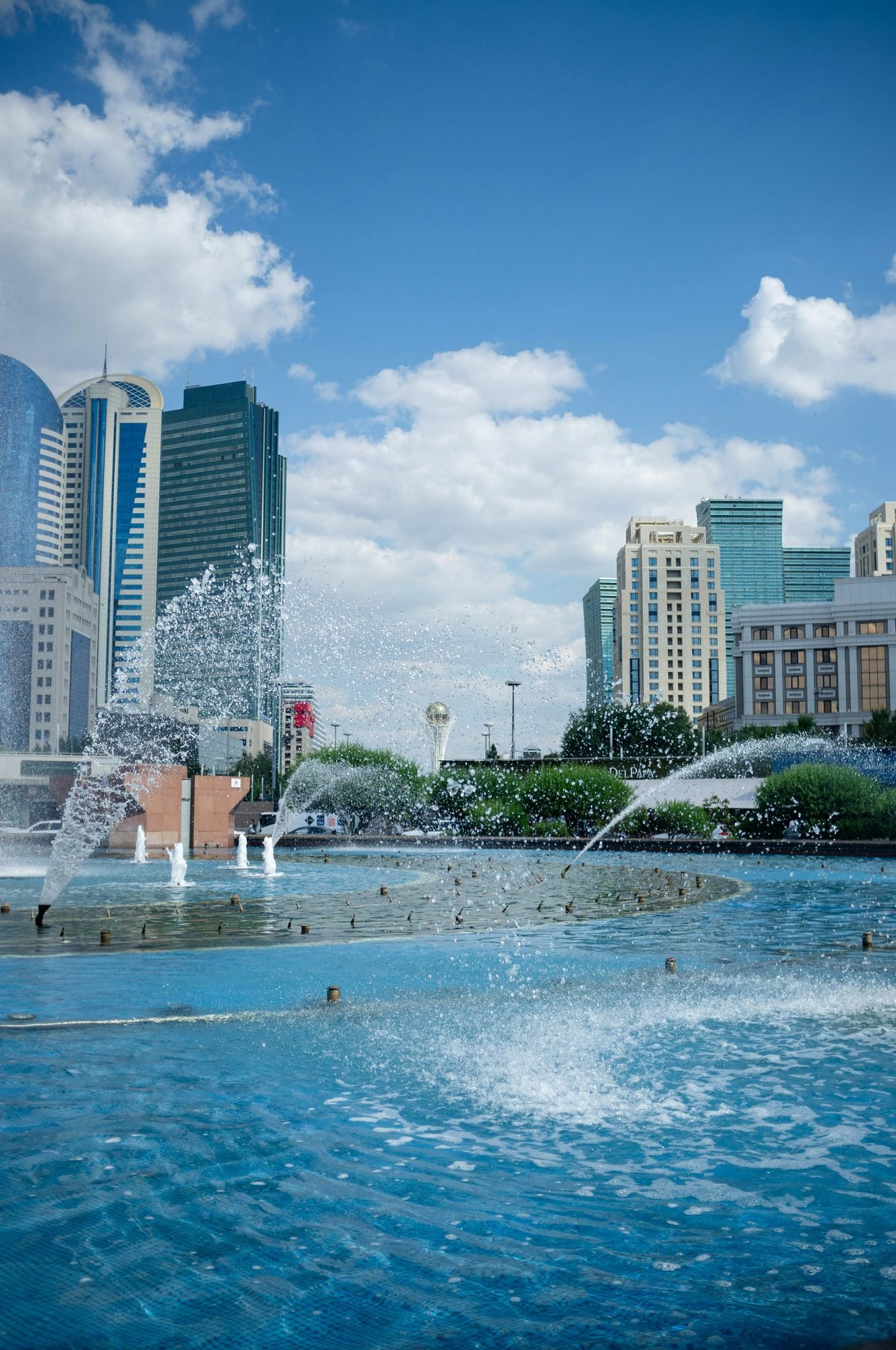
The construction boom: scale and consequence Quantitatively, Astana’s construction boom has been impressive: wide stretches of new housing, public buildings and transport projects were completed between 2015–2025, and construction activity remains a large share of the city’s GDP contribution. But scale has a cost. Recent research underscores that the boom has relied on intensive use of financial and natural resources — from budgetary transfers and commercial credit to high volumes of materials, water and energy — raising questions about fiscal sustainability and ecological footprints if growth follows the same model. In short: quantity came quickly; ensuring quality, efficiency and low environmental impact is the harder task ahead.
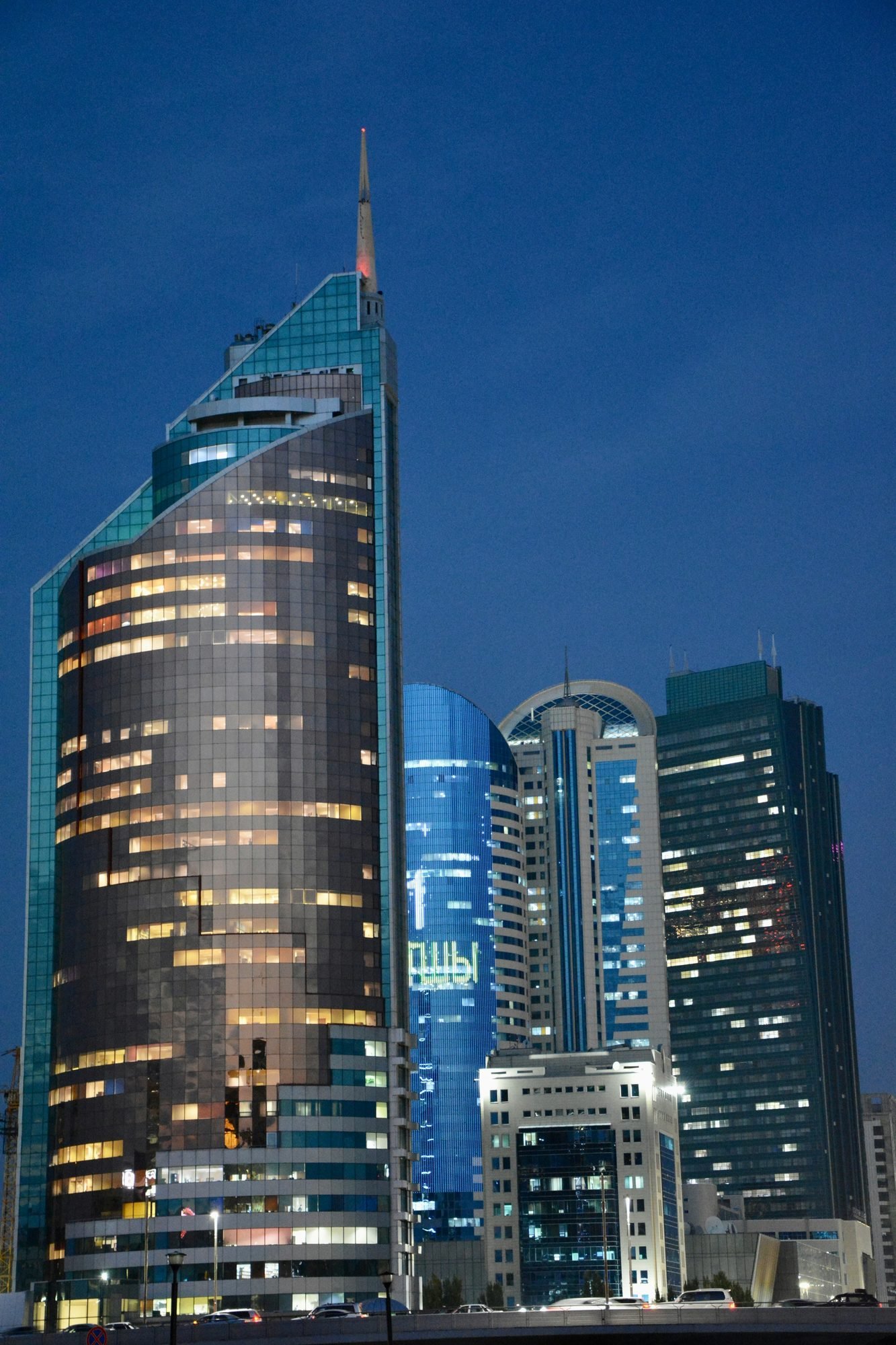
Institutional reforms and digitalization: improving transparency A key policy response to past inefficiencies has been digitalization and institutional consolidation. The government’s push — including plans for unified construction and permitting platforms — aims to centralize project data, reduce red tape and improve public access to construction and ownership records. These reforms are intended to reduce corruption risks, speed approvals for affordable housing projects and create machine-readable records for long-term asset management. Early pilots have shown promise, but full benefits will depend on strong governance, data quality and interoperability across ministries and municipal agencies. Infrastructure quality vs. spatial equity Astana’s infrastructure agenda has undeniably improved services in central districts and newly developed neighborhoods. However, several studies warn of uneven spatial outcomes: peripheral suburbs and informal peril-urban areas often still suffer from limited public transport, weak social infrastructure and underdeveloped local economies. This spatial mismatch — rapid high-rise development at the core paired with underinvestment at the margins — risks entrenching socio-economic divides unless municipal planning shifts toward inclusive, polycentric growth models. Integrated transport planning, targeted social housing and local economic stimulus in under-served districts are the corrective levers highlighted by researchers.
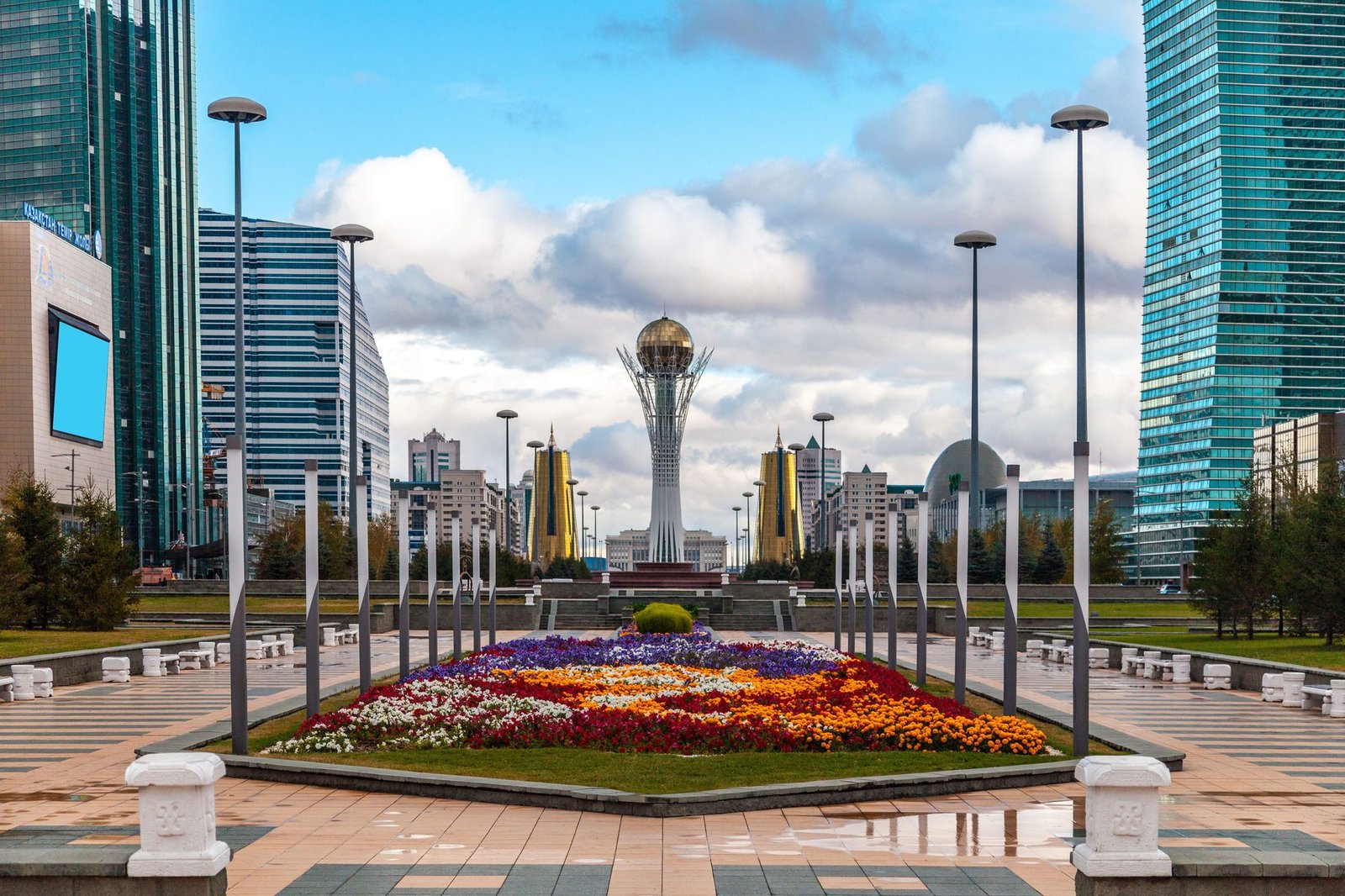
Environmental sustainability and green infrastructure Environmental sustainability has moved from a fringe issue to a central policy concern. Analysts argue that future infrastructure programs must priorities energy efficiency, climate resilience and “green infrastructure” (parks, wetlands, tree corridors) to maintain livability as the city expands. Compared with best practice peers, Kazakhstan still lags on unified building energy codes and consistent green standards — gaps that, if addressed, could cut urban energy demand and mitigate the heat-island and flood risks associated with rapid urbanization. Several international and local studies now recommend stricter building codes, incentives for retrofits, and stronger urban greening programs to rebalance growth.
Financing models and private participation To sustain large-scale projects without undue pressure on public budgets, Astana has experimented with mixed financing models: public-private partnerships (PPPs), concessional lending, and foreign direct investment channels. These approaches can mobilize capital and transfer some delivery risks to private partners, but they require robust procurement frameworks and transparent contract management to avoid fiscal traps. Multilateral organizations working with Kazakhstan have emphasized the need for clearer standards on responsible business conduct in infrastructure to ensure that private participation yields public value, not just short-term asset creation. Social outcomes and urban wellbeing Beyond bricks and mortar, the sustainability of Astana’s model will be judged by everyday wellbeing: commute times, access to quality schooling and healthcare, affordability of housing and the quality of public spaces. Recent social surveys and mental-wellbeing studies link aspects of urban design — walkability, green spaces, and connectivity — to resident satisfaction.


The implication is straightforward: infrastructure must be people-centered, not just project-centered. This reorientation calls for participatory planning, better metrics for livability, and routine social impact assessments for major projects. policy priorities for 2026 and beyond As Astana enters the mid-2020s, three policy priorities stand out. First, embed sustainability across all infrastructure decisions — from stricter energy codes to urban greening. Second, close spatial gaps by refocusing investments on peril-urban connectivity, local public services and affordable housing. Third, strengthen institutions: digital platforms must be matched by procurement transparency, clear PPP standards and capacity building at municipal levels. If implemented together, these priorities can convert Astana’s impressive growth into a resilient, equitable and low-carbon urban model that other Central Asian cities might emulate.
Astana’s infrastructure programs have produced clear wins: modern transport hubs, expanded housing stock and improved social services. But the city’s recent history also illustrates a familiar development dilemma — how to turn rapid physical growth into long-term, inclusive well-being without exhausting fiscal, natural and social capital. The research consensus is that smarter planning, stronger rules for sustainability, and more inclusive investment choices will determine whether Astana’s next chapter is one of resilient success or of costly trade-offs. Policymakers, residents and investors now face the practical test of aligning ambition with stewardship.
More to Read
All issues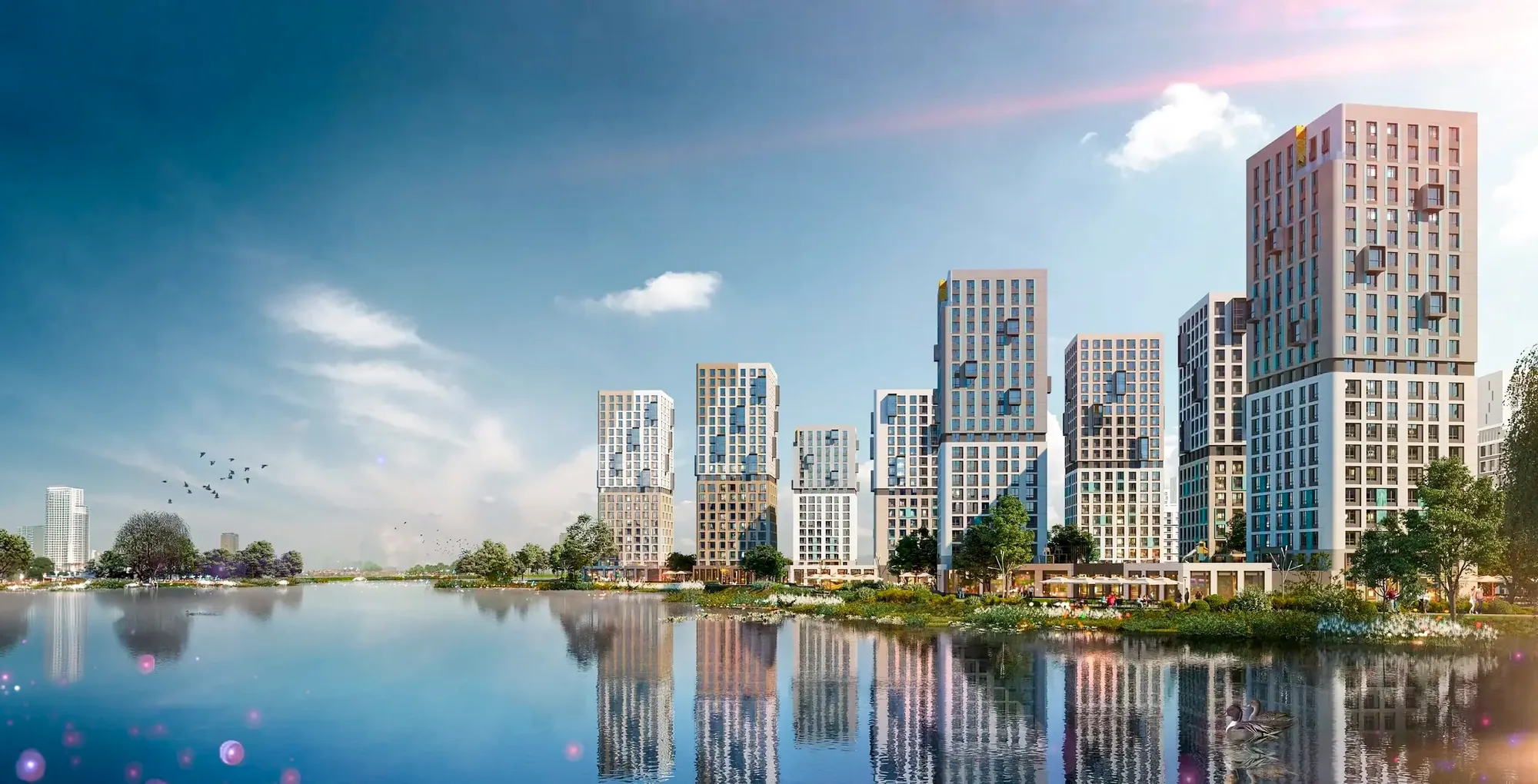
SAT-NS
Building Astana’s Next Generation of Urban Living
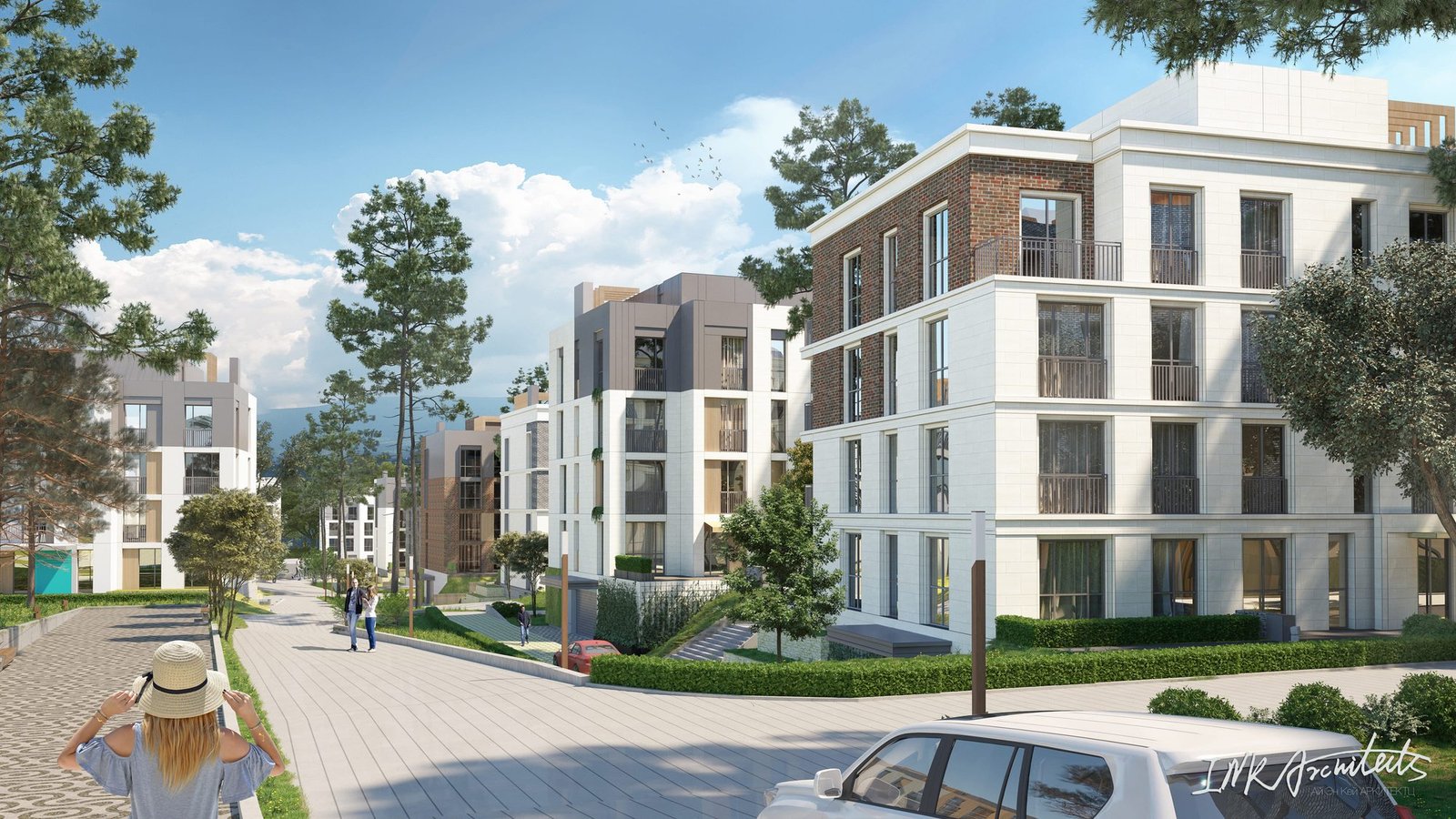
Kusto Home — Shaping a New Standard of Premium Living in Kazakhstan
Kusto Home is strengthening its presence in Kazakhstan’s real estate sector with an approach centred on premium living, innovative construction technologies and…
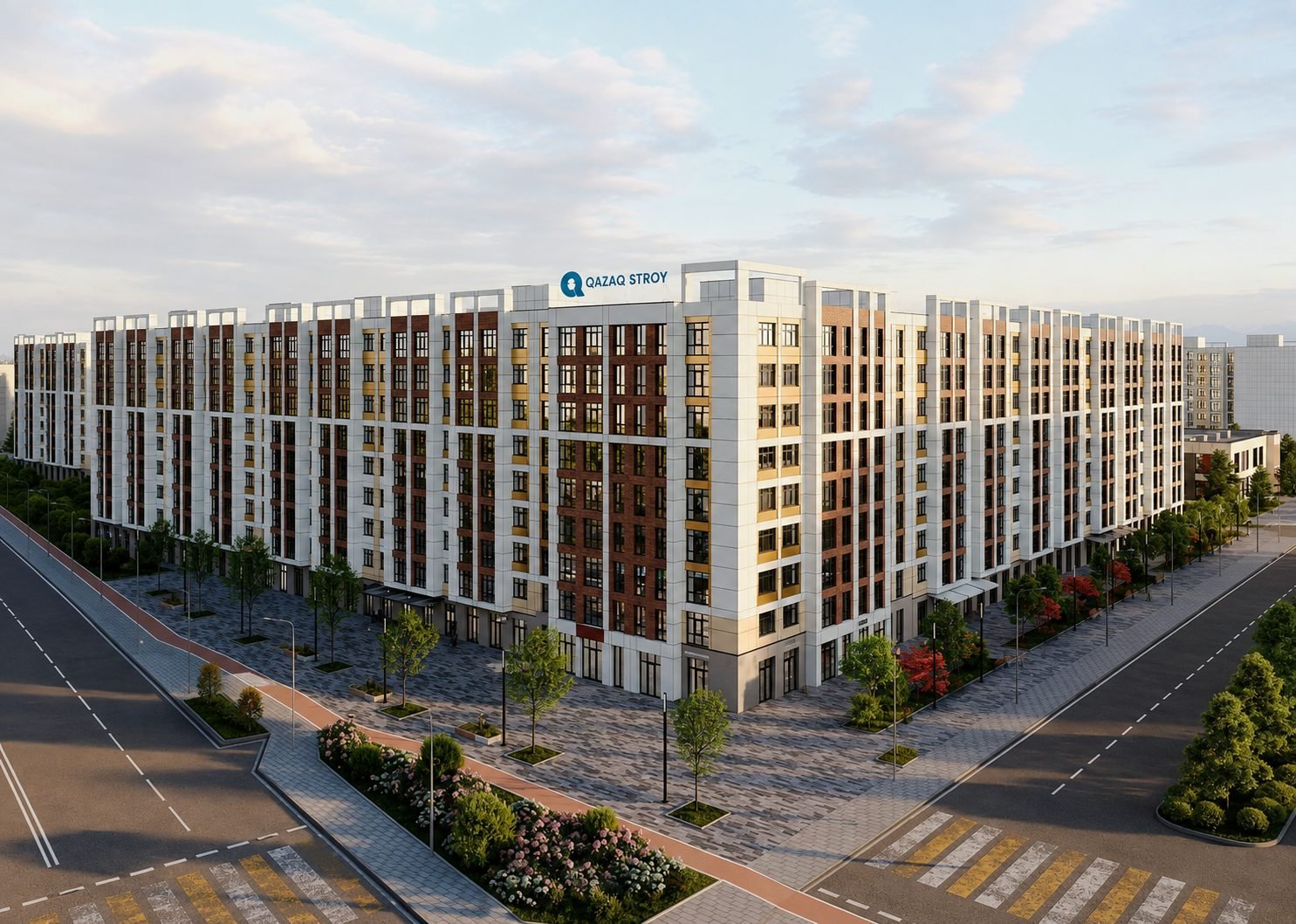
Qazaq Stroy — Building Kazakhstan’s Next Generation of Urban Communities
Qazaq Stroy has evolved from a small construction enterprise into one of Kazakhstan’s notable residential developers, with a growing presence across major urban markets…