China & the Gulf States Shaping Up Central Asia’s Energy Transition
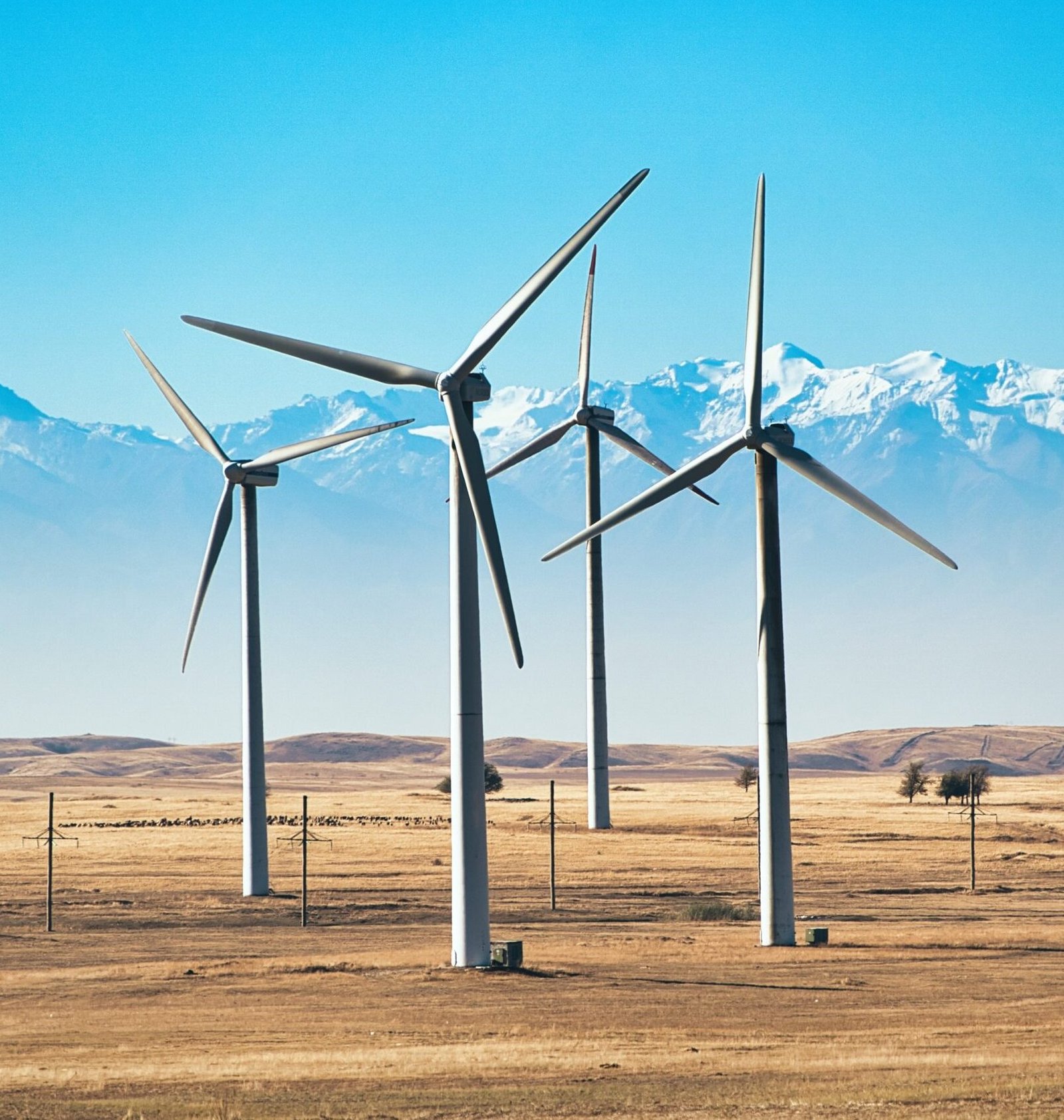
Central Asia is undergoing a quiet but consequential transformation in its energy landscape. Long known for its vast reserves of oil, gas, and coal, the region is now navigating the complex shift toward cleaner, more diversified energy systems. At the heart of this transition are two increasingly influential external actors: China and the Gulf Cooperation Council states. Through investment, technology transfer, and strategic partnerships, they are playing a decisive role in shaping how Central Asia balances energy security, economic growth, and climate commitments. Central Asia at an Energy Crossroads Countries such as Kazakhstan, Uzbekistan, and Turkmenistan have traditionally relied on fossil fuels both for domestic consumption and export revenues. However, growing electricity demand, aging infrastructure, and international climate pressures are forcing governments to rethink their energy strategies.
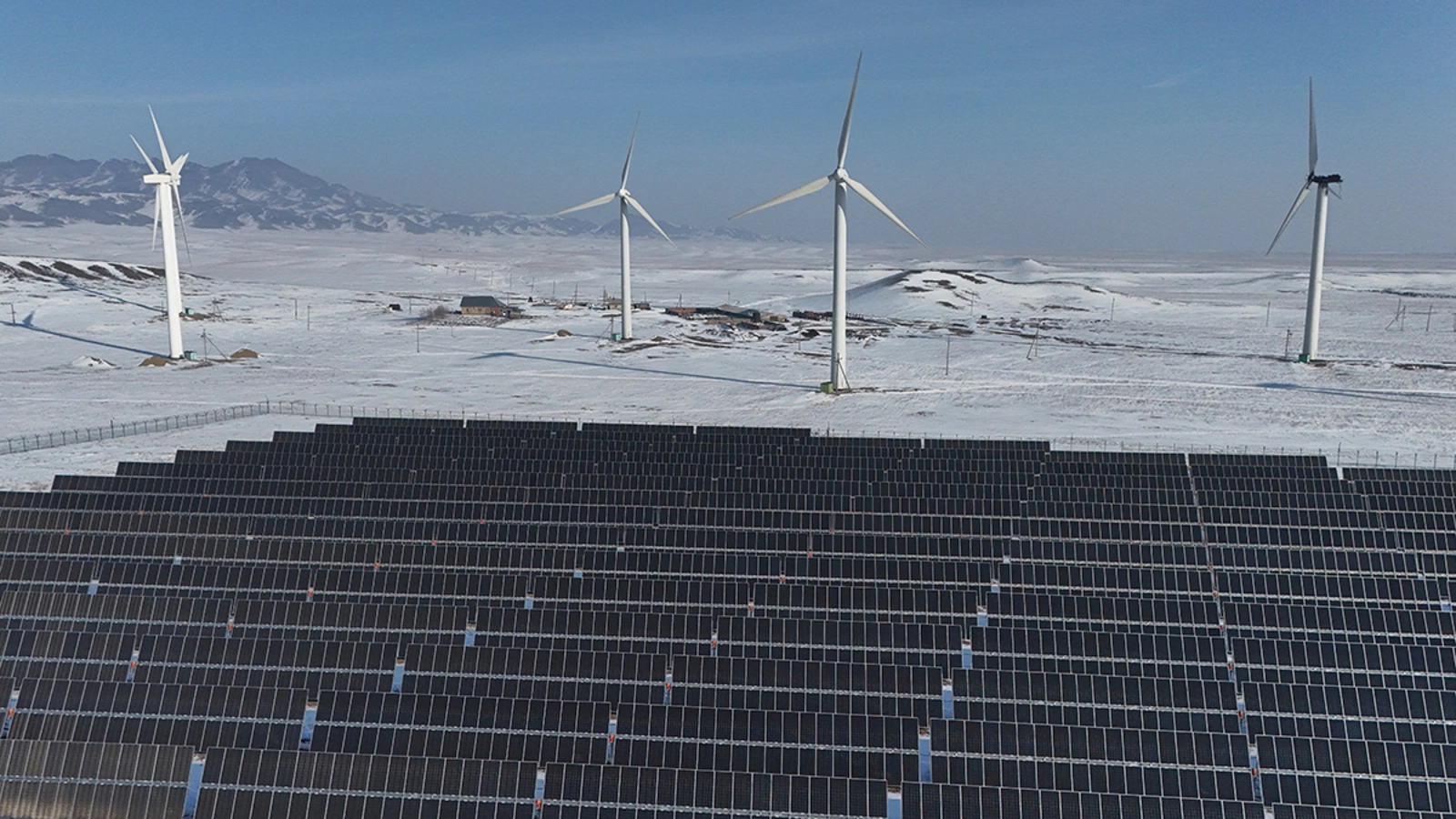
Renewable energy—particularly solar and wind—has emerged as a key pillar of this transition. Yet building large-scale clean energy capacity requires capital, technology, and experience that many Central Asian states lack domestically. This is where China and the Gulf states have stepped in, each bringing distinct strengths and strategic motivations.
China’s Expanding Energy Footprint
China has become one of the most influential players in Central Asia’s energy sector over the past two decades. Initially focused on oil and gas pipelines, Beijing’s engagement has increasingly expanded into renewables, power generation, and grid infrastructure. This shift mirrors China’s own domestic transition toward cleaner energy and its ambition to export green technologies. Under the framework of the Belt and Road Initiative, Chinese companies are financing and constructing solar farms, wind parks, and transmission lines across the region. Kazakhstan and Uzbekistan, in particular, have seen a surge in Chinese-backed renewable projects, benefiting from competitive pricing and rapid project execution. Chinese firms offer an integrated model: financing, engineering, equipment supply, and construction under one umbrella. This approach allows Central Asian governments to fast-track projects that might otherwise take years to materialize. However, it also raises questions about long-term dependency, debt sustainability, and local value creation.
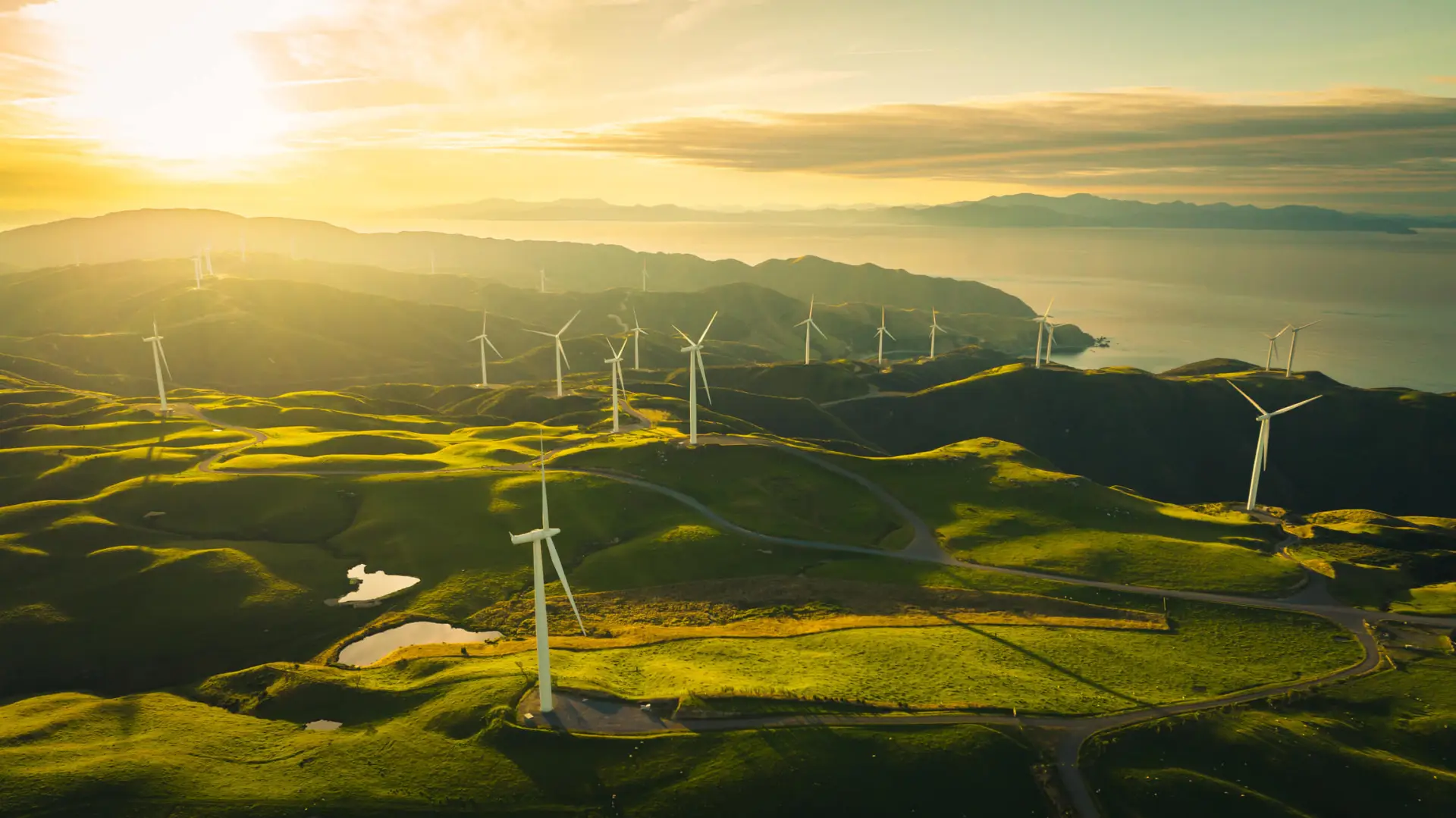
Technology and Speed as China’s Advantage
One of China’s key advantages is scale. As the world’s largest producer of solar panels, wind turbines, and battery storage systems, it can deliver renewable projects at lower costs than many Western competitors. This has made Chinese solutions particularly attractive for Central Asian countries seeking affordable energy transitions without slowing economic growth. In addition, China has invested heavily in upgrading regional electricity grids and cross-border energy connectivity. These investments support not only renewables but also broader goals of regional integration and energy trade, reinforcing Beijing’s strategic influence in Eurasia.
The Gulf States Enter the Scene
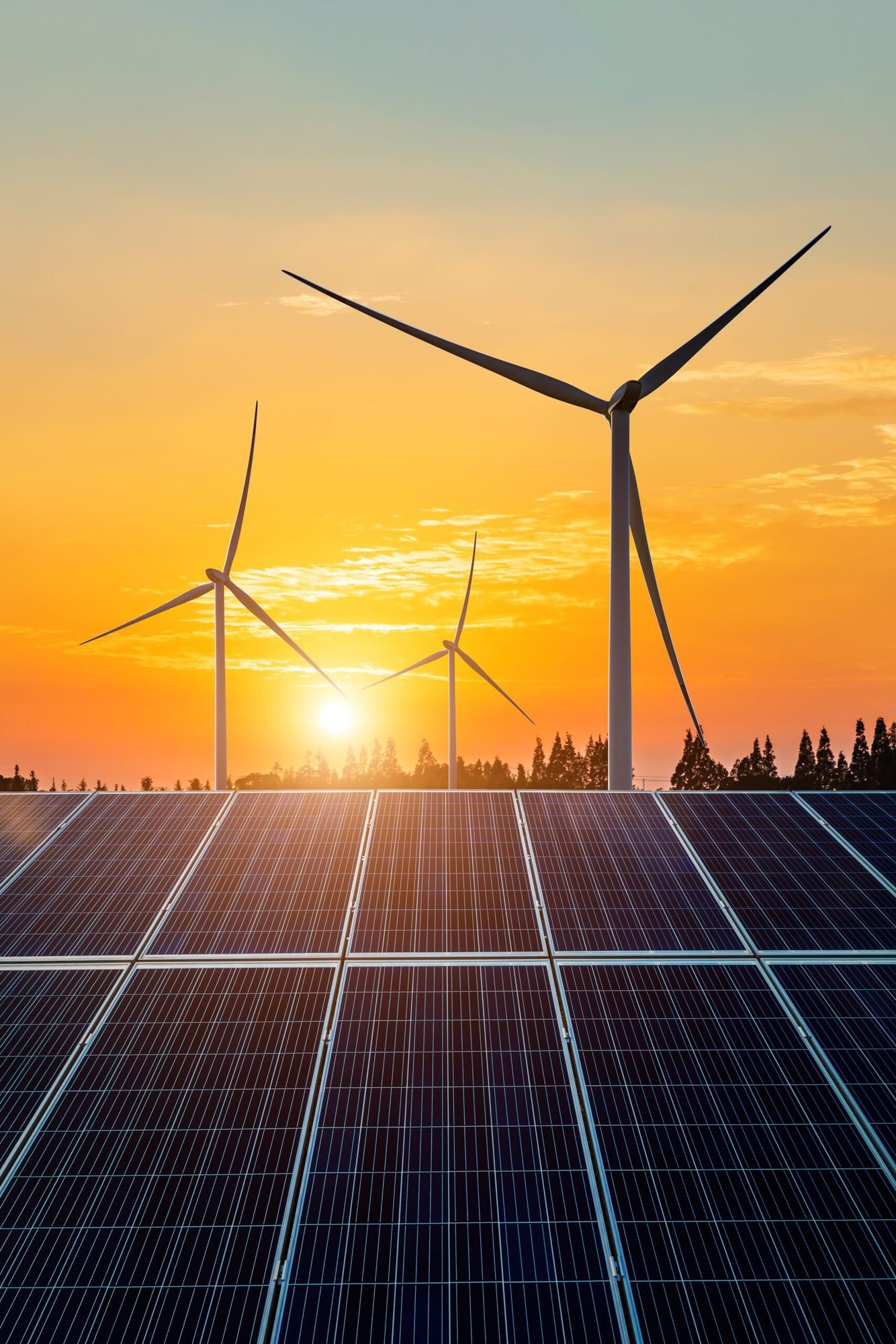
While China brings manufacturing muscle and speed, the Gulf states—led by Saudi Arabia and the United Arab Emirates—are emerging as powerful financiers and long-term partners in Central Asia’s energy transition. Driven by their own economic diversification agendas, Gulf investors are increasingly looking beyond hydrocarbons to renewable energy and green infrastructure abroad. Central Asia, with its vast land, high solar irradiation, and reform-minded governments, has become an attractive destination. Major Gulf-backed energy companies are investing in large-scale solar and wind projects, often structured as public-private partnerships. Unlike some traditional extractive investments, these projects are closely aligned with sustainability goals and long-term operational involvement.
Patient Capital and Strategic Partnerships
The Gulf states’ approach differs notably from China’s. Rather than focusing solely on construction and equipment supply, Gulf investors often emphasize long-term ownership, stable returns, and close cooperation with host governments. Their projects tend to include commitments to local workforce development, regulatory reform support, and international best practices in project management. This “patient capital” model is particularly appealing for Central Asian countries seeking not just infrastructure, but institutional strengthening and credibility with global investors. Gulf-backed projects often attract co-financing from international development banks, further embedding Central Asia into global green finance networks.

Complementary, Not Competing, Roles
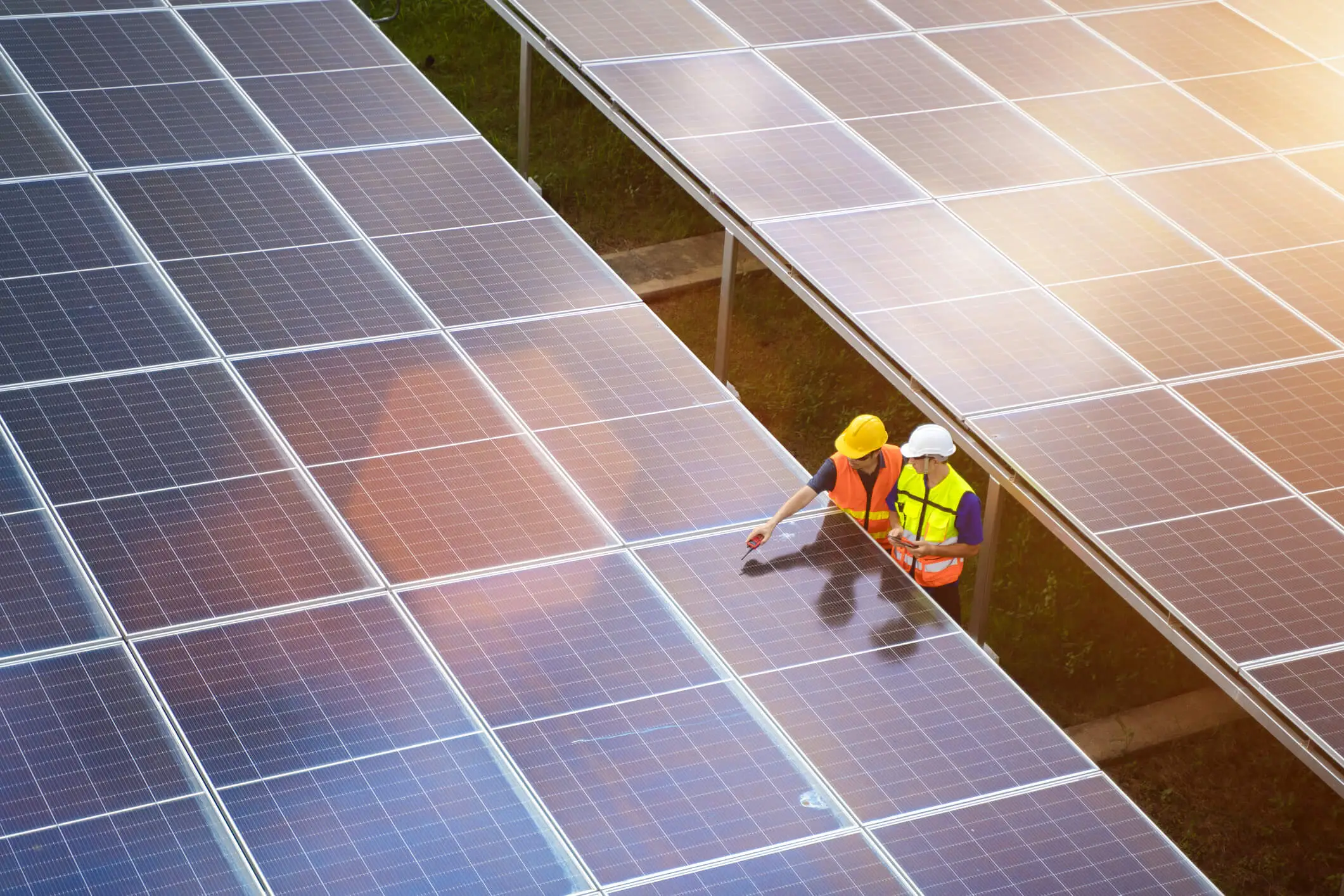
Rather than competing directly, China and the Gulf states are increasingly shaping Central Asia’s energy transition in complementary ways. China excels in rapid deployment and affordable technology, while the Gulf states bring financial depth, operational expertise, and global investment networks. For Central Asian governments, this diversity of partners enhances bargaining power and reduces reliance on any single external actor. By strategically balancing Chinese and Gulf involvement, countries can accelerate renewable capacity while maintaining policy autonomy.
Challenges and Strategic Choices Ahead
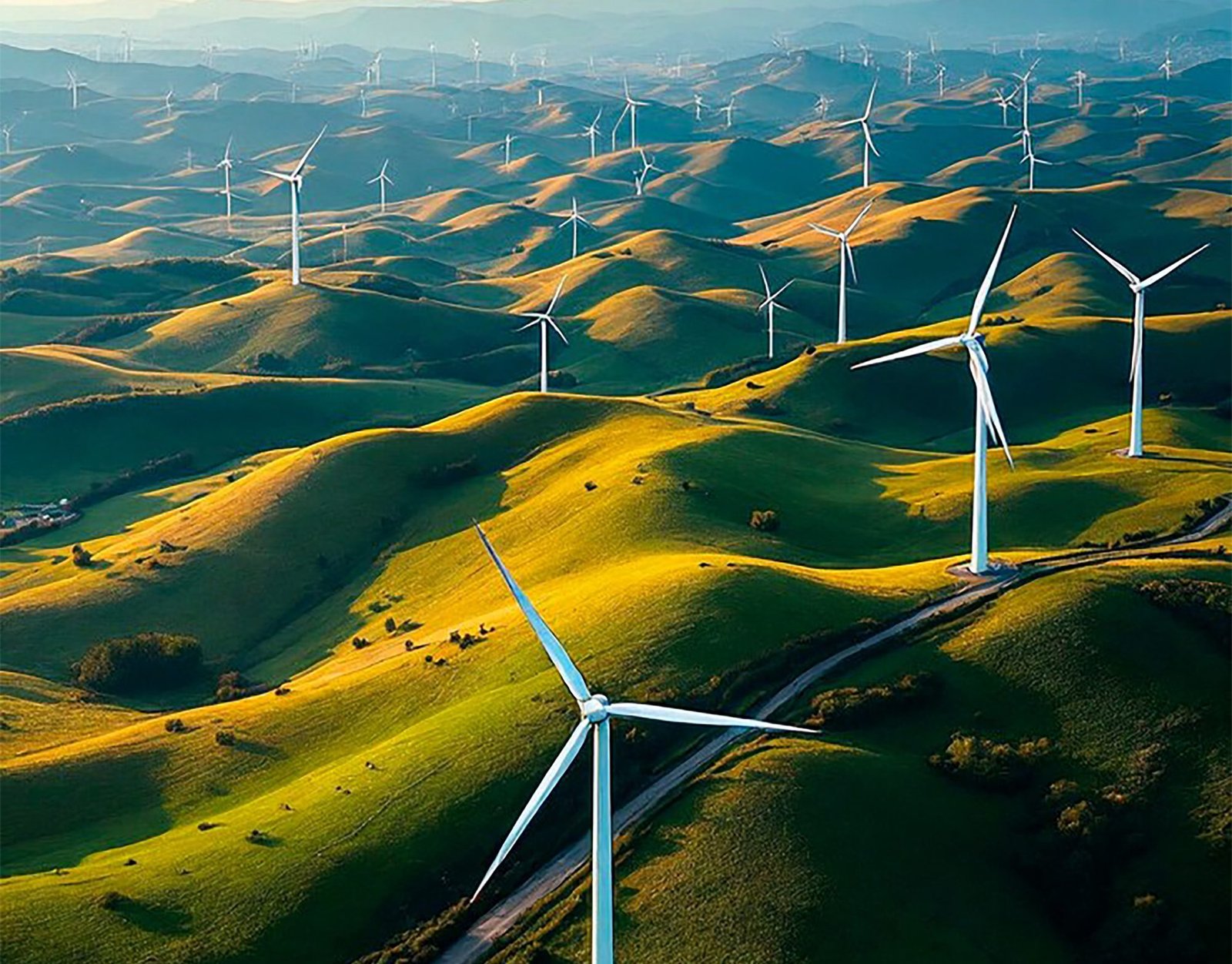
Despite these opportunities, challenges remain. Integrating large amounts of renewable energy into aging grids requires regulatory reform and technical upgrades. Ensuring that foreign-led projects generate local jobs, skills, and innovation is another critical task. There are also geopolitical considerations. Energy infrastructure is inherently strategic, and managing the growing influence of external actors requires careful diplomacy and transparent governance.
A New Energy Era for Central Asia
China and the Gulf states are not merely financing projects—they are reshaping the logic of Central Asia’s energy future. Their investments are accelerating the shift from fossil fuel dependence toward diversified, cleaner energy systems while embedding the region more deeply into global energy and financial networks. As Central Asia navigates its transition, success will depend on how effectively governments harness these partnerships to serve national development goals. If managed wisely, the combined influence of China and the Gulf states could help transform Central Asia into a resilient, sustainable energy hub for the 21st century.
More to Read
All issues
SAT-NS
Building Astana’s Next Generation of Urban Living
Kusto Home — Shaping a New Standard of Premium Living in Kazakhstan
Kusto Home is strengthening its presence in Kazakhstan’s real estate sector with an approach centred on premium living, innovative construction technologies and…
Qazaq Stroy — Building Kazakhstan’s Next Generation of Urban Communities
Qazaq Stroy has evolved from a small construction enterprise into one of Kazakhstan’s notable residential developers, with a growing presence across major urban markets…