

A Taste of the Kazakh Steppe — Exploring Kazakhstan Through Its Traditional Food, Hospitality and Nomadic Heritage
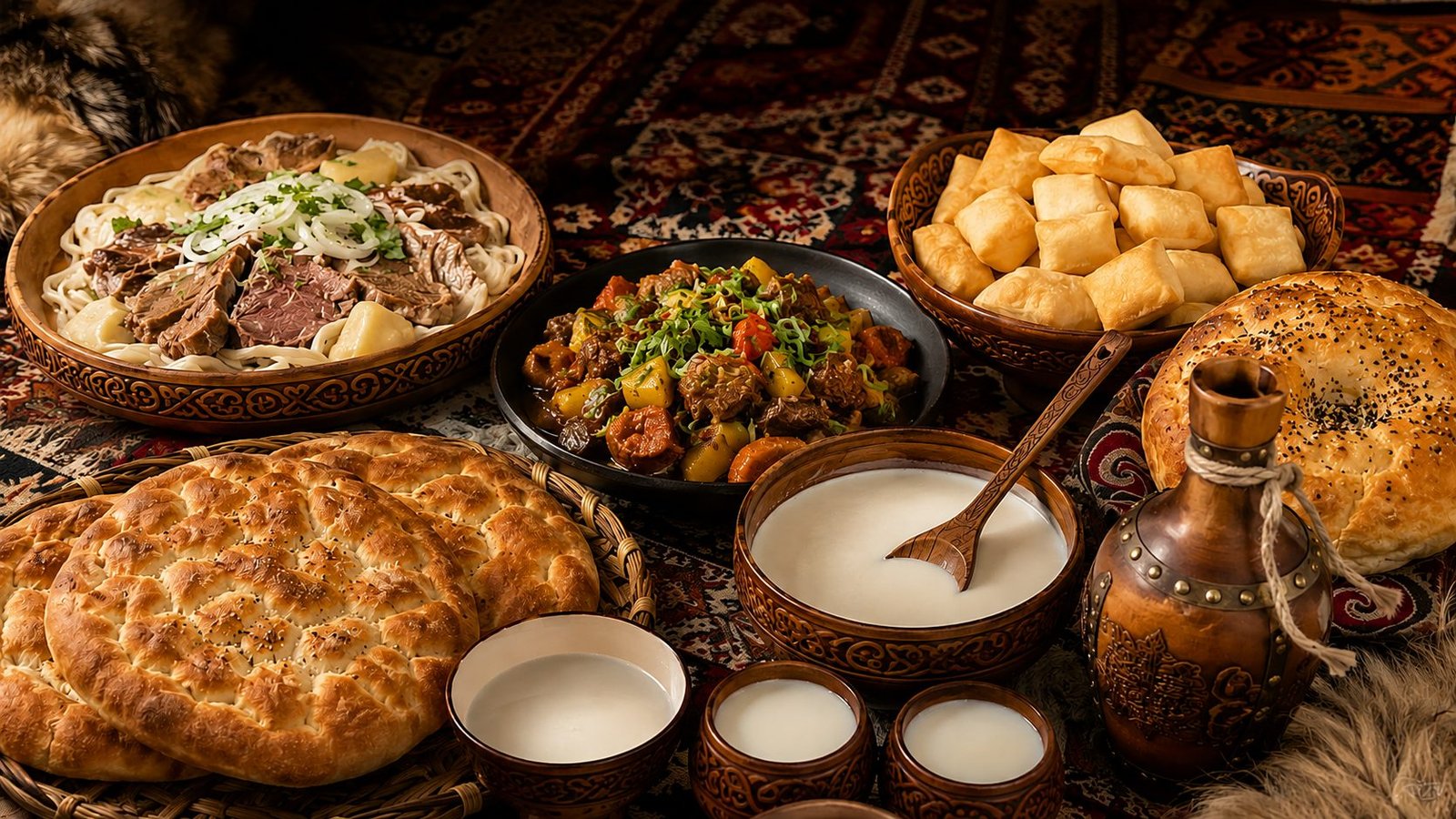
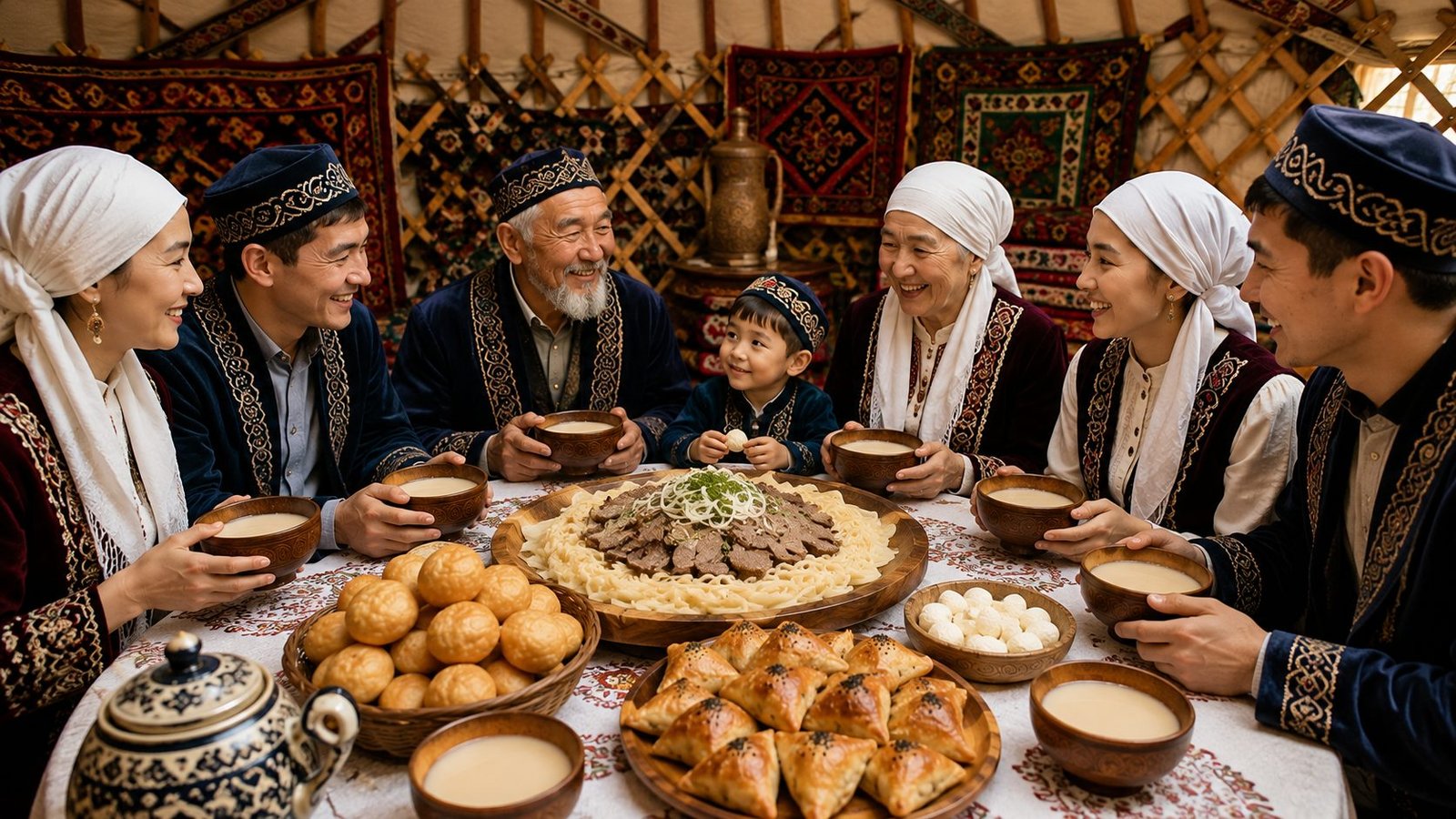
Food in Kazakhstan is more than nourishment. It is a living expression of the country’s nomadic past, its vast landscapes and its deeply rooted tradition of hospitality. Across the steppes and modern cities, traditional dishes bring together meat, dairy, grains and bread in ways that are both practical and deeply cultural. Kazakhstan’s national heritage lists traditional cuisine alongside other important cultural practices, including the preparation of beshbarmak, quyrdak, baursak, shubat, kymyz and traditional breads such as shelpek and tandyr nan. For travellers, discovering Kazakh cuisine is an invitation to experience the country beyond its spectacular mountains, open steppe and modern cities. A meal can reveal something about the rhythms of nomadic life, the importance of horses and camels, and the generosity with which guests are welcomed. During a 10-day journey through Kazakhstan, I discovered a cuisine that was both unfamiliar and wonderfully comforting. From steaming bowls of noodles to golden pieces of fried bread and unusual fermented dairy drinks, each meal offered another glimpse into the country’s history and culture.
Beshbarmak
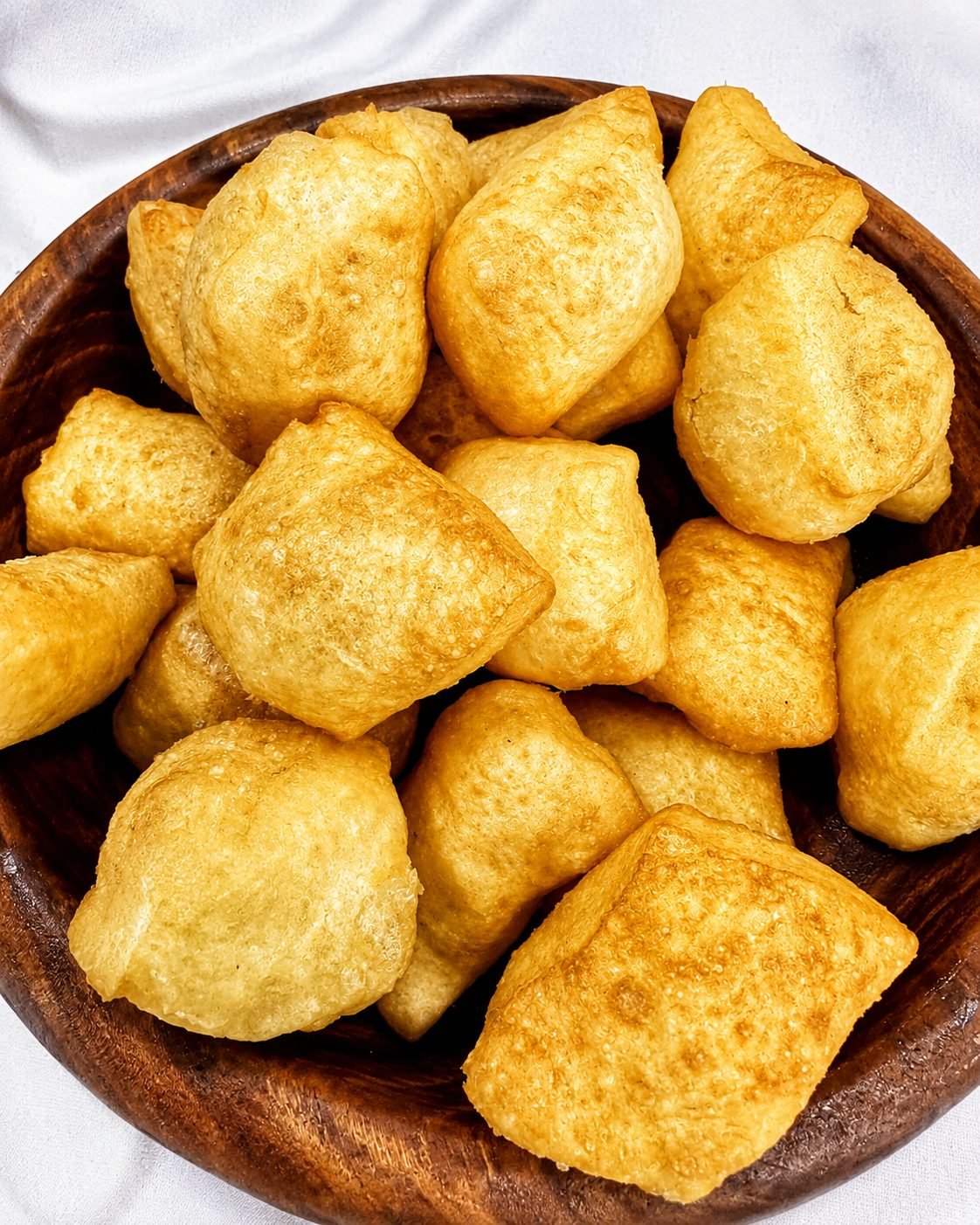
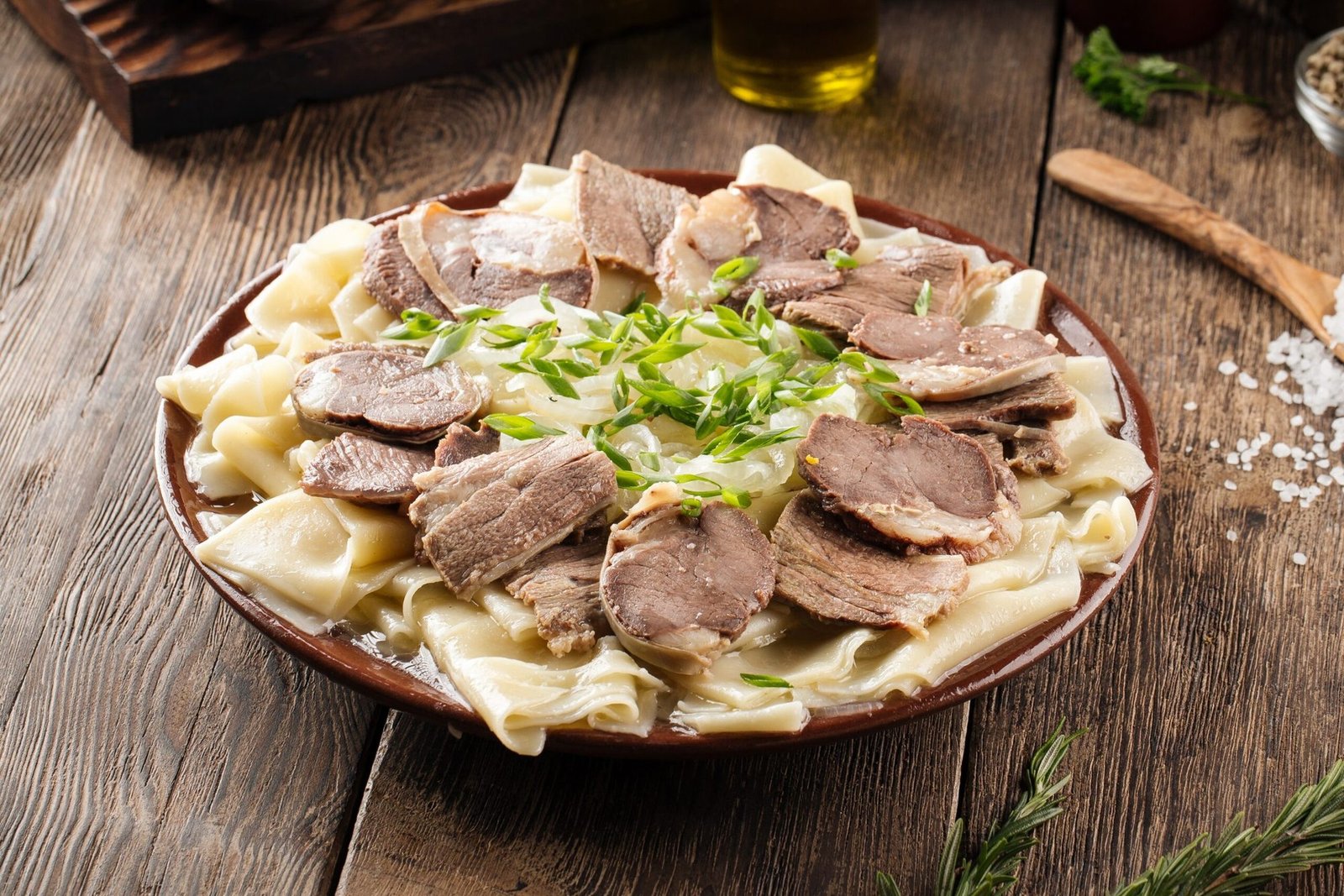
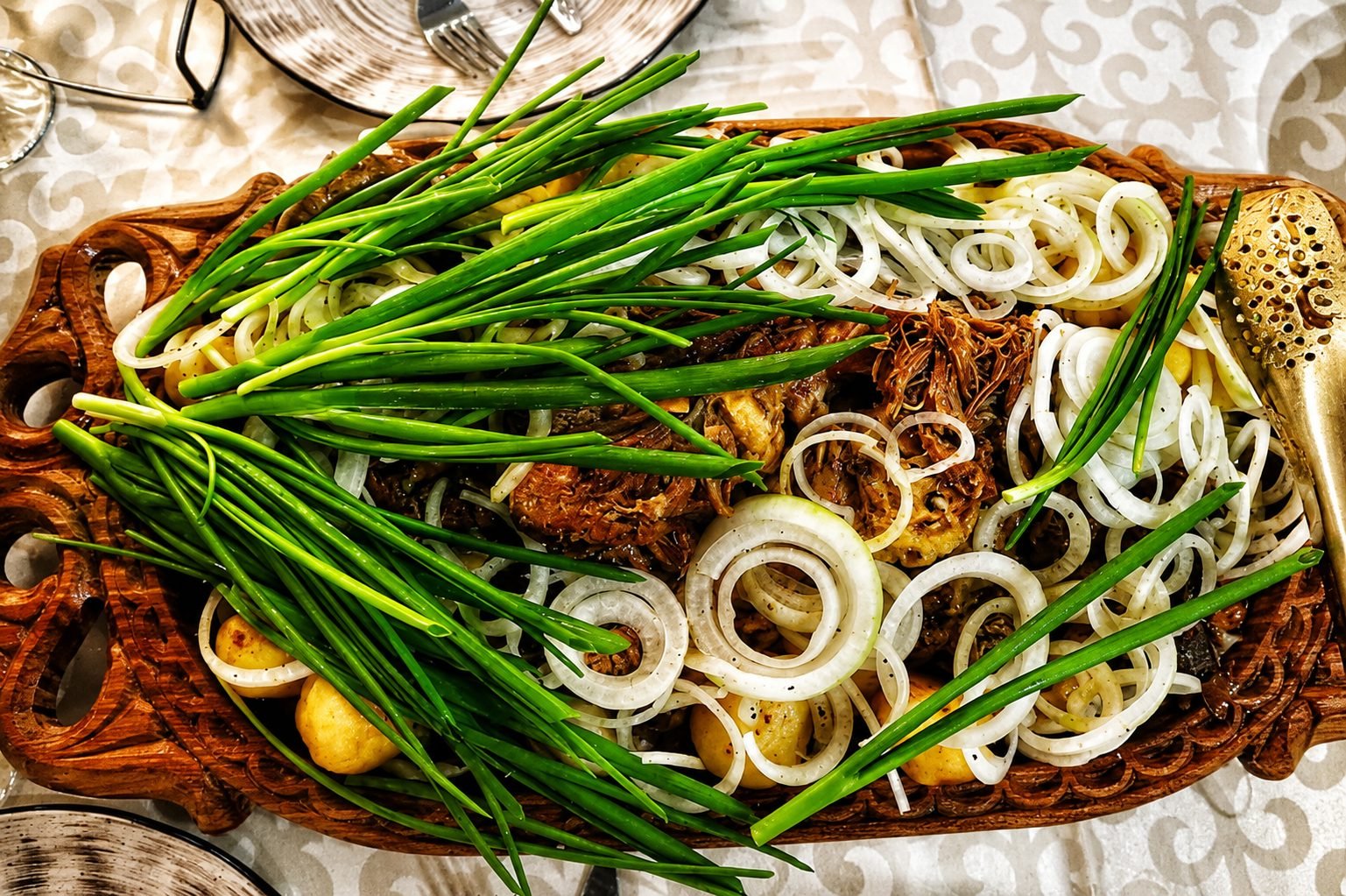
Few dishes represent Kazakhstan as strongly as beshbarmak. Often regarded as the country’s signature dish, it traditionally combines boiled meat with broad, homemade noodles and onions. Horse meat is particularly important in Kazakh culinary tradition, although beef and other meats are also commonly used. The name is commonly translated as “five fingers,” reflecting the traditional practice of eating the dish by hand. The noodles absorb the rich broth from the cooked meat, while onions provide sweetness and fragrance. Beshbarmak is not simply a meal; it is closely associated with hospitality, gatherings and special occasions. Sharing a large platter of food creates a sense of community around the table, making the dish as much about togetherness as taste.
Baursak
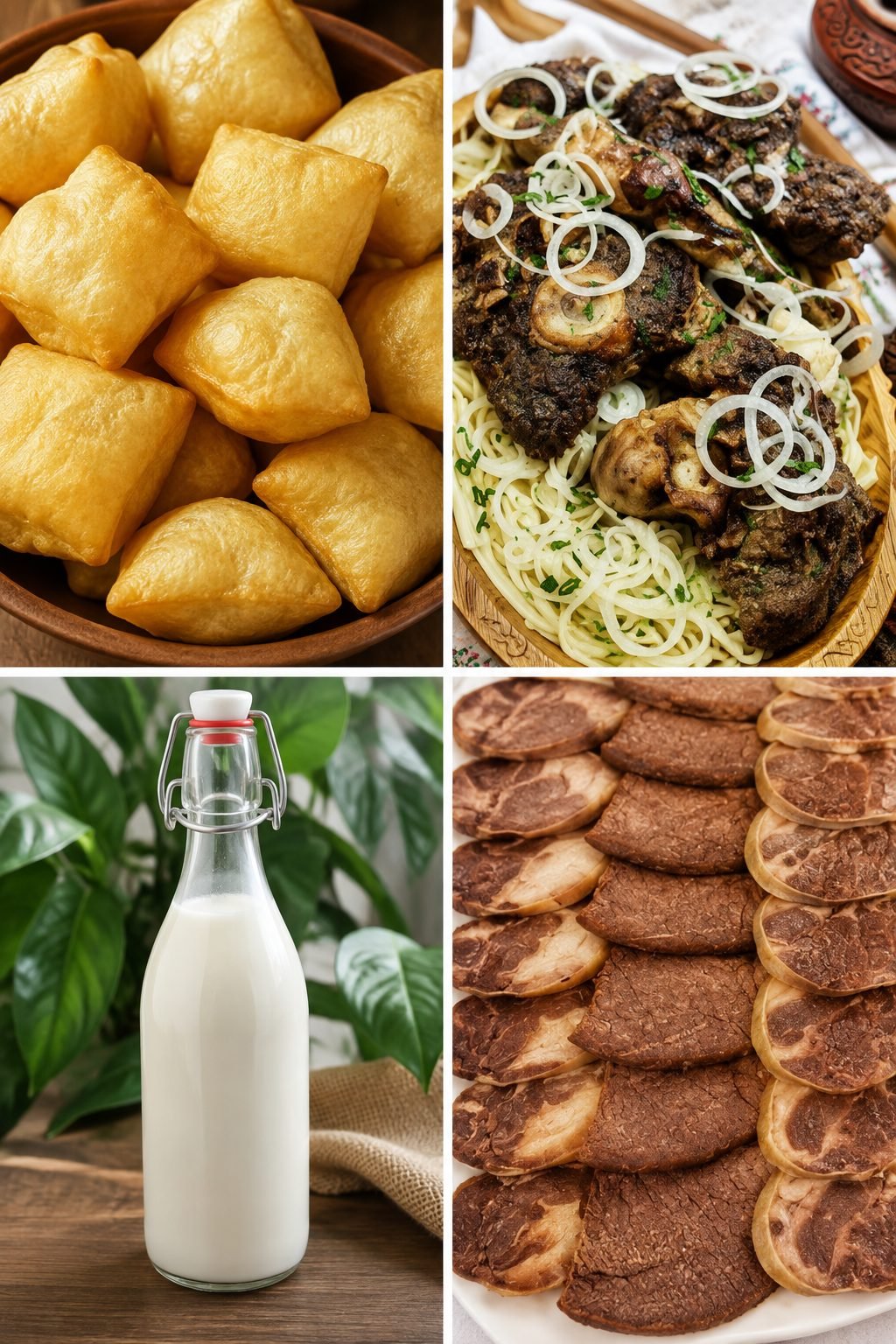
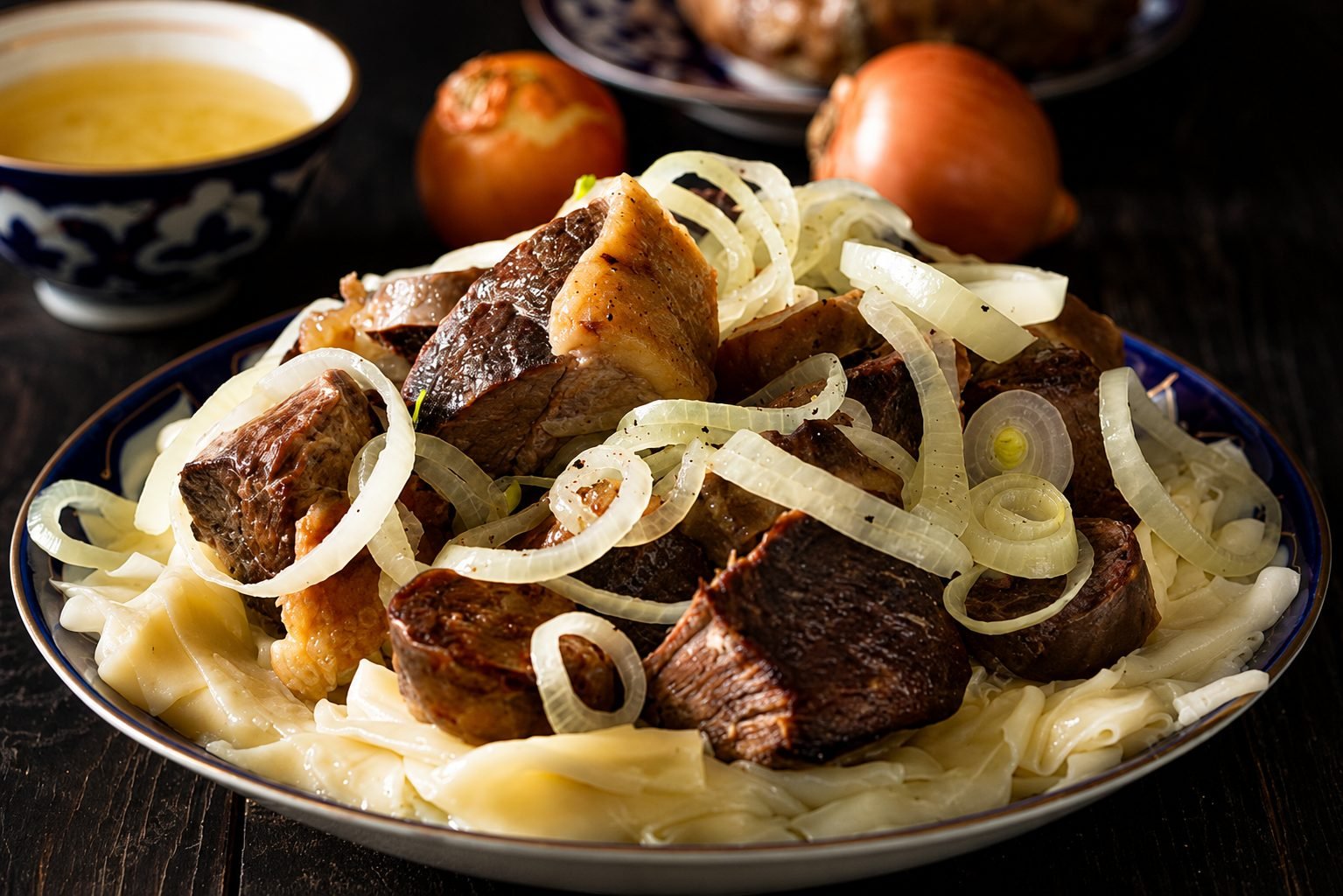
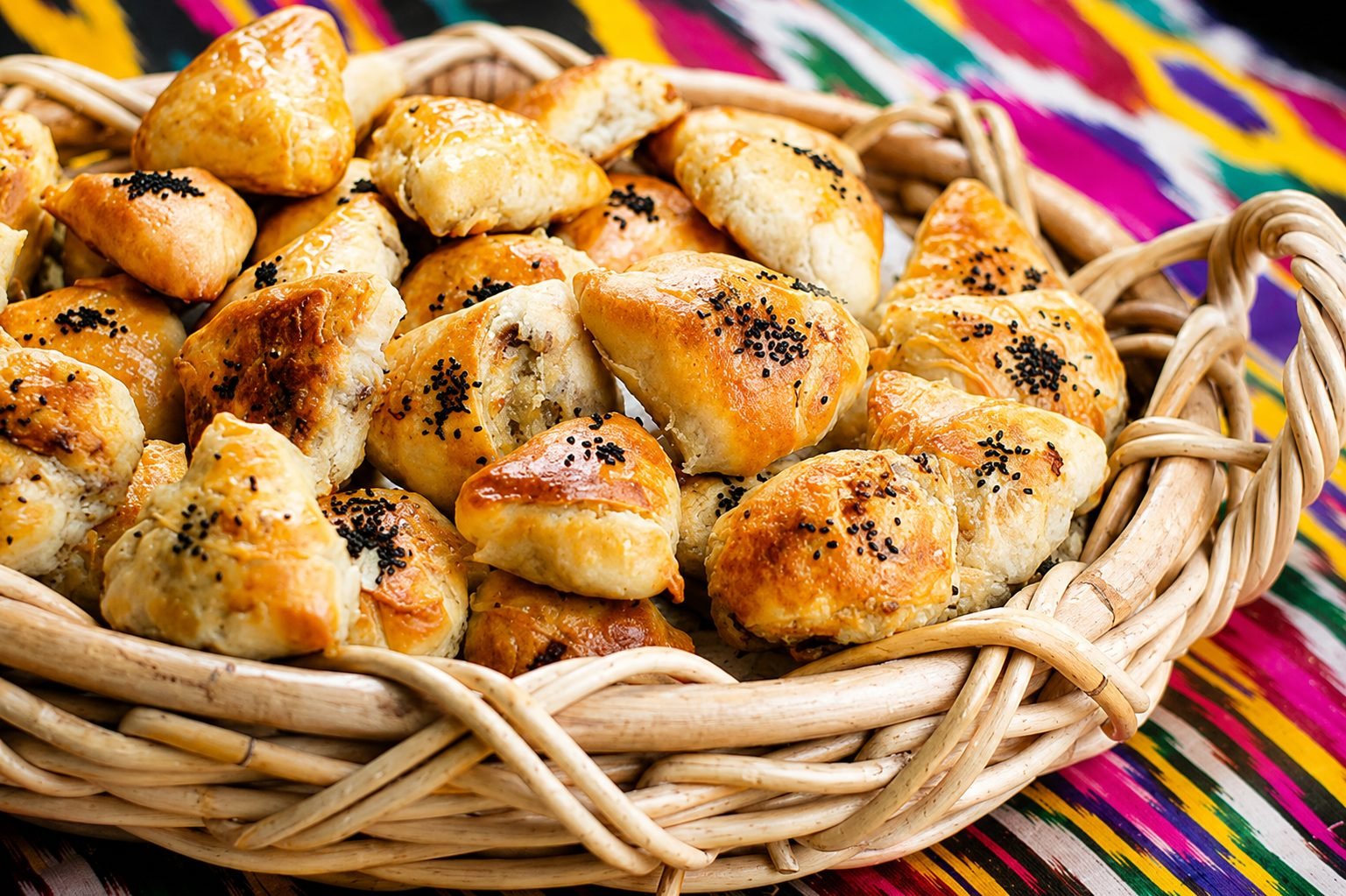
If one food became a favourite during the journey, it was baursak. These small pieces of fried dough appeared repeatedly at meals, particularly around Almaty. Made from a relatively simple dough, baursak is fried until golden on the outside while remaining soft and airy within. Depending on the region and household, the pieces can take different shapes and sizes. Warm baursak is particularly satisfying alongside tea, but it can also accompany savoury dishes. Its popularity is hardly surprising: simple, inexpensive and delicious, it perfectly captures the generous spirit of Kazakh dining.
Kazy
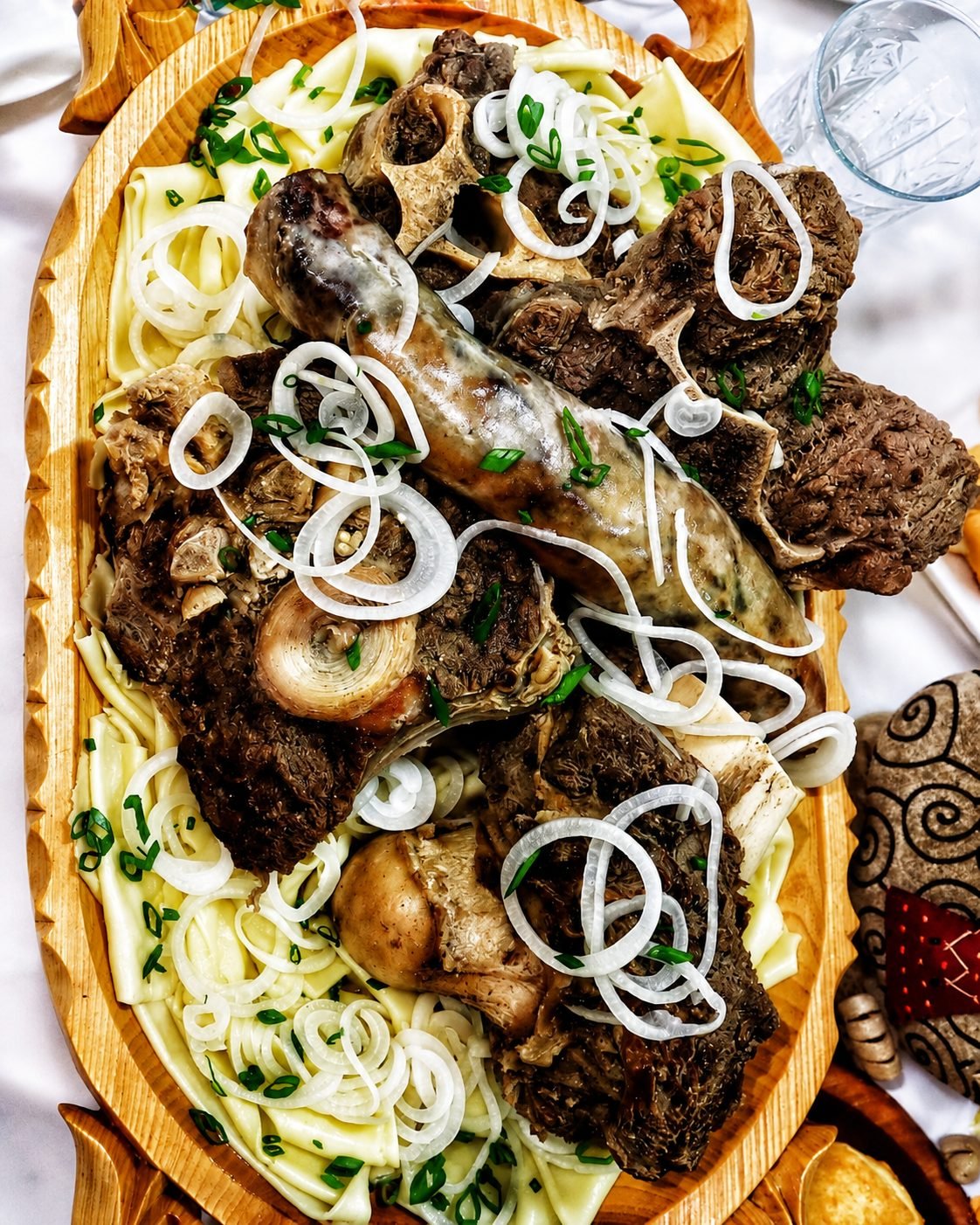
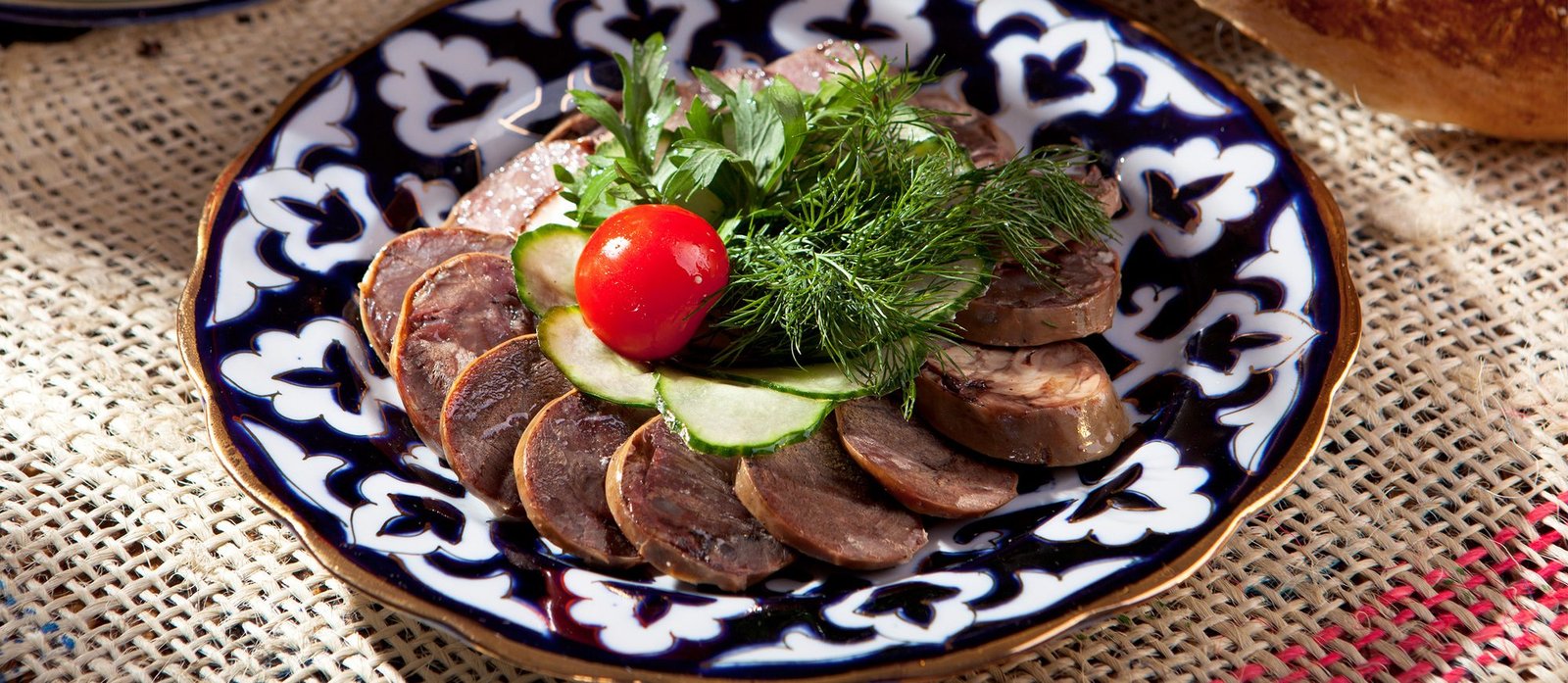
Horse meat occupies an important place in traditional Kazakh cuisine, reflecting the historical importance of horses to nomadic life. One of the best-known preparations is kazy, a traditional horse-meat sausage. Usually prepared with seasoned horse meat and fat, kazy is sliced into thin pieces before serving. Its distinctive flavour and rich texture make it a memorable part of a traditional spread. Kazy is particularly associated with celebrations, feasts and occasions when guests are honoured. For visitors, trying it offers an opportunity to understand how closely food and nomadic culture remain connected.
Kymyz
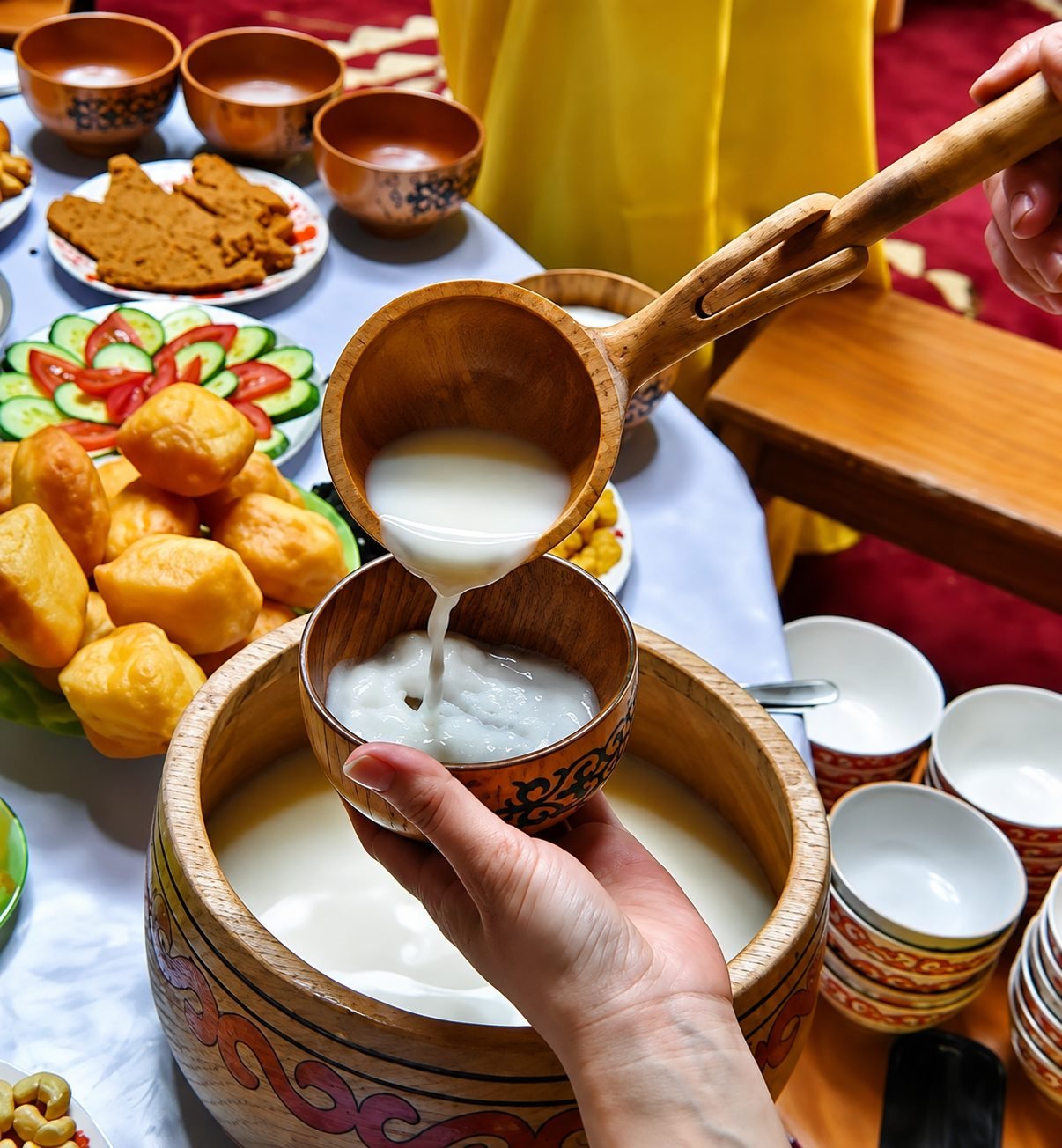
Perhaps no traditional Kazakh drink is more closely associated with nomadic heritage than kymyz, fermented mare’s milk. The preparation and cultural meaning of kymyz are recognised as part of Kazakhstan’s intangible cultural heritage. The drink has a naturally tangy and mildly fermented character. For someone tasting it for the first time, the flavour can be surprising, but it is an essential part of understanding traditional Kazakh food culture. Historically, horses were central to transportation, mobility and survival on the steppe, making mare’s milk an important resource. Today, kymyz continues to be enjoyed as a traditional beverage and remains an unmistakable symbol of Kazakh heritage.
Shubat
Another distinctive Kazakh drink is shubat, a fermented camel-milk beverage. Like kymyz, it has a long-standing cultural connection to the nomadic lifestyle and is recognised in Kazakhstan’s national intangible heritage. Shubat has a pronounced sourness and creamy character. Its flavour can be quite intense for first-time visitors, but that is precisely what makes it such an interesting culinary experience. Camels were especially valuable in the arid regions of Central Asia, providing transportation as well as milk and meat. Shubat therefore represents not only a drink but also an adaptation to the environment in which traditional communities lived. Tea Tea may seem ordinary compared with horse-meat sausage or fermented camel milk, but in Kazakhstan it has a much deeper social role.
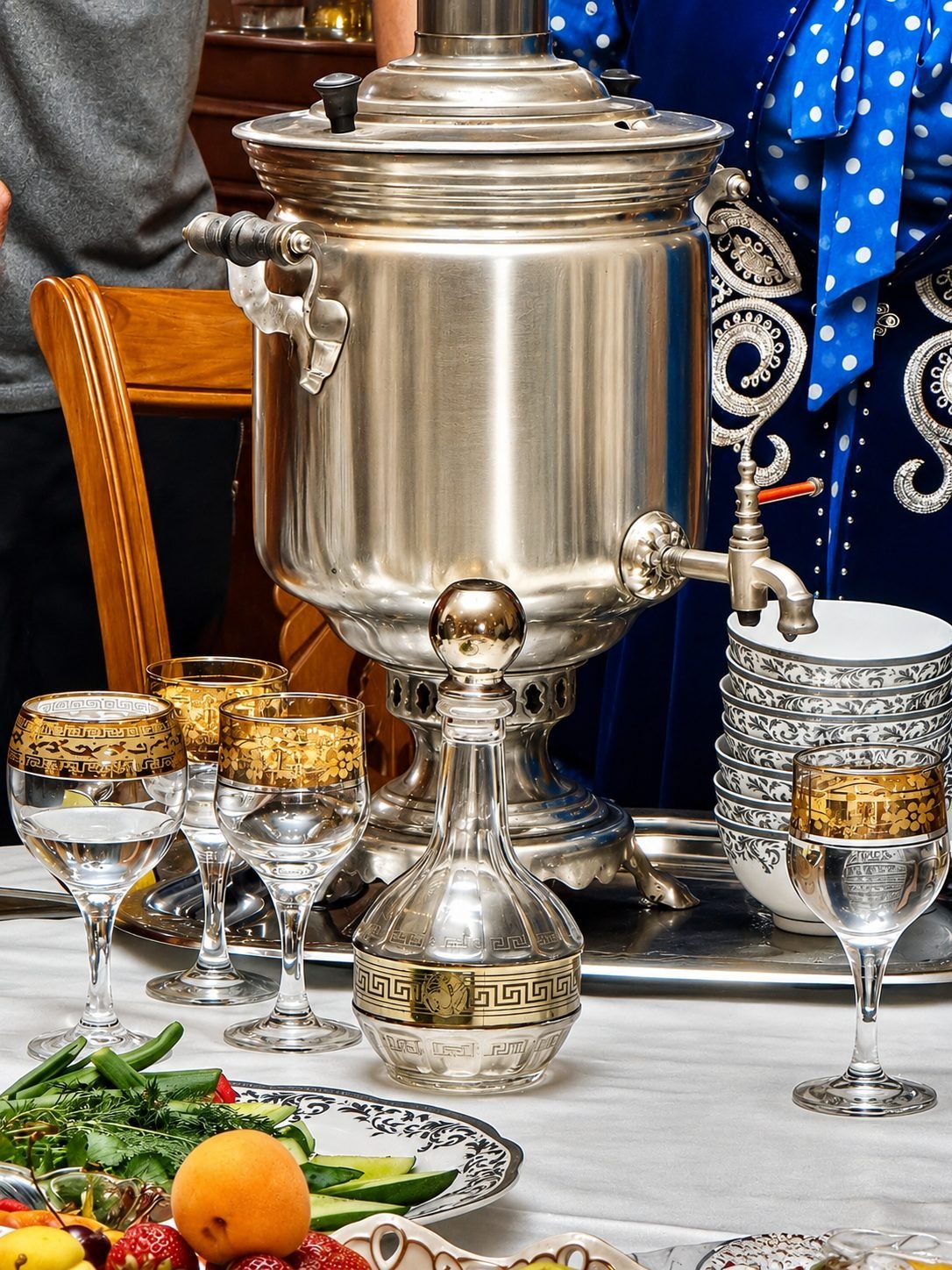
Tea accompanies conversations, meals and gatherings, and offering a guest something to drink is an important expression of hospitality. Black tea is commonly enjoyed with milk, sugar and an assortment of foods such as baursak and kurt. Sitting down for tea is often about slowing down and connecting with others. For travellers, these moments can be among the most memorable parts of a journey because they reveal the warmth behind Kazakhstan’s famous hospitality.
Plov
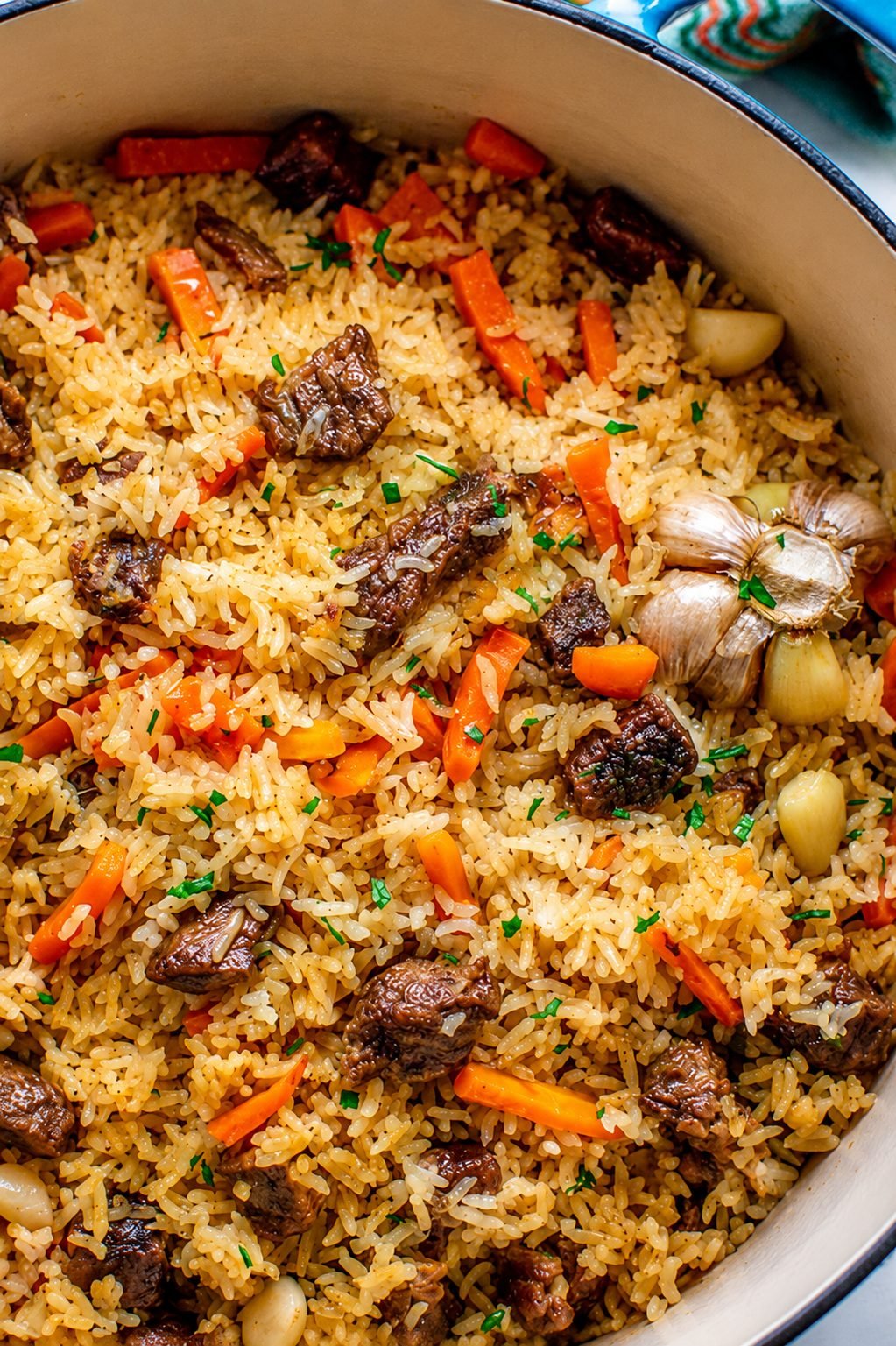
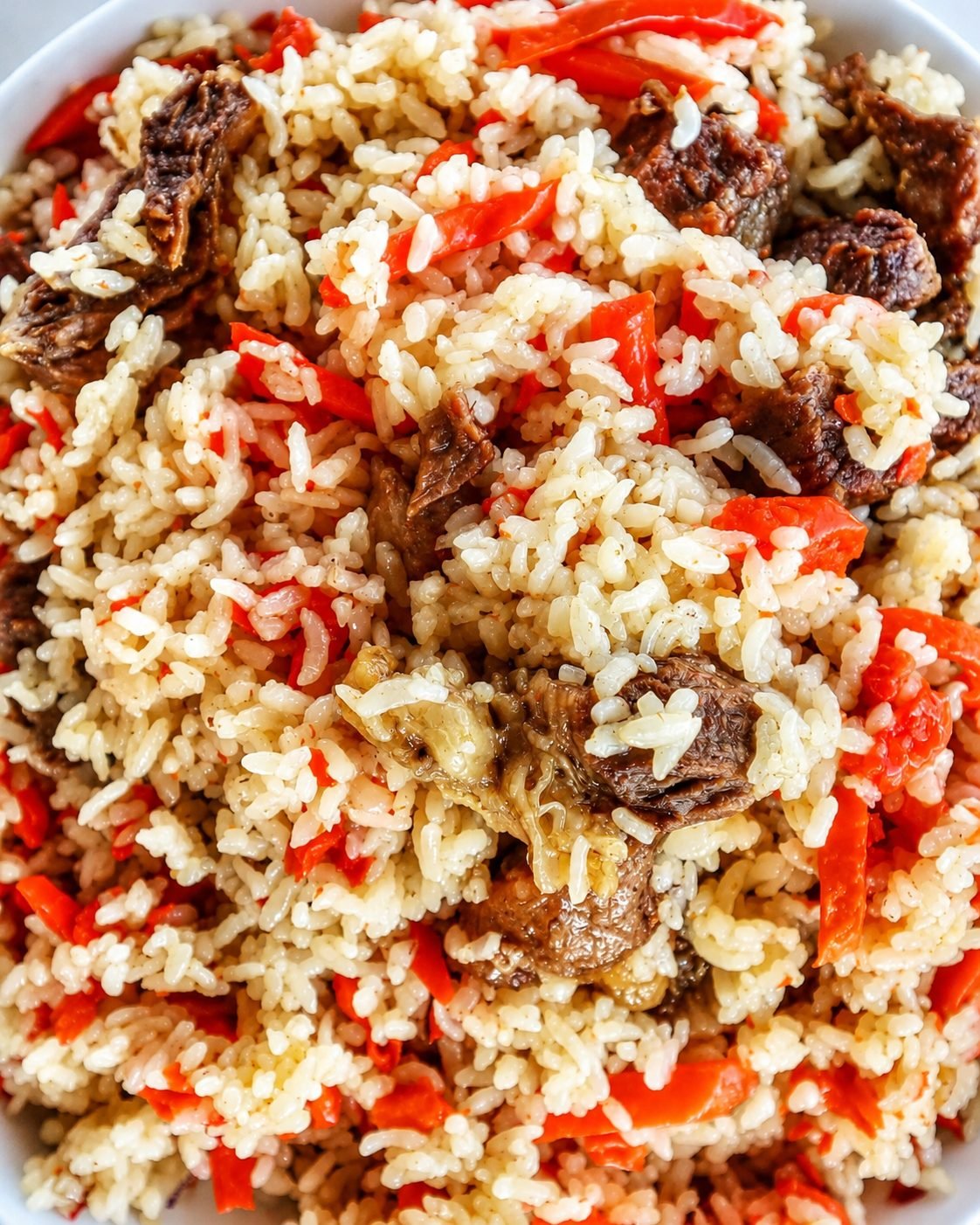
Plov, the Central Asian rice dish known across the region, is another popular presence on Kazakh tables. Typically prepared with rice, meat, carrots and onions, it develops its characteristic flavour through slow cooking and aromatic seasonings. The dish is hearty without being complicated, and its combination of fluffy rice, tender meat and sweet carrots makes it an easy favourite for visitors. While plov is shared across Central Asia and is not uniquely Kazakh, its presence in Kazakhstan reflects the country’s position at the crossroads of several culinary traditions.
Kuyrdak
For a more rustic taste of the Kazakh table, there is kuyrdak. Traditionally prepared from meat and offal with onions and other ingredients, the dish reflects the practical cooking traditions that developed among nomadic communities. Rich, hearty and intensely savoury, kuy r dak is the kind of food designed to satisfy after a long day. Its straightforward preparation also illustrates an important characteristic of traditional steppe cuisine: making the most of available ingredients.
Tandyr Nan
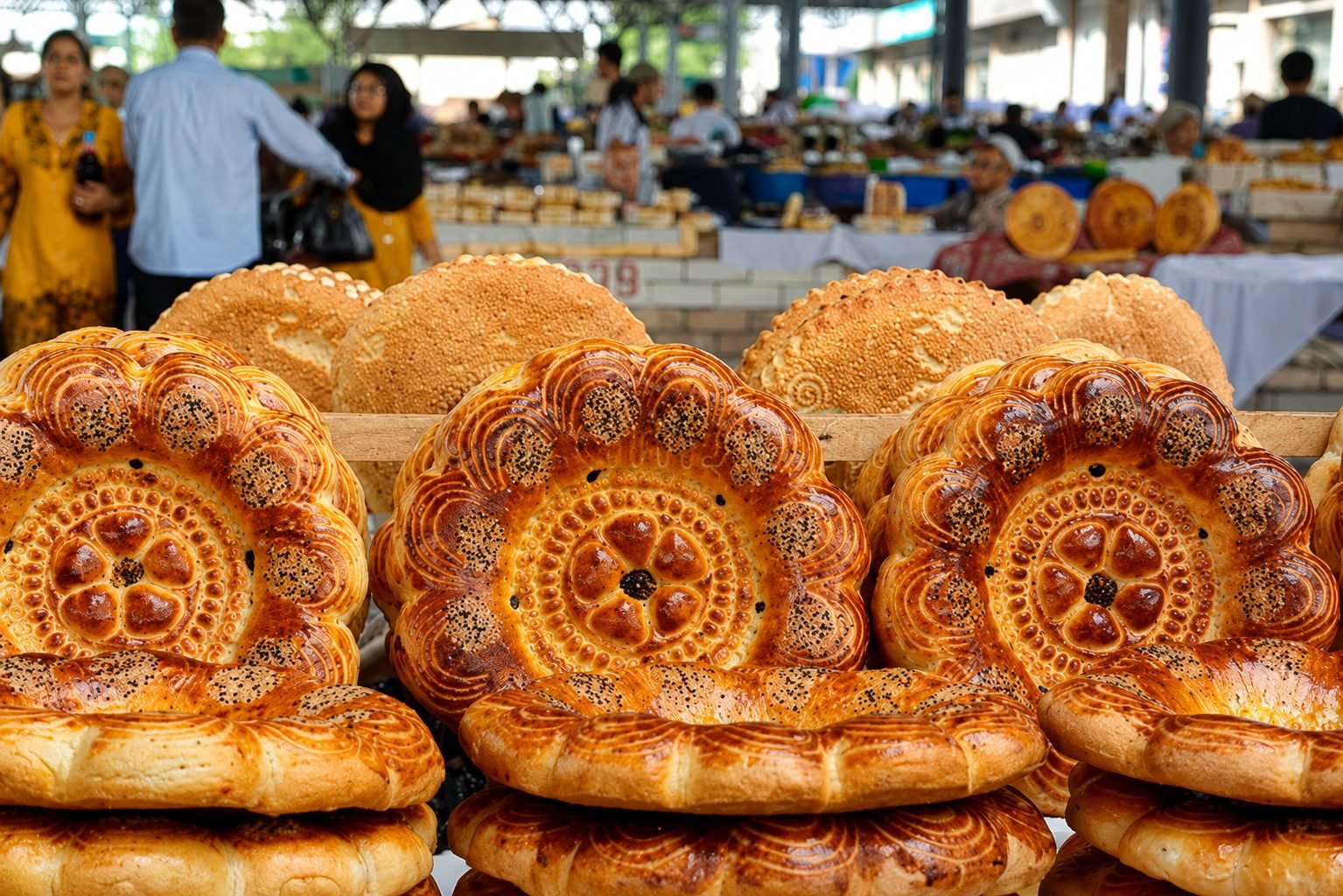
Bread holds a special place throughout Central Asia, and tandyr nan is one of Kazakhstan’s most recognisable traditional breads. The round bread is baked in a tandyr, a clay oven that reaches high temperatures. This produces a beautifully browned exterior while keeping the inside relatively soft. Breaking bread and sharing it around a table is an experience in itself. Tandyr nan can accompany meat, soups, vegetables or tea, making it one of the most versatile foods in the Kazakh culinary repertoire.
Shelpek
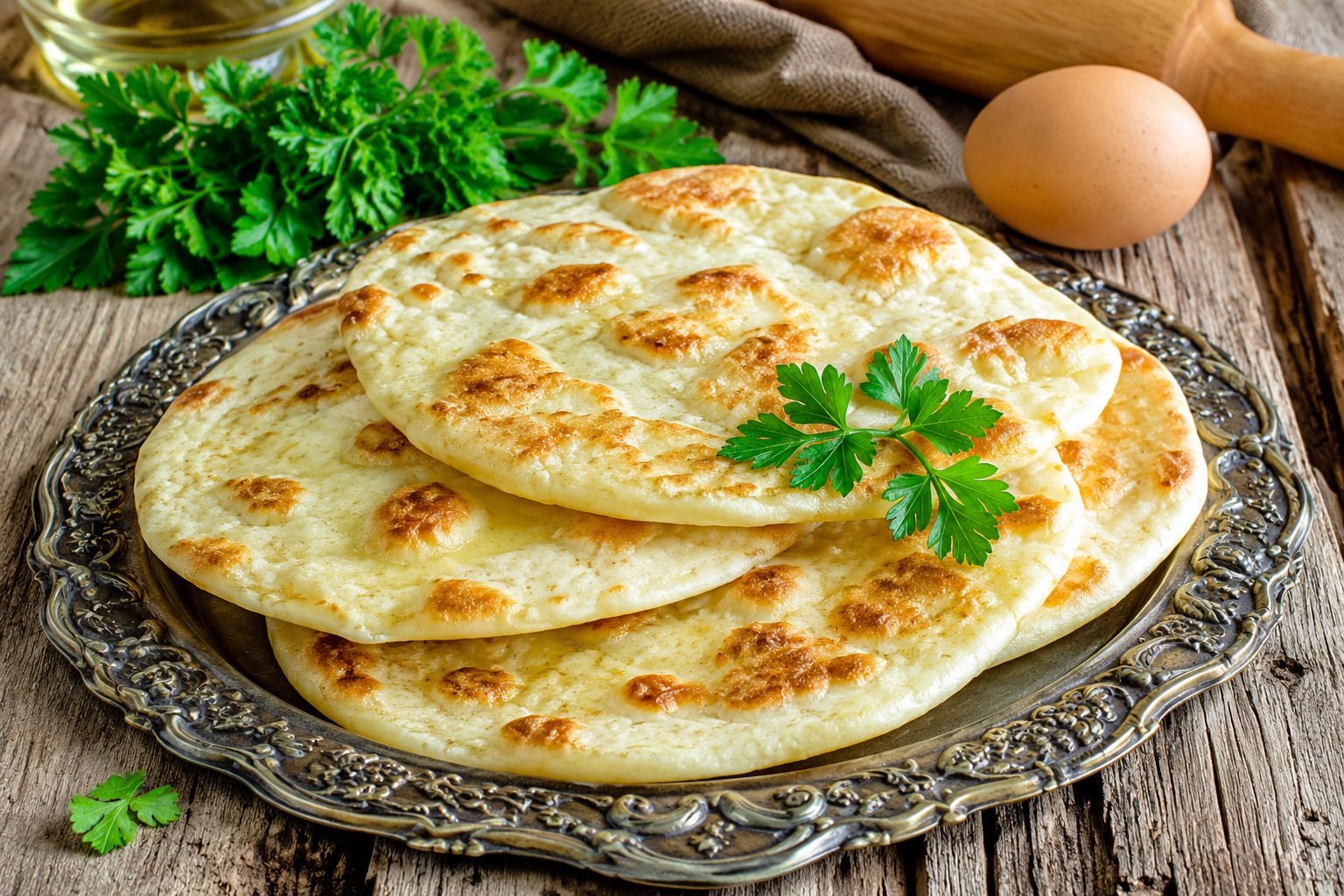
Another traditional bread is shelpek, a thin flatbread generally prepared by rolling dough into rounds and frying them. Its simplicity is part of its appeal. Crisp around the edges and soft within, shelpek can be eaten on its own or alongside other foods. Traditional Kazakh heritage records recognise several forms of thin bread, including shelpek, tandyr nan and other regional varieties, highlighting the importance of bread-making within the country’s culinary traditions.
Manty
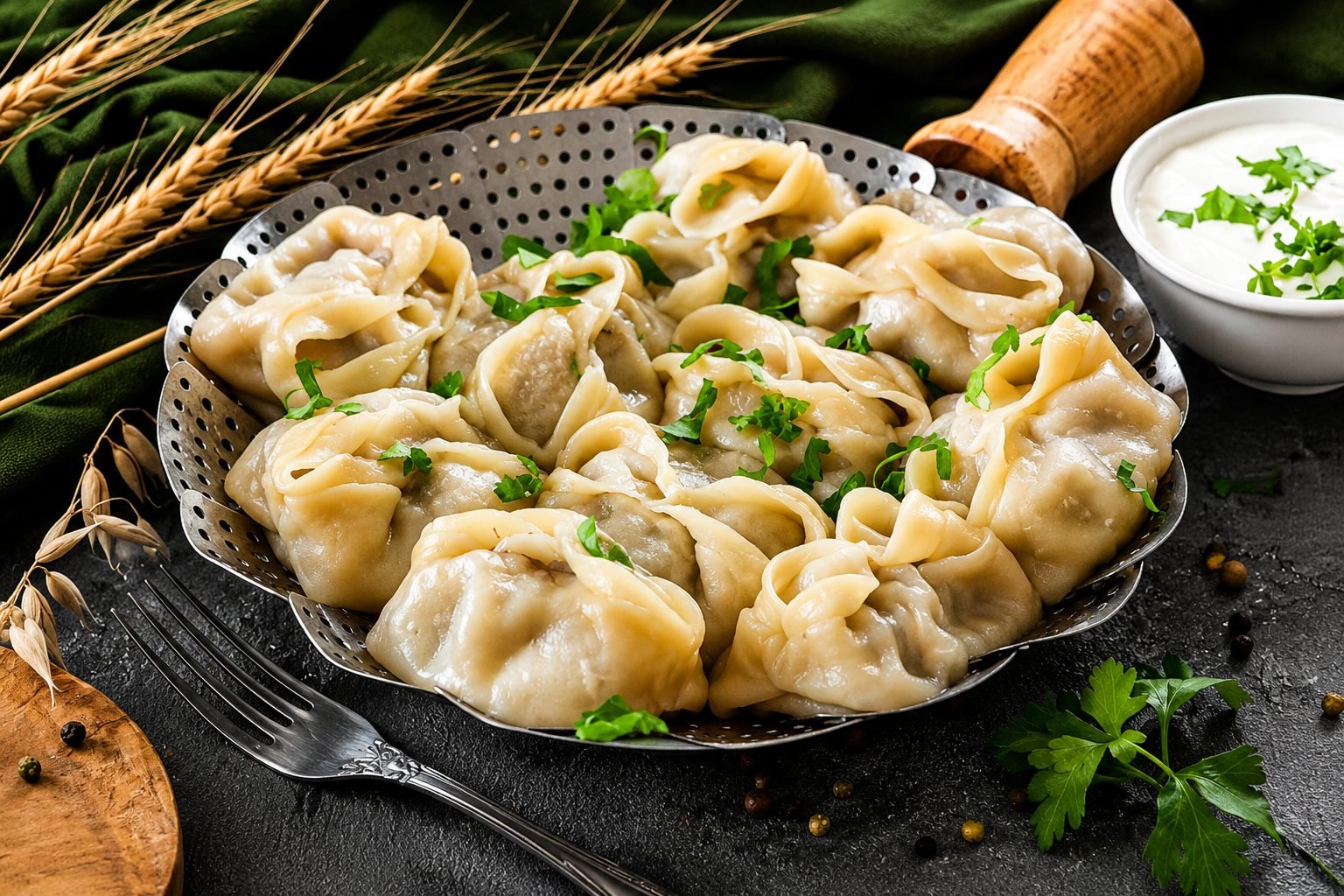
Kazakhstan’s food culture also includes manty, large steamed dumplings filled with meat and onions. Usually prepared with lamb or beef, these dumplings are juicy, filling and deeply satisfying. The soft dough contrasts with the savoury filling inside, while accompaniments such as sour cream or other sauces add another layer of flavour. Manty also demonstrates the broader Central Asian influences present in Kazakh cuisine, where similar dumpling traditions can be found across neighbouring countries.
Lagman
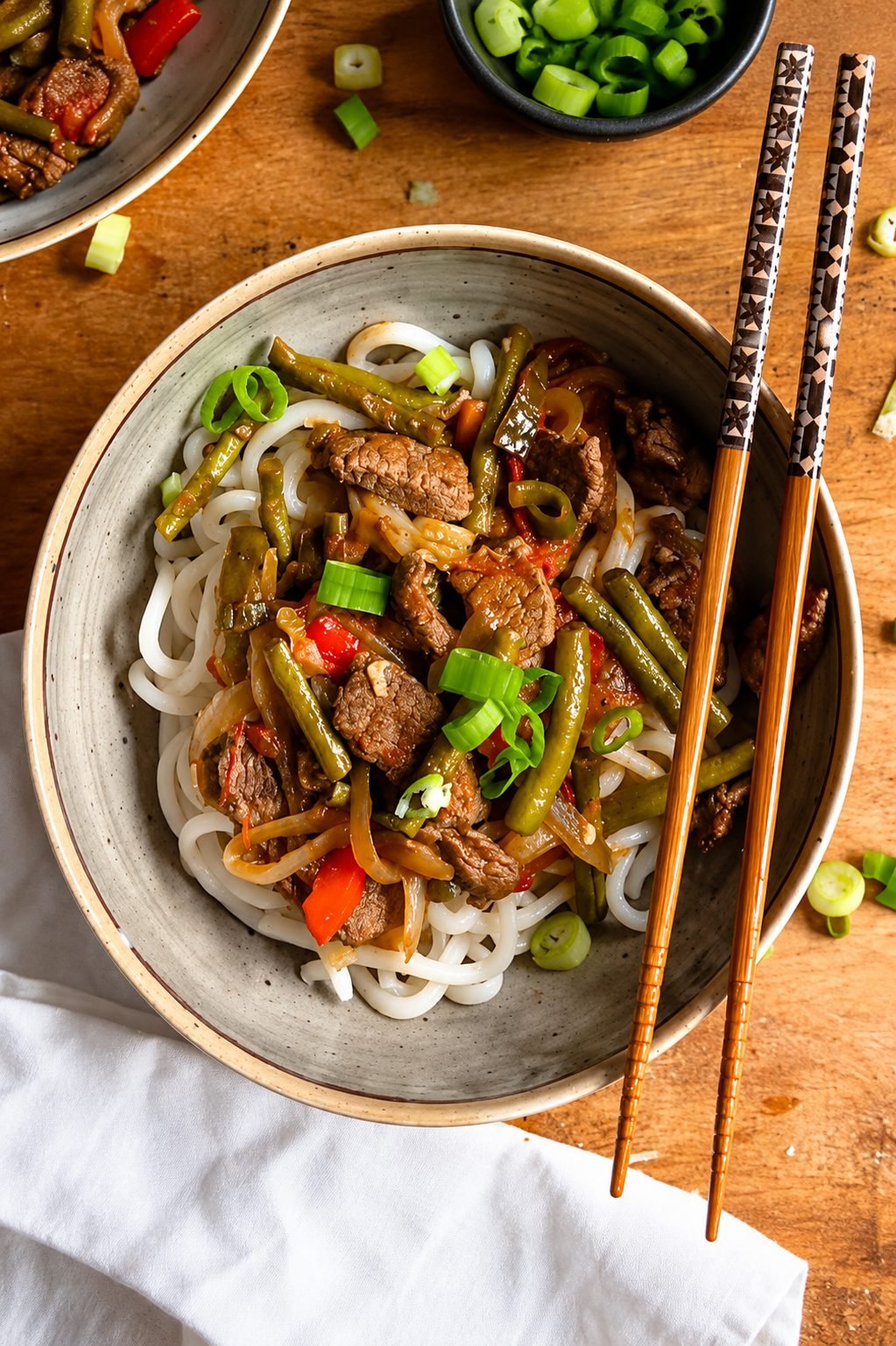
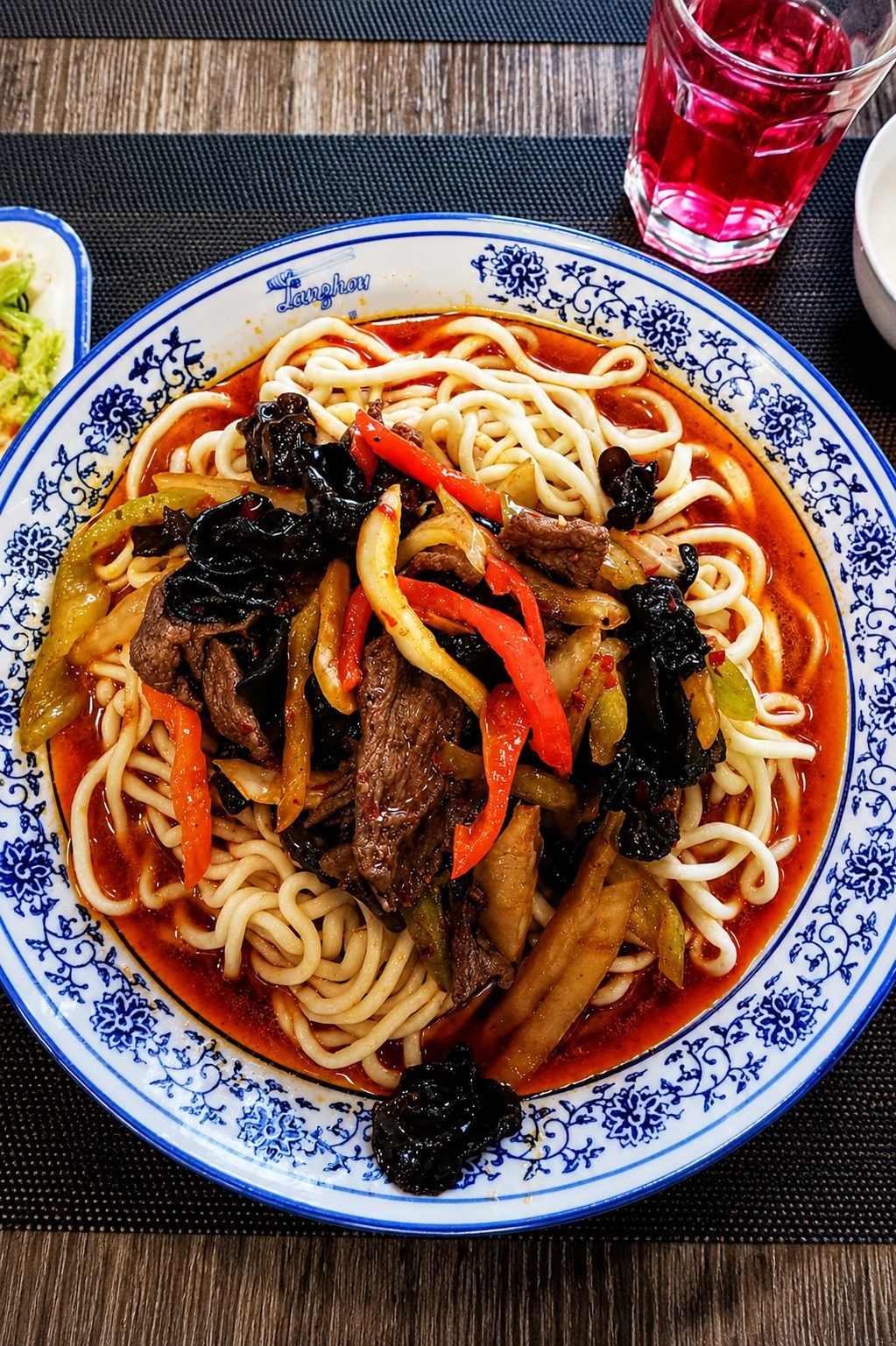
Among the dishes encountered on the journey, lagman stood out for its comforting combination of noodles, meat and vegetables. The dish is commonly prepared with thick noodles and a sauce or broth containing ingredients such as beef or lamb, peppers, carrots and onions. Fragrant spices bring everything together. Lagman is particularly satisfying after a day spent travelling through Kazakhstan’s vast landscapes. Its combination of noodles, vegetables and meat makes it hearty without feeling overly heavy.
Kurt
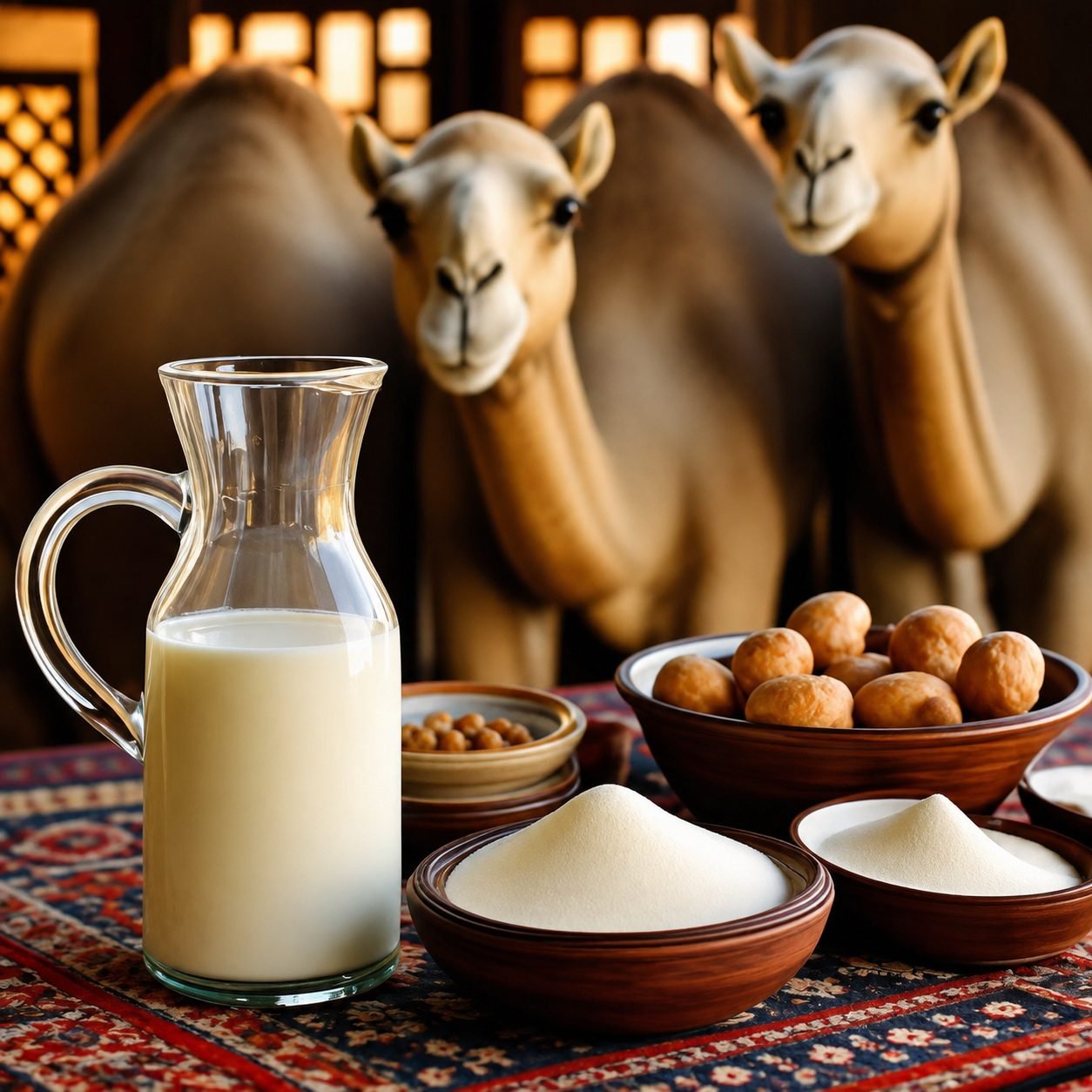
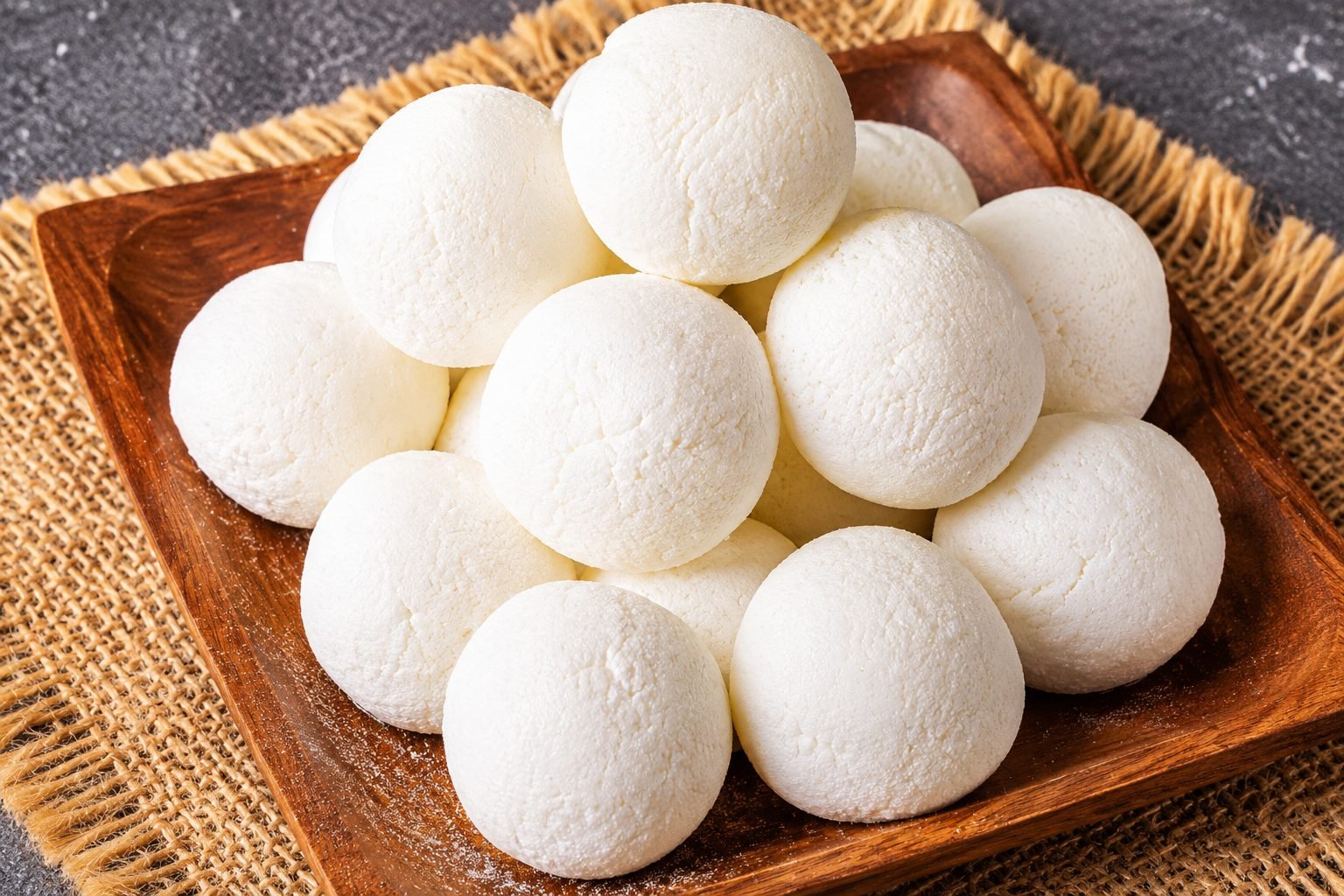
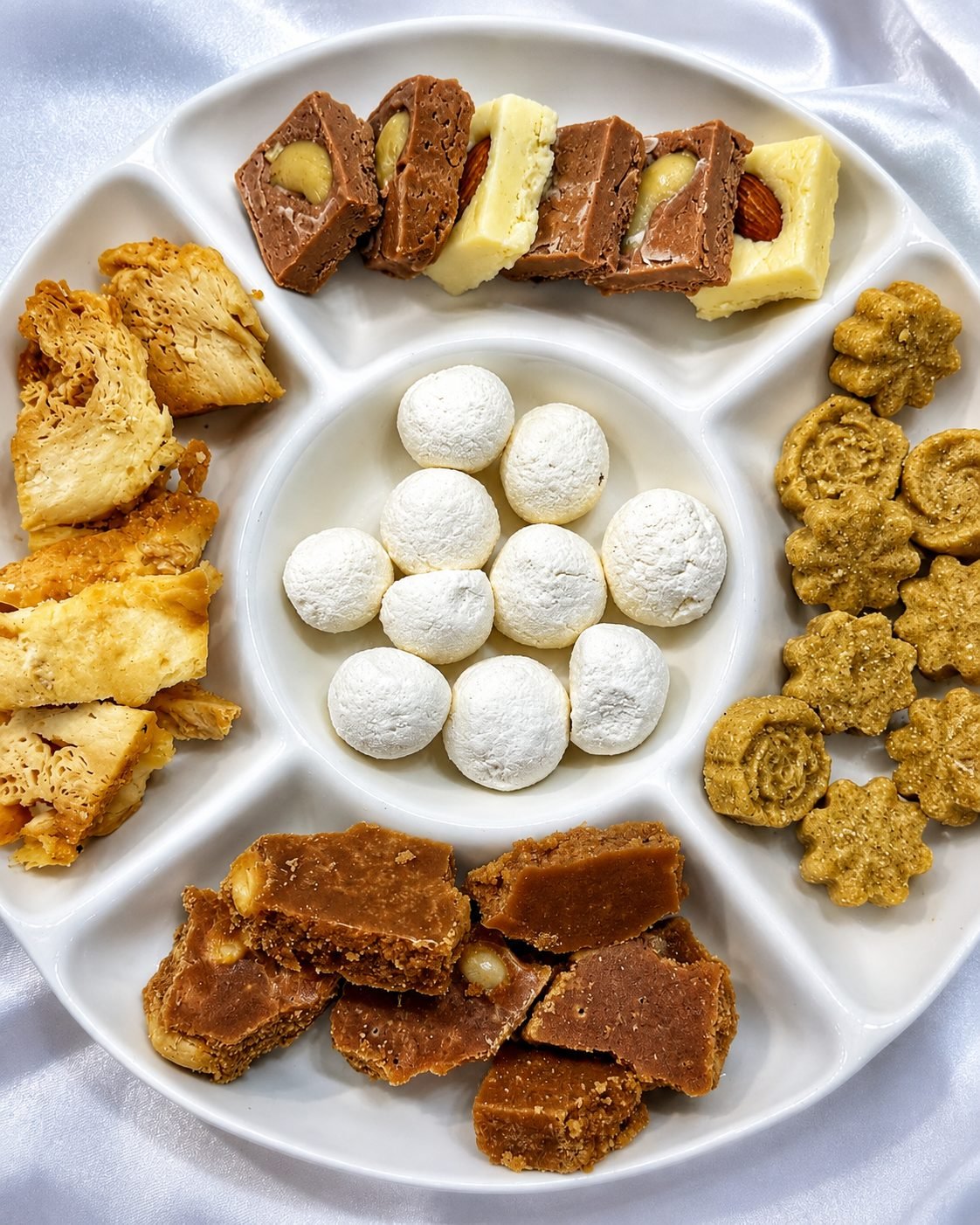
For a snack with a completely different character, try kurt. These small pieces of dried fermented dairy are traditionally made from milk and shaped into compact portions before being dried. Hard, salty and tangy, kurt was well suited to the needs of nomadic communities because it could be preserved and carried during journeys. For modern travellers, it is an unusual snack and one that provides a direct connection to the practical food traditions of the steppe.
Samsa
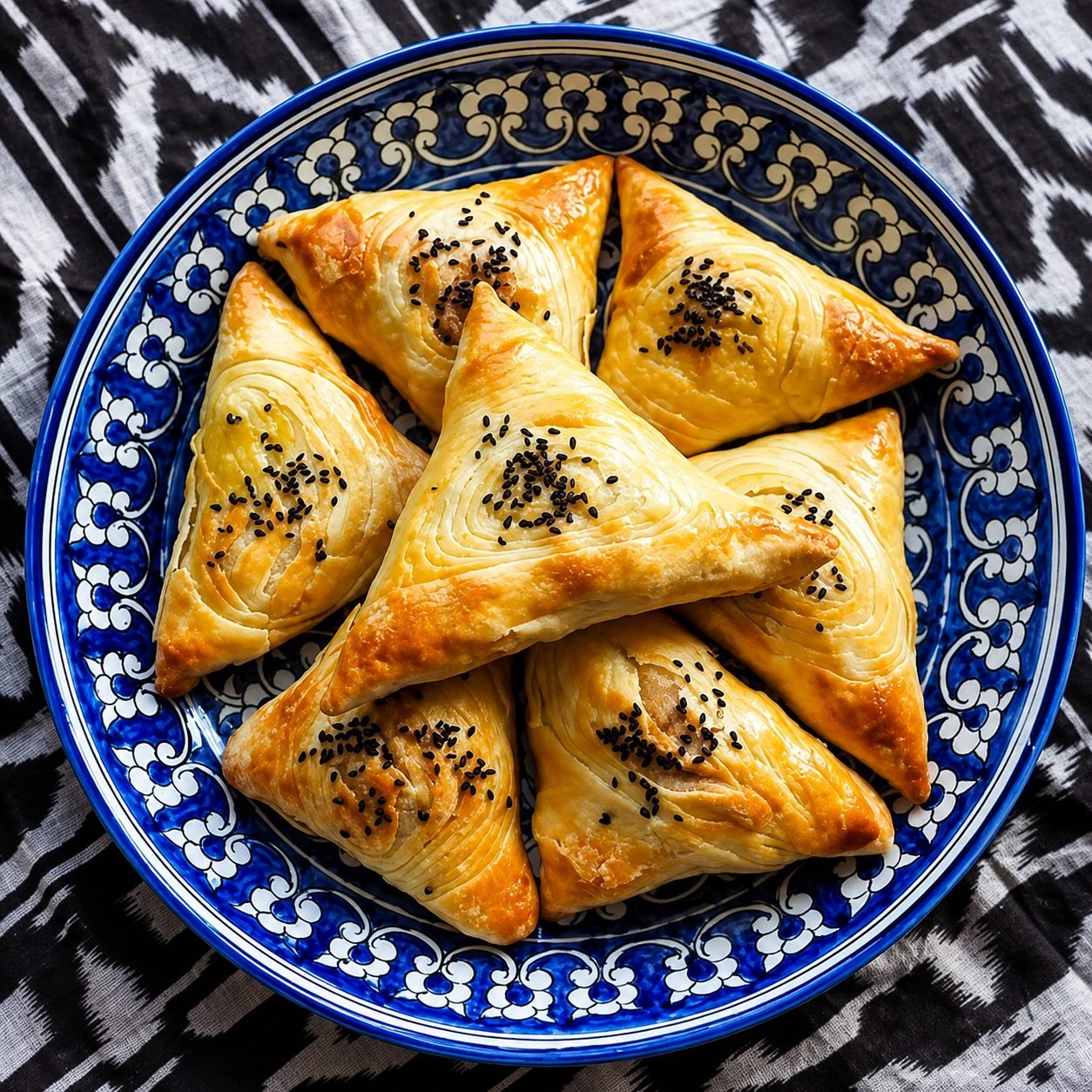
No culinary journey through Kazakhstan would be complete without samsa. These filled pastries are commonly triangular or other compact shapes and are typically stuffed with meat, onions and seasonings. Baked until golden, samsa has a crisp exterior and a rich, aromatic filling. It makes an ideal snack while exploring a city or as part of a larger meal. Like several other dishes on this list, samsa reflects Kazakhstan’s connections with the wider culinary traditions of Central Asia.
A Cuisine Shaped by the Steppe
What makes Kazakh cuisine fascinating is the way geography and history appear on the plate. The nomadic lifestyle encouraged food traditions based on ingredients that could sustain people through long journeys and changing seasons. Meat, dairy and grains became fundamental components, while horses and camels provided resources that went far beyond transportation. Yet Kazakh cuisine is not frozen in the past. In cities such as Almaty and Astana, traditional dishes exist alongside contemporary restaurants and international influences. The result is a food culture where ancient recipes and modern dining experiences comfortably coexist. Kazakhstan’s own tourism materials highlight national cuisine as an important expression of its nomadic heritage.
Where Food Meets Kazakh Hospitality
The greatest lesson from exploring Kazakhstan through food is that cuisine cannot be separated from hospitality. A plate of beshbarmak, a basket of baursak or a cup of tea becomes meaningful because of the people gathered around it. For a visitor, some flavours may be familiar while others—particularly fermented mare’s milk, camel milk or horse meat—may require an adventurous palate. But that is part of the experience. Travelling is not only about seeing a new landscape; it is about allowing a new culture to change the way you experience everyday things. Kazakhstan’s food tells the story of a people shaped by the steppe, adapted to its challenges and proud of its traditions. From the first cup of tea to the final piece of bread, the country’s cuisine offers travellers something more valuable than a list of dishes: an invitation to sit down, share a meal and experience the warmth of Kazakh hospitality.
More to Read
All issues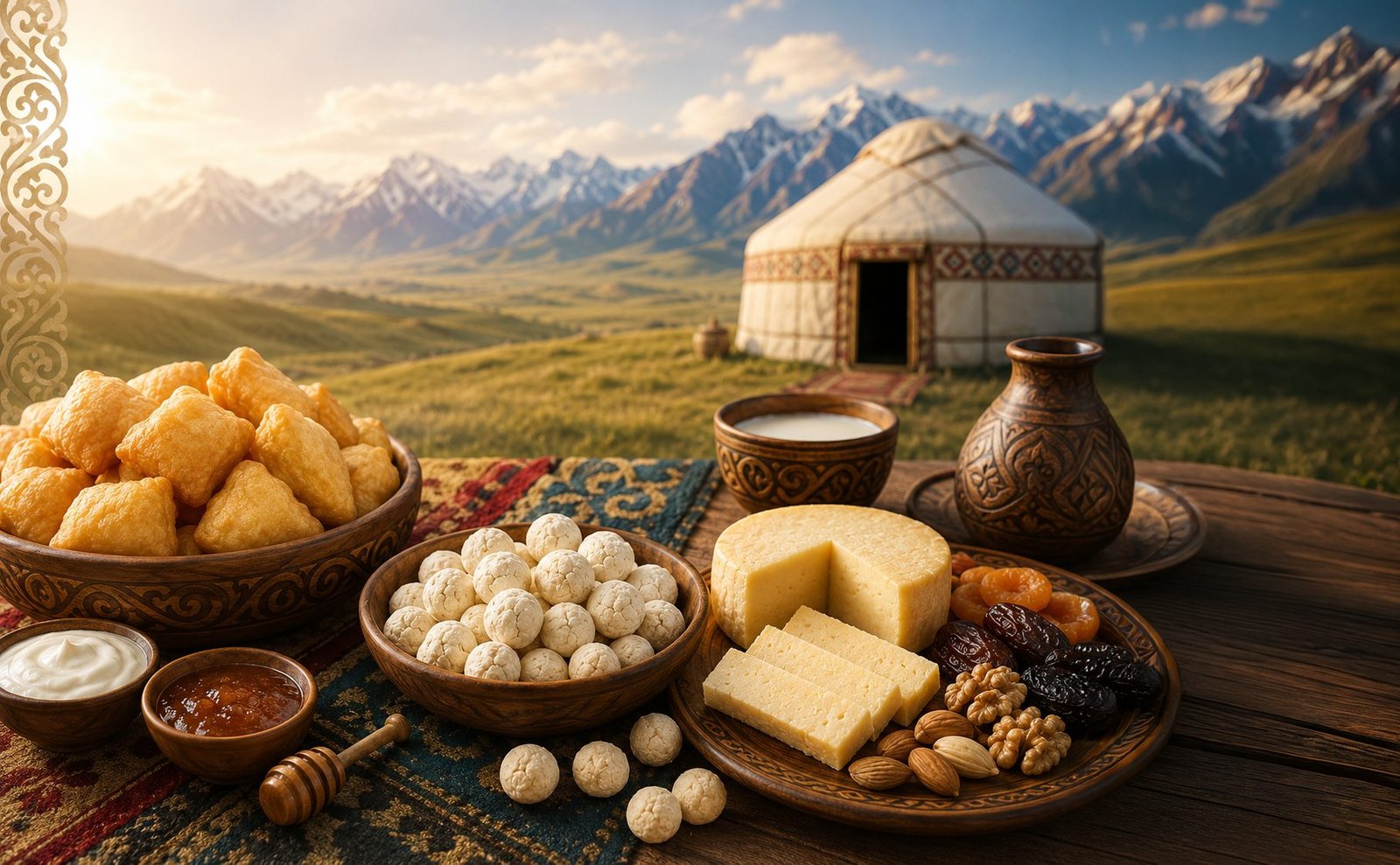
Traditional Kazakh Sweets & Nomadic Snacks: A Taste of the Great Steppe
Kazakhstan’s culinary heritage is deeply rooted in the traditions of the nomadic peoples who roamed the vast Eurasian steppes for centuries. Life on the open grasslands…

Rixos Borovoe
Discovering Luxury in Kazakhstan’s Natural Landscape

Exploring Kazakhstan’s Natural & Historical Treasures
Kazakhstan, the largest landlocked country in the world, is renowned for its vast steppes, majestic mountains, unique natural reserves, and rich cultural heritage. From…