

Kazakhstan’s Youth Chess Championship 2026 – Nurturing the Next Generation of Champions
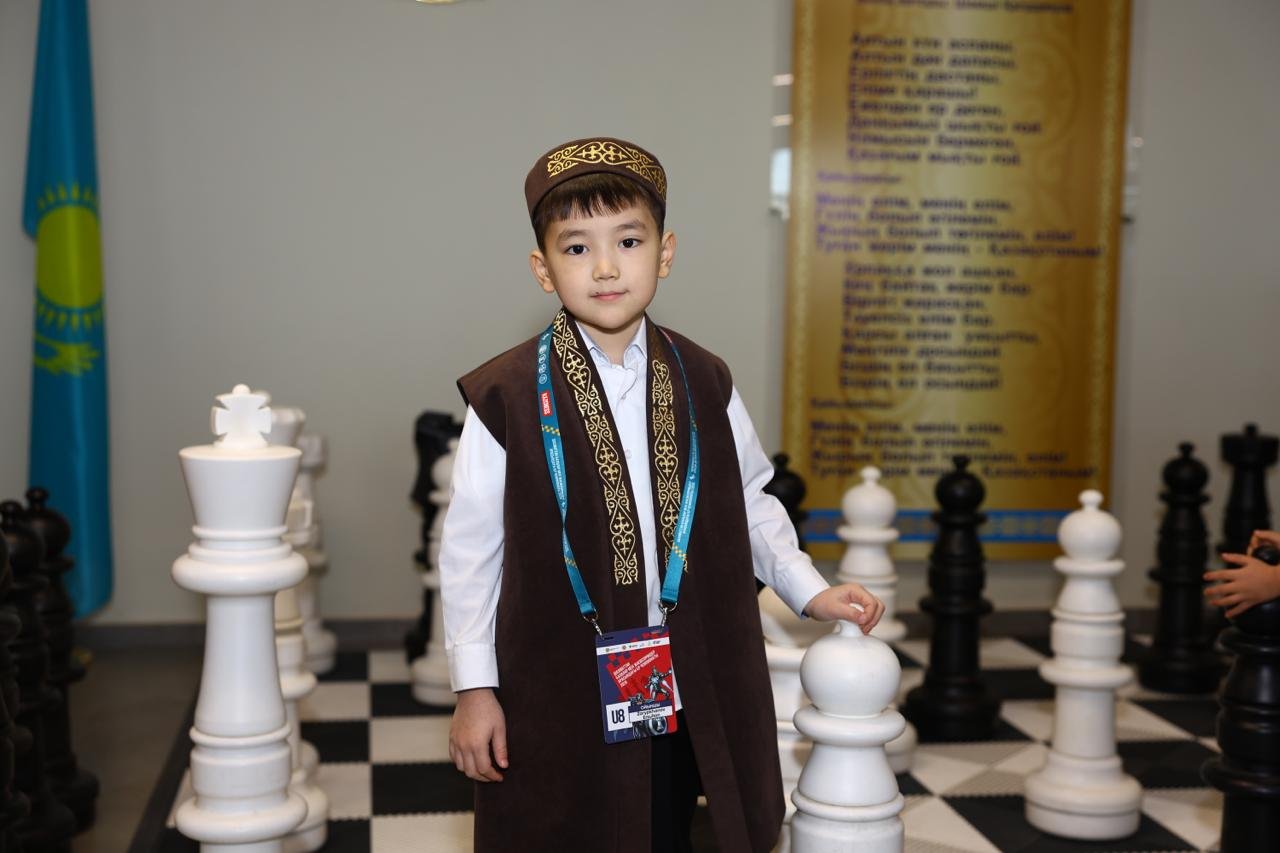
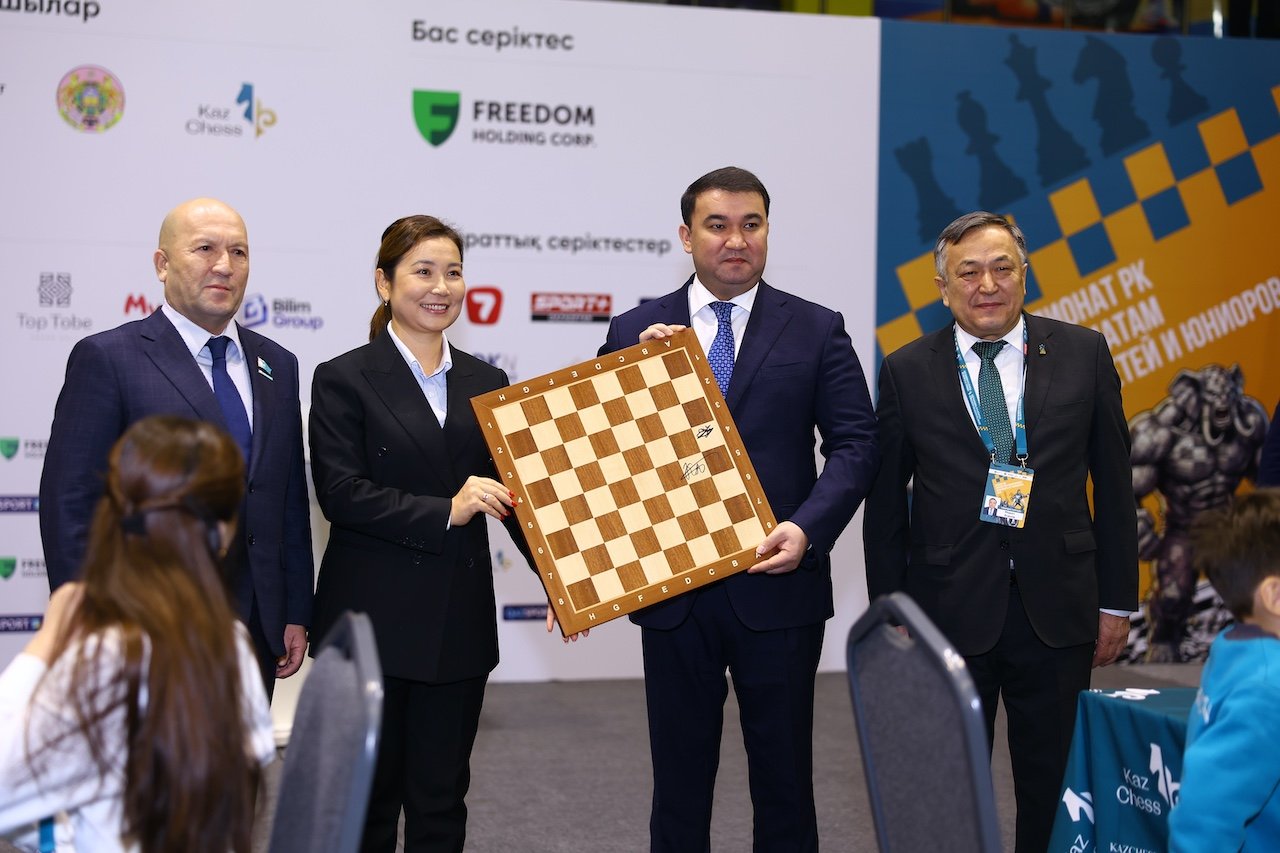
The city of Turkistan has become the epicentre of youth chess in Central Asia as it hosts the 2026 Kazakhstan Chess Championship for children and youth under 18. This prestigious national event brings together the brightest young minds from across the country, setting the stage for intense competition, remarkable talent, and the future of Kazakhstan’s dominance in global chess. A Landmark Event in Turkistan The championship, which began on January 20, is widely regarded as one of the most important events in Kazakhstan’s chess calendar. Over ten days, participants compete across multiple formats—classical, rapid, and blitz—testing not only their strategic depth but also their adaptability and speed. The tournament serves as a key national qualifier, determining which players will represent Kazakhstan in major international competitions throughout the year. According to Kazakhstan Chess Federation President Timur Turlov, the event plays a crucial role in shaping the country’s chess future. With Turkistan emerging as a hub for chess development—including plans to host the headquarters of the Turkic Peoples’ Chess Association—the championship symbolizes Kazakhstan’s growing influence in the global chess arena.
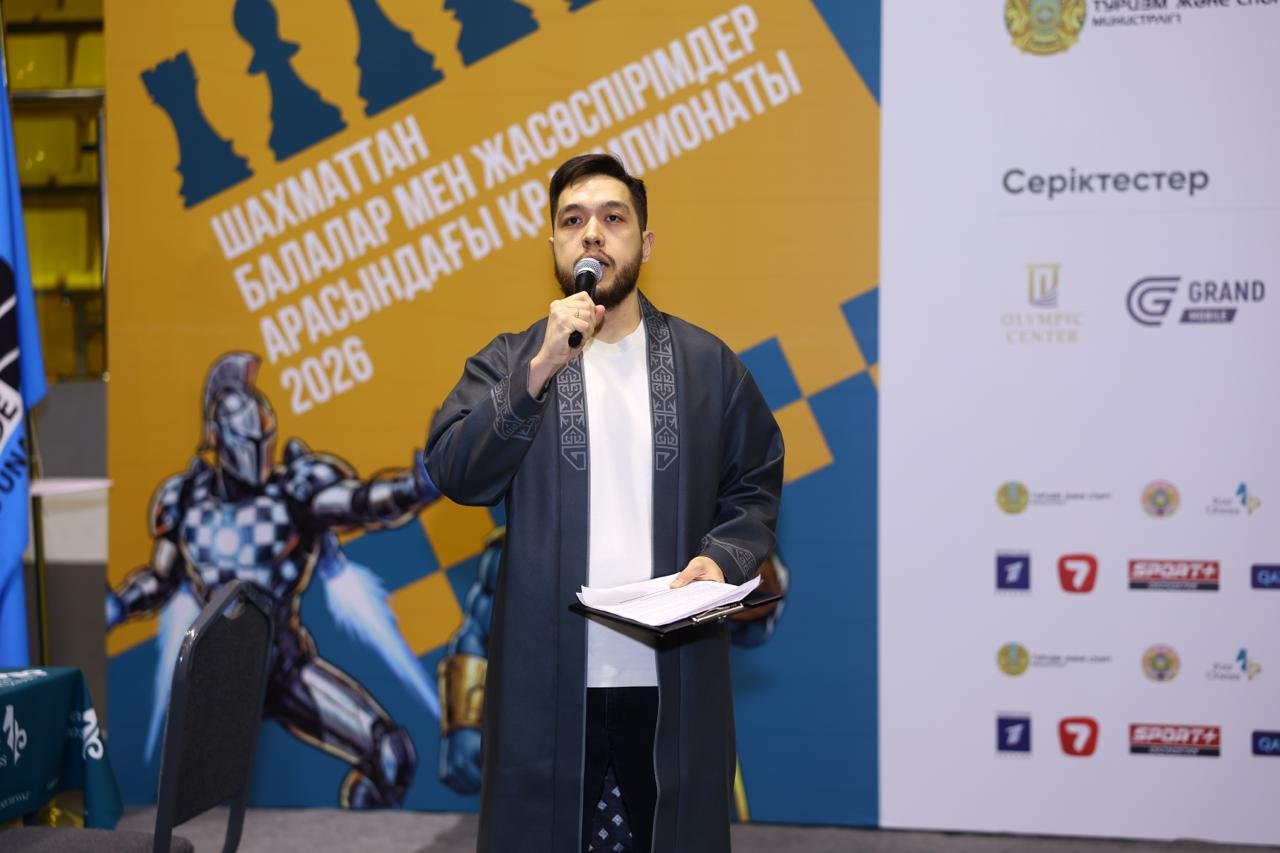


Massive Participation and Inclusive Structure
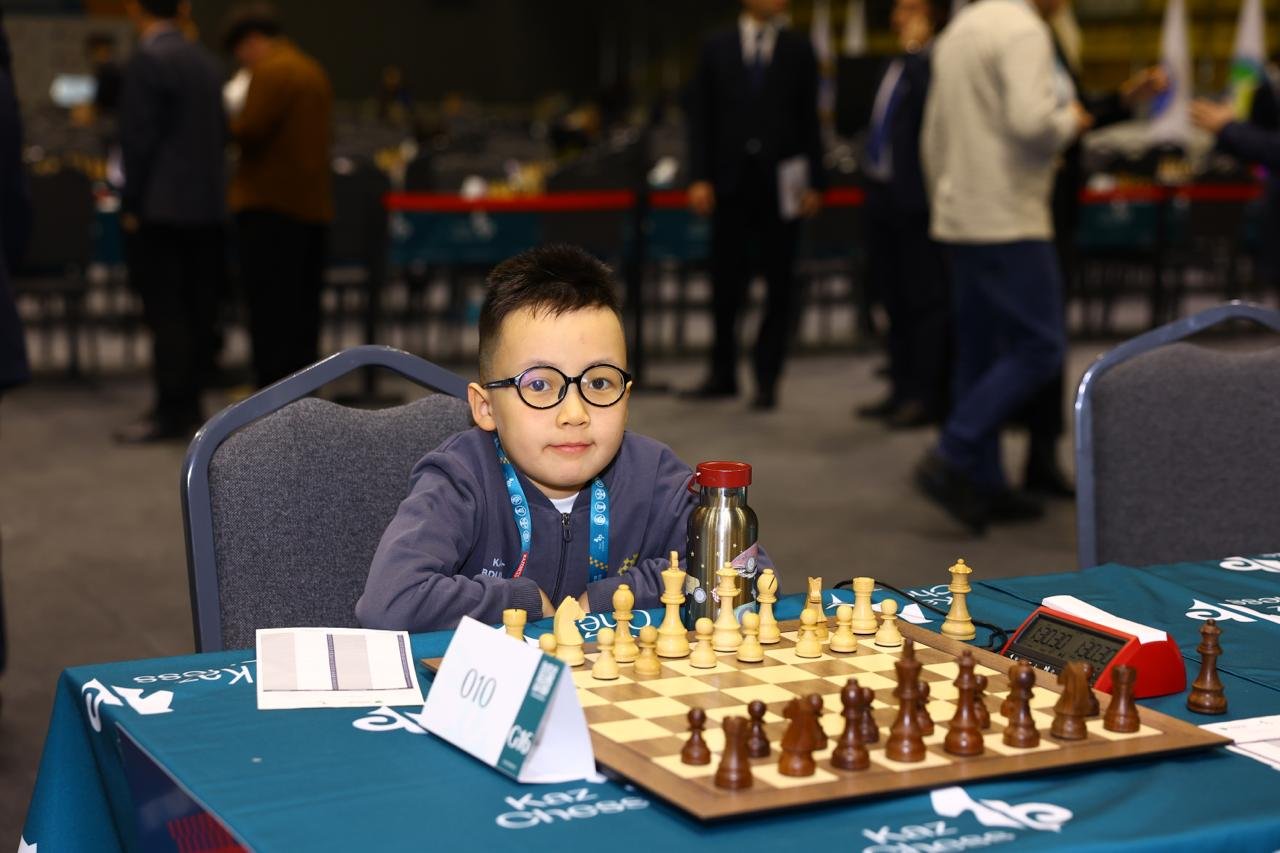
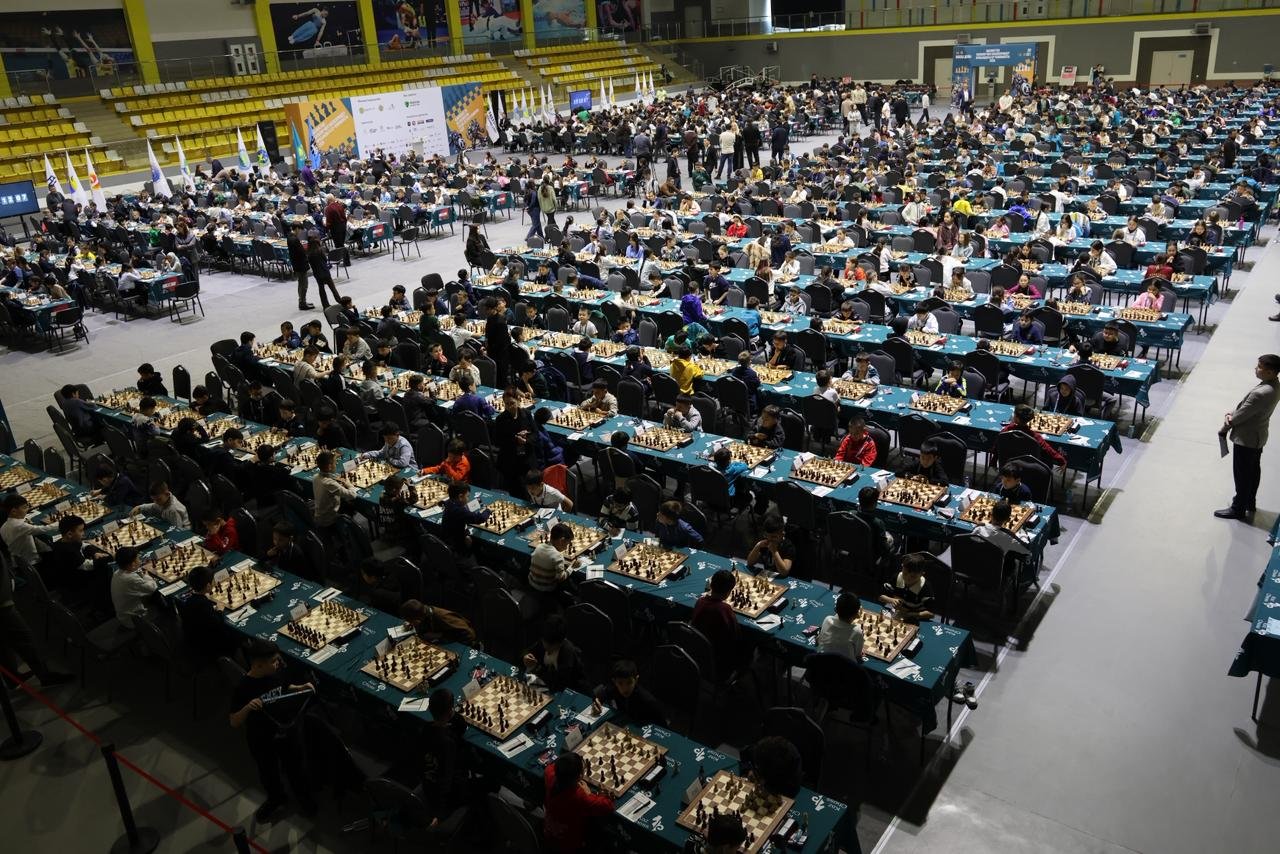
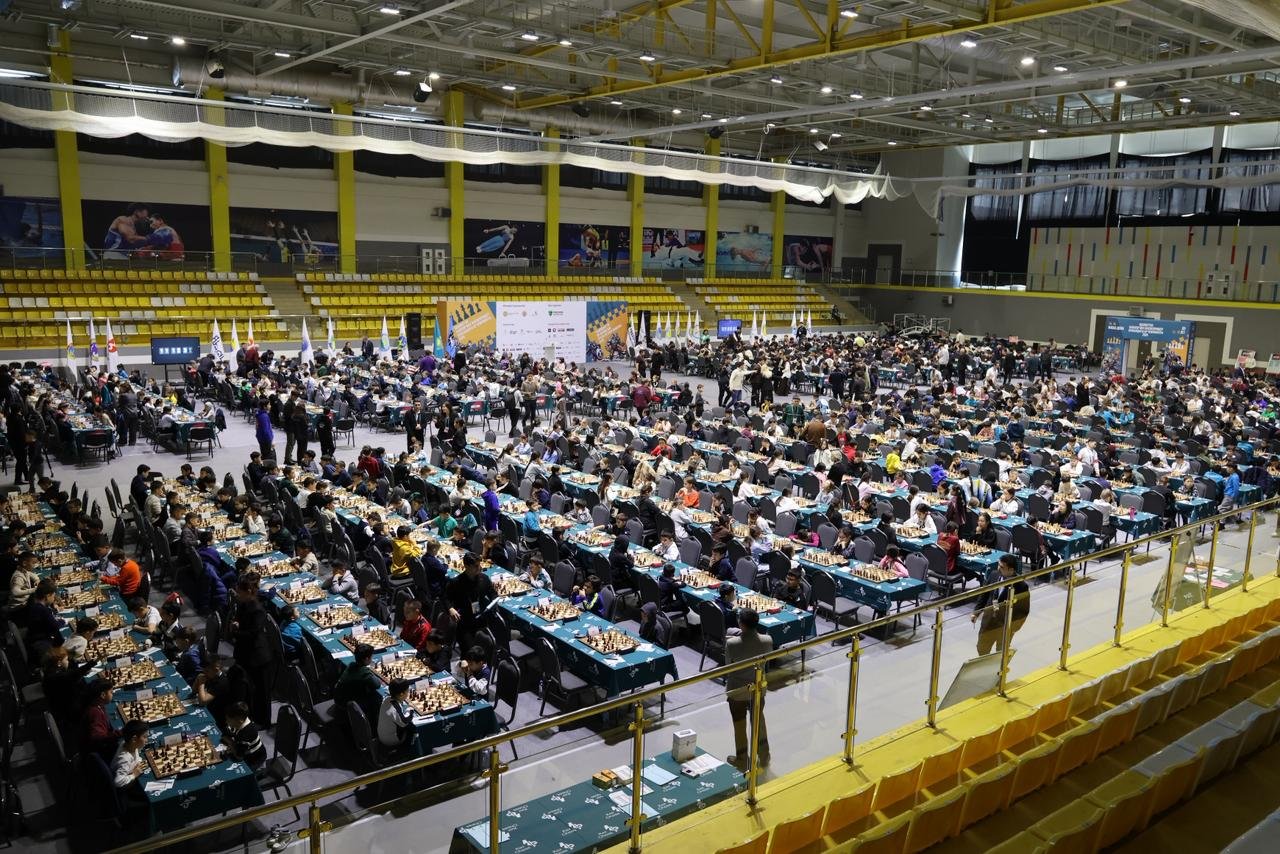
This year’s championship has attracted an impressive 1,052 young players, reflecting the increasing popularity of chess among Kazakhstan’s youth. Boys and girls compete separately, ensuring fair competition, while participants are allowed to compete in higher age categories, encouraging early exposure to tougher challenges. The competition is divided into several age groups: Under 6, Under 8, Under 10, Under 12, Under 14, Under 16, and Under 18. Each category represents a critical stage in a player’s development, from early learning to advanced competitive play.
Tournament Format and Competitive Dynamics
The championship follows a structured and demanding format. All categories are played using a nine-round Swiss system, ensuring that players face opponents of similar strength as the tournament progresses. The classical format, held from January 20 to 27, uses a time control of 90 minutes per game with a 30-second increment per move. After a rest day, the competition shifts to faster formats: rapid chess with 15+10 time control and blitz with 3+2. These formats require quick thinking and adaptability, often favoring players with sharp instincts and strong time management skills.
Prize Fund and Incentives
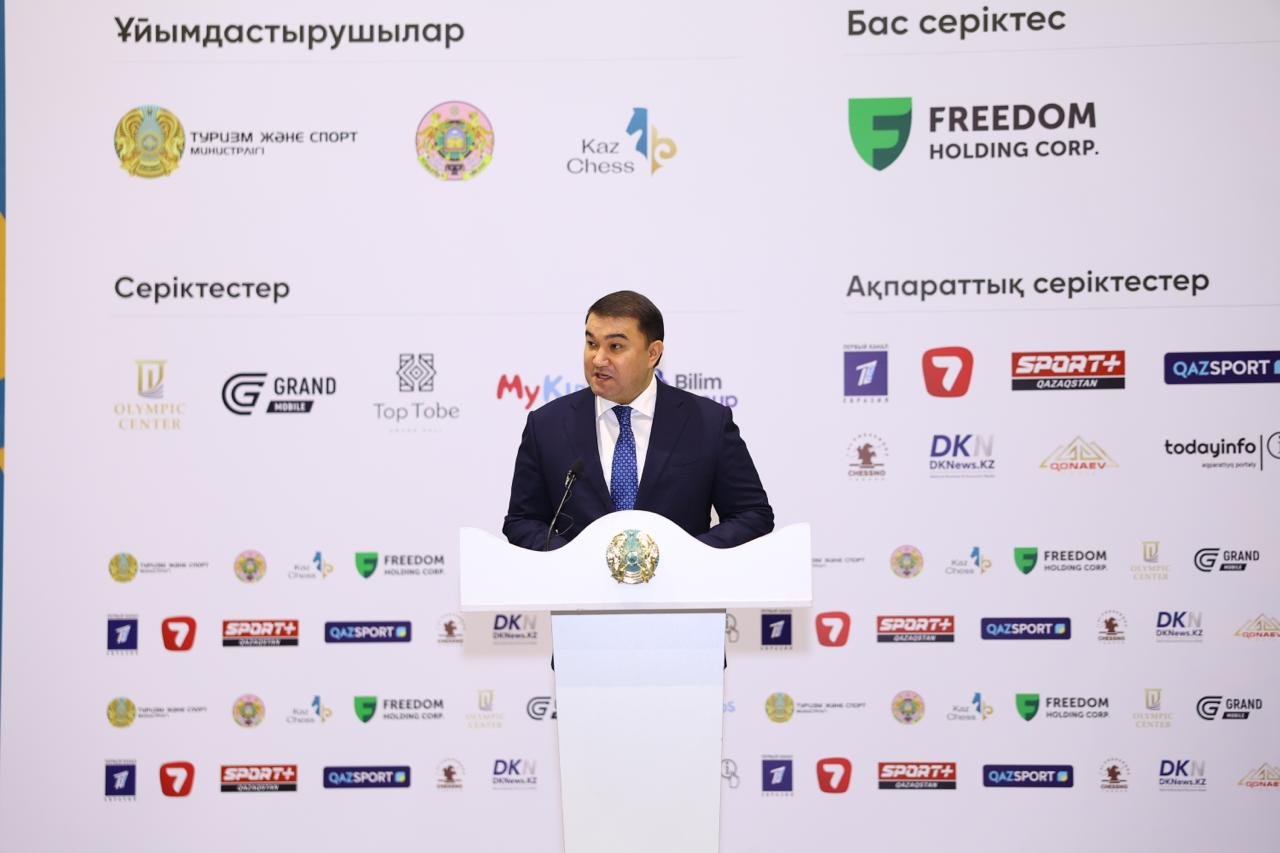
The championship offers a substantial prize fund of 15,120,000 tenge, making it not only a prestigious but also a rewarding competition. Each age group has a dedicated prize pool of 1,000,000 tenge, distributed among winners in classical, rapid, and blitz categories. Beyond monetary rewards, winners receive medals and diplomas, along with opportunities to compete on international stages. This combination of recognition and opportunity motivates young players to perform at their best.
Kazakhstan’s Rising Chess Legacy
Kazakhstan has been steadily strengthening its position in international chess. In 2025, young Kazakh players achieved a remarkable milestone by winning 122 medals across world, Asian, and Western Asian championships. This success has raised expectations for the current championship, where many of last year’s medalists are competing once again. The increasing level of competition reflects not only the country’s depth of talent but also the effectiveness of its chess development programs. Maintaining this momentum is a key priority for the federation, especially as global competition continues to intensify.
Absence of Top Stars in Classical Format
Interestingly, some of Kazakhstan’s strongest young players are not participating in the classical section of the championship. Many of them are already competing at the adult level or are on the verge of joining national teams. Notable names include world champions and highly rated players such as Alanna Berikkyzy, Danis Kuandykuly, Mark Smirnov, and Edgar Mamedov. While they may skip the classical games, some are expected to participate in rapid and blitz formats, adding excitement and unpredictability to those events.


Key Contenders Across Age Groups
Each age category presents its own set of favorites and emerging talents. In the Under 8 category, players like Narmina Asylbekkyzy and Abdul-Malik Kairat stand out based on their ratings and previous achievements. However, as in any chess tournament, rankings do not guarantee victory, and every game must be earned over the board. The Under 10 category is particularly competitive, featuring world champion Alisha Bisalieva alongside several strong challengers. Among boys, multiple players with similar ratings make it difficult to predict a clear winner, highlighting the depth of talent in this age group. In the Under 12 and Under 14 categories, the competition becomes even more intense, with experienced players and international medalists competing for top honors. These categories often serve as a preview of future national champions. The Under 16 and Under 18 groups showcase near-professional levels of play. Players in these categories are often already competing internationally and are on the verge of entering elite chess circles.

Pathway to International Competitions
One of the most significant aspects of the championship is its role in determining Kazakhstan’s representatives for global tournaments. Winners of the classical format earn the right to compete in events such as the FIDE World Cup for young players and the World Youth Chess Championships. Runners-up secure spots in the Asian Youth Chess Championship, while other top performers gain opportunities to participate in various international competitions, including world and regional events. This structured pathway ensures that talented players have clear opportunities to progress from national to international stages, fostering long-term growth and success.

The Role of Early Development
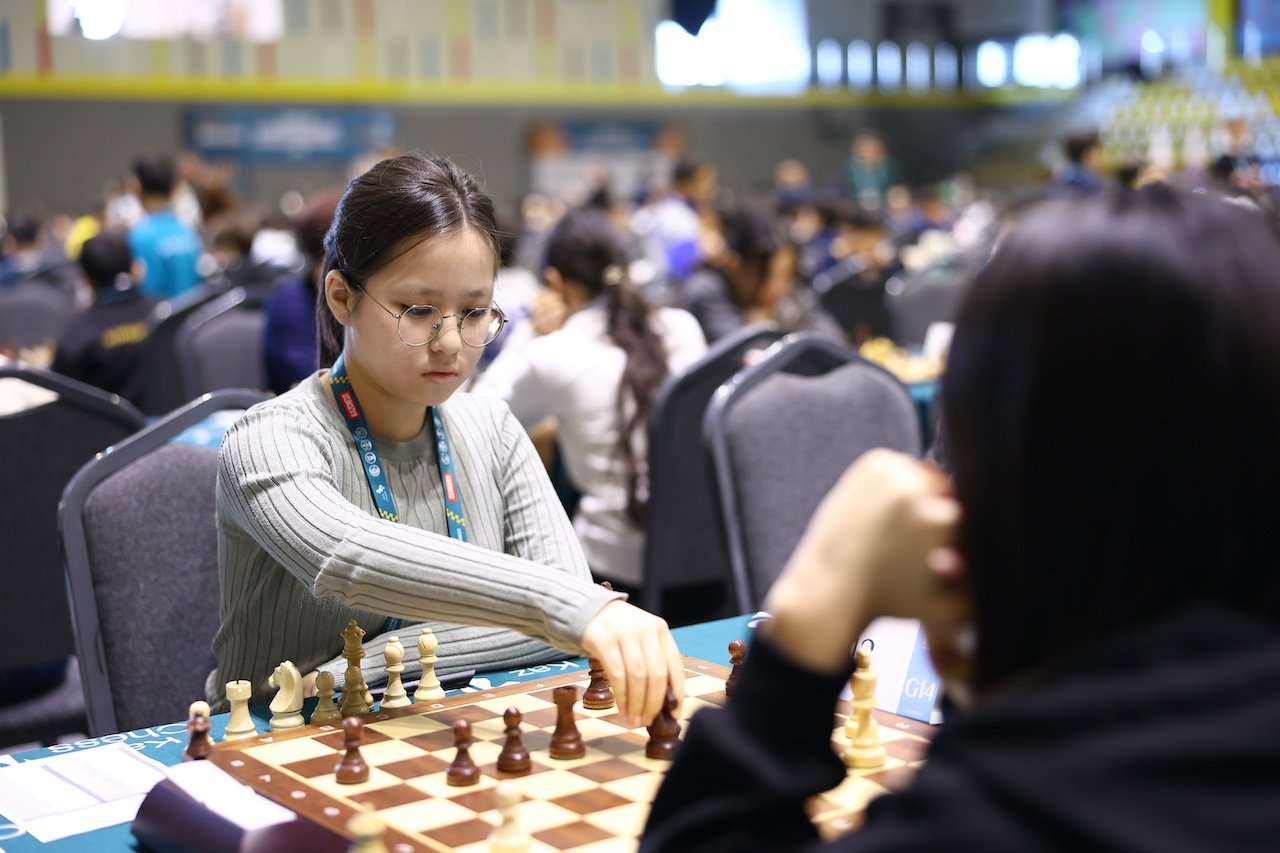
The inclusion of very young players, even in the Under 6 category, highlights Kazakhstan’s commitment to early talent development. Although this age group is not part of official international competitions, it serves as a crucial foundation for nurturing future champions. By exposing young players to competitive environments at an early age, the federation helps them develop confidence, discipline, and strategic thinking—qualities essential for success in chess and beyond.
A Platform for Future Champions
The Kazakhstan Youth Chess Championship is more than just a tournament—it is a platform where dreams take shape and careers begin. Many of today’s top players started their journeys in similar events, gradually progressing to national and international success. The championship also fosters a spirit of sportsmanship and learning, where players gain valuable experience regardless of the outcome. Each game, whether won or lost, contributes to their growth as players and individuals.

A Bright Future for Kazakh Chess
As the 2026 championship unfolds in Turkistan, it reflects the strength, depth, and promise of Kazakhstan’s chess community. With over a thousand participants, a structured development system, and a clear pathway to international success, the country continues to build a foundation for the future. The intense competition, combined with the presence of rising stars and seasoned young players, ensures that the championship remains both exciting and meaningful. More importantly, it reaffirms Kazakhstan’s commitment to maintaining its position as a leading force in global chess. In the years to come, many of the participants in this championship will likely represent Kazakhstan on the world stage, carrying forward a legacy of excellence and inspiring the next generation of chess enthusiasts.
More to Read
All issues
Kazakhstan’s Junior Judokas Shine with Nine-Medal Haul in Macau
Kazakhstan’s junior judo team delivered an impressive performance at the Macau Junior Asian Cup 2026, collecting nine medals — three gold, three silver and three bronze.…
Kazakhstan’s Golden Blade — National Épée Team Reigns Supreme at the Asian Fencing Championships
Kazakhstan has once again demonstrated its growing influence in international fencing with a remarkable championship-winning performance at the Asian Fencing…

Kazakhstan Celebrated National Sports Day as Part of Nauryznama Festivities
Kazakhstan celebrated National Sports Day (Ulttyq Sport Kuni) on March 20, 2026, as part of the nationwide Nauryznama decade leading up to the annual celebration of…