Kazakhstan Celebrated National Sports Day as Part of Nauryznama Festivities
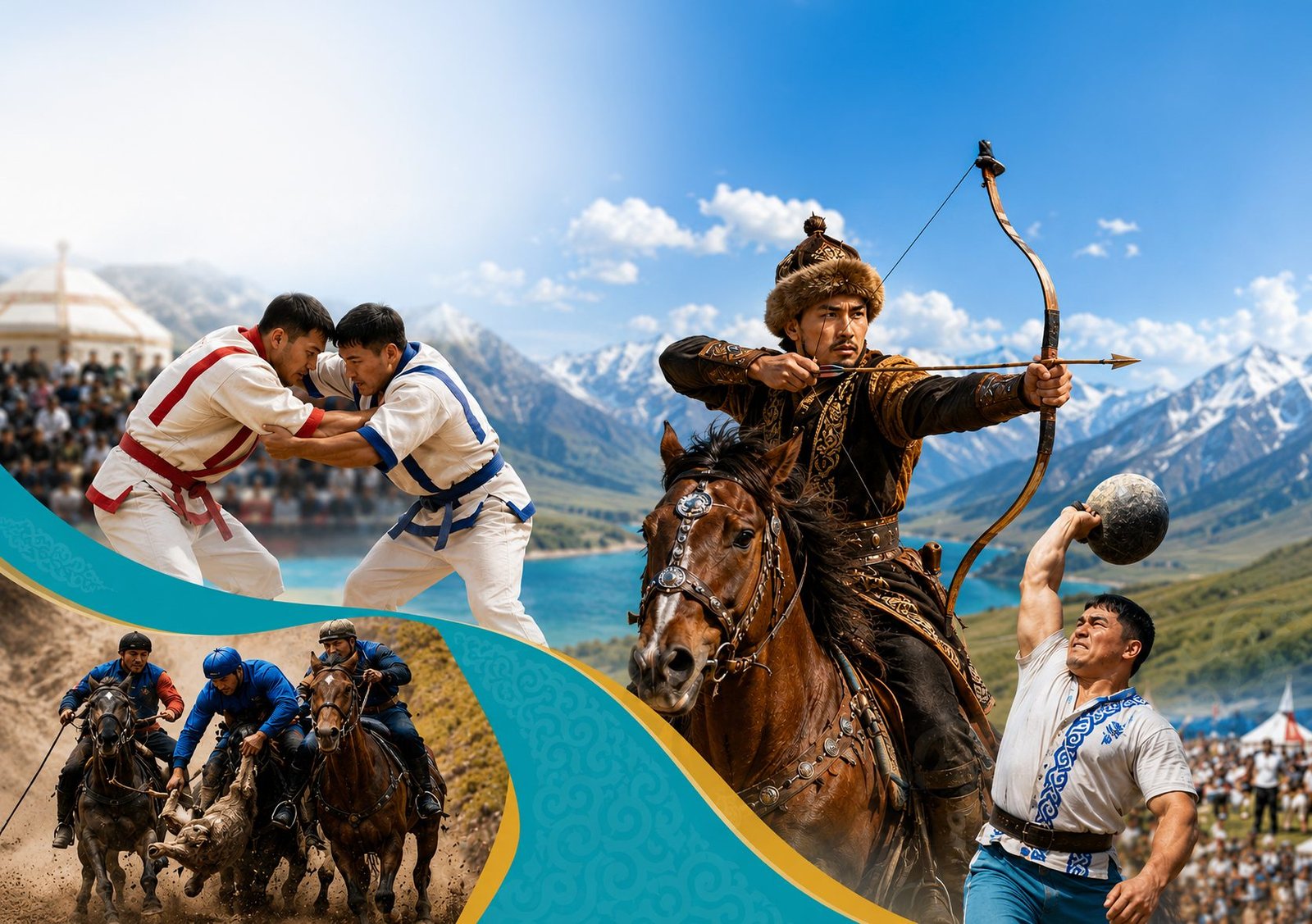
Kazakhstan celebrated National Sports Day (Ulttyq Sport Kuni) on March 20, 2026, as part of the nationwide Nauryznama decade leading up to the annual celebration of Nauryz Meiramy. The day was marked by a wide range of traditional sports competitions and cultural events held across the country, highlighting the importance of national sports in preserving Kazakhstan’s rich cultural heritage and promoting healthy lifestyles among its citizens. The celebration brought together athletes, sports enthusiasts, cultural organizations, and local communities to honour the country’s traditional sporting disciplines. Events were organized in cities, towns, and rural regions, where participants showcased skills that had been passed down through generations. The occasion served not only as a sporting festival but also as an opportunity to strengthen national identity and encourage younger generations to engage with their cultural roots. National sports have long occupied a special place in Kazakh society. They reflect the history, customs, and values of the nomadic civilization that shaped the nation. Over the years, Kazakhstan has invested considerable resources into preserving and developing these sports, recognizing their role in strengthening cultural awareness while contributing to physical fitness and social cohesion.
According to official statistics released during the celebration, more than 660,000 people regularly participated in national sports across Kazakhstan. This figure represented approximately 9.6 percent of all citizens engaged in physical culture and sports activities. The growing popularity of traditional sports demonstrated the success of government programs and community initiatives aimed at reviving and promoting indigenous athletic traditions. At the time of the celebration, Kazakhstan officially recognized 11 national sports disciplines as priority sports alongside Olympic and Paralympic events. These disciplines represented a diverse range of physical and intellectual activities that reflected the country’s historical way of life. Among the most popular traditional sports was asyq atu, a game involving the precise shooting of sheep knuckle bones, which required exceptional accuracy and concentration.
Another widely practiced sport was audaryspaq, a horseback wrestling competition in which riders attempted to pull their opponents from their horses. The sport showcased both physical strength and expert horsemanship. Horse racing, known as baige, remained one of the most prestigious national sporting events. Deeply rooted in nomadic culture, baige tested the endurance and speed of horses over long distances. Spectators gathered in large numbers to witness these races, which continued to be among the most anticipated events during national celebrations. Traditional archery also attracted significant participation. Athletes demonstrated remarkable skill and precision while using bows in competitions that reflected centuries-old hunting and warrior traditions. Another horseback discipline, zhamby atu, combined riding skills with archery as participants attempted to hit targets while galloping at high speed.

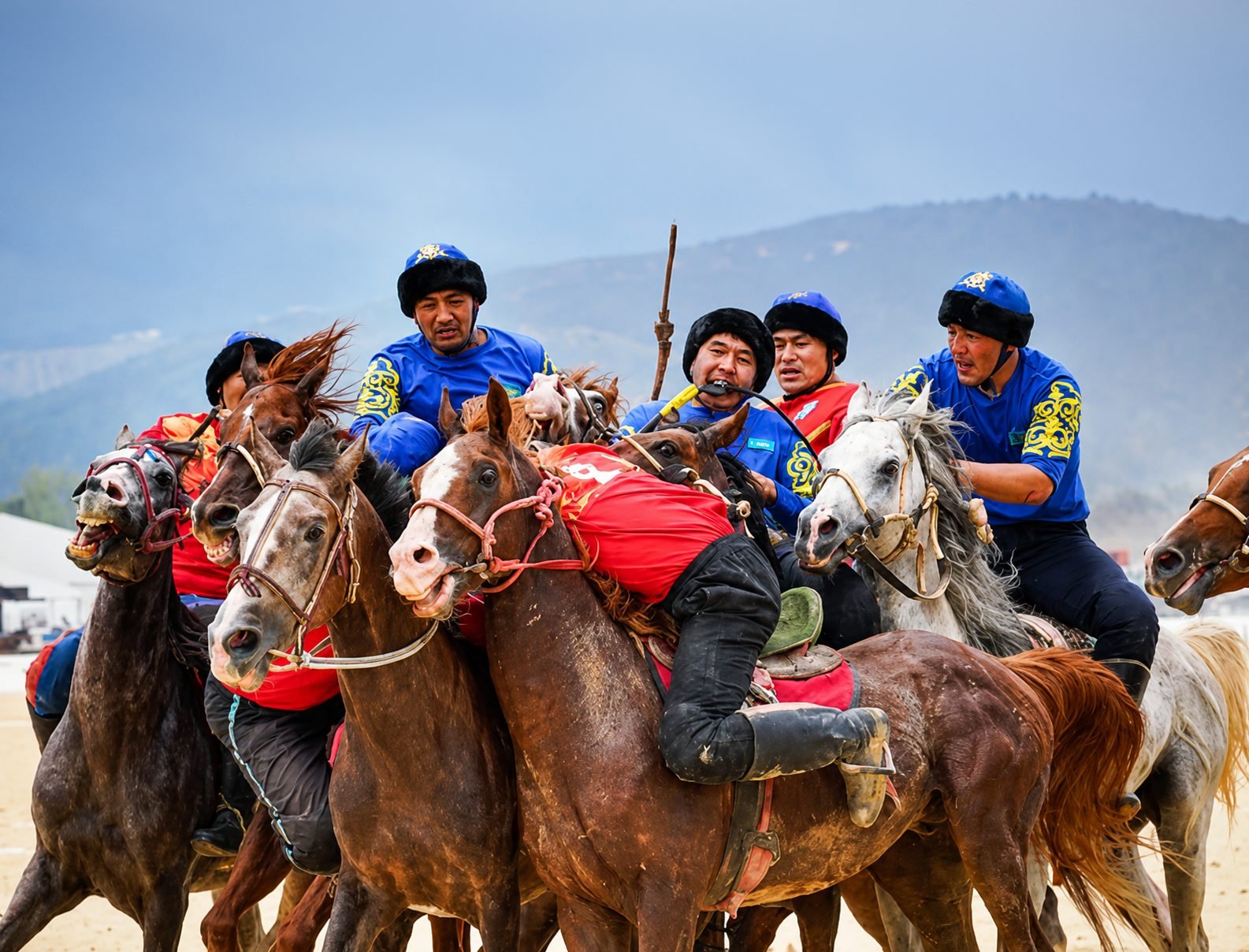
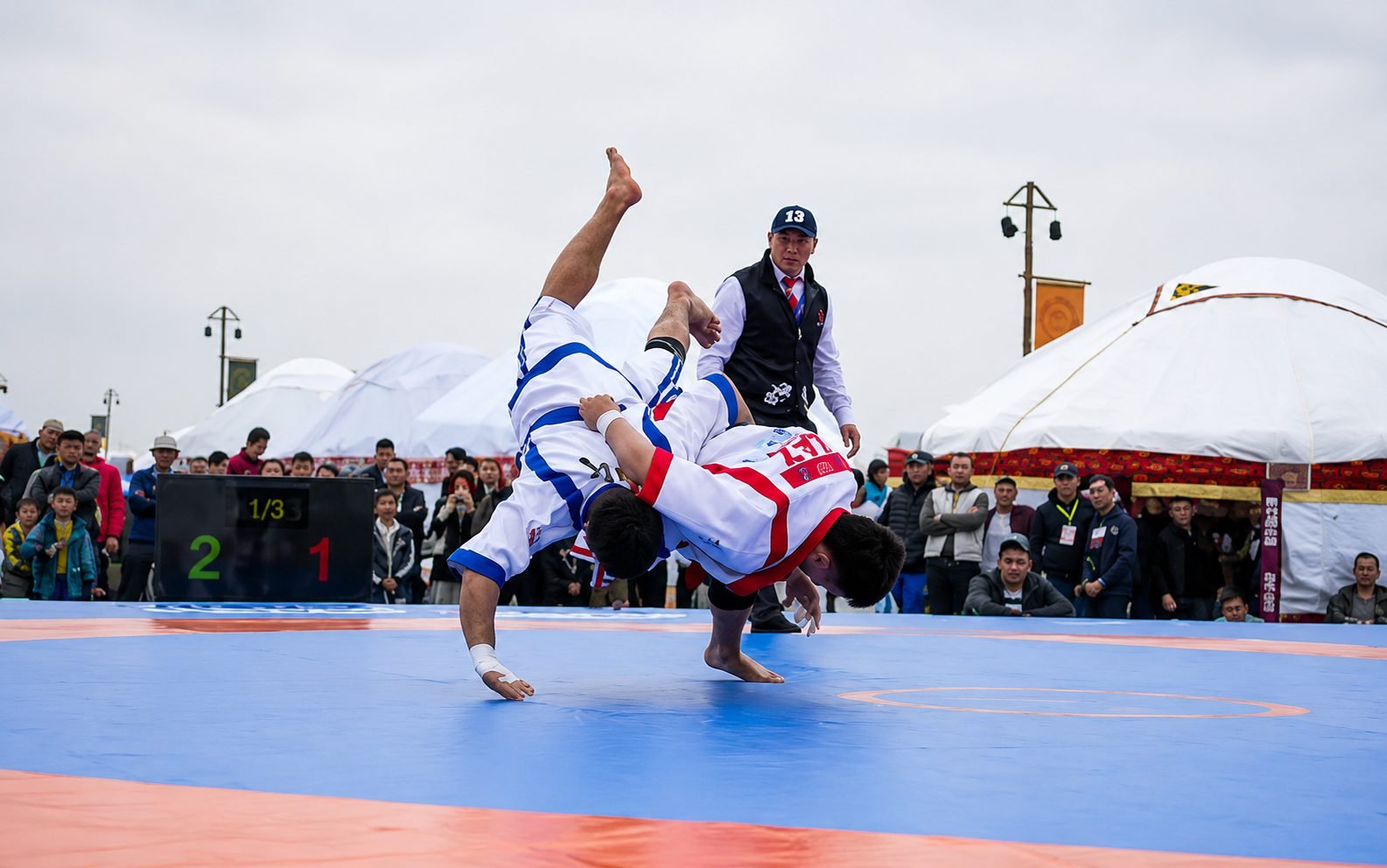
Martial arts enthusiasts competed in zhekpe-zhek, a traditional combat sport emphasizing discipline, agility, and strength. The event drew considerable attention from young athletes eager to connect with Kazakhstan’s martial traditions. One of the most iconic national sports featured during the celebrations was kokpar, a dynamic horseback team game often compared to polo. Players competed to maneuver a goat carcass into the opposing team’s goal while riding at high speeds. The sport required teamwork, strategy, courage, and exceptional riding ability. Kokpar remained one of the strongest symbols of Central Asian nomadic culture and continued to enjoy widespread popularity across the region. Traditional wrestling competitions in Qazaq kuresi also formed a central part of National Sports Day activities.
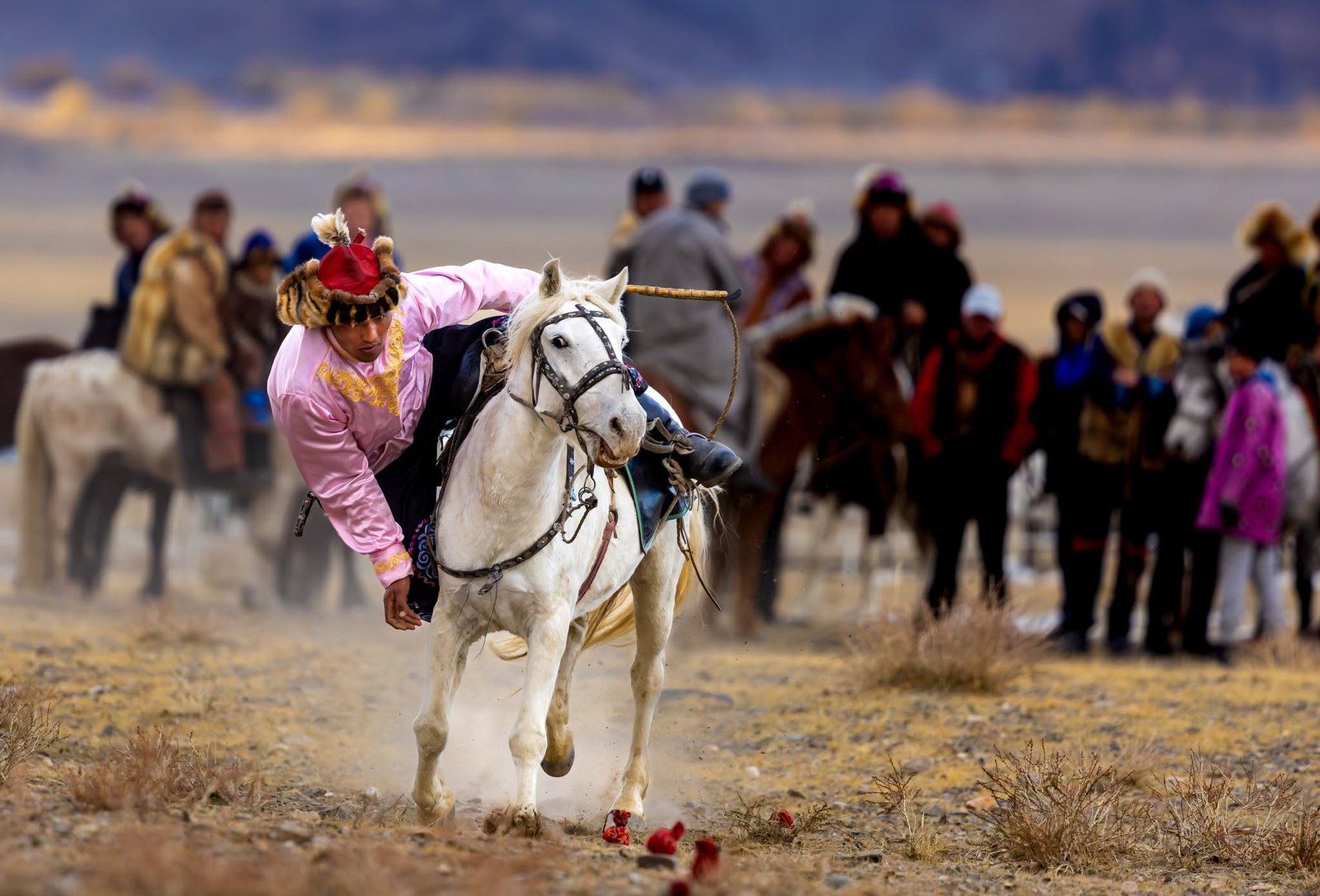
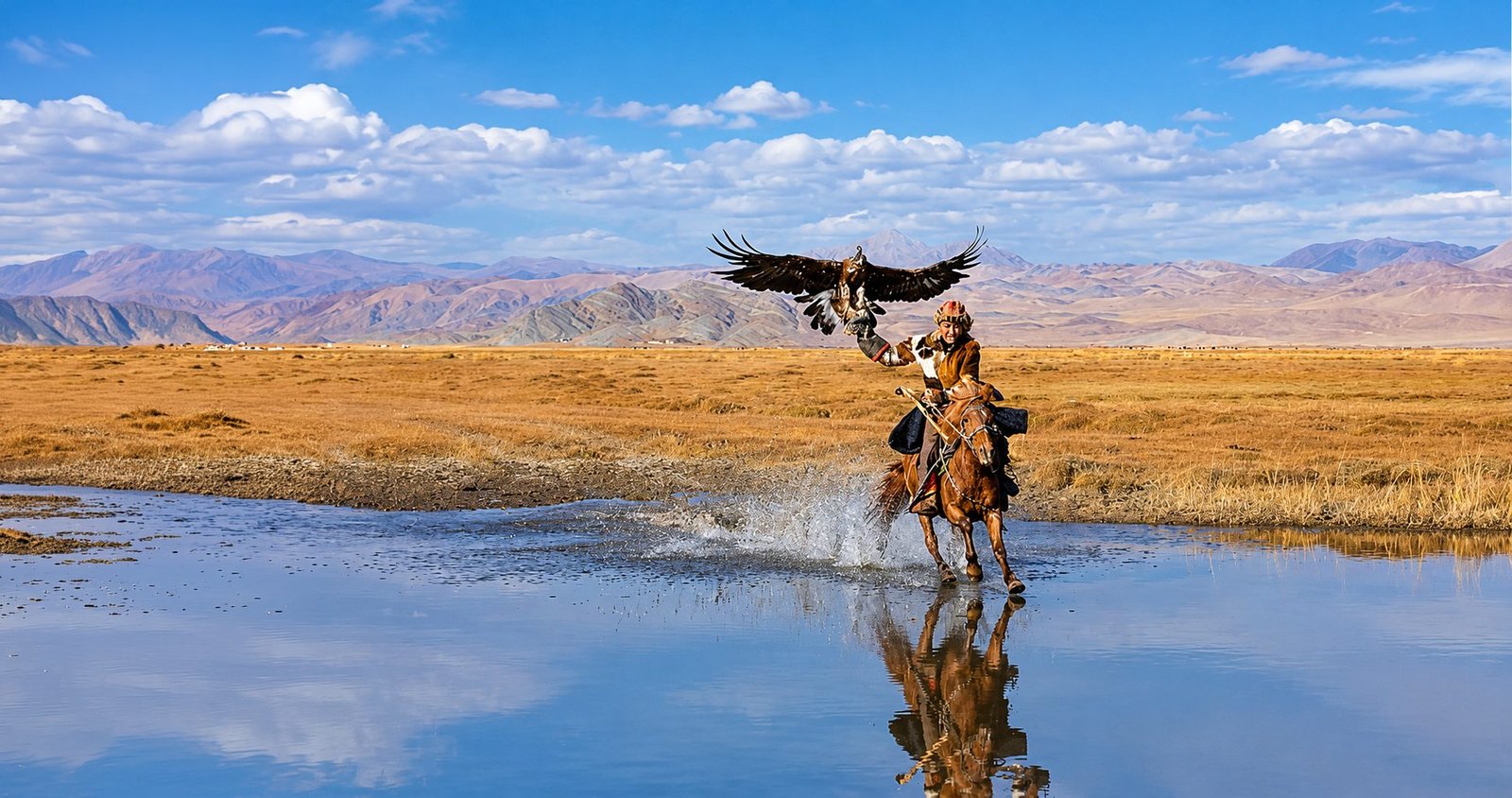
Wrestlers from various regions competed in front of enthusiastic crowds, demonstrating techniques that had evolved over centuries. The sport symbolized honor, resilience, and physical excellence, making it one of the most respected disciplines in Kazakhstan. Another unique aspect of Kazakh sporting culture was kusbegilik, the ancient art of falconry. During demonstrations and competitions, skilled hunters worked alongside trained birds of prey, showcasing a tradition that reflected the close relationship between humans and nature in the steppe environment. Participants also competed in tenge ilu, a horseback event requiring riders to pick up coins or objects from the ground while maintaining full speed. The discipline highlighted extraordinary balance, agility, and control. Meanwhile, togyzqumalaq, an intellectual board game often described as one of the world’s oldest strategic games, attracted players of all ages.
The game challenged participants to demonstrate analytical thinking, planning, and problem-solving skills. A significant source of national pride during the celebrations was the international recognition received by several traditional Kazakh sports. Four disciplines—kusbegilik, togyzqumalaq, Qazaq kuresi, and asyq atu—had been included on UNESCO’s Intangible Cultural Heritage list. This recognition underscored the global cultural value of these traditions and reinforced Kazakhstan’s commitment to preserving them for future generations. Throughout National Sports Day, officials emphasized the importance of safeguarding these cultural practices while adapting them to modern society. Educational institutions, sports academies, and community organizations were encouraged to continue introducing young people to traditional sports through training programs and competitions. Kazakh national sports had also gained increasing visibility on the international stage through participation in the World Nomad Games.
The prestigious event brought together athletes from numerous countries to compete in traditional sports rooted in nomadic cultures. Kazakhstan had consistently played a leading role in these competitions and had achieved notable success in various disciplines. During the National Sports Day celebrations, attention was drawn to the upcoming Sixth World Nomad Games, scheduled to take place in Kyrgyzstan from August 31 to September 6, 2026. The event was expected to feature a broad range of traditional sports, including kokpar, Qazaq kuresi, audaryspaq, tenge ilu, baige, asyq atu, togyzqumalaq, and kusbegilik. Kokpar, in particular, was anticipated to attract significant international interest. The sport was not only popular in Kazakhstan but also enjoyed strong traditions in neighboring countries such as Mongolia, Uzbekistan, Tajikistan, and Afghanistan.
The shared appreciation for kokpar reflected the common cultural heritage that connected many Central Asian societies. Kazakhstan continued its efforts to expand the global reach of its national sports. Government officials, sports federations, and cultural organizations worked together to secure greater international recognition for traditional disciplines. One of the key objectives involved promoting togyzqumalaq for inclusion in major international competitions such as the Deaflympics and potentially the Paralympics. At the same time, efforts were underway to integrate Qazaq kuresi more fully into international wrestling calendars. Sports authorities believed that increased exposure and formal recognition could eventually lead to the inclusion of Kazakh wrestling competitions in major multi-sport events, including the Asian Games. Some advocates even envisioned a future in which Qazaq kuresi could become part of the Olympic program, allowing athletes to compete for Olympic medals in a discipline deeply rooted in Kazakh heritage.
The celebrations also reflected the broader themes of the Nauryznama decade, a series of thematic days observed before Nauryz Meiramy. The day preceding National Sports Day, March 19, had been observed as the Day of Renewal. In 2026, the Day of Renewal focused particularly on digital transformation and modernization initiatives taking place throughout the country. Together, the Day of Renewal and National Sports Day illustrated Kazakhstan’s commitment to balancing modernization with cultural preservation. While the nation embraced technological innovation and economic development, it also remained dedicated to protecting and promoting the traditions that formed the foundation of its national identity. As National Sports Day concluded, participants and spectators reflected on the enduring significance of traditional sports in contemporary Kazakh society.
The events demonstrated that these ancient disciplines remained vibrant and relevant, continuing to inspire pride, unity, and a sense of belonging among citizens of all ages. Through ongoing investment, education, and international cooperation, Kazakhstan reaffirmed its determination to ensure that its national sports would thrive for generations to come.
More to Read
All issues
Kazakhstan’s Junior Judokas Shine with Nine-Medal Haul in Macau
Kazakhstan’s junior judo team delivered an impressive performance at the Macau Junior Asian Cup 2026, collecting nine medals — three gold, three silver and three bronze.…
Kazakhstan’s Golden Blade — National Épée Team Reigns Supreme at the Asian Fencing Championships
Kazakhstan has once again demonstrated its growing influence in international fencing with a remarkable championship-winning performance at the Asian Fencing…
Almaty’s Pride: FC Kairat Ranks Among the World’s Elite Football Clubs
FC Kairat Almaty has closed 2025 on a historic high, earning a place among the world’s top 500 football clubs and emerging as the highest-ranked team from Central Asia.…