

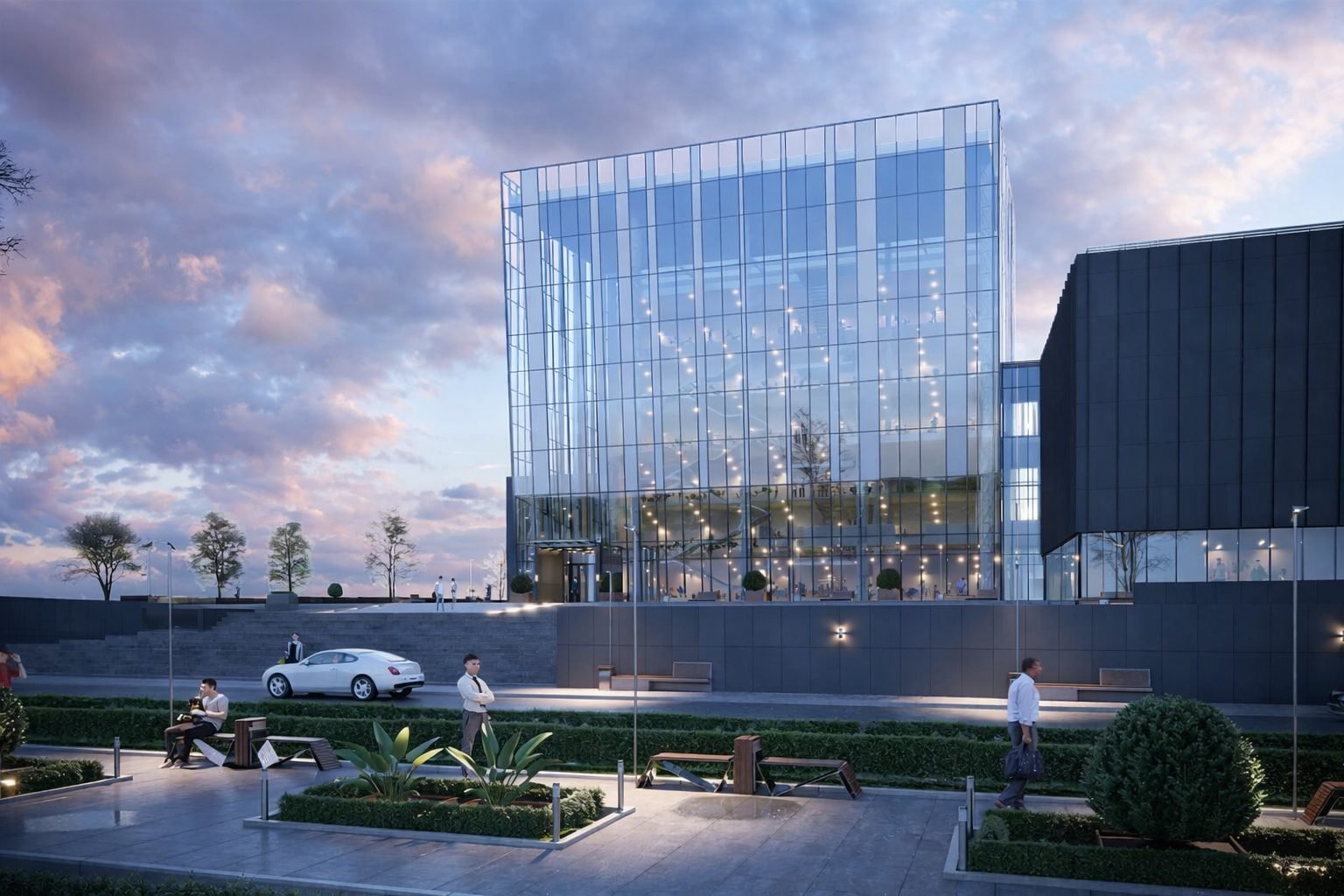
National Scientific Oncological Centre Astana
The National Scientific Oncological Centre in Astana stands as a symbol of the country’s commitment to advancing healthcare, particularly in the fight against cancer. Designed by Manens-Tifs, this cutting-edge medical complex represents a convergence of modern architecture, advanced medical technology, and patient-cantered care. With a total built-up area of approximately 50,000 square meters, the centre is not merely a hospital but a comprehensive ecosystem for cancer diagnosis, treatment, research, and recovery. This article explores the centre in depth, focusing on three major aspects: oncology as a discipline, the infrastructure and campus design, and the advanced facilities that make this institution a landmark in modern healthcare.
Understanding Oncology. The Science Behind Cancer Care Before delving into the specifics of the centre, it is important to understand the field it serves—Oncology. Oncology is the branch of medicine dedicated to the prevention, diagnosis, and treatment of cancer. It encompasses several sub-disciplines:
Medical Oncology. Focuses on treating cancer using chemotherapy, immunotherapy, and targeted therapies.
Radiation Oncology. Uses high-energy radiation to destroy cancer cells.
Surgical Oncology. Involves the removal of tumours through surgical procedures. Cancer is a complex disease characterized by uncontrolled cell growth. It can affect virtually any part of the human body, making its diagnosis and treatment highly specialized and technologically demanding. The rise of precision medicine has further transformed oncology, allowing treatments to be tailored to the genetic profile of individual tumours. The National Scientific Oncological Centre is designed to address all these aspects under one roof. By integrating diagnostic, therapeutic, and research functions, it ensures that patients receive comprehensive care without the need to move between multiple facilities.
Infrastructure and Campus Design
Architectural Vision
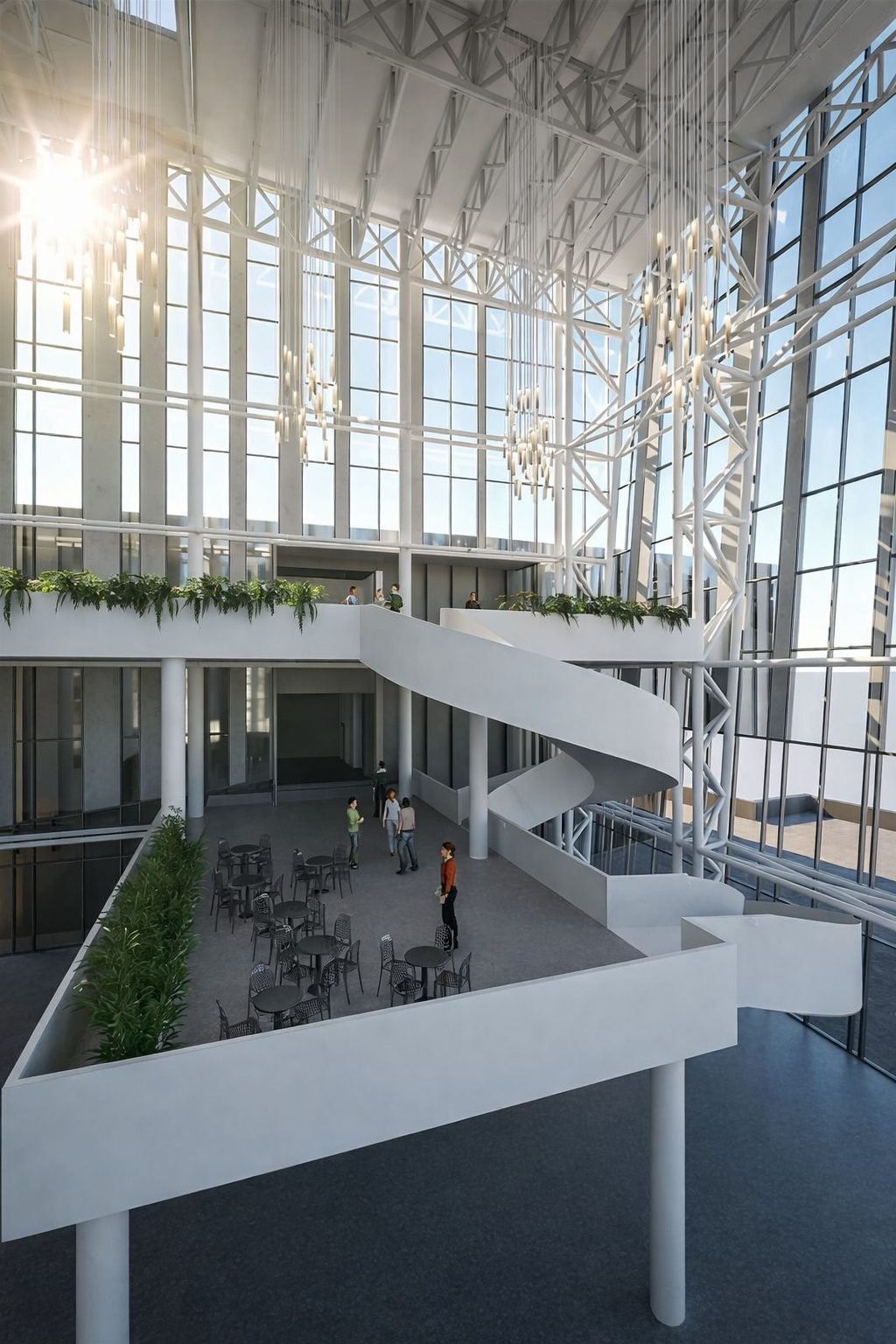
The architectural concept of the National Scientific Oncological Centre is both functional and symbolic. The building’s exterior is characterized by insulated solid mirrored panels combined with mirrored glazing. This design creates a striking visual effect—one that reflects the sky and surrounding environment, giving the structure a sense of lightness and “dematerialization.” The idea of dematerialization is central to the design philosophy. Instead of appearing as a massive, imposing hospital block, the building visually dissolves into its surroundings. The façade shifts, folds, and inclines at various angles, creating a fragmented reflection of the environment. This dynamic geometry not only enhances aesthetics but also reduces the psychological burden often associated with hospital environments.

Campus Layout
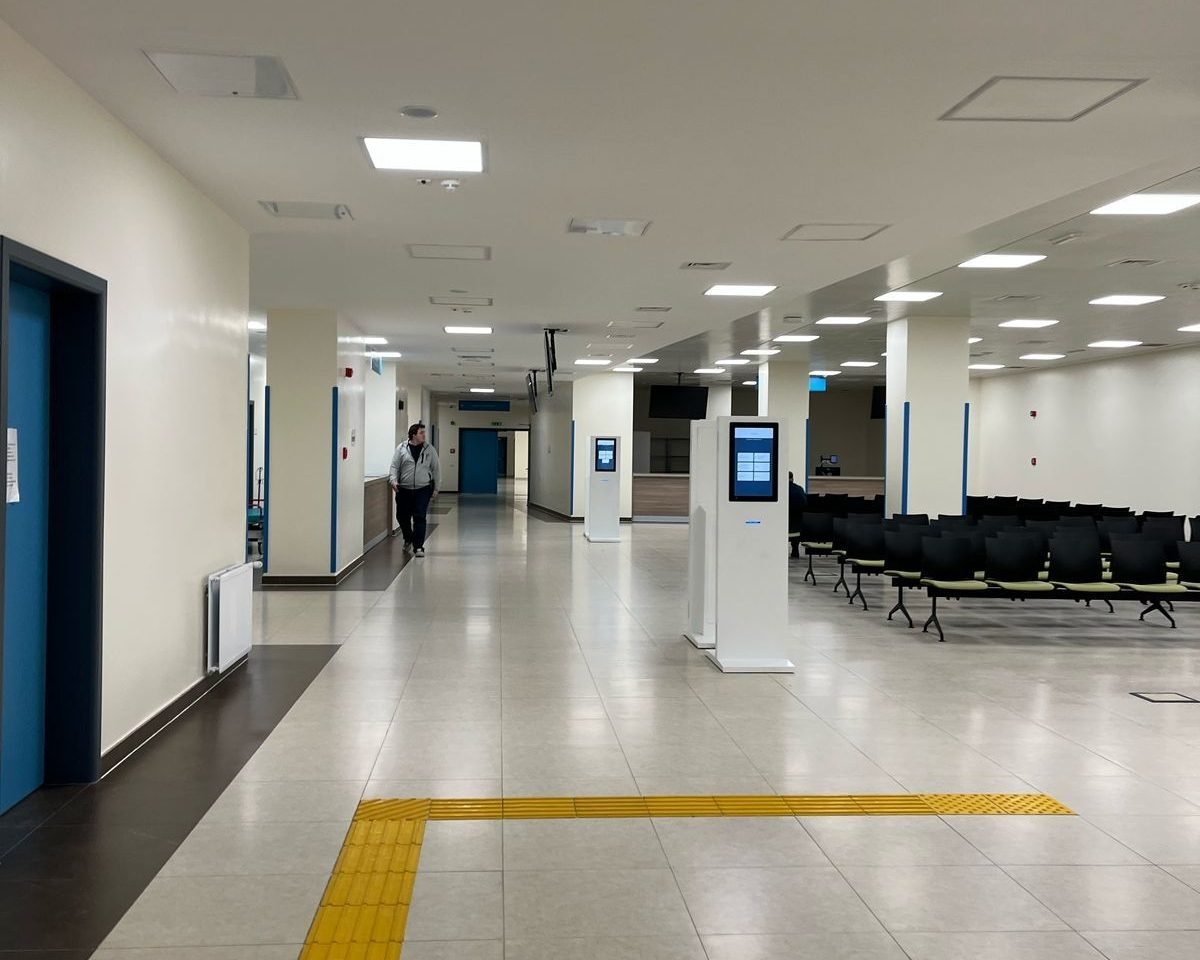
The campus is carefully planned to ensure efficiency, accessibility, and comfort for patients, staff, and visitors. Key elements of the infrastructure include:
Centralized Medical Complex. All major departments are housed within a single integrated structure, minimizing patient movement.
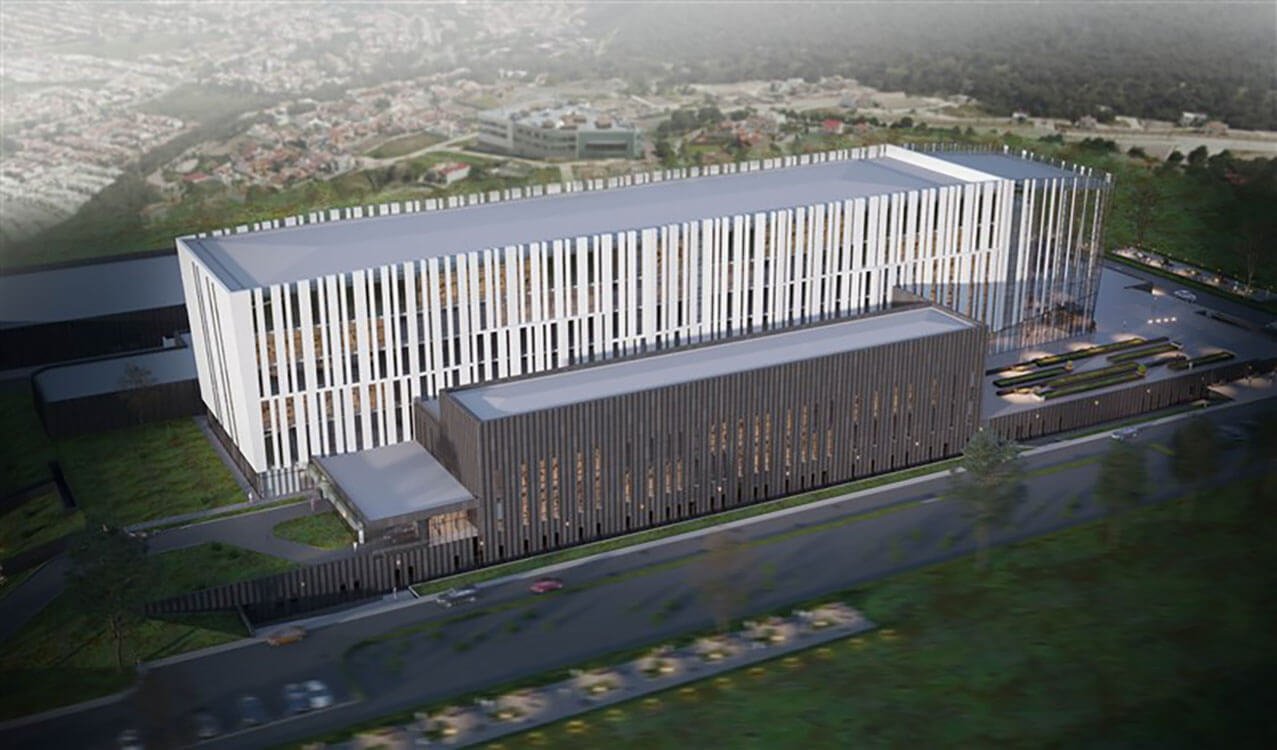
Zoning of Functions. Clinical, diagnostic, and administrative areas are clearly separated yet interconnected.
Patient-Centric Design. Circulation paths are intuitive, reducing confusion and stress.
Green Spaces and Open Areas. Landscaped surroundings provide a calming environment, which is crucial for patient recovery. The design also emphasizes sustainability. The mirrored façade not only contributes to aesthetics but also helps regulate temperature and light, improving energy efficiency.
Structural and Technical Excellence
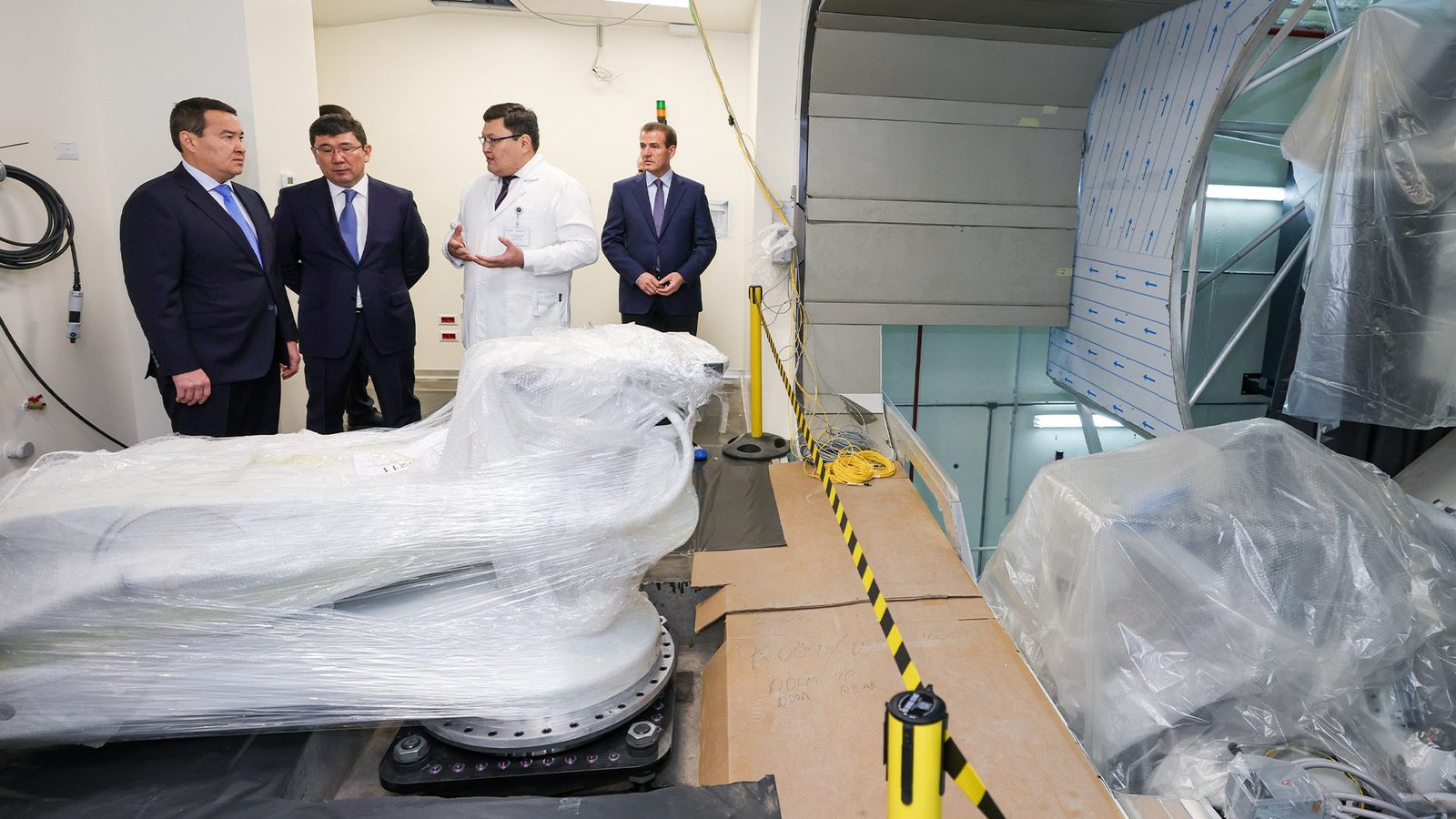
From an engineering perspective, the building is equipped to support highly specialized medical equipment such as proton therapy systems and radiotherapy bunkers. These require: Thick, radiation-shielded walls Precision-controlled environments Advanced ventilation and safety systems The integration of these complex systems into a cohesive architectural framework highlights the project’s technical sophistication.
Advanced Facilities and Medical Services
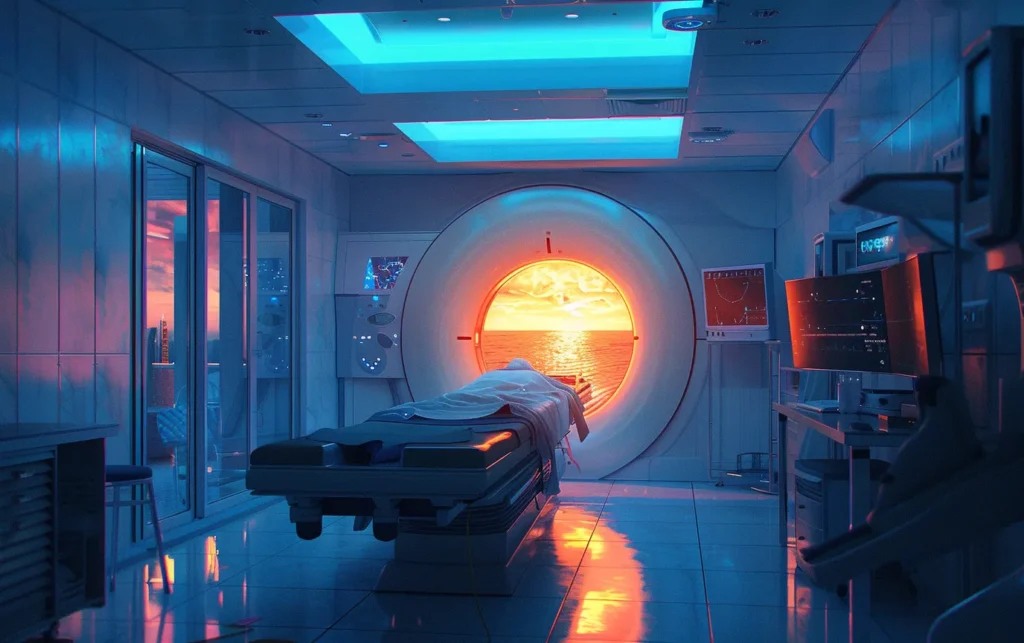
The National Scientific Oncological Centre is equipped with state-of-the-art diagnostic and treatment facilities that cover the entire spectrum of cancer care.
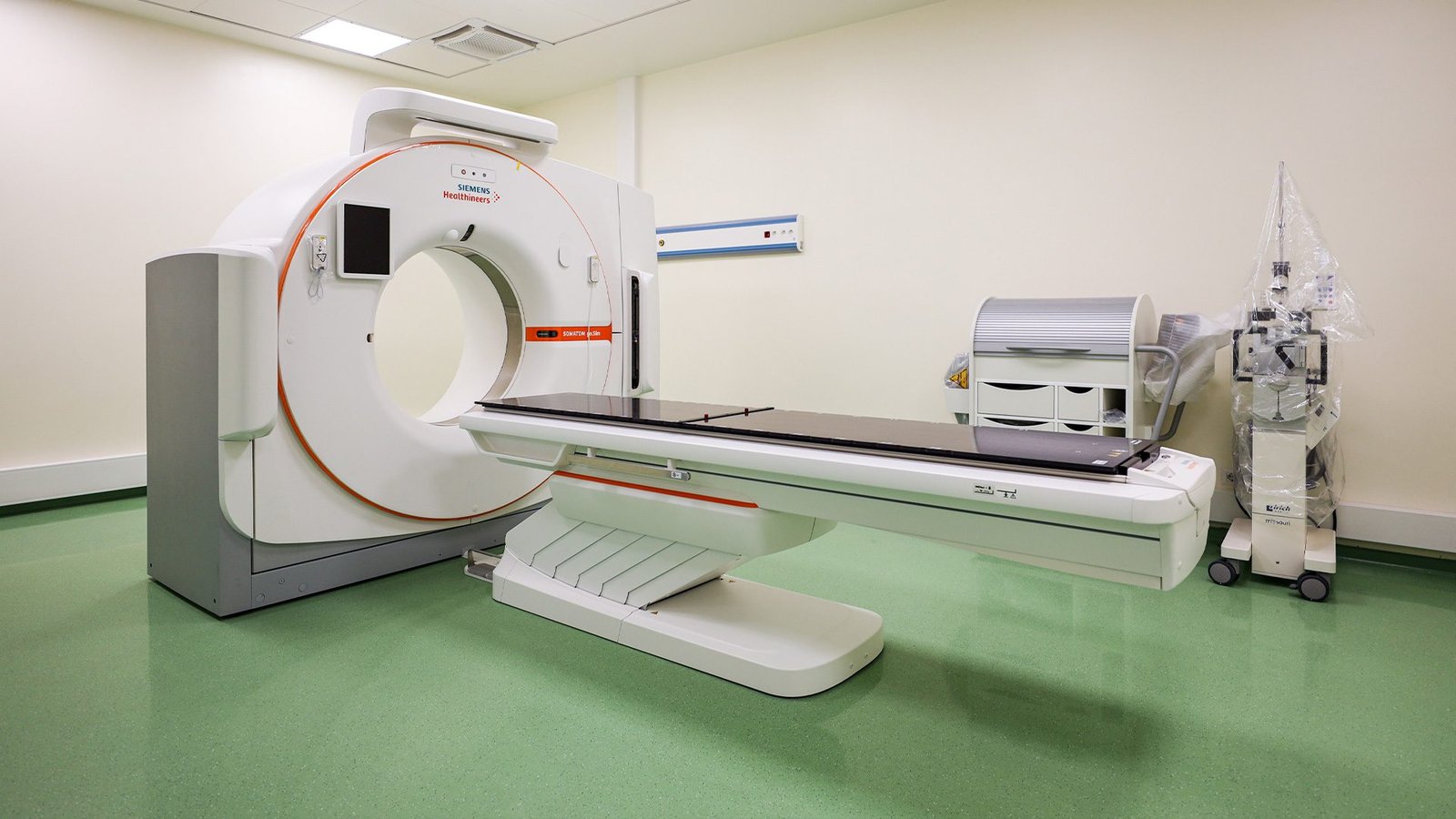
Nuclear Medicine and Radiotherapy
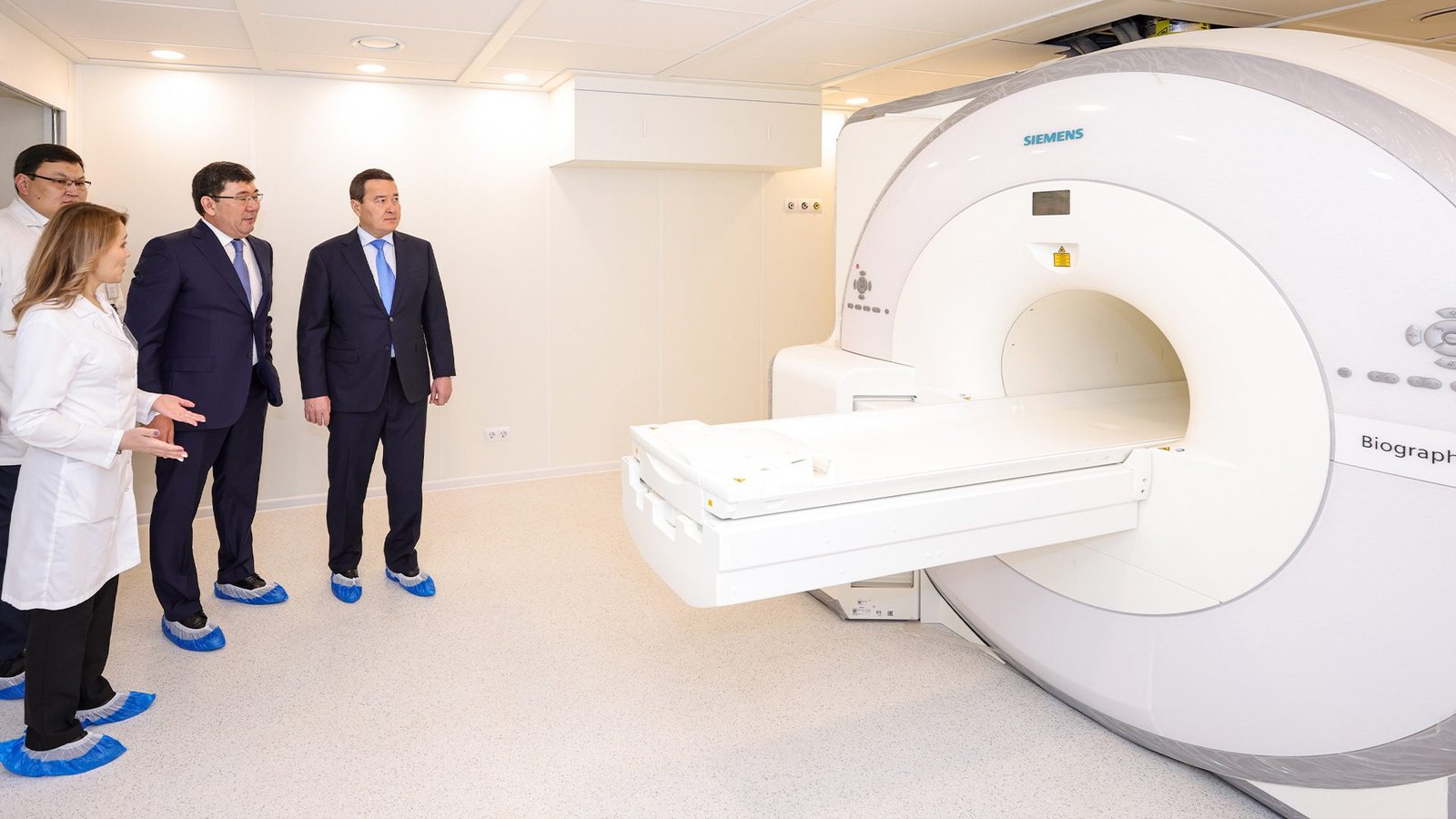
The centre includes: Nuclear Medicine units for advanced diagnostic imaging Radiolabelled iodine therapy for thyroid-related cancers Five radiotherapy bunkers for precise radiation treatment Dedicated MRI and CT systems for treatment planning
Proton Therapy
One of the most advanced features of the centre is its proton therapy unit. Proton therapy is a highly precise form of radiation treatment that targets tumours while minimizing damage to surrounding healthy tissue. The facility includes: Two specialized treatment bunkers Integrated MRI and CT imaging systems This technology places the centre among the most advanced oncology institutions globally.
Imaging Department
The imaging department plays a critical role in early detection and treatment planning. It includes: CT scanners and MRI systems X-ray and ultrasound units Mammography and mammotone systems for breast cancer detection Orthopantomogram (OPT) for dental and maxillofacial imaging The integration of these technologies ensures rapid and accurate diagnosis, which is essential for effective cancer treatment.
Surgical and Intensive Care Facilities
Operating Block
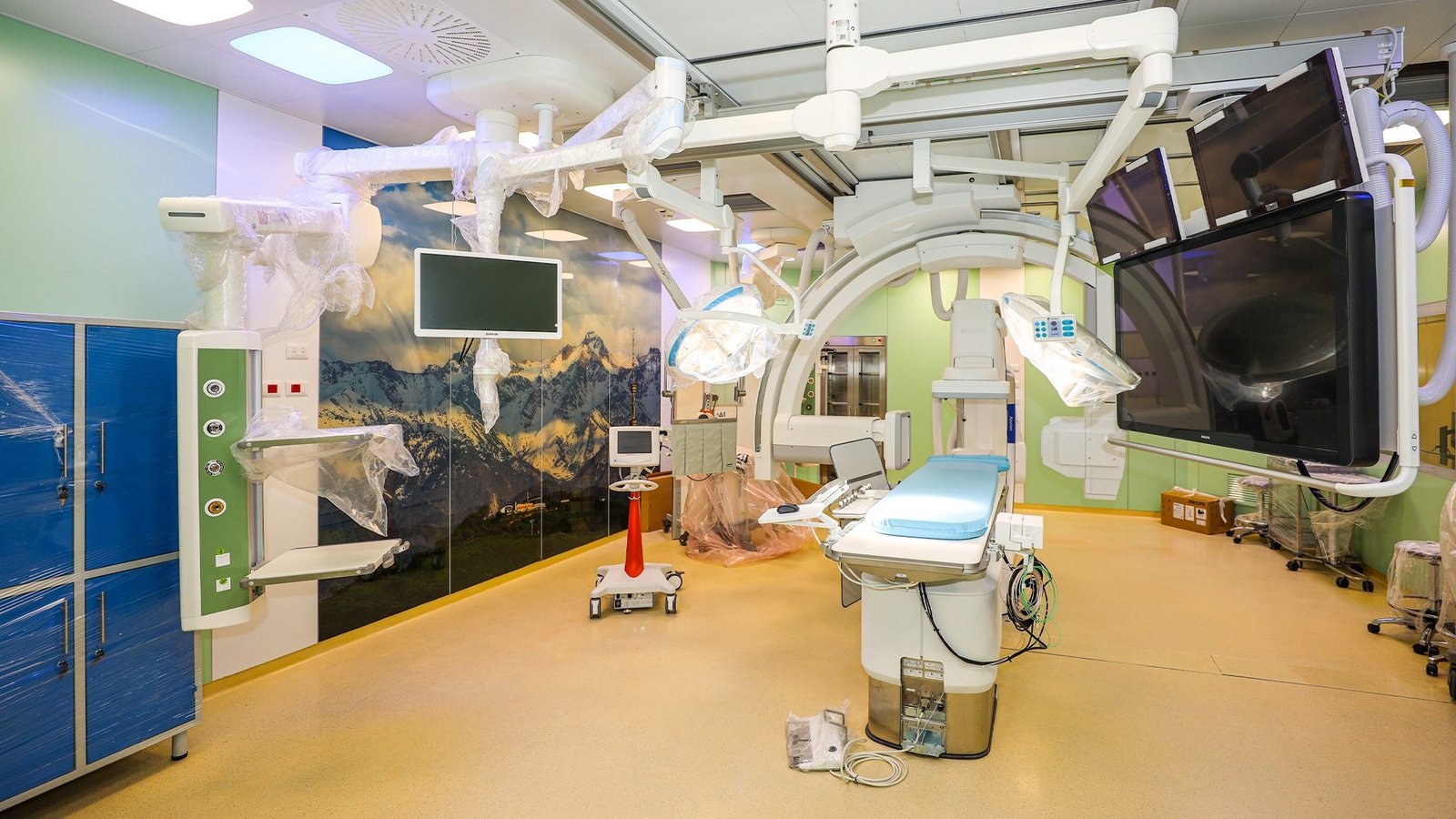
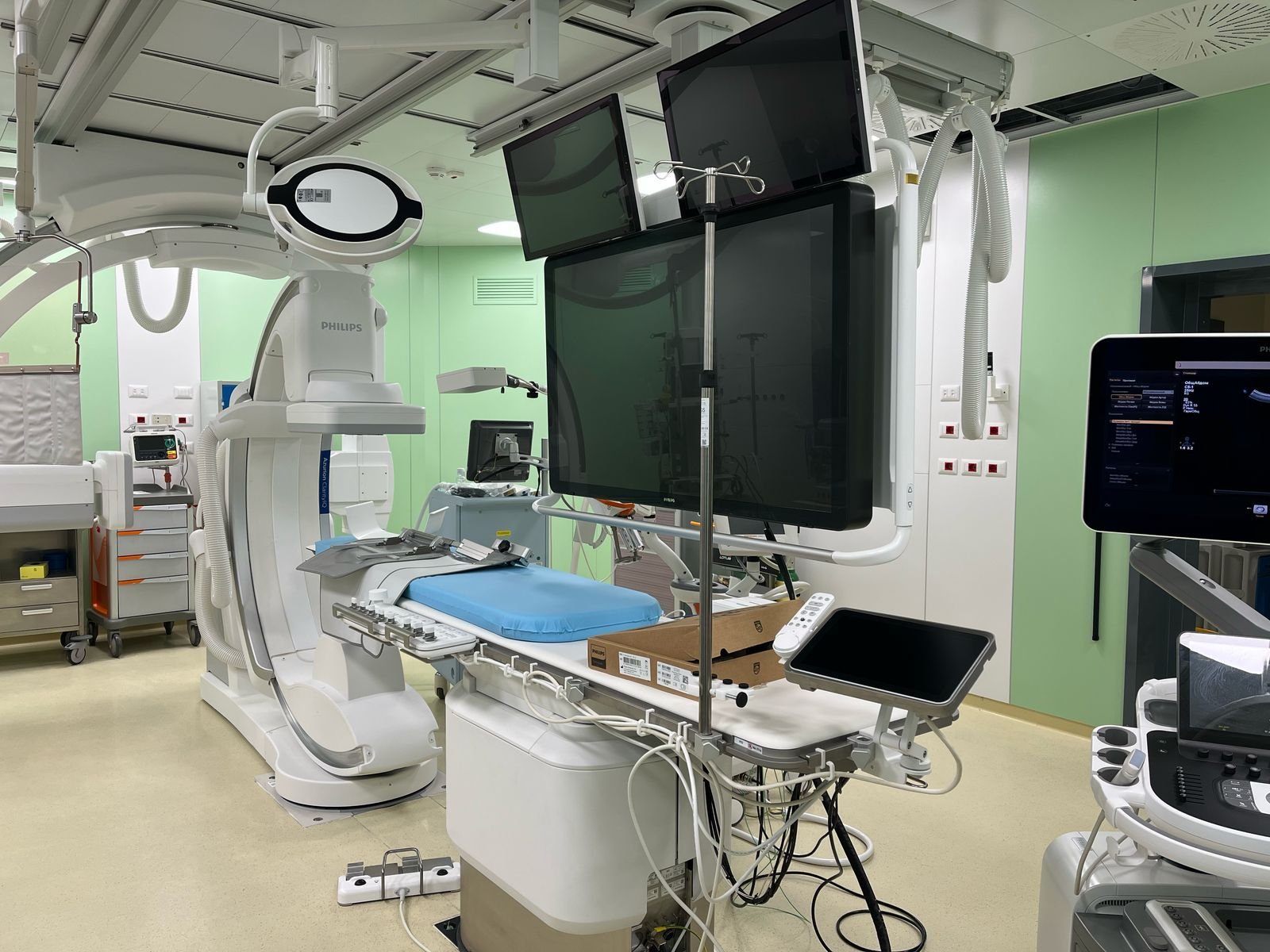
The centre features eight operating theatres: Six general operating rooms Two hybrid theatres equipped with advanced imaging systems Hybrid operating rooms allow surgeons to perform complex procedures with real-time imaging guidance, improving precision and outcomes.
Intensive Care Units
The facility includes:
Surgical Intensive Care Unit (12 beds)
Medical Intensive Care Unit (12 beds)
These units are equipped with advanced monitoring systems and life-support technologies, ensuring high-quality post-operative and critical care.
Hospitalization and Patient Care
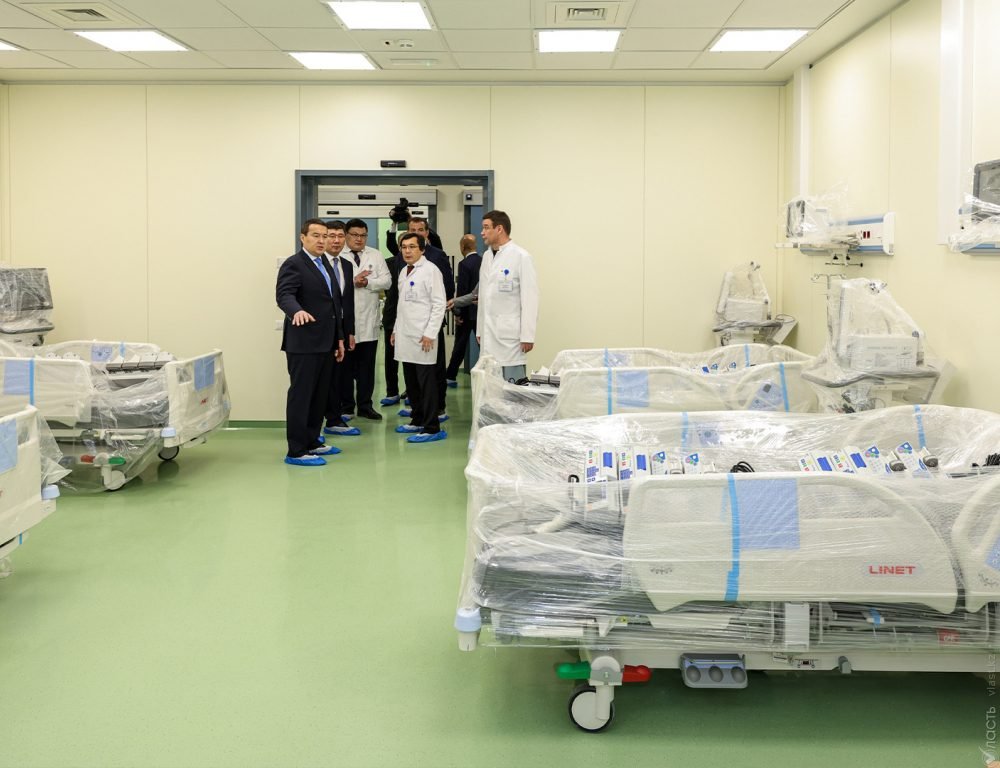
The centre provides 210 inpatient beds, designed to offer comfort and privacy. Patient rooms are equipped with modern facilities, and the layout ensures easy access to medical services. Special attention is given to: Patient dignity and comfort Family support areas Infection control and hygiene
Auxiliary and Support Services
A hospital of this scale requires a robust support system. The centre includes: Pharmacy and laboratories Centralized sterilization units Laundry and kitchen facilities Morgue and pathology services These auxiliary services ensure seamless operation and high standards of care.
Integration of Technology and Human-Cantered Care
One of the defining features of the National Scientific Oncological Centre is its integration of advanced technology with a human-cantered approach. While the facility is equipped with some of the most sophisticated medical systems in the world, its design also prioritizes the emotional and psychological well-being of patients. Natural light, open spaces, and reflective surfaces create a soothing environment. The architectural design reduces the clinical harshness typically associated with hospitals, making the space more welcoming and less intimidating.
A Landmark for Kazakhstan’s Healthcare Future
The establishment of the National Scientific Oncological Centre marks a significant milestone in Kazakhstan’s healthcare development. It positions Kazakhstan as a regional leader in oncology care and research. The centre not only serves patients within the country but also has the potential to attract international patients, contributing to medical tourism. Furthermore, its research capabilities will play a crucial role in advancing cancer treatment and improving outcomes. The National Scientific Oncological Centre in Astana is more than just a hospital—it is a visionary project that redefines the standards of cancer care. By combining advanced medical technologies, innovative architectural design, and a patient-centred approach, it creates an environment where healing is supported at every level.
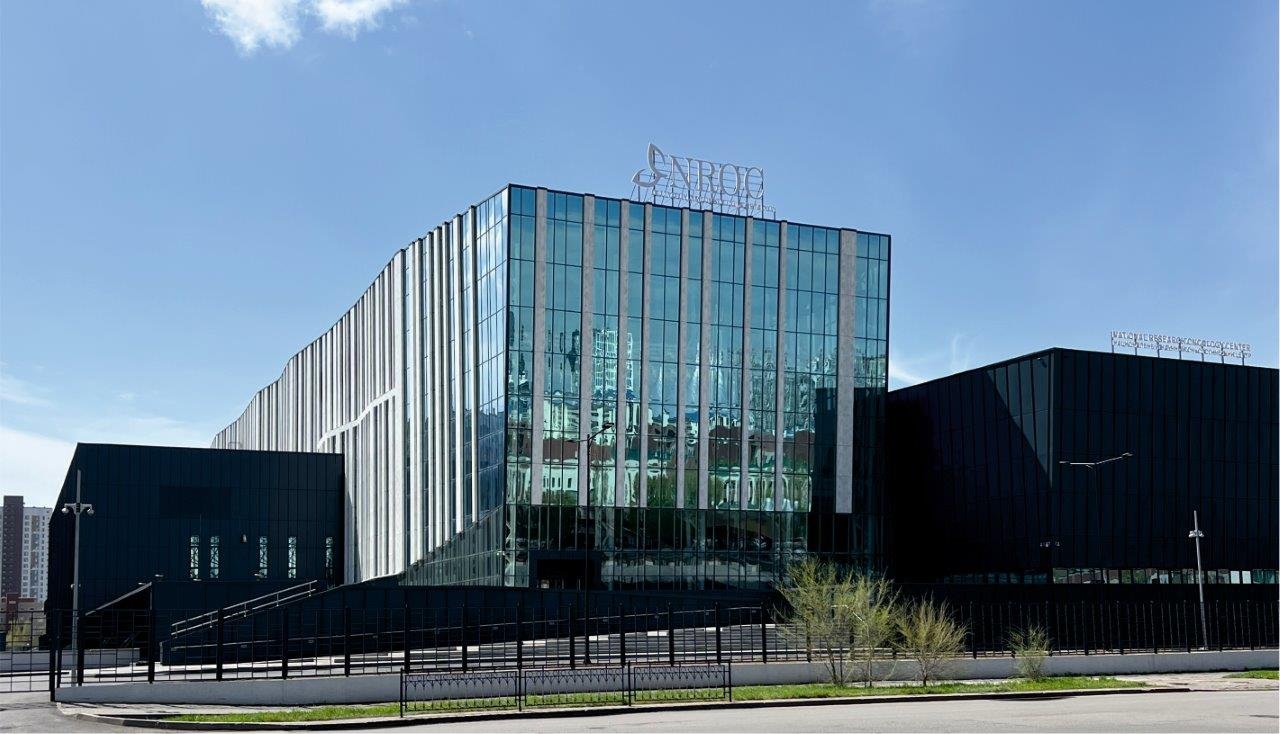
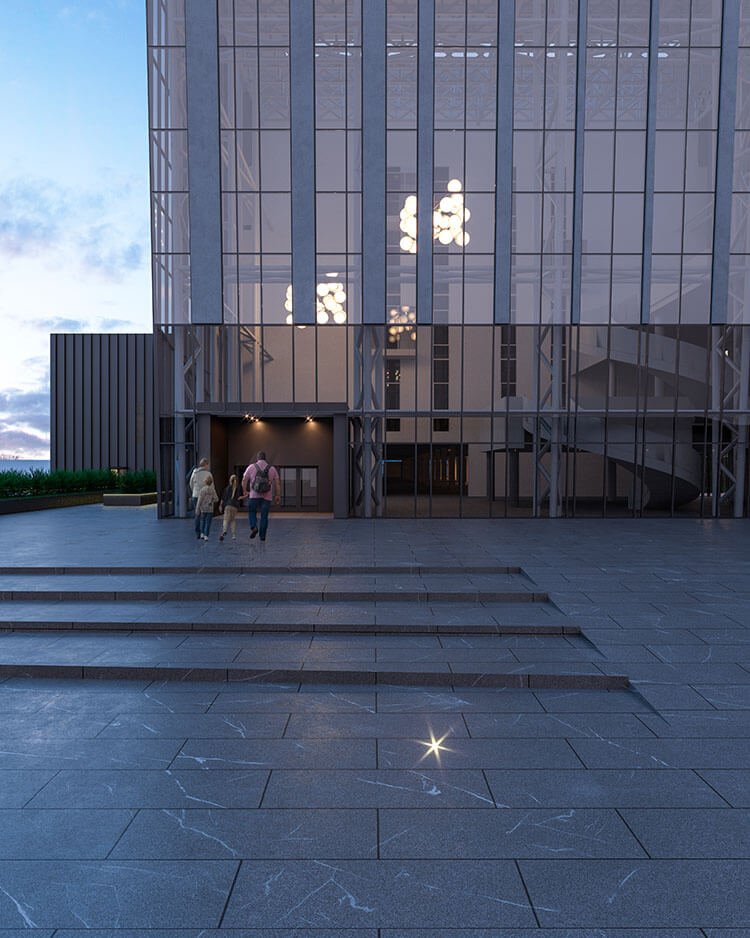
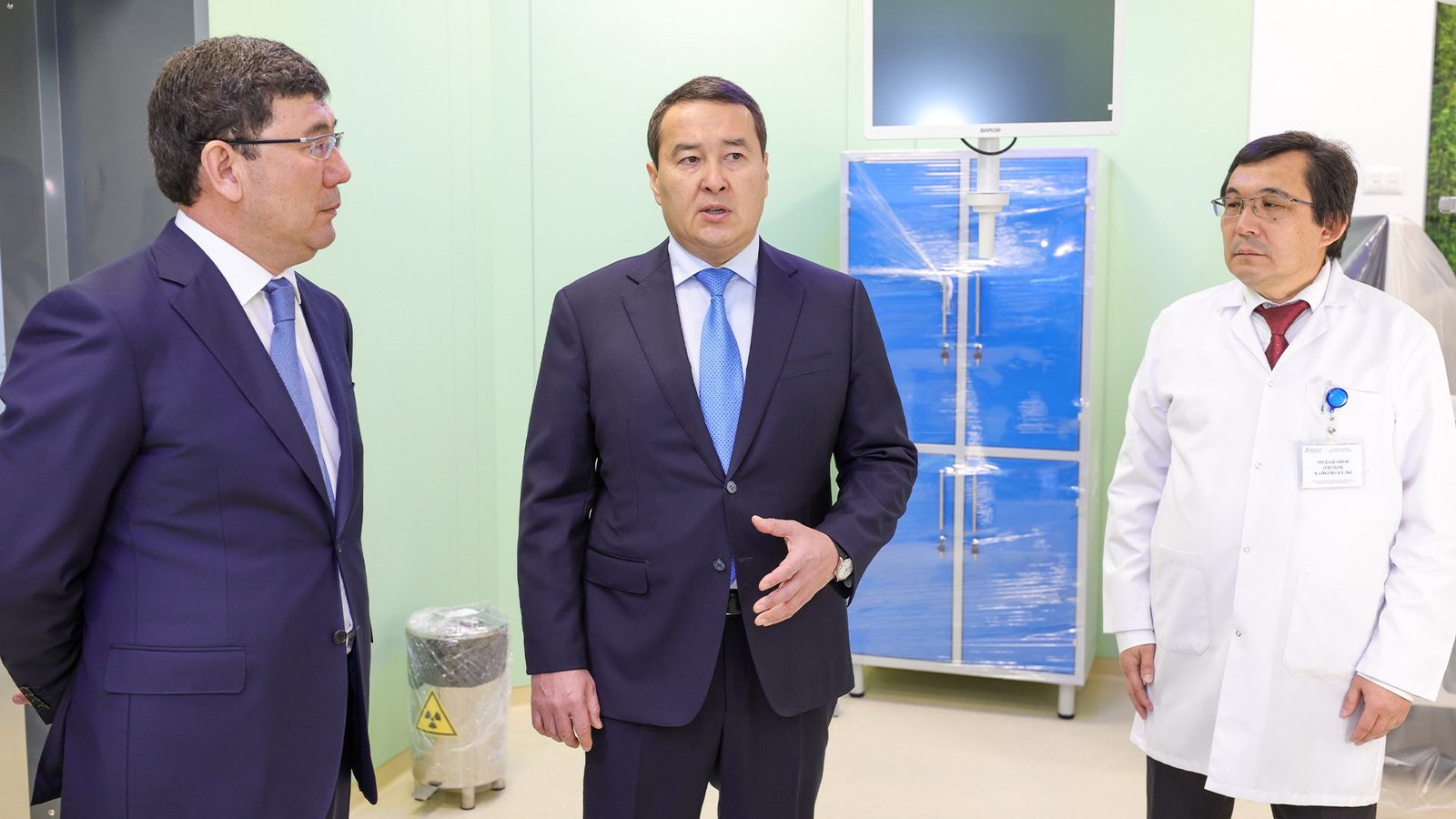
From its mirrored façade that reflects the surrounding landscape to its state-of-the-art treatment facilities, the centre embodies the future of healthcare. It stands as a testament to what can be achieved when science, technology, and design come together with a shared purpose: to fight cancer and improve lives.
More to Read
All issues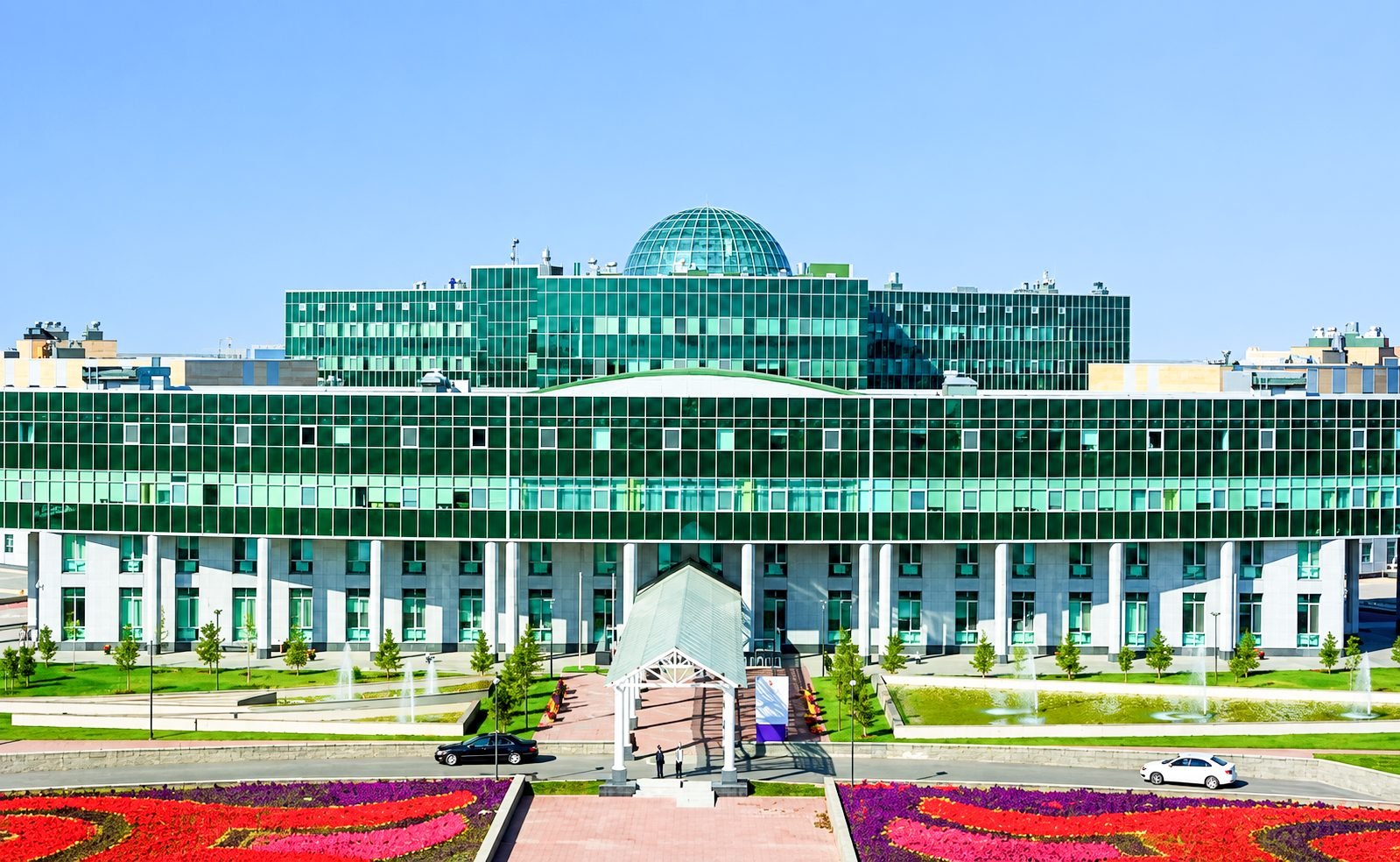
President Administration Hospital
Where Advanced Medicine Meets Innovation
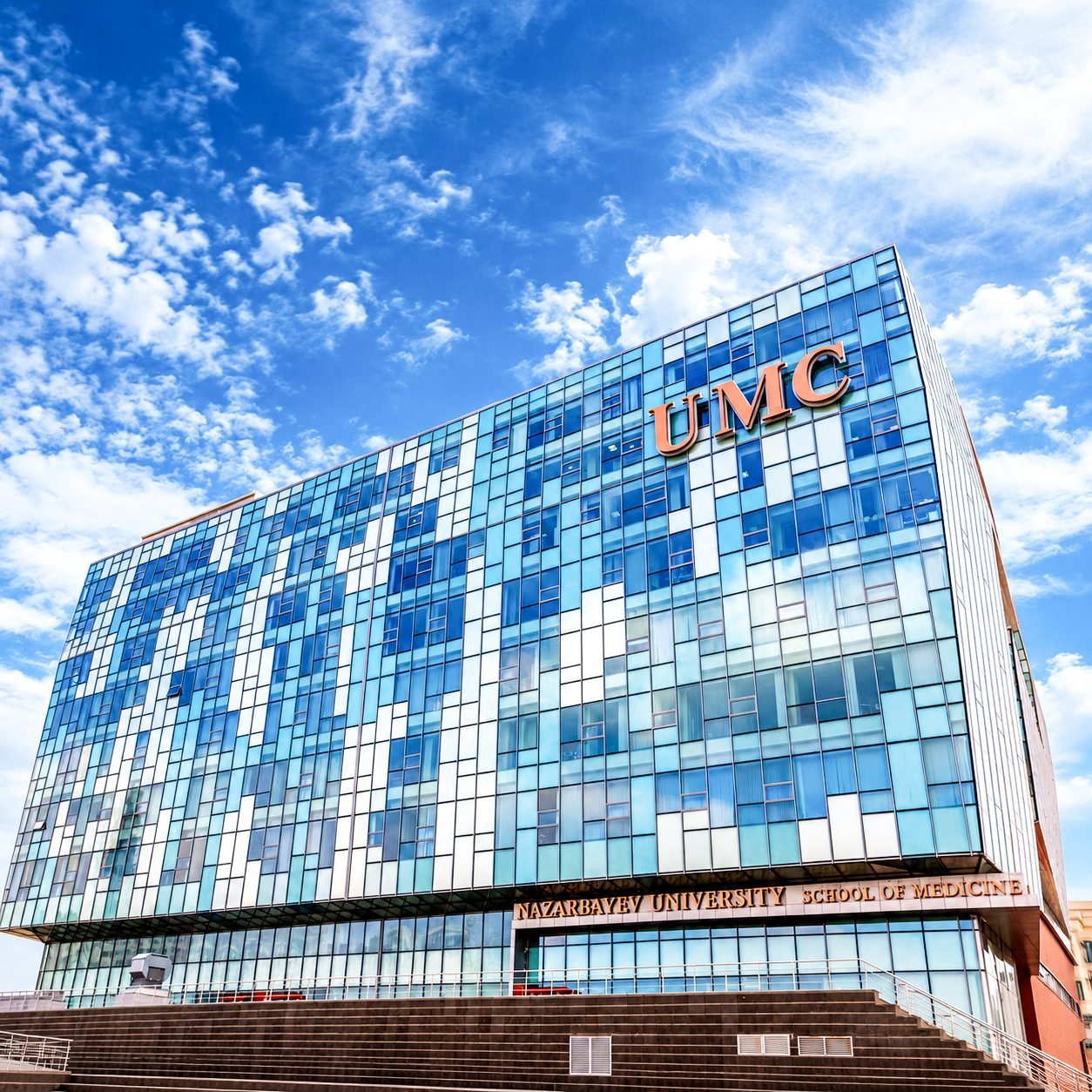
University Medical Center
Advancing Academic Medicine & High-Tech Healthcare in Kazakhstan
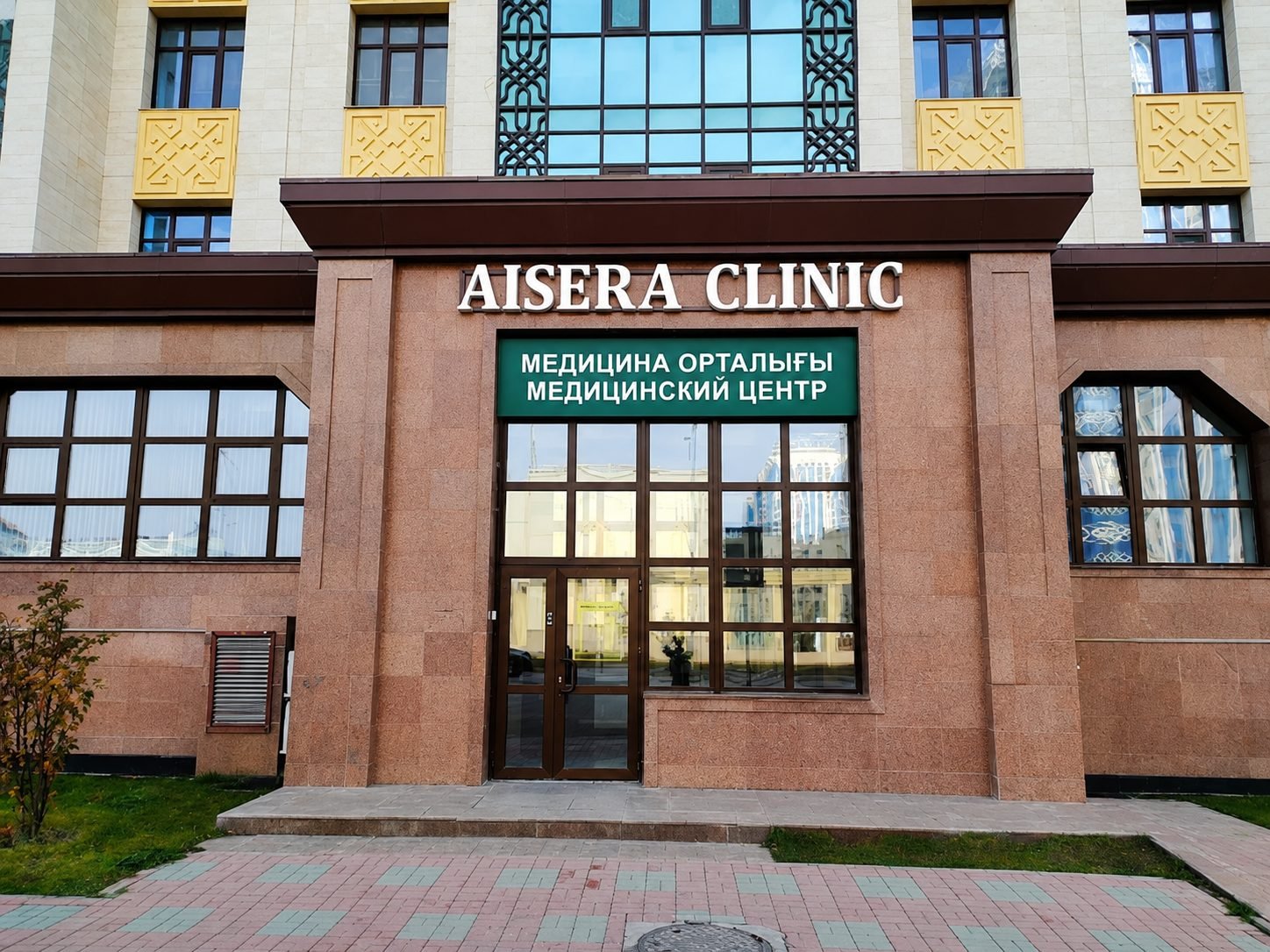
Specialized Medical Centres — Supporting Modern Healthcare in Kazakhstan
Kazakhstan’s growing private healthcare sector is increasingly characterized by specialized medical centres that combine experienced specialists, modern diagnostic…