

President Administration Hospital
Where Advanced Medicine Meets Innovation
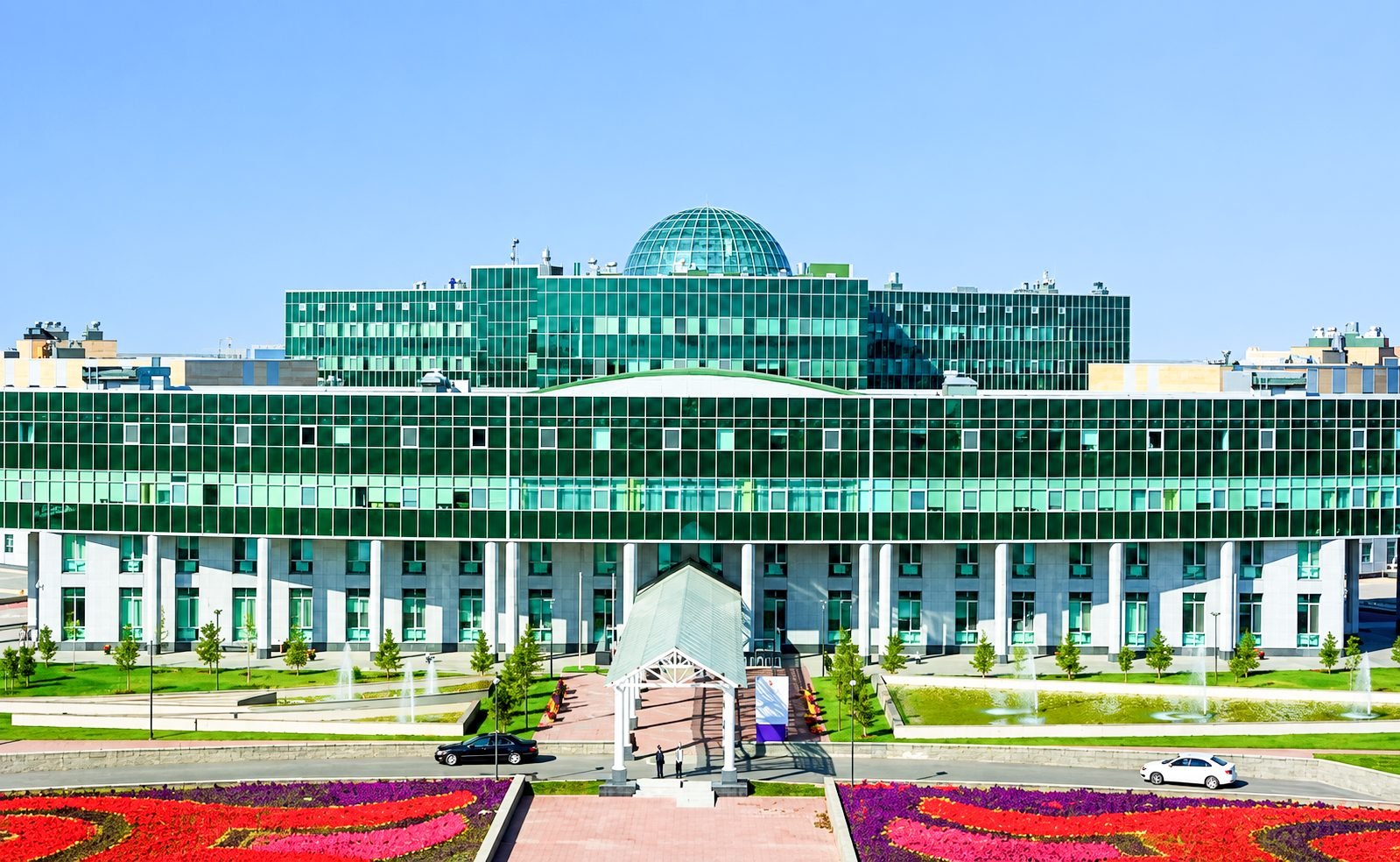
The Medical Center Hospital of the President’s Affairs Administration of the Republic of Kazakhstan, widely known as the Presidential Hospital, has developed into one of the country’s major multidisciplinary medical institutions, combining specialized clinical care with advanced diagnostics, technology, research and rehabilitation. Established in Astana in 1997 following the relocation of Kazakhstan’s capital, the hospital provides secondary and tertiary healthcare for government employees and other eligible groups while also serving other Kazakhstani and international patients through its available healthcare programs and paid services. Its present medical infrastructure brings together outpatient care, diagnostics, surgery, internal medicine, rehabilitation and specialized medical centers within an integrated system.

Professor Raushan Karabayeva
The hospital is led by Raushan Karabayeva, Director of the Medical Center Hospital of the President’s Affairs Administration of the Republic of Kazakhstan. She is a Doctor of Medical Sciences, Associate Professor and MBA holder, bringing extensive experience in clinical medicine, healthcare administration and scientific research to the institution. Karabayeva graduated with honours from the Alma-Ata State Medical Institute and subsequently pursued postgraduate medical training and doctoral research. Her professional development also includes healthcare-management training at Virginia Commonwealth University in the United States under Kazakhstan’s Bolashak program and an MBA from ALMAU. Her scientific work has included research into genetic factors associated with arterial hypertension in the Kazakh population and personalized and preventive medicine. She has also served as a JCI coordinator and has received distinctions including the Order of Kurmet and awards recognizing her contribution to healthcare.
A Large Multidisciplinary Medical System
The Presidential Hospital reports more than 6,000 surgical procedures, 10,000 treated patients and 500,000 visits annually, providing services across 38 clinical directions. Its infrastructure includes 40 treatment and diagnostic departments as well as specialized centers covering areas such as cardiac care, rehabilitation, allergy, diagnostics, epileptology, gerontology and robotic surgery. Its specialties span cardiology, cardiac surgery, arrhythmology, neurosurgery, vascular surgery, general surgery, traumatology, urology, proctology, gynecology, ophthalmology, ENT, gastroenterology, pulmonology, allergology and other fields. The hospital also continues to expand its physical infrastructure. In 2026, it confirmed its international JCI quality status following an inspection connected with the commissioning of a new 80-bed multidisciplinary inpatient facility and a new polyclinic building designed for 450 visits per shift.
Advanced Medical Technology
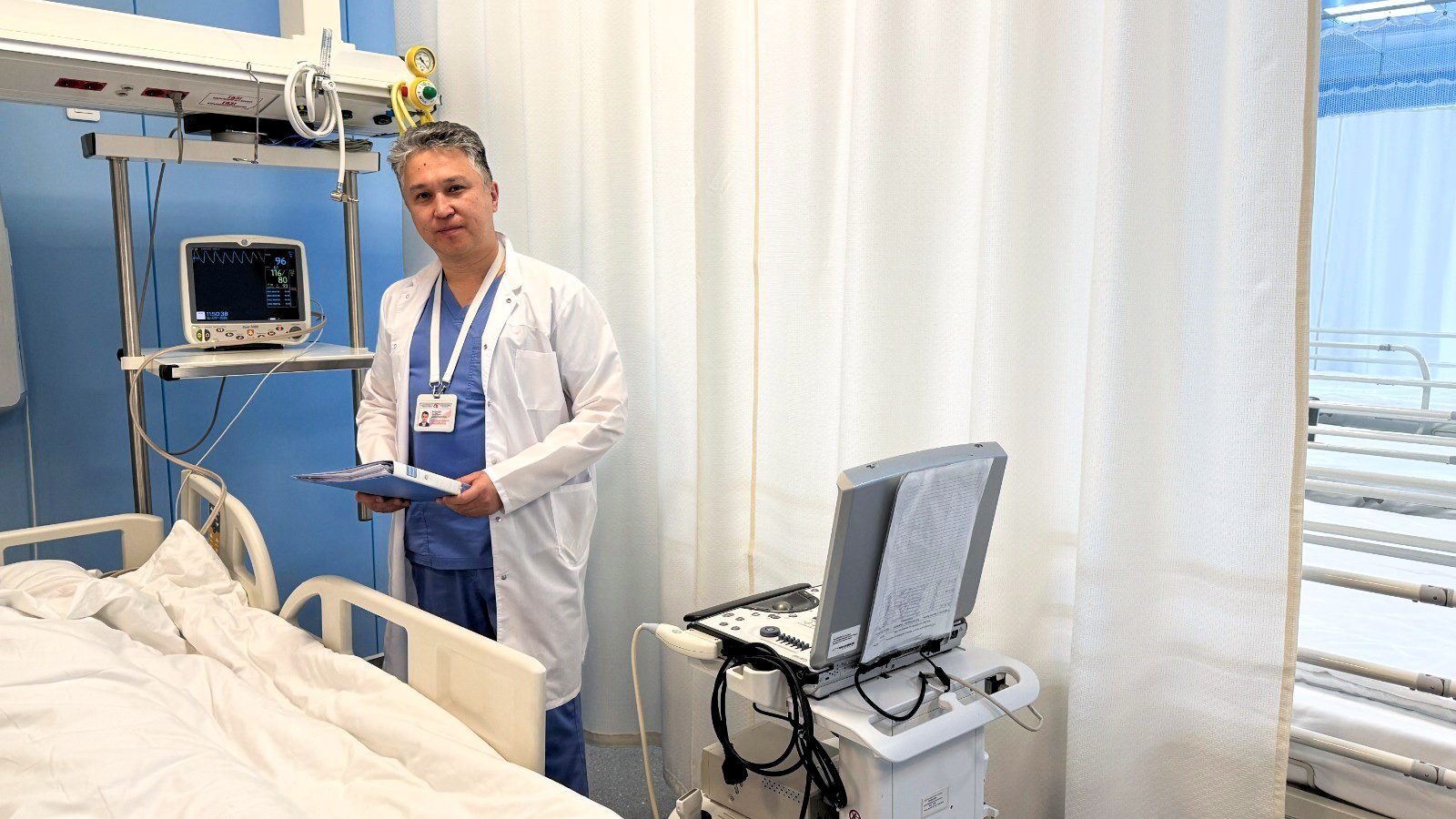
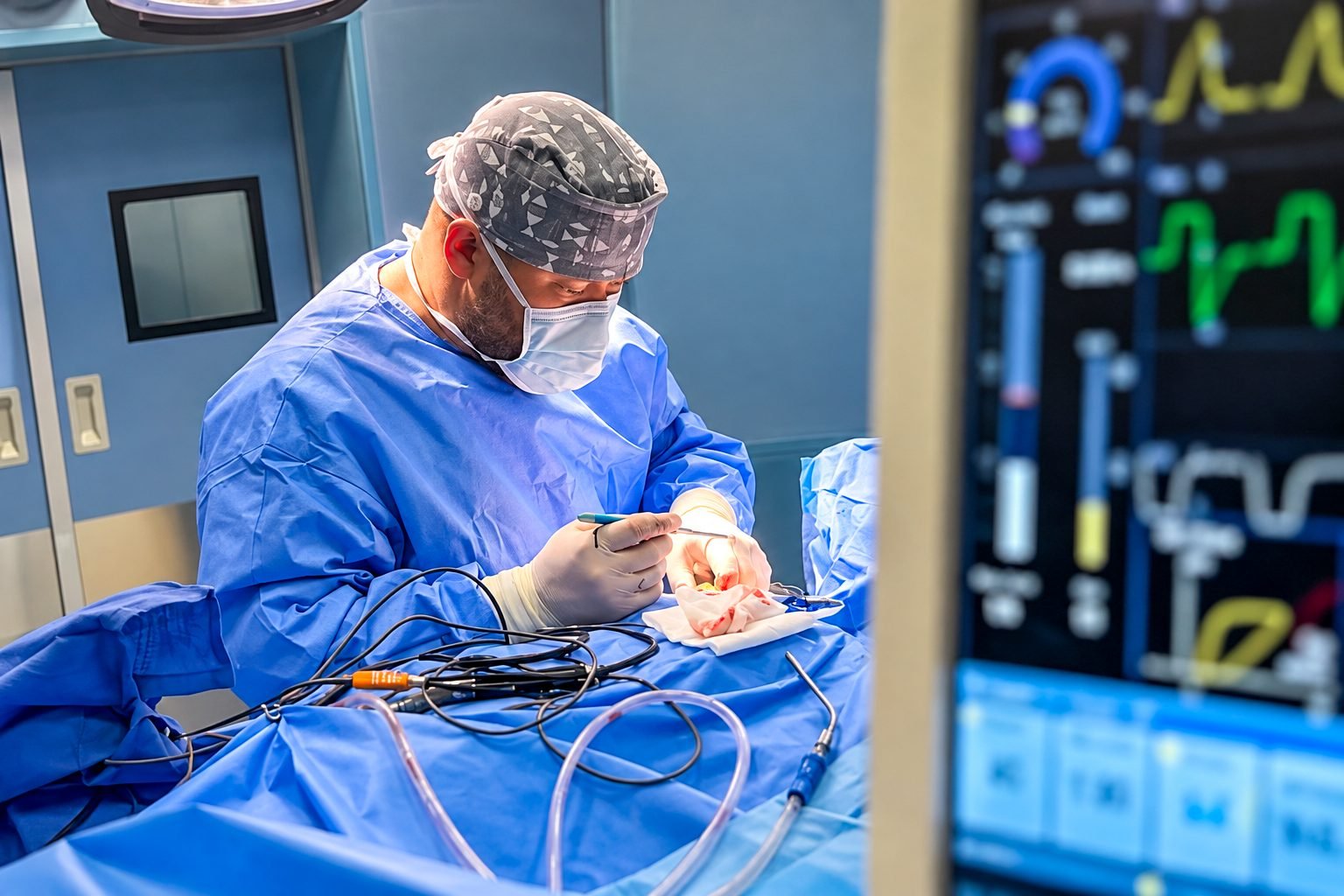
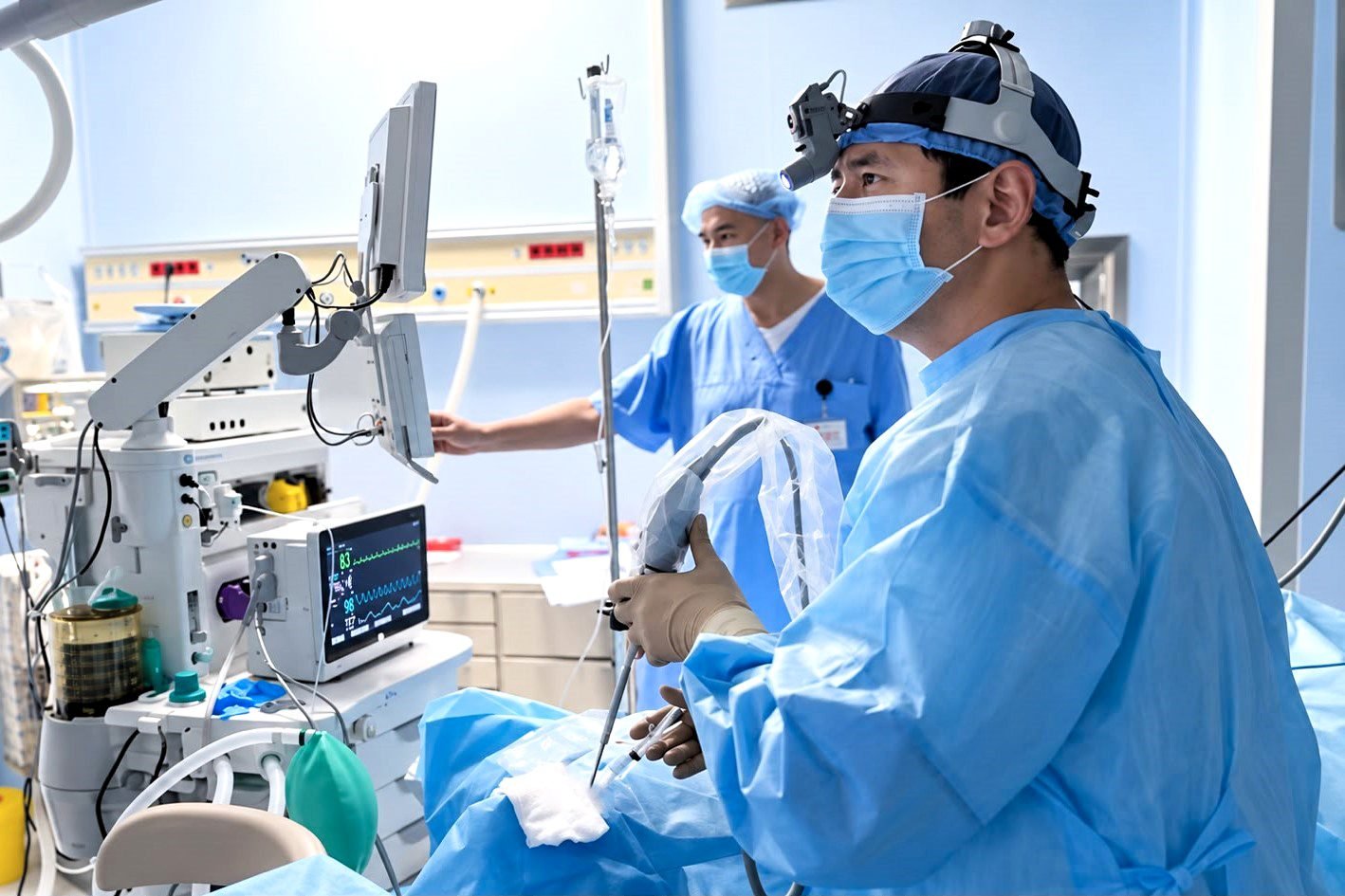
Technology plays a central role in the hospital’s clinical model. According to the institution, its treatment and diagnostic departments include advanced systems such as a 3-Tesla MRI, 256-slice MSCT, PET/CT, SPECT/CT, genomic and molecular diagnostic facilities and a Senhance robot-assisted surgical system. Robotic and minimally invasive surgery are particularly important areas of development. The Kazakhstan International Reference and Training Center for Robotic Surgery was established at the hospital in 2018, supporting robot-assisted laparoscopic procedures in urology, gynecology and general surgery. The hospital has also reported that more than 90% of its surgical procedures use endoscopic technologies. These capabilities complement conventional surgery and highly specialized services including neurosurgery, cardiovascular interventions, vascular surgery, eye microsurgery and traumatology.

Nuclear Medicine & Precision Diagnostics
One of the hospital’s most significant technological areas is nuclear medicine. Its Nuclear Medicine Center combines radiopharmaceutical capabilities with advanced PET/CT and SPECT/CT imaging. PET/CT enables physicians to evaluate functional and anatomical changes and has important applications in oncology, including identifying malignant disease and assessing its spread. SPECT/CT combines radionuclide imaging with computed tomography to support diagnosis across oncology, cardiovascular medicine and other clinical areas. The Nuclear Medicine Center has continued to expand its capabilities. The hospital reports the use of modern radiopharmaceuticals alongside a cyclotron production complex and digital PET/CT technology, integrating diagnosis, treatment, research and specialist training.
Personalized Genomic Medicine
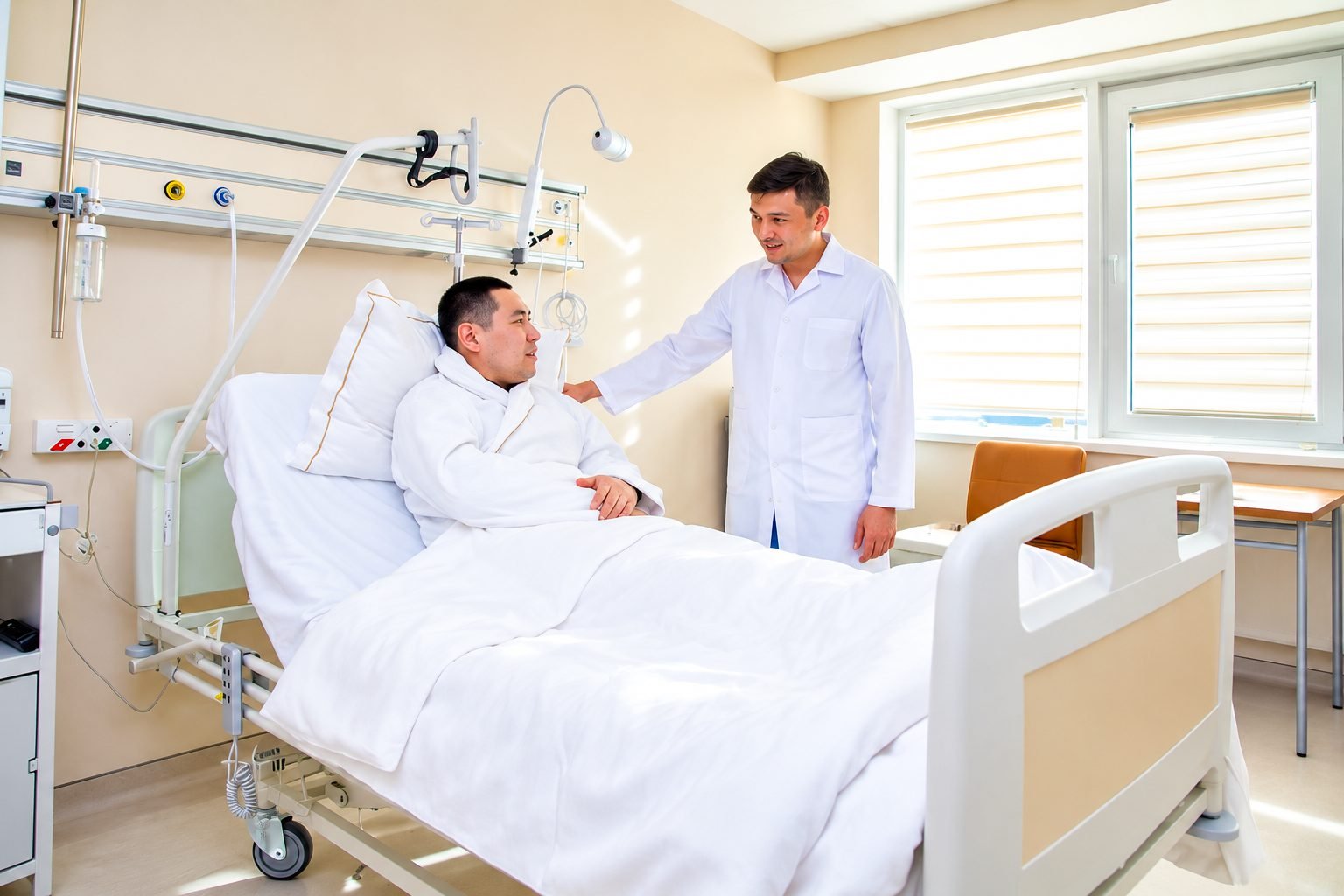
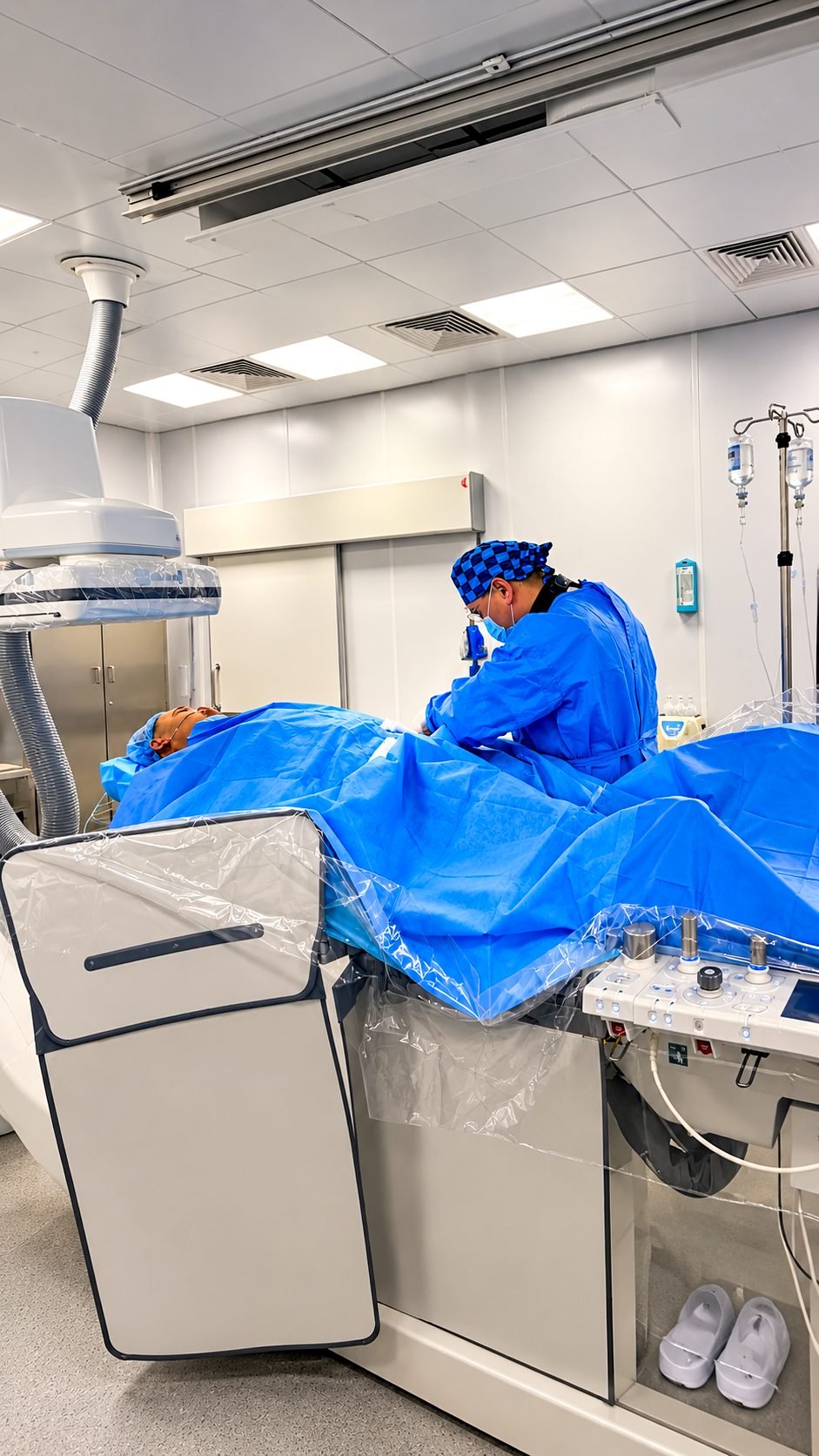
Precision medicine is another major focus. The hospital’s Personalized Genomic Diagnostics Laboratory has operated since 2018 and uses next-generation sequencing (NGS) and other molecular genetic technologies. These capabilities can support the identification of genetic predispositions, hereditary disease assessment, pharmacogenetic analysis and personalized treatment decisions. Genomic testing is also increasingly relevant in oncology, where molecular characteristics of tumors can help physicians determine appropriate targeted approaches. The hospital has reported that its genomic diagnostics center performs more than 900 genetic tests, reflecting the growing integration of molecular medicine into clinical practice.
Prevention & Comprehensive Check-Ups
Preventive healthcare is supported through the hospital’s Preventive Medicine Department, which provides comprehensive health assessments designed to detect potential conditions early and develop individualized medical recommendations. The department combines general practitioners and specialists with ultrasound, ECG, endoscopy and laboratory diagnostics. Its check-up system offers eight types of comprehensive examinations, ranging from basic to premium programs. Depending on the selected program, comprehensive diagnostics can generally be completed within one to three days, followed by a medical report and professional recommendations.
Rehabilitation & Continuity of Care
The hospital’s model extends beyond diagnosis and surgery to rehabilitation. Programs include cardiac rehabilitation, neurorehabilitation and trauma rehabilitation, allowing patients requiring longer-term recovery to continue receiving coordinated specialist care. This combination of prevention, diagnostics, treatment and rehabilitation reflects the hospital’s broader ambition to integrate clinical practice with scientific research and medical education.
Quality & Patient Safety
Quality management and patient safety remain central institutional priorities. The hospital has undergone international accreditation processes based on Joint Commission International (JCI) standards. In May 2026, it announced that an inspection audit had confirmed continued compliance with international accreditation requirements during its infrastructure expansion. Its Quality Management and Patient Safety Service supports continuous improvement, monitors healthcare quality, addresses patient needs and promotes compliance with Kazakhstan’s healthcare requirements.
Integrating Medicine, Science & Innovation
Today, the Presidential Hospital represents an increasingly technology-driven model of multidisciplinary healthcare in Kazakhstan. Robotic surgery, advanced CT and MRI imaging, PET/CT and SPECT/CT, genomic diagnostics, comprehensive preventive examinations and specialized rehabilitation operate within a broad clinical ecosystem. Under the leadership of Raushan Karabayeva, the institution continues to pursue a model built around the integration of clinic, science and education. With continued investment in infrastructure, precision diagnostics and specialist medical technologies, the Presidential Hospital is strengthening its role as an important center for complex, multidisciplinary and high-technology healthcare in Kazakhstan.

More to Read
All issues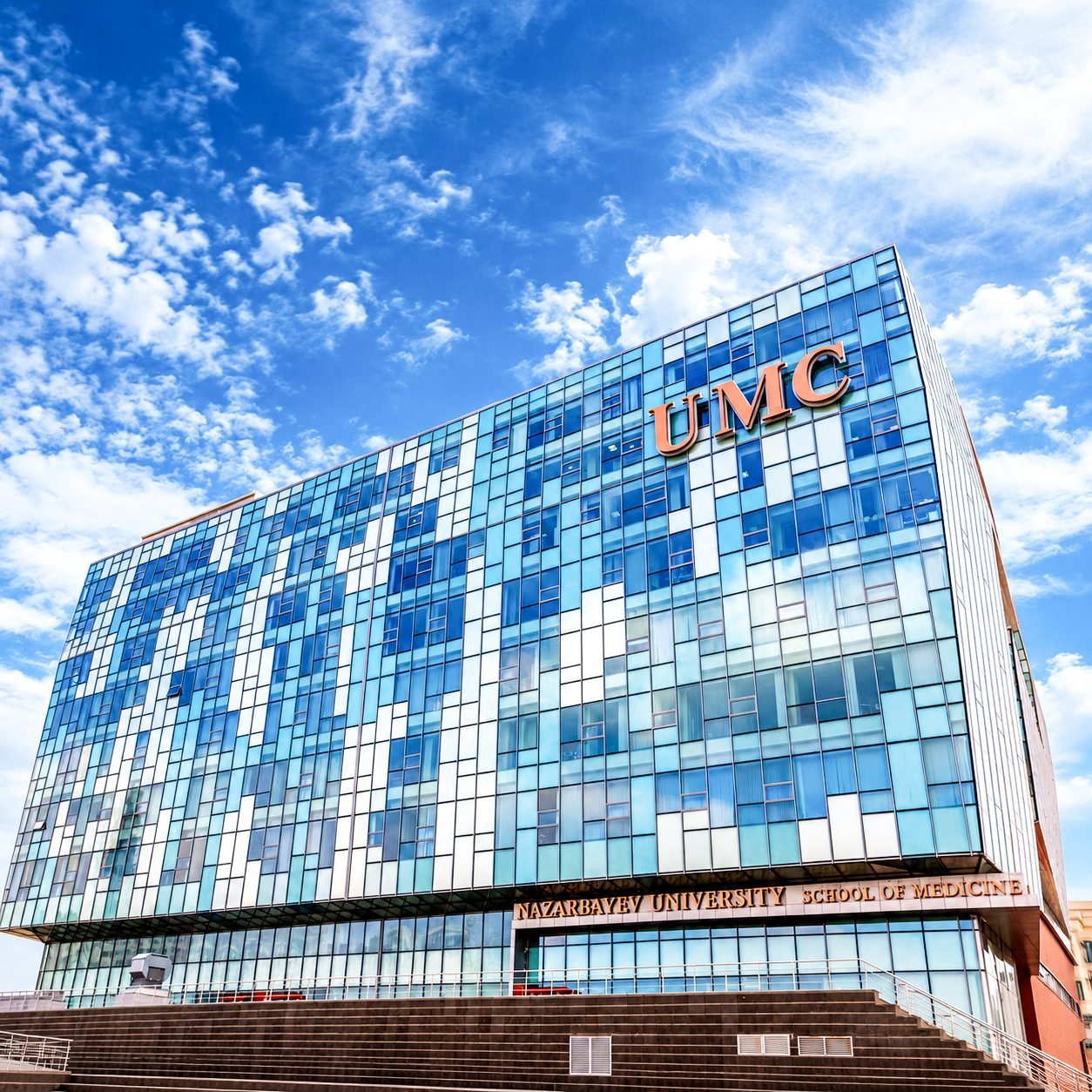
University Medical Center
Advancing Academic Medicine & High-Tech Healthcare in Kazakhstan
Specialized Medical Centres — Supporting Modern Healthcare in Kazakhstan
Kazakhstan’s growing private healthcare sector is increasingly characterized by specialized medical centres that combine experienced specialists, modern diagnostic…

Specialised Healthcare Services Shaping Astana’s Medical Landscape
Astana has developed a growing network of specialised healthcare centres offering modern medical, surgical and preventive services. Among them, RR Clinic provides…