

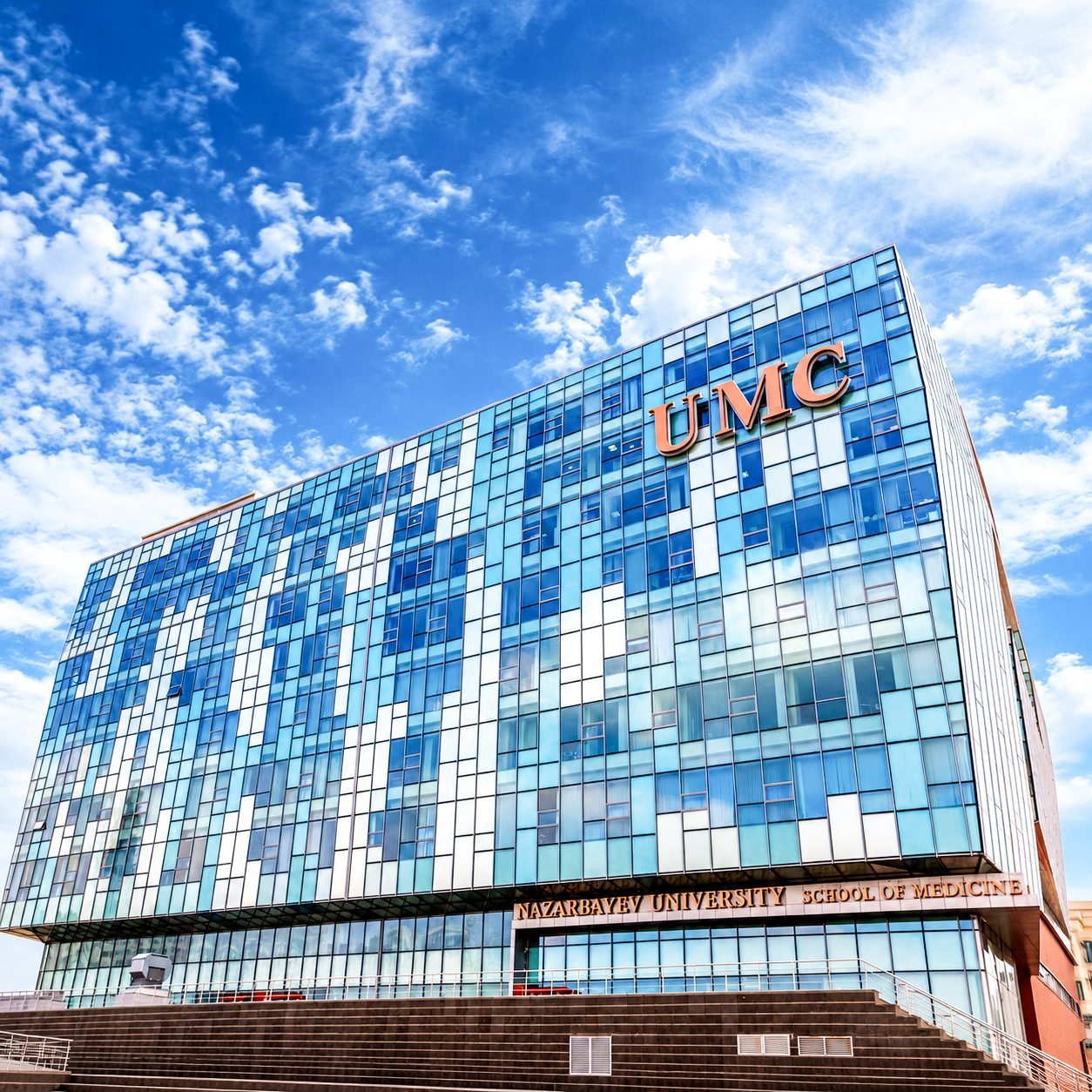
University Medical Center
Advancing Academic Medicine & High-Tech Healthcare in Kazakhstan
University Medical Center (UMC) has emerged as one of Kazakhstan’s major institutions for advanced clinical care, medical education and research. Established by the Board of Trustees of Nazarbayev University in 2015, UMC operates as an integral part of the university’s academic healthcare ecosystem, NU Medicine. Its model brings together patient care, education, research and medical innovation, with the aim of translating scientific knowledge into improved clinical practice. UMC encompasses major medical centers in Astana, including the Mother and Child Center, Diagnostic Center and Heart Center, while the Heart Center of Shymkent has operated as a UMC subsidiary since 2024. UMC reports an overall capacity of 778 beds and approximately 500 outpatient visits per shift.
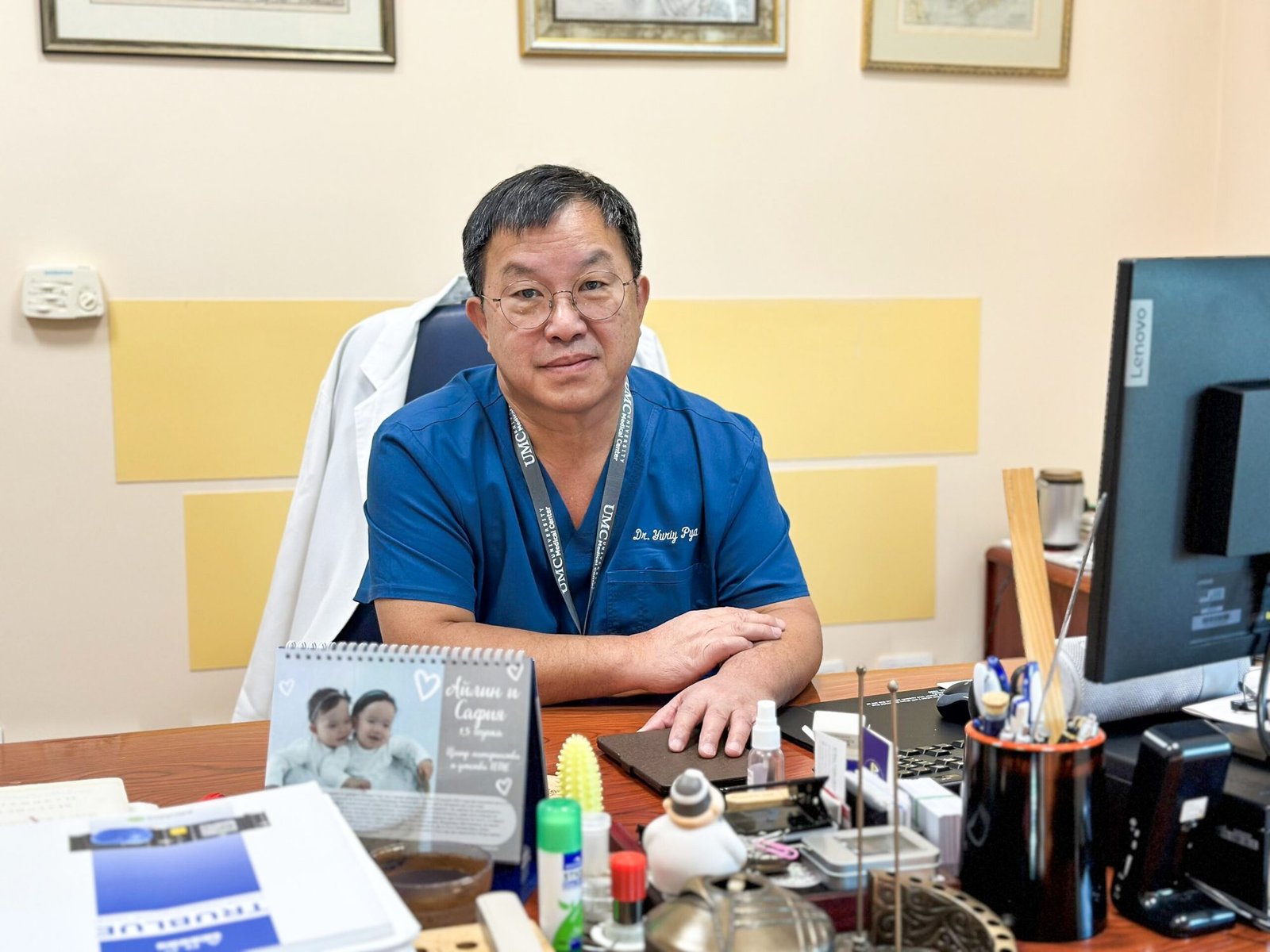
Dr. Yuriy Pya
Doctor of Medical Sciences, Chairman of the Executive Board
At the helm of UMC is Dr. Yuriy Pya, Doctor of Medical Sciences and Chairman of the Executive Board, a distinguished cardiac surgeon whose career has been closely connected with the development of advanced cardiovascular medicine in Kazakhstan. Before assuming leadership at UMC, Dr. Pya served for a decade as Chairman of the National Scientific Cardiac Surgery Center. His medical education and professional development have included training in Russia, Lithuania, Israel, Germany, Belgium, the Czech Republic and the United States, covering cardiac surgery, transplantation, valve reconstruction and heart-failure treatment. His contribution extends beyond clinical practice to medical research, education and innovation. Dr. Pya is an academician of the National Academy of Sciences of the Republic of Kazakhstan, and in 2026 he was awarded the title of Honorary Professor of Nazarbayev University in recognition of his contribution to academic-clinical collaboration, medical education, research and Kazakhstan’s healthcare system. Under his leadership, UMC Heart Center physicians and researchers have expanded the country’s experience in heart transplantation and advanced organ-preservation technologies.

An Internationally Accredited Academic Medical Center
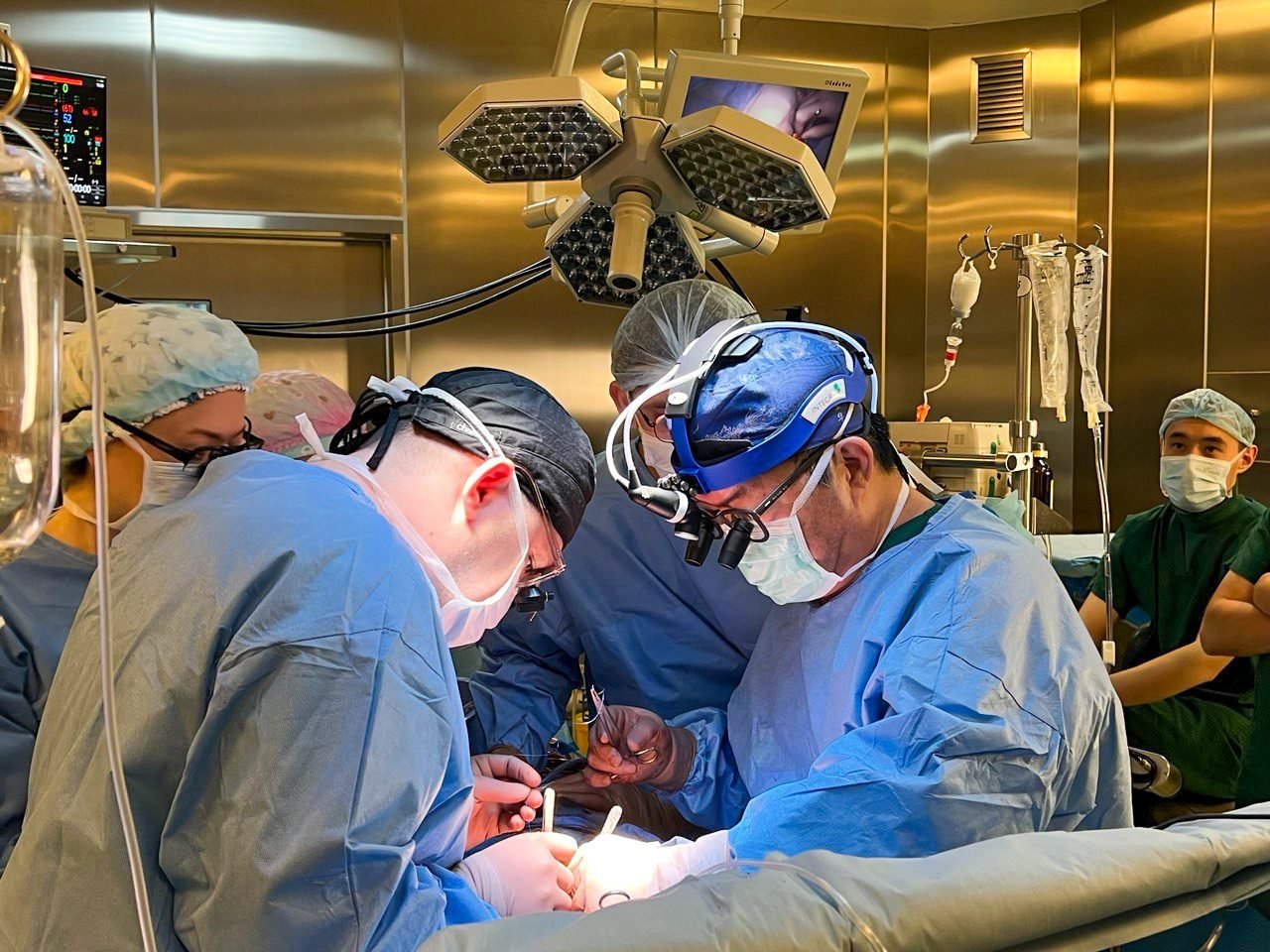
A defining milestone came in September 2024 when UMC successfully completed Joint Commission International accreditation as an Academic Medical Center. According to UMC, it became the 63rd clinic worldwide to receive this JCI Academic Medical Center certification, placing Kazakhstan among 22 countries represented in this category. The accreditation assessment covered 1,250 measurable indicators across UMC’s three principal clinics. UMC’s academic model is built around Clinical Academic Departments, which combine clinical practice with education and research. Specialists follow unified clinical protocols, standard operating procedures and quality requirements while working alongside Nazarbayev University School of Medicine faculty, students and residents.

Mother & Child Center
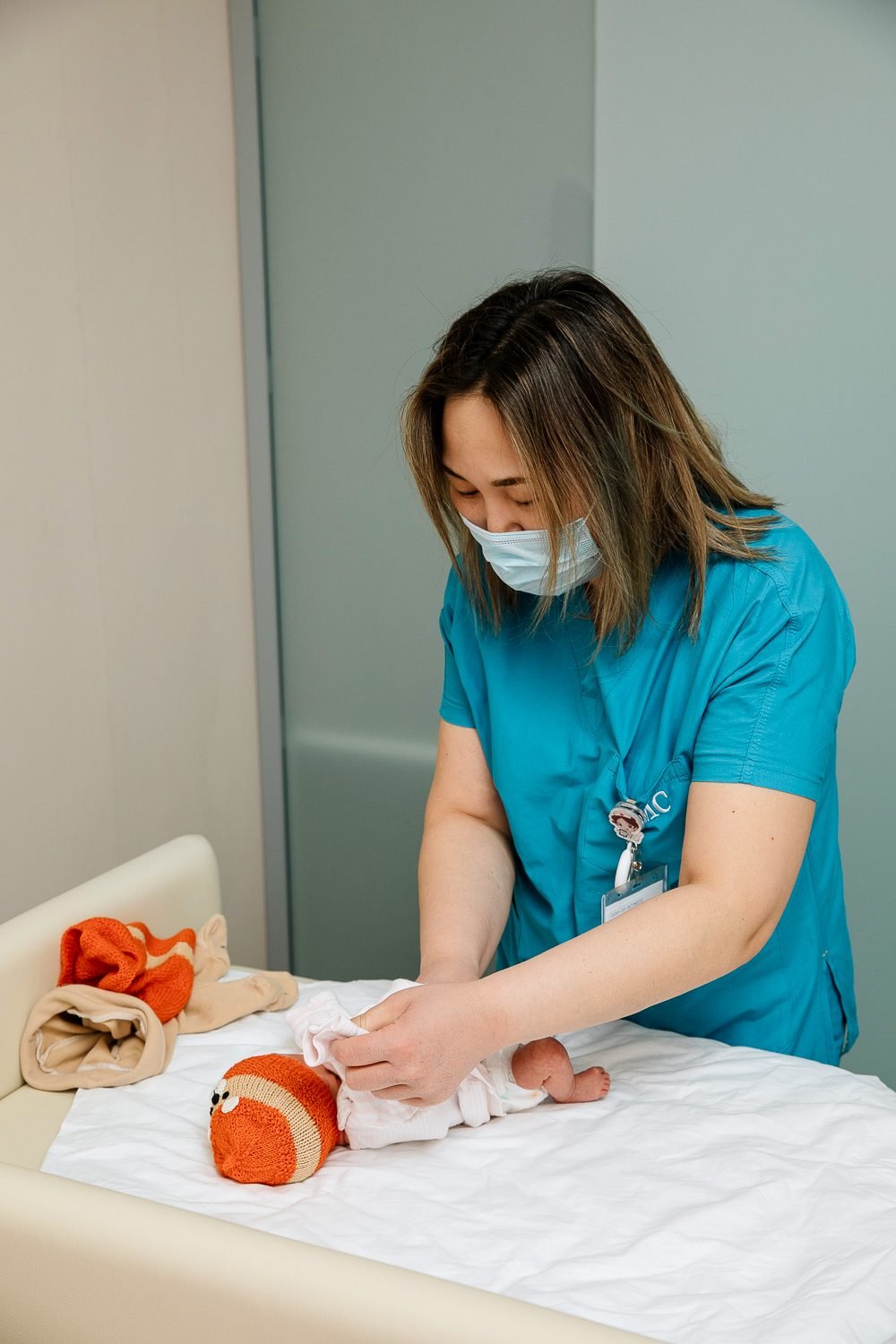
The Mother and Child Center (MCC) is UMC’s multidisciplinary facility dedicated to women’s and children’s healthcare. Operating since 2007, it has historically been listed with 529 beds and more than 1,000 employees, including around 170 physicians and over 500 nursing professionals. The center provides specialized services in obstetrics, gynecology, pediatrics, neonatology, pediatric surgery, urology and reproductive medicine. Its capabilities extend from pregnancy management and fetal medicine to IVF, pediatric transplantation and treatment of complex childhood diseases. Advanced services include minimally invasive and organ-preserving gynecological surgery, pediatric kidney and liver transplantation, hematopoietic stem-cell transplantation, treatment of pediatric oncological and hematological disorders, scoliosis surgery and reconstructive procedures involving the trachea and larynx. Genetic diagnostics and interventional and hybrid procedures further strengthen its multidisciplinary approach.
Heart Center UMC
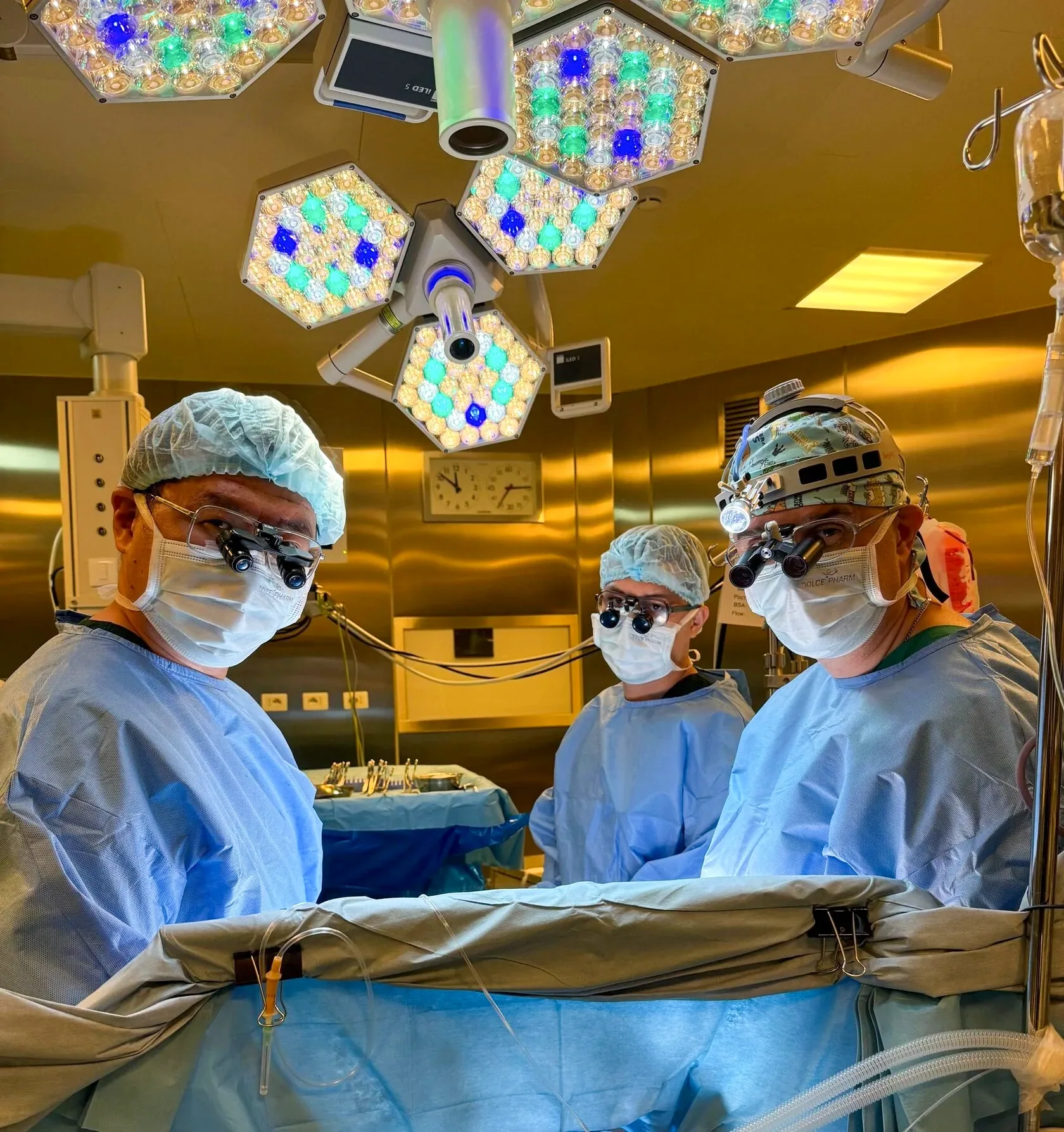
The Heart Center represents UMC’s highly specialized cardiovascular arm. Established in 2011, the facility is listed with 200 beds, six operating rooms, five catheterization laboratories and 36 intensive-care beds. Its major clinical areas include congenital and acquired heart defects, coronary artery disease and advanced heart failure. The center provides cardiovascular surgery for adults and children, including complex and multi-stage procedures for infants. Its expertise encompasses open-heart surgery, interventional cardiology, cardiac catheterization, transcatheter aortic valve implantation, mechanical circulatory support and heart transplantation. It also plays an important educational role through specialist training, clinical studies, research programs and professional master classes.

Diagnostic Center & Advanced Medical Technology
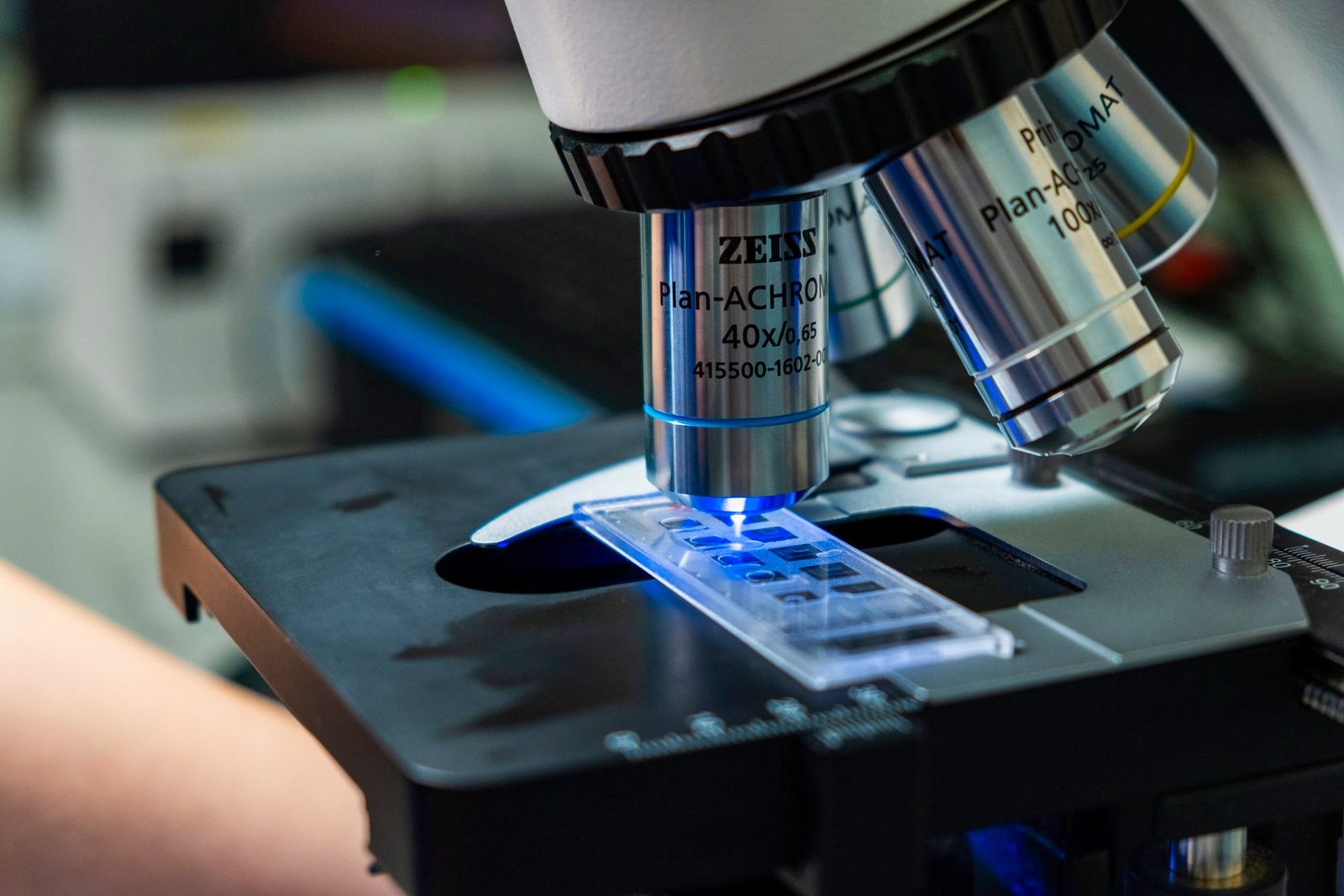
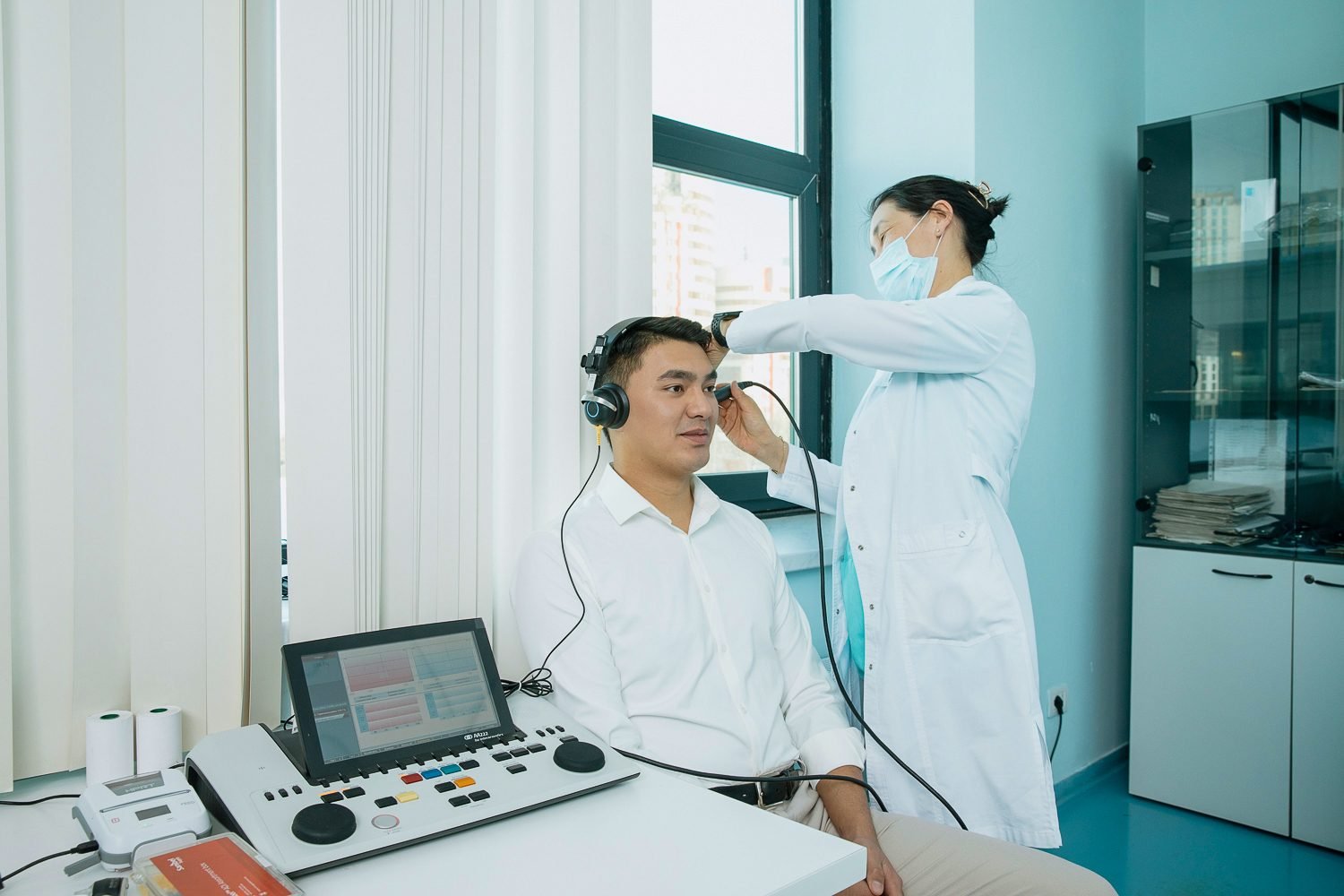
UMC’s Diagnostic Center, operational since 2008, provides consultative and diagnostic services for adults and children. It has more than 700 employees and offers consultations across dozens of specialties, including gynecology, mammology, pediatrics, neurology, allergology, fetal medicine and uronephrology. Its diagnostic infrastructure includes computed tomography, magnetic resonance imaging, PET/CT, SPECT, X-ray, ultrasound, Doppler imaging and nuclear-medicine technologies. Laboratory capabilities span hundreds of types of tests in areas such as genetics, immunology, pathology, bacteriology, PCR, cytology and histology. The center also operates infrastructure for producing radiopharmaceuticals used in nuclear-medicine diagnostics. Across UMC, patients can access additional services ranging from EEG, ECG and electrophysiology to endoscopy, rehabilitation, physiotherapy, occupational therapy and preventive health assessments.

Connecting Treatment, Research & Medical Education
UMC’s role extends far beyond hospital treatment. As part of NU Medicine, it provides a clinical training environment for Nazarbayev University School of Medicine students and residents while creating opportunities for clinicians, educators and researchers to work within an integrated system. The institution also collaborates internationally, including through its strategic relationship with the University of Pittsburgh Medical Center. UMC’s transformation into an Academic Medical Center reflects a broader ambition: to make advanced healthcare, scientific discovery and professional education mutually reinforcing. Its emphasis on patient- and family-centered care, international quality standards, specialized medical technologies, professional training and research positions the institution as an important platform for the continuing development of Kazakhstan’s healthcare system. At the heart of this model is a clear mission—to care for patients while continuously learning, educating future healthcare professionals and developing innovative approaches to diagnosis and treatment. Through the combined strengths of the Mother and Child Center, Heart Center, Diagnostic Center and its wider academic network, UMC is building a healthcare environment where clinical expertise, education and research work together to improve patient outcomes and advance medicine in Kazakhstan.
More to Read
All issues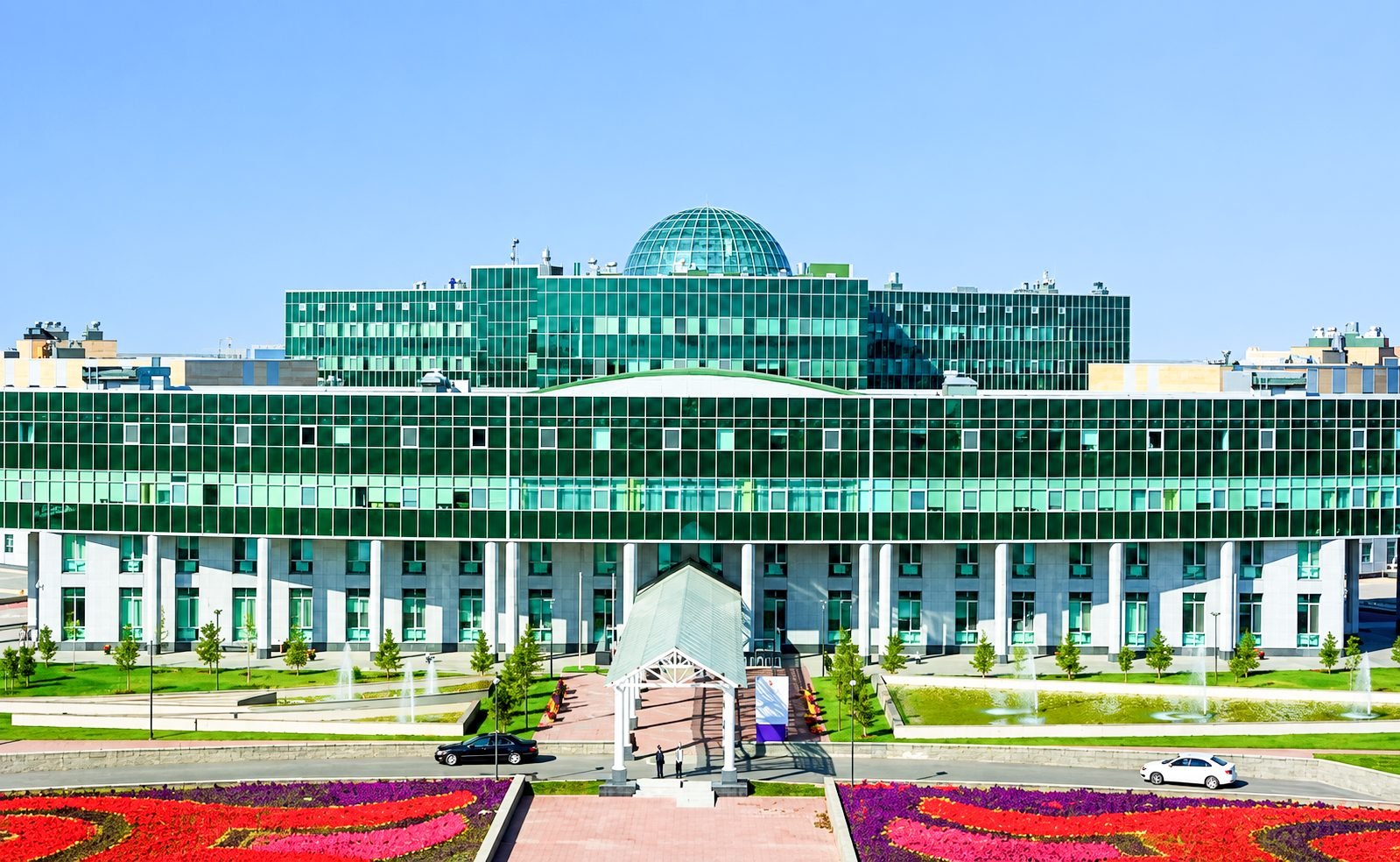
President Administration Hospital
Where Advanced Medicine Meets Innovation
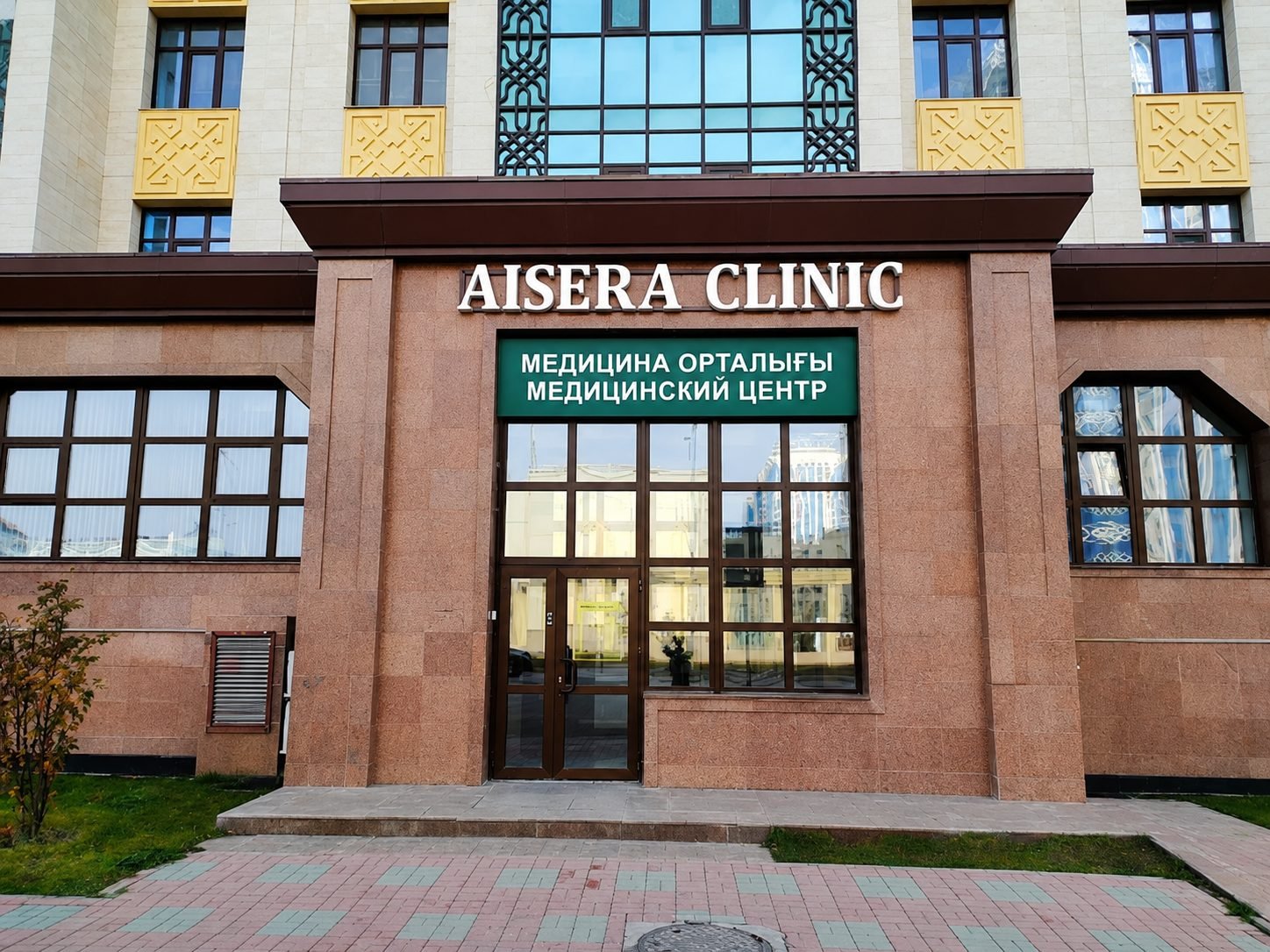
Specialized Medical Centres — Supporting Modern Healthcare in Kazakhstan
Kazakhstan’s growing private healthcare sector is increasingly characterized by specialized medical centres that combine experienced specialists, modern diagnostic…

Specialised Healthcare Services Shaping Astana’s Medical Landscape
Astana has developed a growing network of specialised healthcare centres offering modern medical, surgical and preventive services. Among them, RR Clinic provides…