

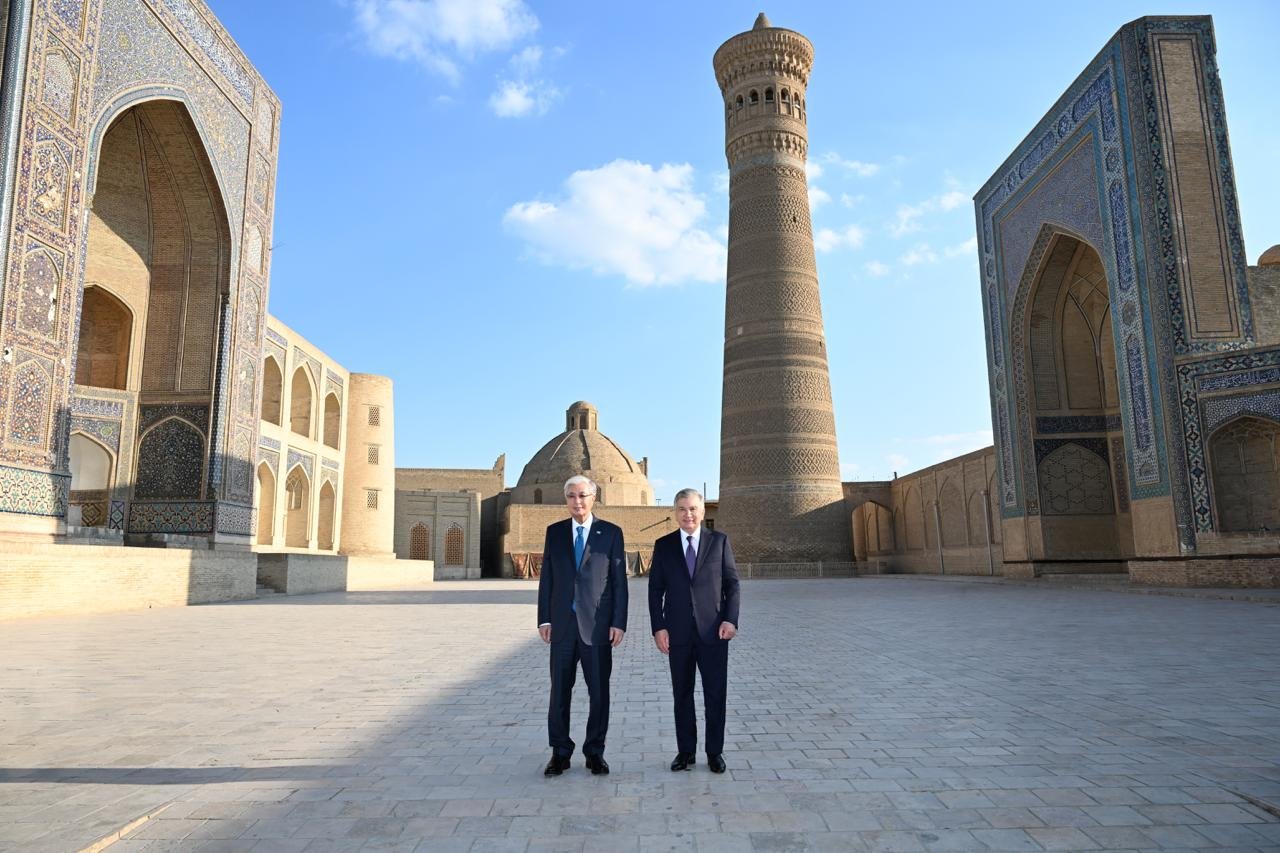
Presidents of Kazakhstan & Uzbekistan Explore Bukhara’s Historic Heritage, Highlighting Shared Cultural Legacy
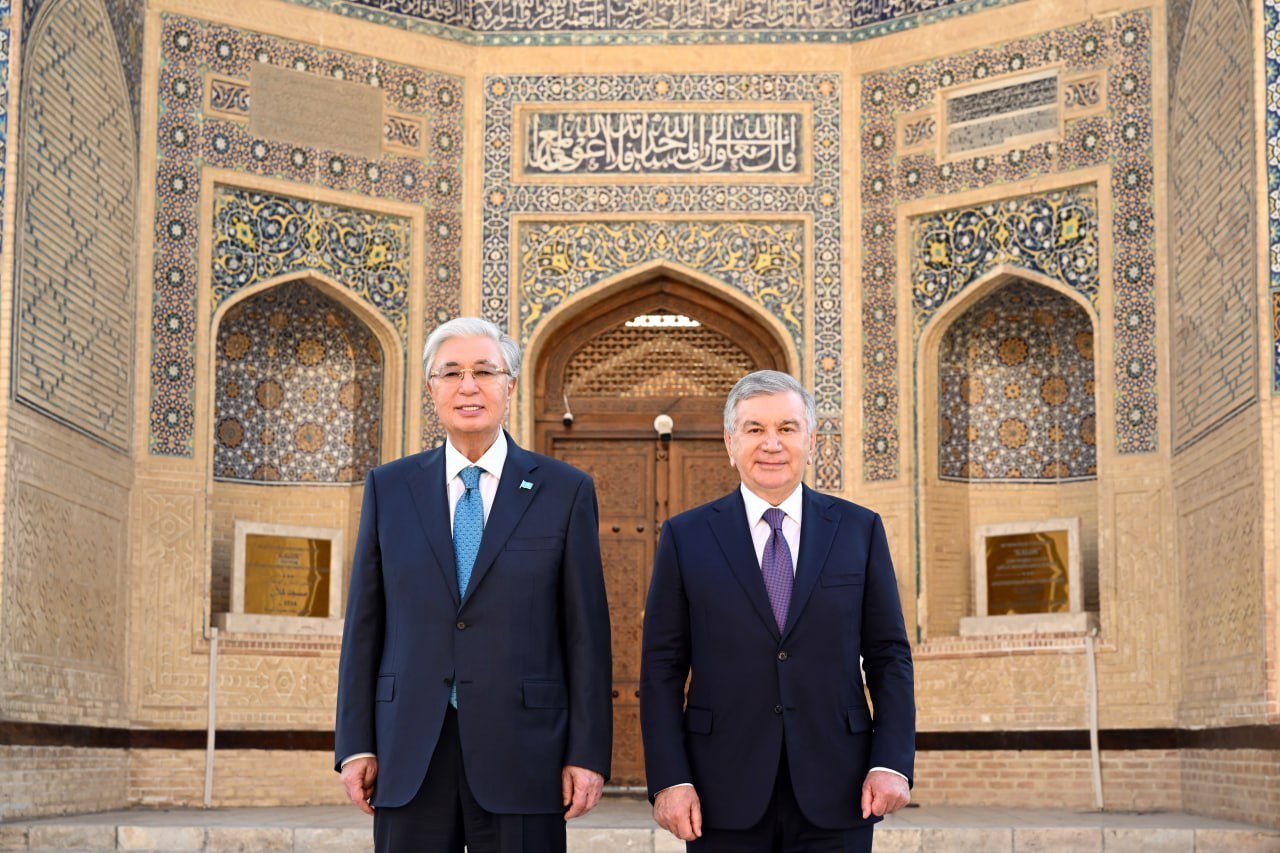
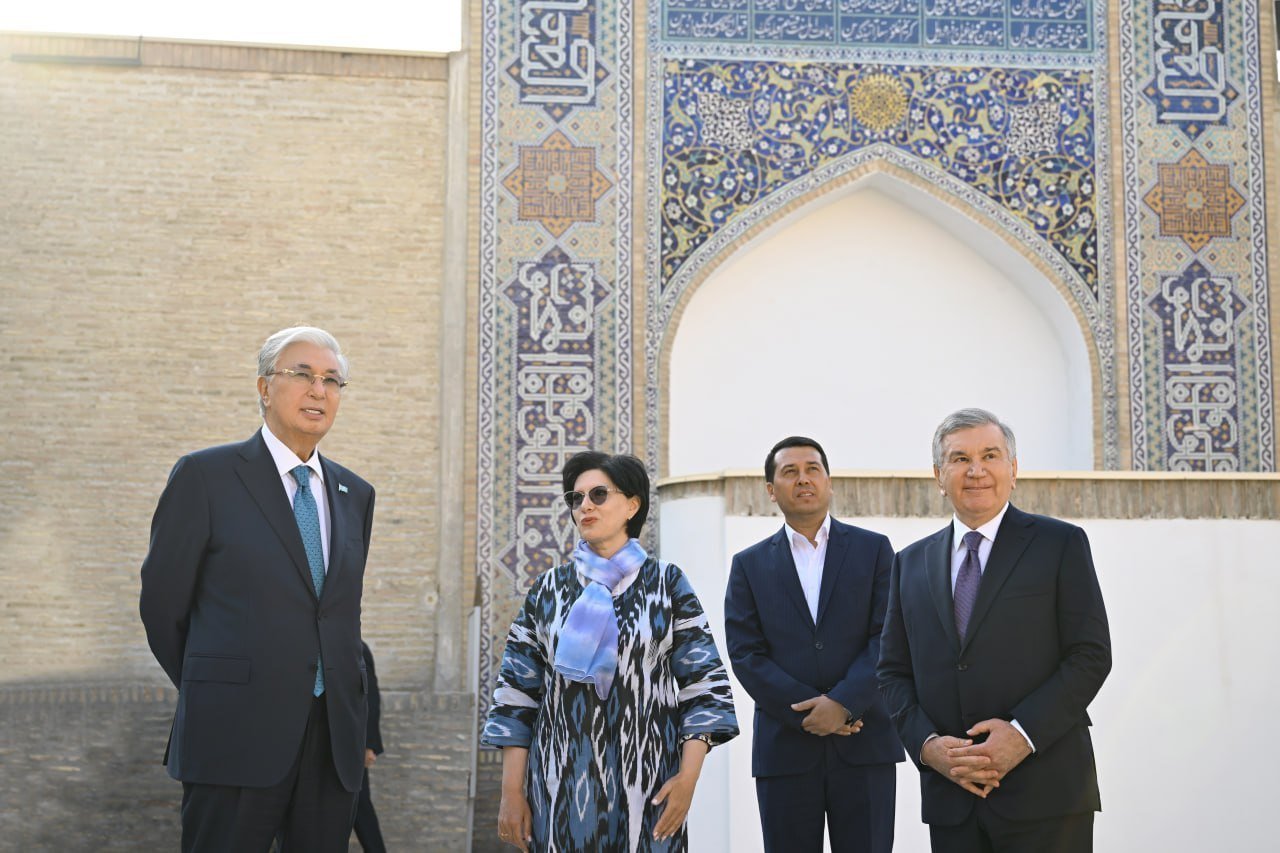
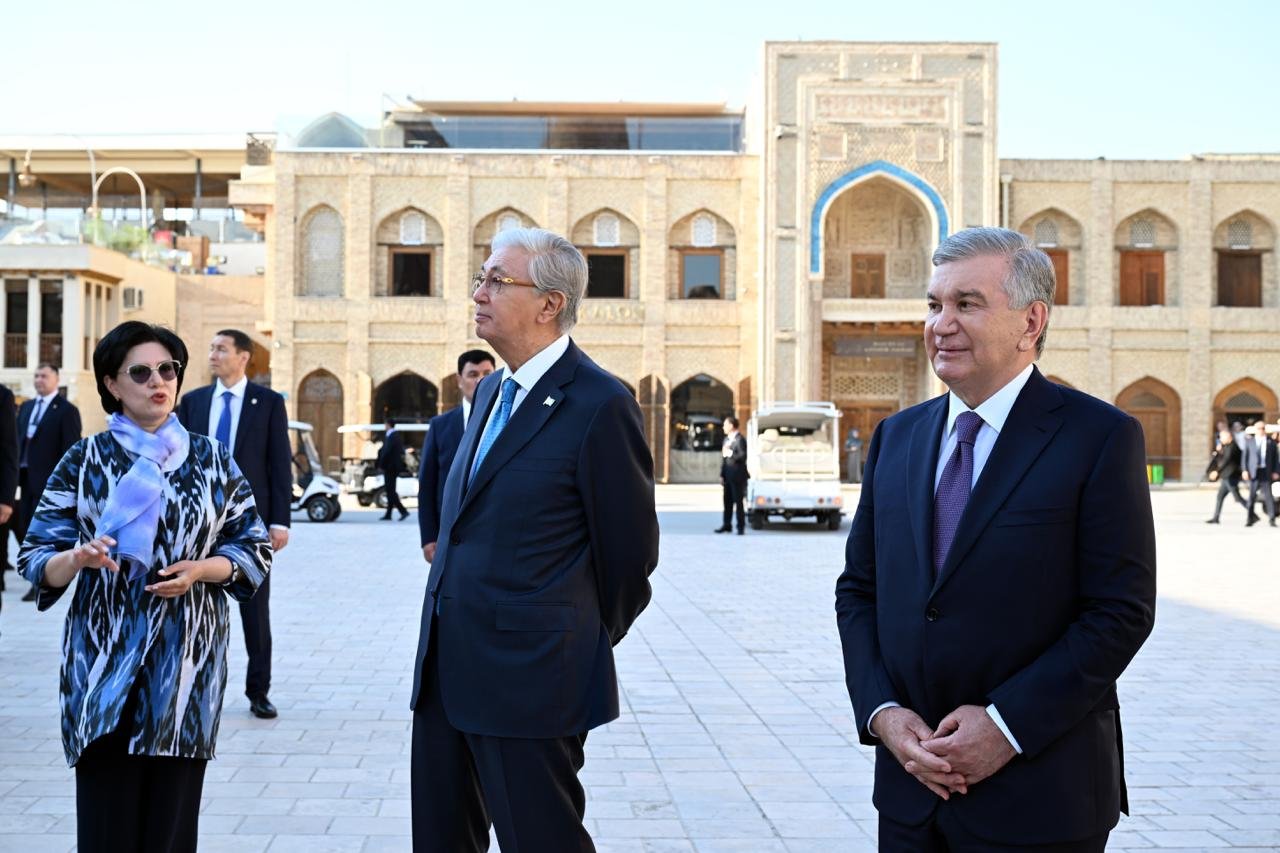
President of Kazakhstan Kassym-Jomart Tokayev, accompanied by President of Uzbekistan Shavkat Mirziyoyev, visited some of the most significant historical and architectural landmarks of Bukhara, reaffirming the deep cultural, historical, and spiritual ties that unite the peoples of Central Asia. The visit to the ancient city, one of the oldest continuously inhabited urban centers in the world, showcased not only the architectural grandeur of Bukhara but also its enduring role as a center of learning, trade, and civilization along the Silk Road. The leaders toured several of Bukhara’s most iconic monuments, including the Ark Fortress, the Poi Kalyan ensemble, and the Lyabi-Hauz complex. Throughout the visit, detailed presentations were provided on the history, architectural features, and cultural significance of these landmarks, which collectively represent centuries of intellectual, religious, and artistic achievement in the region.
Bukhara A Jewel of the Silk Road
For more than two millennia, Bukhara has occupied a central place in the history of Central Asia. Situated along the Great Silk Road, the city served as a major crossroads connecting East and West, facilitating the exchange of goods, ideas, technologies, and cultures. Merchants, scholars, theologians, poets, and travelers from across Asia, the Middle East, and Europe passed through its gates, contributing to the city’s remarkable cultural diversity and prosperity. Bukhara flourished under various dynasties, including the Samanids, Karakhanids, Timurids, and Shaybanids, each leaving a distinctive mark on the city’s architectural and intellectual landscape. Today, its historic center is recognized as a UNESCO World Heritage Site, preserving hundreds of monuments that bear witness to centuries of cultural and scientific advancement. The city has long been regarded as one of the foremost centers of Islamic civilization, producing renowned scholars, philosophers, and theologians whose influence extended far beyond Central Asia. It remains a symbol of the region’s rich heritage and enduring contribution to world civilization.
The Ark Fortress Heart of Bukhara’s Political Power
The presidential tour began at the Ark Fortress, the monumental citadel that stands as one of Bukhara’s oldest and most important historical landmarks. Rising above the surrounding city, the Ark served for centuries as the residence of Bukhara’s rulers and the administrative heart of the emirate. Archaeological evidence suggests that the site has been continuously occupied for over 1,500 years, although some historians believe its origins may date back even earlier. Over time, successive rulers expanded and rebuilt the fortress, transforming it into a vast complex containing royal residences, government offices, military barracks, religious institutions, and courts of law. The Ark was not merely a defensive structure but also the center of political authority. Decisions that shaped the destiny of the region were made within its walls.
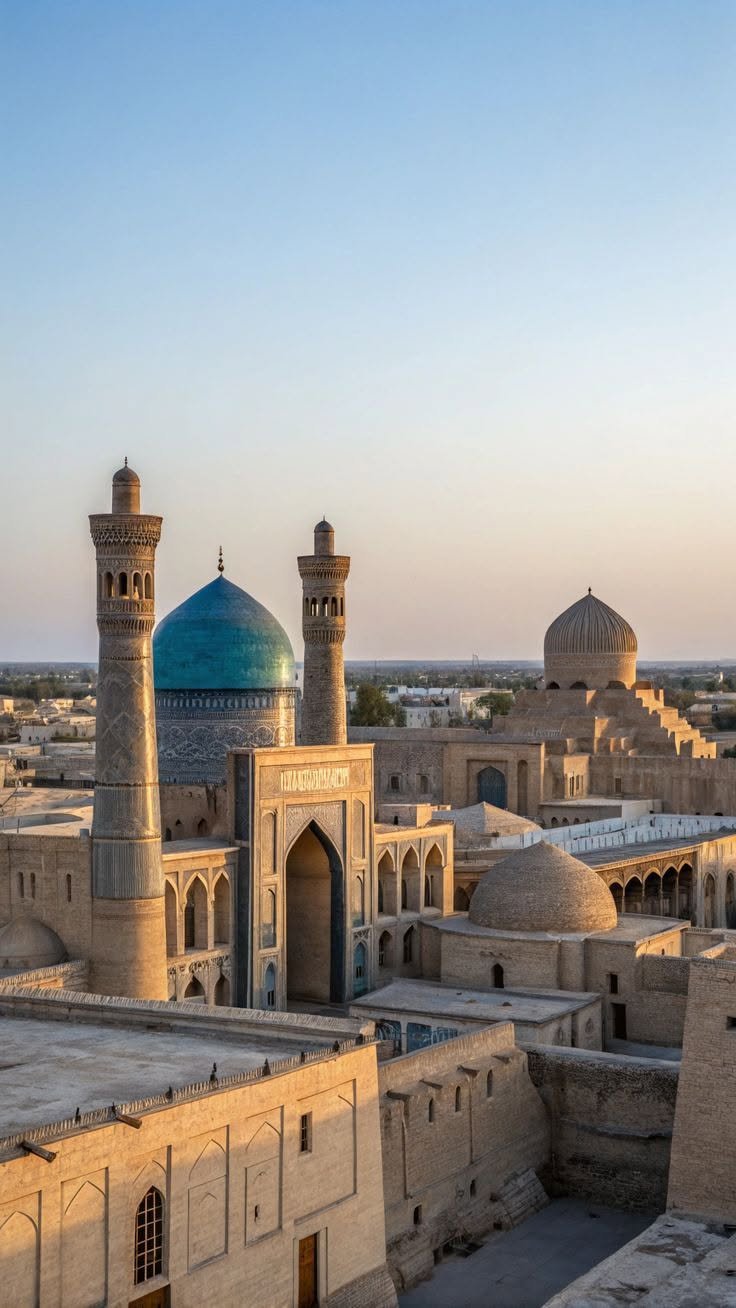
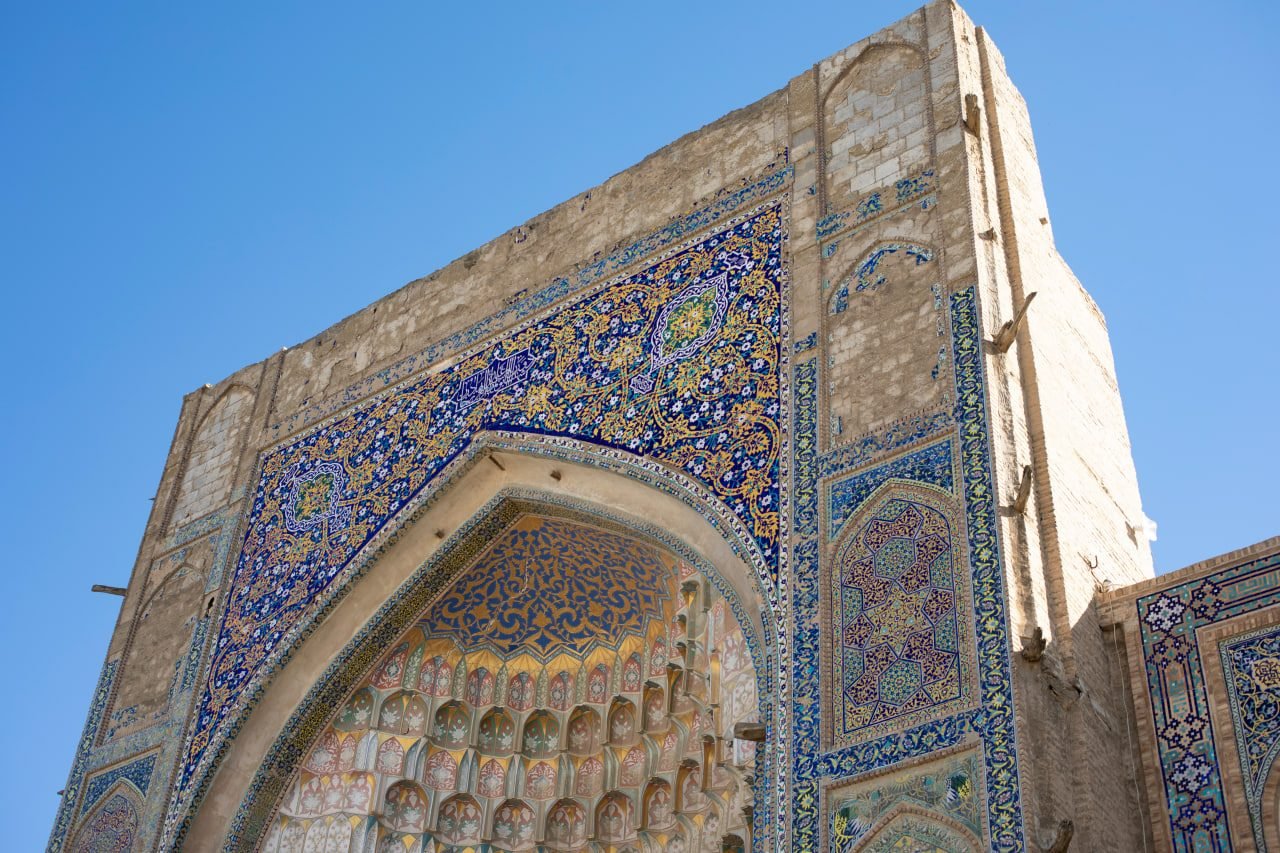
It remained the seat of power until the early twentieth century, when significant portions of the fortress were damaged during political upheavals and military conflicts. Today, the Ark Fortress functions as a museum complex, offering visitors insight into the governance, culture, and daily life of historic Bukhara. Its towering walls and monumental gateways continue to symbolize the resilience and grandeur of one of Central Asia’s greatest cities.
Poi Kalyan Masterpiece of Islamic Architecture
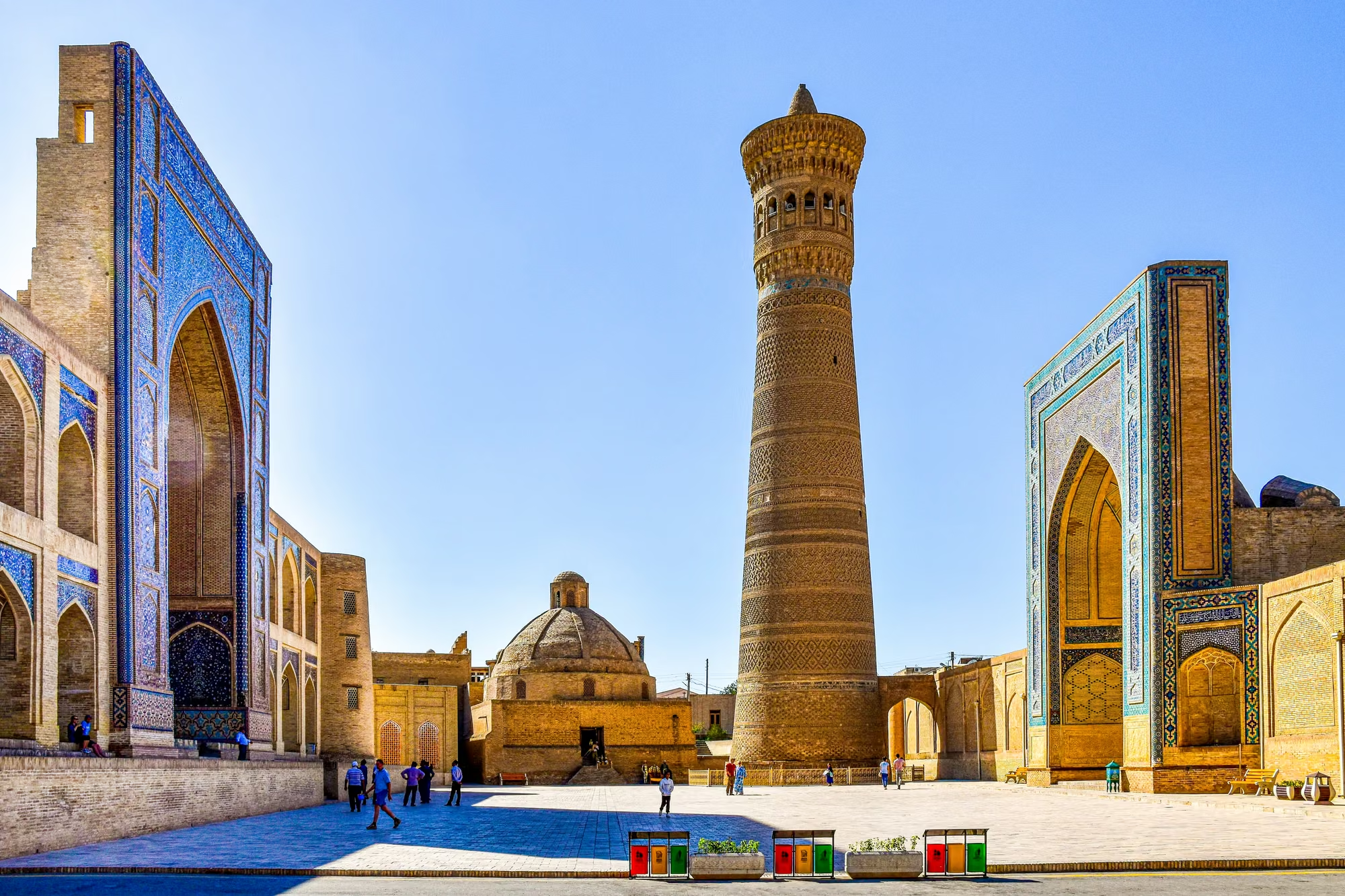
Following their visit to the Ark, Presidents Tokayev and Mirziyoyev toured the celebrated Poi Kalyan ensemble, widely regarded as one of the most magnificent architectural complexes in Central Asia. At the heart of the ensemble stands the Kalyan Minaret, one of the most recognizable landmarks in the Islamic world. Constructed in 1127 during the reign of the Karakhanid ruler Arslan Khan, the minaret rises nearly 47 meters above the city skyline. Built from baked brick and decorated with intricate geometric patterns, it has survived numerous invasions, natural disasters, and centuries of change. According to historical accounts, the minaret was so impressive that even the conqueror Genghis Khan reportedly spared it during his invasion of Central Asia in the thirteenth century.
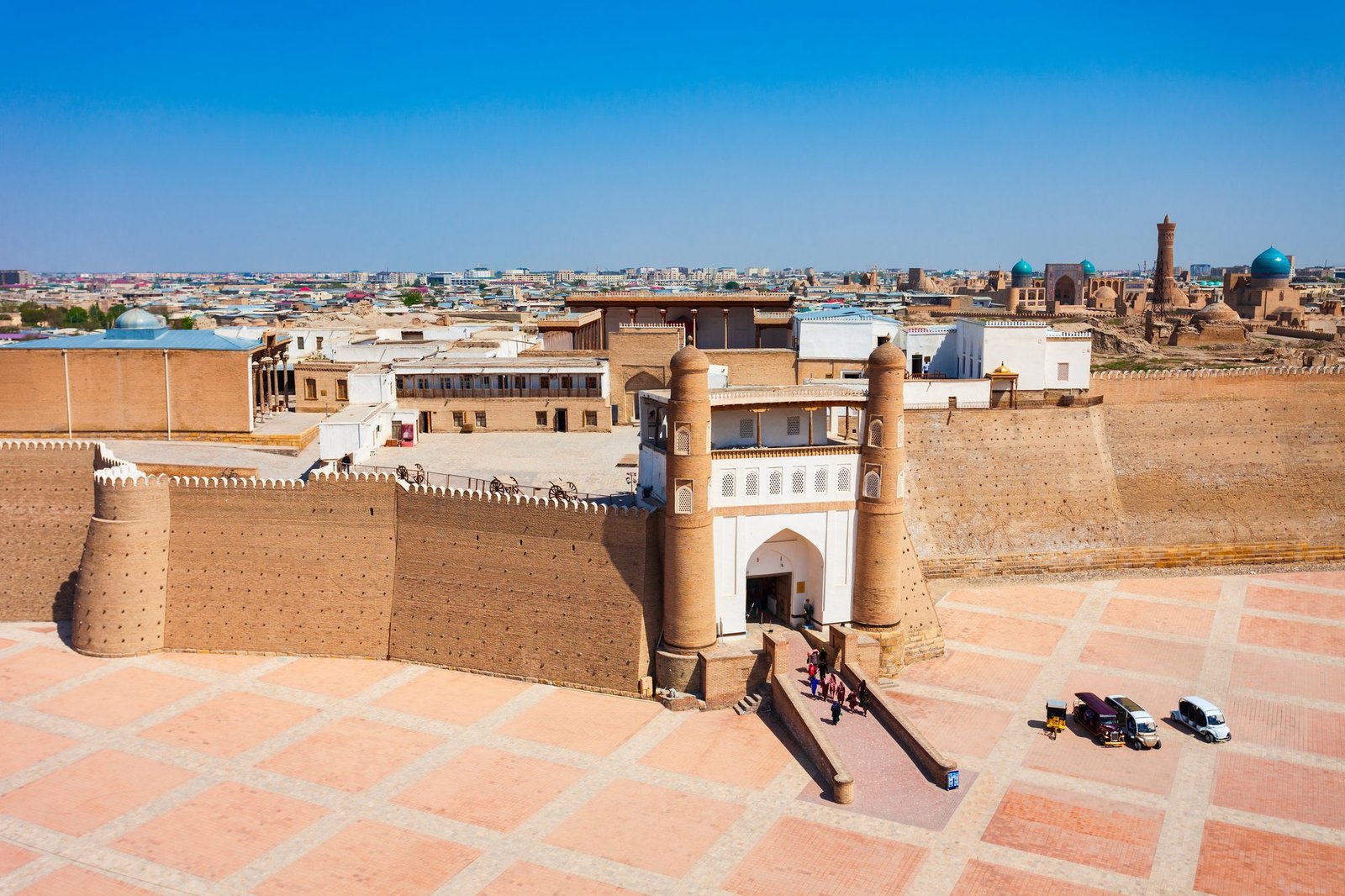
For centuries, the structure served as both a religious landmark and a navigational guide for travelers approaching Bukhara from distant caravan routes. Adjacent to the minaret is the Kalyan Mosque, one of the largest mosques in Central Asia. Completed in the early sixteenth century during the Shaybanid era, the mosque can accommodate thousands of worshippers. Its vast courtyard, elegant domes, and richly decorated facades exemplify the architectural achievements of the period. The ensemble also includes the renowned Mir-i-Arab Madrasah, one of the most respected centers of Islamic education in the region. Founded in the sixteenth century, the institution continues to function as a religious educational center, maintaining a centuries-old tradition of scholarship and learning. Together, these structures form a harmonious architectural composition that reflects the spiritual, cultural, and artistic achievements of Islamic civilization in Central Asia.
Lyabi-Hauz - The Social Heart of Historic Bukhara
A major highlight of the visit was the Lyabi-Hauz ensemble, one of the most beloved and recognizable public spaces in Bukhara. Unlike many historic urban centers where ancient reservoirs have disappeared, Lyabi-Hauz has preserved its original character and continues to serve as a gathering place for residents and visitors alike. The complex is centered around a large rectangular pond, or hauz, constructed in the early seventeenth century. Historically, such reservoirs played a vital role in providing water to urban populations in Central Asia’s arid climate. Surrounding the pond are several important architectural monuments, including the Kukeldash Madrasah, one of the largest educational institutions built in Central Asia during the sixteenth century. The complex also features the Nadir Divanbegi Khanqah and Madrasah, notable for their distinctive decorative elements and historical significance.

For centuries, Lyabi-Hauz has been a center of social interaction, commerce, and cultural exchange. Travelers arriving in Bukhara often gathered around the reservoir, while scholars and students from nearby madrasahs engaged in intellectual discussions beneath the shade of ancient trees. Today, the area remains one of the city’s most vibrant public spaces, preserving the atmosphere of medieval Bukhara while serving as a bridge between the past and the present.
Preserving Traditional Crafts and Cultural Heritage
During the tour, the leaders were also introduced to examples of traditional craftsmanship and decorative arts that continue to thrive in Bukhara. The city has long been famous for its skilled artisans, whose work includes embroidery, carpet weaving, ceramics, metalwork, wood carving, and miniature painting. These crafts represent an important element of Uzbekistan’s cultural identity and contribute significantly to the preservation of intangible heritage. Many techniques have been passed down through generations, maintaining artistic traditions that date back centuries. The presentation highlighted the intricate ornamentation found throughout Bukhara’s monuments, demonstrating how architecture and decorative arts have evolved together to create the city’s unique cultural landscape.
A Shared Educational and Spiritual Legacy
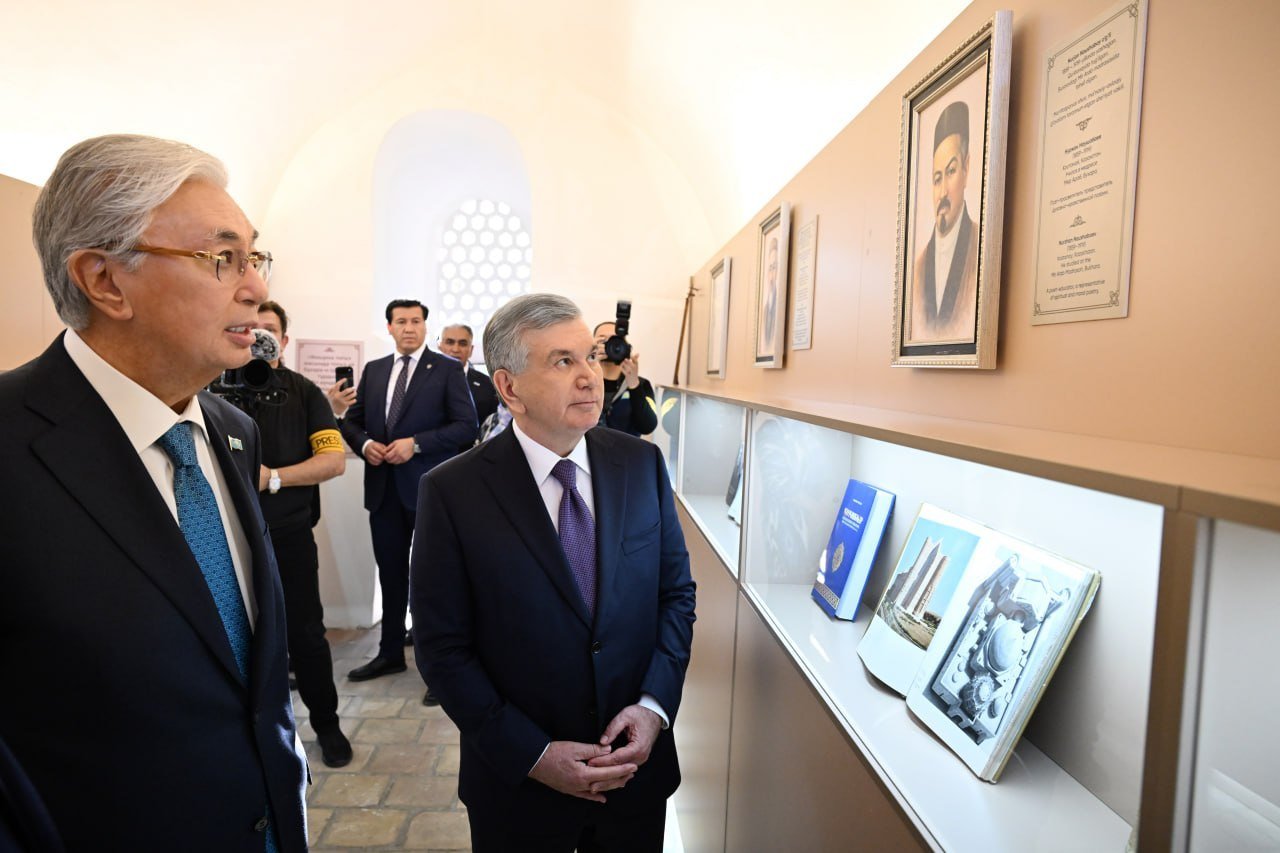
The visit also underscored Bukhara’s historic role as a leading center of education and intellectual development for the broader region, including present-day Kazakhstan. For centuries, students from across Central Asia traveled to Bukhara to study in its prestigious madrasahs. Among them were numerous prominent representatives of the Kazakh intelligentsia who later made significant contributions to literature, philosophy, religious scholarship, and social thought. Figures such as Mashkhur Zhusup Kopeev, Nurzhan Naushabayev, Shortanbay Kanayuly, and Sultanmakhmut Toraighyrov are closely linked to Bukhara’s educational institutions. Their intellectual development within the city’s scholarly environment helped shape important currents of Kazakh cultural and literary history. This shared educational heritage continues to serve as a foundation for the strong cultural ties between Uzbekistan and Kazakhstan, fostering mutual understanding and cooperation between the two neighboring nations.
Strengthening Regional Friendship Through Cultural Diplomacy
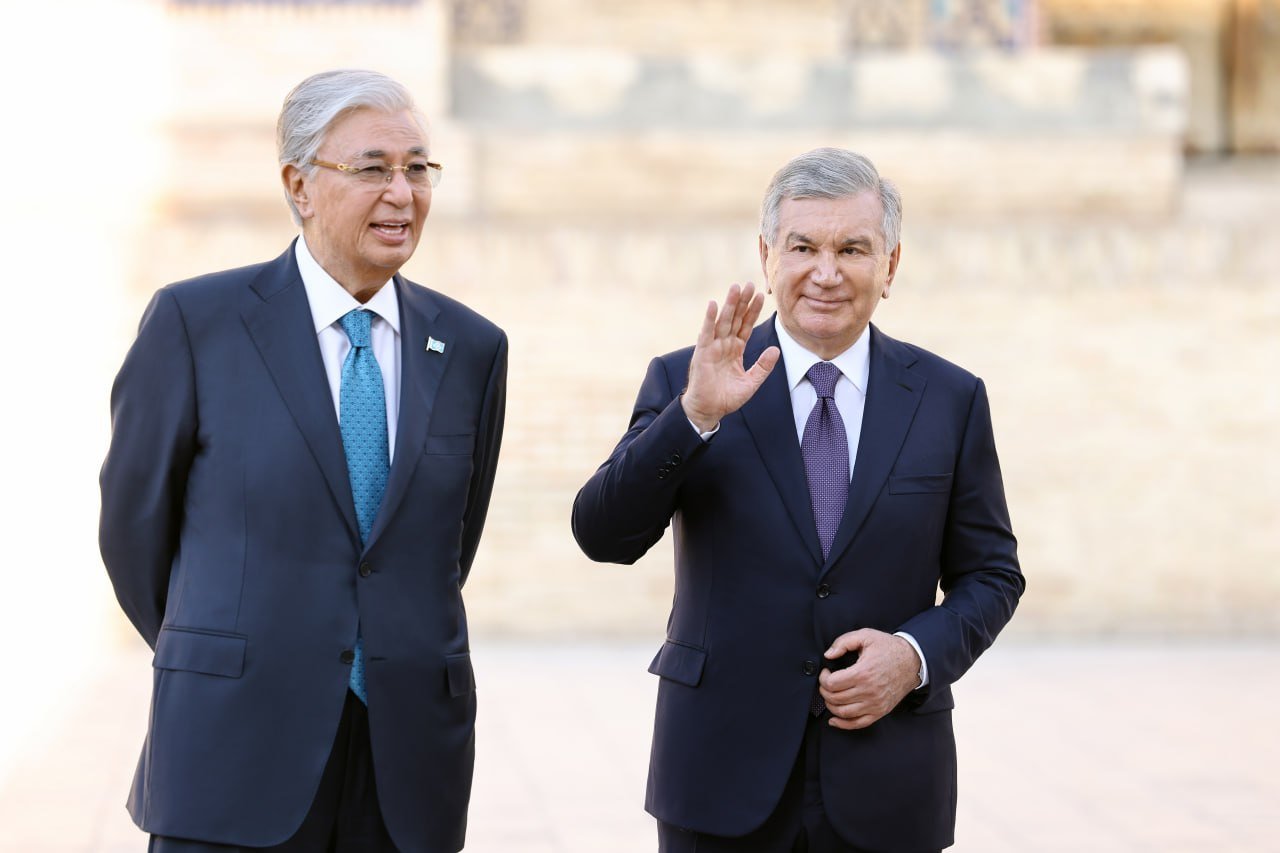
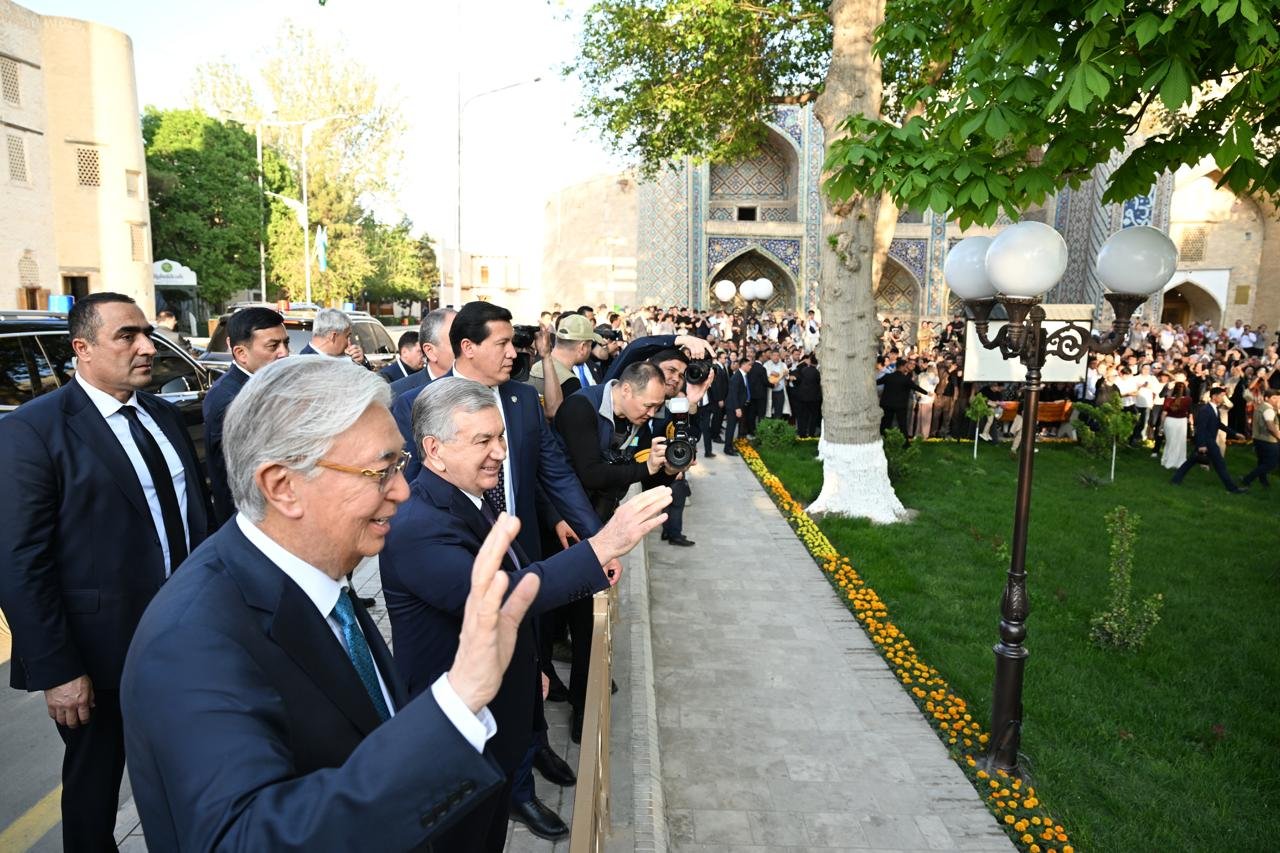
The visit of Presidents Tokayev and Mirziyoyev to Bukhara’s historic landmarks carried significance beyond heritage preservation. It symbolized the growing partnership between Uzbekistan and Kazakhstan and reflected a broader commitment to strengthening regional cooperation through cultural diplomacy. By highlighting shared historical experiences, educational traditions, and cultural achievements, the two leaders emphasized the importance of preserving common heritage for future generations. Their tour of Bukhara demonstrated how historical memory and cultural identity can serve as powerful instruments for fostering regional unity and mutual respect. As one of the great centers of Islamic civilization and Silk Road culture, Bukhara continues to inspire visitors from around the world. The city stands as a living testament to Central Asia’s rich past and its enduring contribution to global history, scholarship, and cultural exchange. The presidential visit reaffirmed Bukhara’s place not only as a treasure of Uzbekistan but also as a shared symbol of the region’s collective heritage and future cooperation.
More to Read
All issues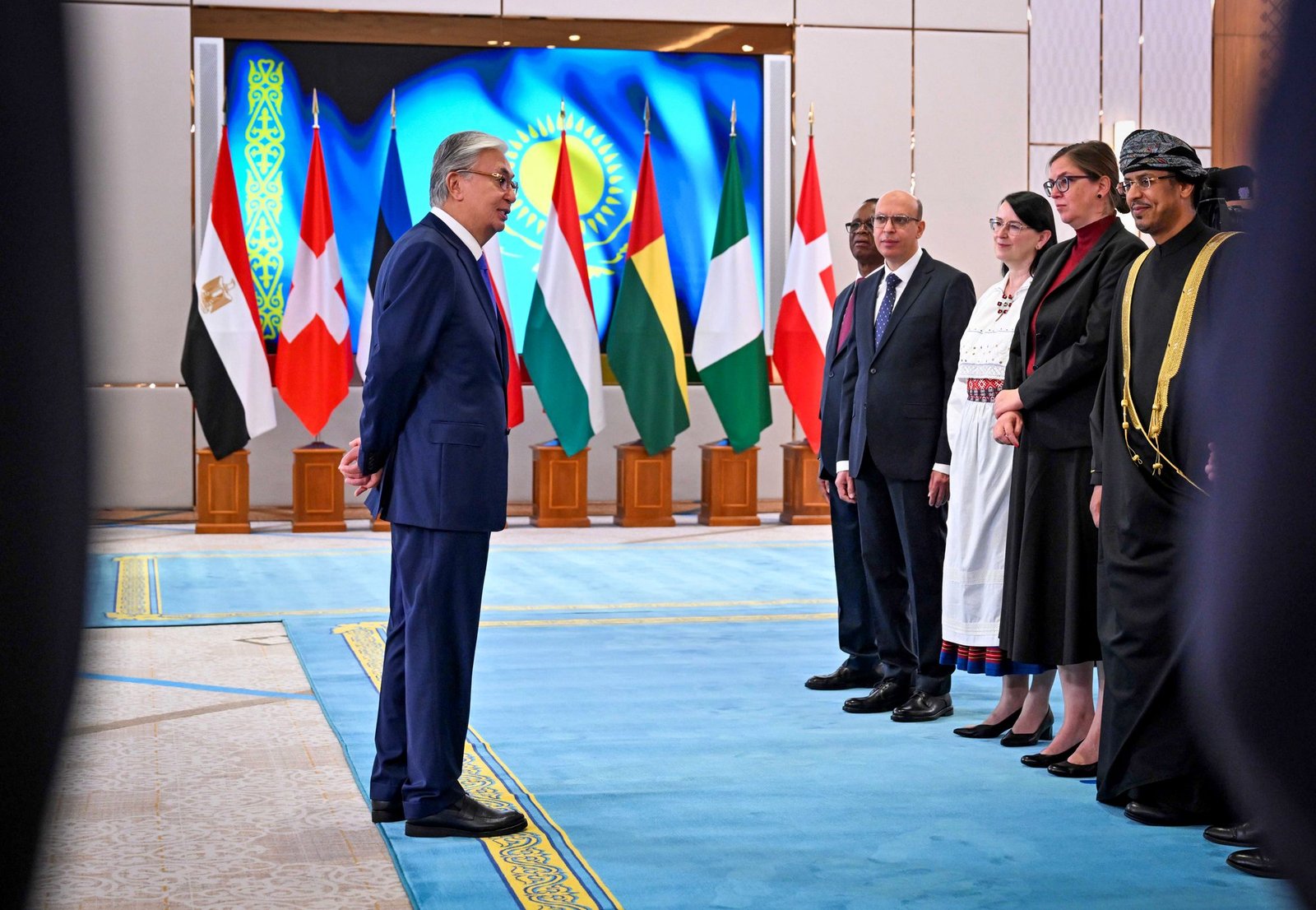
Kazakhstan Strengthens Global Diplomatic Ties
Kazakhstan has reaffirmed its commitment to constructive international engagement as President Kassym-Jomart Tokayev received credentials from newly appointed…
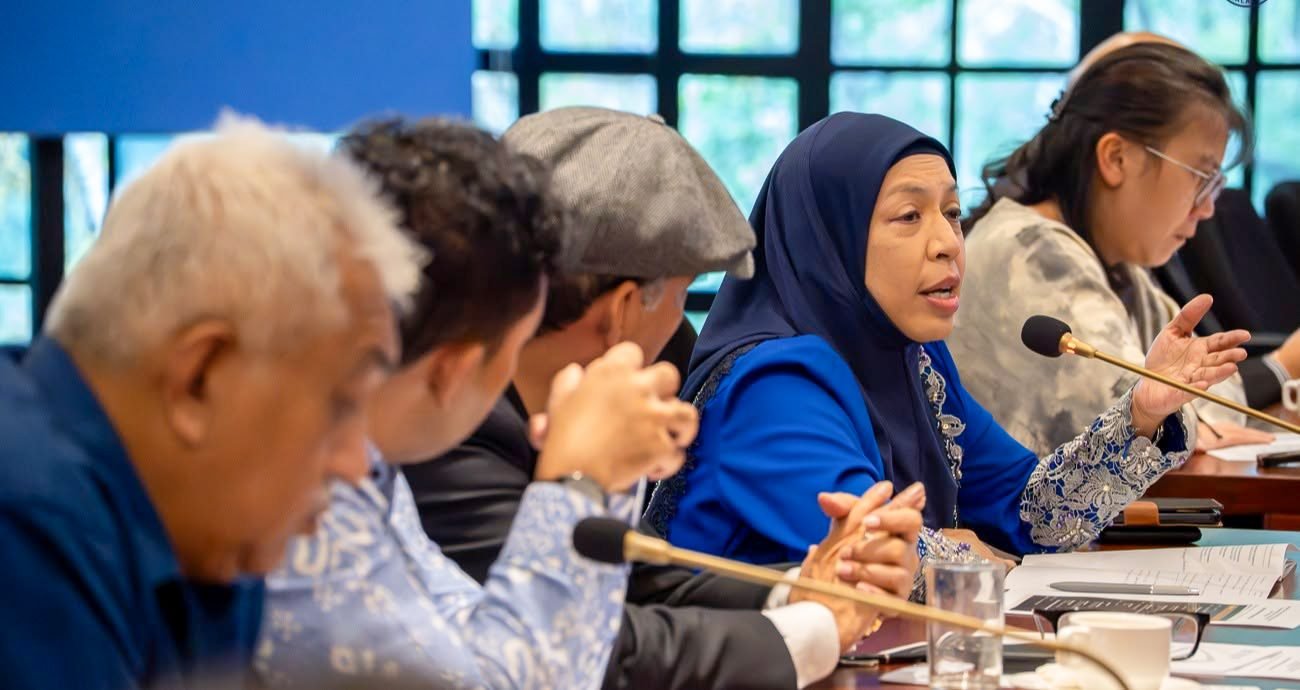
Malaysia & Kazakhstan Explore New Avenues for Strategic Engagement
The Institute of Strategic & International Studies (ISIS) Malaysia hosted a roundtable discussion on “The Case for Deeper Malaysia–Central Asia Engagement,” providing a…
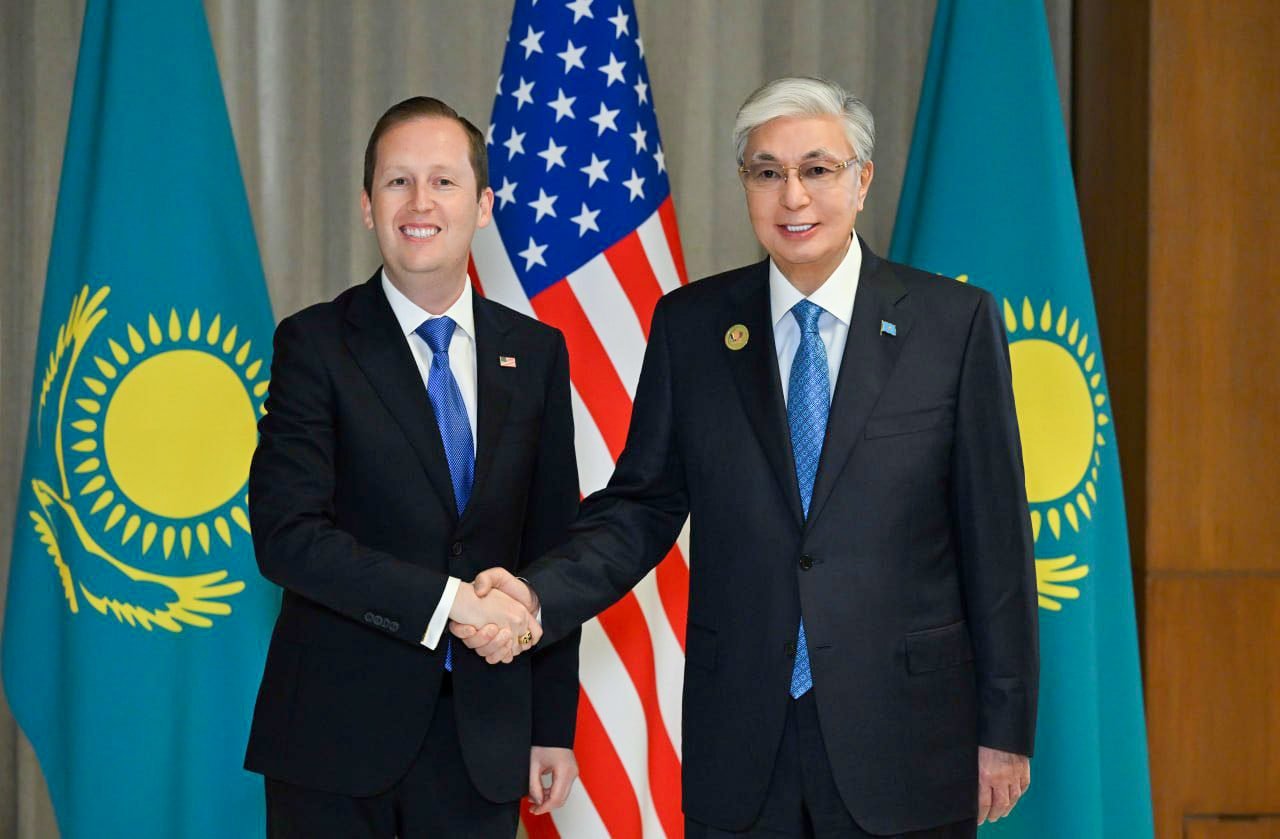
Tokayev & U.S. Special Envoy Sergio Gor Hold Talks on Strengthening Bilateral Cooperation
President Kassym-Jomart Tokayev met with U.S. President Donald Trump’s Special Envoy for South and Central Asia, Sergio Gor, on the sidelines of the 18th BRICS Summit in…