Kazakhstan & Serbia — Deepen Economic Partnership Across Strategic Sectors
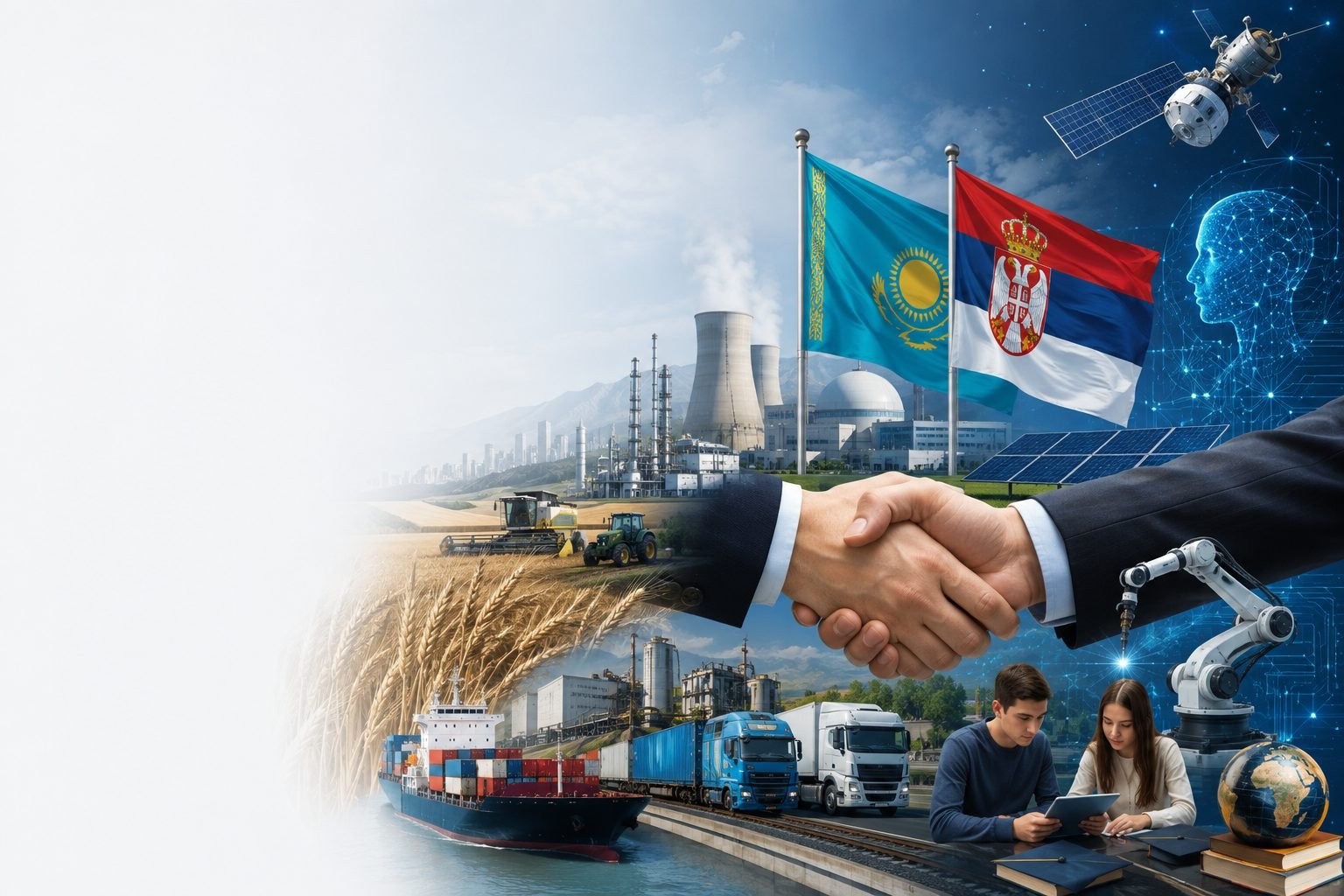
Kazakhstan and Serbia are looking to broaden their economic relationship through stronger trade, investment and business ties, with cooperation increasingly extending into technology-intensive and strategic industries. Recent high-level discussions in Belgrade have highlighted opportunities ranging from nuclear energy and agriculture to education, space technologies, digitalisation and artificial intelligence. The discussions reflect a broader effort by both countries to translate political dialogue and high-level agreements into practical commercial projects. Kazakhstan and Serbia have maintained an institutional framework for economic cooperation, including an intergovernmental commission and business platforms designed to connect companies and investors. Trade & Investment Move to the Forefront Kazakh Deputy Foreign Minister Alibek Kuantyrov’s meetings with senior Serbian officials focused on expanding bilateral political, trade and economic cooperation. The discussions also examined the implementation of agreements reached through recent high-level exchanges between the two countries.

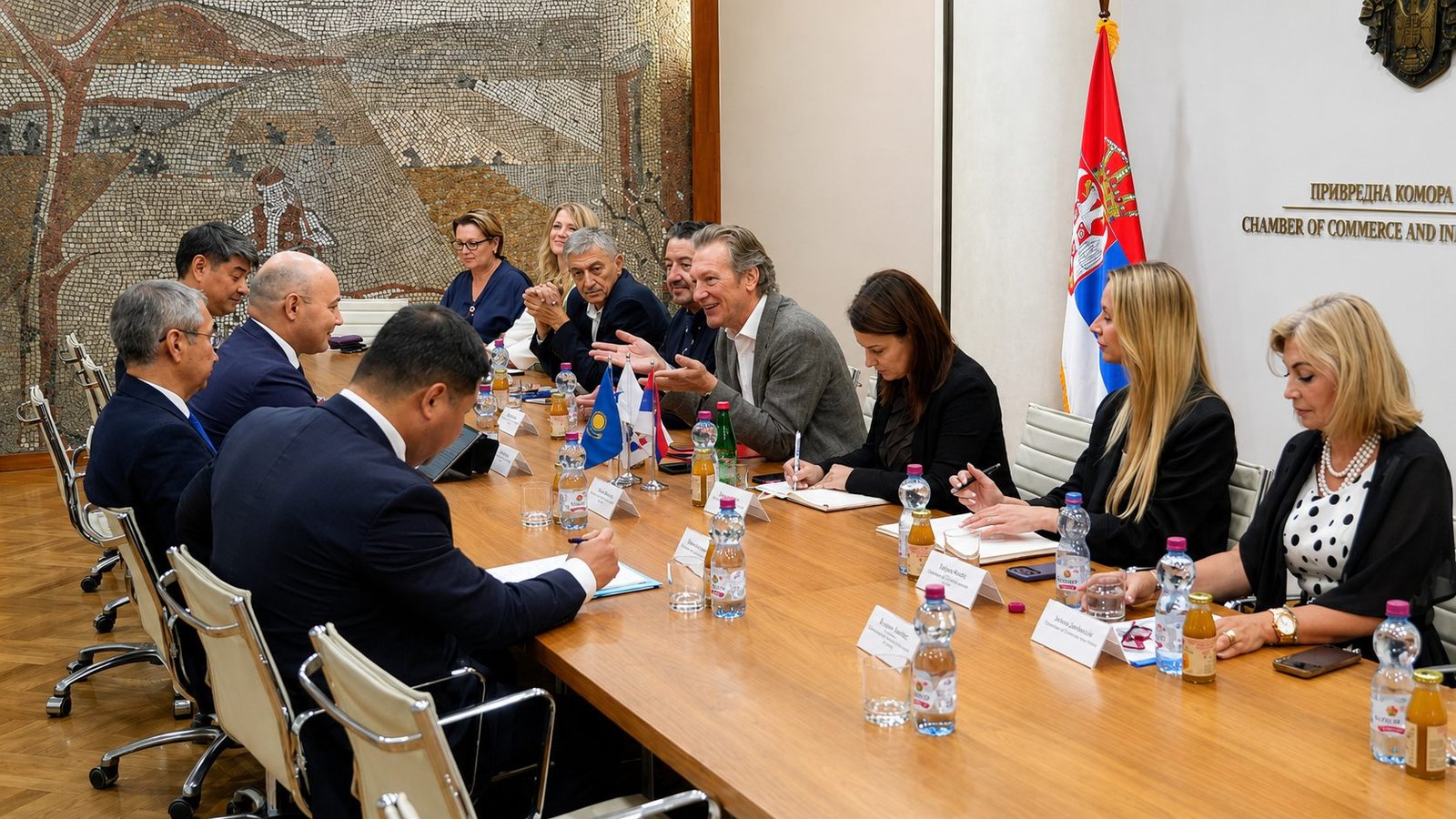
The economic agenda reflects an ambition to move beyond traditional trade and develop a more diversified partnership. Both sides see potential for greater business-to-business engagement, investment projects and industrial cooperation, particularly where Kazakhstan’s natural resources, industrial capacity and regional market access can complement Serbian manufacturing, engineering and technological expertise. The creation of the Kazakh-Serbian Business Club in Belgrade has provided an additional platform for this effort. The organisation brings together companies and representatives from manufacturing, pharmaceuticals, agriculture and other sectors, with the objective of encouraging direct contacts, identifying opportunities and supporting joint projects.
Strategic Sectors Offer New Opportunities

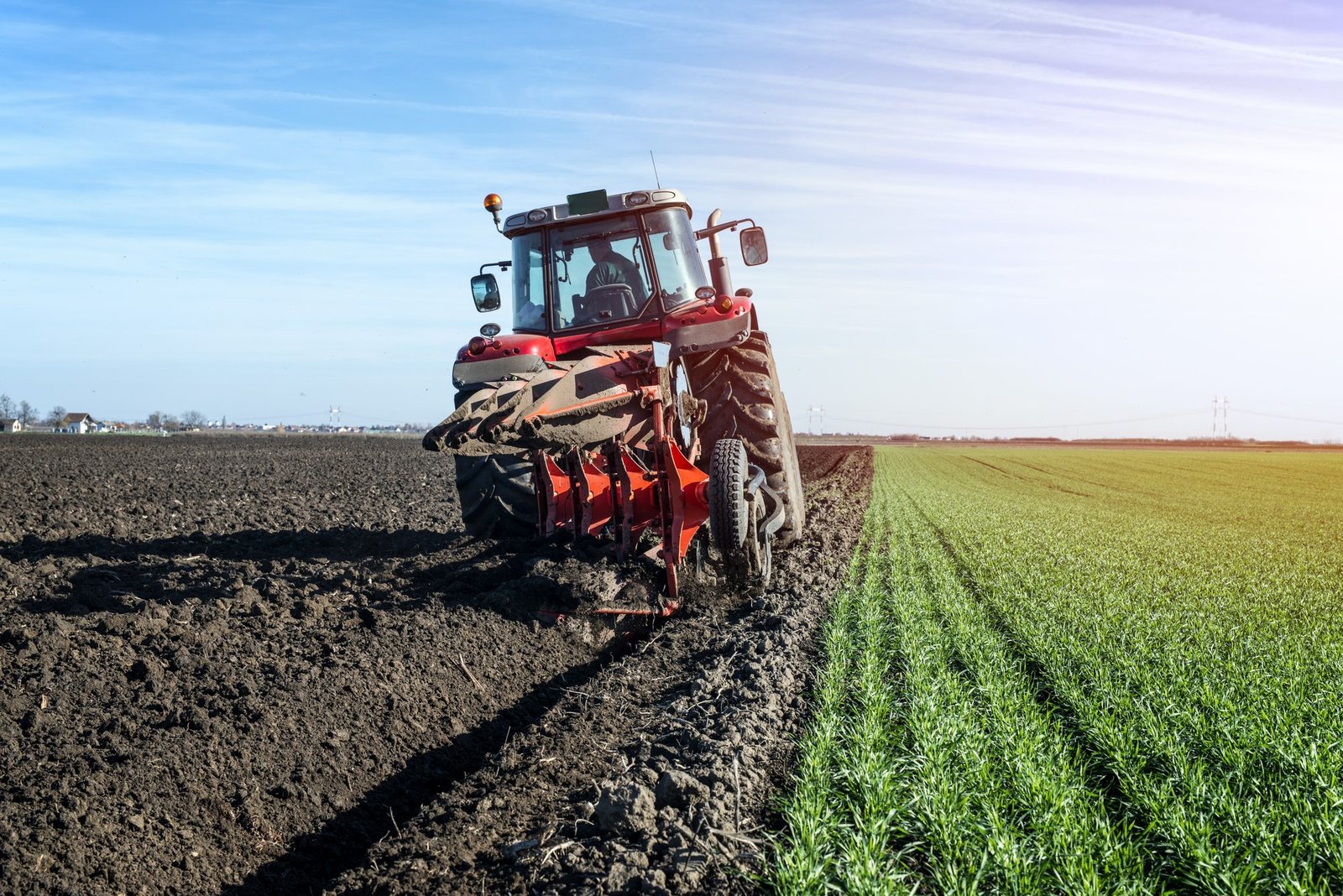
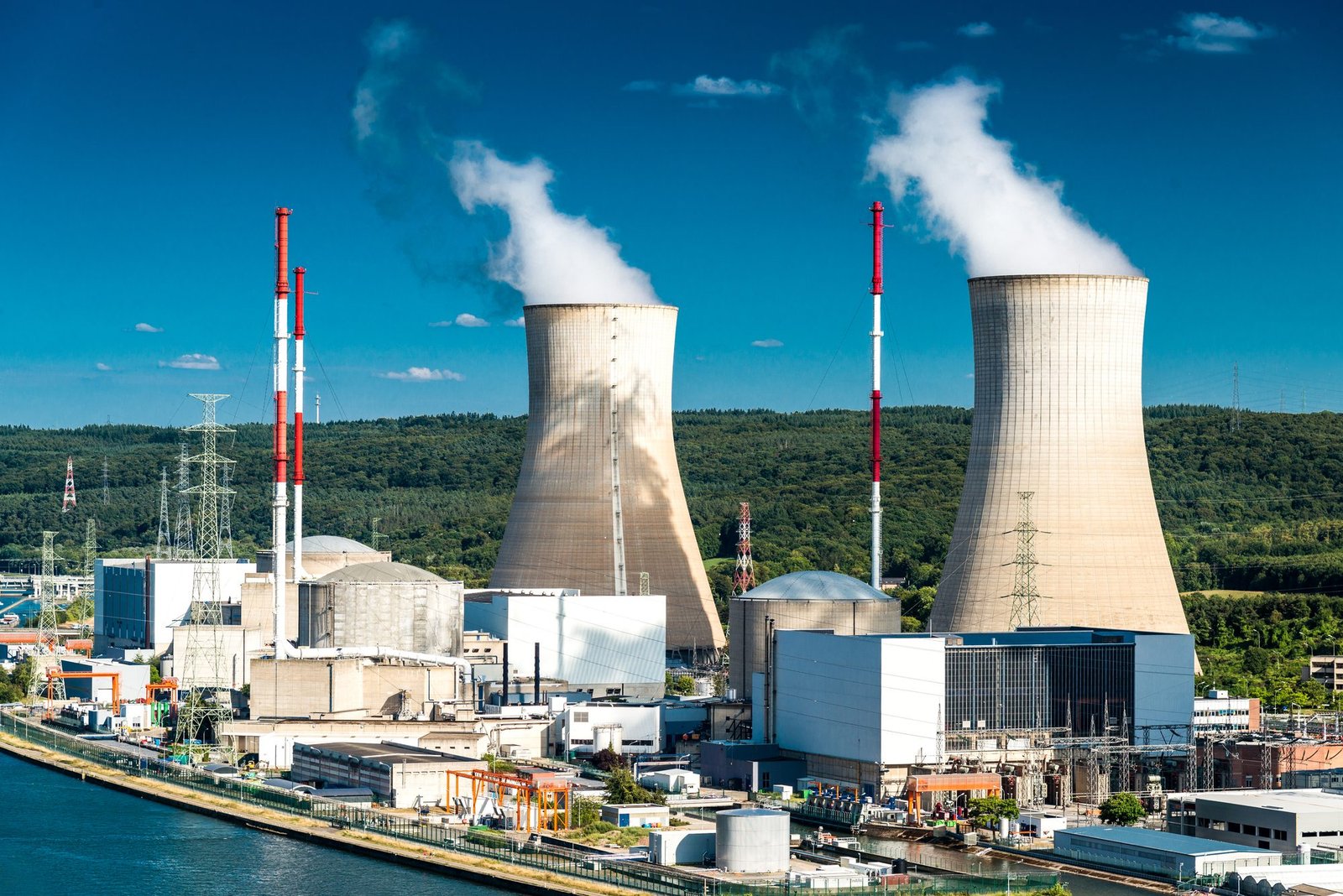
Nuclear energy has emerged as one of the areas with potential for deeper cooperation. The sector could create opportunities for technology exchange, industrial partnerships and specialised services, although specific projects and investment commitments have not been publicly detailed. Agriculture is another important area. Kazakhstan has a substantial agricultural and export base, while Serbia has developed capabilities across food production, agricultural processing and related industries. Greater cooperation could therefore include trade in agricultural products, processing technologies, equipment and knowledge exchange. The two countries are also examining opportunities in education, space and digital technologies. Artificial intelligence has been identified as another potential field for cooperation, reflecting the growing importance of digital technologies in both economies. These areas could allow the bilateral relationship to develop beyond conventional goods trade and towards higher-value cooperation involving technology, expertise and innovation.


Business Community Takes a More Active Role
Business engagement has become an increasingly important element of Kazakhstan-Serbia relations. During the Belgrade discussions, representatives of the Serbian Chamber of Commerce and Industry and the Kazakhstan-Serbia Business Council considered ways to expand contacts between companies and advance mutually beneficial commercial initiatives. Serbian businesses have also been encouraged to explore Kazakhstan’s investment environment. Kazakh authorities have highlighted government support mechanisms and the country’s efforts to attract investment into manufacturing, energy, mechanical engineering and other industrial activities. Kazakhstan’s emphasis on localisation of production is particularly relevant for foreign companies seeking to establish operations or partnerships in the country. The approach creates potential opportunities for Serbian manufacturers and engineering companies to participate in production, supply chains and industrial projects.
Serbian Companies Explore Kazakhstan

Several Serbian companies have already demonstrated interest in the Kazakh market. During business discussions, Termovent, Energoprojekt and PPT Inženjering presented their production capabilities, business initiatives and experience connected with economic cooperation with Kazakhstan. Termovent, for example, operates in industrial valves and thermo-energy equipment and has an international customer base extending across numerous markets, including Kazakhstan. The participation of companies with engineering and industrial expertise illustrates the practical direction of bilateral economic relations. Rather than focusing exclusively on the exchange of finished consumer goods, cooperation is increasingly being considered through industrial capabilities, technical services and potential joint projects.

Trade Growth Creates a Stronger Foundation
Trade has become one of the most visible indicators of the strengthening relationship. According to figures provided by the Serbian side, bilateral trade reached a record level of approximately $903.7 million, representing a substantial increase from the previous year. Trade continued to expand in the subsequent period, with total goods trade reported at approximately $567 million in the first half of the year. The structure of trade also highlights an important characteristic of the relationship. Serbian exports to Kazakhstan include packaging paper and cardboard, aluminium alloy products, motor oils, sunflower seeds, cigarettes, machinery and pharmaceuticals. Kazakhstan’s exports to Serbia have been strongly influenced by energy products, fertilisers and chemical products, including polypropylene and polyethylene. The figures point to both the scale of existing commercial ties and the potential for diversification. Expanding cooperation in manufacturing, agriculture, technology and services could help create a more balanced and broader economic relationship.



Kazakhstan Positions Itself as an Investment Hub
For Kazakhstan, closer relations with Serbia also form part of its wider strategy of attracting European and international investment. The country promotes its position as a regional transport and logistics hub, while offering investors access to industrial infrastructure, special economic zones and a large regional market. Kazakh officials have highlighted incentives and government support available to businesses interested in establishing production or investment projects. The focus on localisation is particularly significant because it encourages foreign companies to consider Kazakhstan not only as an export destination but also as a potential manufacturing base. This could be relevant to Serbian companies looking to expand beyond their domestic and European markets. Kazakhstan’s location between major markets in Europe and Asia gives the country an additional role as a potential platform for trade and production.

Space, Digitalisation & Artificial Intelligence
Technology cooperation could become one of the more forward-looking dimensions of the partnership. Space technologies, digital transformation and artificial intelligence have been identified as potential areas for joint initiatives. Kazakhstan has been expanding its technological and digital capabilities, while Serbia has developed a growing ecosystem around information technology, engineering and innovation. Cooperation between companies, universities and research institutions could therefore complement government-level dialogue. Education could provide an important foundation for these ambitions. Academic partnerships, technical training and knowledge exchange could support the development of specialised talent needed for emerging industries.
Regional & International Connectivity
The strengthening of Kazakhstan-Serbia relations also has a broader regional dimension. Kazakhstan views Serbia as an important partner in Southeast Europe, while Serbia can use its relationship with Kazakhstan as a gateway to deeper engagement with Central Asian markets. The two countries have also been working to improve connectivity. Direct air links between Astana and Belgrade have been welcomed by officials as a factor that can encourage greater interaction between business communities, investors and travellers. Regional cooperation is also visible through Kazakhstan’s engagement with Serbia’s regions. Discussions involving Vojvodina have identified agriculture, digitalisation, logistics, education and tourism as areas with potential for stronger interregional cooperation.

A Partnership Moving Towards Practical Projects

The latest discussions indicate that Kazakhstan and Serbia are seeking to turn a strong political relationship into a wider economic partnership. Government dialogue, business councils, chambers of commerce and direct company-to-company contacts are creating multiple channels for cooperation. The opportunity now lies in converting these discussions into concrete investments, joint ventures, technology partnerships and expanded trade. Nuclear energy, agriculture, manufacturing, education, space, digital technologies and artificial intelligence provide a diverse portfolio of possibilities. Kazakhstan’s preparations to promote its economic potential through international platforms in Belgrade also underline the importance it places on its relationship with Serbia. Serbia’s growing engagement with Kazakh businesses, meanwhile, creates opportunities for companies seeking new markets and partnerships across Central Asia. With trade expanding and institutional links becoming stronger, Kazakhstan and Serbia are positioning their relationship for a more commercially focused phase—one in which business cooperation, investment and technology could play an increasingly central role.
More to Read
All issues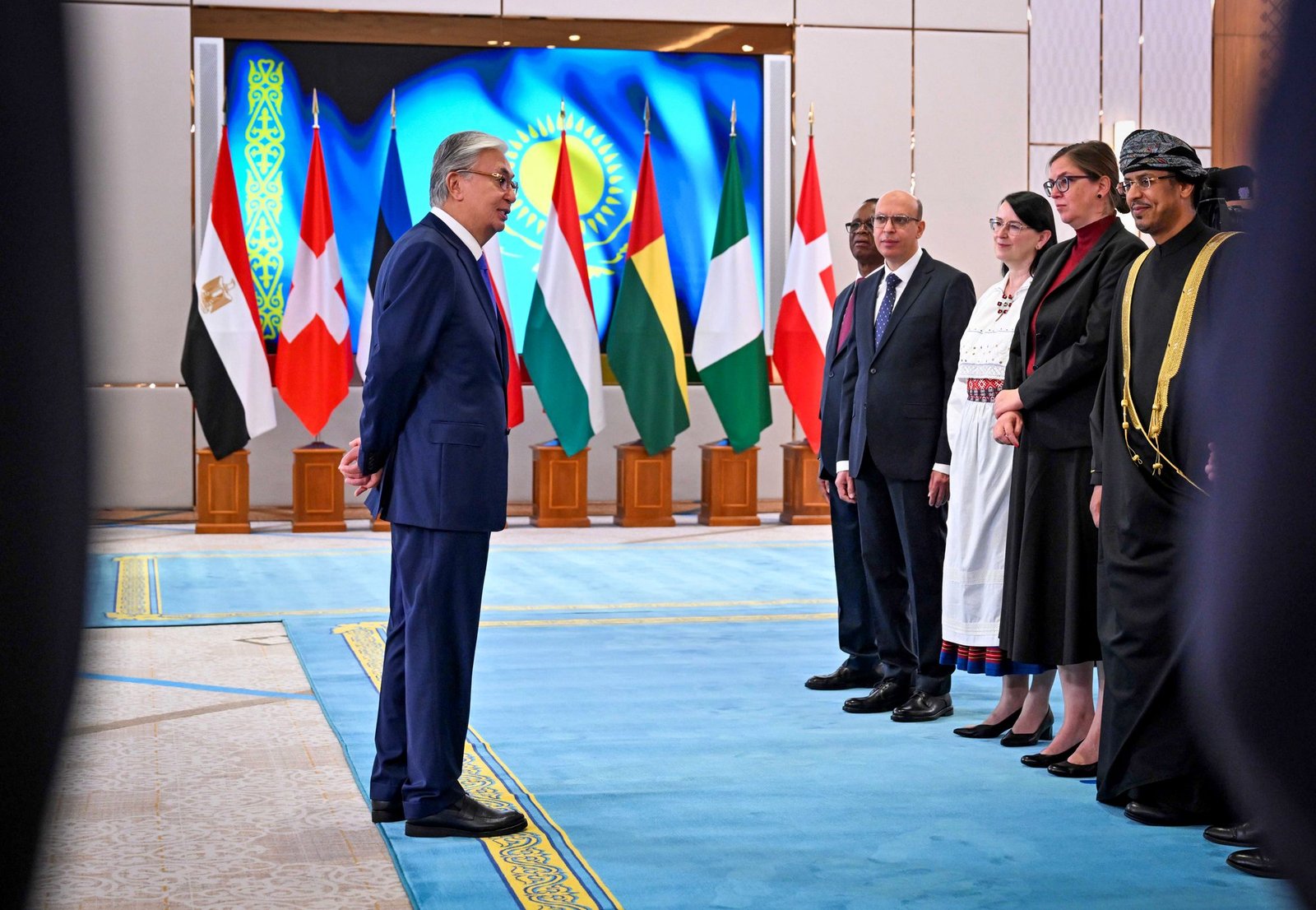
Kazakhstan Strengthens Global Diplomatic Ties
Kazakhstan has reaffirmed its commitment to constructive international engagement as President Kassym-Jomart Tokayev received credentials from newly appointed…
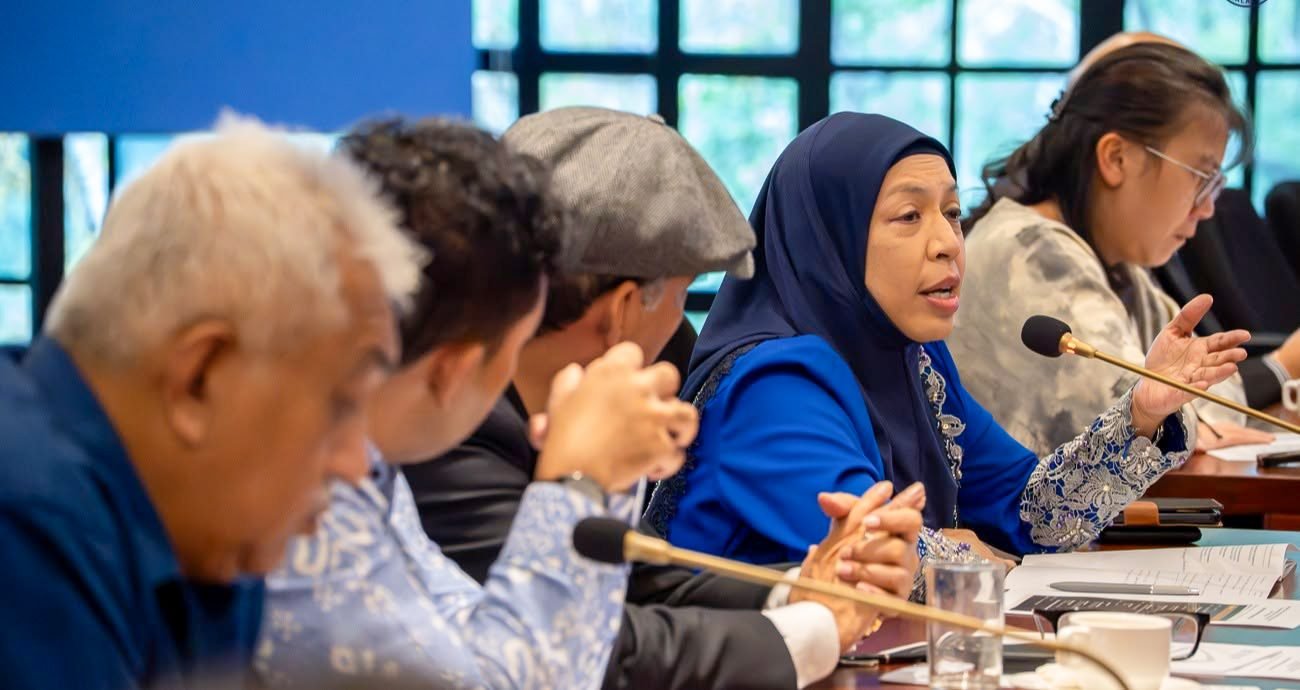
Malaysia & Kazakhstan Explore New Avenues for Strategic Engagement
The Institute of Strategic & International Studies (ISIS) Malaysia hosted a roundtable discussion on “The Case for Deeper Malaysia–Central Asia Engagement,” providing a…
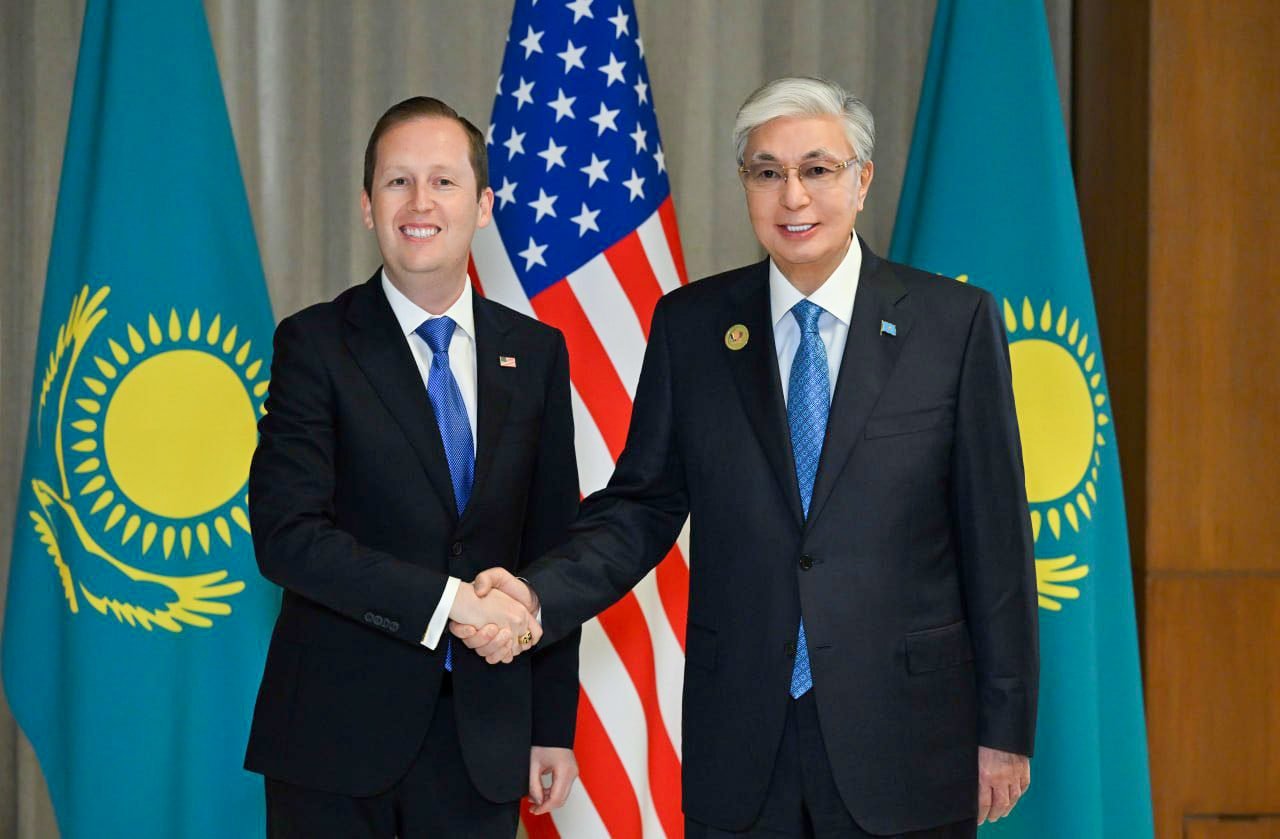
Tokayev & U.S. Special Envoy Sergio Gor Hold Talks on Strengthening Bilateral Cooperation
President Kassym-Jomart Tokayev met with U.S. President Donald Trump’s Special Envoy for South and Central Asia, Sergio Gor, on the sidelines of the 18th BRICS Summit in…