Intl. Relationship & Immigration Policies
A New Chapter of Turkic Integration
Kazakhstan Sets the Agenda for the Organization of Turkic States
Industrial cooperation, food security, the Turkic Investment Fund and the Middle Corridor — the economic architecture taking shape between Turkic nations.
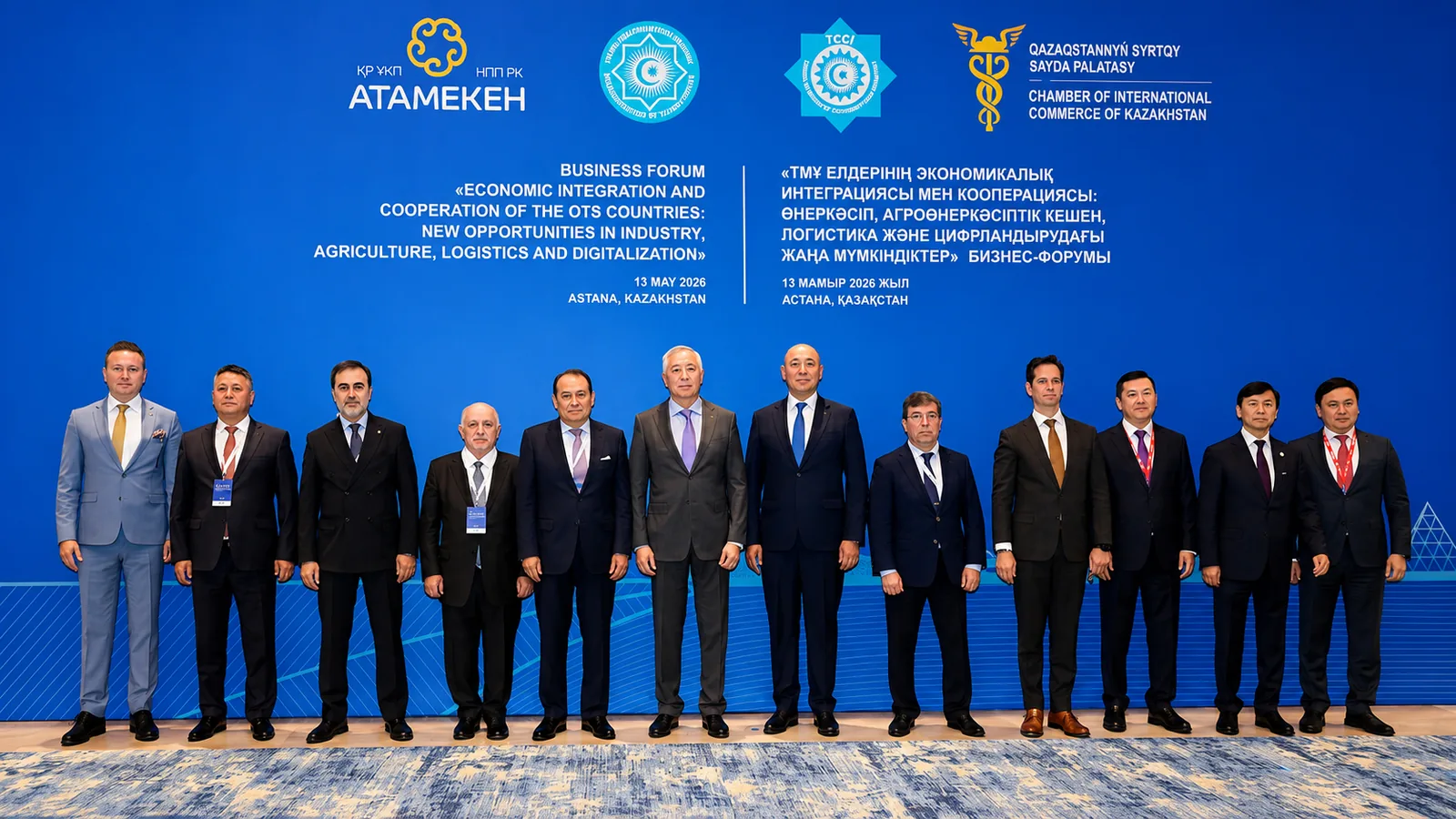
Deputy Prime Minister and Minister of National Economy of the Republic of Kazakhstan, Serik Zhumangarin, reaffirmed Kazakhstan’s commitment to strengthening economic cooperation among Turkic nations during the opening of a major business forum held in Astana. The event, titled “Economic Integration and Cooperation of the OTS Countries: New Opportunities in Industry, Agro-Industrial Complex, Logistics and Digitalization,” brought together government officials, financial institutions, chambers of commerce, international organizations, and business leaders from member states of the Organization of Turkic States (OTS).
The forum served as an important platform for discussing practical measures to enhance trade, investment, industrial cooperation, and technological development among Turkic nations at a time when the global economy is undergoing significant transformation.
Strengthening Economic Ties Among Turkic Nations
In his keynote address, Serik Zhumangarin highlighted the strategic importance of economic integration within the Organization of Turkic States, emphasizing that cooperation among member countries remains a key priority of Kazakhstan’s foreign economic policy.
“Kazakhstan envisions the TIF not merely as a source of funding but as a comprehensive platform that promotes long-term economic cooperation.”
The OTS comprises countries that collectively represent a market of more than 170 million people. According to Zhumangarin, the member states possess substantial industrial capabilities, abundant natural resources, extensive transportation networks, dynamic agricultural sectors, and significant human capital. These advantages provide a strong foundation for creating a more integrated and competitive regional economic space.
He noted that in an era characterized by intensified competition for investments, advanced technologies, and global logistics routes, deeper economic collaboration among Turkic countries is becoming increasingly important. The challenge now, he said, is to transform political goodwill into tangible economic outcomes.
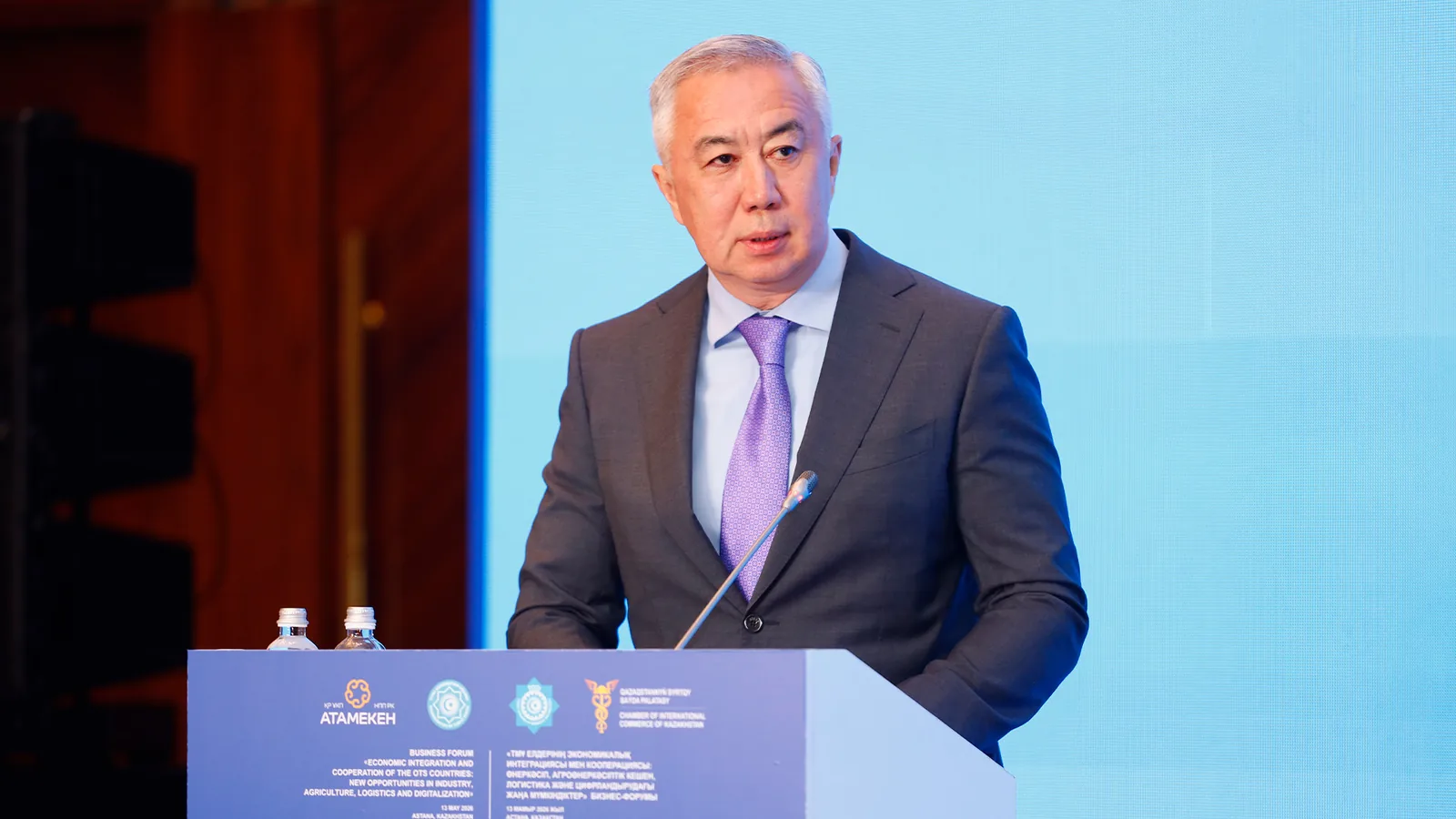
“Our goal is to move beyond declarations and intentions toward the implementation of concrete projects, the establishment of new industries, the creation of technological partnerships, and the expansion of mutual investment,” Zhumangarin stated.
Industrial Cooperation as a Growth Driver
One of the key themes of the forum was industrial cooperation among OTS member states. Kazakhstan sees significant opportunities in combining the industrial strengths of Turkic countries to create integrated value chains and jointly develop manufacturing capacities.
The Deputy Prime Minister emphasized that closer industrial collaboration can help member countries diversify their economies, improve competitiveness, and reduce reliance on external markets. Joint ventures, technology transfer agreements, and collaborative production facilities were identified as promising mechanisms for achieving these objectives.
“Kazakhstan, known for its vast agricultural lands and significant grain production, views joint agro-industrial projects as a means of enhancing food security across the region.”
Kazakhstan’s strategic location between Europe and Asia, along with its growing industrial base, positions the country as an important hub for regional manufacturing and trade. Through coordinated industrial policies and investment initiatives, OTS countries can unlock new opportunities for sustainable economic growth.
Expanding Cooperation in Agriculture & Food Security
The agro-industrial sector was another major focus of the forum. Agriculture remains one of the most promising areas for collaboration among Turkic states due to their complementary resources, climatic conditions, and production capabilities.
Kazakhstan, known for its vast agricultural lands and significant grain production, views joint agro-industrial projects as a means of enhancing food security across the region. By sharing expertise, improving supply chains, and investing in modern agricultural technologies, member countries can strengthen their competitiveness in global food markets.
Participants discussed opportunities for cooperation in food processing, agricultural innovation, livestock production, and export-oriented agribusiness initiatives. Such efforts are expected to contribute to greater resilience against global supply chain disruptions and rising food demand.
Turkic Investment Fund: A Catalyst for Regional Development
A significant portion of Zhumangarin’s speech focused on the role of the Turkic Investment Fund (TIF), which Kazakhstan regards as one of the most important financial instruments for advancing regional economic integration.

Established to support joint investment initiatives among OTS member states, the fund is expected to play a central role in financing infrastructure, industrial, and innovation-driven projects. Kazakhstan envisions the TIF not merely as a source of funding but as a comprehensive platform that promotes long-term economic cooperation.
“For Kazakhstan, it is important that the Turkic Investment Fund evolves into a genuine instrument of integration that stimulates mutual trade, supports the creation of new industries, and strengthens investment cooperation among our countries,” the Deputy Prime Minister noted.
At the initial stage of its operations, the fund is prepared to allocate financing starting from approximately $20 million for co-funded projects. Discussions are already underway regarding the fund’s potential participation in infrastructure development projects, including improvements related to Almaty International Airport.
The successful implementation of such projects could demonstrate the practical benefits of economic integration and encourage additional cross-border investments within the Turkic region.
Transport Connectivity and the Middle Corridor
Transport and logistics remain central pillars of economic cooperation among OTS countries. During the forum, Zhumangarin stressed the importance of developing sustainable transportation corridors that connect Asia and Europe through the territories of Turkic states.
Particular attention was given to the Trans-Caspian International Transport Route (TITR), often referred to as the Middle Corridor. This route has gained increasing strategic significance as global trade patterns evolve and businesses seek alternative pathways for moving goods between East and West.
Kazakhstan has been actively investing in railway modernization, port expansion, and logistics infrastructure to enhance the efficiency and capacity of the corridor. These improvements are expected to reduce transportation times, increase trade volumes, and strengthen the region’s role in international supply chains.
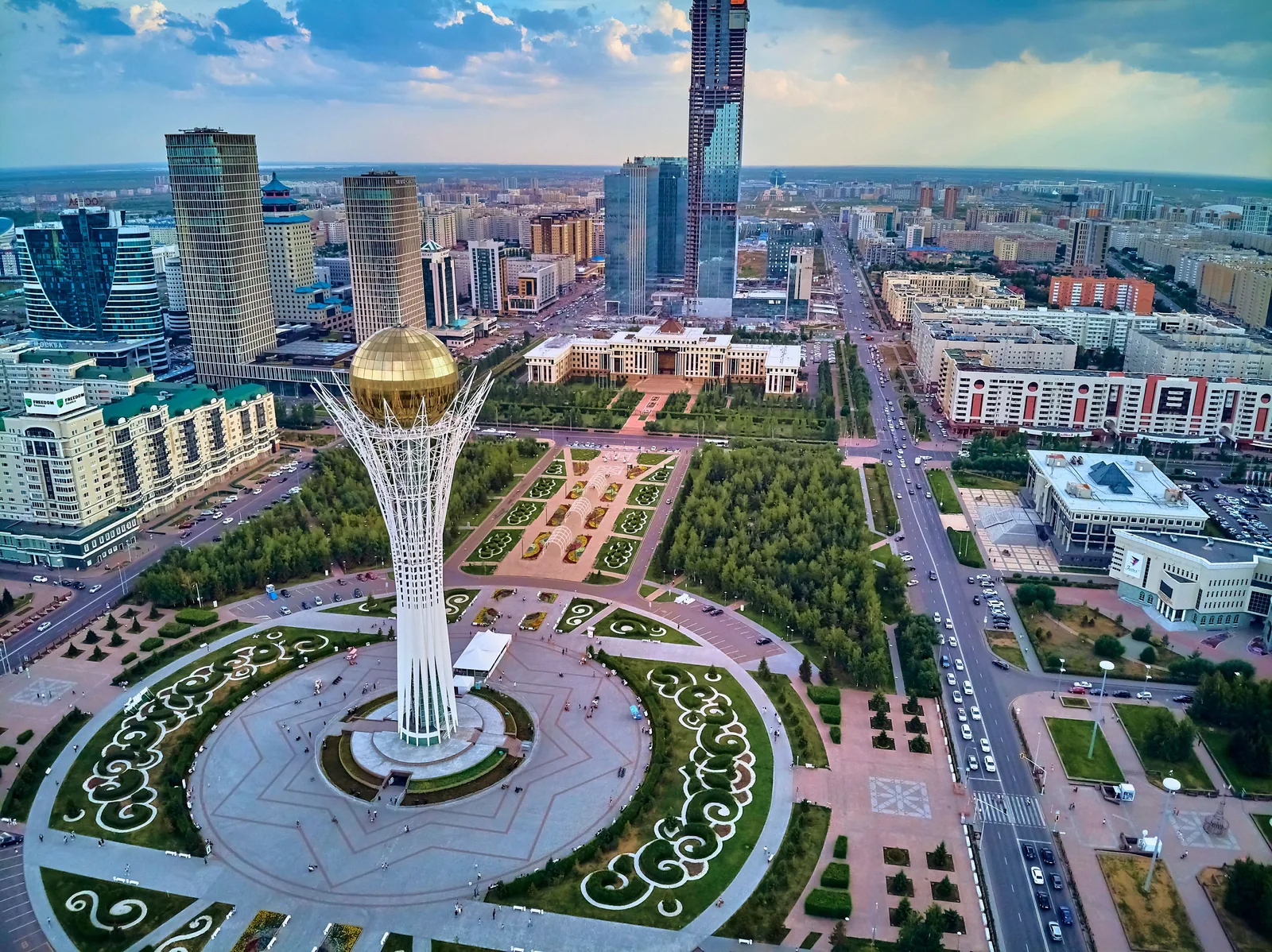
The Deputy Prime Minister emphasized that coordinated infrastructure development among OTS member countries will create new opportunities for trade, investment, and regional connectivity while contributing to broader economic resilience.
Digital Transformation & Innovation
The forum also explored the growing importance of digitalization as a driver of economic development. According to Zhumangarin, Turkic countries possess significant potential to collaborate in the rapidly evolving fields of information technology, digital services, artificial intelligence, and innovation ecosystems.
Digital cooperation can help member states accelerate modernization efforts, improve public services, foster entrepreneurship, and attract high-value investments. Joint initiatives in technology development and startup support could also strengthen the global competitiveness of the region.
The Deputy Prime Minister welcomed the participation of leading innovation institutions such as Astana Hub and the Astana International Financial Centre (AIFC), both of which are playing increasingly influential roles in Kazakhstan’s digital transformation agenda.
Through partnerships in innovation, research, and technology commercialization, OTS countries can position themselves as emerging centers of digital excellence and technological advancement.
The Role of Business Communities
A recurring message throughout the forum was the critical role of the private sector in driving regional integration. While governments can establish frameworks and policies, sustainable economic cooperation ultimately depends on active engagement from businesses and entrepreneurs.
Zhumangarin emphasized that entrepreneurs serve as the primary engines of economic growth and cross-border collaboration. To maximize their contribution, governments must continue working to reduce administrative barriers, improve access to financing, support innovation, and facilitate business-to-business partnerships.
Strengthening commercial ties among enterprises across the Turkic world can lead to increased trade volumes, greater investment flows, and the emergence of new regional value chains. Business forums such as this provide valuable opportunities for networking, partnership development, and the exchange of expertise.
Looking Ahead
The Astana business forum demonstrated the growing momentum behind economic integration within the Organization of Turkic States. As member countries seek to navigate an increasingly complex global economic environment, cooperation in industry, agriculture, logistics, investment, and digital transformation offers a pathway toward greater prosperity and resilience. Kazakhstan continues to position itself as a leading advocate for deeper economic collaboration among Turkic nations.
Through initiatives such as the Turkic Investment Fund, infrastructure development projects, digital innovation partnerships, and enhanced business engagement, the country aims to help transform the OTS into a dynamic and influential economic bloc.
Concluding his remarks, Serik Zhumangarin expressed appreciation to the Organization of Turkic States, the Union of Chambers of Commerce and Industry of Turkic States, the National Chamber of Entrepreneurs “Atameken,” and all participating partners for their contribution to strengthening regional economic cooperation.
The forum underscored a shared vision among Turkic nations: building a more connected, innovative, and economically integrated future that benefits businesses, investors, and citizens across the region.
Continue exploring
More from Incredible Kazakhstan

Intl. Relationship & Immigration Policies
Kazakhstan & Korea
Deepening Regional Partnership Ahead of a Landmark Central Asia Summit

Fashion & Trends
Madina Tompiyeva
Reimagining Kazakh Identity Through Contemporary Fashion

History, Culture & Tradition
The Golden Thread
Preserving the Eternal Soul of Kazakhstan for the Global Stage