

History, Culture & Tradition
The Golden Thread
Preserving the Eternal Soul of Kazakhstan for the Global Stage
The Shanyrak. The Golden Man. The Dombyra. The Mausoleum of Khwaja Ahmed Yasawi. Four symbols, one continuous thread — and a nation determined to carry it into the digital century.
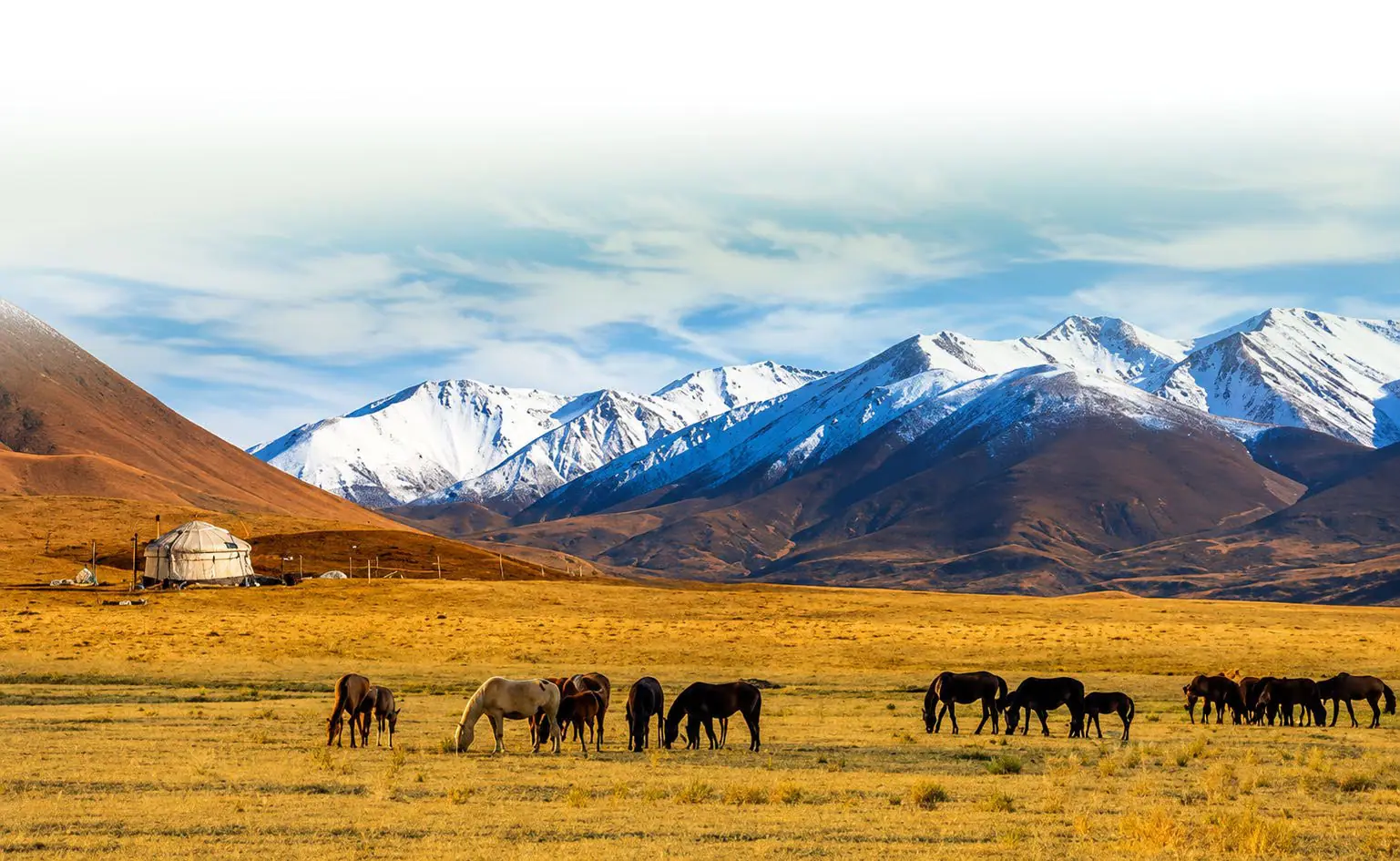
Welcome to this landmark edition of Incredible Kazakhstan Magazine. This month, we invite you on an extraordinary journey through time, space, and spirit. We are exploring the heart of the world to uncover the sacred treasures that define the Kazakh identity. To understand Kazakhstan is to understand the vast, open steppe. It is a landscape where the wind whispers ancient secrets and the horizons stretch into infinity. For thousands of years, this land served as the great crossroads of the world. It was the vital bridge connecting East and West, North and South. Along the legendary Silk Road, wealth, goods, and deep philosophies flowed freely.
Yet, the true wealth of Kazakhstan does not lie in its vast natural resources or its modern, futuristic cities. It lives within its timeless cultural symbols. These symbols are woven from ancient traditions, ethnic customs, and historic spiritual roots. They form the eternal soul of a proud nation. And, In this special edition, we look at the most treasured, preserved, and sacred symbols of Kazakhstan. We will also explore the incredible, dynamic measures the Government of Kazakhstan is taking today, in 2026. Through massive preservation acts and digital innovations, they are sharing this rich heritage with the global community and saving it for generations to come.
The Sacred Vault: Kazakhstan’s Most Treasured Symbols
The cultural landscape of Kazakhstan is a beautiful tapestry. It brings together nomadic freedom, ancient engineering, and deep spiritual traditions. Let us explore the core symbols that define this unique identity.
“An authentic Kazakh is not a Kazakh himself; an authentic Kazakh is a dombyra.”
The Shanyrak — The Crown of the Yurt and the Heart of Unity
At the very centre of Kazakh culture sits the Shanyrak. This is the circular wooden crown that forms the roof opening of the traditional yurt (kiiz ui). For the nomadic Kazakhs, the yurt was more than just a movable home; it was a miniature model of the universe. The Shanyrak was the sacred window to the heavens. It allowed smoke from the family hearth to escape while letting in the light of the sun and stars. The Shanyrak symbolizes the family hearth — home, safety and comfort; the continuity of generations, traditionally passed down from a father to his youngest son; and national peace, featuring prominently on the national flag of Kazakhstan, representing a shared sky and unity for all people living in the country.
The Golden Man — The Majestic Link to Warrior Ancestors
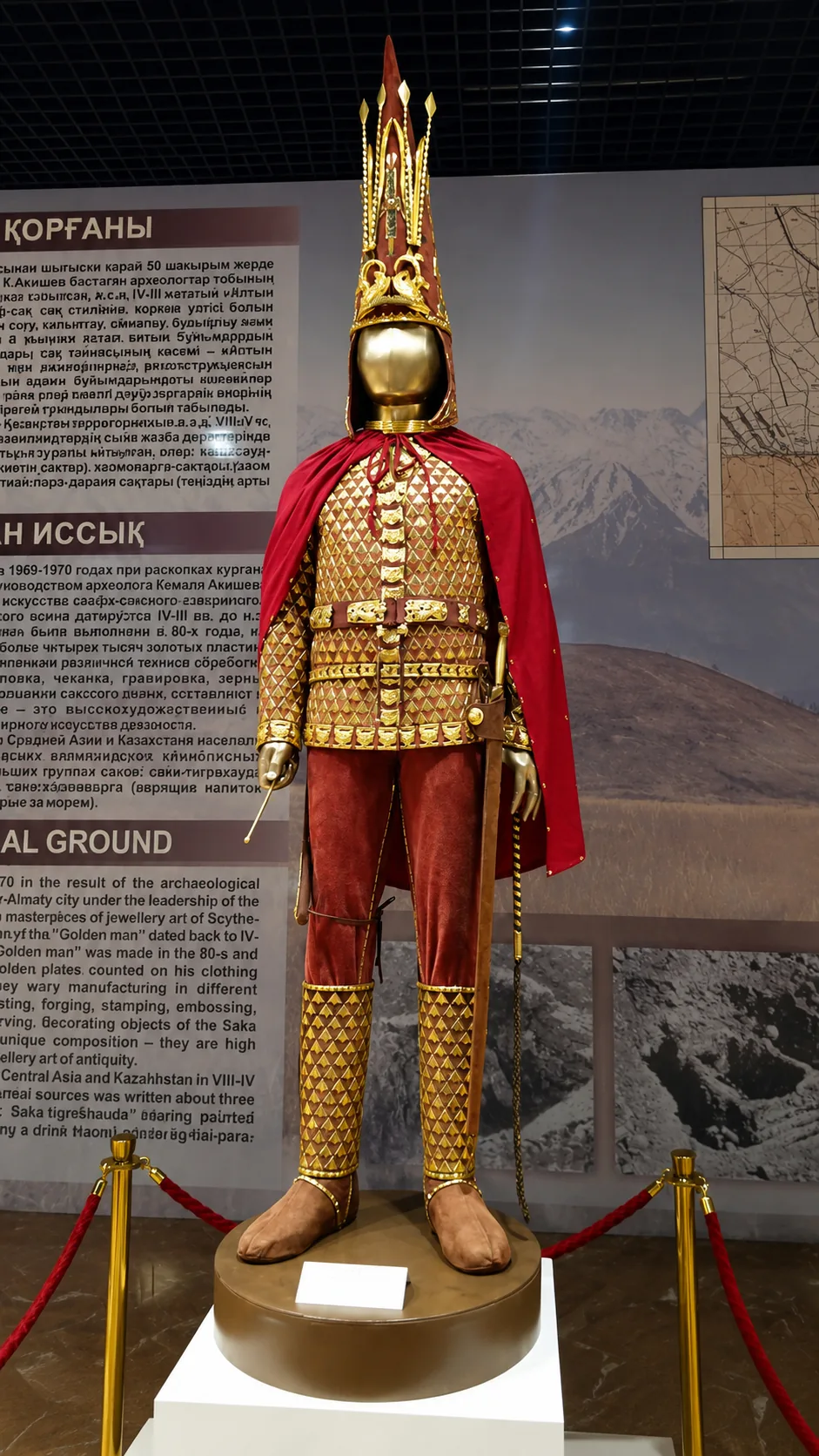
Discovered in 1969 in the Issyk burial mound, the Golden Man is a spectacular archaeological treasure. Dating back to the 4th or 3rd century BC, this young Saka warrior was buried in a magnificent suit of armour made from over 4,000 interlocking gold pieces. The Golden Man is decorated with beautiful patterns of snow leopards, eagles, and mountain goats. It stands as a powerful historic and ethnic symbol of independence, incredible craftsmanship, and military strength. It proves that the early inhabitants of the Kazakh steppe possessed a wealthy, highly advanced civilization long before modern borders were drawn.
The Dombyra — The Two-Stringed Voice of the Steppe
In Kazakhstan, they say, “An authentic Kazakh is not a Kazakh himself; an authentic Kazakh is a dombyra.” This simple, long-necked, two-stringed musical instrument holds the musical soul of the nation. For centuries, nomadic musicians called akyns travelled from village to village. They used the Dombyra to tell historical stories, share philosophical truths, and perform epic poems through fast-paced musical battles. The instrument imitates the sounds of galloping horses, whistling steppe winds, and the deep emotions of human life. It remains a vital symbol of national pride.
The Mausoleum of Khwaja Ahmed Yasawi — The Spiritual Anchor
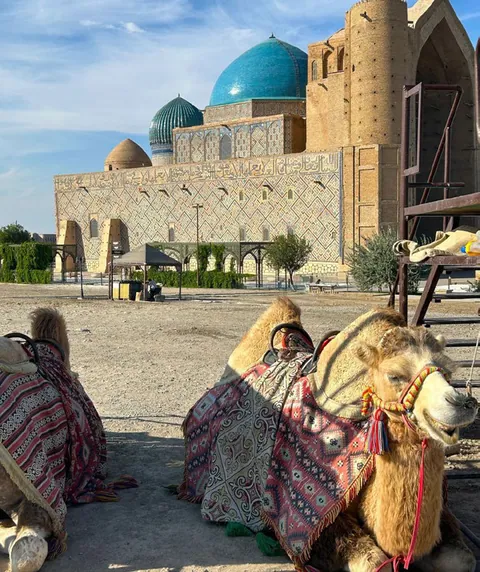
Located in the ancient city of Turkistan, this grand mausoleum is a deeply sacred religious and architectural symbol. Built by the ruler Emir Timur in the late 14th century, it honours the famous Sufi mystic and poet Khwaja Ahmed Yasawi. With its brilliant turquoise domes and breathtaking tile work, the mausoleum is a masterpiece of medieval engineering. For centuries, it has served as a major pilgrimage site, earning Turkistan the title of the spiritual heart of the Turkic world. It reflects the peaceful, deeply rooted spiritual traditions of the Kazakh people.
Bridging the Past and the Future
Preserving these ancient treasures requires more than just passive admiration. The Government of Kazakhstan recognizes that a nation’s heritage must be actively protected, modernized, and shared with the entire world.
“The preservation of Kazakhstan’s cultural symbols is a gift to all of humanity.”
Massive Restoration and Infrastructure Investment
Through the historic Madeni Mura Program, Kazakhstan launched an unprecedented effort to find, restore, and protect its historical monuments. Thousands of archaeological artifacts have been carefully preserved. Major architectural wonders, including the ancient settlements of Otrar and Sauran, have been transformed into open-air museums. The city of Turkistan has been completely revitalized. It now blends state-of- the-art tourism infrastructure with the ancient spiritual beauty of the Yasawi Mausoleum.
Digitalization and the Digital Steppe Initiative
To make these ethnic and historic symbols accessible to a global audience, Kazakhstan has embraced digital technology. The government has partnered with international tech organizations to create high-tech virtual experiences. Today, anyone in London, Tokyo, New York, or Paris can take a fully interactive, 3D virtual tour of the Issyk burial mounds or view the intricate details of the Golden Man's Armor in ultra-high definition. Archaeological sites across the country are being mapped using advanced laser technology (LiDAR). This creates permanent digital blueprints that protect these sites against natural wear and climate change.
Global Cultural Diplomacy
Kazakhstan is actively sharing its heritage on the international stage. The government has successfully secured UNESCO World Heritage status for multiple treasures, including the Mausoleum of Khwaja Ahmed Yasawi and the petroglyphs of Tanbaly. Furthermore, international traveling exhibitions, such as "The Procession of the Golden Man in World Museums," have brought Kazakh treasures to major cultural hubs worldwide.
An Open Invitation to the World
The preservation of Kazakhstan’s cultural symbols is a gift to all of humanity. In a rapidly changing, globalized world, these ancient treasures remind us of our shared human story; A story of endurance, creativity, harmony with nature, and spiritual depth. Through its visionary initiatives, the Government of Kazakhstan has ensured that the spirit of the nomad will never fade. Instead, it continues to shine brightly, lighting the way for future generations and welcoming global travellers with open arms.
Continue exploring
More from Incredible Kazakhstan
Royal Heritage, Architecture & Engineering Marvels
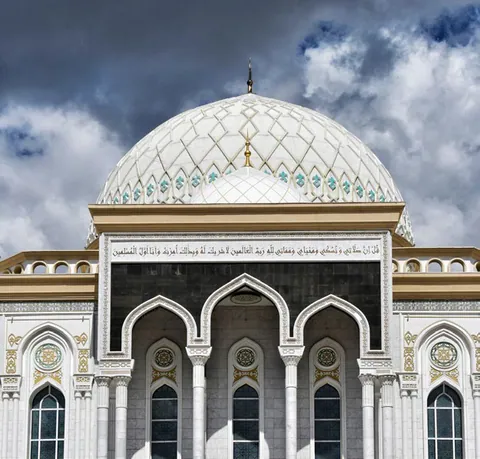
Hazret Sultan Mosque
A Monument of Faith & Kazakh Heritage in Astana
History, Culture & Tradition
The National Museum of Kazakhstan
Preserving the Soul of the Great Steppe
Music, Art & Dance
When Dance Becomes Drama
Astana Welcomes a Powerful Ballet Experience