Intl. Relationship & Immigration Policies
Kazakhstan & Korea
Deepening Regional Partnership Ahead of a Landmark Central Asia Summit
Trade, energy, digitalisation and water resources take centre stage in Astana as preparations advance for the first Central Asia–Republic of Korea Summit.
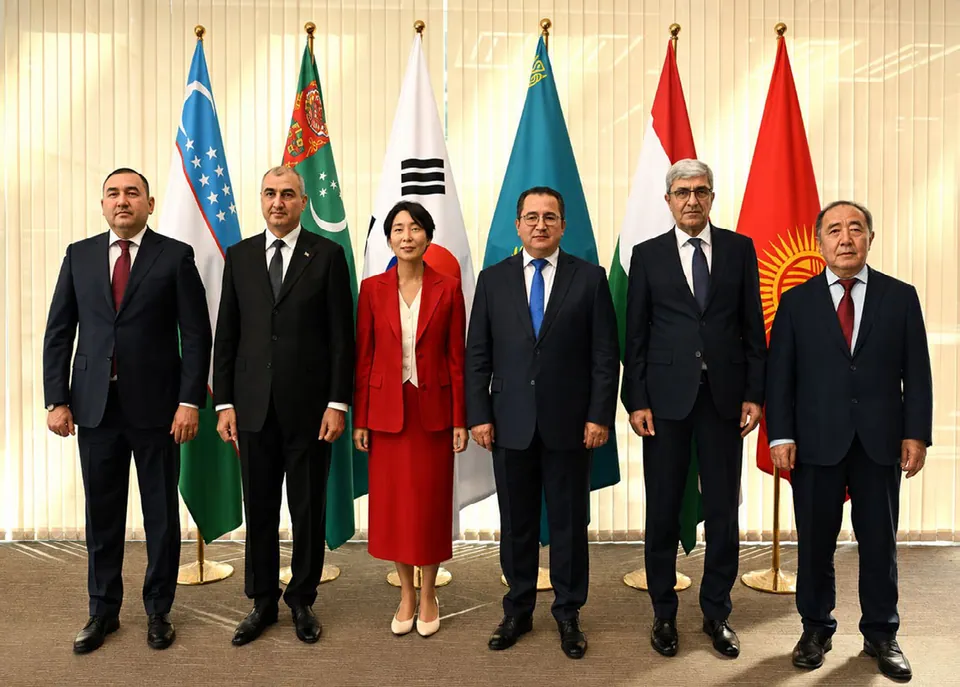
Preparations for the first Central Asia–Republic of Korea Summit are advancing, with senior officials focusing on strengthening cooperation between South Korea and the Central Asian states. At a meeting in Astana, Kazakhstan’s Deputy Foreign Minister Arman Issagaliyev joined counterparts to discuss the summit’s organizational arrangements and substantive agenda. Key areas of cooperation include trade and investment, energy, digitalisation and water resources. The discussions underline the growing importance of stronger economic and technological ties between the two regions. The summit is expected to provide a platform for advancing joint initiatives, promoting sustainable development and creating new opportunities for mutually beneficial regional partnerships.
For Kazakhstan, the summit carries particular significance as the country seeks to strengthen its position as a bridge between Central Asia and major Asian economies. Deputy Foreign Minister Arman Issagaliyev stressed the importance of thorough preparation, noting that the summit can serve as an important platform for advancing initiatives that support regional cooperation, sustainable development and mutually beneficial partnerships. Kazakhstan’s participation also reflects the broader evolution of its relationship with South Korea. The two countries have developed extensive economic and diplomatic links, with cooperation extending beyond traditional areas into technology, infrastructure, investment, transport, energy and innovation. The preparatory discussions in Astana therefore provide an opportunity for Kazakhstan to bring its national priorities into a wider Central Asian framework, while contributing to a collective regional agenda with South Korea.

Kazakhstan Takes an Active Role
Trade & Investment at the Centre
Economic cooperation is expected to remain one of the strongest pillars of the Central Asia–South Korea relationship. The region offers South Korean companies opportunities in infrastructure, manufacturing, logistics, natural resources, energy and emerging technologies. At the same time, Central Asian economies are seeking investment, technology transfer, industrial partnerships and access to international markets. South Korea has already shown interest in expanding its economic engagement across Central Asia. Discussions surrounding the summit have included trade and investment cooperation, transport and logistics connectivity and major development projects. For Kazakhstan, stronger Korean investment could support efforts to diversify its economy and encourage greater participation in technology-intensive industries. South Korean expertise in advanced manufacturing, engineering, electronics, digital services and infrastructure development could complement Kazakhstan’s resources and geographic advantages. A stronger regional framework could also make it easier for businesses to explore projects that extend beyond individual national markets.
“The summit reflects a shift from bilateral relations towards a single regional partnership with Central Asia.”
Energy Cooperation Gains Importance
Energy is another area with considerable potential for deeper Central Asia–South Korea cooperation. Central Asian countries possess substantial energy resources, while South Korea has significant technological capabilities and industrial expertise. This creates opportunities for partnerships covering conventional energy, renewable power, energy efficiency and emerging technologies. The shift towards cleaner and more sustainable energy systems could further expand the scope of cooperation. Central Asian countries are increasingly looking at renewable energy and modern infrastructure as part of their long-term development strategies, while South Korean companies have expertise in clean technologies, engineering and large-scale project development. The summit could therefore provide a platform for identifying areas where investment and technology partnerships can contribute to both economic growth and sustainable development.
Digitalisation & Technology
Digital transformation is emerging as one of the most promising areas of Central Asia–South Korea cooperation. South Korea is recognised globally for its advanced digital infrastructure, technology industries and innovation ecosystem. Central Asian countries, meanwhile, are accelerating digitalisation across public services, business, education, infrastructure and industry. The inclusion of digitalisation in the summit preparations signals an intention to move cooperation into sectors that will shape the region’s future competitiveness. For Kazakhstan in particular, collaboration with South Korean technology companies and institutions could support the development of smart infrastructure, digital government services, artificial intelligence applications and advanced communications. The potential is not limited to government-led projects. Greater interaction between technology companies, universities, research institutions and start-ups could create new channels for knowledge exchange and innovation.

Water Resources & Sustainable Development
Water resources have also been identified as a significant area of cooperation. Central Asia faces complex challenges surrounding water availability, agricultural demand, climate pressures and the management of shared water systems. Effective solutions require technological expertise as well as close coordination between countries. South Korea’s experience in water management, infrastructure, environmental technologies and smart systems could provide opportunities for practical collaboration. The focus on water resources also reinforces the broader objective of making the partnership contribute to sustainable development rather than focusing solely on trade and investment. By combining Korean technological capabilities with Central Asian regional knowledge and priorities, cooperation could potentially support more efficient water management and resilient infrastructure.
From Bilateral Relations to Regional Partnership
The summit preparations also underline an important shift in the character of Central Asia–South Korea relations. While Kazakhstan and South Korea maintain their own bilateral partnership, the emerging summit framework brings Kazakhstan, Kyrgyzstan, Tajikistan, Turkmenistan and Uzbekistan together with South Korea. This multilateral format provides a broader platform for addressing shared challenges and identifying projects with regional significance. South Korea has been developing a comprehensive institutional framework around the summit, including preparatory structures and mechanisms for engagement with experts and representatives from the private sector. The Korean government has emphasised close coordination with the participating Central Asian governments as preparations progress. For Central Asia, the format offers an additional avenue for international economic and technological cooperation while strengthening the region’s collective engagement with an important Asian partner.
Strengthening Kazakhstan–Korea Relations
Alongside the multilateral discussions in Astana, Arman Issagaliyev held separate talks with South Korea’s Deputy Minister of Foreign Affairs Chung Eui-hae. The bilateral discussions focused on current Kazakhstan–Korea cooperation and prospects for further strengthening relations. Both sides reaffirmed their interest in maintaining strong political dialogue and advancing joint initiatives. The meeting reflects the complementary nature of the bilateral and multilateral tracks. Kazakhstan can use the broader Central Asia–South Korea framework to promote regional initiatives while continuing to develop its own strategic relationship with Seoul. Previous high- level engagement has already identified opportunities in trade, investment, transport, logistics, infrastructure and technology, providing a foundation for further cooperation.
A Summit with Wider Regional Significance
The significance of the upcoming summit extends beyond diplomatic protocol. It comes at a time when Central Asian countries are seeking to broaden international partnerships, strengthen connectivity and attract investment in emerging industries. For South Korea, deeper engagement with Central Asia offers access to rapidly developing markets, new investment opportunities and partnerships in sectors ranging from energy and infrastructure to digital technology. For Kazakhstan and its neighbours, South Korea represents a technologically advanced partner capable of contributing capital, expertise and industrial know-how. The success of the summit will ultimately depend on how effectively political commitments are converted into practical cooperation. Agreements involving businesses, research institutions and government agencies could give the partnership greater depth and long-term value.
Building a Practical Partnership
The discussions in Astana demonstrate that preparations are already focused on more than ceremonial arrangements. Trade, energy, digitalisation and water resources reflect some of the most important economic and developmental priorities facing Central Asia. The participation of Kazakhstan in shaping the summit agenda also demonstrates the country’s interest in strengthening both bilateral ties with South Korea and wider regional cooperation. As preparations continue, expectations will increasingly centre on concrete outcomes, including investment opportunities, technology partnerships, infrastructure cooperation and mechanisms for sustained dialogue. The first Central Asia–Republic of Korea Summit therefore has the potential to become an important milestone in the relationship between the region and South Korea. By bringing together political leaders and creating a framework for cooperation across multiple sectors, it could establish a stronger foundation for economic partnership, technological exchange and sustainable regional development.
Continue exploring
More from Incredible Kazakhstan
Intl. Relationship & Immigration Policies
A New Chapter of Turkic Integration
Kazakhstan Sets the Agenda for the Organization of Turkic States

Fashion & Trends
Madina Tompiyeva
Reimagining Kazakh Identity Through Contemporary Fashion
History, Culture & Tradition
The Golden Thread
Preserving the Eternal Soul of Kazakhstan for the Global Stage