

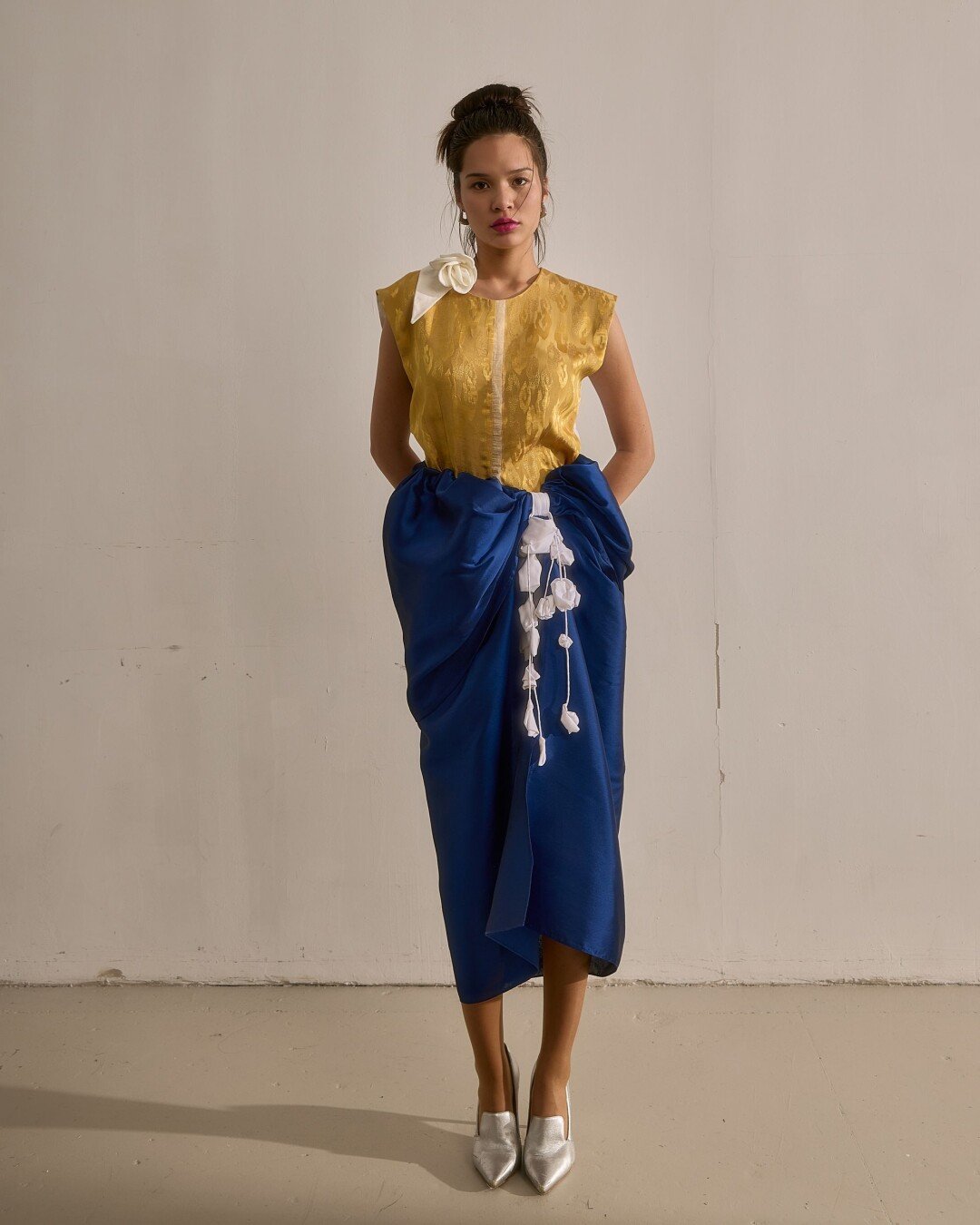
Narynkol’s Visual Poetry: Strength and Vulnerability in SAKO’s Debut Campaign
In Kazakhstan’s rapidly evolving fashion landscape, emerging designers are increasingly drawing from personal histories and cultural roots to create collections that resonate far beyond the runway. Among the most compelling new voices is SAKO, the label founded by designer Saltanat Abdildayeva. Her debut campaign introduces a fashion language rooted in memory, landscape, and self-discovery, transforming intimate experiences into a powerful visual narrative. More than a presentation of garments, SAKO’s first campaign serves as a meditation on identity, resilience, and the delicate balance between strength and vulnerability. As a finalist of the Next Designer Award Empowered by Visa and a debut participant at Visa Fashion Week Almaty, Abdildayeva stepped onto the national fashion stage with a collection that immediately distinguished itself through its emotional depth and thoughtful craftsmanship. Rather than following seasonal trends or fleeting aesthetics, she chose to build her creative vision around a deeply personal story—one shaped by the landscapes and experiences of her childhood in the village of Narynkol in Kazakhstan’s Almaty Region.


Nestled among some of the country’s most breathtaking mountain scenery, Narynkol is a place where nature dominates the horizon. Towering peaks, expansive valleys, changing skies, and the constant movement of the wind create an environment that feels both powerful and serene. Growing up in such surroundings left a lasting impression on Abdildayeva, nurturing a sensitivity to texture, movement, and space that would later influence her design philosophy. The connection between place and creativity is immediately evident throughout SAKO’s debut campaign. The imagery evokes the quiet grandeur of the natural world while simultaneously exploring the complexity of human emotion. Mountains become metaphors for inner strength. Flowing fabrics mirror the movement of the wind. Contrasts between structure and softness reflect the dualities that define personal growth.
At the heart of the collection lies an exploration of transformation. The garments tell a story of evolving self-perception—a journey from emotional restraint and self-protection toward acceptance, confidence, and freedom. Rather than presenting this transformation as a straightforward progression, Abdildayeva embraces its complexities. Her designs acknowledge that growth often involves contradictions, moments of uncertainty, and the coexistence of opposing emotions. This theme is expressed most clearly through the collection’s silhouettes. Structured tailoring forms the foundation of many looks, creating shapes that suggest protection, discipline, and resilience. Jackets and outerwear feature precise construction and strong lines, almost resembling a form of armor. Yet these rigid forms are softened through fluid draping, asymmetrical cuts, and lightweight materials that introduce movement and vulnerability.

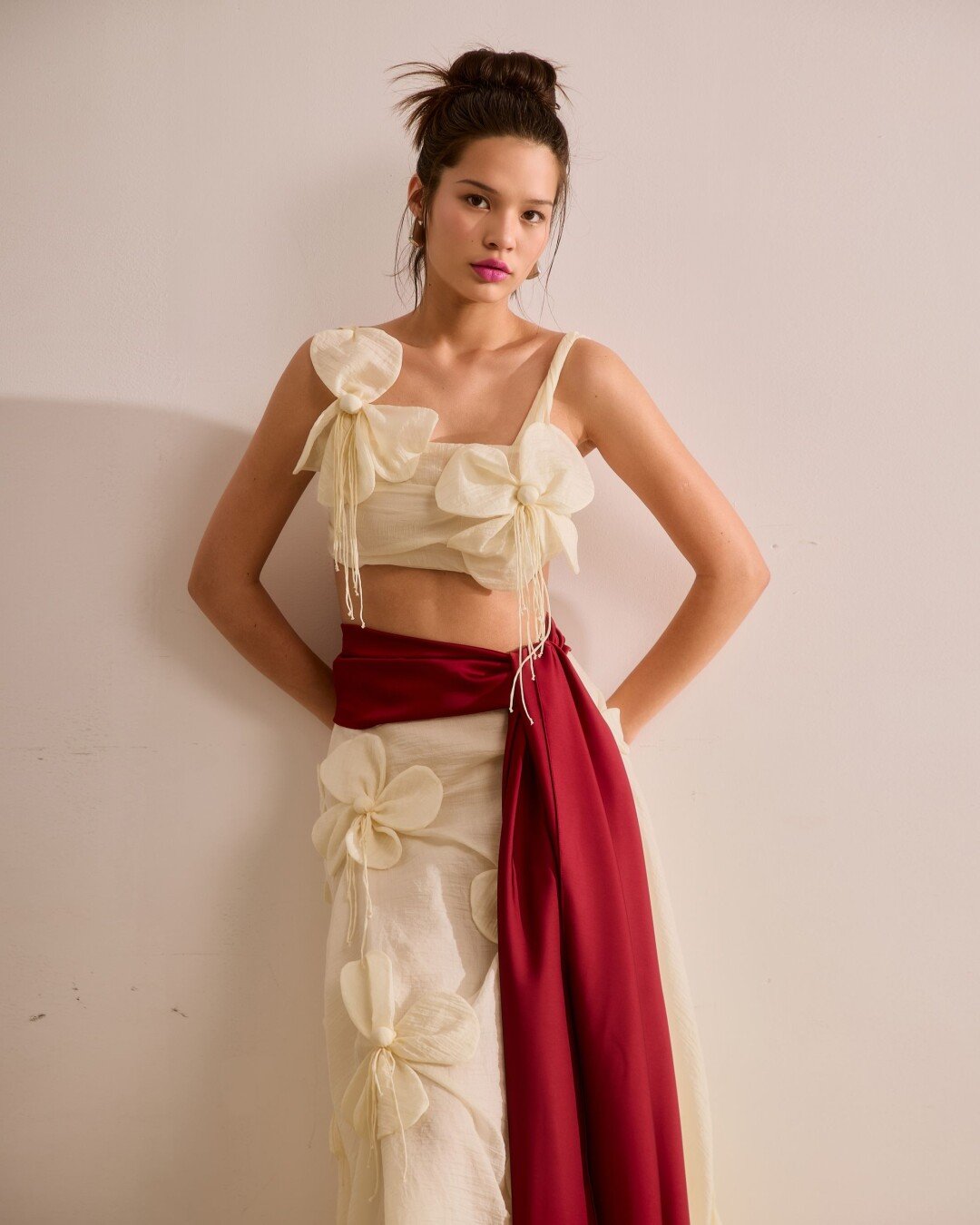
The interplay between these contrasting elements becomes one of the campaign’s defining visual signatures. Strength is never portrayed as hardness alone, nor is softness equated with weakness. Instead, the collection suggests that true confidence emerges when both qualities exist together. The garments communicate a nuanced understanding of femininity—one that embraces complexity rather than conformity. Fabric selection further reinforces this dialogue between opposites. Structured textiles provide architectural integrity and visual weight, while delicate lace introduces transparency, fragility, and intimacy. Voluminous floral applications create moments of softness that appear almost sculptural, adding an organic dimension to the collection. The interaction between these materials produces a rich tactile experience that mirrors the emotional themes embedded within the designs. Throughout the campaign, texture plays a particularly important role. Some garments appear almost protective, enveloping the body with carefully crafted layers and precise tailoring. Others feel ethereal and weightless, allowing movement and light to become part of the design itself. This contrast creates visual tension while maintaining a sense of harmony, reflecting the complexities of personal evolution.


Color serves as another powerful storytelling device. The collection begins within a restrained monochromatic palette dominated by shades of black, white, and muted neutrals. These tones evoke introspection, restraint, and the quiet stages of self-reflection. As the narrative unfolds, brighter colors gradually emerge, bringing warmth, energy, and emotional openness into the visual composition. This progression from monochrome to color functions as a symbolic representation of personal rebirth. Rather than appearing abruptly, the brighter hues weave naturally into the collection, suggesting that transformation is a gradual process. The transition feels organic and deeply human, reflecting the way individuals slowly embrace new versions of themselves through experience and self-acceptance. Beyond its visual impact, the campaign resonates because of its authenticity.
In an era when fashion often prioritizes spectacle, SAKO’s debut feels remarkably personal. Every design decision appears connected to a broader narrative rather than existing solely for aesthetic effect. The collection does not simply present clothes; it communicates emotions, memories, and lived experiences. This authenticity is particularly significant within the context of contemporary Kazakhstani fashion. Designers across the region are increasingly exploring ways to merge local influences with modern design perspectives, creating work that feels both globally relevant and culturally grounded. Abdildayeva’s approach contributes to this movement while remaining distinctly individual. Rather than relying on direct references to traditional motifs, she channels the essence of her upbringing through atmosphere, texture, and emotional storytelling. The landscapes of Narynkol become more than a backdrop to her creative journey—they become active participants in the narrative. The vastness of the mountains, the freedom of open spaces, and the quiet power of nature are translated into silhouettes, fabrics, and movement. The result is a collection that feels deeply connected to its origins while speaking a universal language of transformation and self-discovery.
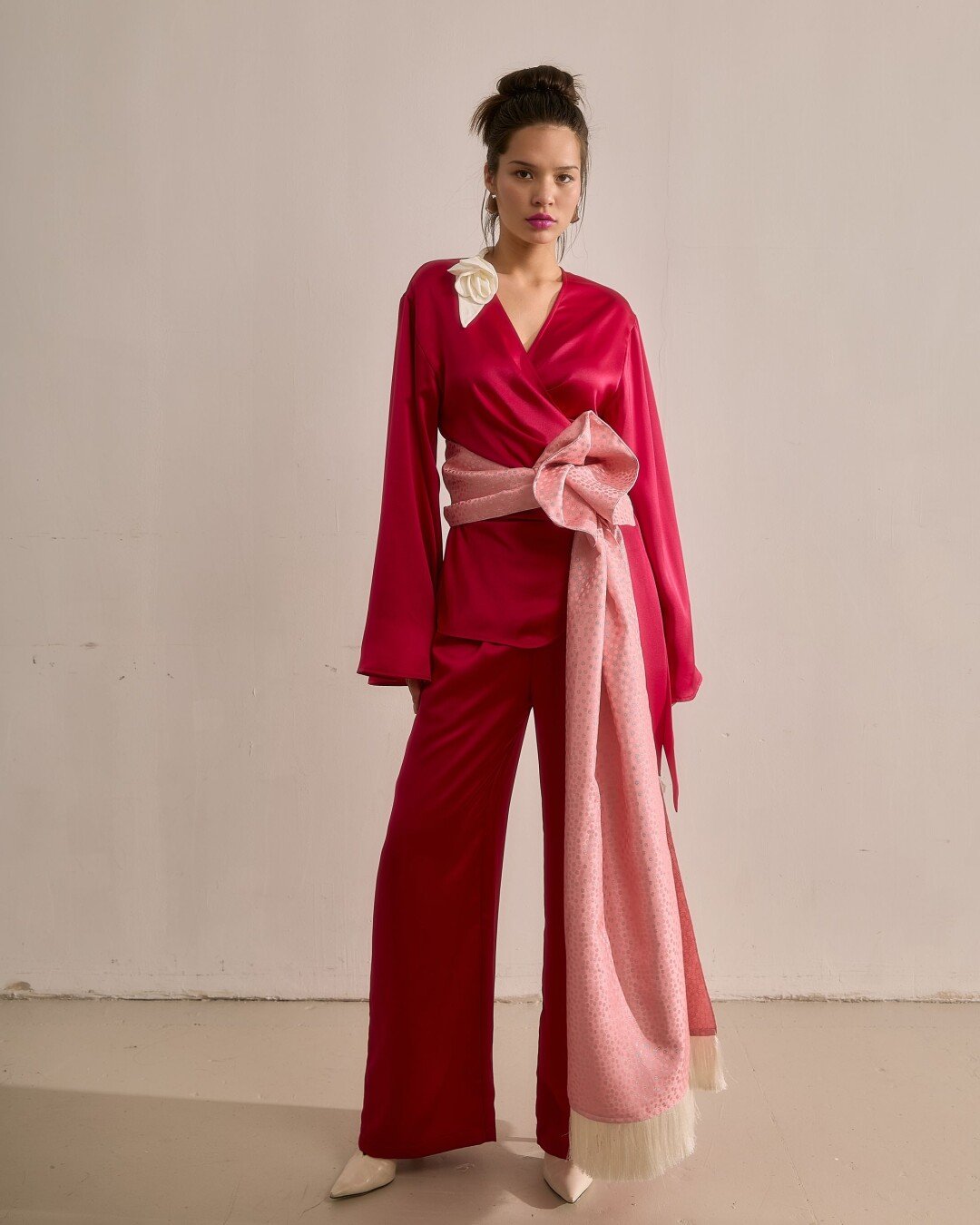
The campaign’s visual direction amplifies these themes through imagery that emphasizes contrast and emotion. Models appear poised between strength and fragility, often framed within expansive settings that echo the grandeur of the natural world. Light and shadow interact across structured forms and flowing fabrics, creating a sense of movement and introspection. Every frame contributes to the larger story, reinforcing the collection’s emotional depth. As a debut, SAKO demonstrates remarkable confidence and clarity of vision. Rather than attempting to define itself through trends or commercial expectations, the brand establishes an identity rooted in personal truth. This commitment to authenticity gives the collection a lasting resonance and positions Abdildayeva as one of the most promising emerging voices in Kazakhstan’s fashion industry. Ultimately, SAKO’s debut campaign is a celebration of evolution in all its forms. It acknowledges the challenges of growth while embracing the beauty of transformation. Through thoughtful design, emotional storytelling, and a profound connection to place, Saltanat Abdildayeva has created a collection that transcends fashion’s surface aesthetics. It is a visual poem about becoming—about learning to carry both strength and vulnerability with equal grace.

With SAKO, the designer offers not only a new fashion label but also a compelling artistic perspective, one shaped by the windswept landscapes of Narynkol and the universal human journey toward self-acceptance. The result is a debut that feels both deeply personal and universally relevant, marking the arrival of a creative voice with a distinctive vision and a promising future.
More to Read
All issues
DALA Kazakhstan
Reimagines National Dress for the Modern Astana Wardrobe

Aida Kaumenova — Reimagining Kazakh Heritage Through Contemporary Fashion
Aida KaumeNOVA is a prominent Kazakhstani fashion designer known for blending traditional Kazakh aesthetics with contemporary design. With an early passion for drawing…

Madina Tompiyeva — Reimagining Kazakh Identity Through Contemporary Fashion
For Madina Tompiyeva, fashion is not simply about clothing. It is a way of exploring identity, freedom and the relationship between contemporary life and cultural…