

Global Education, Steppe Spirit — International Steppe School of Astana
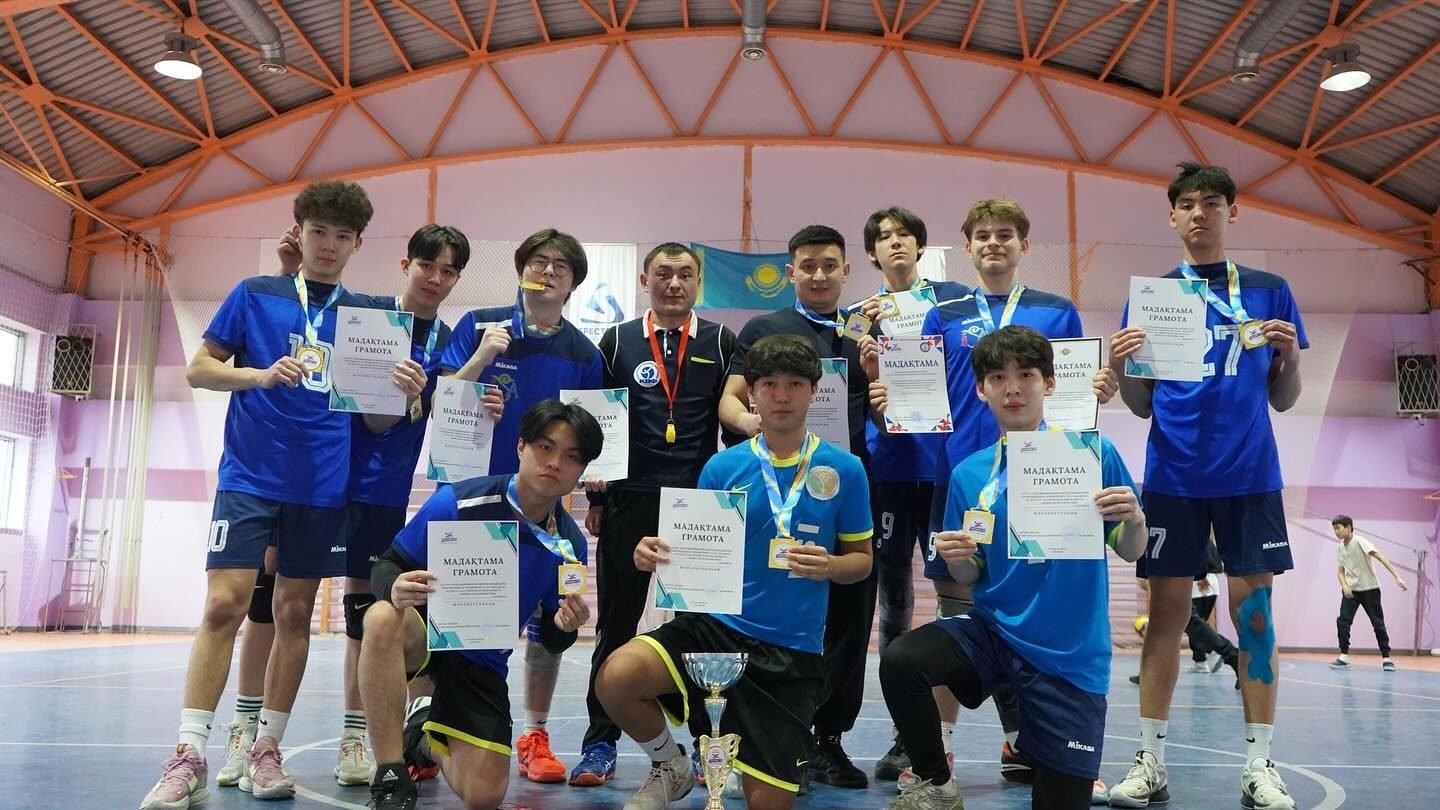
In Astana, Kazakhstan’s modern capital, education reflects the country’s growing connection with the wider world. Among the institutions contributing to this international outlook is International Steppe School of Astana (ISS Astana), a school whose story began in 2013 under the name International School of Astana. From its early years, the school has focused on creating an educational environment in which academic learning is accompanied by creativity, cultural awareness and personal development. Its stated mission centres on nurturing healthy, intelligent, creative and successful individuals with strong moral values, an appreciation of their own culture and respect for other cultures, while encouraging a lifelong approach to learning. That philosophy continues to shape the school’s identity today.
A Growing Educational Community

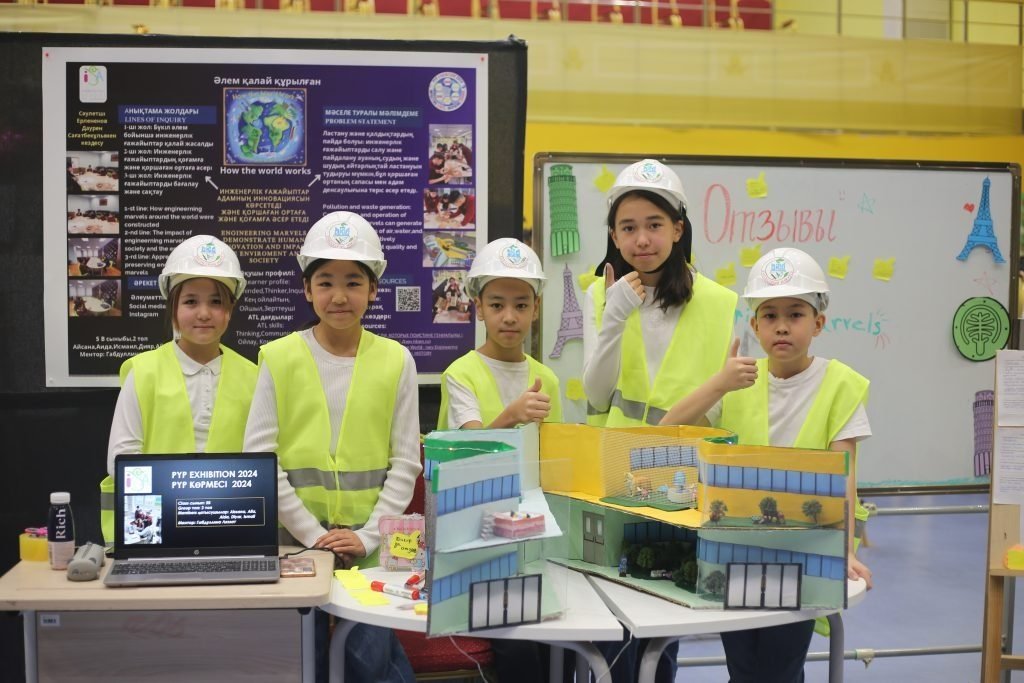


The school’s beginnings were modest. When it opened in 2013, it had four classes and a team of ten teachers. During the 2014–15 academic year, the school expanded to 20 classes and approximately 400 students. A kindergarten was also introduced, broadening the educational community to younger learners. The school continued to develop over the following years, eventually offering education through Grades 1 to 12. This growth has been accompanied by the development of its campus, learning resources and international academic programmes. Today, ISS Astana is part of Kazakhstan’s international education landscape, offering students an educational pathway connected to the International Baccalaureate framework.
Learning for the Whole Person
The school’s educational philosophy extends beyond academic achievement. Its vision is to create a safe environment and positive culture that support the holistic development of each student. This means that learning is considered alongside personal growth, creativity, collaboration, cultural understanding and responsible participation in the community. For an international school, this perspective is particularly relevant. Students may encounter classmates and teachers with different backgrounds and perspectives, making everyday school life an opportunity to develop communication skills and cultural awareness. The school’s mission specifically emphasises appreciation of one’s own culture alongside respect for other cultures. This creates an educational philosophy that connects global-mindedness with a sense of cultural identity rather than treating the two as separate ideas.
An International Baccalaureate Continuum
One of ISS Astana’s most significant academic features is its authorisation to offer all three major International Baccalaureate programmes: the Primary Years Programme (PYP), Middle Years Programme (MYP) and Diploma Programme (DP). The IB’s official school directory confirms the school’s current authorisation across these three programmes. It also records ISS Astana as an IB World School since 7 March 2017. The three programmes provide different stages of an international educational pathway. The Primary Years Programme encourages young learners to explore concepts through inquiry and develop an active relationship with learning. The Middle Years Programme builds on this approach through interdisciplinary learning and connections between subjects and the wider world.

For senior students, the Diploma Programme provides a structured academic programme that combines subject study with broader elements of research, reflection and community engagement. The school’s IB profile lists English and Russian among its languages of instruction, while the IB directory confirms that the school is coeducational and operates as a day school. Together, these programmes give the school a clear international academic framework while allowing students to develop knowledge and skills progressively through different stages of their education.
A Campus Designed Around Learning
The physical environment is another important part of the school’s development. In 2016, the school moved into a new building designed around the principles of teaching and learning. The campus was planned to support equipped classrooms as well as open internal spaces that could accommodate different forms of educational activity. Technology is integrated into the learning environment. The school’s facilities include networked desktop and mobile computers and interactive whiteboards, providing digital tools that can support research, presentations, communication and classroom collaboration. The campus also includes scientific laboratories with experimental and technological equipment. These facilities give students opportunities to undertake practical work alongside theoretical study, including design and research activities. Such spaces are particularly compatible with inquiry based approaches to learning, where students are encouraged to investigate questions, explore evidence and develop their own understanding of a subject.
A Library for Independent Discovery
Learning resources extend beyond the classroom. The school’s library was established when the institution opened in 2013 and has developed into a resource and information centre. The International Federation of Library Associations and Institutions reports that the library has a collection of more than 70,000 items, including fiction, academic and educational publications, periodicals and supplementary materials in multiple languages, alongside electronic resources. A well-developed library can play an important role in an international curriculum, particularly when students are expected to research, read across subjects and explore ideas independently.


Space for Sport, Creativity & Practical Learning
Holistic education also requires opportunities outside conventional academic lessons. ISS Astana’s campus includes indoor and outdoor sports facilities, supporting physical education and sporting activities. These spaces provide another setting in which students can develop teamwork, coordination and participation alongside their academic studies. The school’s laboratory and technology facilities similarly provide room for practical exploration. Rather than limiting learning to textbooks and lectures, students can engage with experiments, projects and research-oriented activities. This variety of spaces contributes to a campus environment in which academic, physical and creative activities can form part of a student’s wider school experience.
Learning Beyond the Classroom
International education is also about understanding the world beyond school walls. ISS Astana’s educational activities have included opportunities connected with science, research, culture, community engagement and experiential learning. These activities complement classroom study by allowing students to approach knowledge through different experiences. The setting itself adds another dimension. Astana is a relatively young capital with a distinctive architectural landscape and an increasingly international profile, while Kazakhstan’s broader cultural heritage provides a rich context for exploring identity, history and contemporary society. For students, this combination offers a natural setting in which local and international perspectives can meet.
International Standards & Global Citizenship
ISS Astana’s international profile is supported by both IB authorisation and accreditation from the Council of International Schools (CIS). CIS announced the school’s international accreditation on 3 February 2023, describing the accreditation as reflecting a commitment to international education, global citizenship and student well-being. The school’s IB status and CIS accreditation provide external reference points for its educational framework. They should not, however, be interpreted as guarantees of particular academic or career outcomes for individual students. Instead, they indicate that the school operates within recognised international education frameworks and standards.
A Future-Focused Education with Cultural Roots
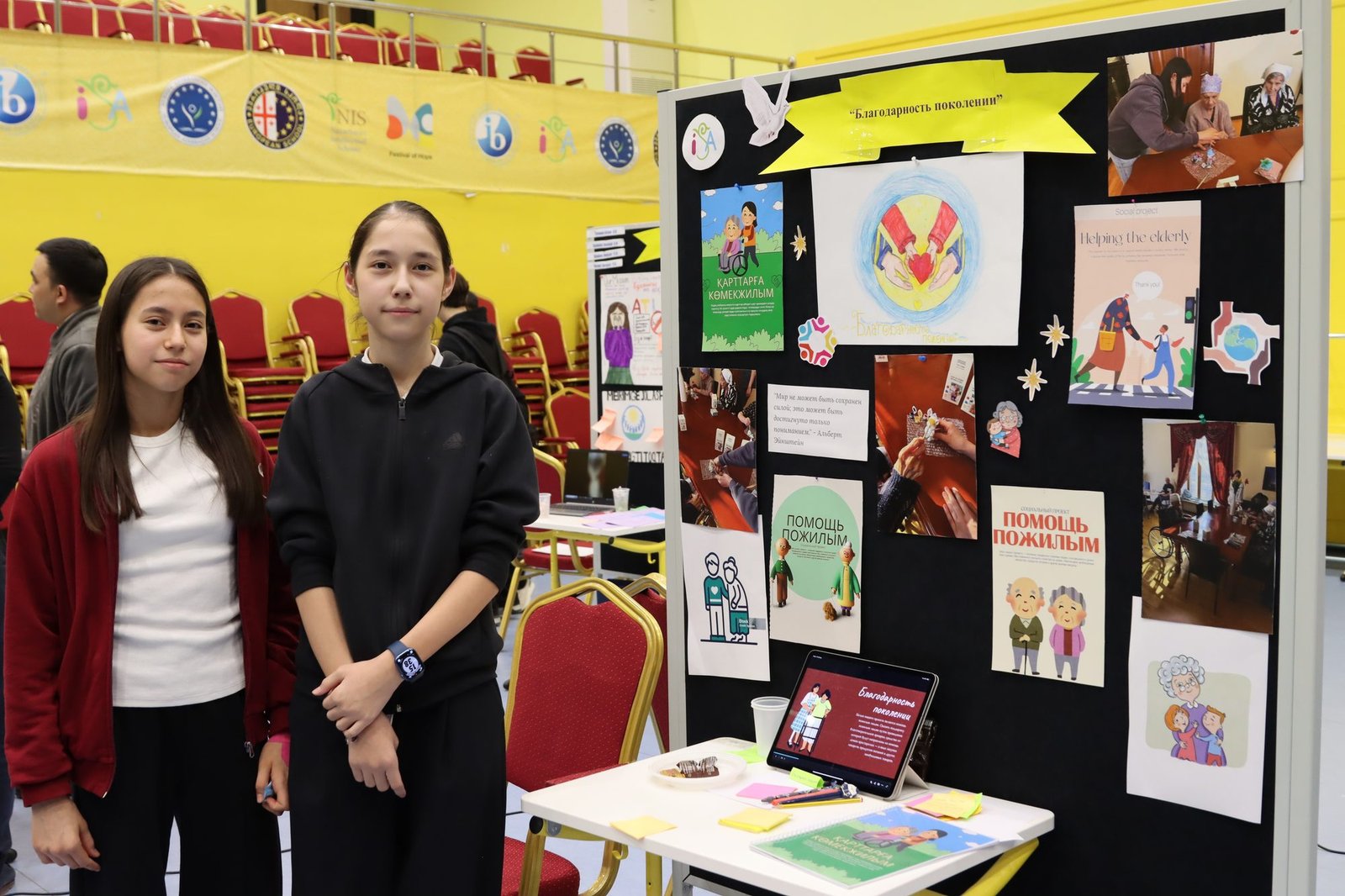
From four classes in 2013 to a fully developed international school offering the PYP, MYP and DP, ISS Astana’s evolution reflects a sustained emphasis on educational development. Its approach brings together several dimensions of school life: internationally recognised programmes, technology-supported classrooms, scientific laboratories, a substantial library collection, sports facilities and opportunities for practical and collaborative learning. Yet the school’s philosophy ultimately reaches beyond facilities and programmes. Its mission places equal importance on curiosity, creativity, moral values, cultural understanding and lifelong learning. In an increasingly connected world, students will encounter people, ideas and challenges from many different backgrounds. An education that encourages them to understand their own culture while respecting others can provide an important foundation for navigating that diversity. At International Steppe School of Astana, the aim is to create an environment where learning is not confined to acquiring information, but becomes a continuing process of inquiry, discovery and personal development grounded in Kazakhstan while open to the wider world.
More to Read
All issues
Astana Medical University
Advancing Medical Education Through Research, Innovation & Global Collaboration
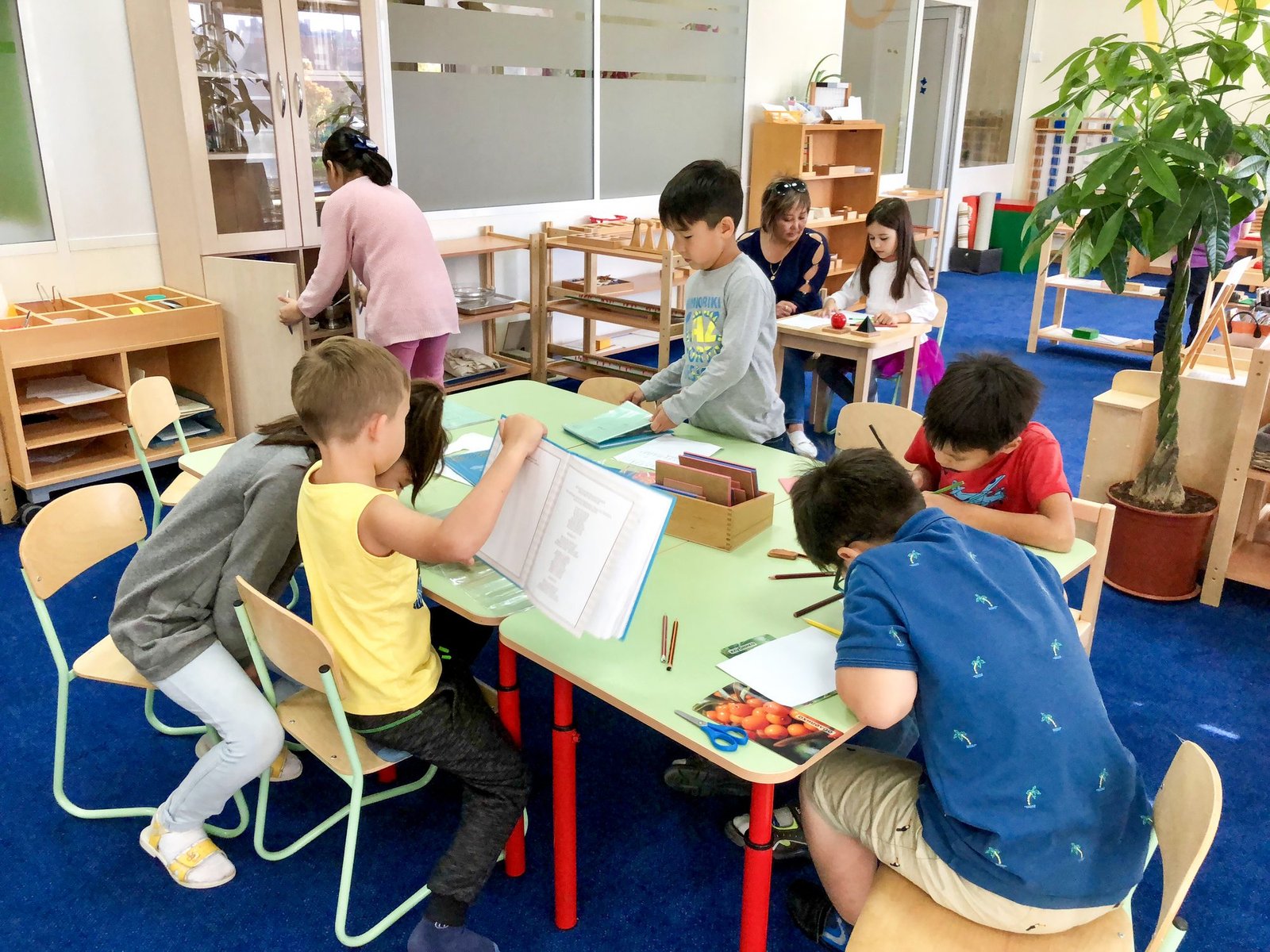
Astana Expands Education Funding as School Enrolment Surges
Astana is strengthening investment in its education system as the capital experiences continued growth in its school-age population. An additional KZT 14.7 billion has…
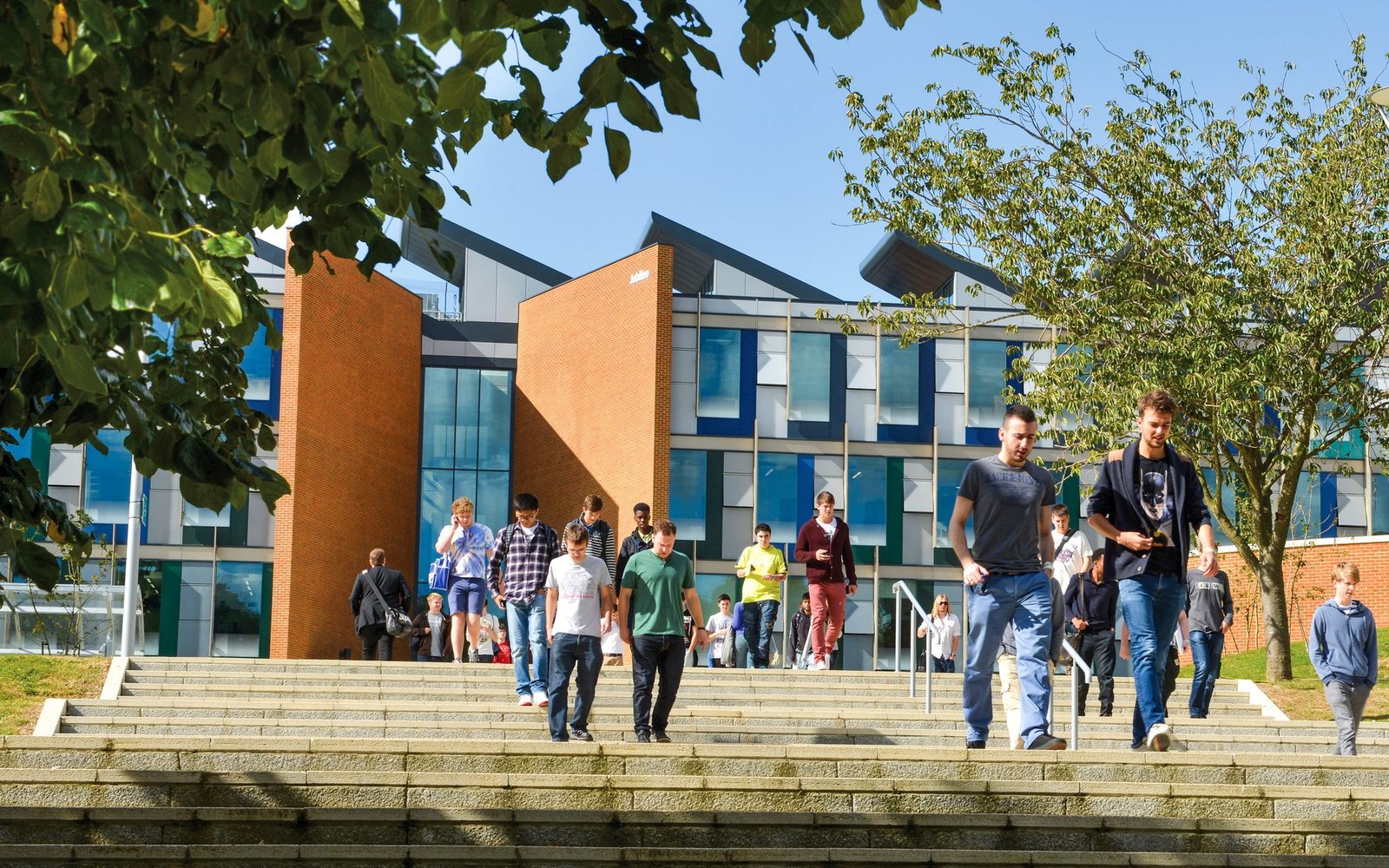
Kazakhstan & University of Sussex Expand Academic Partnership for Scholars & Researchers
Kazakhstan’s Center for International Programs and the University of Sussex in the United Kingdom have strengthened their academic relationship through a new memorandum…