


Astana Medical University
Advancing Medical Education Through Research, Innovation & Global Collaboration
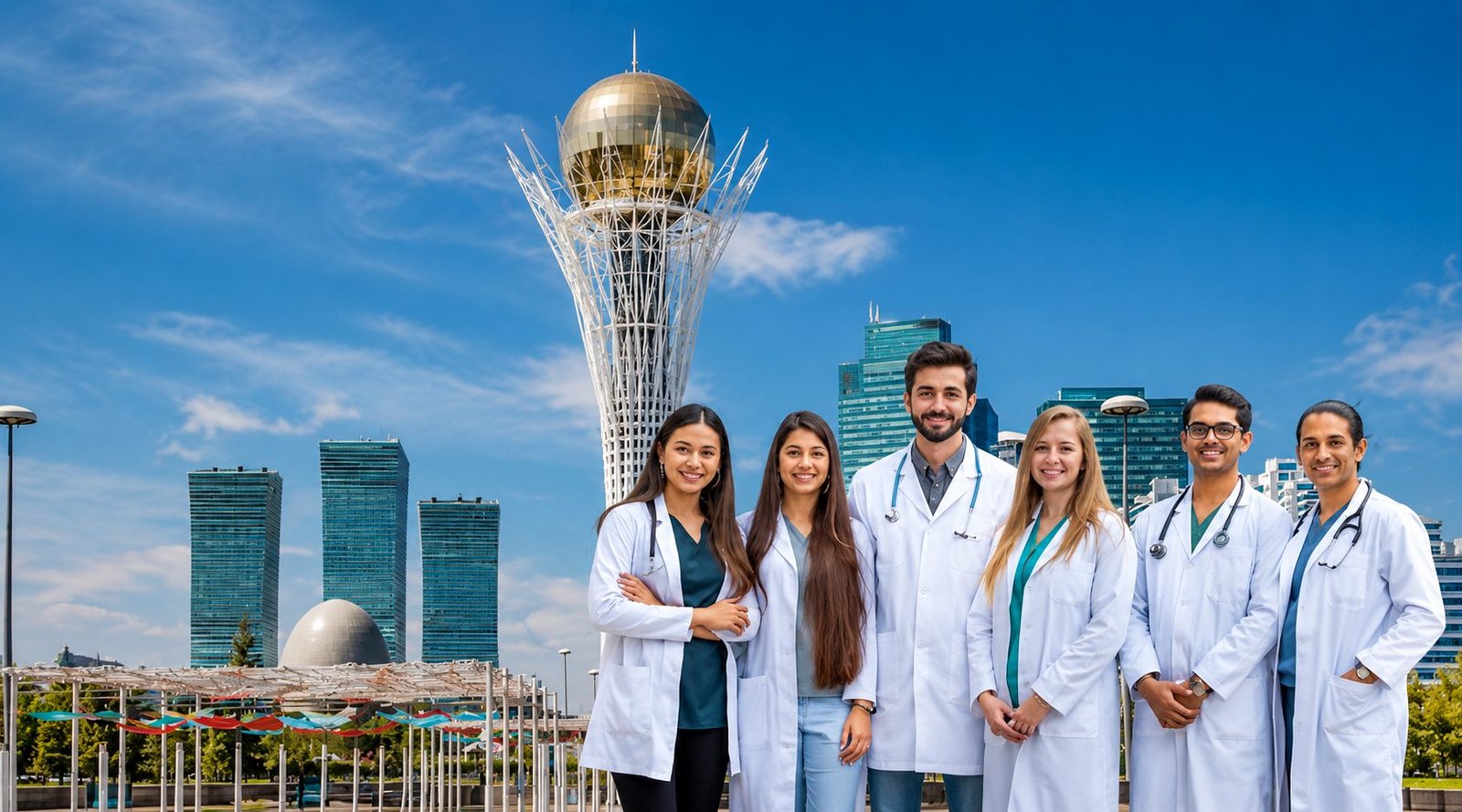
In Kazakhstan’s rapidly developing capital, Astana Medical University is entering a new chapter defined by international cooperation, research, digital innovation and a stronger connection between medical education and the needs of modern healthcare. Established in 1964 as a medical institute in what was then Tselinograd, the institution evolved into an academy in 1997 and received university status in 2009. Over the decades, its academic structure has expanded alongside Kazakhstan’s healthcare system, creating an institution that combines education, research and clinical training. The university’s latest developments in June and July 2026 provide a particularly useful picture of this evolution. Rather than focusing only on conventional classroom education, Astana Medical University is increasingly connecting students and researchers with international scientific networks, emerging technologies, professional training and healthcare-sector challenges.
A Stronger Position on the International Stage One of the most significant developments came on June 25, 2026, when Astana Medical University announced an improvement in its position in the Times Higher Education Impact Rankings 2026. The university moved from the 1501+ band in 2025 to the 1001–1500 band in 2026.More importantly, its performance in Sustainable Development Goal 3, “Good Health and Well-being,” improved substantially, moving from the 401–600 band to the 101–200 band globally. The university also recorded improvements in SDG 8, focused on decent work and economic growth; SDG 16, relating to peace, justice and strong institutions; and SDG 17, which measures partnerships for sustainable development. For a medical university, the movement in SDG 3 is particularly relevant because it reflects the broader relationship between education, research, healthcare and social impact. Rankings are only one measure of institutional performance, but the 2026 results provide an indication of the university’s growing international visibility and its efforts to align academic activities with wider healthcare and sustainable-development priorities.
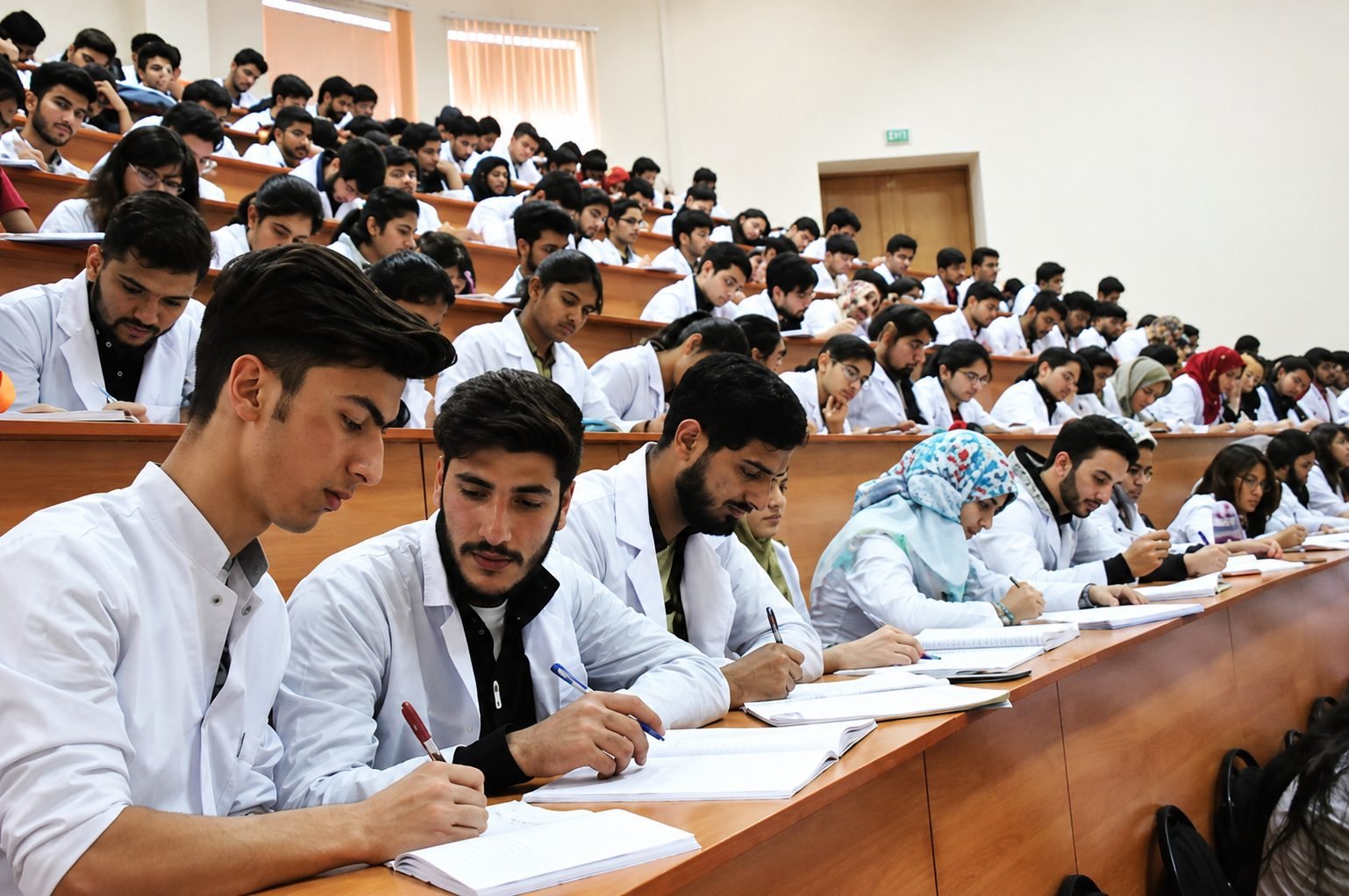
Research That Connects Kazakhstan With Global Medicine June 2026 also demonstrated the university’s growing emphasis on research collaboration. Astana Medical University researchers participated in the ESPID 2026 Congress of the European Society for Paediatric Infectious Diseases in Bologna, Italy. The university delegation presented research examining factors associated with the severity of acute respiratory viral infections in children and the use of intensive care. The participation also created opportunities for discussions with specialists from countries including South Korea, France, Spain, Italy and Paraguay. Such international scientific participation is important because medical education increasingly depends on the exchange of knowledge across borders. Diseases, antimicrobial resistance, emerging pathogens and public-health challenges do not stop at national boundaries. For students and young researchers, exposure to international research environments can broaden their understanding of contemporary medicine and encourage collaboration beyond the university campus.
The university’s June programme also included a specialised course for medical physicists on quality control of diagnostic X-ray systems. Conducted from June 8 to 12, the programme combined theoretical instruction with practical training and was developed around International Atomic Energy Agency recommendations and Kazakhstan’s regulatory requirements. Participants worked with diagnostic imaging technologies including radiography, CT, mammography and angiography systems. This is an example of how professional education can extend beyond undergraduate and postgraduate degrees. Medical universities increasingly serve as continuing-learning centres where healthcare professionals can update their skills as technologies, standards and clinical practices evolve. Digital Medicine Enters the Classroom Perhaps one of the most forward-looking developments of the summer came through international academic mobility. From June 28 to July 11, eleven Astana Medical University students participated in an international summer school at China Medical University in Shenyang. The programme explored digital medicine, artificial intelligence in healthcare and emerging approaches to medical education. Students from the School of Public Health and Management studied AI applications in healthcare, while students from the School of Medicine followed a programme focused on digital education for neurosurgery. The significance of this initiative goes beyond the use of technology itself. Artificial intelligence, digital diagnostics, simulation and data-driven medicine are changing how healthcare professionals learn and work.


Giving students opportunities to encounter these technologies during their education can help them understand both their potential and their appropriate role within clinical practice. The programme also included practical sessions, workshops and activities at teaching hospitals, research laboratories and simulation centres. Students received international certificates after completing their courses, adding an international dimension to their academic experience. Building the Next Generation of Healthcare Professionals July brought another important milestone when Astana Medical University held its master’s degree graduation ceremony. On July 15, 55 graduates received master’s degrees across programmes including pharmacy, medicine, biology and clinical psychology. The ceremony represented the completion of an advanced stage of academic and professional development for graduates preparing to contribute to healthcare, science and education. Graduation is more than a ceremonial moment for a medical institution. It represents the transition from structured academic training toward professional responsibility. For a university with ambitions in research and healthcare, the development of graduates capable of combining scientific knowledge with professional judgement remains central to its long-term mission.

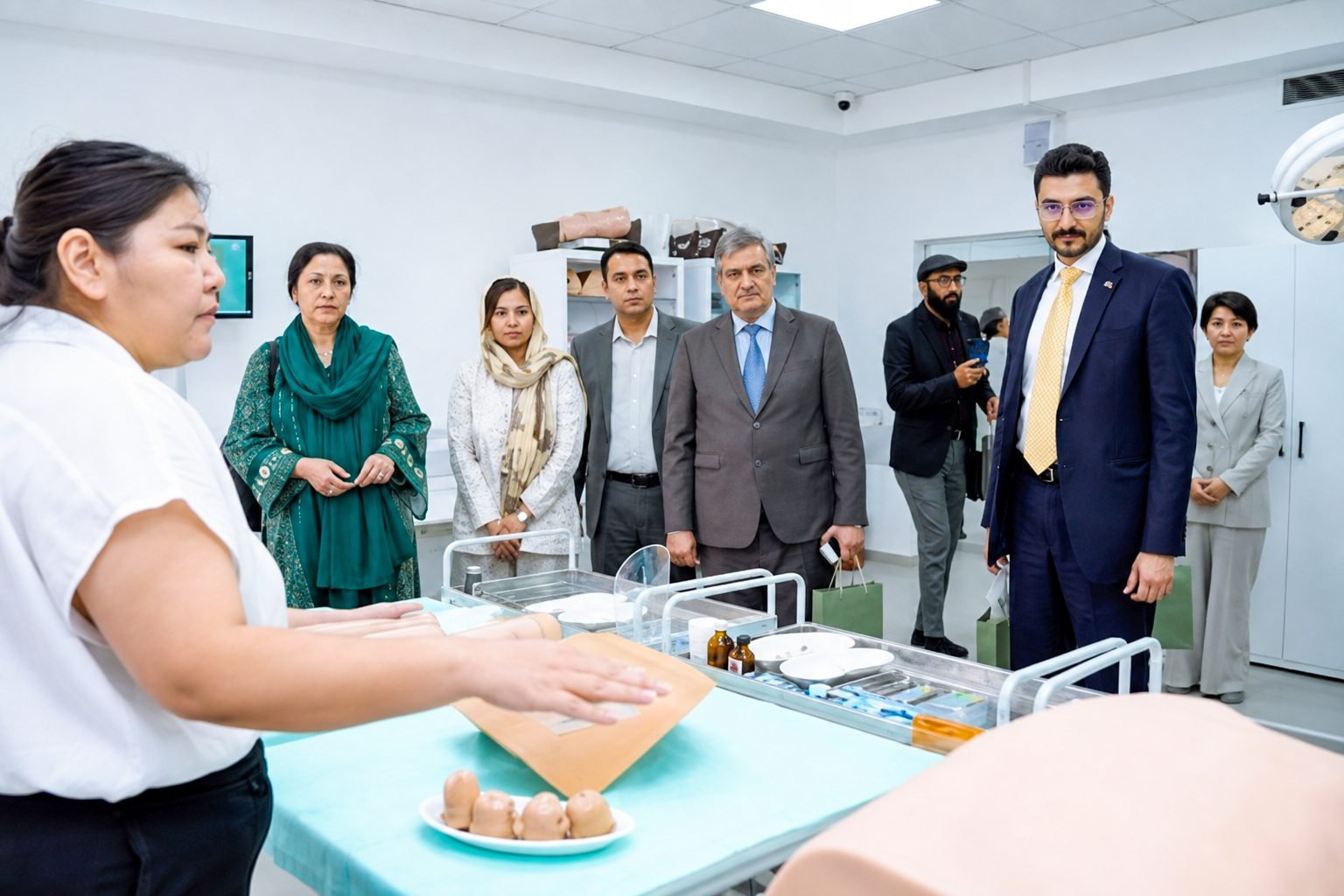
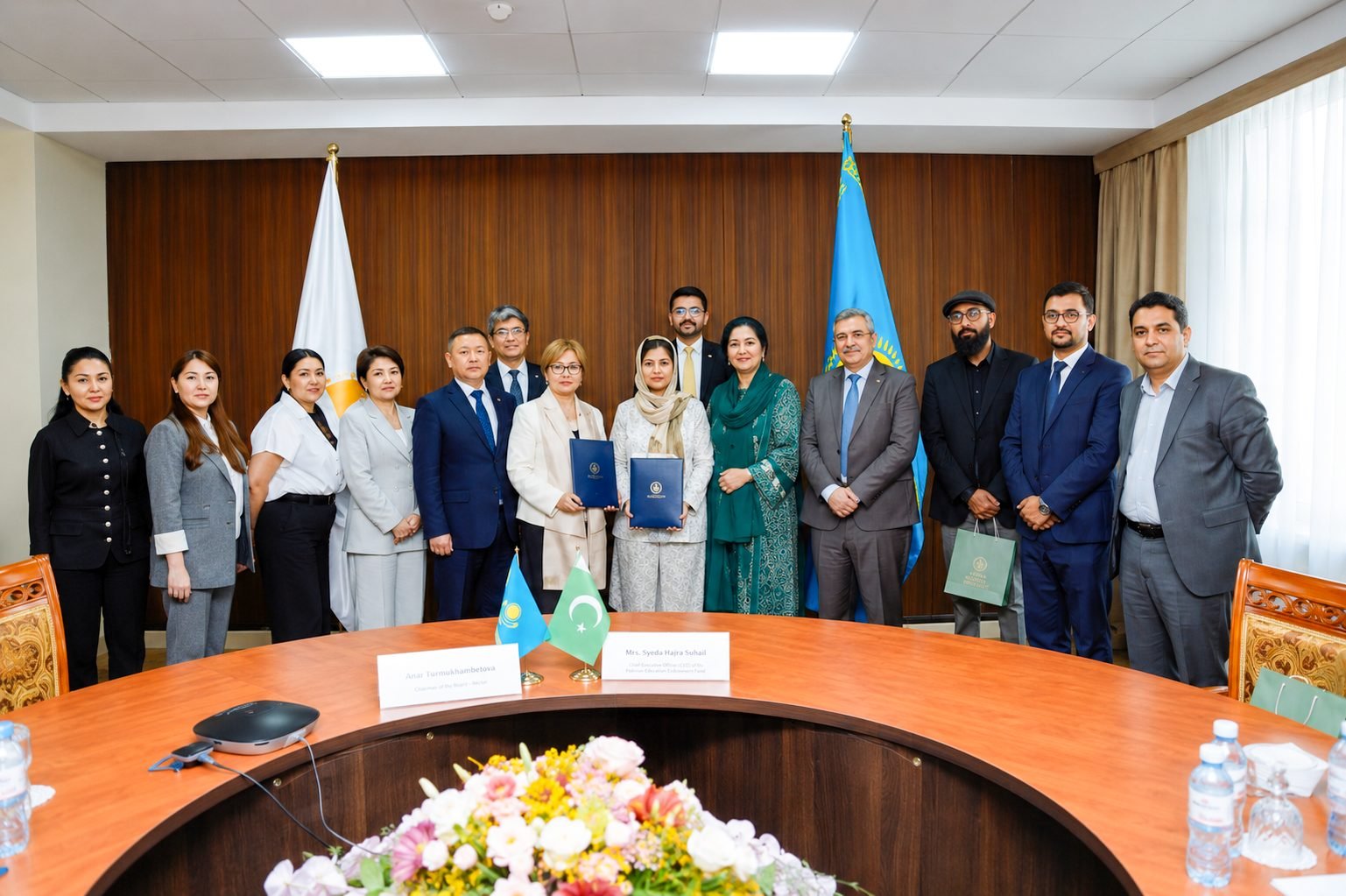
The university’s earlier academic structure, as described in its institutional background, includes undergraduate, master’s and doctoral education, alongside residency and additional medical education. Its academic model has also incorporated credit-based education and innovative technologies in teaching. A New Dimension to Nursing Education International collaboration became even more prominent in July with a visit from a Pakistani delegation led by Wajiha Qamar, Pakistan’s Minister of State for Federal Education and Vocational Training. During the July 21 visit, Astana Medical University and the Pakistan Education Endowment Fund signed a Memorandum of Understanding focused on cooperation in higher medical education. One of the first practical areas identified under the partnership is nursing education. The proposed cooperation includes developing educational programmes for nurses, academic exchange, involvement of international experts and joint educational initiatives. The development is significant because nursing is an essential part of modern healthcare delivery.

By strengthening educational cooperation in this field, the partnership has the potential to support professional development and knowledge exchange between Kazakhstan and Pakistan while contributing to broader healthcare workforce objectives. Learning Beyond Borders International academic mobility has become a recurring feature of the university’s educational approach. In June and July alone, students and faculty were involved in programmes spanning infectious diseases, medical physics, public health, artificial intelligence, digital neurosurgery and international clinical education. The university’s international activities are consistent with its longer-standing approach of maintaining academic partnerships beyond Kazakhstan. Its institutional profile identifies cooperation with universities and organisations in different parts of the world, while its current digital library and academic infrastructure provide access to resources including Web of Science, Scopus, ScienceDirect, Springer, PubMed and other professional databases.

For medical students, access to international research literature is increasingly important. Modern medicine is evidence-driven, and the ability to evaluate scientific literature, understand emerging research and communicate with international colleagues is becoming an essential professional skill. From Medical Education to Healthcare Impact Another important July development was the III International Congress of the Kazakhstan Society of Bariatric and Metabolic Surgeons. Participants prepared 50 recommendations for Kazakhstan’s Ministry of Health concerning the development of bariatric and metabolic surgery services. The discussions involved specialists from Kazakhstan as well as the United States, Europe and several Asian and neighbouring countries. The initiative illustrates a broader role for a medical university: serving as a meeting point between academic medicine, clinical practice and healthcare policy.

Rather than limiting its influence to teaching students, the institution can contribute to professional dialogue and the development of approaches intended to improve healthcare delivery. A University Looking Toward the Future Astana Medical University’s story began more than six decades ago, but its recent developments suggest an institution increasingly focused on the future of medicine. The June and July 2026 updates show a university working across several connected areas: academic education, international mobility, scientific research, digital healthcare, professional development and healthcare-sector collaboration. Its improved performance in the 2026 THE Impact Rankings provides one measure of this progress, while research presentations, international summer schools, specialist training, postgraduate graduation and new nursing partnerships offer practical examples of how the university is expanding its academic ecosystem.
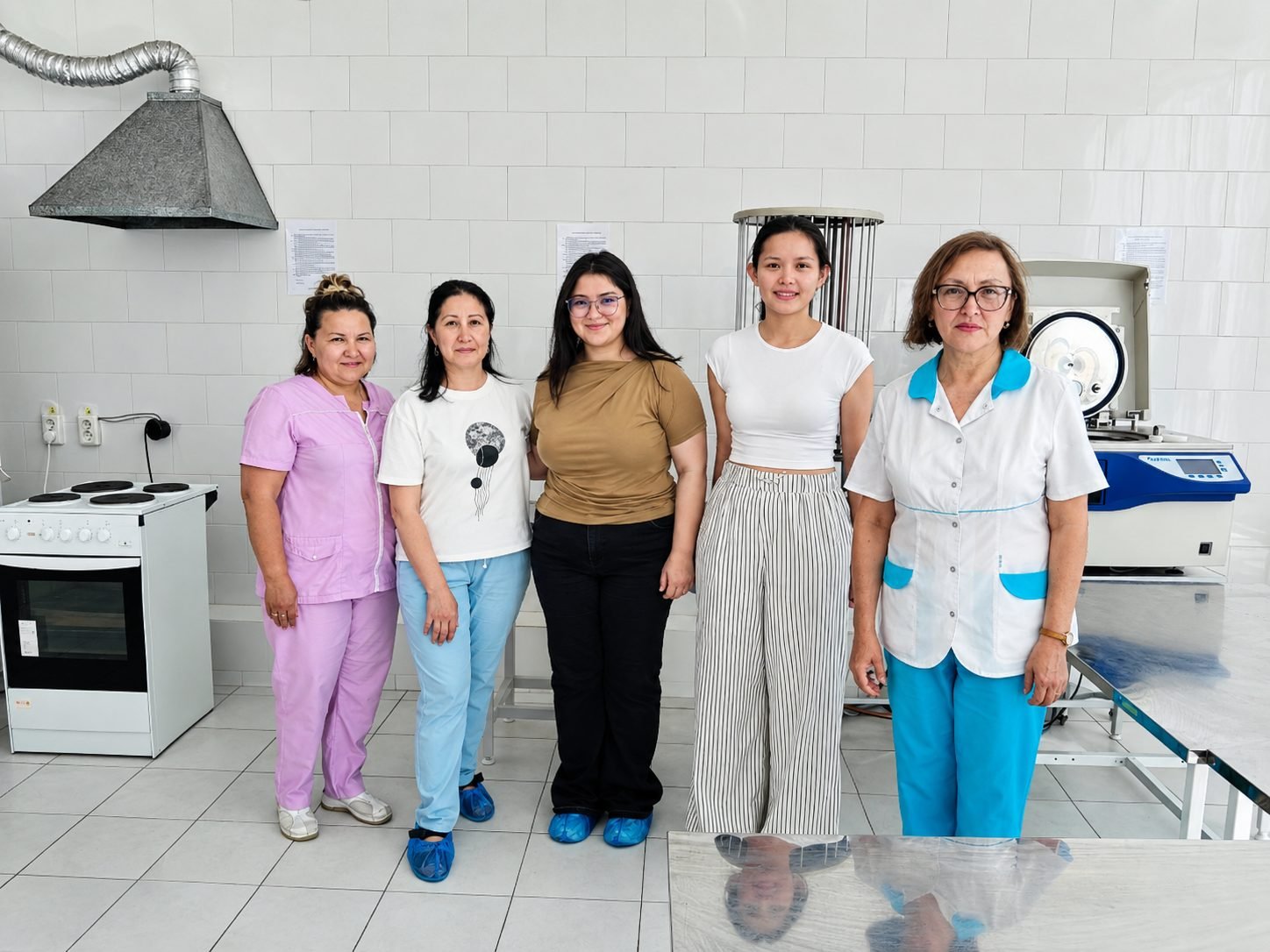

For students considering medical education in Kazakhstan, the changing landscape is particularly noteworthy. The contemporary medical student is no longer preparing only for examinations and clinical rotations. Increasingly, the journey involves research literacy, digital technologies, international exposure, multidisciplinary teamwork and lifelong professional learning. Astana Medical University’s recent activities reflect that wider transformation. Its next chapter will be shaped not simply by the number of programmes it offers, but by how effectively it connects education with research, technology, international cooperation and the evolving needs of healthcare. In the heart of Kazakhstan’s capital, the university is therefore building on its historic foundations while looking outward—to international classrooms, research communities, digital medicine and new generations of healthcare professionals. The developments of June and July 2026 suggest that this journey is already well underway.
More to Read
All issues
Astana Expands Education Funding as School Enrolment Surges
Astana is strengthening investment in its education system as the capital experiences continued growth in its school-age population. An additional KZT 14.7 billion has…
Kazakhstan & University of Sussex Expand Academic Partnership for Scholars & Researchers
Kazakhstan’s Center for International Programs and the University of Sussex in the United Kingdom have strengthened their academic relationship through a new memorandum…
Global Education, Steppe Spirit — International Steppe School of Astana
In Astana, Kazakhstan’s modern capital, education reflects the country’s growing connection with the wider world. Among the institutions contributing to this…