

Kazakhstan Accelerates Water Sector Modernization Through Digital Innovation & Global Partnerships
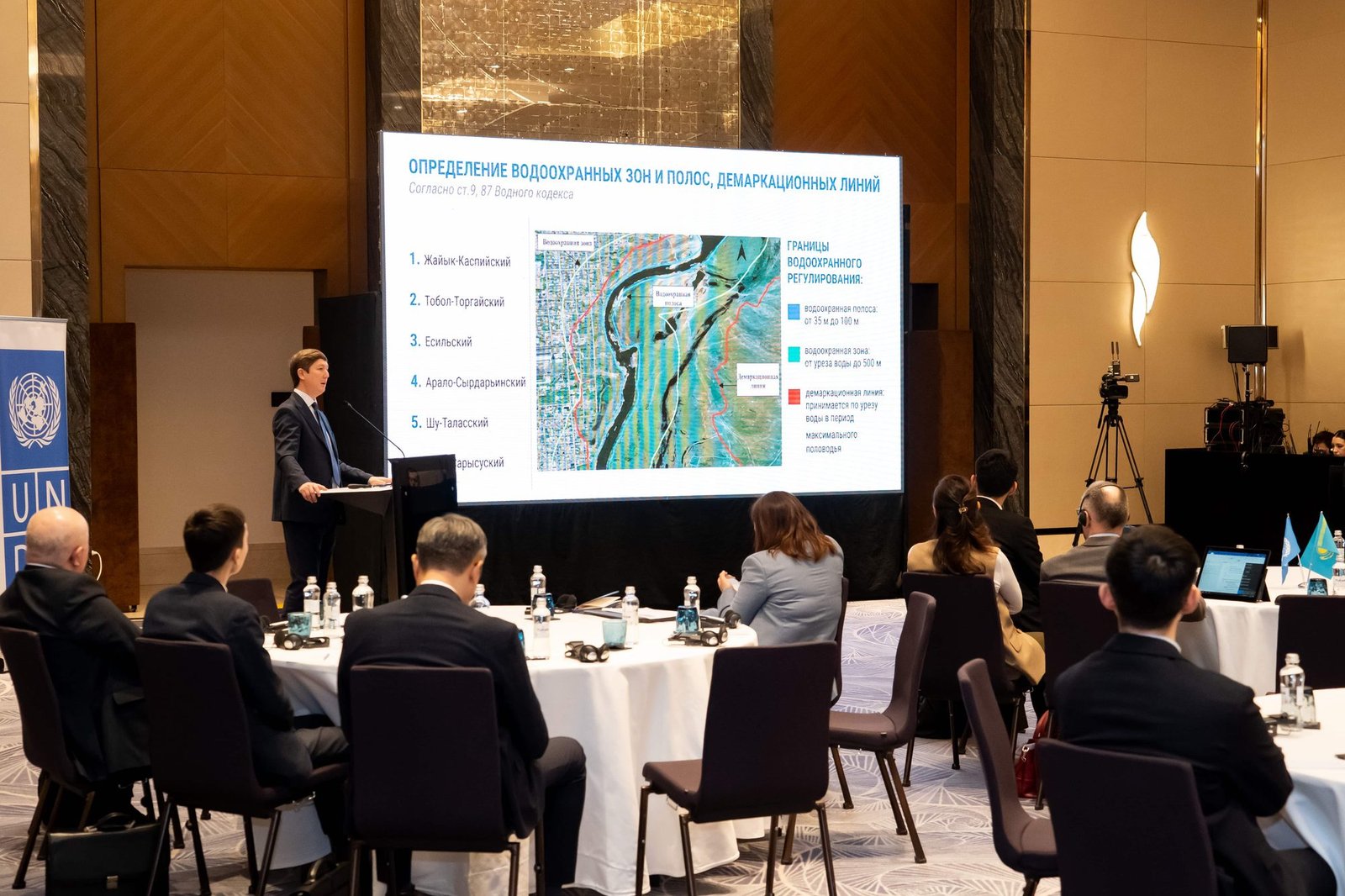
Kazakhstan is taking decisive steps to modernize and digitalize its water sector, recognizing water security as a cornerstone of sustainable development, economic stability, and environmental resilience. In a significant move toward achieving these goals, an inception seminar held on February 19, 2026, in Astana brought together national authorities, international financial institutions, and development partners to align strategies and launch key initiatives aimed at transforming water resource management across the country. The seminar marked the beginning of two major projects—Climate-Resilient Water Resources Development and Business Ecosystem Development for Sustainable Irrigation in Kazakhstan. These initiatives are supported by prominent global institutions, including the Islamic Development Bank, the Eurasian Development Bank, and the United Nations Development Programme. Together, these partners aim to strengthen water governance, improve irrigation efficiency, and integrate climate resilience into Kazakhstan’s water management systems.
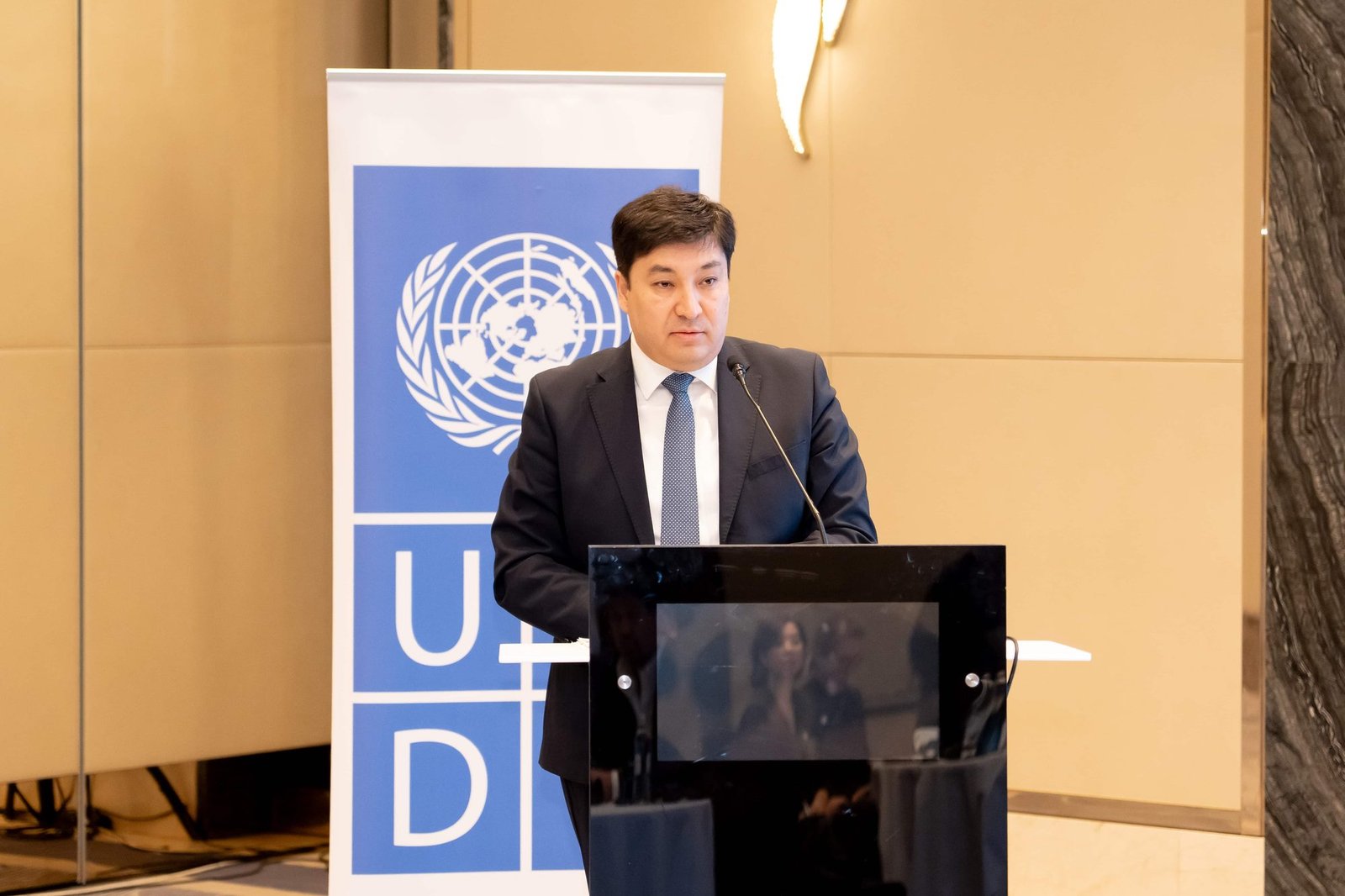
At the heart of the discussion was the urgent need to address structural inefficiencies in the country’s water infrastructure. Kazakhstan’s water sector faces a range of challenges, including outdated irrigation systems, high water losses, and increasing vulnerability to climate change. Vice-Minister of Water Resources and Irrigation Aslan Abdraimov emphasized that the country is undergoing large-scale reforms to establish a robust legal and institutional framework while adopting modern digital solutions and water-saving technologies. A critical issue highlighted during the seminar is the inefficiency of water delivery systems. Currently, of every one million cubic meters of water withdrawn from rivers, only about 400,000 to 450,000 cubic meters reach agricultural land. This is significantly below the global benchmark of approximately 700,000 cubic meters.

The discrepancy is largely due to aging infrastructure, with nearly half of Kazakhstan’s irrigation canals in need of urgent reconstruction. As a result, total system losses can reach up to 60 percent, severely impacting agricultural productivity and water sustainability. Agriculture remains the largest consumer of water in Kazakhstan, accounting for more than 60 percent of total withdrawals. This demand is concentrated in five southern regions, where irrigation is essential for sustaining rural livelihoods and food production. Despite plans to expand irrigated land to 2.5 million hectares by 2030, less than one-third of this area currently uses modern water-saving technologies. This gap presents both a challenge and an opportunity for reform, as improved irrigation methods could significantly enhance efficiency and productivity.
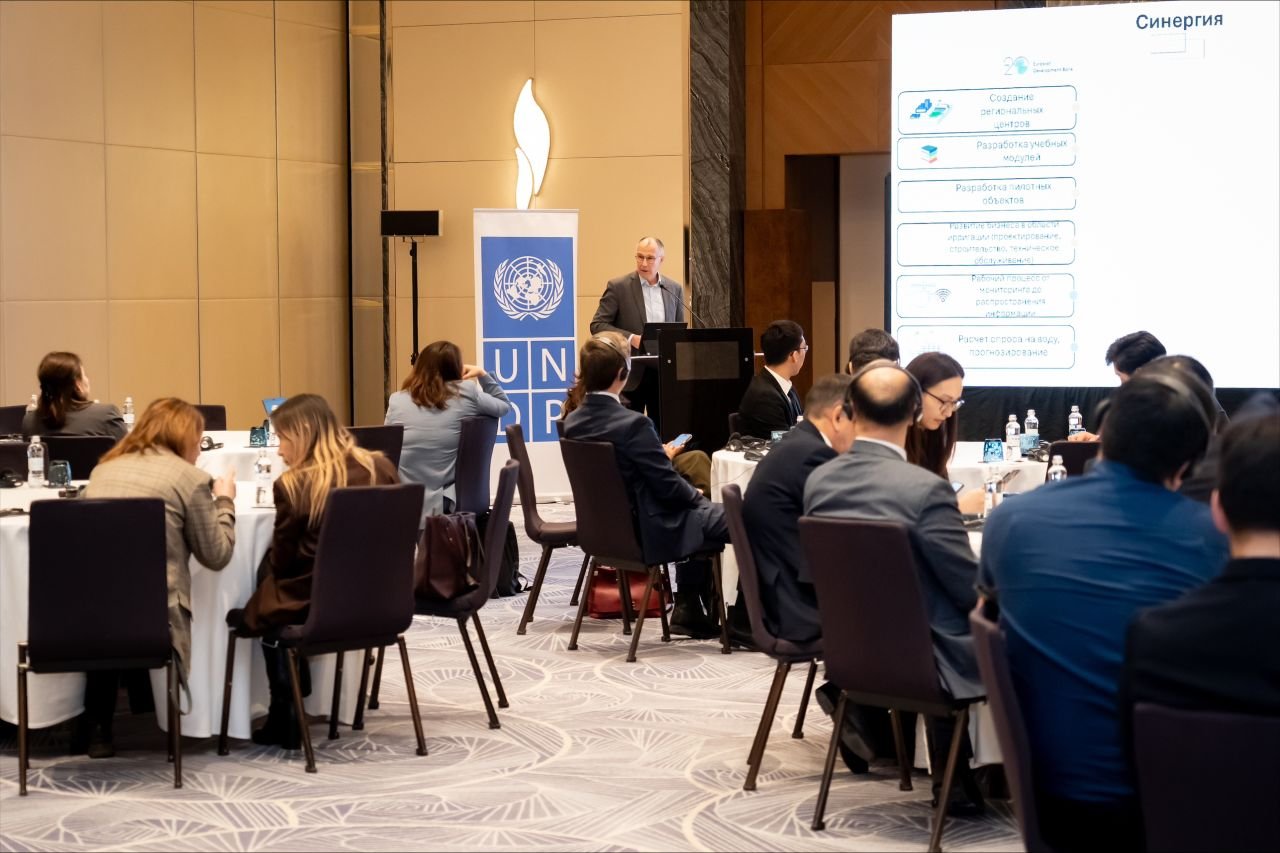
Another major concern is the country’s dependence on transboundary water resources. Key river basins such as the Aral–Syr Darya and Shu–Talas rely heavily on upstream inflows from neighbouring countries. This dependence exposes Kazakhstan to risks associated with climate variability and geopolitical dynamics. As water scarcity becomes an increasingly pressing global issue, the need for coordinated regional solutions and improved forecasting capabilities has become more critical than ever. The involvement of international financial institutions underscores the importance of collaboration in addressing these complex challenges. Representatives from the Eurasian Development Bank highlighted the necessity of coordinated approaches at both national and regional levels, emphasizing that sustainable water management requires a combination of financial investment, institutional reform, and technical expertise.
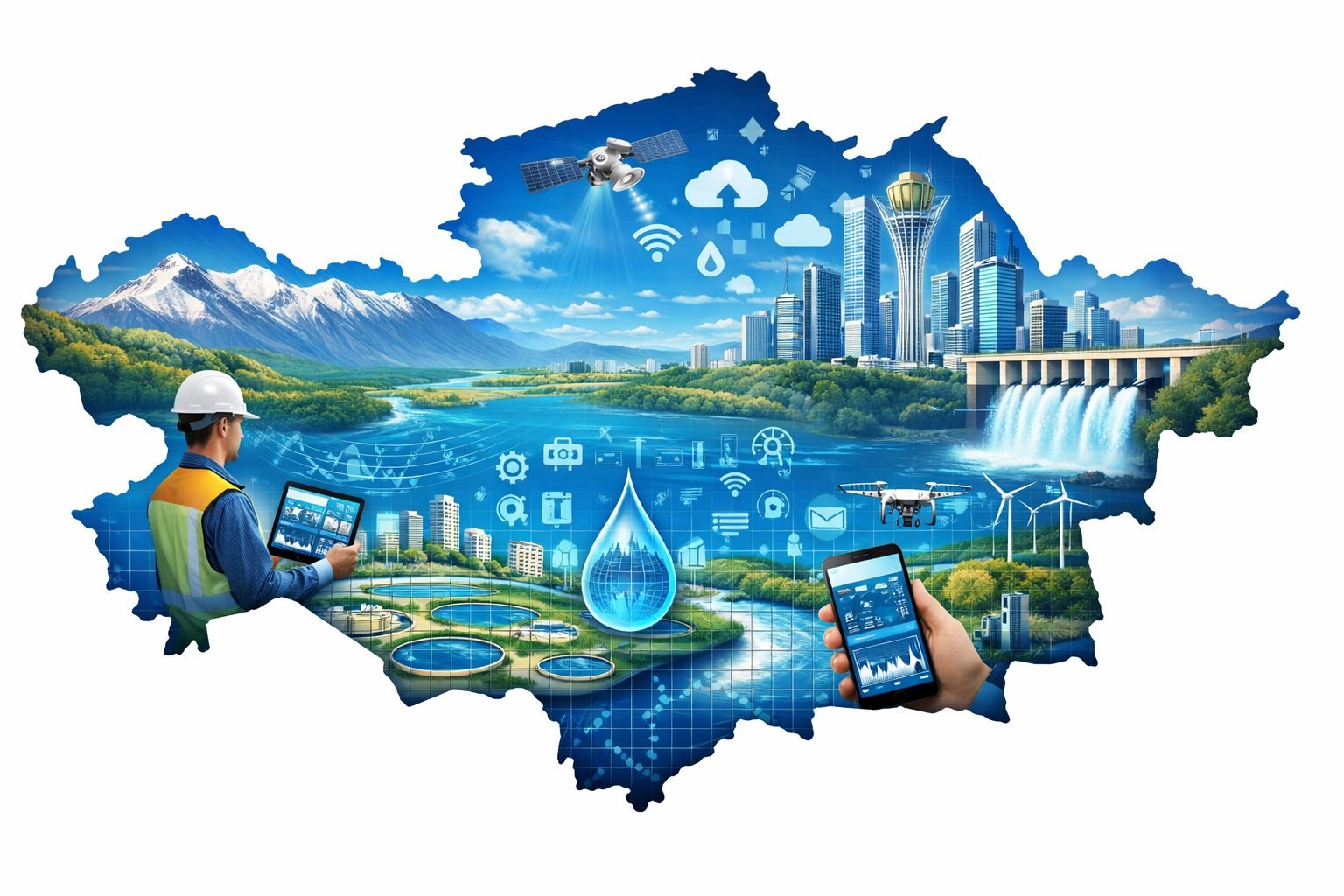
Similarly, the Islamic Development Bank reaffirmed its commitment to supporting Kazakhstan through long-term financing, knowledge sharing, and strategic partnerships aimed at building climate-resilient infrastructure and strengthening institutional capacity. Digitalization is emerging as a key pillar of Kazakhstan’s water sector transformation. By integrating advanced technologies such as real-time monitoring systems, data analytics, and automated control mechanisms, the government aims to improve water allocation, reduce losses, and enhance decision-making processes. These innovations are expected to play a crucial role in optimizing water use and ensuring that resources are distributed efficiently across sectors. In addition to technological advancements, the projects also focus on strengthening governance and institutional frameworks. This includes improving coordination among government agencies, establishing modern irrigation service centres, and enhancing regulatory mechanisms to promote sustainable water use.

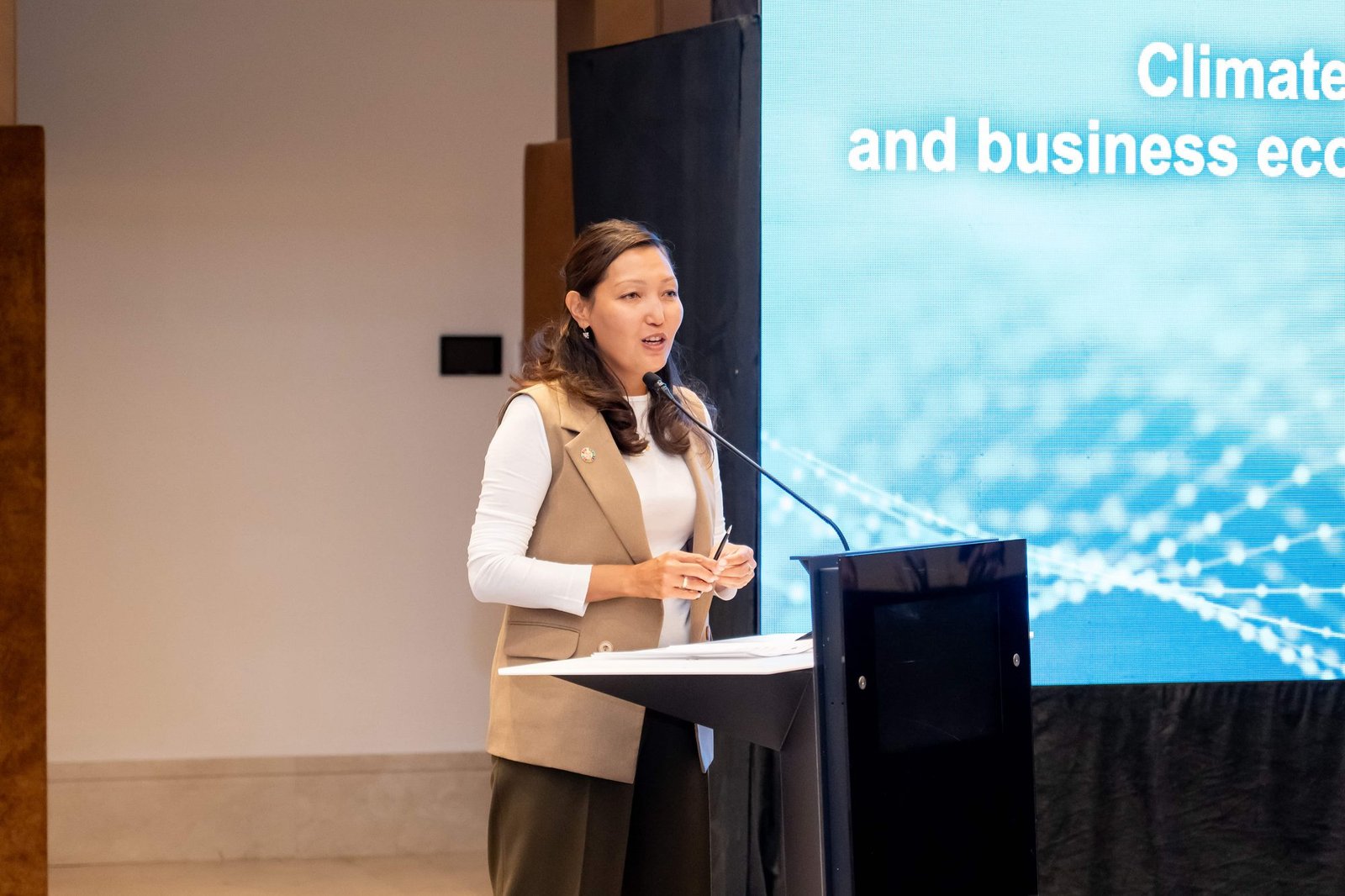
According to Assel Nurbekova, Head of the Energy and Environment Department at UNDP in Kazakhstan, these initiatives represent a timely and strategic step toward ensuring long-term water security and sustainable development. The seminar also served as a platform for stakeholders to review project objectives, discuss implementation strategies, and identify potential risks. Technical sessions covered a wide range of topics, including climate-resilient irrigation practices, the modernization of hydraulic infrastructure, and the integration of digital tools into water management systems. Participants emphasized the importance of strong government leadership and effective coordination among partners to ensure successful implementation. One of the key outcomes of the seminar was the transition from project planning to structured implementation. Recommendations generated during the discussions will guide the development of detailed work plans and help strengthen inter-institutional collaboration.

This marks a significant milestone in Kazakhstan’s efforts to modernize its water sector and build resilience against future challenges. Looking ahead, the successful implementation of these initiatives is expected to deliver a wide range of benefits. These include improved infrastructure reliability, enhanced monitoring and forecasting capabilities, increased dam safety, and more efficient water use across the country. By addressing existing inefficiencies and adopting innovative solutions, Kazakhstan aims to create a more sustainable and economically viable water management system. Moreover, the emphasis on climate resilience reflects a broader commitment to addressing environmental challenges and adapting to changing conditions. As climate change continues to impact water availability and distribution, the integration of adaptive measures into infrastructure and policy frameworks will be essential for ensuring long-term sustainability.


The modernization of Kazakhstan’s water sector also has important implications for regional cooperation. Given the shared nature of water resources in Central Asia, collaborative approaches are necessary to manage transboundary rivers effectively and prevent conflicts. The involvement of international organizations and development banks provides a valuable platform for fostering dialogue and promoting coordinated action among neighbouring countries. In conclusion, Kazakhstan’s efforts to modernize and digitalize its water sector represent a comprehensive and forward-looking approach to addressing one of the most critical challenges of our time. By leveraging international partnerships, embracing technological innovation, and strengthening institutional frameworks, the country is laying the foundation for a more resilient and sustainable future. The initiatives launched in Astana mark not only a significant step forward for Kazakhstan but also a model for other nations facing similar challenges in water resource management.

More to Read
All issues
Kazakhstan Reshapes Investment System to Support Projects from Entry to Expansion
Kazakhstan is moving to strengthen its investment ecosystem with a more coordinated system designed to support investors throughout the entire lifecycle of a…

Kazakhstan Expands National Measures to Safeguard Children’s Rights & Well-Being
Kazakhstan is strengthening its national child protection system through measures addressing violence, bullying, psychological well-being, family-based care, inclusive…
Kazakhstan Accelerates Major Energy & Utility Infrastructure Modernization Drive
Kazakhstan is stepping up the modernization of its energy and utility infrastructure, advancing hundreds of projects designed to renew ageing networks, improve service…