Kazakhstan Expands National Measures to Safeguard Children’s Rights & Well-Being

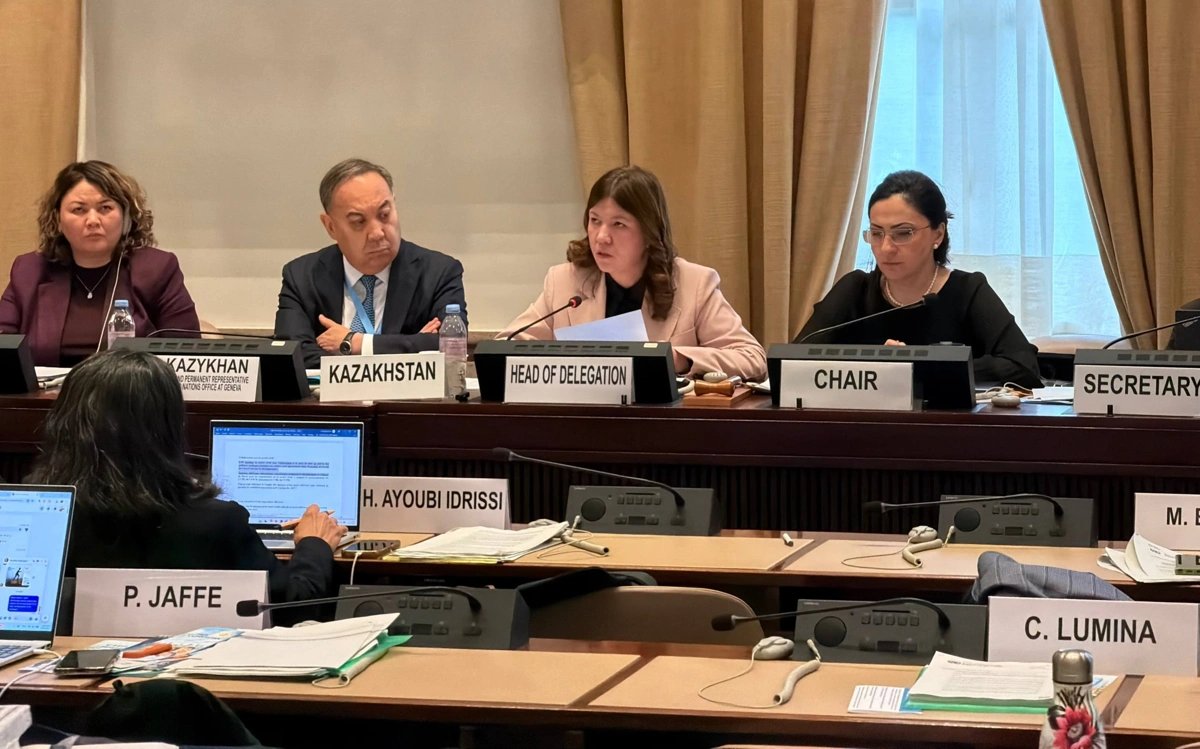
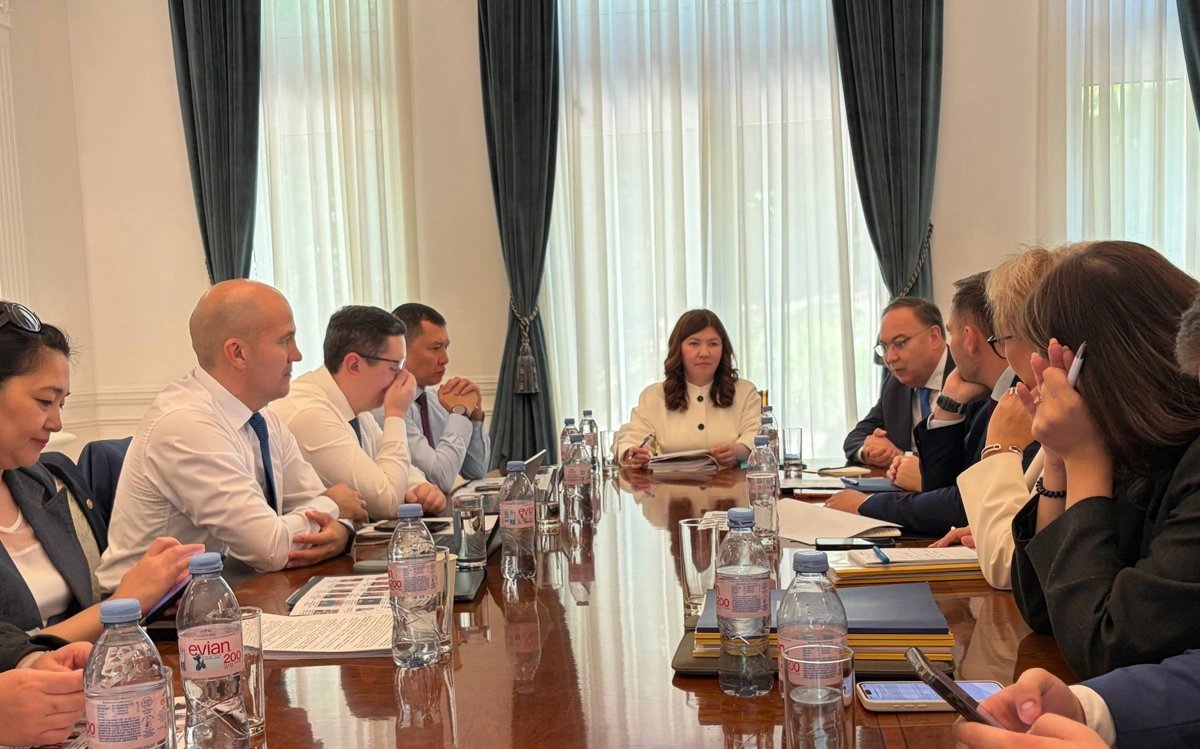
Kazakhstan is strengthening its national child protection system through measures addressing violence, bullying, psychological well-being, family-based care, inclusive education and children’s safety in the digital environment. The country presented its progress to the United Nations Committee on the Rights of the Child in Geneva as part of its reporting on implementation of the UN Convention on the Rights of the Child. Kazakhstan’s interagency delegation was headed by Minister of Enlightenment Zhuldyz Suleimenova and included representatives from the General Prosecutor’s Office, Judicial Administration and government bodies responsible for foreign affairs, internal affairs, healthcare, labour and social protection, culture and information. With around 6.9 million children representing approximately 34% of Kazakhstan’s population, child safety and well-being remain an important area of national social policy.
Tackling Violence, Bullying
& Cyberbullying
Preventing violence against children was one of the central issues presented to the UN Committee. Kazakhstan outlined measures intended to strengthen protection against physical and psychological violence while addressing bullying and cyberbullying. The country’s child-rights legislation provides protections against physical or psychological violence, degrading treatment and bullying. The government is also developing psychological support services to identify risks earlier and provide assistance to children experiencing difficult circumstances. An important component is the state-run 111 contact centre, which operates around the clock and provides assistance on issues involving families and the protection of women and children. The contact centre forms part of the wider system through which children and families can seek information and support.

‘Children of Kazakhstan’ Brings Programmes Together
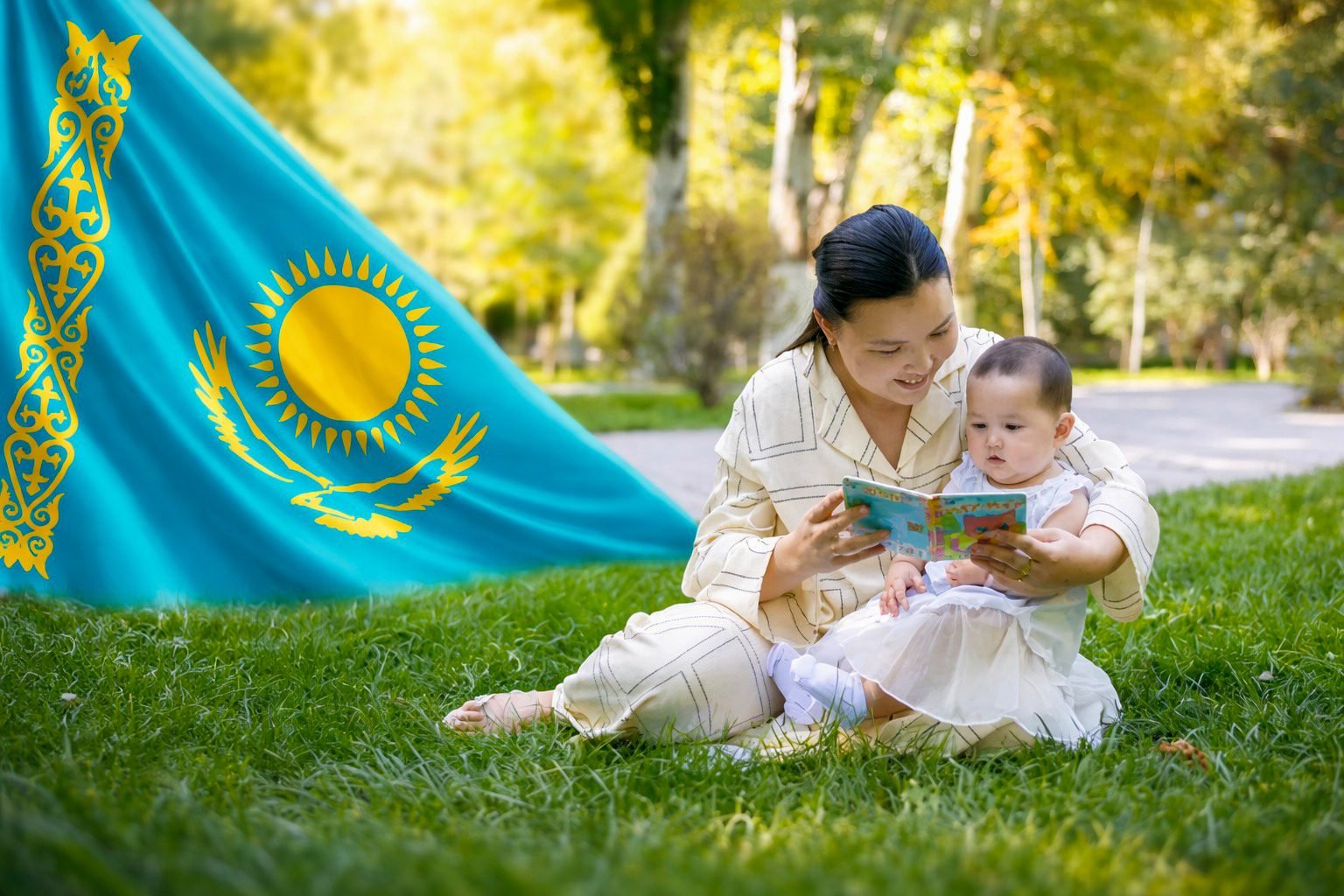
A major element of the country’s strategy is the “Children of Kazakhstan” Concept, which brings child-related policies and programmes into a unified framework. The strategy concentrates on four broad areas: child safety, access to quality education, healthcare, and family and social protection. Official information indicates that implementation is structured around 10 indicators and 158 measures. Rather than treating individual child-related challenges separately, the framework is intended to create a coordinated system involving education, healthcare, social protection and other government institutions. Plans include further development of assistance for children affected by violence, expansion of psychological and mentoring support and greater use of digital technology to identify risks at an earlier stage.

Greater Focus on Family-Based Care
Kazakhstan is also placing greater emphasis on ensuring that children without parental care can grow up in family environments rather than institutional settings. According to information presented to the UN Committee, around 82% of orphans and children without parental care are currently being raised in families. The broader strategy prioritises the transition from institutional models towards family placement, mentoring and targeted support. Kazakhstan’s legislation recognises a child’s right to live and be raised in a family, receive parental care and have their interests and dignity protected. When parental care is unavailable, guardianship and other authorised bodies are responsible for protecting these rights.
Inclusive Education & Children’s Healthcare
Education and healthcare formed another important part of Kazakhstan’s presentation. The government is working to expand preschool and inclusive education, modernise educational infrastructure and improve accountability and quality across educational institutions. Official information also indicates that more than 90% of schools provide barrier-free environments as part of efforts to improve accessibility. Children’s healthcare and equal access to social services are incorporated into the wider national framework, reflecting an approach that connects physical health, psychological well-being, education and social protection.

Protecting Children in the Digital Environment
Kazakhstan’s child-protection agenda increasingly extends into the digital world. Cyberbullying and children’s online rights have become part of discussions surrounding child safety, while digital tools are being incorporated into the country’s support system. The “Children of Kazakhstan” framework includes plans for a digital system called “Balanyn Zholy”, or “The Child’s Path,” through the mGov platform. It is intended to create unified records of state support and improve coordination between agencies assisting children and families. The objective is to make support more coordinated while reducing the need for families to repeatedly approach different government institutions.
Kazakhstan Reaffirms Commitment to Children’s Rights
During its dialogue with the UN Committee, Kazakhstan also addressed children’s participation in decision-making, inclusive education, healthcare and protection of rights online. Minister Zhuldyz Suleimenova said the central measure of effectiveness should be whether policies lead to tangible improvements in the circumstances of individual children. She also indicated Kazakhstan’s readiness to continue dialogue and further develop its national child-rights protection system. Kazakhstan reaffirmed its commitment to the UN Convention on the Rights of the Child and said it would continue strengthening safeguards while taking the Committee’s recommendations into consideration. The emerging framework reflects a broader shift towards an integrated model of child protection—combining prevention, family support, psychological assistance, inclusive services and digital safeguards to create a safer environment for children across the country.
More to Read
All issues
Kazakhstan Reshapes Investment System to Support Projects from Entry to Expansion
Kazakhstan is moving to strengthen its investment ecosystem with a more coordinated system designed to support investors throughout the entire lifecycle of a…
Kazakhstan Accelerates Major Energy & Utility Infrastructure Modernization Drive
Kazakhstan is stepping up the modernization of its energy and utility infrastructure, advancing hundreds of projects designed to renew ageing networks, improve service…

Kazakhstan Builds an AI-Driven Model For Smarter Regional Governance
Kazakhstan is moving toward a new model of regional development in which artificial intelligence, integrated data systems and digital infrastructure become central to…