

Soyuz Crew Lands: Ending 8th Month Space Research Journey

In a flawless conclusion to months of scientific exploration beyond Earth, a Soyuz spacecraft carrying an international crew safely returned to the planet in December 2025, marking the end of an eight-month mission aboard the International Space Station (ISS). Touching down on the vast steppes of Kazakhstan, the landing symbolized not only the physical return of astronauts but also the successful completion of one of the year’s most productive long-duration space research missions. The Soyuz capsule undocked from the ISS in the early hours of the day, executing a carefully timed deorbit burn before entering Earth’s atmosphere. Protected by its heat shield, the spacecraft endured extreme temperatures during re-entry before deploying parachutes and making a controlled landing.
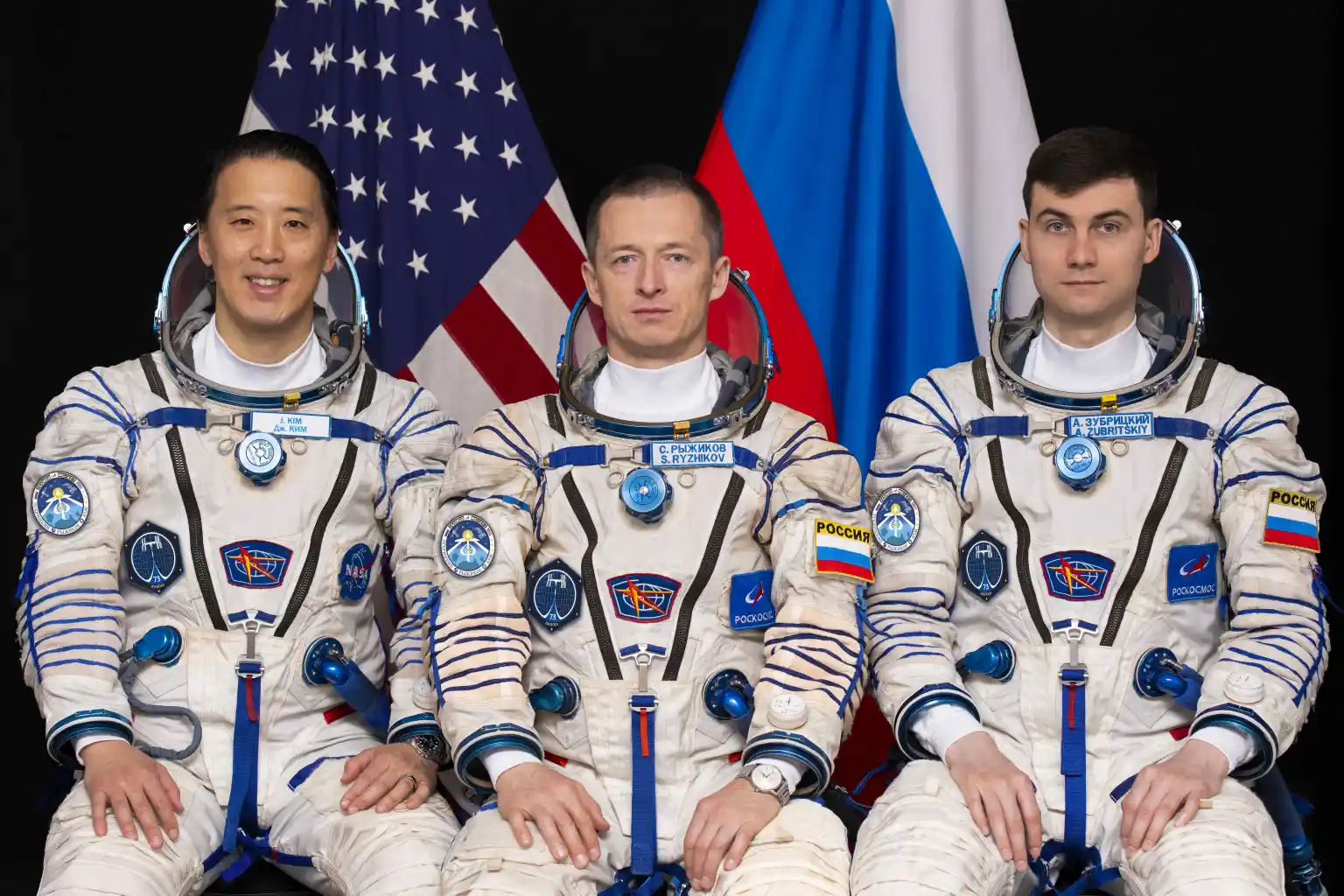
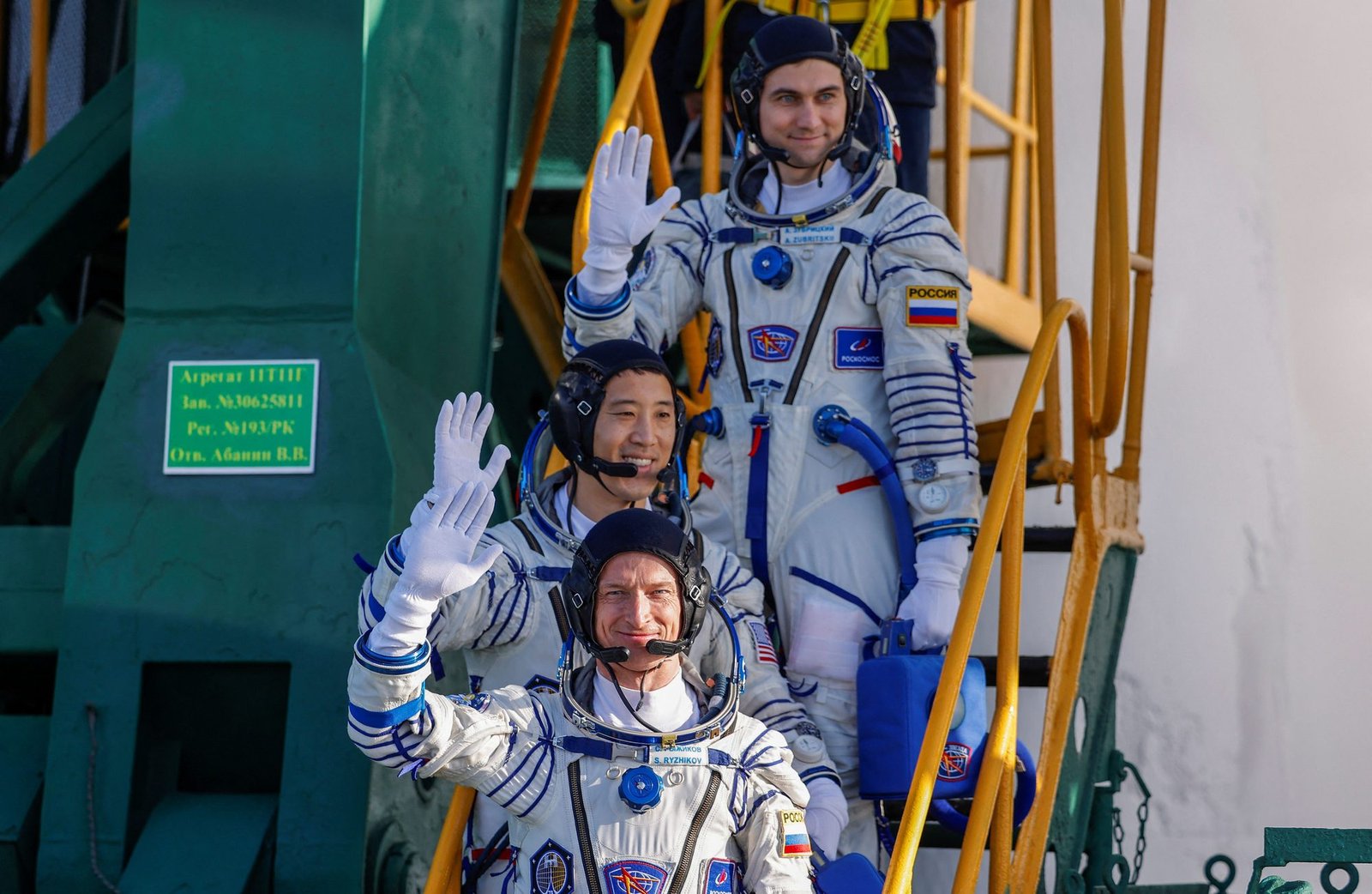
Recovery teams reached the capsule within minutes, assisting the crew as they emerged—smiling, waving, and visibly relieved after months spent in microgravity. A Mission of Science and Cooperation During their eight months aboard the ISS, the crew conducted an extensive range of experiments spanning human health, biology, physics, Earth observation, and advanced technology testing. Long-duration missions such as this are critical for understanding how the human body adapts to life in space—knowledge that will be essential for future missions to the Moon, Mars, and beyond. Medical studies focused on bone density loss, muscle atrophy, cardiovascular changes, and vision adaptation in microgravity. Astronauts followed strict exercise routines and participated in regular health monitoring, providing valuable data for improving countermeasures that protect crews on extended missions. In parallel, biological experiments examined how plants, microbes, and human cells behave in space. Researchers investigated plant growth systems designed to support sustainable food production on future deep-space missions. Microbial studies explored how bacteria adapt in microgravity—research that has implications not only for astronaut health but also for medicine on Earth.

Technology Testing for the Future
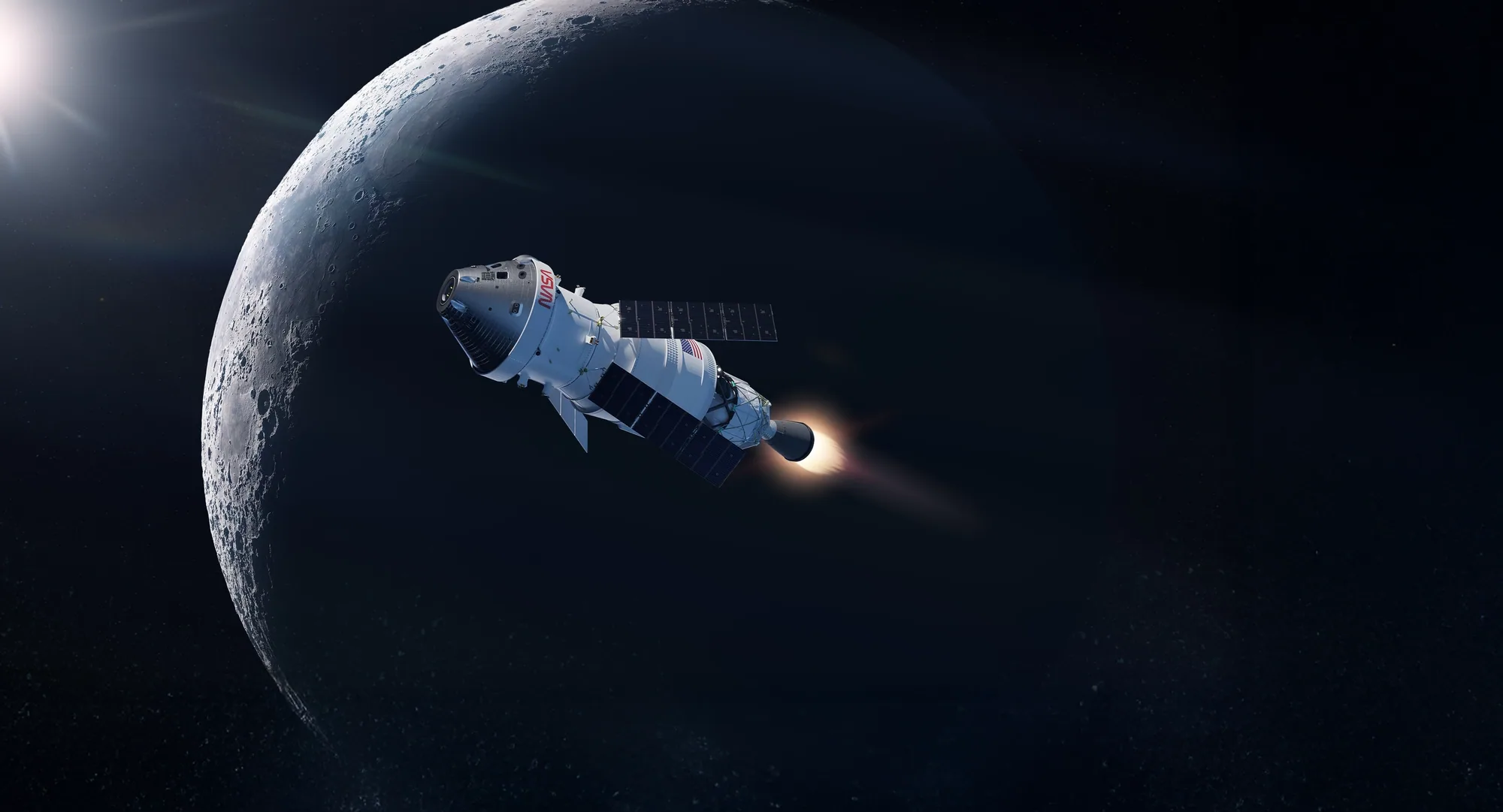
The mission also served as a testing ground for next-generation technologies. Astronauts evaluated new life-support components, advanced robotics, and upgraded communication systems. These tests are essential for improving spacecraft reliability and autonomy, especially as space agencies plan longer missions farther from Earth, where immediate ground support is limited. Materials science experiments studied how alloys, polymers, and composite materials behave in space conditions. Results from these investigations may contribute to stronger, lighter materials for spacecraft, satellites, and even terrestrial industries such as construction and aviation.
Earth Observation and Climate Research
From orbit, the crew captured high-resolution images of Earth, contributing to climate monitoring, disaster response, and environmental research. Observations of glaciers, forests, oceans, and urban areas helped scientists track climate change indicators and assess the impact of human activity on the planet. The ISS continues to be one of the most important platforms for Earth observation, offering a unique vantage point that complements satellite data and ground-based research.


International Partnership in Action
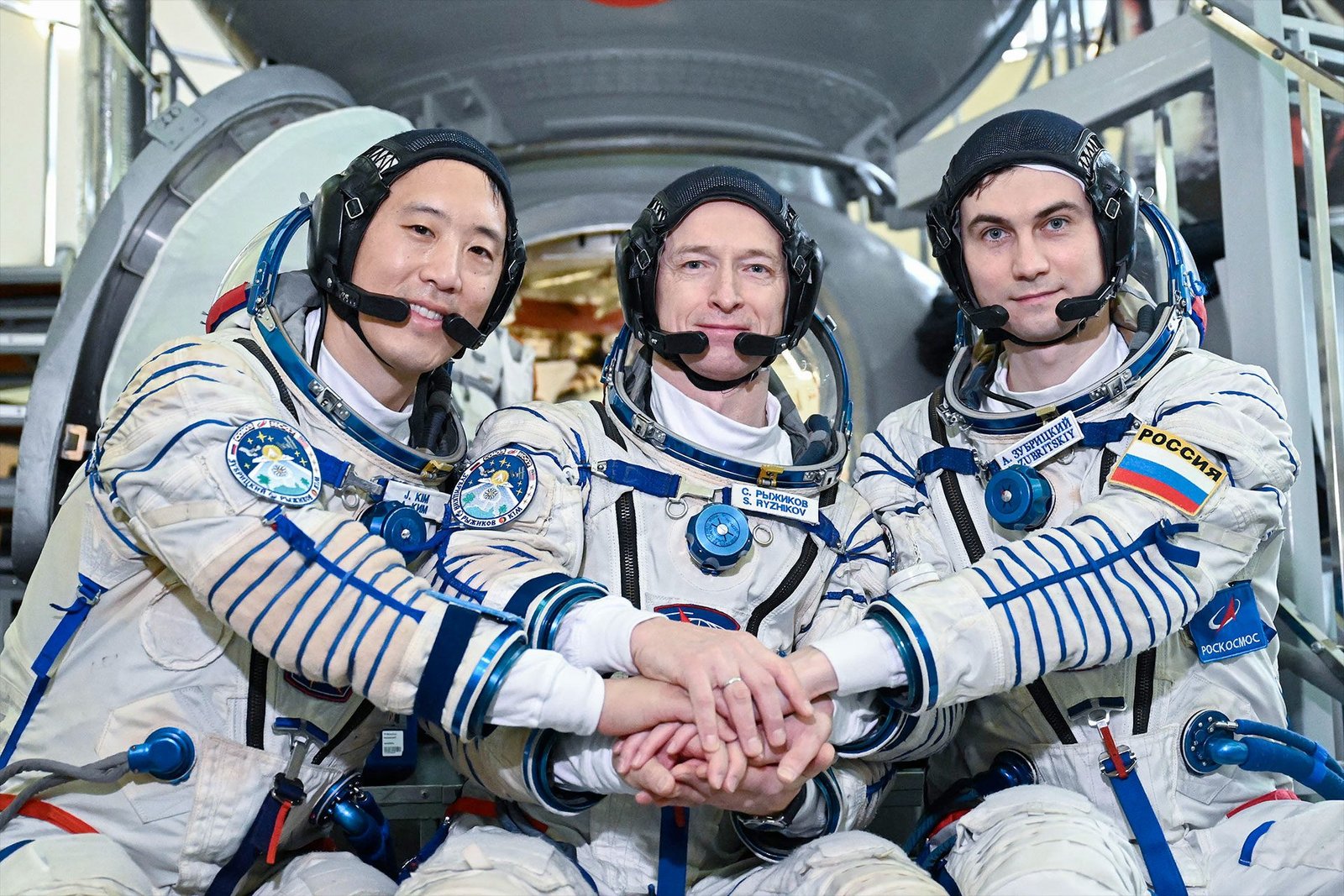
The Soyuz mission once again highlighted the importance of international cooperation in space. Crew members representing multiple nations worked seamlessly together, supported by mission control teams across different countries. Despite global political and economic challenges on Earth, the ISS remains a powerful symbol of peaceful collaboration and shared scientific goals. Kazakhstan’s role as the landing site underscores its long-standing place in the history of space exploration. The steppes have welcomed generations of returning cosmonauts and astronauts, continuing a legacy that began with the earliest human spaceflights. As the crew begins their post-mission rehabilitation and debriefings, scientists around the world are already analysing the vast amount of data collected during the mission. The findings will inform upcoming ISS expeditions and shape plans for future exploration programs, including lunar bases and human missions to Mars.
The successful landing of the Soyuz spacecraft in December 2025 is more than the end of a journey—it is a reminder that sustained human presence in space is not only possible but increasingly productive. Each mission builds on the last, bringing humanity one step closer to a future where space exploration is a routine part of scientific discovery and global cooperation.
More to Read
All issues
Kazakhstan Accelerates Digital Transformation To Attract Global Investment
Kazakhstan is entering a new phase of economic development, combining investment reforms, artificial intelligence, digital infrastructure and strategic industries to…

The Intelligent Almaty — Where Urban Innovation Meets Kazakhstan’s Digital Future
Almaty is gaining international recognition for the way it is embracing digital technologies to improve urban services and support a more connected city experience. In…

Kazakhstan Advances AI Future with New Supercomputer & Expanding Data Centers
Kazakhstan is accelerating its ambitions to become a regional leader in artificial intelligence (AI) and digital technology by expanding its supercomputing capabilities…