
A Retail Revolution in Central Asia: Kazakhstan Powers a US$100 Billion Market
In 2025, Central Asia’s retail market is expected to surpass the symbolic threshold of US$100 billion for the first time — and at the heart of this growth is Kazakhstan, whose vibrant economy, expanding consumer base and rapid retail infrastructure development have helped drive the region’s surge. This milestone isn’t just a number — it signals a shift in Central Asia’s economic character, from resource-driven economies toward dynamic, consumer-oriented markets.

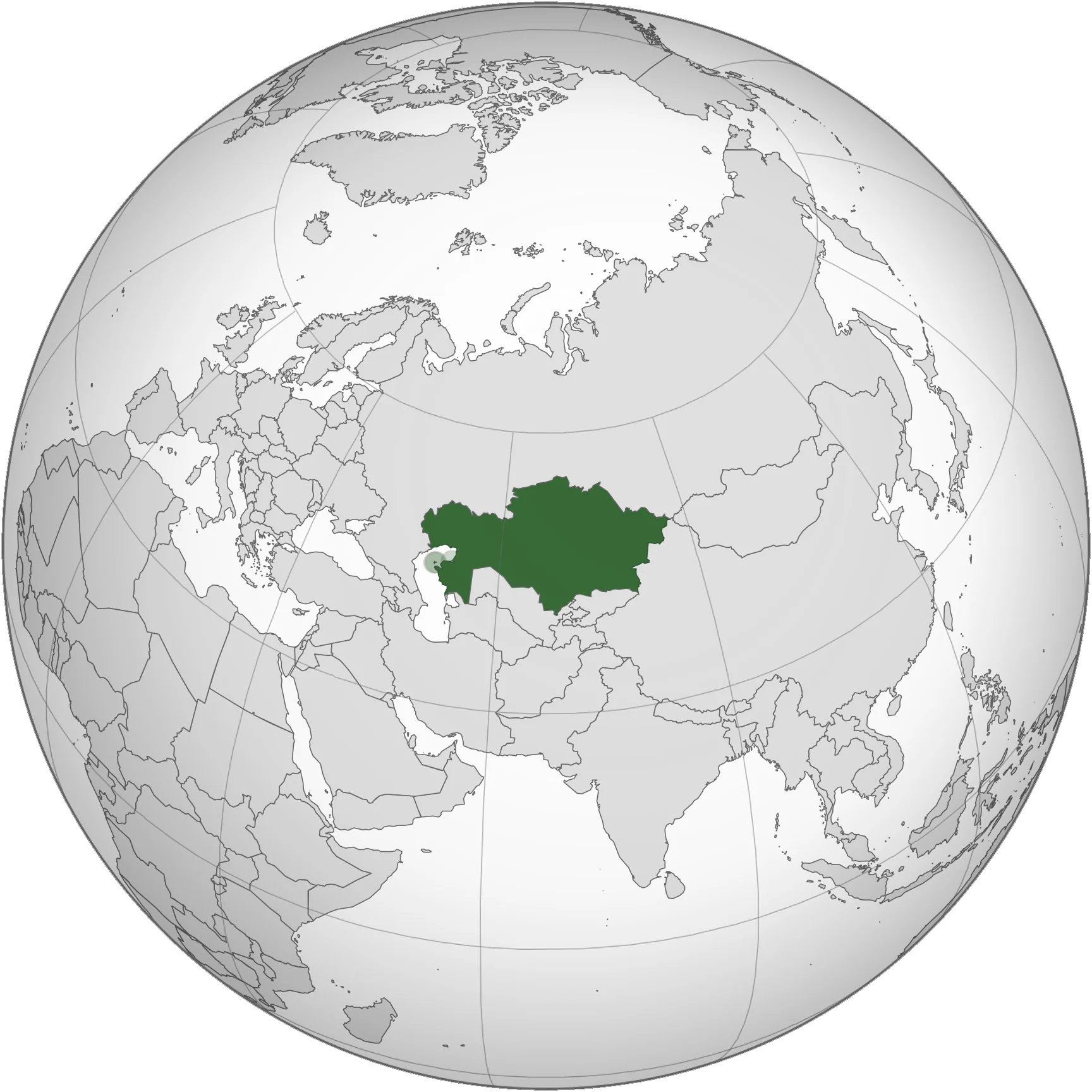
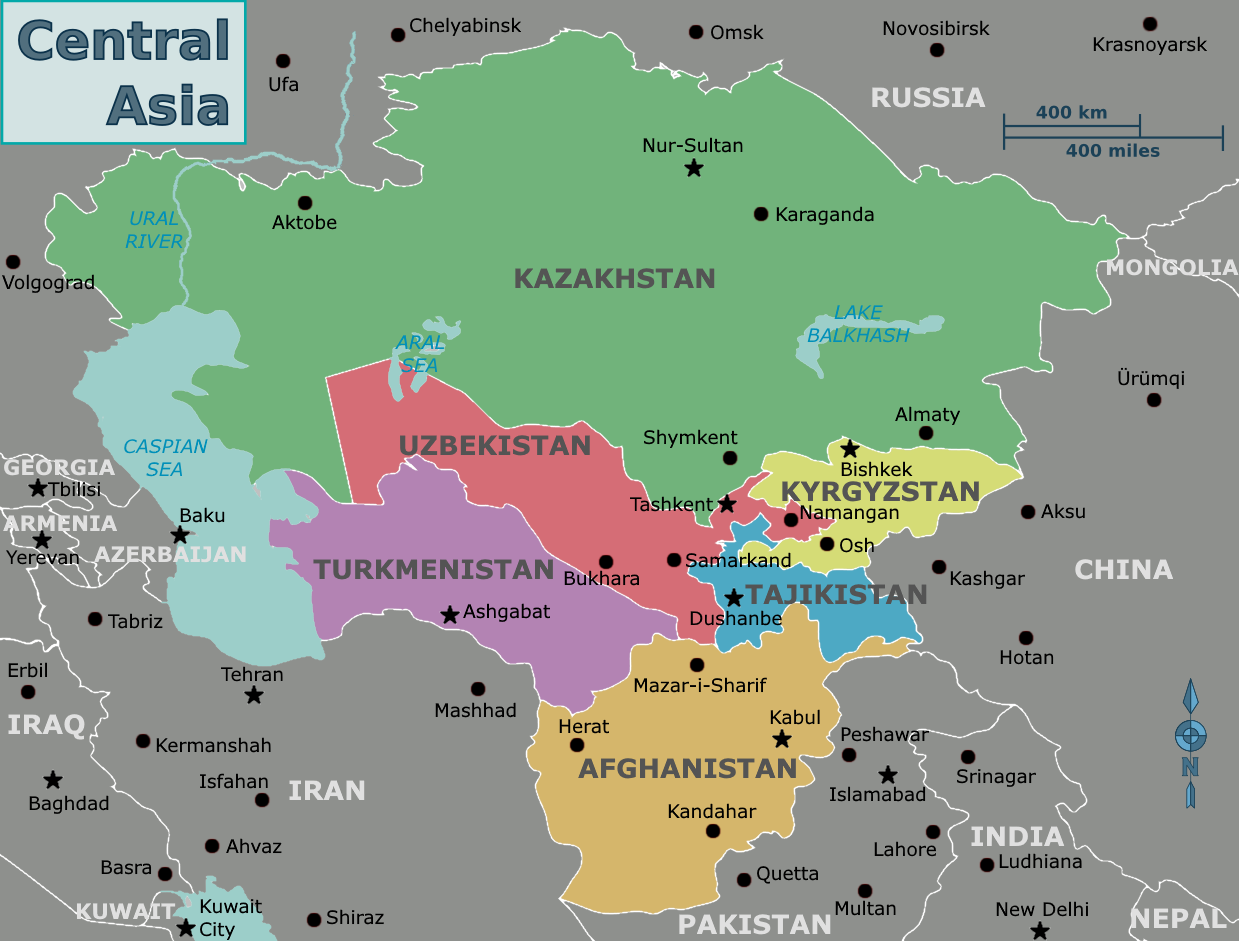
A Growing Market, A Strong Driver. Why 2025 Matters According to a 2025 forecast by INFO Line, the combined retail turnover of Central Asia — including Kazakhstan, Uzbekistan, Kyrgyzstan, Tajikistan and Turkmenistan — will top US$100 billion this year For Kazakhstan alone, the numbers are striking: retail turnover in 2025 is estimated at roughly US$38–40 billion, reflecting a healthy growth rate of about 7–7.5 % year-on-year Analysts attribute this robust growth to a convergence of favourable factors: rising domestic demand, expanding urban populations, increasing incomes, and the rapid development of modern retail infrastructure in cities. This is a major transformation. Rather than primarily relying on natural-resource exports or commodity cycles, Central Asia is increasingly being shaped by consumption, lifestyle spending, and retail trade — a trend that could redefine the region’s economic landscape for decades.

What’s Fuelling the Surge: Trends & Structural Drivers
1. Retail Infrastructure Expansion & Urbanization
In many Central Asian cities — especially in Kazakhstan — retail infrastructure has expanded rapidly. New malls, shopping centres, modern supermarkets and retail outlets are sprouting across urban centres. As domestic demand rises, retailers are expanding their footprints to meet growing consumer needs. Urbanization plays a big role here: as more people relocate to cities, demand for convenient shopping, brand variety, modern retail formats, groceries, apparel, electronics — all increase. For retailers, this means scaling up footprints, supply chains and services to match demand.
2. E-commerce Surge & Digital Retail Transformation
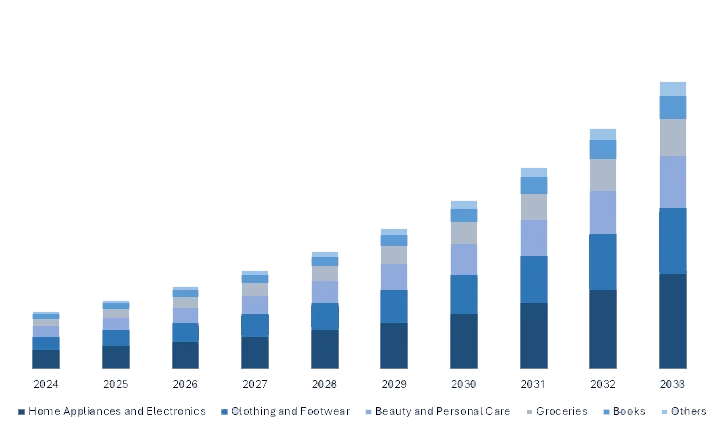
Parallel to traditional retail growth is a fast-rising wave of e-commerce across Central Asia. According to a recent report, the region’s e-commerce market was valued at roughly US$14.7 billion in 2024, with forecasts pointing to substantial growth in the coming years. Kazakhstan remains dominant in the online retail segment, accounting for a large share of the region’s digital retail transactions. As internet penetration deepens and digital payments become more accessible, online shopping is emerging as a complementary — and in many cases, alternative — channel to brick-and-mortar stores. This transition isn’t simply about convenience. It reflects broader shifts in consumer habits: younger, tech-savvy generations, a growing middle class, and rising expectations for speed, variety, and accessibility, even in landlocked or remote regions.
3. Rising Consumer Demand & Demographic Dividend
Central Asia — and Kazakhstan in particular — has a relatively young population with increasing spending power. As incomes rise, disposable income grows, fuelling demand for a wider range of goods: fashion, electronics, home goods, entertainment, and lifestyle-oriented products. With better jobs, higher urban wages, and increasing consumer confidence, households are spending more. This strengthens retail demand not just for essentials but for discretionary and lifestyle purchases — signalling a shift toward a more diversified consumption culture.


4. Regional Integration & Cross-border Trade Opportunities
Retail growth in Central Asia isn’t isolated by country. As regional connectivity improves and trade routes stabilize, cross-border commerce and supply chain integrations support larger retail volumes. Investors and retailers eye the region as a unified market rather than isolated national markets. For Kazakhstan — often the gateway to Central Asia due to its size, infrastructure and strategic location — this means it stands to benefit disproportionately. As regional demand grows, Kazakhstan’s retail and logistics networks are increasingly serving a wider Central Asian consumer base.
What It Means for Shoppers, Businesses, and the Region
• More Choice, Better Access: With growth in both physical retail and e-commerce, consumers across cities — and increasingly smaller towns — can access a wider variety of goods: groceries, electronics, fashion, home goods, lifestyle products. • Convenience & Speed: The rise of online marketplaces reduces friction for consumers. No need to travel long distances; orders can be delivered to homes, often quickly. • Competitive Pricing & Quality: As competition among retailers grows and supply chains mature, consumers may benefit from better prices, promotions, and improved product quality.
Businesses and Retailers
• Opportunity for Expansion: For both domestic and foreign players, Central Asia — especially Kazakhstan — now represents a large and growing market with demand across categories. • Hybrid Retail Strategies: Success increasingly favours retailers that combine physical stores with strong e-commerce capabilities — Omni channel models. • Emerging Demand for Logistics & Infrastructure Services: As retail expands and cross-border trade rises, there’s growing need for warehouses, logistic services, supply-chain management — opening business opportunities beyond retailing directly.

Regional Economic & Social Impact
•Diversifying Economies: Reliance on natural resources is slowly giving way to a broader, consumption-driven economy. Retail becomes a pillar of growth, employment, and value creation. •Urban Development & Employment: As retail spreads across cities and towns, it drives jobs — in stores, logistics, services — supporting urban growth and economic development. •Cultural & Lifestyle Shift: Retail growth often brings lifestyle changes: exposure to global brands, changing consumer tastes, modern shopping habits — gradually shifting everyday life and aspirations in Central Asia.
Challenges & Questions Ahead
While the forecast is optimistic and the growth impressive, several challenges and caveats remain. •Uneven Distribution: Retail expansion tends to concentrate in major cities. Rural areas or smaller towns may still be underserved, limiting access for a portion of the population. •Infrastructure & Logistics Gaps: Especially for e-commerce and cross-border retail, logistics warehousing, reliable shipping, payment systems remain critical. In landlocked countries, infrastructure upgrades are essential. •Economic Vulnerability: Rapid growth could be sensitive to broader macroeconomic factors — inflation, currency fluctuations, employment trends. Consumption-driven economies can be fragile if external shocks hit. • Digital Divide: Despite rising internet penetration, digital literacy and access remain uneven. For e-commerce to reach its full potential, the divide between urban and rural connectivity must shrink. • Sustainability and Local Markets: Fast-paced growth risks overshadowing local crafts, small businesses, and traditional retail models (e.g. bazaars, small shops). Balancing modern retail with local heritage will be a challenge.

A Vision for 2030 and Beyond
If current trends continue, Central Asia’s retail market — underpinned by Kazakhstan’s leadership — could redefine itself by 2030. What might that look like? • A $150–200 billion regional retail market, supported by growing middle classes, urbanization, and continued infrastructure investment. • Omni channel retail norms: Brick-and-mortar stores integrated with online platforms, seamless logistics, digital payments — a mature retail ecosystem. • Regional retail hubs: Kazakhstan — especially major cities like Almaty, Astana (Knur-Sultan), and others — may become retail and distribution centres for the wider region. • Growth of consumer culture: More lifestyle-oriented consumption — fashion, design, home décor, hobbies, leisure goods — becoming part of daily life for many.
• Rise of SMEs and local brands: As retail grows, smaller domestic producers and boutiques may find space — blending local aesthetics with modern distribution. The 2025 milestone — Central Asia retail market surpassing US$100 billion — is more than a statistical landmark. It marks a turning point for a region historically shaped by natural resources, geopolitics, and transition economies. With Kazakhstan leading the charge, retail and consumer consumption are rewriting the economic narrative. For consumers, this means more choice, more convenience, and more modern lifestyles; for businesses, it means opportunity, expansion, and a new frontier; for the region, it means a shift — toward diversification, urban growth, and a future where retail and trade play a central role. As SKUs multiply and storefronts rise — both online and offline — Central Asia is quietly becoming one of the world’s most promising emerging consumer markets. And 2025 may be remembered as the year it crossed the Rubicon.

More to Read
All issues
Chanel Brings Its Signature Fragrance & Beauty Experience to Kazakhstan
French luxury House CHANEL has strengthened its presence in Central Asia with the opening of its first dedicated Fragrance & Beauty boutique in Kazakhstan. Located at…
Blue Elephant Makes Central Asian Debut with First Kazakhstan Store in Almaty
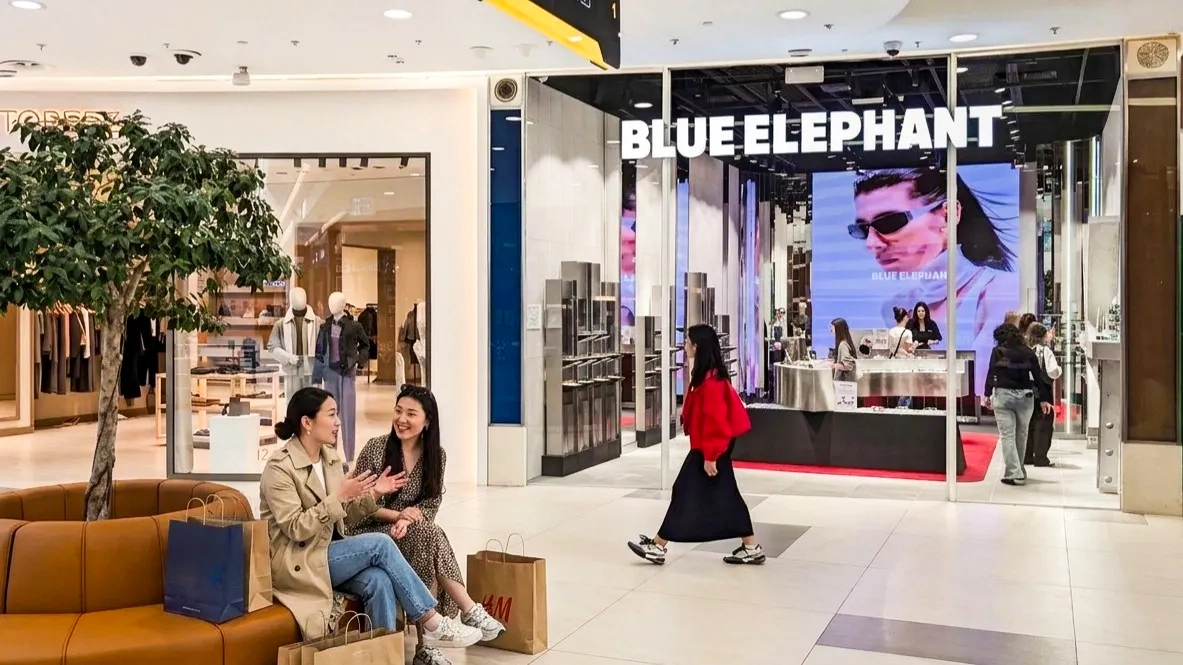
South Korean eyewear label Blue Elephant has entered Kazakhstan with the opening of its first Central Asian store at MEGA Alma-Ata in Almaty, marking another…

GRESSO — Strengthens Its Presence in Kazakhstan with a New Almaty Store
Premium eyewear brand GRESSO is further strengthening its presence in Kazakhstan with the opening of a new boutique at MEGA Alma-Ata in Almaty. The 130-square-metre…