


Corporate, Industries & Invest in Kazakhstan
Kazakhstan Strengthens Its Agro-Industrial Ambitions
Three Major Oilseed Processing Investments Across the Country
Nearly one million tons of annual exports, three regions and international capital — the value-added turn in Kazakh agriculture.
Kazakhstan is taking another significant step toward becoming a regional leader in agricultural processing and value-added exports, as plans move forward for the construction of three large- scale oil extraction plants across the country. Backed by international investment and supported by government institutions, the projects are expected to enhance Kazakhstan’s processing capacity, boost agricultural exports, create jobs, and strengthen the country’s position in global food supply chains. The initiative was discussed during a high-level meeting involving Gabidulla Ospankulov, Chairman of the Investment Committee of the Ministry of Foreign Affairs of the Republic of Kazakhstan, Sultangali Kinzhakulov, Chairman of the Board of KAZAKH INVEST National Company JSC, and representatives of XIYU AGRICULTURAL PTE. LTD., an international agribusiness investor actively expanding its presence in Kazakhstan. The discussions highlighted the company’s ongoing and planned investments in deep grain and oilseed processing, a sector that has become increasingly important as Kazakhstan seeks to move beyond raw commodity exports and develop higher-value agricultural industries.
Expanding Kazakhstan’s Oilseed Processing Capacity
The new investment package announced by XIYU AGRICULTURAL PTE. LTD. includes the construction and development of three major oil extraction facilities located in the Almaty, Kostanay, and North Kazakhstan regions. Together, these projects represent one of the largest recent investments in Kazakhstan’s agricultural processing sector. The combined investment volume exceeds 146 billion tenge, reflecting the growing confidence of international investors in Kazakhstan’s agricultural potential and business environment. The facilities will focus on processing oilseed crops into vegetable oils and oilcake, a valuable by- product widely used in livestock feed production. By processing agricultural products domestically, Kazakhstan can capture greater economic value, reduce reliance on raw exports, and create new opportunities for downstream industries.
Almaty Region: Modernizing Existing Production
The first project involves the expansion and development of the production facilities of Kapshagay Bidai Onimderi LLP in the Almaty region. This project will receive investments totaling approximately 39.7 billion tenge and is expected to become an important processing hub for southern Kazakhstan. Once operational, the facility is projected to export around 54,600 tons of vegetable oil annually, along with approximately 61,900 tons of oilcake. The modernization of existing infrastructure will allow for increased efficiency, improved processing technologies, and enhanced competitiveness in both domestic and international markets. The location near major transportation routes also provides strategic advantages for exporting finished products to neighboring countries and international destinations.
“Nearly one million tons of annual exports — enough to move Kazakhstan from raw crop supplier to regional processing hub.”
Kostanay Region: A Large-Scale Processing Hub
The second project will be developed through Tobol Agro Processing LLP in the Kostanay region, one of Kazakhstan’s most productive agricultural areas. With an investment volume of 53.3 billion tenge, the facility is expected to become one of the country’s major oilseed processing centers. Annual exports are projected to reach approximately 228,000 tons of vegetable oil and 198,000 tons of oilcake. Kostanay’s strong agricultural base, extensive farmland, and established grain production sector make it an ideal location for large-scale processing operations. The new plant will help create a stronger connection between local farmers and industrial processors, ensuring stable demand for oilseed crops while supporting regional economic development. The project is also expected to encourage farmers to diversify crop production, potentially increasing the cultivation of sunflower, rapeseed, flax, and other oilseed varieties that are gaining importance in global food and feed markets.
North Kazakhstan: Export-Oriented Production
The third project will be implemented by Asyl Grain LLP in the North Kazakhstan region, another key agricultural center known for its fertile land and strong farming traditions. Matching the scale of the Kostanay project, the facility will also receive investments totaling 53.3 billion tenge. Once completed, it is expected to export approximately 216,000 tons of vegetable oil and 192,000 tons of oilcake annually. The region’s proximity to major export routes and neighboring markets provides significant opportunities for international trade. By establishing advanced processing facilities closer to raw material sources, transportation costs can be reduced while improving overall supply chain efficiency. This project aligns with Kazakhstan’s broader strategy of strengthening agricultural exports and increasing the share of processed products in international trade.
Nearly One Million Tons of Annual Exports
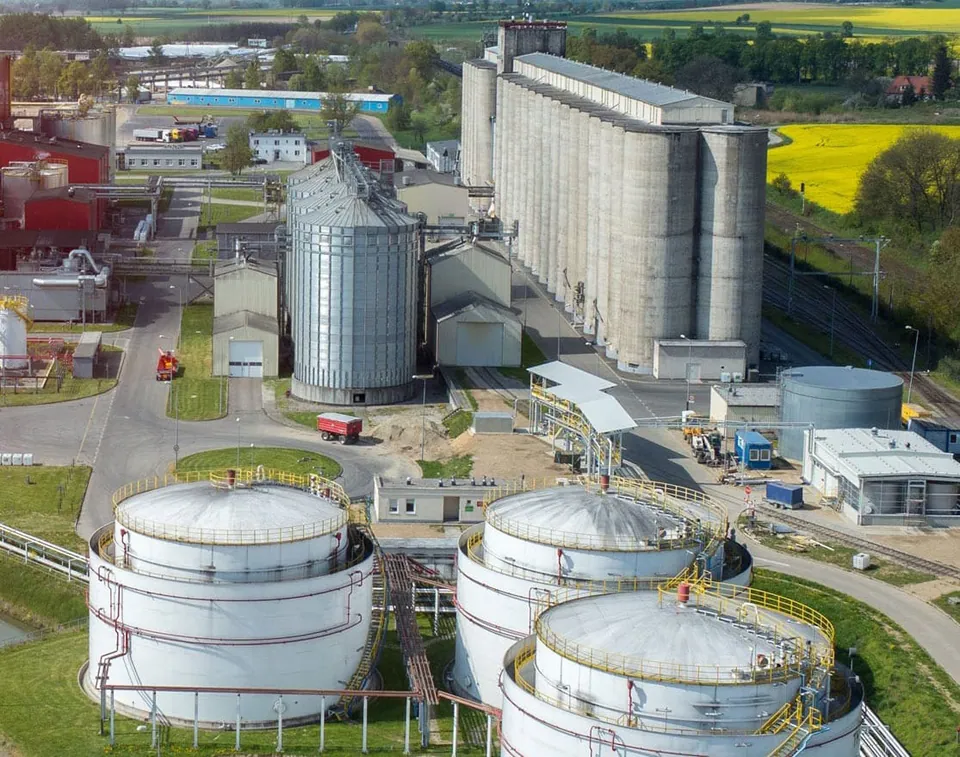
Collectively, the three facilities will dramatically increase Kazakhstan’s oilseed processing capabilities. According to project estimates, the combined processing capacity will exceed 3,000 tons of oilseed raw materials per day. Annual exports of finished products and by-products from the three plants are expected to approach 950,000 tons. Such volumes could significantly strengthen Kazakhstan’s role in regional and global vegetable oil markets, particularly as demand continues to grow across Asia, the Middle East, and other developing regions. The expansion also supports national efforts to diversify export revenues by increasing shipments of processed agricultural goods rather than relying primarily on raw commodity exports.
Economic Benefits and Job Creation
Beyond export growth, the projects are expected to generate substantial economic benefits for local communities and regional economies. Approximately 500 new jobs are expected to be created during construction and operational phases. These positions will range from engineering and technical specialists to plant operators, logistics personnel, quality control experts, and administrative staff. The projects are also expected to stimulate demand for locally produced oilseed crops, providing farmers with stable markets and encouraging investment in agricultural productivity. As processing capacity expands, supporting industries such as transportation, packaging, storage, maintenance services, and agricultural technology providers are also likely to benefit, creating broader economic multiplier effects throughout the regions involved.
Technology Transfer & International Cooperation
During the meeting, representatives discussed several important implementation issues, including raw material supply chains, technology transfer, engineering expertise, and regulatory approvals. Modern oil extraction facilities require advanced technologies to maximize efficiency, product quality, and environmental performance. International cooperation can play a critical role in introducing innovative processing techniques and operational best practices to Kazakhstan’s agricultural sector. The involvement of foreign investors also creates opportunities for knowledge exchange, workforce training, and the development of local technical expertise. Such collaboration supports Kazakhstan’s long-term objective of building a modern, competitive agro-industrial economy capable of competing in international markets.
XIYU AGRICULTURAL’s Growing Presence in Kazakhstan
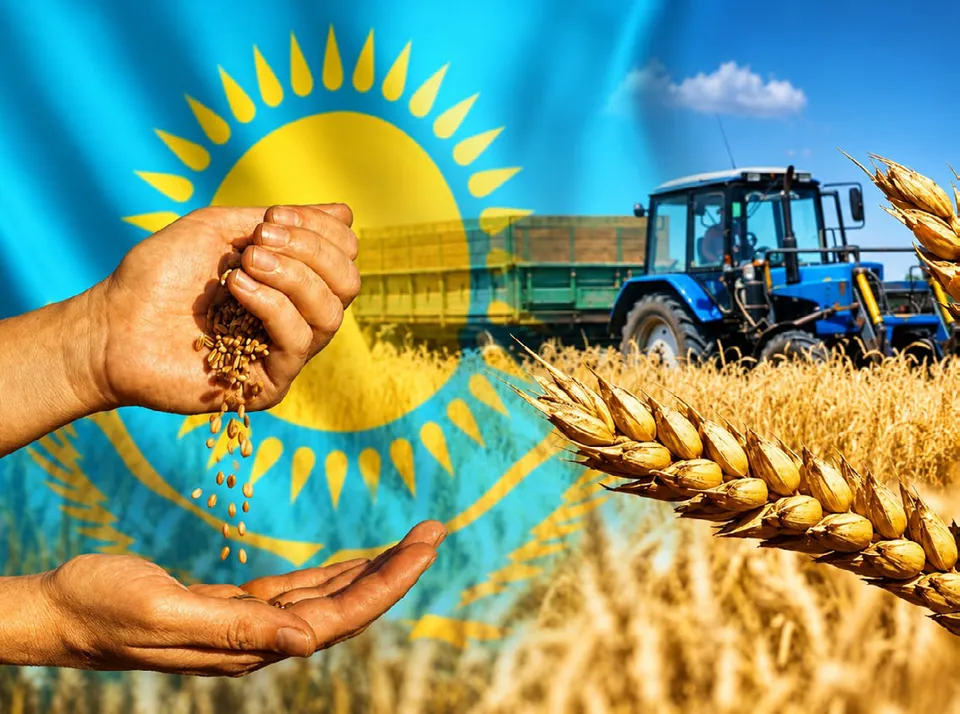
Qi Jianxi, a shareholder of XIYU AGRICULTURAL PTE. LTD., reaffirmed the company’s commitment to long-term cooperation with KAZAKH INVEST and Kazakhstan’s investment authorities. The company has already established a strong presence in Kazakhstan through a range of agricultural processing projects. Existing operations include facilities producing flour, animal feed, vegetable oil, oilcake, and packaging materials, with products exported primarily to China and Southeast Asian markets. The total production volume from the company’s ongoing projects currently exceeds 2 million tons annually, demonstrating both the scale of its operations and its confidence in Kazakhstan’s agricultural potential.
A Strategic Step Toward Value Added Agriculture
The planned construction of oil extraction plants in the Almaty, Kostanay, and North Kazakhstan regions represents more than just an investment in industrial infrastructure. It reflects Kazakhstan’s broader economic strategy of moving up the agricultural value chain, increasing domestic processing, and expanding exports of high-value products. As global demand for vegetable oils, animal feed ingredients, and processed agricultural products continues to rise, Kazakhstan is positioning itself to become a more influential player in international agribusiness. With over 146 billion tenge in planned investments, nearly one million tons of annual exports, and hundreds of new jobs expected, the projects demonstrate how strategic partnerships between government institutions and international investors can contribute to sustainable economic growth while strengthening the country’s food processing capabilities for the future.
Continue exploring
More from Incredible Kazakhstan
IT, Digital, Science & Technology
The Intelligent Almaty
Where Urban Innovation Meets Kazakhstan’s Digital Future

Housing, Infrastructure & Build-Tech
Qazaq Stroy
Building Kazakhstan’s Next Generation of Urban Communities

IT, Digital, Science & Technology
Transforming the Nation Through AI
Kazakhstan’s Government-Led Digital Strategy