



Travel, Tourism & Leisure
Bayanaul National Park
Kazakhstan’s First National Park and a Natural Wonderland
Mountains, forests, four freshwater lakes and rock formations shaped by wind and time — 68,000 hectares in the Pavlodar Region that hold both an ecosystem and a body of folklore.
Nestled in the heart of northeastern Kazakhstan, Bayanaul National Park stands as one of the country’s most treasured natural destinations. Located in the Pavlodar Region, approximately 100 kilometres from the industrial city of Ekibastuz, this remarkable landscape combines mountains, forests, lakes, rock formations, and rich cultural heritage into a single breathtaking destination. Established in 1985, Bayanaul became Kazakhstan’s first national park and remains one of the nation’s most celebrated protected natural areas.
Covering more than 68,000 hectares, Bayanaul National Park was created to preserve the region’s unique ecosystems, diverse wildlife, and rare plant species. Today, it attracts nature lovers, adventure seekers, pilgrims, photographers, and travellers from across Kazakhstan and neighbouring countries. Its extraordinary beauty and ecological significance have earned it a place among the country’s most valuable protected territories. One of the most striking features of Bayanaul is its dramatic landscape. Unlike the vast flat steppes that characterize much of Kazakhstan, the park is defined by rolling hills, rugged mountains, dense forests, open meadows, and crystal-clear lakes. This diverse terrain creates a stunning contrast that makes the area feel like a natural oasis in the middle of the steppe.
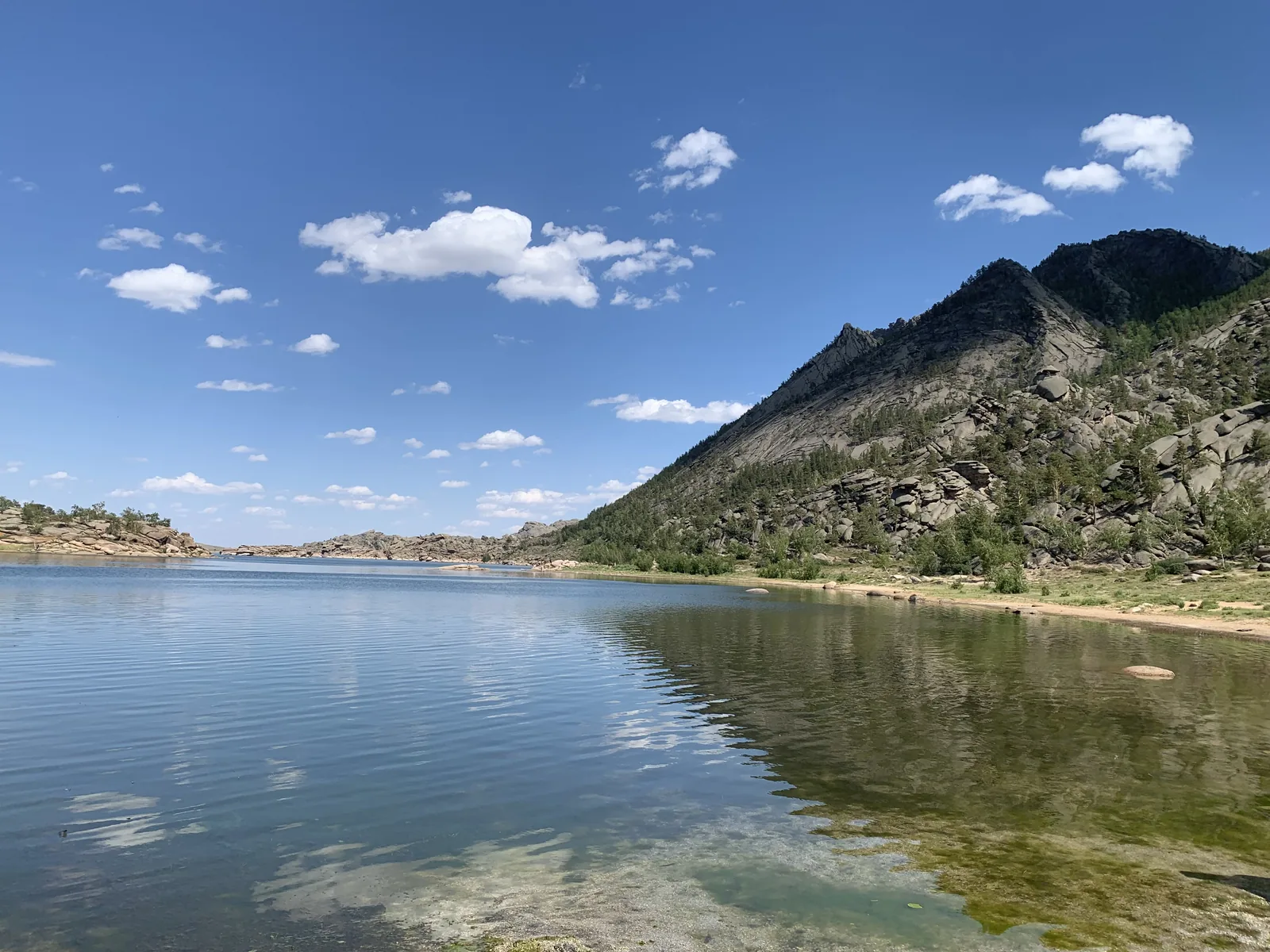
The highest point in the park is Mount Akbet, which rises to an elevation of 1,027 meters above sea level. From its summit, visitors can enjoy panoramic views of the surrounding forests, rocky peaks, and shimmering lakes. The mountain is a favourite destination for hikers and photographers seeking to capture the beauty of the Kazakh countryside.
“More than 450 species of plants have been recorded within its boundaries, including rare and endemic species found nowhere else in the world.”
Bayanaul’s climate further contributes to its unique character. Summers are warm and sunny, with temperatures often reaching 32°C (90°F), while winters are cold and snowy, creating opportunities for year-round outdoor activities. Unlike other parts of the Pavlodar region, the park is largely protected from the dust storms that frequently sweep across the surrounding steppes, making it a pleasant retreat in every season.
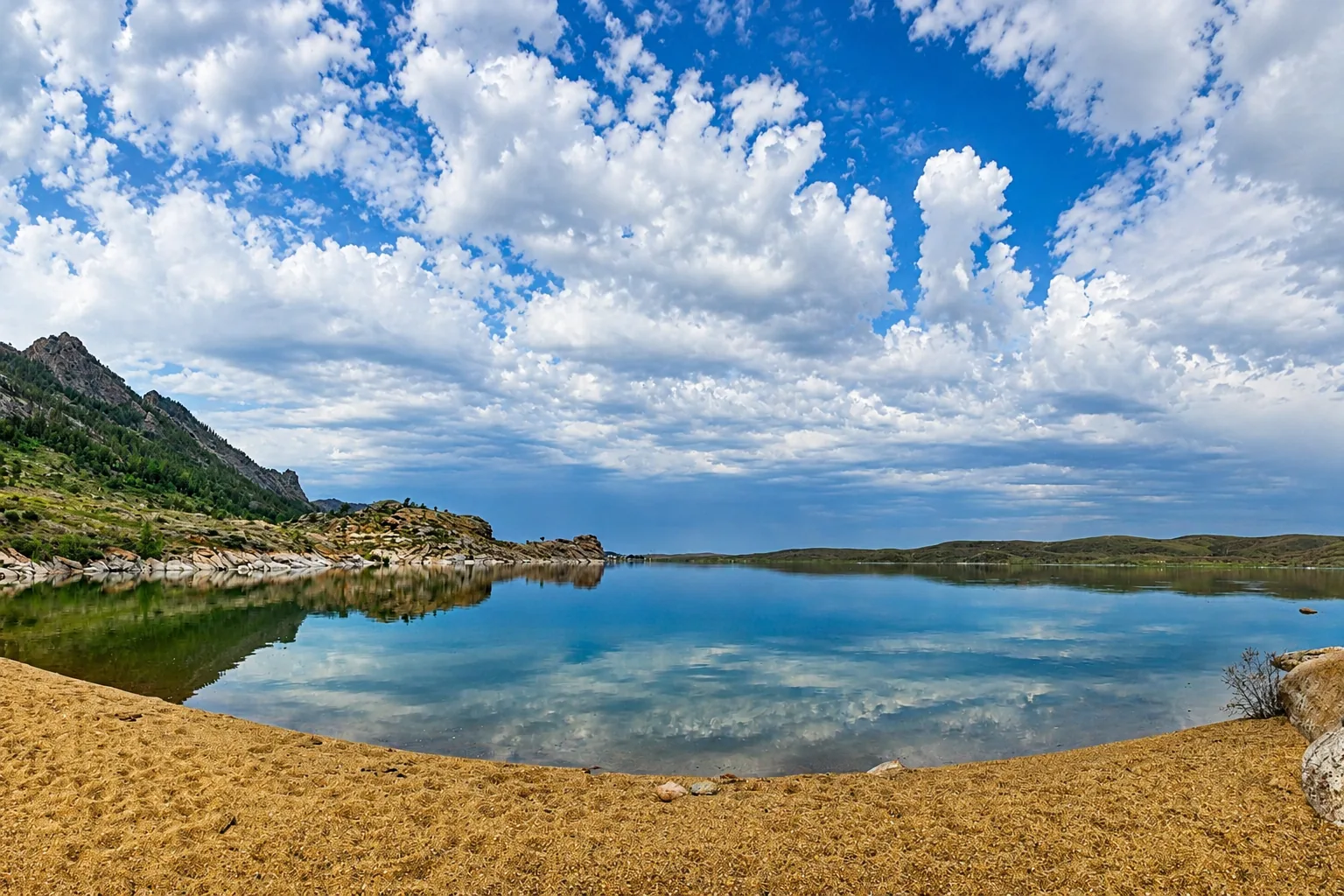
Water is another defining feature of Bayanaul National Park. Four major freshwater lakes—Zhasybai, Sabyndykol, Toraigyr, and Birzhankol—serve as the heart of the region. Their crystal-clear waters reflect the surrounding mountains and forests, creating some of the most picturesque landscapes in Kazakhstan. Among these lakes, Lake Zhasybai is perhaps the most famous. Known for its exceptional water quality and scenic setting, it is a popular destination for swimming, boating, fishing, and family recreation. During the summer months, visitors can rent boats and catamarans, relax on the lakeshore, or simply enjoy the tranquillity of the natural surroundings. The lakes are also home to several species of fish, making them attractive to anglers. The park’s rich biodiversity is equally impressive. More than 450 species of plants have been recorded within its boundaries, including rare and endemic species found nowhere else in the world.
The iconic Bayanaul pine is one of the park’s most recognizable trees, thriving alongside black alder, aspen, wild roses, raspberries, and numerous flowering plants. During spring and summer, the meadows burst into colour, while forests provide shelter for a variety of mushrooms and wild berries. Several plant species found in the park are listed in Kazakhstan’s Red Book of endangered species, highlighting the importance of conservation efforts in the region. One particularly fascinating species is the rare Maykain birch, whose leaves are coated with a wax-like substance that helps the tree withstand both severe winter frosts and intense summer heat. The animal life of Bayanaul National Park is just as diverse.
More than 40 species of mammals inhabit the region, along with reptiles, amphibians, and countless insects. One of the park’s most significant residents is the argali, the world’s largest wild sheep, which is listed in the Red Book due to its vulnerable status. Other wildlife includes foxes, wolves, hares, badgers, and various small mammals. Birdwatchers are particularly drawn to Bayanaul, as the park is home to around 50 species of birds. Eagles, hawks, owls, and numerous songbirds can be spotted throughout the forests and around the lakes, making the park a rewarding destination for wildlife enthusiasts.
Beyond its natural beauty, Bayanaul is deeply connected to Kazakh folklore and cultural traditions. According to one popular legend, the region was the birthplace of the beautiful Bayan Sulu, the heroine of one of Kazakhstan’s most famous love stories.
“Established in 1985, Bayanaul became Kazakhstan’s first national park and remains one of the nation’s most celebrated protected natural areas.”
Often compared to Shakespeare’s Juliet, Bayan Sulu remains an enduring symbol of love and beauty in Kazakh culture. Another interpretation of the name Bayanaul comes from ancient Kazakh expressions meaning “happy hills” or “prosperity,” reflecting the area’s long-standing reputation as a place of abundance and harmony. The park is also renowned for its sacred sites and mysterious rock formations. Among the most visited locations is the Konyr-Aulie Cave, a place of pilgrimage for many Kazakhs. According to local legends, childless couples who visit the cave may be blessed with children, while others believe its waters possess healing properties. Visitors often make wishes inside the cave, following traditional rituals that have been passed down through generations.
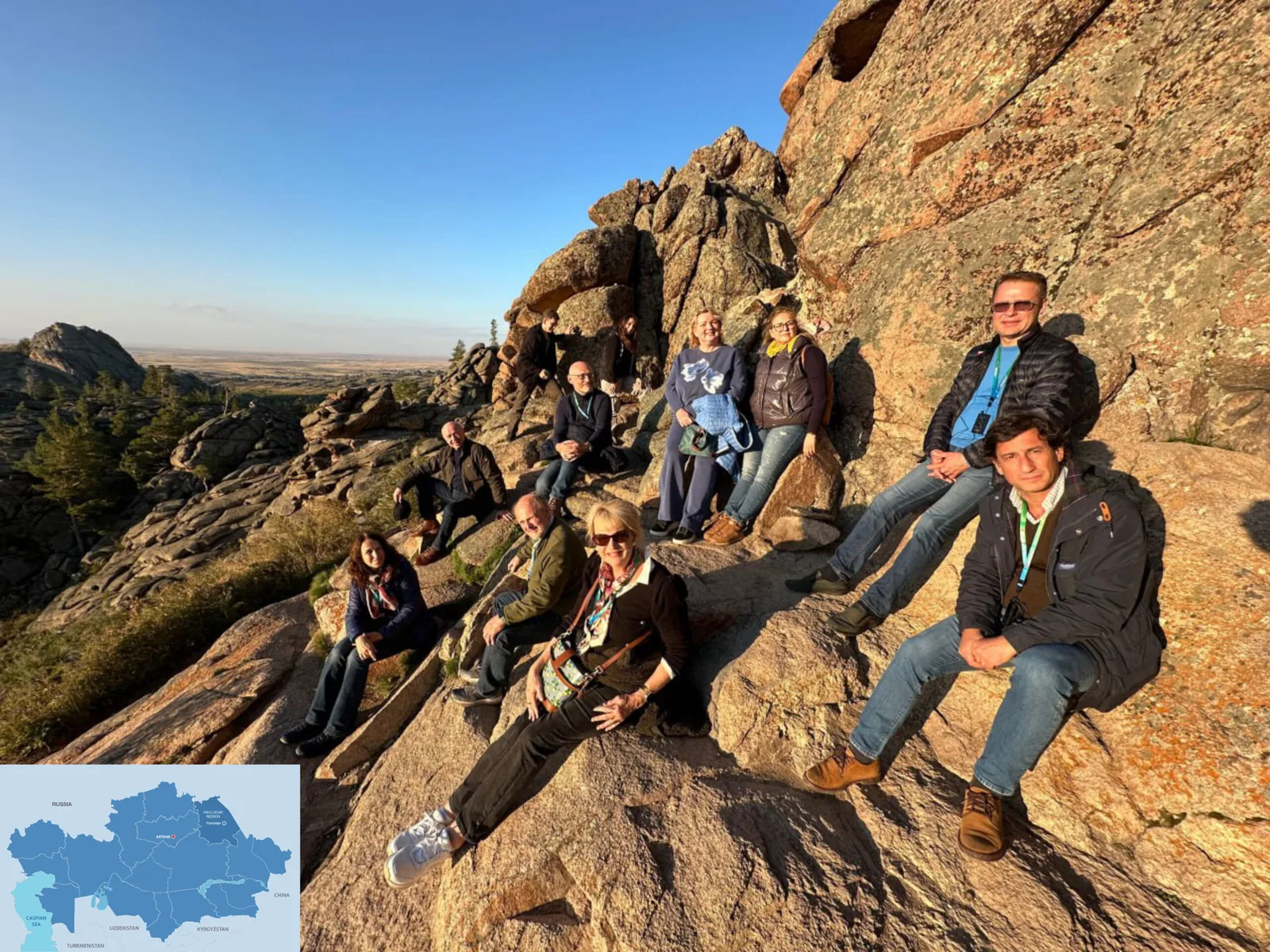
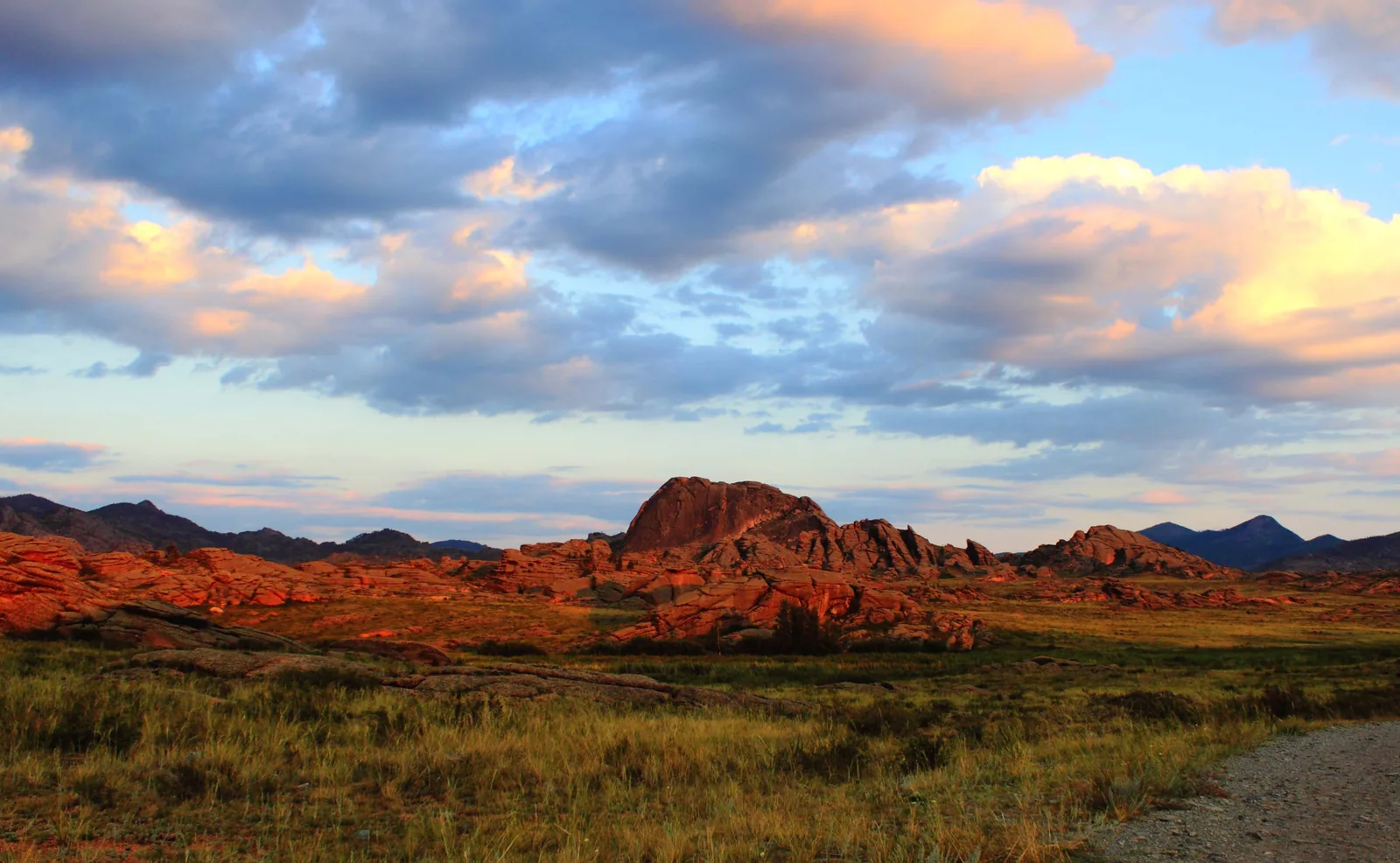
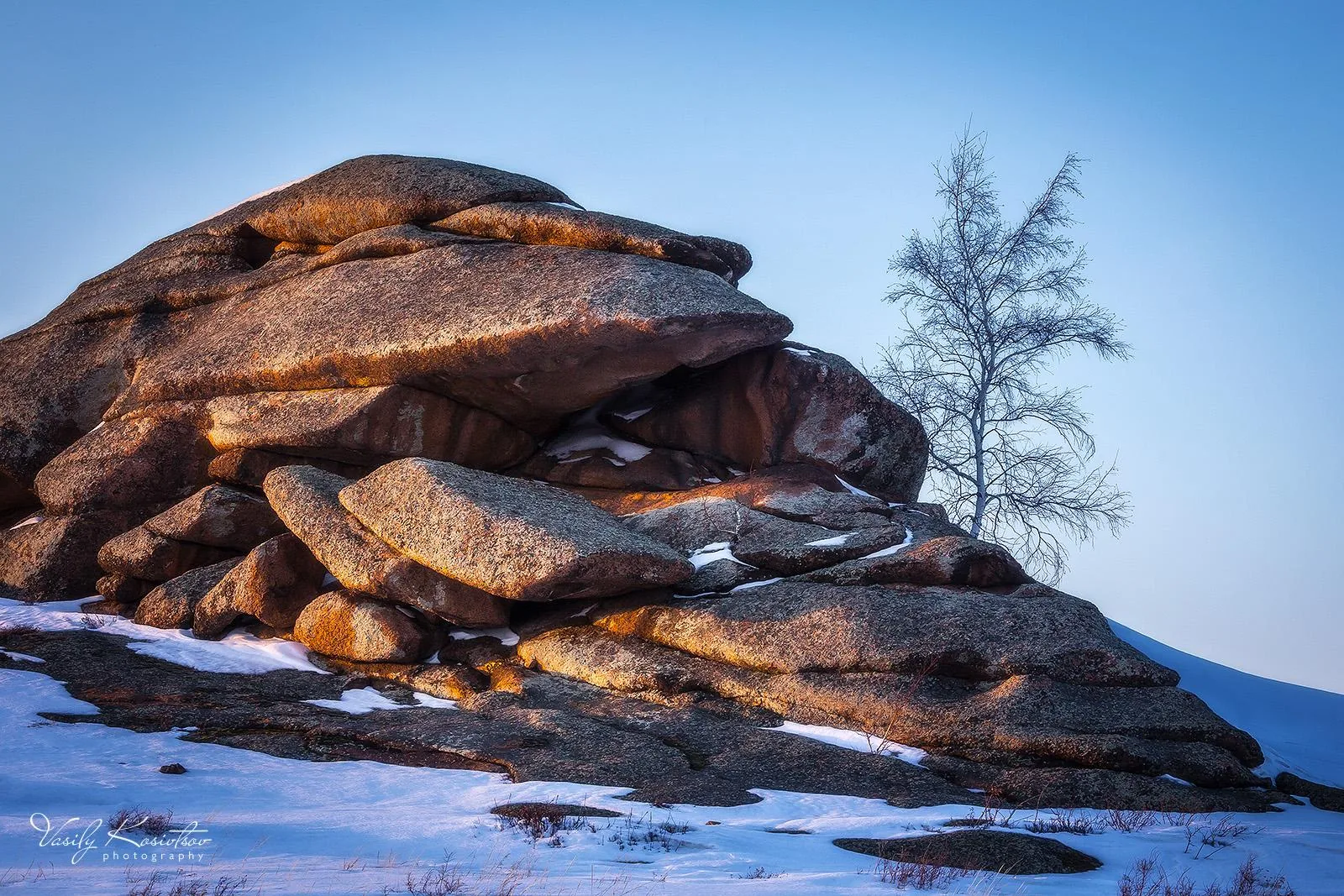
Equally fascinating are the park’s unusual rock formations, sculpted by millions of years of wind and water erosion. Many resemble animals, birds, or human figures. Popular formations include Kempirtas, often called the “Old Woman Rock,” as well as other formations locally known as the “Manhood Stone” and the “Hand of Thanos.” These natural sculptures add an element of mystery and wonder to the landscape and are among the park’s most photographed attractions.
Adventure seekers will find no shortage of activities in Bayanaul National Park. Hiking trails wind through forests, mountains, and lakeshores, offering routes suitable for both beginners and experienced trekkers. Rock climbing and mountaineering opportunities attract outdoor enthusiasts eager to explore the park’s rugged terrain. Horseback riding and mountain biking allow visitors to experience the landscape from different perspectives, while boating and swimming provide refreshing ways to enjoy the lakes during summer.
Winter transforms Bayanaul into a snowy wonderland. Skiing and winter hiking become popular activities as the mountains and forests take on a completely different character. The changing seasons ensure that every visit offers a unique experience.
One of Bayanaul’s greatest advantages is its accessibility. Unlike some protected areas that require special permits, visitors can freely explore much of the park without extensive bureaucratic procedures. This openness has contributed to its popularity among both domestic and international tourists. The nearby village of Bayanaul provides an opportunity to experience traditional Kazakh hospitality and culture. Local elders, known as aksakals, often share stories about the region’s history, legends, and customs. Visitors can gain valuable insights into the lives of the indigenous Kazakh people and their deep connection to the land.
The village is also home to important historical and cultural landmarks, including the mausoleum of the renowned scholar, philosopher, and poet Mashhur Zhusup Kopeev. Nearby lies the grave of the legendary warrior Zhasybai Batyr, after whom Lake Zhasybai was named. Adding to the region’s significance is the extraordinary paleontological site known as Goose Flight. Considered one of Eurasia’s most important fossil locations, it contains the remains of animals that lived approximately 4 to 4.5 million years ago during the Neogene period. Archaeologists have discovered fossils of ancient rhinoceroses, saber-toothed predators, hipparion horses, hyena-like animals, rodents, and more than sixty other species, providing valuable insights into prehistoric life in Central Asia.
Today, Bayanaul National Park remains one of Kazakhstan’s most captivating destinations. Combining spectacular scenery, rich biodiversity, fascinating geology, ancient legends, and cultural heritage, it offers an unforgettable experience for travelers seeking to discover the natural wonders of Central Asia. Whether exploring mountain trails, swimming in crystal-clear lakes, visiting sacred caves, or learning about local traditions, visitors quickly understand why Bayanaul is often regarded as one of Kazakhstan’s most beautiful and treasured landscapes.
Continue exploring
More from Incredible Kazakhstan

Hotels, Restaurants & Hospitality
Rixos President Astana
Where Contemporary Luxury Meets the Spirit of Kazakhstan
Travel, Tourism & Leisure
Discover Kazakhstan
Mountains, Lakes, Canyons, Steppe, Cities & Silk Road Heritage

Amazing Flavours & Cuisines
Inside Daididau
Experiencing the True Taste of Kazakhstan